

Free Zemgale Travel Guide & Mobile App
Explore Zemgale with free travel guides. Discover regional history, expert tips, proposed trips, and audio guides on web or mobile app.


Explore Zemgale’s palace gardens, Semigallian heritage, open farmland and riverside towns from Jelgava, Bauska and Dobele.
Read more about Zemgale
When is the best time to visit Zemgale?
Best: June–August · 21–23°C| Month | High (°C) | Rainfall (mm) |
|---|---|---|
| January | 0 | 40 |
| February | 1 | 35 |
| March | 6 | 40 |
| April | 12 | 45 |
| May | 18 | 50 |
| June (best) | 21 | 55 |
| July (best) | 23 | 60 |
| August (best) | 22 | 60 |
| September | 17 | 55 |
| October | 11 | 50 |
| November | 5 | 45 |
| December | 1 | 40 |
Getting to and around Zemgale
How to get there
Transportation
Top city travel guides in Zemgale
The cities of Zemgale, and the easiest places to base yourself.
-

-

-

-

-


Swipe for more cities
Destinations in Zemgale
Resorts, valleys and scenic spots worth a trip of their own.
-

-
-


Swipe for more destinations
Best attractions in Zemgale
Zemgale’s attractions combine courtly heritage, medieval archaeology and open-air recreation. Rundāle Palace is the region’s principal cultural destination, with restored Baroque rooms, a formal garden and exhibitions explaining the history of the Duchy of Courland and Semigallia. Bauska Castle presents a different experience, bringing together the ruins of a medieval fortress and a later residence at the confluence of two rivers. Jelgava offers museums, parks and the monumental palace associated with the former ducal capital, while Dobele provides access to castle ruins, gardens and a historic town setting. Mežotne Palace and other estates introduce visitors to the landscape of Baltic manor culture, though some rural properties have limited facilities. Tērvete Nature Park is notable for its pine woodland, marked trails and family-oriented interpretation, and the wider region supports cycling, gentle walking, birdwatching and seasonal countryside excursions. Archaeological sites connected with the Semigallians add depth for visitors interested in Latvia’s pre-modern history. Zemgale is best approached as a network of distinct stops rather than a single attraction centre, with driving or careful route planning allowing its palaces, rivers and rural landscapes to be experienced together.
-
Technology museum
Riga Motor Museum
Explore the innovative and exciting world of automotive history at Riga Motor Museum, featuring classic cars and interactive exhibits for all ages.
-
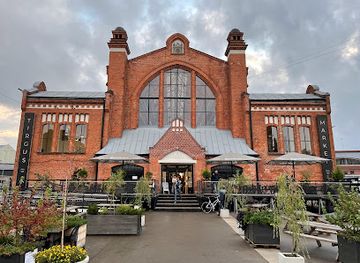
Market
Agenskalns Market
Discover the vibrant Agenskalns Market in Riga, where local flavors, crafts, and cultural heritage come together in a historical setting.
-
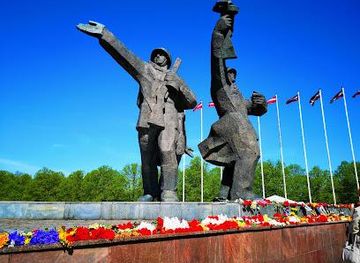
City park
Victory Park
Experience the beauty of Victory Park in Riga, a serene urban oasis with historical significance and stunning natural landscapes.
-
Park
Arcadia Park
Explore the tranquil beauty of Arcadia Park in Riga, a lush green oasis perfect for relaxation, picnics, and cultural experiences.
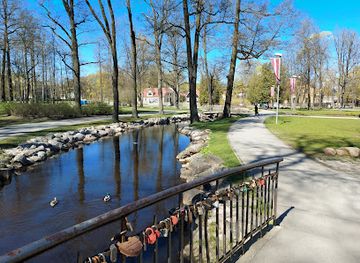
Best landmarks in Zemgale
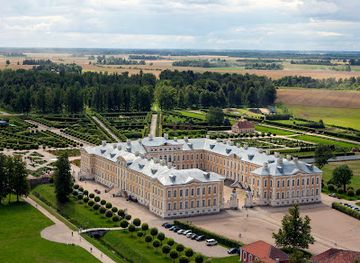
Rundāle Palace is Zemgale’s most recognisable landmark, its pale Baroque façade, formal gardens and ceremonial interiors embodying the ambitions of the 18th-century Duchy of Courland and Semigallia. In Jelgava, the rebuilt Jelgava Palace dominates the city’s historical identity; designed in the 18th century for the ducal court, it now belongs to Latvia University of Life Sciences and Technologies and preserves the memory of the former capital. Bauska Castle occupies a strategically important site between the Mūsa and Mēmele rivers, where medieval fortifications and a later residence reveal successive periods of power. Mežotne Palace, set above the Lielupe valley, is a notable neoclassical composition connected with the region’s estate culture. The Tērvete hillfort area represents the older Semigallian landscape, while Dobele Castle ruins mark a medieval centre later transformed by war and time. Taken together, these places give Zemgale a recognisable architectural and historical profile shaped by Baltic tribal heritage, German-influenced court culture, imperial rule and repeated rebuilding.
-
Market
Riga Central Market
Explore Riga Central Market: Europe's largest bazaar, housed in historic Zeppelin hangars, offering a taste of Latvian culture and cuisine.
-
Castle
Rundāle Palace Museum
Discover Latvia's Rundāle Palace Museum: A stunning Baroque masterpiece with opulent interiors and a breathtaking French garden.
-
Museum
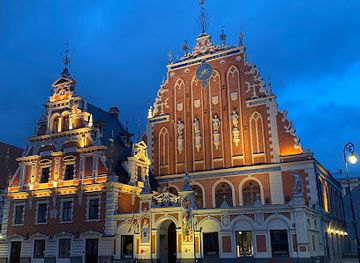
House of the Black Heads
Explore Riga's iconic House of the Black Heads: a symbol of history, architecture, and the Hanseatic League in the heart of Old Town.
-
Theme park
LVM Nature Park in Tērvete
Discover a magical world of fairytales and nature at LVM Nature Park in Tērvete, a perfect family escape in Latvia's scenic countryside.
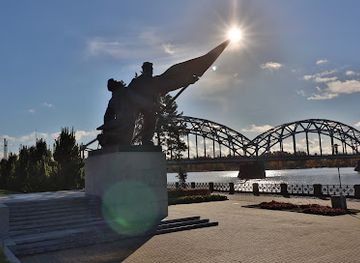
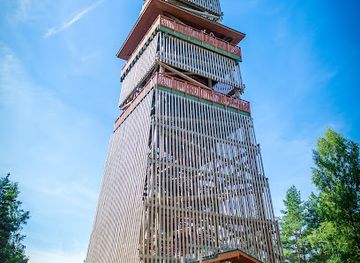
Explore Zemgale on the map
Plan your trip on one map. See where the top cities, national parks and sights are, and book hotels and experiences in a few clicks.
Best hotels in Zemgale
Best restaurants in Zemgale
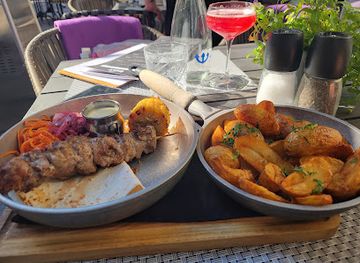
Dining in Zemgale reflects Latvia’s agricultural south: rye bread, potatoes, dairy products, pork, seasonal vegetables, mushrooms, berries and apples appear in home-style cooking and contemporary menus. Jelgava and Bauska have the widest selection of restaurants, cafés and bakeries, while smaller towns and villages are more likely to offer traditional Latvian meals, pastries and uncomplicated daytime dining. Markets and farm shops can be useful for local produce, particularly during the growing season. Zemgale is not defined by one exclusive regional dish, but its fertile plains support a strong connection between food and farming. Look for soups, potato-based dishes, smoked or preserved foods, dark bread and seasonal berry desserts, alongside tea, coffee and Latvian beer. Rural inns and manor-related restaurants may provide a more atmospheric meal, although opening arrangements can be limited outside the main tourist season.
-
Restaurant
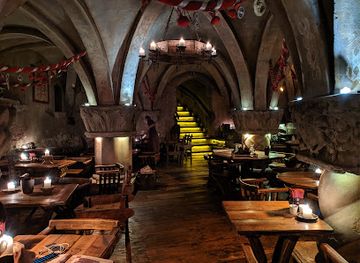
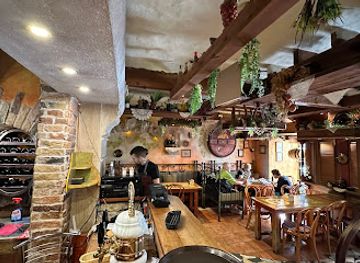
Rozengrāls (Vinarium civitatis rigensis)
Immerse yourself in medieval charm and savor authentic Latvian cuisine at Rozengrāls, a unique dining experience in Riga.
-
Restaurant
OGLE
Discover Ogle in Riga: A premier restaurant specializing in grilled delicacies that offers an unforgettable dining experience.
-
Restaurant
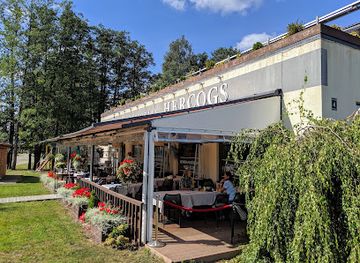
Hercogs Restaurant
Experience exquisite Latvian cuisine at Hercogs Restaurant in Mārupe – where tradition meets innovation in every dish.
-
Family-friendly
Province restaurant
Discover authentic Latvian comfort food at Province Restaurant in Riga's Central District—where family-friendly dining meets rich culinary tradition.
Best bars in Zemgale
Nightlife in Zemgale is concentrated in Jelgava, where a student population, cultural venues, restaurants, pubs and a modest selection of late-evening bars create the region’s broadest choice. Bauska and Dobele offer a quieter scene centred on pubs, cafés and restaurants rather than large clubs. Across the countryside, evenings are more likely to involve a traditional inn, a local event or a meal with regional beer than an organised nightlife district. Jelgava occasionally hosts concerts and seasonal public events, but schedules change, so current listings are useful when planning a night out. Visitors interested in Latvian drinks can explore local beer and non-alcoholic options, while rural travel requires planning for limited late transport and should not rely on finding a taxi immediately after leaving a town.
-
Bar
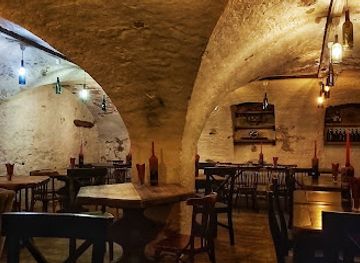
Ala Pagrabs
Experience the vibrant nightlife of Riga at Ala Pagrabs, where local cuisine meets an extensive selection of craft beers in a cozy atmosphere.
-
Bar
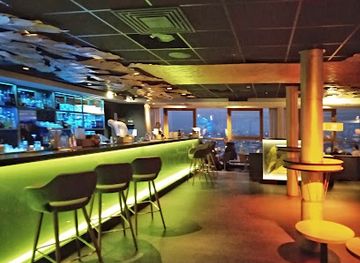
Skyline bar
Experience the elegance of Skyline Bar in Riga, where stunning views meet exquisite cocktails and gourmet cuisine for an unforgettable night.
-
Brewpub
Gastro Pub Duvel's
Discover the flavors of Latvia at Gastro Pub Duvel's, where traditional cuisine meets craft brewing in a vibrant atmosphere.
-
Bar
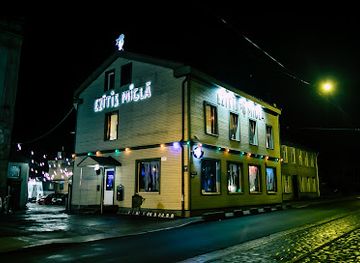
Kalnciema Ezītis miglā
Experience the unique blend of café, bar, and restaurant at Kalnciema Ezītis miglā in Riga, where local flavors meet a cozy atmosphere.

Best nightclubs in Zemgale
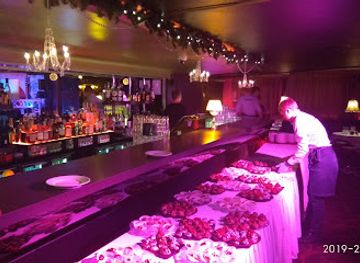
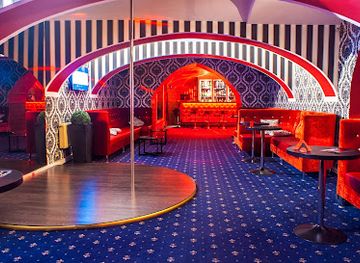
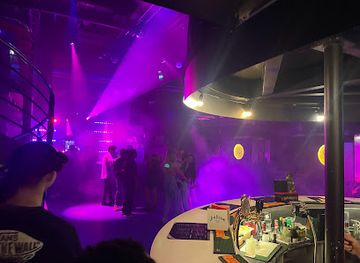
Nightlife in Zemgale is concentrated in Jelgava, where a student population, cultural venues, restaurants, pubs and a modest selection of late-evening bars create the region’s broadest choice. Bauska and Dobele offer a quieter scene centred on pubs, cafés and restaurants rather than large clubs. Across the countryside, evenings are more likely to involve a traditional inn, a local event or a meal with regional beer than an organised nightlife district. Jelgava occasionally hosts concerts and seasonal public events, but schedules change, so current listings are useful when planning a night out. Visitors interested in Latvian drinks can explore local beer and non-alcoholic options, while rural travel requires planning for limited late transport and should not rely on finding a taxi immediately after leaving a town.
-
Karaoke bar
Friends club
Experience the vibrant nightlife at Friends Club, Riga's premier karaoke bar where every night is a celebration of music and fun.
-
Night club
FIRST Club
Experience the heartbeat of Riga's nightlife at FIRST Club, where vibrant energy meets unforgettable live performances.
-
Night club
Royal Club
Experience the electrifying nightlife at Royal Club, Riga's premier destination for unforgettable parties and luxurious entertainment.
-
Night club
Valhalla
Experience the pulse of Riga's nightlife at Valhalla, where music, dance, and good vibes collide in an unforgettable night.

Best shops in Zemgale
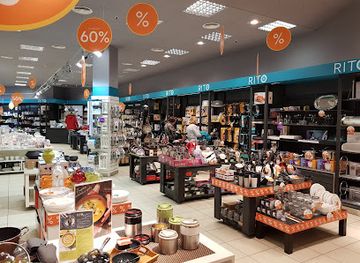
Shopping in Zemgale is practical and locally focused rather than centred on luxury retail. Jelgava has the largest selection of everyday shops, cafés, bakeries and urban services, while Bauska and Dobele retain market-town high streets with independent businesses and food shops. Farmers’ markets and seasonal stalls are useful for rye bread, honey, berries, apples, preserves, smoked products and other produce from the surrounding agricultural area. Palace shops and local cultural venues may offer books, postcards and Latvian craft items, while rural makers sometimes sell ceramics, textiles, woodwork or small decorative goods at fairs and community events. Visitors should check dates for markets and seasonal festivals rather than assuming they operate daily. For a more distinctive souvenir, locally produced food, a book on Baltic history or a small craft item usually reflects Zemgale more meaningfully than a generic import.
-
Shopping mall
Riga Plaza shopping center
Discover the vibrant shopping scene at Riga Plaza, featuring a mix of local and international brands, dining, and entertainment for all ages.
-
Shopping mall
Gallery Centre, Shopping mall
Discover the heart of Riga's shopping scene at the Gallery Centre, where local charm meets international flair in a vibrant retail experience.
-
Market
Agenskalns Market
Discover the heart of Riga at Agenskalns Market, a cultural landmark offering fresh produce, local delicacies, and a vibrant community atmosphere.
-
Shopping mall
Galleria Riga
Explore Galleria Riga, a vibrant shopping mall in the heart of Latvia, featuring top brands, local boutiques, and delightful dining options.

Get your free copy of our complete guide to Zemgale, delivered straight to you.
Everything on this page, from attractions and restaurants to essentials and local phrases, in one PDF you can read offline, print or share.
Already have an account? Sign in
Your Zemgale guide is ready.
We'll send it to · Not you? Sign out

Getting your guide ready…
We are putting together a fresh copy of the Zemgale guide. This can take up to a minute.
This can take a few moments. If your browser asks, choose Allow so the download can start. You'll find the guide in your Downloads folder.
Nothing happened? Download it again
Sorry, the guide is taking longer than usual. Please try again in a minute, or get it by email instead.
Zemgale essentials
Currency and Payment
Safety
Emergency Situations
Do's and Don'ts
Local Tips
From Eve
Local phrases worth knowing
You don't need to get them perfect. A few words go a long way, and locals appreciate the effort.
Basics
| English | Local | Say it |
|---|---|---|
| Hello | Sveiki | [svei-kee] |
| Goodbye | Uz redzēšanos | [ooz reh-dzei-sha-nose] |
| Yes | Jā | [yah] |
| No | Nē | [neh] |
| Please/You're welcome | Lūdzu | [lood-zoo] |
| Thank you | Paldies | [pahl-dyehs] |
| Excuse me/Sorry | Atvainojiet | [aht-vai-noh-yet] |
| How are you? | Kā tev klājas? | [kah tev klah-yas] |
| Fine. And you? | Labi. Un tu? | [lah-bee. oon too?] |
| Do you speak English? | Vai tu runā angliski? | [vai too roo-nah ahn-gli-ski] |
| I don't understand | Es nesaprotu | [es neh-sah-proh-too] |
Eating & Drinking
| English | Local | Say it |
|---|---|---|
| I'd like to see the menu, please | Es gribētu redzēt ēdienkarti, lūdzu | [es gree-bah-too reh-dzet eh-dee-en-kahr-tee, lood-zoo] |
| I don't eat meat | Es neēdu gaļu | [es ne-e-du gah-lu] |
| Cheers! | Priekā! | [pree-kah] |
| I would like to pay, please | Es gribētu samaksāt, lūdzu | [es gree-bah-too sah-mahk-saht, lood-zoo] |
Emergencies
| English | Local | Say it |
|---|---|---|
| Help! | Palīdziet! | [pahl-eed-zee-et] |
| Go away! | Aizveries! | [aiz-ver-ee-es] |
| Call the Police! | Zvaniet policiju! | [zvah-nee-et poh-lee-tsi-yu] |
| Call a doctor! | Zvaniet ārstu! | [zvah-nee-et ar-stu] |
| I'm lost | Es esmu pazudis | [es eh-smu pah-zoo-dis] |
| I'm ill | Es esmu slims | [es eh-smu sleems] |
Shopping
| English | Local | Say it |
|---|---|---|
| I'd like to buy... | Es gribētu nopirkt... | [es gree-bah-too noh-peerk-t] |
| I'm just looking | Es tikai skatos | [es tee-kah-ee skah-tos] |
| How much is it? | Cik tas maksā? | [tsik tahs mahk-sah] |
| That's too expensive | Tas ir pārāk dārgs | [tahs eer pah-rahk dar-gs] |
| Can you lower the price? | Vai tu vari samazināt cenu? | [vai too vah-ree sah-mah-zee-naht tseh-nu] |
Time & Numbers
| English | Local | Say it |
|---|---|---|
| What time is it? | Cik ir pulkstenis? | [tsik eer poolk-sten-is] |
| It's one o'clock | Ir viena pulkstenis | [eer vee-nah poolk-sten-is] |
| Half past (10) | Pusstundas (10) | [poos-stoon-dahs (10)] |
| Morning | Rīts | [reetz] |
| Afternoon | Pēcpusdiena | [pehp-poos-dye-na] |
| Evening | Vakars | [vah-kars] |
| Yesterday | Vakar | [vah-kar] |
| Today | Šodien | [shoh-dyehn] |
| Tomorrow | Rīt | [reet] |
| 1 | 1 | [1] |
| 2 | 2 | [2] |
| 3 | 3 | [3] |
| 4 | 4 | [4] |
| 5 | 5 | [5] |
| 6 | 6 | [6] |
| 7 | 7 | [7] |
| 8 | 8 | [8] |
| 9 | 9 | [9] |
| 10 | 10 | [10] |
Transport & Directions
| English | Local | Say it |
|---|---|---|
| Where's a/the...? | Kur ir ...? | [koor eer ...?] |
| What's the address? | Kāda ir adrese? | [kah-dah eer ah-dreh-seh] |
| Can you show me (on the map)? | Vai tu vari parādīt (uz kartes)? | [vai too vah-ree pah-rah-deet (ooz kar-teh)?] |
| When's the next (bus)? | Kad ir nākamais (autobuss)? | [kahd eer nah-kah-mice (ow-toh-boos)?] |
| A ticket (to ....) | Biļete (uz ....) | [bee-lyeh-teh (ooz ....)] |
History of Zemgale
The Semigallians before 1200
Zemgale takes its name from the Semigallians, a Baltic people who occupied the region before the arrival of German crusading orders. Their settlements and hillforts were connected to the rivers and fertile lands of the Lielupe basin, and their leaders resisted the expansion of the Livonian Order for much of the 13th century. The Semigallian stronghold at Tērvete is particularly important in regional memory and archaeology. Although the political structures of the Semigallians eventually disappeared, their name, historical identity and interpretation remain central to how modern Zemgale presents its past.
Livonian Order and medieval frontier
During the 13th century, Zemgale became part of the contested political landscape created by the Livonian Order and its allies. Fortifications were established or expanded at strategic river crossings and settlements, including the area now associated with Bauska. Medieval castle building reflected both military pressure and control of trade routes through the southern Latvian plain. The region’s later castles and archaeological mounds preserve fragments of this period, although many original structures were altered, destroyed or replaced during subsequent wars.
The Duchy of Courland and Semigallia
From the 16th century until the late 18th century, much of Zemgale formed part of the Duchy of Courland and Semigallia, a German-influenced Baltic duchy under the Polish-Lithuanian Commonwealth. Jelgava, then known as Mitau, served as its capital and court residence. The dukes promoted agriculture, trade and manufacturing, while the court commissioned palaces and gardens that changed the cultural landscape. Rundāle Palace and Jelgava Palace are the most visible legacies of this era, although the duchy’s prosperity was repeatedly interrupted by regional wars and foreign occupation.
Rundāle and the 18th-century court
Rundāle Palace was built in the 1730s and 1760s for Ernst Johann von Biron, Duke of Courland and Semigallia, to designs associated with the architect Francesco Bartolomeo Rastrelli. Its Baroque and Rococo interiors, ceremonial rooms and formal French garden expressed the ambitions of a small but sophisticated Baltic court. The palace also reflects the shifting politics of the region: after the duchy was incorporated into the Russian Empire in 1795, its aristocratic estates continued to shape local landholding and culture. Restoration in the modern period made Rundāle one of Latvia’s most important heritage sites.
Russian Empire and agricultural transformation
Following the duchy’s incorporation into the Russian Empire, Zemgale remained an agriculturally important territory, with estates, villages and market towns linked to the wider imperial economy. The abolition of serfdom and later land reforms gradually altered relationships between landlords and rural communities. Improved roads and rail connections strengthened the role of Jelgava and other towns, while manor estates remained significant centres of administration and production. The open farmland associated with modern Zemgale therefore reflects both natural fertility and centuries of organised agricultural development.
War, independence and the rebuilding of Jelgava
The First World War and the Latvian War of Independence brought severe disruption to Zemgale. Jelgava and other settlements suffered damage during fighting, evacuation and political upheaval, while battles in 1919 helped determine the survival of the Latvian state. During the Second World War, Jelgava was again heavily damaged, and much of its historic urban fabric disappeared. Post-war reconstruction created a modern city around surviving and rebuilt monuments, including Jelgava Palace, leaving the region with a layered but often interrupted architectural history.
Soviet agriculture and contemporary Zemgale
After Latvia was incorporated into the Soviet Union, agriculture was reorganised through collective and state farms, changing land use and rural settlement patterns across Zemgale. Industrial activity and educational institutions expanded in Jelgava, while many manor houses and religious buildings experienced neglect or new uses. Since the restoration of Latvia’s independence in 1991, the region has combined modern farming with heritage conservation, rural tourism and environmental recreation. Restored palaces, castle ruins, nature parks and local museums now interpret a history shaped by Baltic peoples, imperial rule, war and agricultural change.
Zemgale in Photos
Browse through our photo collection highlighting the charm and character of the destination.
Neighbouring regions of Zemgale
The closest regions to Zemgale, if you have time for more than one.
-

-

-

-

-


Swipe for more regions
Explore more

Explore more of Latvia
Explore Latvia: A Baltic treasure with rich history, stunning landscapes, vibrant festivals, and warm hospitality. Discover Riga's charm and Latvia's natural beauty.
Explore Latvia