

Pape Nature Reserve, Latvia Travel Guide
Discover Latvia's Pape Nature Reserve: A pristine sanctuary teeming with wildlife, breathtaking landscapes, and rich cultural heritage.
Pape Nature Reserve, located in the southwestern part of Latvia, is a haven for nature lovers and wildlife enthusiasts. This vast reserve stretches over 51 square kilometers and offers a rich tapestry of diverse ecosystems, including coastal dunes, wetlands, meadows, and forests. It is a sanctuary for many endangered species and a crucial stopover for migratory birds. One of the most remarkable features of Pape Nature Reserve is its wild horses, known as Konik ponies. These hardy animals roam freely in the reserve, helping to maintain the natural balance by grazing on vegetation. Visitors can observe these majestic creatures in their natural habitat, a rare and unforgettable experience. The reserve is also home to the Pape Lake, a haven for birdwatchers. The lake and its surrounding wetlands attract a variety of bird species, including cranes, storks, and sea eagles. Birdwatching towers and observation points are strategically placed around the lake, providing excellent opportunities for photography and wildlife spotting. For those interested in cultural heritage, the Pape Ethnographic Open-Air Museum offers a glimpse into the traditional Latvian way of life. The museum showcases old farmsteads, fishing huts, and other historical buildings, providing a fascinating insight into the region's history and culture. Whether you're hiking along the scenic trails, birdwatching, or simply soaking in the tranquil beauty of the landscape, Pape Nature Reserve promises an enriching and serene experience. Its unspoiled nature and rich biodiversity make it a must-visit destination for anyone seeking to reconnect with the great outdoors.

Know before you go
Hi, I'm Eve. Here are a few practical things to know before exploring Pape Nature Reserve.
- Visit during spring or autumn for the best birdwatching opportunities as many migratory birds pass through the area.
- Bring binoculars and a camera with a good zoom lens to capture the diverse wildlife and stunning landscapes.
- Wear comfortable hiking shoes and bring insect repellent, especially if you plan to explore the wetlands and forests.
- Check the weather forecast and dress in layers, as the coastal climate can change rapidly.
- Consider hiring a local guide for a more enriching experience; they can provide valuable insights into the flora, fauna, and history of the area.
- Respect the natural environment by staying on marked trails and not disturbing the wildlife.
Explore Pape Nature Reserve: Things to Do, Places to Eat, Hotels & More
Handpicked recommendations for top attractions, local dining, accommodations, and more

Top Attractions & Sightseeing in Pape Nature Reserve
Top-rated picks
Best Attractions

House of the Black Heads
Discover the rich history and stunning architecture of the House of the Black Heads, a must-visit museum and landmark in Riga's vibrant heart.

Liepaja seaside park
Explore the natural beauty of Liepaja Seaside Park, a coastal haven featuring lush landscapes, scenic paths, and a vibrant atmosphere for all visitors.

The Ethnographic Open-Air Museum of Latvia
Explore Latvia's cultural heritage at The Ethnographic Open-Air Museum, featuring traditional architecture, artisan crafts, and seasonal festivities.

Liepāja Northern Breakwater
Experience the stunning views and peaceful ambiance of Liepāja Northern Breakwater, a hidden gem along Latvia's Baltic coast.

Best landmarks in Pape Nature Reserve
Top-rated picks
Best Landmarks

Маяк Pape lighthouse
Discover the historic Pape Lighthouse on Latvia's coast: a maritime beacon, scenic beaches, and tranquil nature await near the Lithuanian border.

Pūķarags
Experience the natural beauty of Latvia's Baltic coast at Pūķarags, a recreation complex and campground in Pape Nature Park.

Pūsēnu kāpa
Discover Latvia's highest coastal dune at Pūsēnu Kāpa, offering breathtaking views and a tranquil nature escape in Bernāti Nature Park.

Mikjāņi
Escape to Mikjāņi Campground in Pape Nature Park: A serene coastal retreat with camping, cabins, and Baltic Sea adventures.

Best restaurants in Pape Nature Reserve
Top-rated picks
Best Restaurants

Rozengrāls (Vinarium civitatis rigensis)
Discover authentic Latvian cuisine at Rozengrāls, where history meets flavor in the heart of Riga.

Hot Potato
Discover Hot Potato in Liepāja - where delicious food meets unique draft beers for an unforgettable dining experience.

Restaurant Bermudas
Discover the freshest seafood delights at Restaurant Bermudas in Ragaciems – a true gem on Latvia's coast.

Restaurant Olive
Experience the rich flavors of Liepāja at Restaurant Olive – where culinary artistry meets warm hospitality.

Best bars in Pape Nature Reserve
Top-rated picks
Best Bars
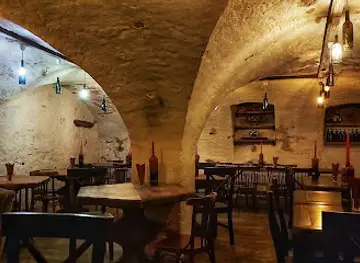
Ala Pagrabs
Discover the vibrant atmosphere of Ala Pagrabs, a must-visit underground bar in Riga, offering live music, local beers, and traditional Latvian cuisine.

B Bārs Restorāns
Experience the best of Riga at B Bārs Restorāns, where cocktails meet culinary artistry in a vibrant atmosphere.
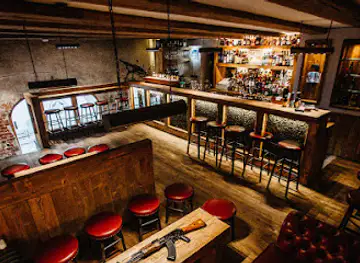
The Armoury Bar
Discover The Armoury Bar in Riga - where history meets hospitality with a diverse drink selection and vibrant atmosphere.

Aussie Backpackers Pub
Experience the vibrant atmosphere of Aussie Backpackers Pub in Riga – where nightlife meets hospitality amidst unique comic-themed decor.

Best nightclubs in Pape Nature Reserve
Top-rated picks
Best Nightclubs

Friends club
Discover the vibrant nightlife of Riga at Friends Club, where karaoke meets a lively bar and nightclub atmosphere, perfect for unforgettable nights.

FIRST Club
Immerse yourself in Riga's nightlife at FIRST Club, where modern vibes meet energetic beats in a stunning atmosphere.

FonoKlubs
Discover the lively spirit of FonoKlubs, a vibrant bar and event venue in Cēsis, offering an unforgettable nightlife experience.

TOP Club Riga
Discover the heart of Riga's nightlife at TOP Club, where vibrant music and a lively atmosphere create unforgettable memories.

Best shops in Pape Nature Reserve
Top-rated picks
Best Shops

Gallery Centre, Shopping mall
Explore Riga's Gallery Centre for a unique shopping experience, featuring local and international brands, delightful dining, and family-friendly fun.

Via Jurmala Outlet Village
Discover unbeatable deals and a vibrant shopping atmosphere at Via Jurmala Outlet Village, the ultimate destination for savvy shoppers in Latvia.

Market Latgale
Experience the vibrant culture and unique treasures at Market Latgale, Riga's premier flea market for local crafts and Soviet memorabilia.

Маяк Pape lighthouse
Experience the breathtaking views and rich history at Pape Lighthouse, a top tourist attraction along the stunning Latvian coast.

Explore Pape Nature Reserve on the Map
A handpicked selection of must-see spots in Pape Nature Reserve, mapped for you.
Pape Nature Reserve Essentials
-
Pape Nature Reserve is located in the southwestern part of Latvia, near the border with Lithuania. The nearest major city is Liepāja, approximately 50 kilometers to the north. The most convenient way to reach Pape is by car. If you're coming from Riga, the capital of Latvia, you can rent a car and drive to Pape, which takes around 3 hours. Public transportation options include taking a bus from Riga to Liepāja and then a local bus or taxi to Pape. Note that public transport schedules may be limited, so check in advance.
-
Within Pape Nature Reserve, transportation options are limited due to its focus on nature conservation. Walking and cycling are the best ways to explore the reserve. There are several well-marked trails that provide access to different parts of the reserve. For longer distances, renting a bicycle from nearby towns or bringing your own is advisable. If you are staying at a local guesthouse, some may offer shuttle services to key points within the reserve.
-
The official currency in Latvia is the Euro (EUR). Credit cards are widely accepted in major cities and tourist areas, but in rural areas and within Pape Nature Reserve, it's advisable to carry cash. There are no ATMs within the reserve itself, so make sure to withdraw sufficient cash before you arrive. Nearby towns such as Liepāja have ATM facilities and currency exchange services.
-
Pape Nature Reserve is generally a safe destination for tourists. However, as with any travel destination, it's important to take standard precautions. Keep an eye on your belongings and avoid leaving valuables in your car. There are no specific high-crime areas targeting tourists, but it's always best to stay vigilant. Be cautious when exploring remote areas of the reserve, and consider informing someone of your plans and expected return time.
-
In case of emergency, dial 112 for immediate assistance, which is the universal emergency number in Latvia. The nearest medical facilities are located in the town of Liepāja. It's recommended to have travel insurance that covers medical emergencies. For minor health issues, there are pharmacies in nearby towns where you can purchase over-the-counter medications. It's also a good idea to carry a basic first aid kit when exploring the reserve.
-
Fashion: Do wear comfortable and weather-appropriate clothing, especially if you plan to hike or bike. Avoid wearing flashy or overly revealing attire. Religion: Respect local traditions and cultural sites within the reserve. Public Transport: Be mindful of limited public transport options. Plan your trips in advance and be respectful to drivers and other passengers. Greetings: A simple 'hello' (in Latvian, 'Sveiki') and a smile go a long way in making a good impression. Eating & Drinking: Do try local specialties if you have the chance. Don't litter; carry your trash with you until you find a proper disposal bin.
-
To experience Pape Nature Reserve like a local, visit during early morning or late afternoon when wildlife is most active. Engage with local guides for insightful tours and information about the reserve's unique flora and fauna. Birdwatching is a popular activity, especially during migration seasons. Don’t miss the opportunity to visit the traditional fishing village of Pape and learn about local fishing techniques and history. Also, consider staying in a local guesthouse to immerse yourself in the local culture and traditions.
When is the best time to visit Pape Nature Reserve?
Useful Local Phrases for Pape Nature Reserve
You don't need to speak the language perfectly. Even learning a few simple words can make conversations warmer—and locals usually appreciate the effort.
— Eve

Here are the phrases I use most often in Pape Nature Reserve. Try a few—you'll be surprised how far they go! 😊
❤️
-
- HelloSveiki
[sveh-kee] - GoodbyeUz redzēšanos
[ooz reh-dzay-sha-nos] - YesJā
[yah] - NoNē
[nay] - Please/You're welcomeLūdzu
[lood-zoo] - Thank youPaldies
[pahl-dyehs] - Excuse me/SorryAtvainojiet
[aht-vai-noh-yet] - How are you?Kā tev klājas?
[kah tehv klah-yahs] - Fine. And you?Labi. Un tu?
[lah-bee. oon too?] - Do you speak English?Vai tu runā angliski?
[vai too roo-nah ahn-glees-kee?] - I don't understandEs nesaprotu
[es neh-sah-proh-too]
- HelloSveiki
-
- I'd like to see the menu, pleaseEs gribētu redzēt ēdienkarti, lūdzu
[es gree-bah-tu reh-dzayt eh-dee-en-kar-tee, lood-zoo] - I don't eat meatEs neēdu gaļu
[es neh-ay-doo gah-loo] - Cheers!Priekā!
[pree-kah] - I would like to pay, pleaseEs gribētu samaksāt, lūdzu
[es gree-bah-tu sah-mahk-saht, lood-zoo]
- I'd like to see the menu, pleaseEs gribētu redzēt ēdienkarti, lūdzu
-
- Help!Palīdziet!
[pahl-eed-zee-eht] - Go away!Aiziet prom!
[ai-zee-eht prohm] - Call the Police!Zvaniet policiju!
[zvah-nee-eht poh-lee-tsee-yoo] - Call a doctor!Zvaniet ārstu!
[zvah-nee-eht ahr-stoo] - I'm lostEs esmu pazaudējis
[es ess-moo pah-zow-day-ees] - I'm illEs esmu slims
[es ess-moo sleems]
- Help!Palīdziet!
-
- I'd like to buy...Es gribētu nopirkt...
[es gree-bah-tu noh-peerkt] - I'm just lookingEs tikai skatījos
[es tee-kah-ee skah-tee-yohs] - How much is it?Cik tas maksā?
[tsik tahs mahk-sah] - That's too expensiveTas ir pārāk dārgs
[tahs eer pah-rahk dahrgs] - Can you lower the price?Vai jūs varat pazemināt cenu?
[vai yooz vah-raht pah-zeh-mee-naht tseh-noo]
- I'd like to buy...Es gribētu nopirkt...
-
- What time is it?Cik daudz ir pulkstenis?
[tsik dah-oo-dz eer pulk-steh-nis] - It's one o'clockIr viena pulkstenis
[eer vyen-ah pulk-steh-nis] - Half past (10)Pusstundas (10)
[poos-stoon-dahs (diez)] - MorningRīts
[reetz] - AfternoonPēcpusdiena
[pehp-poos-dyeh-nah] - EveningVakars
[vah-kars] - YesterdayVakar
[vah-kar] - TodayŠodien
[shoh-dyehn] - TomorrowRīt
[reet] - 11
[1] - 22
[2] - 33
[3] - 44
[4] - 55
[5] - 66
[6] - 77
[7] - 88
[8] - 99
[9] - 1010
[10]
- What time is it?Cik daudz ir pulkstenis?
-
- Where's a/the...?Kur ir...?
[koor eer...?] - What's the address?Kāds ir adrese?
[kahds eer ah-dreh-seh?] - Can you show me (on the map)?Vai tu vari man parādīt (uz kartes)?
[vai too vah-ree mahn pah-rah-deet (ooz kar-tehs)?] - When's the next (bus)?Kad ir nākamais (autobuss)?
[kahd eer nah-kah-myhs (ow-toh-boos)?] - A ticket (to ....)Biļete (uz ....)
[bee-lyeh-teh (ooz ....)]
- Where's a/the...?Kur ir...?
History of Pape Nature Reserve
-
The Pape Nature Reserve area has been inhabited since prehistoric times. Archaeological findings suggest that the first human settlements in the region date back to the Stone Age. Artifacts such as tools, pottery, and remnants of ancient dwellings have been unearthed, providing a glimpse into the lives of the early inhabitants who relied on the rich natural resources of the area for sustenance.
-
During the medieval period, the territory of what is now the Pape Nature Reserve was part of important trade routes. The nearby Baltic Sea facilitated the movement of goods and people, linking the region to larger trade networks across Europe. Evidence of these trading activities includes the discovery of foreign coins, pottery, and other trade goods, which indicate the area's integration into the broader economic system of the time.
-
In the 13th century, the region came under the influence of the Livonian Order, a branch of the Teutonic Knights. The Order established control over large parts of present-day Latvia, including the area around Pape. The Livonian Order's presence brought significant changes to the local culture and administration, with the construction of fortifications and the spread of Christianity.
-
The Pape region, like much of Latvia, experienced significant upheaval during World War II. The area saw military action and occupation by both German and Soviet forces. Wartime relics, such as bunkers and other military structures, can still be found within the reserve, serving as poignant reminders of the conflict that once engulfed the region.
-
After World War II, Latvia was incorporated into the Soviet Union, and the Pape area underwent various changes under Soviet administration. The reserve was established in 1966, initially focusing on the protection of local wildlife and habitats. During this period, efforts were made to develop the area for scientific research and environmental conservation, laying the groundwork for the modern nature reserve.
-
The Pape Nature Reserve was officially established in 1966, marking a significant milestone in the conservation of Latvia's natural heritage. The reserve was created to protect the unique ecosystems of the region, including its diverse flora and fauna. Over the years, the reserve has expanded its focus to include cultural and historical preservation, ensuring that both natural and human histories are safeguarded for future generations.
-
In recent years, the Pape Nature Reserve has become a focal point for rewilding projects aimed at restoring natural habitats and reintroducing native species. Efforts have included the reintroduction of European bison, wild horses, and other large herbivores that once roamed the region. These projects have not only enriched the biodiversity of the reserve but also attracted global attention, making Pape a model for conservation initiatives worldwide.
Neighbouring Regions of Pape Nature Reserve
The closest regions to Pape Nature Reserve, if you have time for more than one.


Your all‑in‑one travel companion app
Explore expert travel guides, compare and book tours, experiences, hotels, and more—all from the palm of your hand. Download now for seamless trip planning wherever your wanderlust takes you.


Explore More of Latvia

Looking beyond Pape Nature Reserve? Discover Latvia for broader travel guides, local hot-spots, and regional highlights.
Explore LatviaPape Nature Reserve in Photos
Browse through our photo collection highlighting the charm and character of the destination.


Pape Nature Reserve: Latvia's Pristine Wilderness
Pape Nature Reserve, located in the southwestern part of Latvia, is a haven for nature lovers and wildlife enthusiasts. This vast reserve stretches over 51 square kilometers and offers a rich tapestry of diverse ecosystems, including coastal dunes, wetlands, meadows, and forests. It is a sanctuary for many endangered species and a crucial stopover for migratory birds. One of the most remarkable features of Pape Nature Reserve is its wild horses, known as Konik ponies. These hardy animals roam freely in the reserve, helping to maintain the natural balance by grazing on vegetation. Visitors can observe these majestic creatures in their natural habitat, a rare and unforgettable experience. The reserve is also home to the Pape Lake, a haven for birdwatchers. The lake and its surrounding wetlands attract a variety of bird species, including cranes, storks, and sea eagles. Birdwatching towers and observation points are strategically placed around the lake, providing excellent opportunities for photography and wildlife spotting. For those interested in cultural heritage, the Pape Ethnographic Open-Air Museum offers a glimpse into the traditional Latvian way of life. The museum showcases old farmsteads, fishing huts, and other historical buildings, providing a fascinating insight into the region's history and culture. Whether you're hiking along the scenic trails, birdwatching, or simply soaking in the tranquil beauty of the landscape, Pape Nature Reserve promises an enriching and serene experience. Its unspoiled nature and rich biodiversity make it a must-visit destination for anyone seeking to reconnect with the great outdoors.