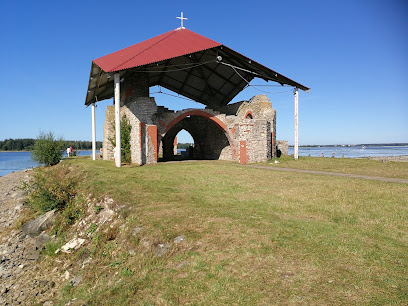
Ikšķile Church Ruins on St. Meinard Island
Explore Latvia's oldest stone ruins on a Daugava River island, a historical landmark and spiritual sanctuary with medieval origins.
The Ikšķile Church ruins, located on St. Meinard Island in the Daugava River, are the oldest stone building ruins in Latvia. Built in 1185 under Bishop Meinard's guidance, the church was destroyed in 1916 and is now a conserved historical site surrounded by the waters of the Riga HES reservoir.
A brief summary to Ikšķiles baznīcas drupas uz Svētā Meinarda salas
- Sv. Meinarda sala, Ikšķile, Ikšķiles n, Ogre Municipality, 5052, LV
- +37125490760
- Visit website
Local tips
- Visit during the summer months for a chance to walk to the island when the water levels are low.
- Be mindful of nesting birds and avoid disembarking on the island between May and August.
- Attend the St. Meinard's Days celebrations, which usually take place on the first Sunday after August 15th.

Getting There
-
Walking
From Ikšķile town center, head towards the Daugava River. Depending on the water level of the Riga HES reservoir, you might be able to walk directly to St. Meinard Island via a path that emerges when the water is low. This path follows the route of a former alley, with tree stumps visible on either side. Check local conditions beforehand, as this option is only available during specific times of the year. No cost for access.
-
Public Transport
Take a bus from Ogre or Riga to Ikšķile. From the Ikšķile bus stop, it's a walk towards the Daugava River. From there, access to the island is either by boat or, during low water levels, via the walking path. Bus fares from Riga to Ikšķile range approximately from €2 to €4. Boat fares to the island may vary, inquire locally.
Discover more about Ikšķiles baznīcas drupas uz Svētā Meinarda salas
Iconic landmarks you can’t miss

Ikšķiles baznīcas drupas uz Svētā Meinarda salas
0.0 km
Explore Latvia's oldest stone ruins on a Daugava River island, a historical landmark and spiritual sanctuary with medieval origins.
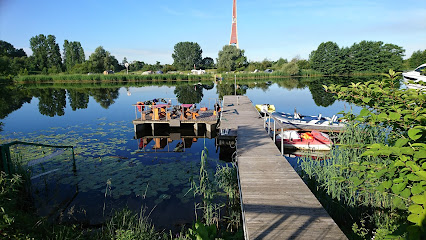
KurDoties.lv - Populārākie un aktuālie pasākumi šovakar
6.0 km
Discover Latvia's best events, concerts, nature trails, and attractions with KurDoties.lv – your ultimate guide to local experiences.
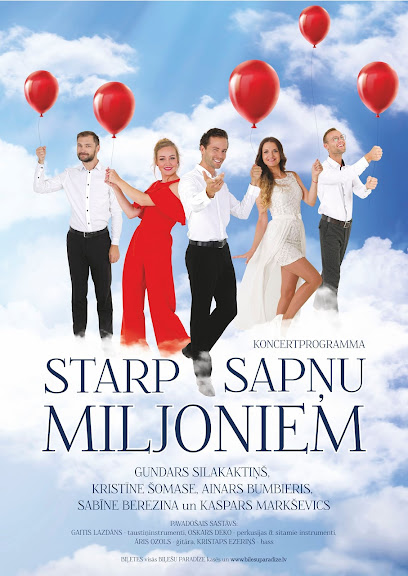
"i-Dā" Adventures
7.6 km
Uncover Latvia's hidden gems with i-Dā Adventures, your dedicated tour operator for unforgettable experiences in the Baltic region.
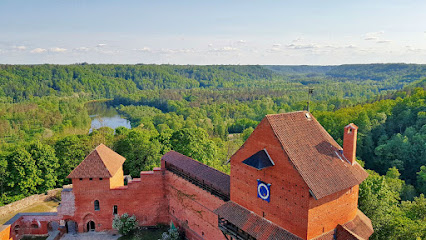
Salaspils pludmale
10.2 km
A beautiful and well-equipped recreational spot on the Daugava River, perfect for swimming, sunbathing, and picnics with friends and family.
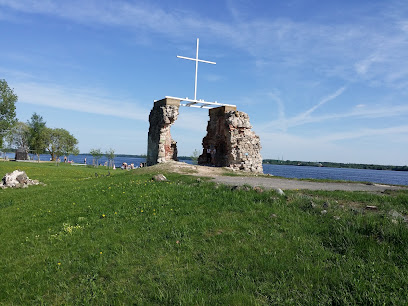
Salaspils Botanical Garden conservatory
10.2 km
Discover a serene escape at Salaspils Botanical Garden Conservatory, Latvia. Explore diverse plant species in meticulously designed greenhouses. A haven for nature lovers.
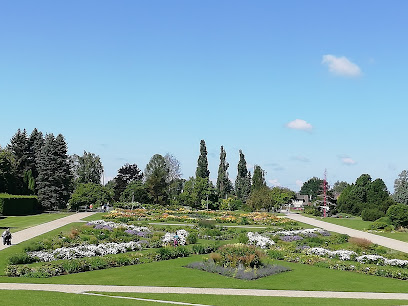
Lielā Jugla
19.5 km
Discover Lielā Jugla, a captivating Latvian river offering scenic beauty, water activities, and a peaceful retreat into nature near Riga.
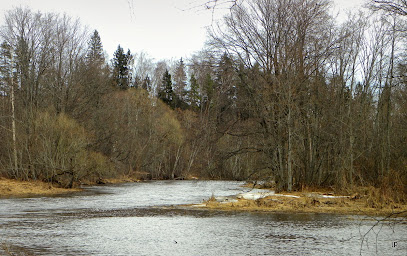
Daugavas krasts
23.7 km
Discover the scenic beauty and tranquility of Daugavas krasts in Riga, a perfect spot for a riverside escape and relaxation.
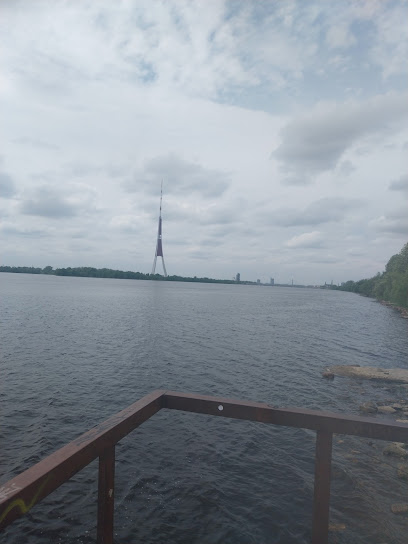
Zemgales zemnieka sēta
24.0 km
Experience rural Latvian life at the Zemgale Farmstead, a captivating journey into the region's agricultural heritage within Riga's Open-Air Museum.
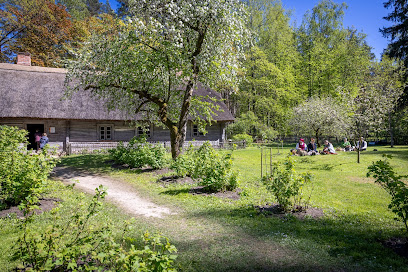
Lībiešu zemnieka - zvejnieka sēta. "Dēliņi"
24.1 km
Discover the unique Livonian heritage at this captivating homestead within Riga's Ethnographic Open-Air Museum. Explore traditional architecture and lifestyles.
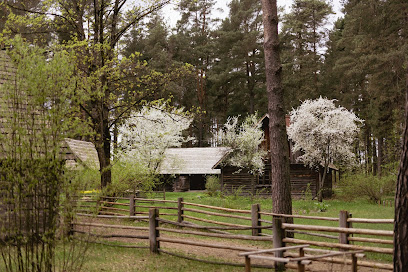
Daugava
24.8 km
Explore Riga's historic Daugava River: trade route, scenic cruises, and vibrant waterfront views await!
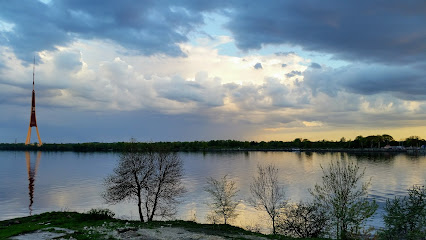
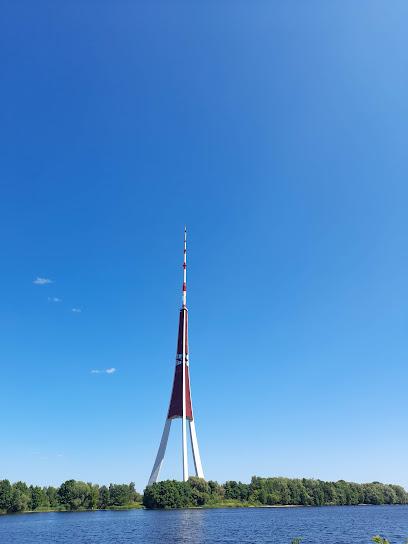
Riga Radio and TV Tower
25.2 km
Discover panoramic views and architectural beauty at the Riga Radio and TV Tower, a symbol of Latvia's modern innovation and culture.
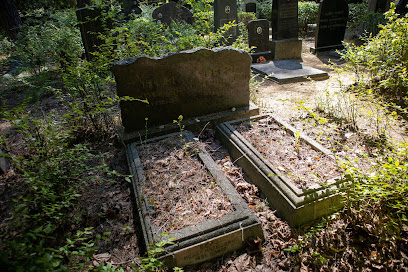
Grave of Itzak Bers
26.2 km
Explore the Grave of Itzak Bers in Riga, a historical landmark that honors the Jewish heritage and cultural significance of Latvia.
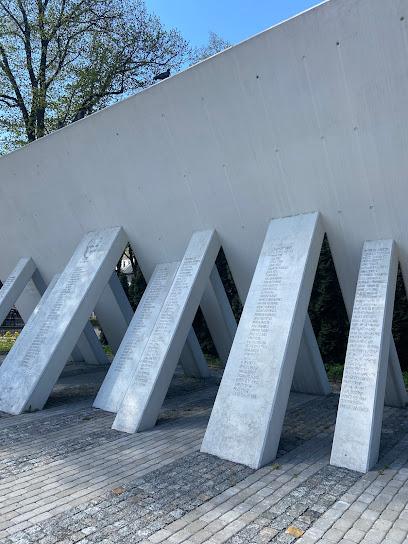
Riga Great Choral Synagogue Holocaust Monument
26.8 km
A poignant memorial in Riga honoring the Jewish community and the tragic events of the Holocaust, promoting reflection and remembrance.
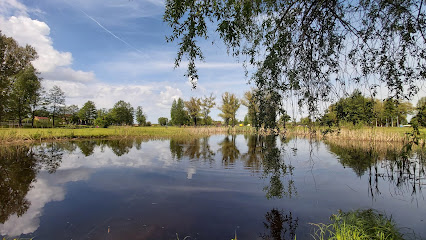
Lucavsala recreational park
26.9 km
Escape to Riga's Lucavsala Park: beaches, playgrounds, sports, and nature on an island in the Daugava River.
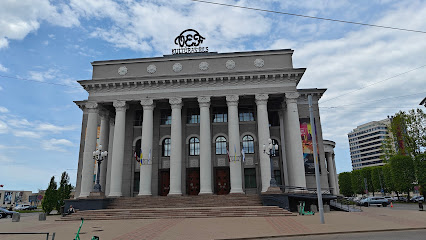
VEF Culture Palace
26.9 km
Experience Riga's vibrant arts scene at the VEF Culture Palace, a historic landmark hosting concerts, exhibitions, and cultural events.
Unmissable attractions to see

Minizoo Zemīši
3.0 km
Immerse yourself in the enchanting world of wildlife at Minizoo Zemīši, a delightful mini-zoo in the heart of Ikšķile, Latvia.
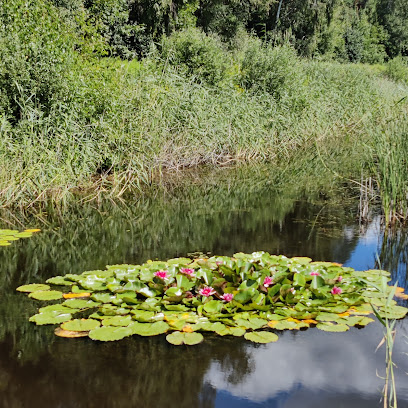
Kļavu Krasti
3.9 km
Discover endless fun and excitement at Kāvļu Krasti, Latvia's premier amusement park, perfect for families and thrill-seekers alike.
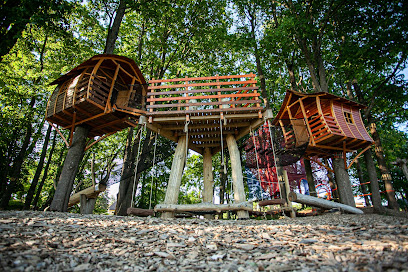
"Ogres Zilie kalni"
4.0 km
Discover the tranquility of Ogres Zilie Kalni, a picturesque park in Ogre Municipality where nature meets recreation, perfect for all outdoor enthusiasts.
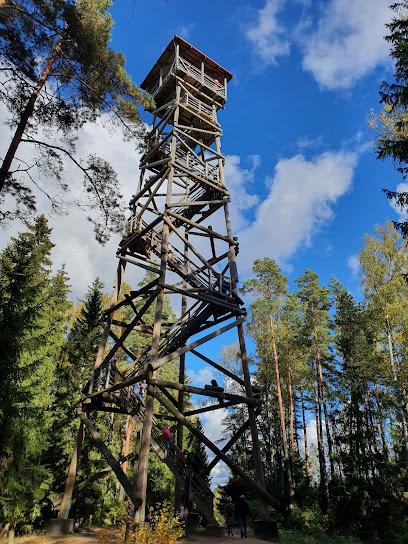
Blue hills, Observation desk by Dub hills quarry
4.2 km
Experience breathtaking views at the Blue Hills Observation Deck, where stunning landscapes and serenity await in Ogre Municipality.
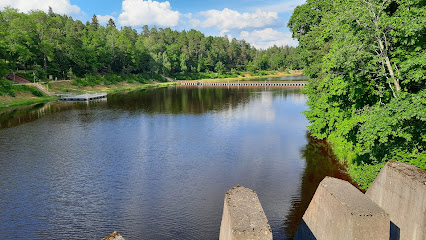
Latvijas ģeogrāfiskais centrs
4.4 km
Explore the Geographic Center of Latvia at Latvijas Ģeogrāfiskais Centrs, where nature meets culture in a serene setting.
Ogres Zilo kalnu skatu tornis
4.4 km
Experience stunning panoramic views at Ogres Zilo Kalnu Skatu Tornis, a breathtaking observation deck in Latvia's Ogre Municipality.
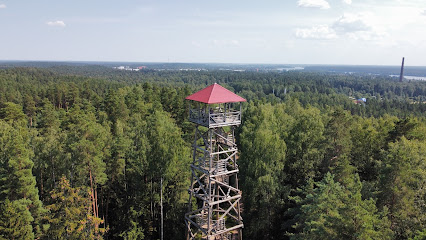
Zilie kalni
5.0 km
Discover Zilie Kalni, a natural paradise in Tīnūži Parish, offering outdoor activities and breathtaking landscapes for every nature lover.
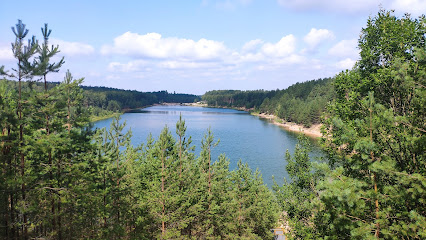
Koka figūru laukums
5.4 km
Explore the artistic beauty of Koka Figūru Laukums in Ogre, where unique sculptures and vibrant community life come together for an unforgettable experience.
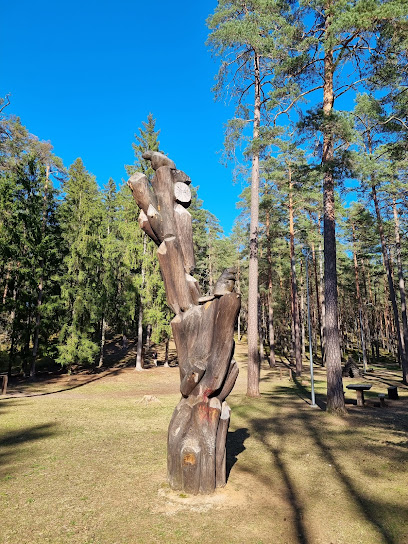
Giants trail, adventure park
5.9 km
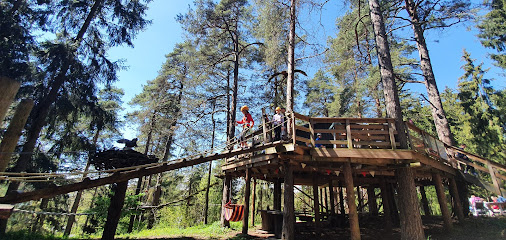
Discover the perfect blend of thrill and nature at Giants Trail, a premier amusement park and high ropes course in Ogre Zilie Kalni Nature Park, Latvia.
Piemineklis "Baltā Cielava"
6.4 km
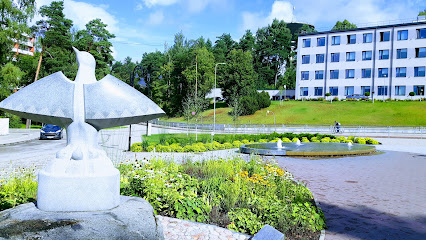
Experience the serene beauty and rich history at Piemineklis Baltā Cielava, a must-visit tourist attraction in Ogre, Latvia.
Ogre forest lake
6.5 km
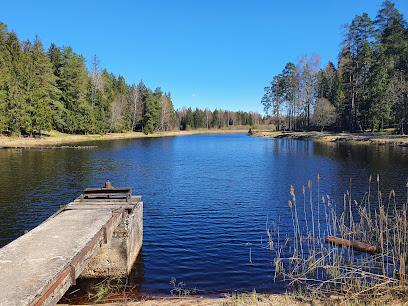
Discover the beauty of Ogre Forest Lake, a serene hiking area in Latvia, perfect for nature lovers and outdoor adventures.
Sightseeing platform
7.1 km
Experience breathtaking views and serene nature at the Ogre Sightseeing Platform, a top tourist attraction in Latvia perfect for photography and relaxation.
Lilijas ezers
7.2 km
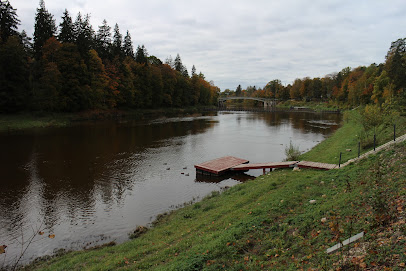
Experience the tranquility of Lilijas ezers, a scenic park in Baldone Parish, perfect for relaxation, nature walks, and family outings amidst stunning natural beauty.
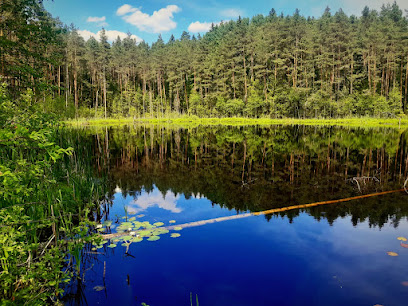
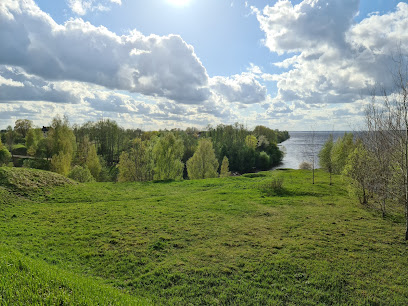
Daugmale hill fort
7.5 km
Experience the rich history and breathtaking views at Daugmale Hill Fort, a must-visit tourist attraction in Latvia's Ķekava Municipality.
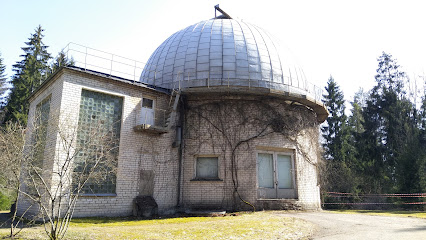
Baldone Radioastrophysical Observatory
7.5 km
Discover the mysteries of the universe at Baldone Radioastrophysical Observatory, a top tourist attraction in Latvia for space enthusiasts.
Essential places to dine

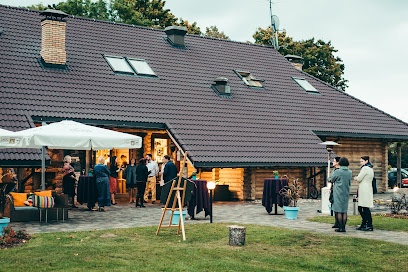
Brandīns restorāns
0.9 km
Experience authentic Latvian cuisine at Brandīns Restorāns in Ikšķile – where local flavors meet warm hospitality.
Dārzā, restorāns
1.7 km
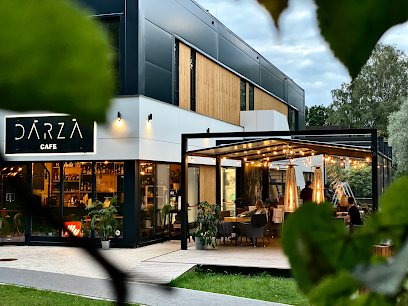
Experience authentic Latvian flavors at Dārzā, where fresh ingredients meet delightful culinary artistry in the heart of Ikšķile.
Dakota Restaurant
9.8 km
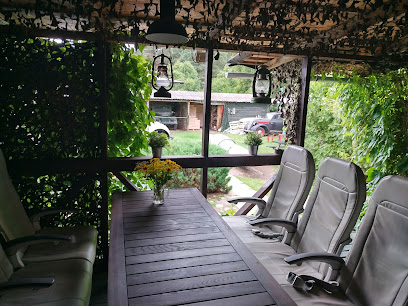
Discover authentic Latvian cuisine at Dakota Restaurant in Ciemupe – where local flavors meet warm hospitality.
Oškrogs
13.7 km
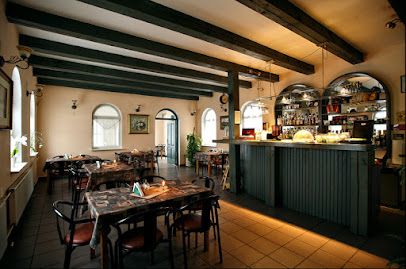
Experience authentic Latvian cuisine at Oškrogs - where tradition meets modern dining in an idyllic setting.
Wakeline summer cafe
15.9 km
Discover delightful wood-fired pizzas at Wakeline Summer Cafe in Rūķīši – where taste meets tranquility amidst stunning scenery.
Party
16.1 km
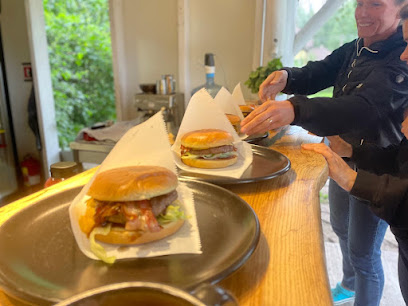
Experience authentic Latvian cuisine at Rūķīši - where tradition meets flavor in the heart of Salaspils.
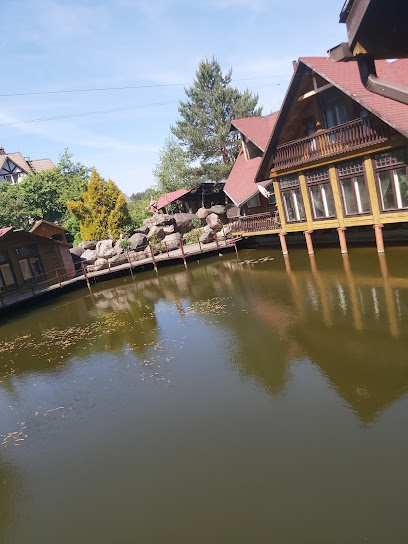
Bambaleo
16.5 km
Discover authentic Latvian flavors at Bambaleo in Ķekava - where every meal is a celebration of local cuisine.
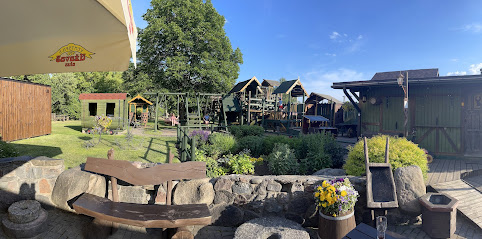
Krodziņš Nēģis
17.3 km
Discover authentic Latvian flavors at Krodziņš Nēģis - a picturesque gastropub on Dole Island with stunning river views.
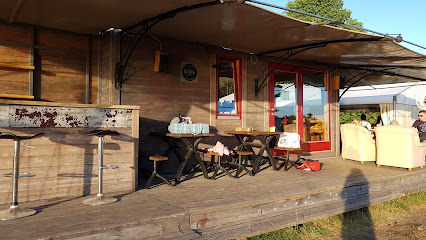
Armenu virtuve, kafejnica, Masis KM
18.5 km
Experience the authentic taste of Armenia at Armenu Virtuve – a cozy café offering traditional dishes in Ulbroka.
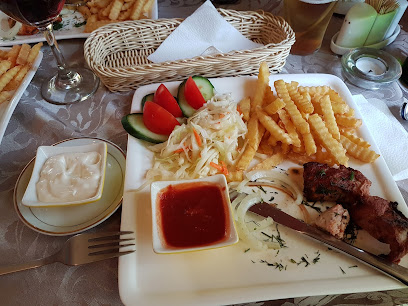
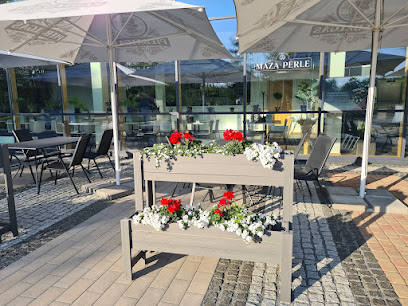
Mazā Pērle
19.1 km
Discover the charm of Mazā Pērle: A family-friendly café in Ulbroka offering delicious local cuisine and a warm atmosphere perfect for all ages.
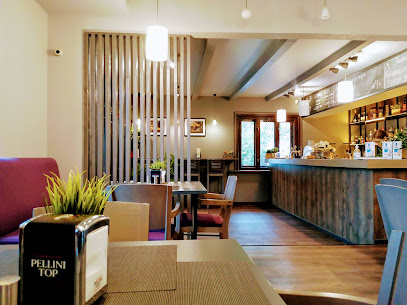
By The Fireplace
19.4 km
Discover the inviting atmosphere and diverse menu at By The Fireplace in Ulbroka—where every meal feels like home.
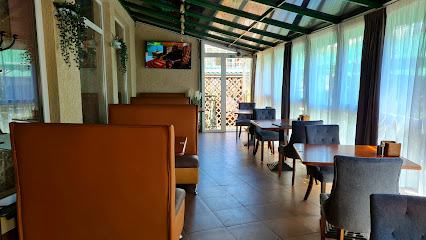
TaLiFa
21.2 km
Discover the essence of Georgian culture through exquisite flavors at TaLiFa – your ultimate dining destination in Dreiliņi.
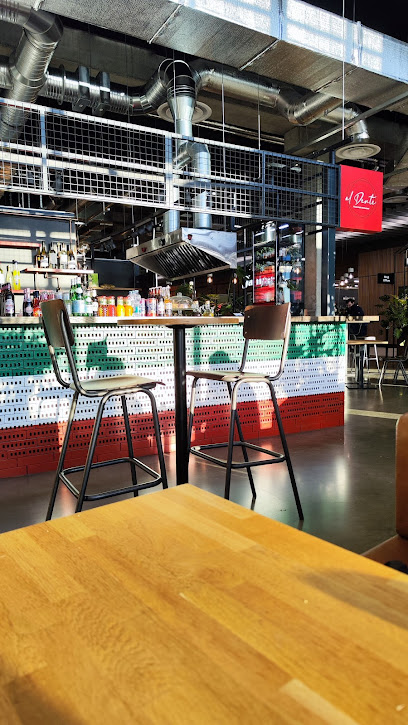
Al Dente
21.3 km
Experience authentic Italian flavors at Al Dente in Ulbroka - where every meal is a celebration of taste.
Gan bei - Akropole
23.2 km
Discover exquisite Asian fusion cuisine at Gan Bei - Akropole in Riga; a must-visit for food lovers seeking delicious sushi and more.
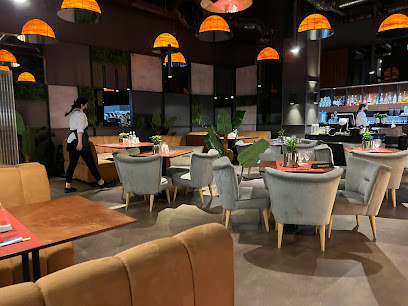
Vilavi
23.8 km
Experience the best of Latvian and international cuisine at Vilavi in Riga's charming Vidzeme suburb.
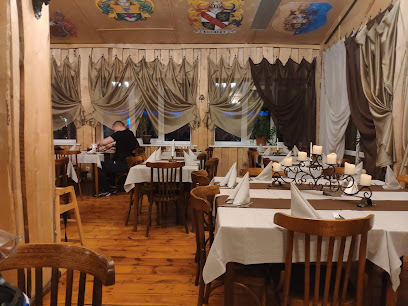
Markets, malls and hidden boutiques

Shopping center "Dauga"
5.1 km
Experience the essence of shopping and dining at shopping center 'Dauga' in Ogre, Latvia - a vibrant hub for locals and tourists alike.
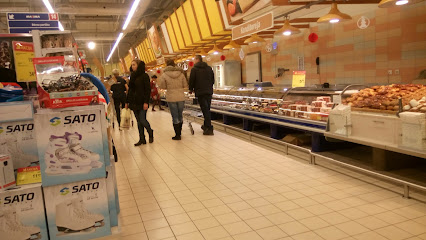
XL Lady Pavilona, SIA
5.1 km
Discover unique fashion treasures at XL Lady Pavilona in Ogre – a must-visit clothing store for style-conscious travelers.
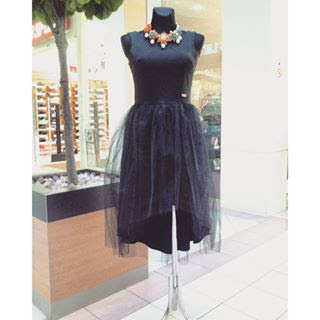
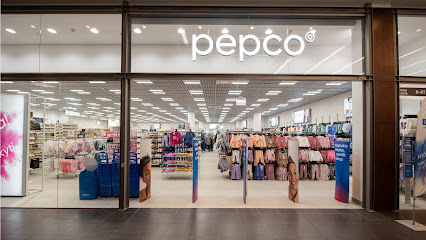
Pepco
5.1 km
Shop at Pepco in Ogre for affordable clothing, baby essentials, home goods, and toys - a family-friendly shopping experience awaits!
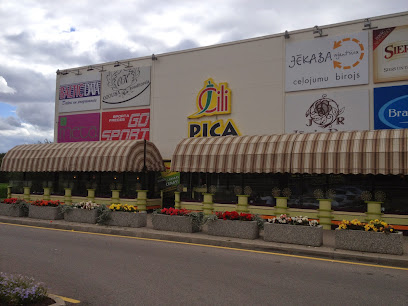
Go Sport
5.1 km
Discover high-quality sportswear and essentials at Go Sport in Ogre, the perfect stop for athletes and fitness enthusiasts.
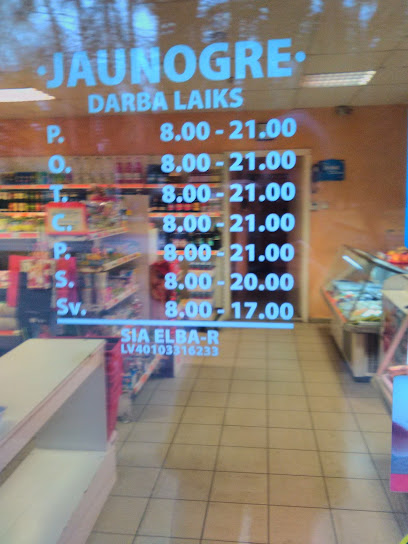
"ELBA-R" Ltd., shop "Jaunogre"
5.2 km
Discover the essence of Latvian cuisine at 'ELBA-R' Ltd., shop 'Jaunogre', a grocery store filled with local flavors and culinary delights.
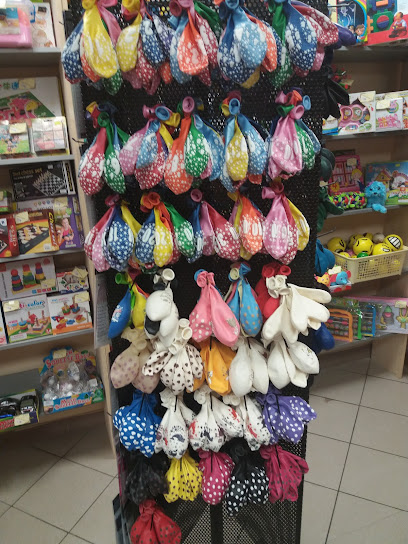
ALshop shop
5.6 km
Discover unique Latvian gifts and handcrafted souvenirs at ALshop in Ogre, the perfect stop for travelers seeking local treasures.
EUROPICK
5.6 km
Explore EUROPICK in Ogre for unique home goods and local crafts, a perfect stop for souvenirs and gifts during your Latvian adventure.
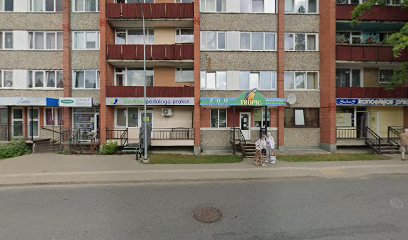
Tropic , zooveikals
5.8 km
Explore the colorful world of pets at Tropic Zooveikals, a vibrant store in Ogre offering exotic animals and quality pet supplies for all enthusiasts.
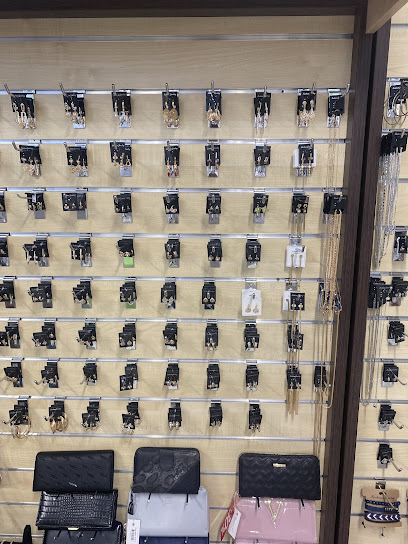
100judzes Ogre
5.8 km
Explore the stylish offerings at 100judzes Ogre, your premier destination for footwear, handbags, jewelry, and sunglasses in Ogre.
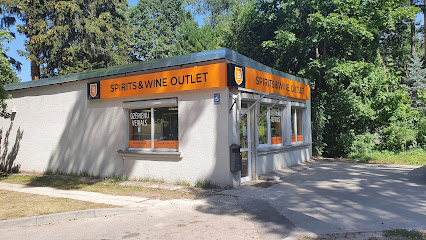
Latvijas balzams Spirits & Wine Outlet
6.0 km
Explore authentic Latvian spirits and wines at Latvijas balzams Spirits & Wine Outlet in Ogre, a taste of local heritage and craftsmanship.
Intalabel
6.0 km
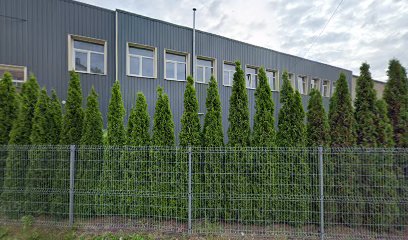
Explore Intalabel, the ultimate outlet store for stylish finds and unbeatable savings in a vibrant shopping atmosphere.

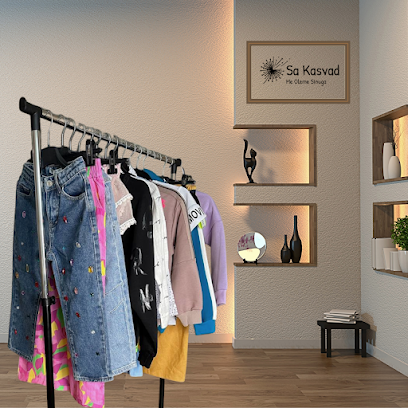
Sa Kasvad
6.0 km
Explore the best of technology at Sa Kasvad, your reliable internet shop for tourists seeking quality services and gadgets.
Lv.shop.baltics
6.1 km
Explore the charm of the Baltics with unique gifts and local crafts at Lv.shop.baltics in Ogre.
STENDERS, t/c Ogres prestižs
6.3 km
Explore the beauty of nature at STENDERS in Ogre, where natural cosmetics meet delightful shopping in a serene setting.
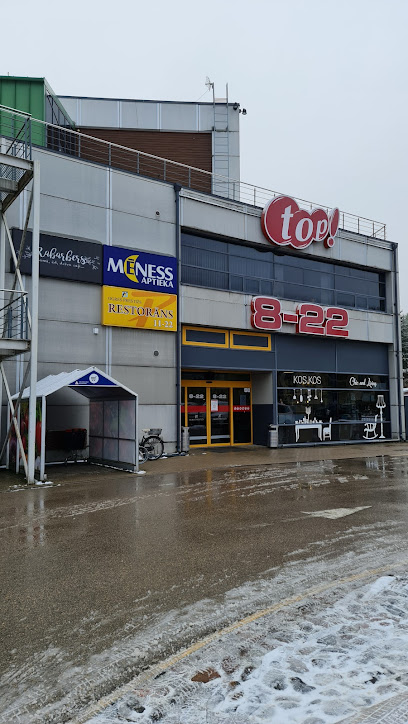
Ogres Prestižs
6.3 km
Discover Ogres Prestižs, a lively shopping mall in Ogre, Latvia, where diverse shops, delightful dining, and community events come together for an unforgettable experience.
Essential bars & hidden hideouts

OlyBet, Sporta Bārs
5.7 km
OlyBet Sports Bar in Ogre: The Ultimate Destination for Live Sports, Great Food, and a Vibrant Atmosphere.
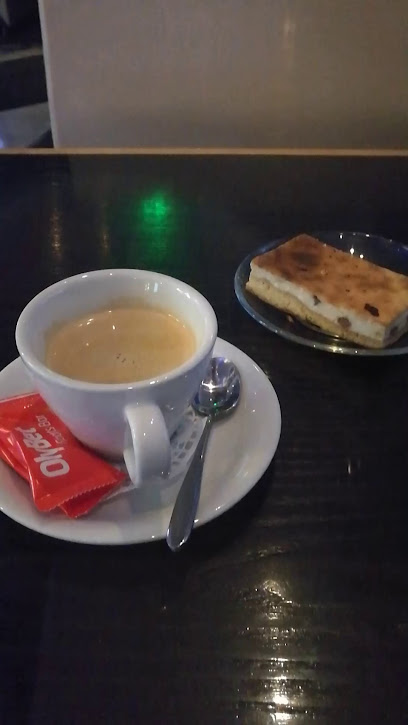
EVER pub
6.9 km
Discover local flavors and friendly vibes at EVER Pub, a cozy spot in Ogre perfect for relaxing after a day of exploration.
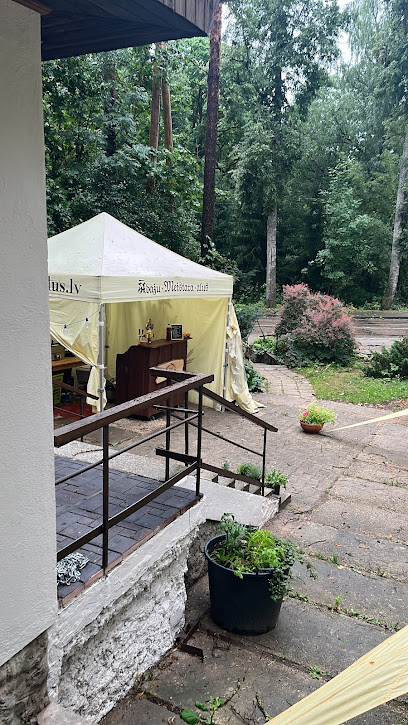
Gastrobārs Lielais Kristaps
10.0 km
Experience a culinary journey at Gastrobārs Lielais Kristaps, where local flavors meet modern dining in a cozy atmosphere.
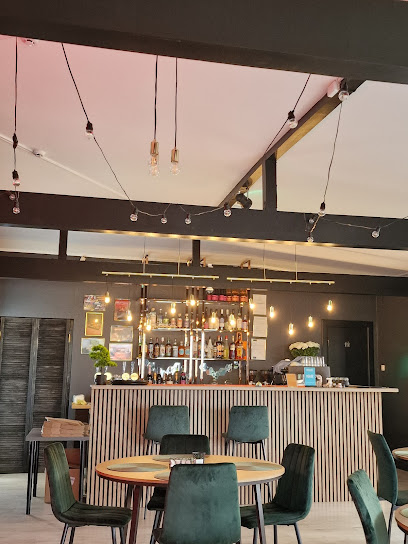
Furors, Cafe Fenikss
10.4 km
Discover the cozy charm of Furors, Cafe Fenikss in Salaspils, where local flavors meet a welcoming atmosphere for an unforgettable experience.
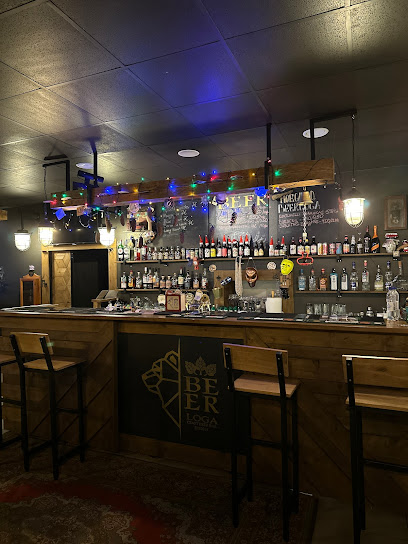
Alus bārs BEERloga
19.8 km
Discover the vibrant beer culture of Riga at Alus bārs BEERloga, a cozy bar featuring an extensive selection of local and international brews.
SIA MUMIMAMA
21.3 km
Experience the cozy charm of SIA MUMIMAMA, a top-rated lounge in Riga offering local refreshments and a welcoming atmosphere for all travelers.
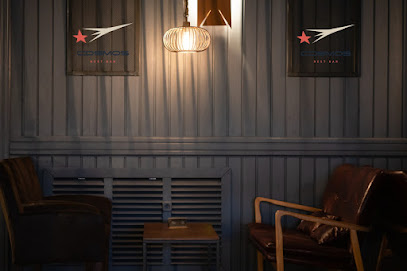
Cosmos Riga Rest Bar
22.5 km
Immerse yourself in the vibrant nightlife of Riga at Cosmos Riga Rest Bar, where delicious food and a lively atmosphere await.
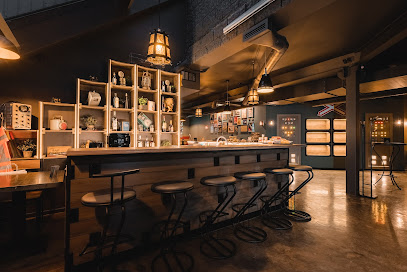
Craft Beer Station
22.5 km
Experience the vibrant craft beer scene at Craft Beer Station in Riga, where local flavors and cozy ambiance come together.
Krodziņš Drava
23.0 km
Experience authentic Latvian cuisine and cozy ambiance at Krodziņš Drava in Vecumnieki, a must-visit pub for every traveler.
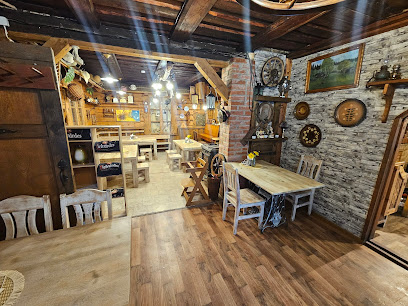
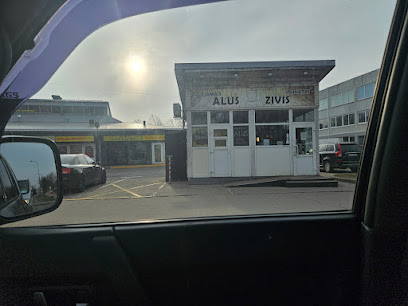
Alus Zivis
23.0 km
Discover Alus Zivis, Riga's hidden bar gem, offering the best local beers in a cozy and vibrant atmosphere.
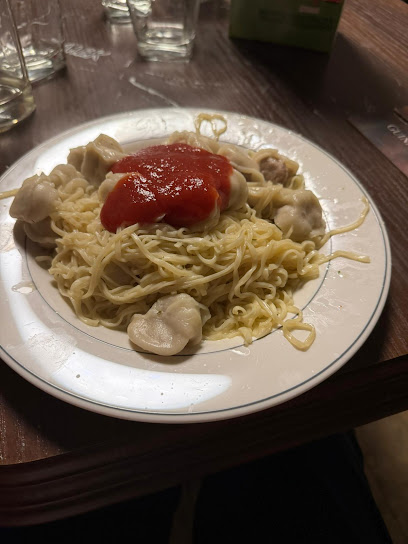
Bar VIKTORS
23.2 km
Discover the vibrant nightlife of Riga at Bar VIKTORS, where local charm meets excellent drinks and lively entertainment.
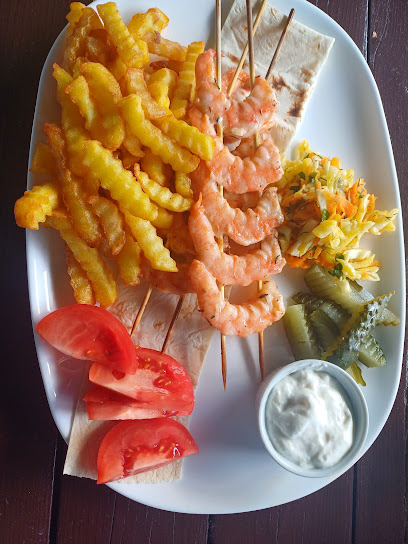
Bar Garage
23.2 km
Discover the cozy charm of Bar Garage, a local bar in Vidzeme, Riga, perfect for drinks and relaxation after exploring the city.
Purple Haze
24.5 km
Discover the vibrant nightlife of Riga at Purple Haze, where live music and a fantastic drink selection create an unforgettable atmosphere.
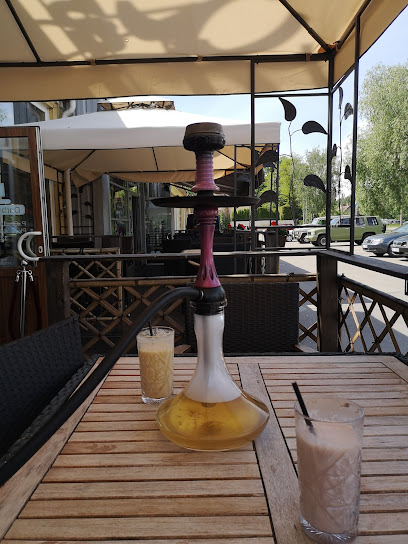
PURCH
24.6 km
Discover PURCH in Riga - a modern gastropub offering a delicious fusion of local and contemporary cuisine in a vibrant atmosphere.
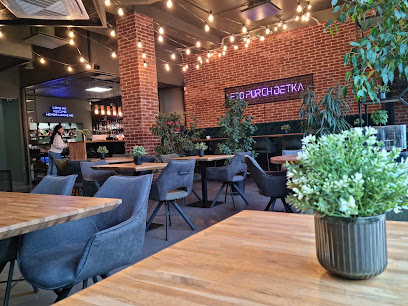
Riverside Rest Bar
24.9 km
Discover Riverside Rest Bar: A scenic dining experience with a vibrant atmosphere, delicious food, and refreshing drinks for every traveler.