

Free Akkar Travel Guide & Mobile App
Explore Akkar with free travel guides. Discover regional history, expert tips, proposed trips, and audio guides on web or mobile app.


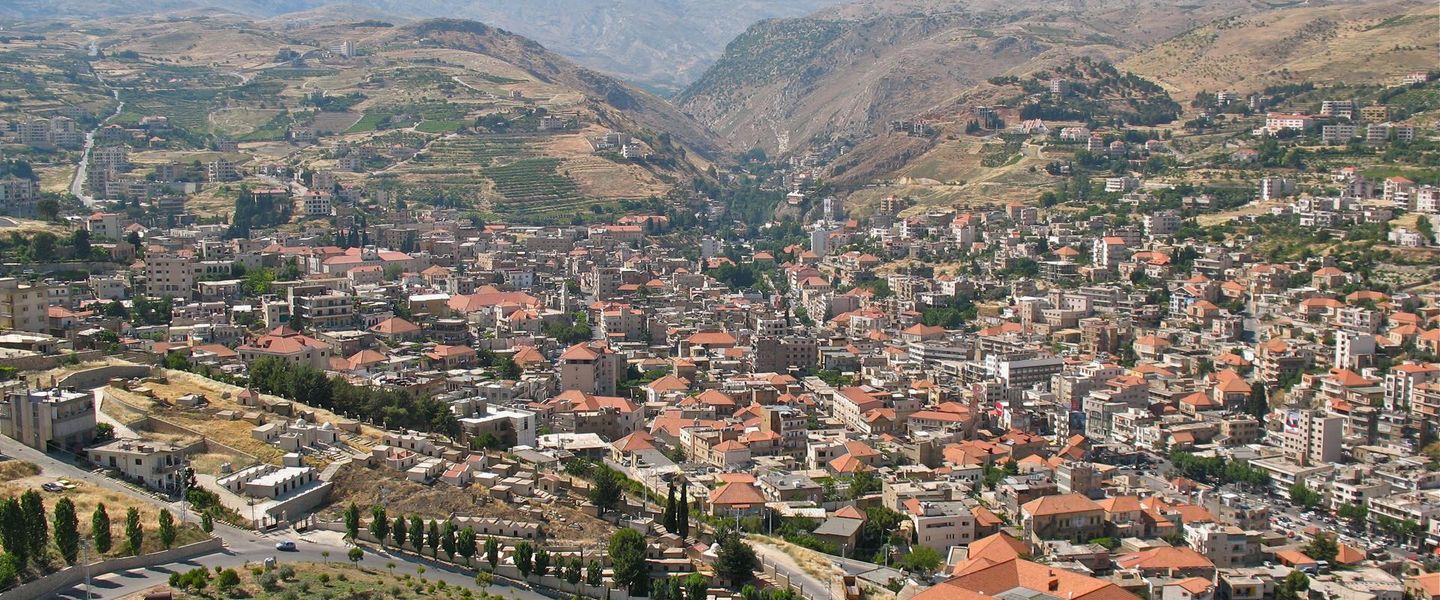


Explore Akkar in northern Lebanon for ancient Arqa, forested uplands, rural food traditions, Mediterranean villages and quiet mountain roads.
Read more about Akkar
When is the best time to visit Akkar?
Best: May–June, October · 25–29°C| Month | High (°C) | Rainfall (mm) |
|---|---|---|
| January | 15 | 140 |
| February | 16 | 120 |
| March | 18 | 100 |
| April | 21 | 80 |
| May (best) | 25 | 60 |
| June (best) | 29 | 40 |
| July | 32 | 30 |
| August | 32 | 30 |
| September | 29 | 40 |
| October (best) | 25 | 60 |
| November | 21 | 80 |
| December | 17 | 120 |
Getting to and around Akkar
How to get there
Transportation
Top city travel guides in Akkar
The cities of Akkar, and the easiest places to base yourself.

Swipe for more cities
Destinations in Akkar
Resorts, valleys and scenic spots worth a trip of their own.
-

-


Swipe for more destinations
Best attractions in Akkar
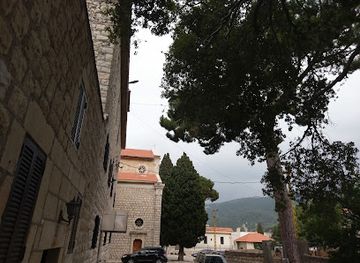
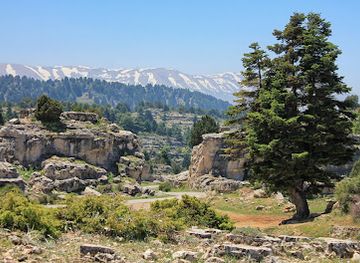
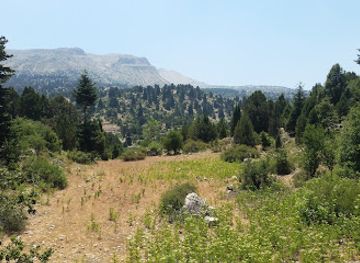
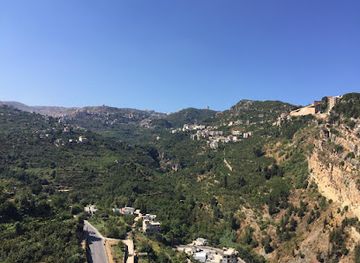
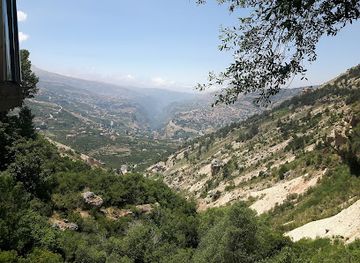
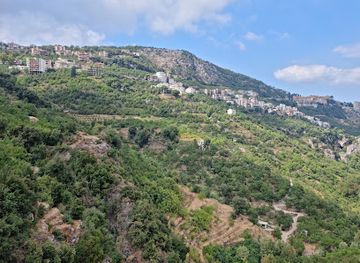
Akkar’s attractions extend from archaeology on the northern plain to woodland, village architecture and agricultural landscapes in the hills. Tell Arqa is the region’s principal ancient site, with settlement layers that reveal the importance of the area long before modern Lebanon. Menjez combines a historic church, ancient remains and a rural setting, while the upland communities around Akkar al-Atika offer views, traditional houses and a sense of the region’s mountain life. Qoubaiyat is a useful base for forest walks, local cultural visits and excursions into the higher country. The coastal plain around Abdeh and the lower valleys provide a different experience, shaped by farming, wetlands and maritime connections rather than mountain scenery. Outdoor activities are generally informal: walking, birdwatching, scenic driving and visits to food-producing villages are more realistic than a fully developed resort infrastructure. Travellers should expect limited interpretation at some sites and arrange local guidance for archaeological areas, rural tracks and religious buildings.
-
Church
St. Doumit Monastery
Discover the spiritual and architectural beauty of St. Doumit Monastery, a serene haven in the heart of Qoubaiyat, Lebanon.
-
National forest
Amou3a
Explore Amou3a, Lebanon's breathtaking national forest, offering stunning trails, camping spots, and rich wildlife for nature lovers and adventure seekers.
-
National forest
Ghabet El Aazr
Discover the breathtaking beauty of Ghabet El Aazr, a national forest in Lebanon perfect for hiking and wildlife observation.
-
Tourist attraction
Old Village
Explore the rich history and vibrant culture of Old Village in Taran, Lebanon, a must-visit destination for every traveler.
Best landmarks in Akkar
Tell Arqa is Akkar’s most important historical landmark, an archaeological mound whose successive layers testify to thousands of years of settlement on the northern Lebanese plain. Its ancient importance is also linked to Roman Arca and to the birth there of the emperor Alexander Severus. In Menjez, the Church of Our Lady of the Fort is a notable example of a religious building associated with older remains and the region’s layered history. The upland town of Qoubaiyat provides a different kind of landmark: its traditional houses, churches and wooded setting express the architectural and cultural identity of mountain Akkar. Akkar al-Atika and the surrounding highlands contribute prominent natural and historic reference points through their elevated valleys, slopes and village settlements. Rather than monumental urban architecture, Akkar’s character lies in the relationship between archaeological sites, religious buildings, agricultural plains and forested mountains.
-
Nature preserve
Cedars of God Bsharri
Walk among ancient giants in Lebanon's Cedars of God, a UNESCO World Heritage site and symbol of national pride.
-
Nature preserve
Qammoua
Discover Qammoua Nature Preserve: Hike scenic trails, spot diverse wildlife, and immerse yourself in Lebanon's breathtaking natural beauty.
-
Tourist attraction
Zahlan Grotto
Discover Zahlan Grotto in Syr El Danniyeh: Explore ancient caves with stunning rock formations, serene underground pools, and breathtaking views.
-
Cafe
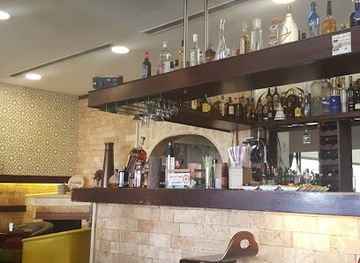
Sarnay RestoCafé&Bar
Experience Italian flavors in a cozy Lebanese setting at Sarnay RestoCafé&Bar, Minyara. Enjoy delightful dishes, refreshing drinks, and a welcoming atmosphere.
Explore Akkar on the map
Plan your trip on one map. See where the top cities, national parks and sights are, and book hotels and experiences in a few clicks.
Best hotels in Akkar
Best restaurants in Akkar
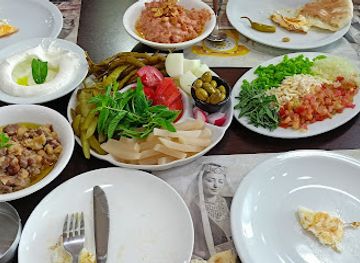
Dining in Akkar reflects the region’s agricultural economy and the broad traditions of northern Lebanese cooking. In Halba, Abdeh, Qoubaiyat and larger villages, visitors can look for bakeries, small family restaurants, grills, cafés and simple establishments serving mezze, salads, stews and charcoal-cooked dishes. Local produce is central: olives and olive oil, seasonal fruit and vegetables, grains, honey, dairy products and eggs are widely associated with household and farm production. Rural meals may include preserved foods and breads prepared according to family practice, while coastal communities add fish when available. The most distinctive encounters are often found through farm shops, village producers and market stalls rather than formal gastronomic venues. Ask about provenance and seasonality, since availability changes through the year, and remember that menus, payment arrangements and opening patterns can be informal outside the main towns.
-
Cafe
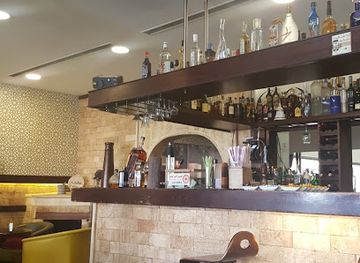
Sarnay RestoCafé&Bar
Discover Sarnay RestoCafé&Bar in Minyara: A perfect blend of Italian flavors and vibrant bar culture awaits you.
-
Restaurant
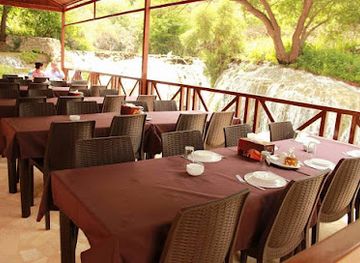
مطعم الشلالات - waterfalls restaurant
Discover exquisite dining at Waterfalls Restaurant in Bqerzala, where nature's beauty meets culinary excellence in an unforgettable atmosphere.
-
Restaurant
Al Khal Lebanese Grill
Experience authentic Lebanese flavors at Al Khal Lebanese Grill in Minyara—where every dish tells a story.
-
Family-friendly
Karam's grand restaurant
Experience authentic Lebanese flavors at Karam's Grand Restaurant—where family dining meets culinary excellence.
Best bars in Akkar
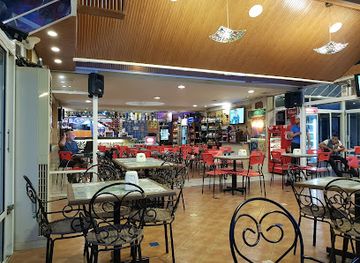
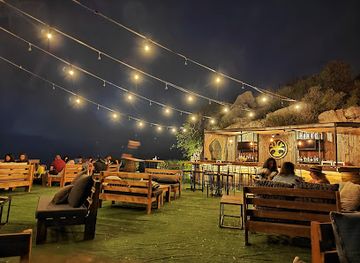
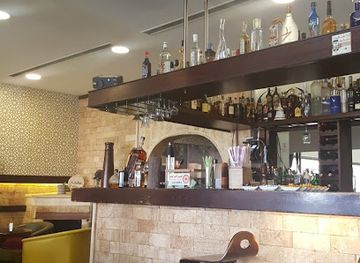
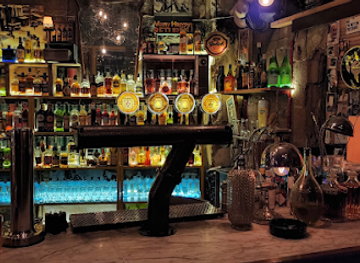
Akkar does not have a large, concentrated nightclub scene. Evening life is more commonly centred on cafés, family restaurants, traditional coffeehouses and local pubs, particularly in Halba, Qoubaiyat and other larger settlements. Some venues serve Lebanese beer, arak or wine, but alcohol is not central to every community and visitors should follow the tone of the establishment. In the uplands, evenings are generally quiet, with conversation, food and village gatherings taking precedence over late-night entertainment. Live music and seasonal social events may occur, but schedules are changeable and should be checked locally. Travellers staying in remote areas should arrange return transport before going out, as taxis and public transport may be limited at night.
-
Bar
Valhalla Lb
Experience the vibrant atmosphere and exceptional drinks at Valhalla Lb, Kfaraakab's premier bar for nightlife enthusiasts.
-
Bar
Sarnay RestoCafé&Bar
Experience the perfect blend of Italian cuisine and vibrant bar culture at Sarnay RestoCafé&Bar in Minyara, Lebanon.
-
Bar
Brut Bar
Discover the vibrant atmosphere of Brut Bar in Zahlé, a perfect blend of local wines and craft brews in a quirky setting.
-
Restaurant
مطعم الشلالات - waterfalls restaurant
Discover Waterfalls Restaurant in Bqerzala - where stunning views meet exquisite dining and local Lebanese flavors delight your palate.
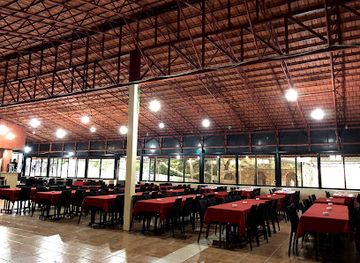
Best nightclubs in Akkar
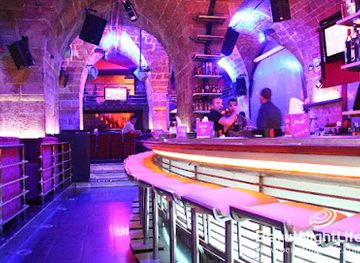
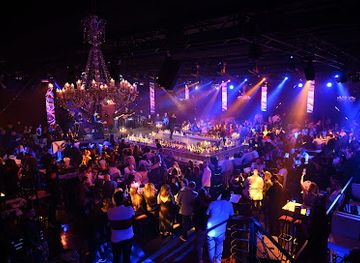
Akkar does not have a large, concentrated nightclub scene. Evening life is more commonly centred on cafés, family restaurants, traditional coffeehouses and local pubs, particularly in Halba, Qoubaiyat and other larger settlements. Some venues serve Lebanese beer, arak or wine, but alcohol is not central to every community and visitors should follow the tone of the establishment. In the uplands, evenings are generally quiet, with conversation, food and village gatherings taking precedence over late-night entertainment. Live music and seasonal social events may occur, but schedules are changeable and should be checked locally. Travellers staying in remote areas should arrange return transport before going out, as taxis and public transport may be limited at night.
-
Disco club
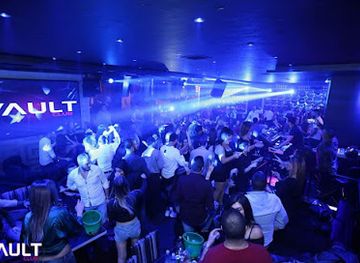
Vault Night Club
Immerse yourself in Sarba's vibrant nightlife at Vault Night Club – the ultimate disco experience with electrifying music and captivating performances.
-
Night club
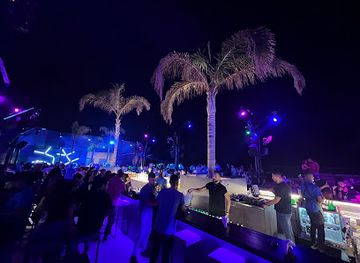
Noa rooftop
Discover the breathtaking views and vibrant energy of Noa Rooftop, a premier nightlife destination in Lebanon perfect for unforgettable nights out.
-
Night club
Taiga Batroun
Discover the vibrant nightlife of Taiga Batroun, a delightful night club blending traditional Lebanese charm with modern beats.
-
Disco club
X Lounge Batroun
Discover the electrifying nightlife at X Lounge Batroun, the premier disco club by the sea in Lebanon.
Best shops in Akkar
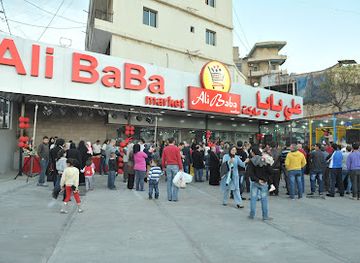
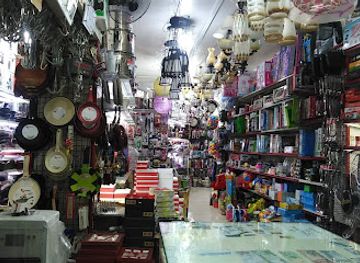
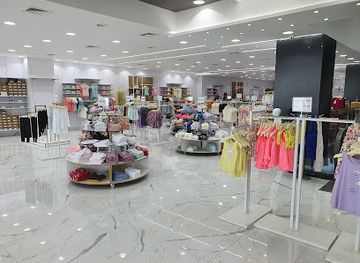
Shopping in Akkar is primarily local and practical, with the greatest variety found in Halba and the larger market towns rather than in purpose-built retail districts. Visitors can look for olive oil, honey, seasonal produce, dairy products, preserves, bread and other foods made by small producers. Village shops and roadside sellers may offer goods from nearby farms, but quality and packaging vary, so choose established vendors and ask how products have been stored. Qoubaiyat and the upland villages are useful places to seek locally made food items and small craft products, while Abdeh reflects the trading character of the coastal plain. Traditional Lebanese clothing, household goods and everyday markets are generally more prominent than luxury shopping. For books, specialist equipment, larger supermarkets or a broader choice of branded goods, visitors usually rely on Tripoli or Beirut outside the region.
-
Supermarket
Ali Baba Market
Discover the vibrant Ali Baba Market in Halba, a treasure trove of local produce, snacks, and authentic Lebanese culture.
-
Home goods store
HAPPY HOUSE
Explore Happy House in Halba, Lebanon – a delightful home goods store showcasing local craftsmanship and unique treasures for your home.
-
Shopping mall
Eldorado Shopping Center - Akkar
Discover the vibrant shopping scene at Eldorado Shopping Center in Akkar, offering a mix of retail, dining, and entertainment experiences.
-
Supermarket
Mouslimani Market
Experience the vibrant local culture and flavors at Mouslimani Market in Halba, where authentic Lebanese products come to life.
Get your free copy of our complete guide to Akkar, delivered straight to you.
Everything on this page, from attractions and restaurants to essentials and local phrases, in one PDF you can read offline, print or share.
Already have an account? Sign in
Your Akkar guide is ready.
We'll send it to · Not you? Sign out

Getting your guide ready…
We are putting together a fresh copy of the Akkar guide. This can take up to a minute.
This can take a few moments. If your browser asks, choose Allow so the download can start. You'll find the guide in your Downloads folder.
Nothing happened? Download it again
Sorry, the guide is taking longer than usual. Please try again in a minute, or get it by email instead.
Akkar essentials
Currency and Payment
Safety
Emergency Situations
Do's and Don'ts
Local Tips
From Eve
Local phrases worth knowing
You don't need to get them perfect. A few words go a long way, and locals appreciate the effort.
Basics
| English | Local | Say it |
|---|---|---|
| Hello | مرحبا | [Marhaba] |
| Goodbye | وداعا | [Wada'an] |
| Yes | نعم | [Na'am] |
| No | لا | [La] |
| Please/You're welcome | من فضلك | [Min fadlak] |
| Thank you | شكرا | [Shukran] |
| Excuse me/Sorry | عفوا | [Afwan] |
| How are you? | كيف حالك؟ | [Kayfa halak?] |
| Fine. And you? | بخير. وأنت؟ | [Bikhayr. Wa anta?] |
| Do you speak English? | هل تتحدث الإنجليزية؟ | [Hal tatahadath al-ingliziyya?] |
| I don't understand | لا أفهم | [La afham] |
Eating & Drinking
| English | Local | Say it |
|---|---|---|
| I'd like to see the menu, please | أود أن أرى القائمة، من فضلك | [Awad an ara al-qaimah, min fadlak] |
| I don't eat meat | لا آكل اللحم | [La akul al-lahm] |
| Cheers! | في صحتك! | [Fi sihtak!] |
| I would like to pay, please | أود أن أدفع، من فضلك | [Awad an adfa', min fadlak] |
Emergencies
| English | Local | Say it |
|---|---|---|
| Help! | مساعدة! | [Musaa'adah!] |
| Go away! | اذهب بعيدا! | [Idhab ba'idan!] |
| Call the Police! | اتصل بالشرطة! | [Ittasil bil-shurta!] |
| Call a doctor! | اتصل بالطبيب! | [Ittasil bil-tabeeb!] |
| I'm lost | أنا ضائع | [Ana da'i'] |
| I'm ill | أنا مريض | [Ana marid] |
Shopping
| English | Local | Say it |
|---|---|---|
| I'd like to buy... | أود أن أشتري... | [Awad an ashtari...] |
| I'm just looking | أنا فقط أنظر | [Ana faqat anzur] |
| How much is it? | كم ثمنه؟ | [Kam thamanuh?] |
| That's too expensive | هذا غالي جدا | [Hatha ghali jidan] |
| Can you lower the price? | هل يمكنك تخفيض السعر؟ | [Hal yumkinuka takhfid al-si'r?] |
Time & Numbers
| English | Local | Say it |
|---|---|---|
| What time is it? | كم الساعة؟ | [Kam al-sa'ah?] |
| It's one o'clock | الساعة واحدة | [Al-sa'ah wahidah] |
| Half past (10) | نصف الساعة (10) | [Nisf al-sa'ah (10)] |
| Morning | صباح | [Sabah] |
| Afternoon | بعد الظهر | [Ba'd al-zuhur] |
| Evening | مساء | [Masa] |
| Yesterday | أمس | [Ams] |
| Today | اليوم | [Al-yawm] |
| Tomorrow | غدا | [Ghad] |
| 1 | واحد | [Wahid] |
| 2 | اثنان | [Ithnan] |
| 3 | ثلاثة | [Thalatha] |
| 4 | أربعة | [Arba'a] |
| 5 | خمسة | [Khamsa] |
| 6 | ستة | [Sitta] |
| 7 | سبعة | [Sab'a] |
| 8 | ثمانية | [Thamaniya] |
| 9 | تسعة | [Tis'a] |
| 10 | عشرة | [Ashara] |
Transport & Directions
| English | Local | Say it |
|---|---|---|
| Where's a/the...? | أين هو...؟ | [Ayn huwa...?] |
| What's the address? | ما هو العنوان؟ | [Ma huwa al-unwan?] |
| Can you show me (on the map)? | هل يمكنك أن تريني (على الخريطة)؟ | [Hal yumkinuka an turini (ala al-kharita)?] |
| When's the next (bus)? | متى يأتي (الباص) التالي؟ | [Mata yati (al-bus) al-tali?] |
| A ticket (to ....) | تذكرة (إلى ....) | [Tadhkarah (ila ....)] |
History of Akkar
Prehistoric and Bronze Age Arqa
Tell Arqa, near the modern village of Arqa, is one of Akkar’s most important archaeological sites. Its settlement layers document a very long history of habitation, including prehistoric communities and Bronze Age urban development. The site’s position on the northern Lebanese plain gave it access to agricultural land and routes linking the Mediterranean coast with inland Syria. Archaeological work has revealed the depth of Akkar’s early connections with the wider eastern Mediterranean, although the remains are not arranged as a conventional, fully developed visitor attraction.
Roman Arca and the Ancient Northern Plain
In the Roman period, Arca was known as Caesarea ad Libanum and formed part of the imperial landscape of northern Lebanon. The settlement was associated with the wider agricultural and commercial networks of the Roman Near East. The future Roman emperor Alexander Severus was born at Arca in the third century, an indication of the town’s significance within the region. Remains in and around Akkar should be interpreted as fragments of a much larger ancient landscape rather than as isolated monuments.
Medieval Fortifications and the County of Tripoli
During the medieval period, northern Lebanon lay within the political orbit of the County of Tripoli and neighbouring powers competing for control of routes between the coast and the interior. Fortified sites and hill settlements in Akkar reflect the strategic importance of the plain and its approaches, although many structures have survived only as ruins or through later reuse. The region’s villages also absorbed successive Christian and Muslim communities, producing a varied religious and architectural landscape.
Ottoman Akkar and Rural Society
Under Ottoman rule, Akkar developed as an agricultural frontier and a collection of villages linked to larger regional markets. Grain cultivation, olive growing, animal husbandry and local trade shaped the economy, while families and religious communities established the social structures that remain visible in many settlements today. Ottoman administration did not erase local distinctions between the coastal plain, market towns and mountain villages. Instead, it reinforced Akkar’s role as a productive rural district connected to Tripoli and Syria.
The Mandate Border and Modern Lebanon
The creation of the modern border between Lebanon and Syria during the French Mandate altered long-established patterns of movement across northern Akkar. Communities that had traded, farmed or maintained family connections across the frontier increasingly found themselves divided by an international boundary. When Lebanon became independent in 1943, Akkar formed part of the new republic while retaining its strategic northern position. Its proximity to Syria has continued to influence transport, employment, politics and humanitarian conditions.
Agriculture, Migration and Contemporary Akkar
In the modern era, Akkar has remained strongly agricultural while facing limited investment, rural out-migration and uneven access to infrastructure. Seasonal farming, olive cultivation, livestock and small businesses continue to support many communities, but young residents have often sought education and employment elsewhere in Lebanon or abroad. Since the Syrian conflict, the region has also hosted large numbers of displaced people, placing additional pressure on housing, services and local resources. These realities are part of contemporary Akkar’s social landscape.
Akkar in Photos
Browse through our photo collection highlighting the charm and character of the destination.
Neighbouring regions of Akkar
The closest regions to Akkar, if you have time for more than one.
-

-

-

-

-


Swipe for more regions
Explore more

Explore more of Lebanon
Discover Lebanon: A land of ancient history, vibrant culture, stunning landscapes, and delicious cuisine, nestled on the Mediterranean coast.
Explore Lebanon