

North Lebanon, Lebanon Travel Guide
Discover the enchanting landscapes, historic treasures, and vibrant culture of North Lebanon, where the mountains meet the sea.
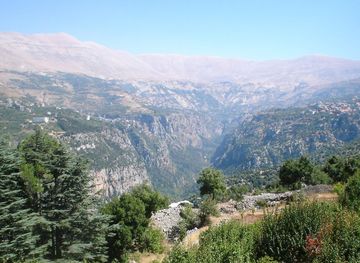
North Lebanon is a hidden gem where the mountains meet the sea, offering a unique blend of natural beauty, rich history, and vibrant culture. This region boasts stunning landscapes, from the lush green valleys to the majestic peaks of the Lebanon Mountain Range. Visitors will be enchanted by the scenic views and the fresh, crisp air of this picturesque destination. The city of Tripoli serves as the heart of North Lebanon, showcasing a fascinating mix of medieval and modern influences. Wander through the bustling souks, where you can find local crafts, aromatic spices, and delicious street food. Don't miss the grand Citadel of Raymond de Saint-Gilles, an impressive fortress with panoramic views of the city and the Mediterranean Sea. For nature lovers, the Qadisha Valley is a must-visit. This UNESCO World Heritage site is home to ancient Christian monasteries carved into the cliffs and surrounded by lush forests. The valley offers numerous hiking trails that vary in difficulty, allowing visitors to explore its breathtaking scenery at their own pace. Another natural wonder is the Baatara Gorge Waterfall, a dramatic three-tiered waterfall that plunges into a limestone cave, creating a mesmerizing sight. North Lebanon also offers a taste of the local cuisine, with its rich flavors and diverse dishes. Indulge in traditional Lebanese meals at family-run restaurants and savor the region's famous sweets like knafeh and maamoul. The hospitality of the locals will make your experience even more memorable, as they share their stories and traditions with warmth and pride.

Know before you go
Hi, I'm Eve. Here are a few practical things to know before exploring North Lebanon.
- Visit Tripoli's souks early in the morning to avoid the crowds and enjoy a more relaxed shopping experience.
- Wear comfortable shoes for hiking in the Qadisha Valley, as some trails can be steep and rocky.
- Try the local dish 'sfiha' in Ehden, a town known for its delicious meat pies.
- Respect local customs and dress modestly when visiting religious sites.
- Rent a car to explore the region at your own pace, as public transportation options can be limited.
Top City Travel Guides in North Lebanon
The cities of North Lebanon, and the easiest places to base yourself.


Destinations in North Lebanon
Resorts, valleys and scenic spots worth a trip of their own.


Explore North Lebanon: Things to Do, Places to Eat, Hotels & More
Handpicked recommendations for top attractions, local dining, accommodations, and more

Top Attractions & Sightseeing in North Lebanon
Top-rated picks
Best Attractions

Baatara Gorge Waterfall
Discover the breathtaking beauty of Baatara Gorge Waterfall, a stunning natural wonder in Lebanon showcasing three majestic tiers of cascading water.

Balou3 Balaa Rest House
Discover the serene beauty of Balou3 Balaa Rest House in Lebanon, featuring the breathtaking Baatara Gorge Waterfall and tranquil nature trails.

Batroun Old Souk
Explore the historic Batroun Old Souk: a vibrant marketplace with Lebanese crafts, traditional goods & culinary delights. A cultural journey awaits!

Château Musar
Discover Château Musar in Ghazir: a historic Lebanese winery producing world-renowned, organic wines with a unique winemaking legacy.

Best landmarks in North Lebanon
Top-rated picks
Best Landmarks

Zaituna Bay
Experience the beauty and vibrancy of Zaituna Bay, a picturesque promenade in Beirut offering stunning views, exquisite dining, and local culture.

Al Raouche Rocks
Discover the breathtaking Al Raouche Rocks, a natural landmark in Beirut offering stunning sea views and rich cultural history. A must-visit for all travelers.

Jeita Grotto
Explore the breathtaking limestone caves of Jeita Grotto, a UNESCO World Heritage Site in Lebanon, and immerse yourself in nature's stunning beauty.

Baalbek Roman Ruins
Explore the Baalbek Roman Ruins, a UNESCO World Heritage site showcasing the grandeur of ancient Roman architecture in the heart of Lebanon.

Best restaurants in North Lebanon
Top-rated picks
Best Restaurants

Pierre & Friends
Discover authentic Lebanese cuisine with stunning views at Pierre & Friends in Batroun – a culinary gem along the Mediterranean coast.

The Peninsula Lebanon
Discover authentic Italian cuisine at The Peninsula Lebanon, where every dish tells a story of flavor and tradition.

مطعم أنا وياك - El Mirador De Terbol
Experience authentic Lebanese cuisine with breathtaking views at El Mirador De Terbol – a culinary gem in Terboul.

Al Ferdaws Restaurant
Experience authentic Lebanese flavors at Al Ferdaws Restaurant in scenic Ehden - where culinary tradition meets breathtaking views.

Best bars in North Lebanon
Top-rated picks
Best Bars

Pierre & Friends
Experience the essence of Lebanese cuisine at Pierre & Friends in Batroun, where every meal is a celebration of flavor and culture.

Famous Cocktail
Experience the art of mixology at Famous Cocktail, Tripoli's premier cocktail bar, blending creativity and flavor in every sip.

JESSY JUICE
Discover the vibrant cocktail scene at Jessy Juice, a charming bar in Amioun offering creative drinks and a lively atmosphere.

Frolic, pub & cafe
Discover Frolic, a charming pub and cafe in Byblos' Old Souk serving delightful drinks and snacks in a cozy atmosphere.

Best nightclubs in North Lebanon
Top-rated picks
Best Nightclubs

Titans Batroun
Titans Batroun: A captivating lounge experience with stunning views and exquisite drinks in the heart of Batroun, Lebanon.

NEOM Rooftop
Immerse yourself in Batroun's nightlife at NEOM Rooftop, where stunning views meet electrifying atmosphere and unforgettable experiences.

Vault Night Club
Unleash your inner party spirit at Vault Night Club, Sarba's ultimate destination for electrifying nightlife and unforgettable dance experiences.

Void nightclub
Discover the heart of Batroun's nightlife at Void Nightclub, where unforgettable parties and electrifying music await you.

Best shops in North Lebanon
Top-rated picks
Best Shops

LeMall
Discover the vibrant shopping experience at LeMall in Beirut, where fashion, dining, and entertainment come together in one premier location.

Saydet el Hosn - Lady of the Fortress سيدة الحصن
Explore the enchanting Saydet el Hosn in Ehden, a stunning church offering breathtaking views and a rich cultural experience in Lebanon.

Basic Outlet Stores
Discover unbeatable deals and a vibrant shopping experience at Basic Outlet Stores in Verdun, Beirut, where brand-name products await you!

Jack Gifts Accessories
Explore Jack Gifts Accessories for a unique shopping experience, offering trendy clothing, stylish handbags, and exquisite watches in Municipality.

Explore North Lebanon on the Map
A handpicked selection of must-see spots in North Lebanon, mapped for you.
North Lebanon Essentials
-
North Lebanon is accessible through Beirut-Rafic Hariri International Airport, which is approximately 90 kilometers away. From the airport, you can rent a car, take a taxi, or use a shuttle service. Public buses also operate from Beirut to cities in North Lebanon such as Tripoli, Batroun, and Byblos. The journey by road typically takes about 1.5 to 2 hours, depending on traffic conditions.
-
In North Lebanon, you can get around by taxi, bus, or rental car. Taxis are readily available and can be hailed on the street or booked via phone apps. Public buses and minibuses (known as 'service') connect major towns and cities. If you prefer more flexibility, renting a car is a convenient option, allowing you to explore remote areas at your own pace. Note that driving in Lebanon can be challenging due to traffic and road conditions.
-
The official currency in Lebanon is the Lebanese Pound (LBP), although US Dollars (USD) are widely accepted. Credit cards are commonly used in hotels, restaurants, and larger shops, but it's advisable to carry cash for smaller establishments and rural areas. ATMs are available in major towns and cities, but it's wise to have some cash on hand, especially if you plan on traveling to more remote locations.
-
North Lebanon is generally safe for tourists, but it's important to take standard safety precautions. Avoid walking alone at night in unfamiliar areas, and keep an eye on your belongings in crowded places. Some neighborhoods in Tripoli may have higher crime rates, so it's best to stay vigilant and avoid these areas after dark. Always check the latest travel advisories before your trip.
-
In case of emergency, dial 112 for police assistance, 140 for medical emergencies, and 175 for the fire department. Hospitals and medical facilities are available in major cities like Tripoli and Batroun. It is recommended to have travel insurance that covers medical emergencies. For minor health issues, pharmacies are widely available and can provide over-the-counter medications.
-
Fashion: Do dress modestly, especially when visiting religious sites. Avoid wearing revealing clothing. Religion: Do respect local customs and traditions. Remove your shoes when entering mosques and cover your head if required. Public Transport: Do be respectful and give up your seat to elderly passengers. Don't eat or drink on public transport. Greetings: Do greet people with a handshake. A friendly nod or a slight bow is also appreciated. Eating & Drinking: Do try local delicacies and accept food offerings graciously. Don't refuse hospitality, as it is considered impolite.
-
To experience North Lebanon like a local, visit the bustling souks in Tripoli and Batroun, where you can buy fresh produce, spices, and traditional Lebanese goods. Engage with locals, who are often friendly and willing to share stories about their culture and history. Don't miss visiting historical sites like the Citadel of Raymond de Saint-Gilles in Tripoli and the ancient Phoenician port city of Byblos. For a unique experience, take a boat trip to the Palm Islands Nature Reserve, a haven for bird watchers and nature enthusiasts.
When is the best time to visit North Lebanon?
Useful Local Phrases for North Lebanon
You don't need to speak the language perfectly. Even learning a few simple words can make conversations warmer—and locals usually appreciate the effort.
— Eve

Here are the phrases I use most often in North Lebanon. Try a few—you'll be surprised how far they go! 😊
❤️
-
- Helloمرحبا
[Marhaba] - Goodbyeوداعا
[Wada'an] - Yesنعم
[Na'am] - Noلا
[La] - Please/You're welcomeمن فضلك
[Min fadlik] - Thank youشكرا
[Shukran] - Excuse me/Sorryعفوا
[Afwan] - How are you?كيف حالك؟
[Kayfa halak?] - Fine. And you?بخير، وأنت؟
[Bikhayr, wa anta?] - Do you speak English?هل تتكلم الإنجليزية؟
[Hal tatakallam al-ingliziya?] - I don't understandلا أفهم
[La afham]
- Helloمرحبا
-
- I'd like to see the menu, pleaseأود رؤية القائمة، من فضلك
[Awad ru'yat al-qaimah, min fadlik] - I don't eat meatلا أتناول اللحم
[La atanawal al-lahm] - Cheers!صحتين!
[Sahtein!] - I would like to pay, pleaseأود الدفع، من فضلك
[Awad al-daf', min fadlik]
- I'd like to see the menu, pleaseأود رؤية القائمة، من فضلك
-
- Help!نجدة!
[Najda!] - Go away!ابتعد!
[Ibt'id!] - Call the Police!اتصل بالشرطة!
[Ittasil bil-shurta!] - Call a doctor!اتصل بالطبيب!
[Ittasil bil-tabib!] - I'm lostأنا ضائع
[Ana da'i'] - I'm illأنا مريض
[Ana marid]
- Help!نجدة!
-
- I'd like to buy...أود شراء...
[Awad shira'] - I'm just lookingأنا فقط أنظر
[Ana faqat anzur] - How much is it?كم ثمنه؟
[Kam thamanu?] - That's too expensiveهذا مكلف جدا
[Hatha mukallaf jidan] - Can you lower the price?هل يمكنك خفض السعر؟
[Hal yumkinuka khafdh al-si'r?]
- I'd like to buy...أود شراء...
-
- What time is it?كم الساعة؟
[Kam al-saa'a?] - It's one o'clockالساعة الواحدة
[Al-saa'a al-wahidah] - Half past (10)نصف (10)
[Nisf (10)] - Morningصباحا
[Sabahan] - Afternoonبعد الظهر
[Ba'd al-zuhur] - Eveningمساء
[Masa'a] - Yesterdayأمس
[Ams] - Todayاليوم
[Al-yawm] - Tomorrowغدا
[Ghadan] - 1واحد
[Wahid] - 2اثنان
[Ithnan] - 3ثلاثة
[Thalatha] - 4أربعة
[Arba'a] - 5خمسة
[Khamsa] - 6ستة
[Sitta] - 7سبعة
[Sab'a] - 8ثمانية
[Thamaniya] - 9تسعة
[Tis'a] - 10عشرة
[Ashara]
- What time is it?كم الساعة؟
-
- Where's a/the...?أين هو/هي ...؟
[Ayna huwa/hiya ...?] - What's the address?ما هو العنوان؟
[Ma huwa al-unwan?] - Can you show me (on the map)?هل يمكنك أن تريني (على الخريطة)؟
[Hal yumkinuka an turini (ala al-kharita)?] - When's the next (bus)?متى يأتي (الحافلة) القادمة؟
[Mata ya'ti (al-hafila) al-qadima?] - A ticket (to ....)تذكرة (إلى ...)
[Tadhkira (ila ...)]
- Where's a/the...?أين هو/هي ...؟
History of North Lebanon
-
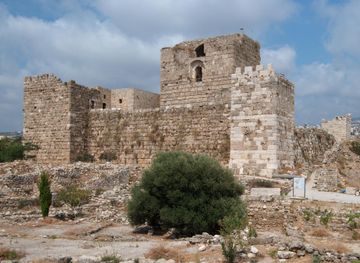
Tripoli, the largest city in North Lebanon, has a rich history that dates back to the 14th century BC. Originally founded by the Phoenicians, it later became a significant hub during the Roman and Byzantine periods. The city is home to numerous historical sites, including the Citadel of Raymond de Saint-Gilles, which was built by the Crusaders in the 12th century, and the ancient souks, which have been trading goods for centuries.
-
North Lebanon is dotted with Crusader castles that tell the tale of medieval conflicts and strategic military outposts. Notable among them is the Citadel of Raymond de Saint-Gilles in Tripoli, which offers panoramic views of the city and the sea. Batroun, another significant town, also houses the remnants of Crusader fortifications that once protected its inhabitants.
-
Following the decline of the Crusaders, the Mamluks took control of the region in the late 13th century. Their influence is evident in the architecture of Tripoli's old city, with its narrow streets, hammams (public baths), and khans (caravanserais). The Great Mosque of Tripoli, built during the Mamluk period, remains a prominent landmark.
-
From the early 16th century until the end of World War I, North Lebanon was part of the Ottoman Empire. This period left a lasting architectural legacy, visible in the grand mansions, mosques, and public buildings of the era. The Al-Tell Clock Tower in Tripoli, built in 1906, is a notable example of Ottoman architecture and remains a symbol of the city.
-
The Lebanese Civil War (1975-1990) had a profound impact on North Lebanon, particularly in Tripoli, where sectarian conflicts erupted. The city witnessed significant battles and political strife, which left scars that are still visible today. Despite the turmoil, the resilience of the local population has led to a period of reconstruction and cultural revival.
-
North Lebanon's rich cultural heritage is celebrated through numerous festivals and events. The Batroun International Festival, for example, showcases local and international music, dance, and arts. Traditional crafts, such as copperwork and soap-making, continue to thrive in the historic souks of Tripoli, preserving the region's artisanal legacy.
-
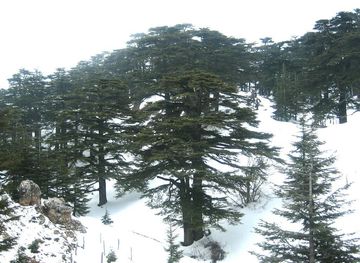
The Cedar trees in the region, particularly in the Bsharri District, are of profound historical and cultural significance. Known as the Cedars of God, these ancient trees have been revered since antiquity and are mentioned in various religious texts, including the Bible. The cedar forests are a UNESCO World Heritage Site and symbolize Lebanon's natural heritage.
Neighbouring Regions of North Lebanon
The closest regions to North Lebanon, if you have time for more than one.



Your all‑in‑one travel companion app
Explore expert travel guides, compare and book tours, experiences, hotels, and more—all from the palm of your hand. Download now for seamless trip planning wherever your wanderlust takes you.


Explore More of Lebanon

Looking beyond North Lebanon? Discover Lebanon for broader travel guides, local hot-spots, and regional highlights.
Explore LebanonNorth Lebanon in Photos
Browse through our photo collection highlighting the charm and character of the destination.


Exploring the Mystical North Lebanon
North Lebanon is a hidden gem where the mountains meet the sea, offering a unique blend of natural beauty, rich history, and vibrant culture. This region boasts stunning landscapes, from the lush green valleys to the majestic peaks of the Lebanon Mountain Range. Visitors will be enchanted by the scenic views and the fresh, crisp air of this picturesque destination. The city of Tripoli serves as the heart of North Lebanon, showcasing a fascinating mix of medieval and modern influences. Wander through the bustling souks, where you can find local crafts, aromatic spices, and delicious street food. Don't miss the grand Citadel of Raymond de Saint-Gilles, an impressive fortress with panoramic views of the city and the Mediterranean Sea. For nature lovers, the Qadisha Valley is a must-visit. This UNESCO World Heritage site is home to ancient Christian monasteries carved into the cliffs and surrounded by lush forests. The valley offers numerous hiking trails that vary in difficulty, allowing visitors to explore its breathtaking scenery at their own pace. Another natural wonder is the Baatara Gorge Waterfall, a dramatic three-tiered waterfall that plunges into a limestone cave, creating a mesmerizing sight. North Lebanon also offers a taste of the local cuisine, with its rich flavors and diverse dishes. Indulge in traditional Lebanese meals at family-run restaurants and savor the region's famous sweets like knafeh and maamoul. The hospitality of the locals will make your experience even more memorable, as they share their stories and traditions with warmth and pride.