

Free Hermel Travel Guide & Mobile App
Explore Hermel with free travel guides. Discover regional history, expert tips, proposed trips, and audio guides on web or mobile app.


Explore Hermel in northern Lebanon for the Roman Hermel Pyramid, Al-Assi River landscapes, rural food traditions and high Bekaa scenery.
Read more about Hermel
When is the best time to visit Hermel?
Best: May–June, October · 24–30°C| Month | High (°C) | Rainfall (mm) |
|---|---|---|
| January | 10 | 100 |
| February | 12 | 90 |
| March | 15 | 80 |
| April | 19 | 60 |
| May (best) | 24 | 30 |
| June (best) | 30 | 20 |
| July | 34 | 10 |
| August | 34 | 10 |
| September | 30 | 20 |
| October (best) | 24 | 30 |
| November | 18 | 60 |
| December | 12 | 90 |
Getting to and around Hermel
How to get there
Transportation
Top city travel guides in Hermel
The cities of Hermel, and the easiest places to base yourself.

Swipe for more cities
Destinations in Hermel
Resorts, valleys and scenic spots worth a trip of their own.
-

-

-

-
-

-


Swipe for more destinations
Best attractions in Hermel
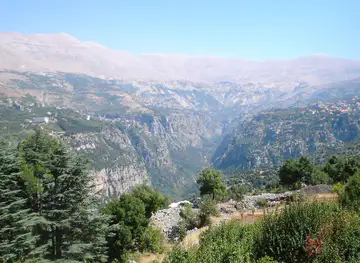
Hermel’s attractions are dispersed across a rural landscape rather than concentrated in a formal tourism circuit. The Hermel Pyramid is the district’s principal archaeological sight: a Roman-period funerary monument set in open country, where its scale and isolation make the surrounding terrain part of the experience. The Al-Assi River provides a contrasting focus, with watercourses, cultivated banks, trout restaurants and places for quiet riverside stops. Away from the town, dry limestone slopes, ravines and elevated plateaux offer opportunities for short walks, landscape photography and birdwatching, although routes may be poorly marked and should be explored with local advice. Small villages, orchards and agricultural plots reveal how irrigation supports life in the northern Bekaa, while ancient remains are often fragmentary rather than museum-like. Hermel is therefore better suited to visitors interested in archaeology, geography, rural culture and slow exploration than to those seeking a packed programme of ticketed attractions. Conditions, access and security should be checked locally before travelling beyond the main roads.
-
Nature preserve
Qammoua
Explore Qammoua Nature Preserve in Beit El Khalil, a serene escape into nature's beauty, perfect for hiking, picnicking, and wildlife spotting.
-
Community garden
Ras El Ein Park
Explore the beauty of Ras El Ein Park, a serene community garden in Baalbek, perfect for relaxation and enjoying nature's splendor.
-
Historical landmark
Kamouh el Hermel
Discover Kamouh el Hermel, a stunning historical landmark in Lebanon that offers breathtaking views and rich cultural heritage for every traveler.
-
Tourist attraction
Association for the Protection of Jabal Moussa (APJM)
Explore the enchanting landscapes and diverse wildlife of Jabal Moussa, a UNESCO Biosphere Reserve in Lebanon, perfect for nature lovers and adventurers.



Best landmarks in Hermel
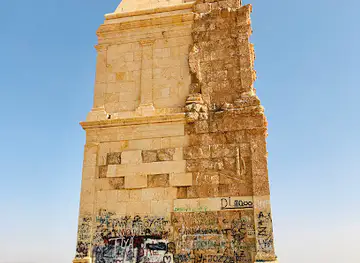
The Hermel Pyramid is the district’s defining landmark, a Roman funerary tower built from large dressed stones and positioned prominently above the surrounding landscape. Its unusual form and open setting make it visually distinctive, while its survival illustrates the northern Bekaa’s importance during antiquity. The Al-Assi River is Hermel’s principal natural landmark and the source of much of its agricultural character; its green banks and flowing water form a strong contrast with the dry hills and limestone ground beyond the irrigated areas. Around the district, old agricultural tracks, scattered masonry and weathered archaeological remnants point to long settlement, but many are not formally signposted or conserved for casual tourism. The broader view from the Hermel uplands is itself significant, taking in the meeting of cultivated valley, dry plateau and mountains near Lebanon’s eastern frontier. Access to individual sites can change, so local guidance is important.
-
Historical landmark
Kamouh el Hermel
Explore Kamouh el Hermel, a historical gem in Ras El Assi, showcasing Roman architecture and rich cultural heritage.
-
Historical landmark
Qamouaa el Hermel
Explore Qamouaa el Hermel, a historical landmark in Ras El Assi, Lebanon, showcasing stunning architecture and rich cultural heritage.


Explore Hermel on the map
Plan your trip on one map. See where the top cities, national parks and sights are, and book hotels and experiences in a few clicks.
Best hotels in Hermel
Best restaurants in Hermel
Hermel’s dining identity is closely linked to the Al-Assi and to the produce of the northern Bekaa. Trout is the area’s most recognisable speciality, commonly served grilled or prepared simply in riverside restaurants, while seasonal vegetables, herbs, fruit and dairy products reflect the irrigated valley and surrounding farms. In town, visitors are more likely to find Lebanese staples such as mezze, grilled meats, kibbeh, flatbreads and yoghurt-based dishes than a highly specialised restaurant scene. Small cafés and family-run establishments provide informal meals, and roadside sellers may offer fruit, honey or preserved products when in season. Lebanon’s wider culinary traditions are strongly represented, but Hermel’s distinction comes from the combination of inland agricultural produce, river fish and food enjoyed in an open rural setting. Standards and availability vary, so choose busy, established venues, confirm prices before ordering and carry cash for smaller businesses.
-
Restaurant
Amaleen Cafe & Restaurant
Experience the authentic flavors of Lebanon at Amaleen Cafe & Restaurant in Zahlé – where every dish tells a story.
-
Restaurant
Pierre & Friends
Discover authentic Lebanese cuisine at Pierre & Friends in Batroun, where every meal is a celebration of flavor and tradition.
-
Grill
Le Montagnou
Discover authentic Lebanese grilled delights at Le Montagnou amidst breathtaking mountain scenery in Kfardebian.
-
Restaurant
Restaurant Wadi Chamsine
Experience authentic Lebanese dining at Restaurant Wadi Chamsine in Bar Elias—where tradition meets flavor in every dish.


Best bars in Hermel
Hermel has a subdued evening scene rather than a dedicated nightlife district. Social life is centred mainly on family restaurants, cafés, tea rooms and traditional gatherings, with activity concentrated in Hermel town and along accessible parts of the Al-Assi rather than in large clubs. Alcohol is available in some Lebanese restaurants and private venues, but it is not central to the district’s visitor culture, and local expectations should be respected. Evenings are often more about food, conversation and watching daily life than late-night entertainment. Because businesses may keep irregular hours and the security situation can affect movement, plan return transport before going out and avoid isolated roads after dark. Visitors seeking extensive clubbing are better served by Lebanon’s larger urban centres, outside Hermel.
-
Bar
Olen bar
Discover Olen Bar in Jounieh – a vibrant bar offering unique drinks and a lively atmosphere in the heart of Sahel Alma.
-
Pub
Hooligans Bar and Grill
Discover the vibrant nightlife and delicious cuisine at Hooligans Bar and Grill in Jounieh, where every visit is a celebration of local flavors.
-
Bar
Brut Bar
Experience the rich flavors of Lebanese wines and craft brews at Brut Bar, a vibrant gem along the Zahlé-Baalbek Highway.
-
Pub
Castle Black
Experience the vibrant nightlife of Zahlé at Castle Black, where the local culture and delicious drinks come together for an unforgettable evening.


Best nightclubs in Hermel
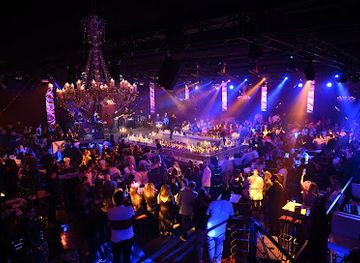
Hermel has a subdued evening scene rather than a dedicated nightlife district. Social life is centred mainly on family restaurants, cafés, tea rooms and traditional gatherings, with activity concentrated in Hermel town and along accessible parts of the Al-Assi rather than in large clubs. Alcohol is available in some Lebanese restaurants and private venues, but it is not central to the district’s visitor culture, and local expectations should be respected. Evenings are often more about food, conversation and watching daily life than late-night entertainment. Because businesses may keep irregular hours and the security situation can affect movement, plan return transport before going out and avoid isolated roads after dark. Visitors seeking extensive clubbing are better served by Lebanon’s larger urban centres, outside Hermel.
-
Disco club
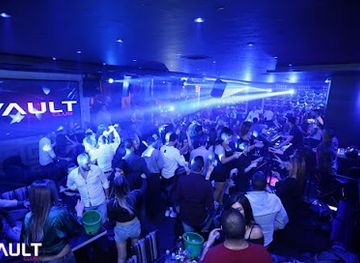
Vault Night Club
Dive into the heartbeat of Sarba’s nightlife at Vault Night Club, where the music never stops and the dance floor is always alive.
-
Night club
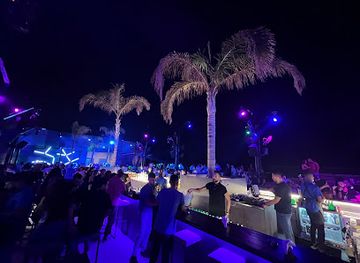
Noa rooftop
Experience the ultimate nightlife at Noa Rooftop, where stunning views, exquisite cocktails, and electrifying music create unforgettable moments in Lebanon.
-
Disco club
X Lounge Batroun
Experience the pulsating nightlife of X Lounge Batroun, where music, cocktails, and stunning seaside views create an unforgettable atmosphere in Lebanon.
-
Night club
Voice Club Kaslik
Discover the vibrant nightlife of Kaslik at Voice Club, where music and dance come alive in an electrifying atmosphere.

Best shops in Hermel
Shopping in Hermel is practical and locally oriented rather than centred on large retail complexes. The town’s shops and small markets serve daily needs, while roadside stalls and agricultural sellers may offer seasonal fruit, vegetables, honey, herbs and other products from the Bekaa. Visitors may also find homemade preserves, dairy products or locally produced foods through personal recommendations, although availability depends on the season and individual producers. Traditional Lebanese sweets, coffee, spices and pantry goods make useful gifts, but packaging and transport arrangements should be checked before buying perishables. There is limited dedicated craft shopping, and the most characteristic purchases are usually edible products connected with the rural economy rather than branded souvenirs. Bargain politely, carry Lebanese pounds in small denominations and ask permission before photographing market stalls or private production.
-
Shopping mall
Cascada
Discover the lively shopping experience at Cascada, a vibrant mall in Taanayel offering diverse stores, delicious dining, and family-friendly entertainment.
-
Shopping mall
LeMall Saida
Discover a world of shopping, dining, and entertainment at LeMall Saida, Sidon's ultimate shopping destination.
-
Home goods store
Kachouh Stores
Explore Kachouh Stores in Kfarshima for unique home goods that blend traditional Lebanese craftsmanship with modern elegance.
-
Historical landmark
Kamouh el Hermel
Experience the rich history and stunning views at Kamouh el Hermel, a captivating landmark in Ras El Assi, Lebanon.


Get your free copy of our complete guide to Hermel, delivered straight to you.
Everything on this page, from attractions and restaurants to essentials and local phrases, in one PDF you can read offline, print or share.
Already have an account? Sign in
Your Hermel guide is ready.
We'll send it to · Not you? Sign out

Getting your guide ready…
We are putting together a fresh copy of the Hermel guide. This can take up to a minute.
This can take a few moments. If your browser asks, choose Allow so the download can start. You'll find the guide in your Downloads folder.
Nothing happened? Download it again
Sorry, the guide is taking longer than usual. Please try again in a minute, or get it by email instead.
Hermel essentials
Currency and Payment
Safety
Emergency Situations
Do's and Don'ts
Local Tips
From Eve
Local phrases worth knowing
You don't need to get them perfect. A few words go a long way, and locals appreciate the effort.
Basics
| English | Local | Say it |
|---|---|---|
| Hello | Hi | [Hai] |
| Goodbye | Bye | [Bai] |
| Yes | Yeah | [Yea] |
| No | No | [No] |
| Please/You're welcome | Sure | [Shur] |
| Thank you | Thanks | [Thangs] |
| Excuse me/Sorry | Sorry | [Sori] |
| How are you? | How's it going? | [Hawz it goin?] |
| Fine. And you? | Good. You? | [Gud. Yu?] |
| Do you speak English? | Do you know English? | [Do yu no English?] |
| I don't understand | I don’t get it | [I dont get it] |
Eating & Drinking
| English | Local | Say it |
|---|---|---|
| I'd like to see the menu, please | Can I see the menu? | [Can I si the menu?] |
| I don't eat meat | I’m vegetarian | [Im vegeterian] |
| Cheers! | Cheers! | [Cheers] |
| I would like to pay, please | Can I get the check? | [Can I get the chek?] |
Emergencies
| English | Local | Say it |
|---|---|---|
| Help! | Help! | [Help] |
| Go away! | Leave me alone! | [Leev me alon] |
| Call the Police! | Call 911! | [Call 911] |
| Call a doctor! | Get a doctor! | [Get a doktor] |
| I'm lost | I’m lost | [Im lost] |
| I'm ill | I feel sick | [I feel sik] |
Shopping
| English | Local | Say it |
|---|---|---|
| I'd like to buy... | I want to buy... | [I want to bai...] |
| I'm just looking | Just browsing | [Just browsing] |
| How much is it? | What’s the price? | [Wats the prais?] |
| That's too expensive | That costs too much | [That costs too much] |
| Can you lower the price? | Can you make it cheaper? | [Can you make it cheepar?] |
Time & Numbers
| English | Local | Say it |
|---|---|---|
| What time is it? | What time is it? | [Wat taim is it?] |
| It's one o'clock | It's one | [Its won] |
| Half past (10) | Half past ten | [Haf past ten] |
| Morning | Morning | [Mornin] |
| Afternoon | Afternoon | [Aftanoon] |
| Evening | Evening | [Eevning] |
| Yesterday | Yesterday | [Yesturday] |
| Today | Today | [Tuday] |
| Tomorrow | Tomorrow | [Tomoro] |
| 1 | One | [Won] |
| 2 | Two | [Too] |
| 3 | Three | [Three] |
| 4 | Four | [For] |
| 5 | Five | [Fiv] |
| 6 | Six | [Siks] |
| 7 | Seven | [Sevuhn] |
| 8 | Eight | [Ait] |
| 9 | Nine | [Nin] |
| 10 | Ten | [Ten] |
Transport & Directions
| English | Local | Say it |
|---|---|---|
| Where's a/the...? | Where’s the...? | [Wheres the...?] |
| What's the address? | What’s the address? | [Wats the adres?] |
| Can you show me (on the map)? | Can you show me on the map? | [Can yu sho me on the map?] |
| When's the next (bus)? | When's the next bus? | [Wens the next bus?] |
| A ticket (to ....) | A ticket to... | [A tiket to...] |
History of Hermel
Prehistoric settlement in the northern Bekaa
The Bekaa Valley has supported human settlement since prehistoric times because its water, fertile soils and routes between the Levantine interior and the Mediterranean made it a natural corridor. Around Hermel, the relationship between upland pastures, river valleys and cultivated land continued patterns established long before written history. Archaeological remains in the wider northern Bekaa include traces of early farming communities and later settlements, although the district is less comprehensively displayed for visitors than Lebanon’s major archaeological centres. The surviving landscape nevertheless shows why water and seasonal movement have always been fundamental to life here.
Roman and late antique Hermel
During the Roman period, the northern Bekaa formed part of a prosperous agricultural and commercial zone within the Roman province of Syria and its successor administrations. The Hermel Pyramid, generally interpreted as a Roman funerary monument, is the clearest surviving symbol of that era in the district. Its prominent position and substantial stonework suggest the importance of local landholders or communities connected to the region’s agricultural wealth. Roads, farms and settlements linked the interior to larger centres elsewhere in the Bekaa, while late antique Christianity left additional traces across the broader region.
Medieval routes and changing powers
After the Roman and Byzantine periods, the northern Bekaa was shaped by successive Islamic dynasties and by the movement of armies, traders and pastoral groups across the interior. Its position near routes leading towards Homs and the Syrian interior gave the area strategic significance, even when political authority was centred elsewhere. Rural settlements relied on irrigation, grain cultivation, livestock and local trade. The landscape’s scattered ruins and old routes reflect centuries in which control, settlement patterns and religious affiliations changed repeatedly across the frontier zone between the Lebanese mountains and Syria.
Ottoman rural administration
Under Ottoman rule, which lasted for approximately four centuries until the First World War, Hermel belonged to a wider provincial system administered through the towns and districts of inland Syria and later the Mount Lebanon hinterland. Agricultural production, taxation and the management of water shaped everyday life, while communities maintained connections with neighbouring parts of the Bekaa and the Syrian interior. The period did not erase local autonomy or seasonal movement, and the district remained predominantly rural. Ottoman-era patterns of landholding and village life continued to influence the region after the empire’s collapse.
The French Mandate and the creation of modern Lebanon
Following the First World War, the territory of present-day Lebanon was administered under the French Mandate, and the northern Bekaa became part of the political geography that developed into the Lebanese Republic. New administrative boundaries, roads and state institutions gradually connected rural districts more closely with Beirut and other Lebanese towns. Hermel remained economically tied to agriculture and livestock, while families also developed links through work, education and trade beyond the district. The period helped establish the modern framework within which Hermel is now governed as part of the Baalbek-Hermel Governorate.
War, displacement and borderland pressures
Lebanon’s civil war from 1975 to 1990 affected the Bekaa through political division, military activity and disrupted transport, while later conflicts in Lebanon and neighbouring Syria placed additional pressure on border communities. Hermel’s proximity to Syria has made it particularly sensitive to regional instability, population displacement and changing security arrangements. At the same time, local agriculture, family networks and small businesses have continued to sustain daily life. Visitors should understand that the district’s contemporary character is inseparable from these pressures and should monitor current conditions rather than relying solely on older travel information.
Agriculture and the Al-Assi economy
In modern Hermel, the Al-Assi River remains both a natural feature and an economic resource. Irrigation supports orchards, vegetables and other cultivation in an otherwise dry interior environment, while the river is associated with trout restaurants and local recreation. Farming has faced familiar Lebanese pressures, including water management problems, economic instability, fuel costs and changing markets. Even so, the river corridor and surrounding agricultural land remain essential to the district’s identity. The contrast between productive waterside plots and the dry limestone uplands is one of Hermel’s most revealing contemporary landscapes.
Hermel in Photos
Browse through our photo collection highlighting the charm and character of the destination.
Neighbouring regions of Hermel
The closest regions to Hermel, if you have time for more than one.
-
-

-

-

-


Swipe for more regions
Explore more

Explore more of Lebanon
Discover Lebanon: A land of ancient history, vibrant culture, stunning landscapes, and delicious cuisine, nestled on the Mediterranean coast.
Explore Lebanon