

Free Hasbaya Travel Guide & Mobile App
Explore Hasbaya with free travel guides. Discover regional history, expert tips, proposed trips, and audio guides on web or mobile app.


Discover Hasbaya in southeastern Lebanon for its Shihab citadel, Hermon foothills, village landscapes, Hasbani River and distinctive southern cuisine.
Read more about Hasbaya
When is the best time to visit Hasbaya?
Best: May–June, October · 25–29°C| Month | High (°C) | Rainfall (mm) |
|---|---|---|
| January | 13 | 80 |
| February | 14 | 70 |
| March | 17 | 60 |
| April | 20 | 40 |
| May (best) | 25 | 30 |
| June (best) | 29 | 10 |
| July | 32 | 5 |
| August | 32 | 5 |
| September | 29 | 15 |
| October (best) | 25 | 30 |
| November | 20 | 40 |
| December | 15 | 60 |
Getting to and around Hasbaya
How to get there
Transportation
Top city travel guides in Hasbaya
The cities of Hasbaya, and the easiest places to base yourself.

Swipe for more cities
Best attractions in Hasbaya
Hasbaya’s attractions centre on its historic citadel, mountain environment and rural communities rather than on large commercial visitor facilities. The citadel is the district’s principal heritage experience, with a substantial stone complex associated with the Shihab emirs and the political history of southern Lebanon. In the surrounding countryside, roads lead through olive groves, cultivated slopes and villages below Mount Hermon, offering opportunities for scenic drives, photography and locally arranged walks. The Hasbani River and its springs contribute to the area’s identity, although access to particular banks and watercourses can vary. Villages such as Rashaya al-Fukhar and Kfar Hammam reveal the architecture and agricultural character of the highlands, while Shebaa and Kfar Shuba provide insight into the region’s sensitive frontier geography. Outdoor exploration requires more preparation than in established mountain resorts: trails may be unmarked, weather can shift, and some areas are restricted. Visitors interested in religious heritage, local food or village history will gain more from a guide-led visit than from an independent circuit of isolated sites.
-
Church
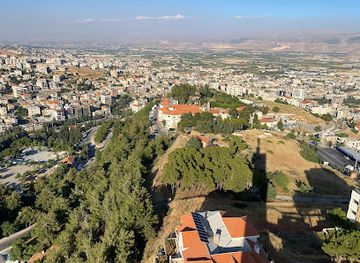
Lady Of Zahle
Explore the stunning Lady of Zahle, a captivating church that reflects Lebanon's rich history and architectural beauty in the heart of Zahle.
-
Tourist attraction
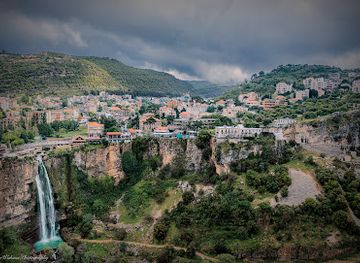
Jezzine Waterfall
Discover the stunning Jezzine Waterfall, a natural gem in Lebanon, offering breathtaking views and tranquil surroundings perfect for relaxation and exploration.
-
Historical place
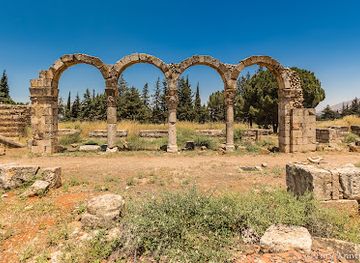
Umayyad City Ruins
Explore the Umayyad City Ruins in Aanjar, a captivating archaeological site showcasing the rich history and stunning architecture of Lebanon's ancient past.
-
Historical landmark
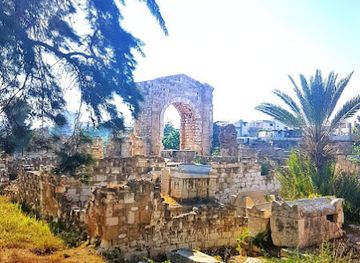
Tyre Hippodrome
Discover the ancient wonders of the Tyre Hippodrome, a historical landmark showcasing the legacy of Roman chariot racing in Lebanon's enchanting coastal city.
Best landmarks in Hasbaya
Hasbaya Citadel is the district’s defining architectural landmark. Occupying a prominent position in the town, the complex is associated with the Shihab emirs and combines fortified walls, internal courtyards, arcades and residential spaces. Its importance is both architectural and historical: it records the power of a local ruling family and the conflicts that affected Hasbaya, including the violence of 1860. Mount Hermon forms the district’s most imposing natural landmark, rising above the villages and shaping their climate, roads and agriculture. The Hasbani River and its springs are another defining feature, linking the town and surrounding valleys to the wider geography of southern Lebanon. In the higher villages, stone houses, terraces and old religious buildings provide a more dispersed form of heritage, best appreciated as part of the landscape rather than as isolated monuments. The frontier-facing terrain around Shebaa and Kfar Shuba has political significance as well as visual drama, but it should be approached only with current local guidance because some areas are restricted or militarised.
-
Historical landmark
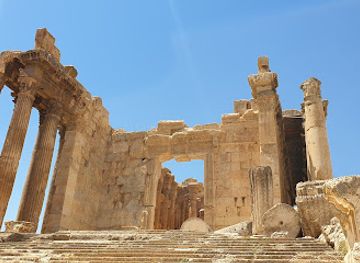
Baalbek Roman Ruins
Discover the grandeur of Baalbek Roman Ruins, a historical gem in Lebanon showcasing ancient Roman architecture and rich cultural heritage.
-
Market
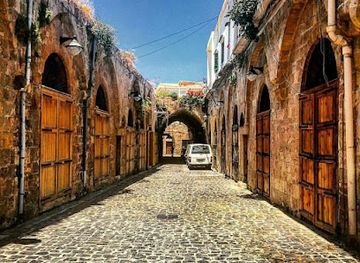
The Old Souq
Explore The Old Souq in Byblos, a vibrant market filled with local crafts, delicious cuisine, and rich Lebanese heritage.
-
Historical landmark
Batroun Old Souk
Explore the historic Batroun Old Souk, a vibrant marketplace in Lebanon filled with local crafts, delicious cuisine, and rich cultural heritage.
-
Castle
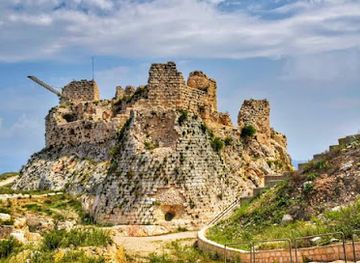
Beaufort Castle
Explore the enchanting Beaufort Castle in Lebanon, where history comes alive amidst breathtaking views and ancient architecture.
Explore Hasbaya on the map
Plan your trip on one map. See where the top cities, national parks and sights are, and book hotels and experiences in a few clicks.
Best hotels in Hasbaya
Best restaurants in Hasbaya
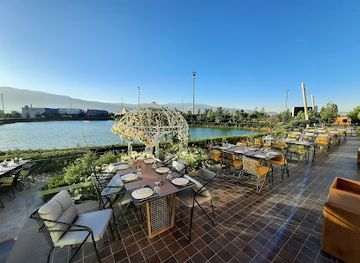
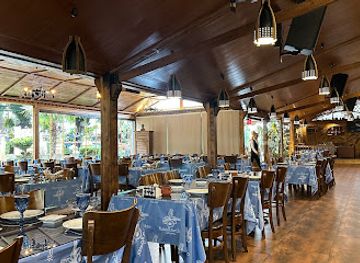
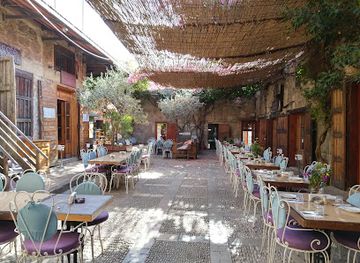
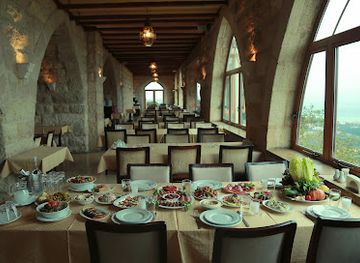
Dining in Hasbaya is based largely on Lebanese home cooking, simple cafés and family-run restaurants rather than a concentrated fine-dining scene. Meals commonly include hummus, moutabal, tabbouleh, stuffed vegetables, grilled meats, lentil dishes, yoghurt, flatbreads and seasonal salads, with recipes varying between villages and households. Olive oil, olives, herbs and dairy products are important local ingredients, while the district’s upland agriculture contributes produce according to the season. Visitors may encounter regional specialities shared across southern Lebanon rather than dishes exclusive to Hasbaya, so claims of local origin should be treated cautiously. Rural hospitality can be an important part of the food experience, especially when meals are arranged through local families or guesthouses. Larger settlements provide the widest choice of cafés and casual dining, while travellers heading into mountain villages should not assume that food will be available throughout the day. Lebanese coffee, tea, fresh juices and arak may accompany meals, but drinking customs differ between communities.
-
Restaurant
Amaleen Cafe & Restaurant
Discover authentic Lebanese flavors at Amaleen Cafe & Restaurant in Zahlé - where every meal is a celebration of tradition and taste.
-
Lebanese
Al Mokhtar Restaurant
Discover authentic Lebanese flavors at Al Mokhtar Restaurant in Jensnaya - a culinary journey through vibrant dishes and warm hospitality.
-
Lebanese
Feniqia
Experience authentic Lebanese flavors at Feniqia, where traditional dishes meet stunning views in historic Byblos.
-
Restaurant
Al Sakhra - Cliff House - مطعم الصخرة
Experience exquisite Lebanese cuisine with breathtaking views at Al Sakhra - Cliff House in Chemlan.
Best bars in Hasbaya
Hasbaya has a quiet evening culture rather than a dedicated nightclub scene. After dark, social life is concentrated in cafés, restaurants, private homes and traditional meeting places, with the largest choice generally found in Hasbaya town and other substantial settlements. Some restaurants may serve wine, beer or arak, but alcohol is not central to every community and availability varies according to local customs. Live music and celebrations may occur on particular occasions, though these should not be treated as permanent scheduled attractions. Rural villages become quiet early, and mountain roads are best avoided at night unless the route and driver are familiar with current conditions. Visitors seeking a late-night entertainment district will find that Hasbaya is better suited to conversation, food and views over the surrounding hills than to clubs or all-night venues.
-
Health Food
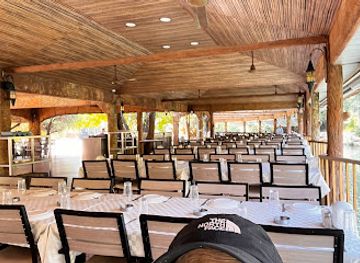
Al Bohsasa Restaurant مطعم نبع البحصاصه
Discover the heart of healthy dining at Al Bohsasa Restaurant, where fresh ingredients and flavor come together in a delightful culinary journey.
-
Restaurant
House Of Music HQ Cafe/Bar
Discover the harmonious blend of music, coffee, and cocktails at House Of Music HQ Cafe/Bar, a must-visit destination in Ain Saade.
-
Bar
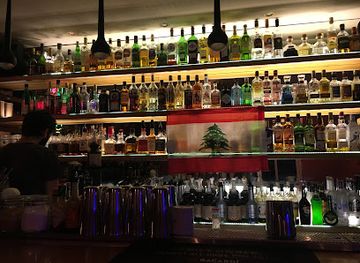
The Bohemian Bar
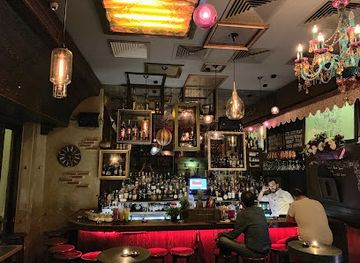
Discover the lively ambiance and unique cocktails at The Bohemian Bar, a must-visit nightlife destination in Beirut.
-
Cocktail bar
Central Station Boutique Bar
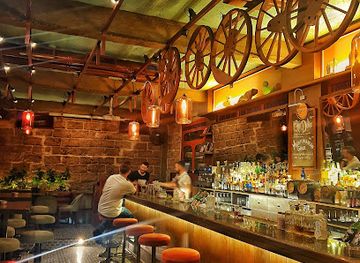
Discover Beirut's nightlife at Central Station Boutique Bar, where exquisite cocktails meet a lively atmosphere for the perfect evening.
Best nightclubs in Hasbaya
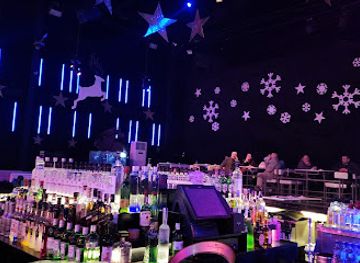
Hasbaya has a quiet evening culture rather than a dedicated nightclub scene. After dark, social life is concentrated in cafés, restaurants, private homes and traditional meeting places, with the largest choice generally found in Hasbaya town and other substantial settlements. Some restaurants may serve wine, beer or arak, but alcohol is not central to every community and availability varies according to local customs. Live music and celebrations may occur on particular occasions, though these should not be treated as permanent scheduled attractions. Rural villages become quiet early, and mountain roads are best avoided at night unless the route and driver are familiar with current conditions. Visitors seeking a late-night entertainment district will find that Hasbaya is better suited to conversation, food and views over the surrounding hills than to clubs or all-night venues.
-
Disco club
Kult
Experience the vibrant nightlife of Beirut at Kult, a premier disco club with eclectic music and an energetic atmosphere.
-
Night club
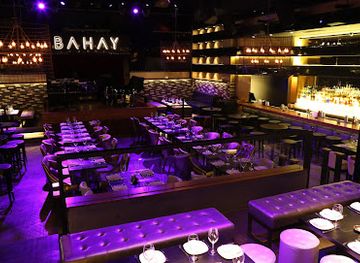
BAHAY
Discover the electrifying nightlife of Baouchriyeh at BAHAY, where music and fun collide in an unforgettable atmosphere.
-
Disco club
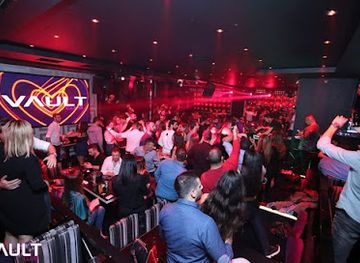
Vault Night Club
Vault Night Club: Dance the Night Away in Sarba's Premier Disco Experience with Unforgettable Vibes and Energetic Music.
-
Night club
Posh Club- Beirut
Discover the energetic nightlife of Beirut at Posh Club, where vibrant music and friendly locals create an unforgettable experience.

Best shops in Hasbaya
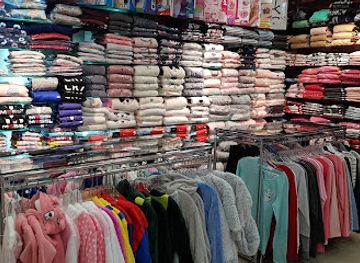
Shopping in Hasbaya is local and practical, with small food shops, village groceries, cafés and independent businesses rather than large retail centres. Visitors can look for Lebanese olive oil, olives, herbs, preserves, dairy products, seasonal fruit and other pantry goods obtained through local producers or trusted shops. Handicrafts and household items may be available through informal introductions or community-based initiatives, but stock is not as predictable as in Lebanon’s major cities. Hasbaya town is the most convenient place for everyday purchases, while village visits may offer more direct contact with producers. Ask about provenance and packaging when buying food to take home, particularly with oils and homemade preserves. The district is not known for extensive luxury or designer shopping; its retail character reflects the surrounding agricultural economy and the needs of dispersed mountain communities.
-
Gift shop
Jack Gifts Accessories
Explore Jack Gifts Accessories in Municipality for unique souvenirs, fashion accessories, and quality gifts that embody local craftsmanship and style.
-
Market
Souk El-Khan - سوق الخان
Explore Souk El-Khan in Hasbaiyya – a bustling market filled with local crafts, delicious cuisine, and vibrant culture, perfect for every traveler.
-
Patisserie
Très Jolie Pâtisserie
Discover the exquisite flavors of Très Jolie Pâtisserie in Hasbaiyya, where delightful pastries meet a cozy atmosphere.
-
Gift shop
Giftmania Collectables
Explore Giftmania Collectables in Beirut for unique gifts and collectibles, capturing the essence of Lebanon in every purchase.


Get your free copy of our complete guide to Hasbaya, delivered straight to you.
Everything on this page, from attractions and restaurants to essentials and local phrases, in one PDF you can read offline, print or share.
Already have an account? Sign in
Your Hasbaya guide is ready.
We'll send it to · Not you? Sign out

Getting your guide ready…
We are putting together a fresh copy of the Hasbaya guide. This can take up to a minute.
This can take a few moments. If your browser asks, choose Allow so the download can start. You'll find the guide in your Downloads folder.
Nothing happened? Download it again
Sorry, the guide is taking longer than usual. Please try again in a minute, or get it by email instead.
Hasbaya essentials
Currency and Payment
Safety
Emergency Situations
Do's and Don'ts
Local Tips
From Eve
Local phrases worth knowing
You don't need to get them perfect. A few words go a long way, and locals appreciate the effort.
Basics
| English | Local | Say it |
|---|---|---|
| Hello | مرحبا | [Marhaba] |
| Goodbye | وداعا | [Wadā‘] |
| Yes | نعم | [Na‘am] |
| No | لا | [Lā] |
| Please/You're welcome | من فضلك | [Min faḍlik] |
| Thank you | شكرا | [Shukran] |
| Excuse me/Sorry | عفوا | [‘Afwan] |
| How are you? | كيف حالك؟ | [Kayfa ḥālak?] |
| Fine. And you? | بخير. وأنت؟ | [Bikhayr. Wa anta?] |
| Do you speak English? | هل تتكلم الإنجليزية؟ | [Hal tatakallam al-inglīziyyah?] |
| I don't understand | لا أفهم | [Lā afham] |
Eating & Drinking
| English | Local | Say it |
|---|---|---|
| I'd like to see the menu, please | أود رؤية القائمة، من فضلك | [Awad rū’yat al-qā’imah, min faḍlik] |
| I don't eat meat | أنا لا أأكل اللحم | [Ana lā ākul al-laḥm] |
| Cheers! | صحة | [Ṣiḥḥa] |
| I would like to pay, please | أود الدفع، من فضلك | [Awad ad-da‘, min faḍlik] |
Emergencies
| English | Local | Say it |
|---|---|---|
| Help! | نجدة! | [Najda!] |
| Go away! | ابتعد! | [Ibt‘id!] |
| Call the Police! | اتصل بالشرطة! | [Ittasil bi-shurṭah!] |
| Call a doctor! | اتصل بطبيب! | [Ittasil bi-ṭabīb!] |
| I'm lost | أنا ضائع | [Ana ḍā’i‘] |
| I'm ill | أنا مريض | [Ana marīḍ] |
Shopping
| English | Local | Say it |
|---|---|---|
| I'd like to buy... | أود شراء... | [Awad shirā’...] |
| I'm just looking | أنا فقط أنظر | [Ana faqaṭ anẓur] |
| How much is it? | كم ثمنه؟ | [Kam thamanu?] |
| That's too expensive | هذا مكلف جدا | [Hādhā mukallaf jiddan] |
| Can you lower the price? | هل يمكنك تخفيض السعر؟ | [Hal yumkinuka takhfīḍ as-si‘r?] |
Time & Numbers
| English | Local | Say it |
|---|---|---|
| What time is it? | كم الساعة؟ | [Kam as-sā‘ah?] |
| It's one o'clock | الساعة الواحدة | [Al-sā‘ah al-wāḥidah] |
| Half past (10) | نصف الساعة (10) | [Niṣf as-sā‘ah (10)] |
| Morning | صباح | [Ṣabāḥ] |
| Afternoon | بعد الظهر | [Ba‘d aẓ-ẓuhr] |
| Evening | مساء | [Masā’] |
| Yesterday | أمس | [Ams] |
| Today | اليوم | [Al-yawm] |
| Tomorrow | غدا | [Ghadā] |
| 1 | 1 | [1] |
| 2 | 2 | [2] |
| 3 | 3 | [3] |
| 4 | 4 | [4] |
| 5 | 5 | [5] |
| 6 | 6 | [6] |
| 7 | 7 | [7] |
| 8 | 8 | [8] |
| 9 | 9 | [9] |
| 10 | 10 | [10] |
Transport & Directions
| English | Local | Say it |
|---|---|---|
| Where's a/the...? | أين ...؟ | [Ayn ...?] |
| What's the address? | ما هو العنوان؟ | [Mā huwa al-‘unwān?] |
| Can you show me (on the map)? | هل يمكنك أن تريني (على الخريطة)؟ | [Hal yumkinuka an turīnī (alā al-kharīṭah)?] |
| When's the next (bus)? | متى يأتي (الباص) التالي؟ | [Matā ya’tī (al-bāṣ) at-tālī?] |
| A ticket (to ....) | تذكرة (إلى ....) | [Tadhkirah (ilā ....)] |
History of Hasbaya
Ancient Hermon and the Southern Levant
The Hasbaya area occupies a long-inhabited corridor at the western foot of Mount Hermon, a mountain associated with ancient religious traditions and trade routes linking inland Syria with the upper Jordan basin and southern Lebanon. Archaeological remains across the broader region show successive settlement by communities of the ancient Levant, although the modern town’s historical prominence is more clearly documented from the medieval and Ottoman periods. The mountain’s springs and valleys supported agriculture, while its position near important routes gave local settlements strategic value.
Medieval Strongholds and Regional Rule
During the medieval period, the Hermon foothills formed part of a contested landscape shaped by Islamic dynasties, Crusader expansion and later Ayyubid and Mamluk rule. Hasbaya’s elevated position and access routes encouraged the development of fortified residences and defensive settlements. The surviving citadel incorporates several historical layers, but its exact earliest origins are debated and should not be reduced to a single foundation date. Its architecture reflects the region’s role as a meeting point between mountain communities and the political centres of southern Syria and Lebanon.
The Shihab Emirs and Hasbaya Citadel
From the Ottoman period, Hasbaya became closely associated with branches of the Shihab family, whose influence extended across parts of Mount Lebanon and the southern mountain districts. The citadel served as a residence, administrative centre and symbol of local authority, evolving through successive rebuilding and adaptation. Its large internal courtyards and stone arcades reveal how political power, domestic life and defence could be combined within one complex. The Shihab legacy remains central to Hasbaya’s architectural identity, even though the family’s political position changed over time.
The 1860 Conflict and Communal Memory
Hasbaya was drawn into the violent intercommunal conflict that spread through Mount Lebanon and Damascus in 1860. The town’s citadel became the scene of killings in which many Christians from Hasbaya and nearby villages lost their lives, despite having sought protection there. The events formed part of a much wider crisis involving local rivalries, imperial weakness and sectarian mobilisation. Their memory remains important to the district’s Christian and Druze communities and illustrates the difficult history of coexistence and conflict in nineteenth-century Lebanon.
Mandate Borders and the Modern State
Following the First World War, Hasbaya became part of the territory administered under the French Mandate and later the Lebanese Republic. The drawing and consolidation of modern borders altered older patterns of movement across the Hermon region, connecting some communities more closely to Beirut and separating others from historic links in Syria and Palestine. Administrative institutions, roads and schools gradually reshaped local life, while agriculture and small-scale trade remained important. Lebanon’s independence in 1943 established the national framework within which Hasbaya is governed today.
Southern Lebanon, Conflict and Disputed Frontiers
Hasbaya District has repeatedly been affected by the conflicts and political tensions of southern Lebanon. Villages near Shebaa and Kfar Shuba lie close to the disputed Shebaa Farms area, whose sovereignty remains contested between Lebanon, Syria and Israel. The region also experienced the effects of Israeli military occupation in southern Lebanon, which ended in 2000, followed by further periods of insecurity and displacement. These events continue to influence travel, land use and local memory, making the district’s border geography an essential part of understanding its present character.
Hasbaya in Photos
Browse through our photo collection highlighting the charm and character of the destination.
Neighbouring regions of Hasbaya
The closest regions to Hasbaya, if you have time for more than one.
-

-

-

-

-


Swipe for more regions
Explore more

Explore more of Lebanon
Discover Lebanon: A land of ancient history, vibrant culture, stunning landscapes, and delicious cuisine, nestled on the Mediterranean coast.
Explore Lebanon