

Free Marjeyoun Travel Guide & Mobile App
Explore Marjeyoun with free travel guides. Discover regional history, expert tips, proposed trips, and audio guides on web or mobile app.


Explore Marjeyoun in southern Lebanon for olive groves, historic villages, religious heritage and the complex story of the country’s borderlands.
Read more about Marjeyoun
When is the best time to visit Marjeyoun?
Best: June, August–September · 26–28°C| Month | High (°C) | Rainfall (mm) |
|---|---|---|
| January | 12 | 100 |
| February | 13 | 90 |
| March | 16 | 80 |
| April | 19 | 60 |
| May | 22 | 40 |
| June (best) | 26 | 20 |
| July | 29 | 10 |
| August (best) | 28 | 10 |
| September (best) | 26 | 20 |
| October | 22 | 40 |
| November | 18 | 60 |
| December | 13 | 80 |
Getting to and around Marjeyoun
How to get there
Transportation
Top city travel guides in Marjeyoun
The cities of Marjeyoun, and the easiest places to base yourself.

Swipe for more cities
Best attractions in Marjeyoun
Marjeyoun’s attractions are shaped by its rural setting and contested history rather than by a large concentration of formal tourism facilities. The town itself provides a base for observing the agricultural plain, local churches and the architecture of southern Lebanese settlements. Deir Mimas combines religious heritage with olive groves and elevated views, while the villages around Qlaiaa and the wider district offer an opportunity to see traditional cultivation and community life when access is safe. Khiam is important for its modern history, especially the former detention-centre site, but visits depend on current security and local permission. The district’s roads lead through open farmland, orchards and rolling uplands suited to short, locally guided walks rather than independent wilderness trekking. Visitors should not expect a conventional national-park infrastructure or a dependable programme of museums and organised excursions. Instead, the region is best approached through its landscape, religious heritage, oral history and carefully arranged encounters with local people. Conflict-sensitive locations should be treated as memorial spaces, not photo opportunities.
-
National park
Tel Dan Nature Reserve
Discover a unique blend of nature and history at Tel Dan Nature Reserve, where ancient ruins meet lush landscapes.
-
National park
Hermon Stream Nature Reserve
Discover Israel's natural beauty and ancient history at the Hermon Stream Nature Reserve, home to stunning waterfalls and archaeological wonders.
-
Historical landmark
Nimrod Fortress National Park
Explore Israel's largest medieval fortress in Nimrod Fortress National Park, offering stunning views and a rich history in the Golan Heights.
-
Landmark
Mleeta Landmark
Explore Mleeta Landmark: A unique war museum in Southern Lebanon showcasing Lebanese resistance history with stunning mountain views.


Best landmarks in Marjeyoun
Marjeyoun’s most meaningful landmarks combine religious architecture, village identity and the visible legacy of conflict. The monastery and church associated with Saint Mema at Deir Mimas are closely tied to the village’s Christian history and its surrounding olive groves. Marjeyoun town’s churches, older houses and elevated position above the plain help explain its importance as a local centre, although individual buildings may have been altered or damaged over time. The former Khiam detention centre is a powerful contemporary historical landmark, remembered for imprisonment and abuse during the Israeli occupation; its condition, memorial arrangements and accessibility should be confirmed before travel. The broad agricultural plain itself is a geographical landmark, framed by the southern uplands and routes leading towards the frontier. Military and border structures should not be treated as sightseeing sites, and photography around them may be prohibited. Together, these places show how Marjeyoun’s identity has been formed by faith, cultivation, strategic geography and the consequences of repeated conflict.
-
Tourist attraction
Jeita Grotto
Explore the breathtaking beauty of Jeita Grotto, a natural wonder in Lebanon with stunning limestone caves and crystal-clear waters.
-
Tourist attraction
Al Raouche Rocks
Explore Al Raouche Rocks, a breathtaking natural landmark in Beirut, where stunning cliffs meet the Mediterranean Sea, rich history blends with vibrant culture.
-
National museum
National Museum of Beirut
Explore the depths of Lebanon's history at the National Museum of Beirut, where ancient artifacts and rich stories come to life.
-
Historical landmark
Beiteddine Palace
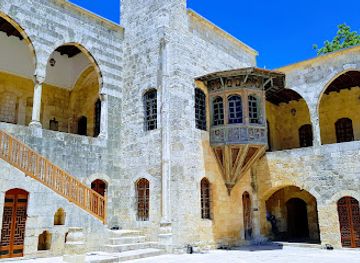
Discover the breathtaking Beiteddine Palace, a historical gem nestled in Lebanon's Chouf Mountains, showcasing stunning architecture and rich heritage.


Explore Marjeyoun on the map
Plan your trip on one map. See where the top cities, national parks and sights are, and book hotels and experiences in a few clicks.
Best hotels in Marjeyoun
Best restaurants in Marjeyoun
Dining in Marjeyoun is primarily local and home-style, with fewer dedicated visitor restaurants than in Beirut, Sidon or the larger Lebanese resorts. Meals commonly draw on the country’s familiar mezze tradition, including hummus, moutabal, tabbouleh, stuffed vegetables, grilled meats and flatbreads, while village households and small eateries may make greater use of seasonal herbs, legumes, yoghurt, olives and locally pressed olive oil. The surrounding agricultural landscape supports olive cultivation and small-scale production of honey, zaatar and other pantry goods. Deir Mimas and neighbouring villages are especially associated with olives and olive oil, although availability varies by season and producer. Travellers should arrange meals through accommodation providers or trusted local contacts when visiting rural areas, as restaurants may have limited hours or operate informally. Lebanese coffee, tea and arak may be offered in social settings, but visitors should follow their hosts’ preferences and local customs rather than assuming that alcohol is available everywhere.
-
Lebanese
Al Mokhtar Restaurant
Discover the heart of Lebanese flavors at Al Mokhtar Restaurant in Jensnaya - where every dish tells a story.
-
Restaurant
Lakkis Farm - Chtaura
Experience authentic Lebanese cuisine at Lakkis Farm - Chtaura amidst breathtaking landscapes.
-
Lebanese
Al Chalouf Restaurant مطعم الشالوف
Experience authentic Lebanese cuisine at Al Chalouf Restaurant in Jezzine - where tradition meets flavor amidst stunning landscapes.
-
Seafood
Feluka, seafood restaurant & wine bar 'فلوكة'
Discover exquisite seafood dining at Feluka Seafood Restaurant & Wine Bar in Beirut - where Mediterranean flavors meet stunning ocean views.


Best bars in Marjeyoun
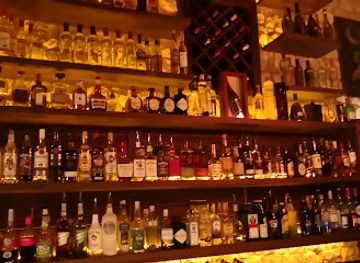
Marjeyoun does not have a major nightclub scene. Evening life is more likely to centre on family homes, cafés, small restaurants and traditional gathering places in the main town and larger villages, with conversation and hospitality taking precedence over late-night entertainment. Some establishments may serve beer, wine or arak, but availability varies according to locality, religious community, season and current security conditions. The district’s rural roads and intermittent services also make late-night travel less practical than in Beirut. Visitors should arrange return transport in advance, avoid wandering near sensitive border areas after dark and respect quiet residential streets. During calmer periods, the most rewarding evening experiences may be a meal with local hosts, a village café or a cultural conversation rather than a formal bar or club itinerary.
-
Lounge
Bar Du Port
Experience the vibrant atmosphere and stunning coastal views at Bar Du Port in Antelias, a premier lounge destination in Beirut.
-
Bar
The Bohemian Bar
Experience the vibrant nightlife of Beirut at The Bohemian Bar, a lively venue offering creative cocktails and a unique atmosphere for an unforgettable evening.
-
Bar
Brut Bar
Discover the vibrant Brut Bar in Zahlé, where local wines and craft cocktails create an unforgettable nightlife experience.
-
Pub
Castle Black
Experience the vibrant atmosphere and diverse drink selection at Castle Black, Zahle's premier pub for nightlife and entertainment.


Best nightclubs in Marjeyoun
Marjeyoun does not have a major nightclub scene. Evening life is more likely to centre on family homes, cafés, small restaurants and traditional gathering places in the main town and larger villages, with conversation and hospitality taking precedence over late-night entertainment. Some establishments may serve beer, wine or arak, but availability varies according to locality, religious community, season and current security conditions. The district’s rural roads and intermittent services also make late-night travel less practical than in Beirut. Visitors should arrange return transport in advance, avoid wandering near sensitive border areas after dark and respect quiet residential streets. During calmer periods, the most rewarding evening experiences may be a meal with local hosts, a village café or a cultural conversation rather than a formal bar or club itinerary.
-
Night club
Mine Beirut
Discover the electrifying nightlife at Mine Beirut, where live music and dancing create unforgettable moments along the beautiful seaside.
-
Disco club
Kult
Experience the exhilarating nightlife of Kult, Beirut’s premier disco club, where music and dance unite to create unforgettable memories.
-
Night club
The Grand Factory
Discover the heart of Beirut's nightlife at The Grand Factory – a vibrant nightclub offering unforgettable music and an electrifying atmosphere.
-
Night club
SKYBAR Beirut
Discover the electrifying nightlife at SKYBAR Beirut, where breathtaking views meet exceptional music and a vibrant atmosphere.


Best shops in Marjeyoun
Shopping in Marjeyoun is modest and locally focused, with village shops and small producers more important than purpose-built retail districts. The most characteristic purchases are olive oil, table olives, zaatar, honey, preserves and other seasonal products from the surrounding agricultural area. Quality and provenance vary, so buy through a known producer, accommodation host or established local shop and ask about harvest dates and storage. Small groceries and market stalls may stock household goods and regional foodstuffs, while larger shopping trips are generally easier in the main towns outside the district. Visitors may also find religious objects, handmade items or locally produced textiles through churches, community organisations and personal networks, although availability is not guaranteed. There is little basis for expecting extensive luxury, designer or antique shopping. Cash remains useful, especially away from larger Lebanese commercial centres, and travellers should check prices and currency before completing a purchase.
-
Shopping mall
Jdiedet Marjeyoun, Sahaa, old Souq
Discover the vibrant old souq of Jdiedet Marjeyoun, where shopping meets tradition in a charming Lebanese town.
-
Grocery store
ميني ماركت خليل سويد, dibbine
Experience the heart of Lebanese culture at MIni Market Khalil Sweid, where local flavors and warm hospitality await in Dibbine.
-
Gift shop
Luanatic
Discover Luanatic in Beirut: Your go-to destination for unique gifts, fashion accessories, and local crafts that capture the spirit of Lebanon.
-
Grocery store
Zayoun supermarket
Explore authentic Lebanese flavors at Zayoun Supermarket, a vibrant grocery store filled with local produce and delicacies.


Get your free copy of our complete guide to Marjeyoun, delivered straight to you.
Everything on this page, from attractions and restaurants to essentials and local phrases, in one PDF you can read offline, print or share.
Already have an account? Sign in
Your Marjeyoun guide is ready.
We'll send it to · Not you? Sign out

Getting your guide ready…
We are putting together a fresh copy of the Marjeyoun guide. This can take up to a minute.
This can take a few moments. If your browser asks, choose Allow so the download can start. You'll find the guide in your Downloads folder.
Nothing happened? Download it again
Sorry, the guide is taking longer than usual. Please try again in a minute, or get it by email instead.
Marjeyoun essentials
Currency and Payment
Safety
Emergency Situations
Do's and Don'ts
Local Tips
From Eve
Local phrases worth knowing
You don't need to get them perfect. A few words go a long way, and locals appreciate the effort.
Basics
| English | Local | Say it |
|---|---|---|
| Hello | مرحبا | [Marhaba] |
| Goodbye | مع السلامة | [Ma'a as-salama] |
| Yes | نعم | [Na'am] |
| No | لا | [La] |
| Please/You're welcome | من فضلك | [Min fadlik] |
| Thank you | شكرا | [Shukran] |
| Excuse me/Sorry | عفوا | [Afwan] |
| How are you? | كيف حالك؟ | [Kayfa halak?] |
| Fine. And you? | بخير. وأنت؟ | [Bikhayr. Wa anta?] |
| Do you speak English? | هل تتحدث الإنجليزية؟ | [Hal tatahaddath al-ingliziyya?] |
| I don't understand | أنا لا أفهم | [Ana la afham] |
Eating & Drinking
| English | Local | Say it |
|---|---|---|
| I'd like to see the menu, please | أود رؤية القائمة، من فضلك | [Awad ru'yat al-qa'ima, min fadlik] |
| I don't eat meat | أنا لا أتناول اللحم | [Ana la atanaawil al-lahm] |
| Cheers! | في صحتك! | [Fi sihtak!] |
| I would like to pay, please | أود الدفع، من فضلك | [Awad al-daf', min fadlik] |
Emergencies
| English | Local | Say it |
|---|---|---|
| Help! | نجدة! | [Najda!] |
| Go away! | ابتعد! | [Ibt'id!] |
| Call the Police! | اتصل بالشرطة! | [Ittasil bil-shurta!] |
| Call a doctor! | اتصل بالطبيب! | [Ittasil bil-tabeeb!] |
| I'm lost | أنا ضائع | [Ana dai'] |
| I'm ill | أنا مريض | [Ana marid] |
Shopping
| English | Local | Say it |
|---|---|---|
| I'd like to buy... | أود شراء... | [Awad shira'a...] |
| I'm just looking | أنا فقط أتصفح | [Ana faqat atasaafah] |
| How much is it? | كم ثمنه؟ | [Kam thamanuh?] |
| That's too expensive | هذا مكلف جدا | [Hatha mukallaf jiddan] |
| Can you lower the price? | هل يمكنك تخفيض السعر؟ | [Hal yumkinuka takhfid as-si'r?] |
Time & Numbers
| English | Local | Say it |
|---|---|---|
| What time is it? | كم الساعة؟ | [Kam as-saa'a?] |
| It's one o'clock | الساعة واحدة | [As-saa'a wahida] |
| Half past (10) | نصف الساعة (10) | [Nisf as-saa'a (10)] |
| Morning | صباح | [Sabah] |
| Afternoon | بعد الظهر | [Ba'd al-zuhur] |
| Evening | مساء | [Masa'] |
| Yesterday | أمس | [Ams] |
| Today | اليوم | [Al-yawm] |
| Tomorrow | غدا | [Ghadan] |
| 1 | واحد | [Wahid] |
| 2 | اثنان | [Ithnan] |
| 3 | ثلاثة | [Thalatha] |
| 4 | أربعة | [Arba'a] |
| 5 | خمسة | [Khamsa] |
| 6 | ستة | [Sitta] |
| 7 | سبعة | [Sab'a] |
| 8 | ثمانية | [Thamaniya] |
| 9 | تسعة | [Tis'a] |
| 10 | عشرة | [Ashara] |
Transport & Directions
| English | Local | Say it |
|---|---|---|
| Where's a/the...? | أين الـ...؟ | [Ayn al...?] |
| What's the address? | ما هو العنوان؟ | [Ma huwa al-unwan?] |
| Can you show me (on the map)? | هل يمكنك أن تري لي (على الخريطة)؟ | [Hal yumkinuka an turi li (ala al-kharita)?] |
| When's the next (bus)? | متى سيكون (الباص) التالي؟ | [Mata sayakun (al-bus) at-tali?] |
| A ticket (to ....) | تذكرة (إلى....) | [Tadhkira (ila....)] |
History of Marjeyoun
Ancient Southern Uplands
The Marjeyoun plain belongs to a wider southern Levantine landscape that has supported settlement and agriculture since antiquity. Its commanding position between inland routes and the frontier hills encouraged cultivation, movement and strategic observation. Archaeological remains in southern Lebanon are often fragmentary and access to some sites is restricted, but the enduring pattern of village settlement, olive growing and terraced agriculture reflects a long relationship between communities and the region’s fertile uplands.
Christian Villages and Monastic Traditions
Over many centuries, Christian communities established villages, churches and monastic institutions across the southern Lebanese uplands. Deir Mimas, associated with the monastery dedicated to Saint Mema, is one of the district’s best-known religious centres and remains closely linked to olive cultivation. The area’s churches and monasteries illustrate the continuity and diversity of Lebanon’s eastern Christian traditions, while neighbouring villages also reflect the country’s wider history of coexistence among different religious communities.
Ottoman Rule and Provincial Trade
Under the Ottoman Empire, the Marjeyoun area formed part of a wider network of rural settlements and market connections linking southern Lebanon with Galilee, the Bekaa and the coastal cities. Agriculture, livestock and local trade shaped village economies, while religious communities maintained institutions that often served as centres of education and social life. Ottoman administrative arrangements changed over time, but the district’s role as a borderland between larger regional centres remained a defining feature.
The 1941 Battle of Merdjayoun
During the Syria-Lebanon campaign of the Second World War, fighting took place around Merdjayoun in June 1941 between Allied forces, including Australian and Indian units, and troops loyal to Vichy France. The town’s position made it strategically important during the advance towards Damascus. The battle forms part of the region’s modern military history and helps explain why Marjeyoun appears in accounts of the campaign, although the district’s villages were also affected by the ordinary disruption of wartime movement and supply.
Occupation and the Khiam Detention Centre
Southern Lebanon underwent profound upheaval during the late twentieth century. Israel occupied a belt of southern Lebanon from 1978 until its withdrawal in 2000, with control exercised in cooperation with the South Lebanon Army in parts of the zone. The detention centre at Khiam became a symbol of that period because of reports of harsh imprisonment and abuse. The site is remembered as a place of political trauma, although its condition and accessibility have changed over time and should be checked locally before a visit.
The 2006 Lebanon War and Continuing Instability
The 2006 war between Israel and Hezbollah caused extensive damage and displacement across southern Lebanon, including the Marjeyoun area. Reconstruction followed, but the district continued to live with the effects of conflict, including damaged infrastructure, disrupted livelihoods and heightened sensitivity around border locations. Later periods of escalation have repeatedly affected travel and local life. Marjeyoun’s contemporary identity therefore includes not only agricultural and religious heritage but also the continuing work of communities living in a contested border environment.
Marjeyoun in Photos
Browse through our photo collection highlighting the charm and character of the destination.
Neighbouring regions of Marjeyoun
The closest regions to Marjeyoun, if you have time for more than one.
-

-

-

-

-


Swipe for more regions
Explore more

Explore more of Lebanon
Discover Lebanon: A land of ancient history, vibrant culture, stunning landscapes, and delicious cuisine, nestled on the Mediterranean coast.
Explore Lebanon