

Free Nabatieh Travel Guide & Mobile App
Explore Nabatieh with free travel guides. Discover regional history, expert tips, proposed trips, and audio guides on web or mobile app.


Explore Nabatieh in Lebanon for hill villages, olive groves, lively markets, medieval fortresses, local food and the landscapes of the southern uplands.
Read more about Nabatieh
When is the best time to visit Nabatieh?
Best: May–June, October · 25–28°C| Month | High (°C) | Rainfall (mm) |
|---|---|---|
| January | 13 | 150 |
| February | 14 | 120 |
| March | 16 | 90 |
| April | 20 | 60 |
| May (best) | 25 | 30 |
| June (best) | 28 | 10 |
| July | 31 | 0 |
| August | 31 | 0 |
| September | 29 | 20 |
| October (best) | 25 | 60 |
| November | 19 | 90 |
| December | 15 | 120 |
Getting to and around Nabatieh
How to get there
Transportation
Top city travel guides in Nabatieh
The cities of Nabatieh, and the easiest places to base yourself.
-

-

-


Swipe for more cities
Destinations in Nabatieh
Resorts, valleys and scenic spots worth a trip of their own.
-

-


Swipe for more destinations
Best attractions in Nabatieh
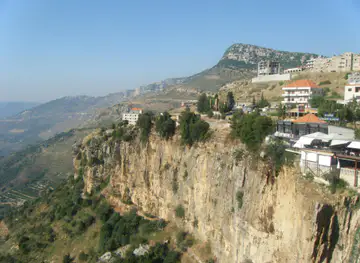
Nabatieh’s attractions are spread across a landscape of market towns, agricultural villages, hill roads and historic strongholds rather than concentrated in one major visitor district. Beaufort Castle near Arnoun is the region’s most dramatic heritage site, perched above the Litani gorge with wide views over the southern uplands. Tebnine Castle offers a second perspective on the military history of the hills, while Hasbaya combines a historic citadel and old town with access to the foothills of Mount Hermon. Nabatieh city is a useful base for experiencing the souk, local commerce and the public religious culture associated with Ashura. Marjayoun’s highland setting and traditional buildings add architectural interest, while rural roads reveal olive groves, orchards and cultivated valleys. In Hasbaya district, Rachaya al-Foukhar is associated with pottery-making and provides insight into a regional craft tradition. Outdoor exploration should remain cautious: conditions near the border can change, and visitors should use established routes, respect restricted areas and obtain local advice before approaching isolated ruins or countryside.
-
Nature preserve
Nahal Snir Nature Preserve
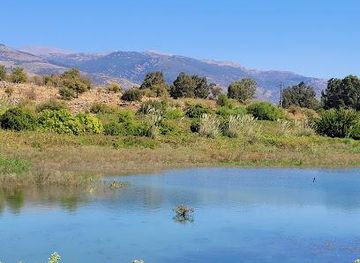
Discover Nahal Snir Nature Preserve: A Galilee oasis with lush trails, refreshing streams, and tranquil picnic spots. Perfect for nature lovers!
-
Nature preserve
Hula Nature Reserve
Discover a restored wetland teeming with diverse wildlife and millions of migrating birds in Israel's Hula Nature Reserve.
-
Tourist attraction
Mt Bental Lookout
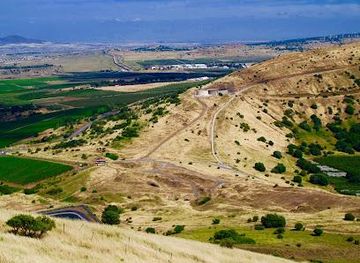
Discover panoramic views and military history atop Mt. Bental Lookout in the Golan Heights, near the Syrian border.
-
Winery
Pelter Winery יקב פלטר
Experience award-winning Israeli wines in the heart of the Golan Heights at Pelter Winery, a family-run boutique winery and distillery.


Best landmarks in Nabatieh
Beaufort Castle is Nabatieh’s defining landmark, occupying a long rocky spur above the Litani River and demonstrating why this position mattered to successive military powers. Its surviving walls, towers and steep approach make the relationship between fortress and landscape especially clear, although access and safety conditions require checking before a visit. Tebnine Castle, rising above the town of Tebnine, is another major reminder of the medieval frontier that once divided and connected the southern uplands. In Hasbaya, the historic citadel associated with the Shihab family forms the architectural centre of an old mountain settlement, with courtyards and stone buildings reflecting the town’s long political importance. Rachaya al-Foukhar is recognised for its pottery tradition, where the settlement’s name and craft heritage are closely linked. The hills around Marjayoun and Hasbaya also function as natural landmarks, offering broad views towards Mount Hermon and the inland valleys, although viewpoints near sensitive or restricted areas should be approached only with local guidance.
-
Monument
אתר הנצחה לחללי גדוד עוז 77
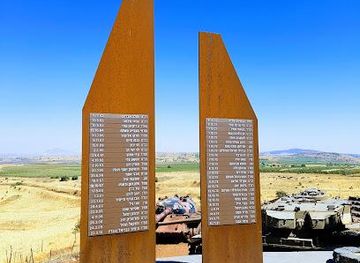
Explore the Martyrs' Memorial, a stunning monument dedicated to bravery and sacrifice, and immerse yourself in a rich tapestry of history and heritage.
-
Monument
Roaring Lion Monument
Discover the Roaring Lion Monument in Kfar Giladi, a powerful tribute to bravery and sacrifice, surrounded by breathtaking views and rich history.
-
Religious destination
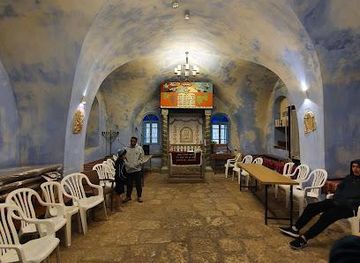
The old synagogue
Discover Peki'in, Israel's ancient village where rich traditions meet breathtaking landscapes, creating an unforgettable travel experience.
-
Historical landmark
Statue of Hassan Kamel Alsabbah
Discover the Statue of Hassan Kamel Alsabbah in Nabatieh, a cultural landmark celebrating Lebanese heritage and innovation in a serene setting.


Explore Nabatieh on the map
Plan your trip on one map. See where the top cities, national parks and sights are, and book hotels and experiences in a few clicks.
Best hotels in Nabatieh
Best restaurants in Nabatieh
Dining in Nabatieh is grounded in the wider culinary traditions of southern Lebanon, with a strong rural emphasis on olive oil, herbs, pulses, seasonal vegetables, flatbreads and grilled meats. Town restaurants and family-run kitchens commonly serve mezze, kibbeh, tabbouleh, fattoush, stuffed vegetables and rice-based dishes, while village meals may include greens, olives, pickles and produce from nearby fields. Olive oil is an important regional purchase, and honey, fruit, nuts and homemade preserves are often sold through small shops or local networks. Nabatieh city offers the broadest choice of casual eateries, bakeries and cafés; in Hasbaya, Marjayoun and smaller settlements, dining tends to be quieter and more dependent on family restaurants, guesthouses or pre-arranged meals. Markets are useful for assembling a simple picnic, but ask about washing produce and carry water when travelling between towns. Menus may be limited outside busy periods, so advance arrangements are sensible for rural meals.
-
Restaurant
Eat Vite Nabatieh
Experience authentic Lebanese flavors at Eat Vite Nabatieh - where culinary tradition meets modern dining in the heart of Lebanon.
-
Restaurant
TO TANGO CHAKIF
Discover authentic Lebanese flavors at TO TANGO CHAKIF in Nabatieh – where tradition meets culinary excellence.
-
Winery
Bazelet HaGolan Winery
Discover premium kosher wines from Golan's basalt soils at Bazelet HaGolan, where stunning Sea of Galilee views meet expert tastings in a historic, serene winery setting.
-
Restaurant
Bait Al Zaman Al Jamil
Experience authentic Lebanese cuisine at Bait Al Zaman Al Jamil in Nabatieh – where nostalgia meets culinary excellence.


Best bars in Nabatieh
Nabatieh is not primarily a nightclub destination, and evening life generally centres on family restaurants, cafés, sweet shops and informal gatherings rather than a large late-night entertainment scene. Nabatieh city has the widest choice of cafés and casual venues, while Marjayoun and Hasbaya offer a quieter highland evening atmosphere with restaurants and coffee houses. Alcohol is available in some Lebanese establishments, but it should not be assumed in every town, particularly around religious occasions or in conservative communities. Live music and seasonal celebrations may occur, but their timing and locations can change. Visitors should ask locally about suitable venues, dress respectfully and avoid treating public religious commemorations as nightlife events. Because transport becomes less predictable after dark, arrange a trusted taxi or return journey in advance when staying outside the main towns.
-
Restaurant
Eat Vite Nabatieh
Experience authentic Lebanese flavors at Eat Vite Nabatieh, where culinary traditions come alive in a warm and inviting atmosphere.
-
Restaurant
TO TANGO CHAKIF
Savor the authentic flavors of Lebanon at To Tango Chakif, a culinary gem in Nabatieh offering exquisite dishes and a warm dining atmosphere.
-
Hamburger
Addict Burger
Discover the ultimate burger experience at Addict Burger in Nabatieh, where taste meets convenience in a vibrant setting.
-
Restaurant
Bait Al Zaman Al Jamil
Experience authentic Lebanese cuisine at Bait Al Zaman Al Jamil in Nabatieh, where tradition meets flavor in a charming setting.


Best nightclubs in Nabatieh
Nabatieh is not primarily a nightclub destination, and evening life generally centres on family restaurants, cafés, sweet shops and informal gatherings rather than a large late-night entertainment scene. Nabatieh city has the widest choice of cafés and casual venues, while Marjayoun and Hasbaya offer a quieter highland evening atmosphere with restaurants and coffee houses. Alcohol is available in some Lebanese establishments, but it should not be assumed in every town, particularly around religious occasions or in conservative communities. Live music and seasonal celebrations may occur, but their timing and locations can change. Visitors should ask locally about suitable venues, dress respectfully and avoid treating public religious commemorations as nightlife events. Because transport becomes less predictable after dark, arrange a trusted taxi or return journey in advance when staying outside the main towns.
-
Night club
Mine Beirut
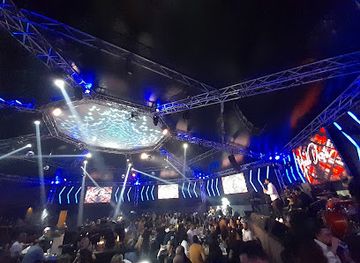
Discover the electrifying nightlife of Beirut at Mine Beirut, a premier night club offering thrilling live music and unforgettable experiences.
-
Disco club
Kult
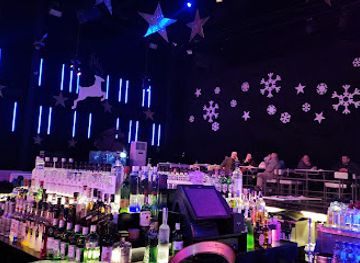
Experience the pulsating nightlife at Kult, Beirut's leading disco club, where music, dance, and culture collide for an unforgettable evening.
-
Night club
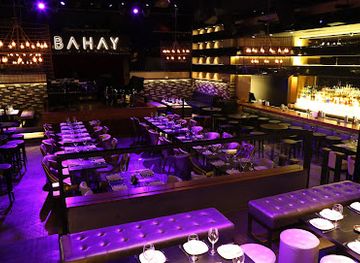
BAHAY
Discover the electrifying nightlife at BAHAY, where modern beats meet traditional Lebanese tunes in an unforgettable experience.
-
Disco club
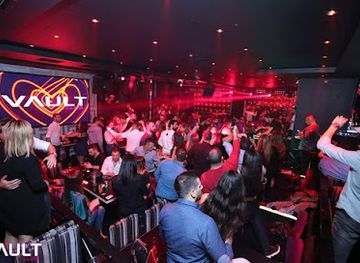
Vault Night Club
Vault Night Club in Sarba: A vibrant disco club experience where music and culture collide for an unforgettable night out.
Best shops in Nabatieh
Shopping in Nabatieh is centred on working markets, independent food shops and the commercial streets of Nabatieh city rather than large destination malls. The souk and surrounding shops are useful for seasonal fruit and vegetables, olives, spices, sweets, household goods and everyday Lebanese products, while smaller towns provide a more local and less specialised retail experience. Travellers can look for olive oil, honey, dried herbs, preserves and nuts from reputable producers, checking packaging and provenance before buying. In Hasbaya district, Rachaya al-Foukhar is associated with handmade pottery, offering practical vessels and decorative pieces where workshops or sellers are open. Bakery products and regional sweets travel well for short journeys, but fragile pottery should be packed carefully. Bargaining may be normal in informal markets but is less appropriate in fixed-price shops; ask politely, carry cash in smaller denominations and remember that availability, prices and payment practices can change with Lebanon’s economic conditions.
-
Ice Cream
ICEROLL
Experience the delightful world of rolled ice cream at ICEROLL in Nabatieh, where every creation is a treat for the senses.
-
Cell phone store
Unicell doughman nabatieh
Explore the latest mobile technology at Unicell Doughman Nabatieh, your go-to cell phone store for tourists in Lebanon.
-
Clothing store
Yassine Stores nab
Explore authentic Lebanese fashion at Yassine Stores in Nabatieh, where quality meets local style in an inviting shopping experience.
-
Store
Jaber Games Store
Explore Jaber Games Store in Nabatieh - your go-to destination for unique games and collectibles in Lebanon.


Get your free copy of our complete guide to Nabatieh, delivered straight to you.
Everything on this page, from attractions and restaurants to essentials and local phrases, in one PDF you can read offline, print or share.
Already have an account? Sign in
Your Nabatieh guide is ready.
We'll send it to · Not you? Sign out

Getting your guide ready…
We are putting together a fresh copy of the Nabatieh guide. This can take up to a minute.
This can take a few moments. If your browser asks, choose Allow so the download can start. You'll find the guide in your Downloads folder.
Nothing happened? Download it again
Sorry, the guide is taking longer than usual. Please try again in a minute, or get it by email instead.
Nabatieh essentials
Currency and Payment
Safety
Emergency Situations
Do's and Don'ts
Local Tips
From Eve
Local phrases worth knowing
You don't need to get them perfect. A few words go a long way, and locals appreciate the effort.
Basics
| English | Local | Say it |
|---|---|---|
| Hello | مرحبا | [Marhaba] |
| Goodbye | وداعا | [Wada'an] |
| Yes | نعم | [Na'am] |
| No | لا | [La] |
| Please/You're welcome | من فضلك | [Min fadlak] |
| Thank you | شكرا | [Shukran] |
| Excuse me/Sorry | عفوا | [Afwan] |
| How are you? | كيف حالك؟ | [Kayfa halak?] |
| Fine. And you? | بخير. وأنت؟ | [Bikhayr. Wa anta?] |
| Do you speak English? | هل تتحدث الإنجليزية؟ | [Hal tatahaddath al-ingliziyya?] |
| I don't understand | لا أفهم | [La afham] |
Eating & Drinking
| English | Local | Say it |
|---|---|---|
| I'd like to see the menu, please | أود رؤية القائمة، من فضلك | [Awad ru'yat al-qa'ima, min fadlak] |
| I don't eat meat | لا آكل اللحم | [La akul al-lahm] |
| Cheers! | في صحتك! | [Fi sihtak!] |
| I would like to pay, please | أود الدفع، من فضلك | [Awad al-daf', min fadlak] |
Emergencies
| English | Local | Say it |
|---|---|---|
| Help! | المساعدة! | [Al-musa'ada!] |
| Go away! | ابتعد! | [Ibt'id!] |
| Call the Police! | اتصل بالشرطة! | [Ittasil bil-shurta!] |
| Call a doctor! | اتصل بالطبيب! | [Ittasil bil-tabeeb!] |
| I'm lost | أنا ضائع | [Ana da'i'] |
| I'm ill | أنا مريض | [Ana marid] |
Shopping
| English | Local | Say it |
|---|---|---|
| I'd like to buy... | أود شراء... | [Awad shira'] |
| I'm just looking | أنا فقط أنظر | [Ana faqat anzur] |
| How much is it? | كم ثمنه؟ | [Kam thamanuh?] |
| That's too expensive | هذا مكلف جدا | [Hatha mukallif jidan] |
| Can you lower the price? | هل يمكنك تخفيض السعر؟ | [Hal yumkinuka takhfid al-si'r?] |
Time & Numbers
| English | Local | Say it |
|---|---|---|
| What time is it? | كم الساعة؟ | [Kam al-saa'a?] |
| It's one o'clock | الساعة الواحدة | [Al-saa'a al-wahida] |
| Half past (10) | نصف (10) | [Nisf (10)] |
| Morning | صباحا | [Sabahan] |
| Afternoon | بعد الظهر | [Ba'd al-zuhur] |
| Evening | مساء | [Masa'a] |
| Yesterday | أمس | [Ams] |
| Today | اليوم | [Al-yawm] |
| Tomorrow | غدا | [Ghadan] |
| 1 | واحد | [Wahid] |
| 2 | اثنان | [Ithnan] |
| 3 | ثلاثة | [Thalatha] |
| 4 | أربعة | [Arba'a] |
| 5 | خمسة | [Khamsa] |
| 6 | ستة | [Sitta] |
| 7 | سبعة | [Sab'a] |
| 8 | ثمانية | [Thamaniya] |
| 9 | تسعة | [Tis'a] |
| 10 | عشرة | [Ashara] |
Transport & Directions
| English | Local | Say it |
|---|---|---|
| Where's a/the...? | أين ...؟ | [Ayna ...?] |
| What's the address? | ما هو العنوان؟ | [Ma huwa al-'unwan?] |
| Can you show me (on the map)? | هل يمكنك إظهار لي (على الخريطة)؟ | [Hal yumkinuka izhar li (ala al-kharita)?] |
| When's the next (bus)? | متى يأتي (الباص) التالي؟ | [Mata ya'ti (al-bas) al-tali?] |
| A ticket (to ....) | تذكرة (إلى ....) | [Tadhkara (ila ....)] |
History of Nabatieh
Ancient Routes and Southern Highland Settlements
The hills and valleys of present-day Nabatieh formed part of the inland network linking the Levantine coast with settlements around the upper Jordan Valley and the Bekaa. Communities cultivated olives, vines and cereals on terraced land, while ridge-top positions offered control of movement through the countryside. Archaeological remains across southern Lebanon point to long periods of settlement, although individual sites are not always accessible or fully interpreted for visitors. The region’s later importance rested less on one dominant ancient city than on its position between larger centres and its enduring agricultural villages.
Roman and Byzantine Landscapes
During Roman rule and the Byzantine period, southern Lebanon was integrated into the wider administrative, commercial and religious life of the eastern Mediterranean. Roads, rural estates, presses and religious buildings supported settled agriculture, particularly the production of olive oil and wine. Nabatieh’s modern towns do not preserve a single monumental Roman centre comparable with Baalbek, but ancient building fragments and reused stone can still be encountered in village architecture. The period helped establish patterns of cultivation and settlement that remained influential long after imperial authority receded.
Medieval Fortresses and Frontier Politics
From the eleventh to the thirteenth centuries, the southern Lebanese uplands became a contested frontier between regional powers and the Crusader states. Beaufort Castle, built on a commanding escarpment above the Litani, and Tebnine Castle served as strategic strongholds controlling routes through the hills. Their history includes Crusader, Muslim and later Mamluk phases, with repeated changes in control and adaptation to new military pressures. The ruins seen today are therefore palimpsests rather than monuments belonging to a single community or dynasty.
Ottoman Provincial Life
Under Ottoman rule, Nabatieh and its surrounding districts were governed through local notables, village authorities and wider provincial administrations. Agriculture remained the foundation of life, with olives, grains, livestock and later tobacco contributing to household economies. Historic houses, courtyards, religious buildings and old market patterns in towns such as Hasbaya and Marjayoun reflect this period of local administration and commercial exchange. Sectarian communities lived across the southern highlands, and the region’s political identity developed through both village ties and relationships with larger towns.
The Mandate and the Formation of Modern Lebanon
After the First World War, the area became part of the French Mandate and subsequently the Lebanese Republic. New administrative boundaries, roads, schools and state institutions altered older patterns of movement and authority, while migration and trade linked villages more closely to Beirut and other Lebanese cities. Tobacco cultivation, small commerce and public-sector employment became important features of the modern rural economy. Nabatieh city grew as a regional marketplace, serving communities across the southern interior rather than functioning only as a local settlement.
Conflict, Occupation and Contemporary Change
Southern Lebanon experienced repeated conflict during the second half of the twentieth century and the early twenty-first century, including Israeli occupation in parts of the south until 2000 and later hostilities involving Israel and Hezbollah. These events affected villages, agriculture, infrastructure and patterns of emigration, and they continue to shape the security environment. Memorials, damaged structures and public commemorations are part of the region’s contemporary landscape, although access and conditions can change. Nabatieh today combines strong local traditions with extensive family connections abroad and ongoing economic pressures.
Nabatieh in Photos
Browse through our photo collection highlighting the charm and character of the destination.
Neighbouring regions of Nabatieh
The closest regions to Nabatieh, if you have time for more than one.
-

-

-

-

-


Swipe for more regions
Explore more

Explore more of Lebanon
Discover Lebanon: A land of ancient history, vibrant culture, stunning landscapes, and delicious cuisine, nestled on the Mediterranean coast.
Explore Lebanon