

South Lebanon, Lebanon Travel Guide
Discover the historical marvels, pristine beaches, and rich cultural heritage of South Lebanon, a region where history and natural beauty converge.
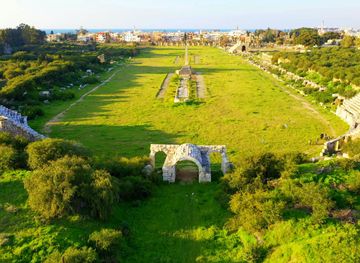
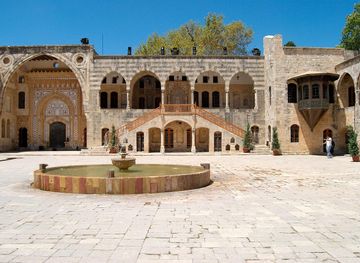
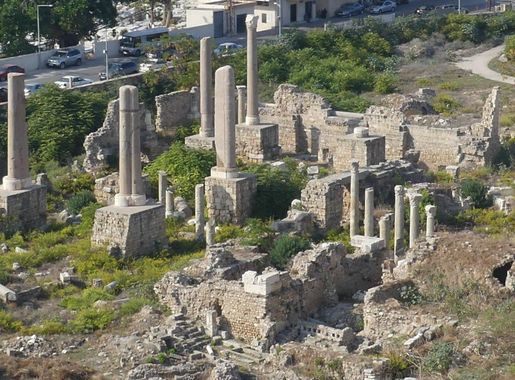
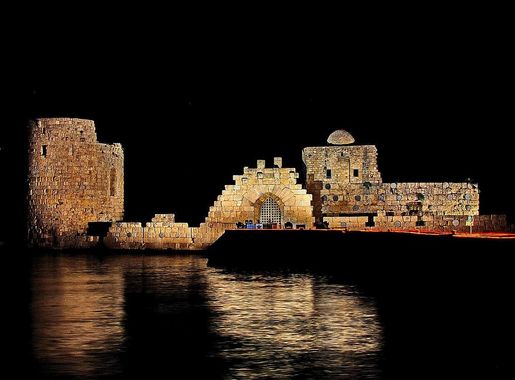
South Lebanon is a region filled with history, culture, and natural beauty, making it an incredible destination for tourists. From its charming coastal towns to its ancient ruins, South Lebanon offers a unique blend of experiences that cater to all kinds of travelers. Whether you are interested in exploring historical sites, relaxing on pristine beaches, or tasting delicious local cuisine, South Lebanon has something for everyone. One of the highlights of South Lebanon is the city of Tyre, an ancient Phoenician city that boasts some of the best-preserved Roman ruins in the world. Wander through the impressive Roman Hippodrome, marvel at the ancient necropolis, and take a leisurely stroll along the picturesque harbor. For those who love the sea, Tyre's beautiful sandy beaches provide the perfect spot to unwind and soak up the sun. Another must-visit location is the town of Sidon, known for its vibrant markets and rich history. Explore the Crusader Sea Castle, visit the historic Khan el-Franj, and don't miss the chance to wander through the bustling souks where you can find everything from spices to traditional handicrafts. Sidon's old town, with its narrow streets and stone buildings, offers a glimpse into the region's past and is a delight to explore. Nature lovers will be captivated by the stunning landscapes of South Lebanon. The Jezzine area, with its lush pine forests and magnificent waterfalls, is ideal for hiking and picnicking. The Litani River, which flows through the region, offers opportunities for kayaking and fishing. Additionally, the southern coastline is dotted with charming fishing villages where you can experience the local way of life and enjoy fresh seafood. South Lebanon is also home to several religious and cultural sites. The Maghdouche Church, perched on a hill, offers panoramic views of the surrounding area and is a significant pilgrimage site. The region's diverse cultural heritage is reflected in its festivals, music, and cuisine, providing a rich and immersive experience for visitors.

Know before you go
Hi, I'm Eve. Here are a few practical things to know before exploring South Lebanon.
- Visit Tyre's Roman ruins early in the morning to avoid the crowds and the midday heat.
- Bargain at Sidon's souks for the best deals on spices and handicrafts.
- Bring comfortable walking shoes for exploring the ancient sites and narrow streets.
- Try the local seafood dishes at the coastal villages for an authentic culinary experience.
- Check the local festival calendar to experience cultural events and celebrations.
Top City Travel Guides in South Lebanon
The cities of South Lebanon, and the easiest places to base yourself.


Destinations in South Lebanon
Resorts, valleys and scenic spots worth a trip of their own.
Explore South Lebanon: Things to Do, Places to Eat, Hotels & More
Handpicked recommendations for top attractions, local dining, accommodations, and more

Top Attractions & Sightseeing in South Lebanon
Top-rated picks
Best Attractions

Temple of Eshmun
Explore the ancient Temple of Eshmun in Bqosta, Lebanon - a captivating historical site rich in culture, beauty, and serenity.

Keshet Cave
Discover the breathtaking views from this unique natural arch in the Upper Galilee, a perfect spot for hiking and rappelling.

Rosh HaNikra Grottoes
Discover the stunning Rosh HaNikra Grottoes: a natural wonder where the Mediterranean Sea meets Israel's northern border.

Ruins of Tyre : The Egyptian Port
Uncover the ancient secrets of Tyre, a UNESCO World Heritage Site and a Phoenician powerhouse on the Lebanese coast.

Best landmarks in South Lebanon
Top-rated picks
Best Landmarks

Kever Rashbi (Tomb of Rabbi Shimon bar Yochai)
Experience the spiritual serenity at Kever Rashbi, the sacred tomb of Rabbi Shimon bar Yochai, nestled in the picturesque hills of Meron, Israel.

Zaituna Bay
Experience the breathtaking views, delightful dining, and vibrant atmosphere of Zaituna Bay, a must-visit promenade in Beirut.

Al Raouche Rocks
Visit Al Raouche Rocks, a breathtaking natural landmark in Beirut, showcasing stunning views, rich history, and vibrant seaside atmosphere.

Jeita Grotto
Experience the breathtaking beauty of Jeita Grotto, a UNESCO World Heritage site showcasing stunning caves and crystal-clear waters in Lebanon.

Best restaurants in South Lebanon
Top-rated picks
Best Restaurants

Manuella
Discover authentic Lebanese flavors with stunning sea views at Manuella Restaurant in Jounieh.

Restaurant L'Os
Discover authentic Lebanese cuisine at Restaurant L'Os in Ain Saadeh – a culinary delight where tradition meets flavor.

Jalset Al Erzal
Experience authentic Lebanese cuisine at Jalset Al Erzal with breathtaking mountain views in Faraya.

Le Montagnou
Experience exquisite grilled delicacies at Le Montagnou while enjoying breathtaking mountain views in Kfardebian.

Best bars in South Lebanon
Top-rated picks
Best Bars
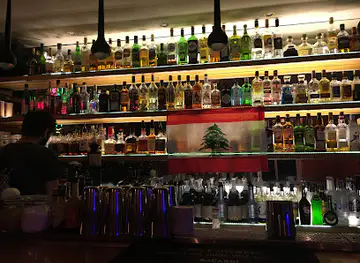
House Of Music HQ Cafe/Bar
Experience the perfect blend of music, coffee, and cocktails at House Of Music HQ Cafe/Bar, a must-visit destination for tourists seeking vibrant nightlife.

Bar Du Port
Discover Bar Du Port in Antelias: A seaside lounge offering stunning views, delicious cuisine, and a vibrant atmosphere for every traveler.

SIGHT - Deir El Qamar
Discover the lively essence of Deir El Qamar's nightlife at SIGHT, a premier bar and lounge offering exquisite cocktails and a vibrant atmosphere.

Johnny's Cocktail
Discover the vibrant nightlife at Johnny's Cocktail in Baouchriyeh, where expertly crafted cocktails and a lively atmosphere await you.

Best nightclubs in South Lebanon
Top-rated picks
Best Nightclubs

Mine Beirut
Discover the pulse of Beirut's nightlife at Mine Beirut, a premier night club and live music venue in Daoura, where unforgettable experiences await.

Kult
Kult in Beirut: Experience the thrill of dancing all night in one of the city’s hottest disco clubs, where the energy is infectious and the music never stops.

Tavolino Pub
Discover the vibrant nightlife of Fanar at Tavolino Pub, where great drinks and good company come together in a lively atmosphere.

صالة ليلة عمر
Discover the lively nightlife at صالة ليلة عمر in Batouliyeh, where music, cocktails, and culture come together for an unforgettable experience.

Best shops in South Lebanon
Top-rated picks
Best Shops

Asamina Boutique Hotel
Experience the perfect blend of luxury and tradition at Asamina Boutique Hotel, your gateway to the historical wonders of Tyre, Lebanon.

Al-Sirat Shopping
Explore Al-Sirat Shopping in South Lebanon for a unique blend of cosmetics, fashion accessories, and local treasures, perfect for every traveler.

Jack Gifts Accessories
Explore the vibrant offerings of Jack Gifts Accessories, where unique fashion meets local charm in the heart of the Municipality.

Free Shop Store
Explore an eclectic mix of goods at Free Shop Store in Bazouriye, where shopping meets affordability in a vibrant atmosphere.

Explore South Lebanon on the Map
A handpicked selection of must-see spots in South Lebanon, mapped for you.
South Lebanon Essentials
-
South Lebanon can be accessed through several routes. The nearest major airport is Beirut-Rafic Hariri International Airport (BEY), approximately 85 kilometers north of South Lebanon. From Beirut, you can rent a car, take a taxi, or use public buses to reach cities like Tyre, Sidon, and Jezzine. The drive from Beirut to South Lebanon typically takes around 1.5 to 2 hours.
-
In South Lebanon, taxis are a convenient mode of transport and are widely available. Public buses and minibuses (known as 'service' taxis) operate between major towns and cities. Renting a car is another option, offering flexibility to explore the region at your own pace, but be aware of local driving habits and road conditions. Walking is feasible in smaller towns like Tyre, where many attractions are within close proximity.
-
The official currency in Lebanon is the Lebanese Pound (LBP), but US dollars are also widely accepted. Credit cards are accepted in many hotels, restaurants, and shops, but it’s advisable to carry cash for small purchases and in rural areas. ATMs are available in major towns, though it’s a good idea to withdraw sufficient cash before traveling to remote areas.
-
South Lebanon is generally safe for tourists, but standard safety precautions should be taken. Avoid walking alone at night in unfamiliar areas and be cautious with your belongings in crowded places. Specific areas, such as the border regions with Israel, should be avoided due to potential security issues. Always check travel advisories from your home country before planning your visit.
-
In case of emergency, dial 112 for police assistance and 140 for medical emergencies. Major towns have hospitals and clinics, but it’s advisable to carry basic medical supplies. Ensure you have comprehensive travel insurance that covers medical emergencies. Pharmacies are available for over-the-counter medications.
-
Fashion: Do dress modestly, particularly when visiting religious sites. Avoid wearing revealing clothing. Religion: Do respect local customs and traditions. When entering mosques or churches, dress conservatively and cover your head if required. Public Transport: Do be respectful and offer your seat to elderly passengers. Don’t eat or drink on public transport. Greetings: Do greet people with a handshake. A smile and a friendly demeanor go a long way. Eating & Drinking: Do try local delicacies and accept food offerings graciously. Don’t refuse hospitality, as it is considered impolite.
-
To experience South Lebanon like a local, visit traditional markets and try local produce. Engage with locals, who are known for their hospitality and are often eager to share stories about their culture and history. Don’t miss historical sites like the ruins of Tyre and the Crusader Castle in Sidon. For a unique experience, explore the natural beauty of Jezzine and its famous waterfall.
When is the best time to visit South Lebanon?
Useful Local Phrases for South Lebanon
You don't need to speak the language perfectly. Even learning a few simple words can make conversations warmer—and locals usually appreciate the effort.
— Eve

Here are the phrases I use most often in South Lebanon. Try a few—you'll be surprised how far they go! 😊
❤️
-
- Helloمرحبا
[Marhaba] - Goodbyeوداعا
[Wada'an] - Yesنعم
[Na'am] - Noلا
[La] - Please/You're welcomeمن فضلك
[Min fadlik] - Thank youشكرا
[Shukran] - Excuse me/Sorryعفوا
[Afwan] - How are you?كيف حالك؟
[Kayfa halak?] - Fine. And you?بخير. وأنت؟
[Bikhayr. Wa anta?] - Do you speak English?هل تتكلم الإنجليزية؟
[Hal tatakallam al-ingliziyya?] - I don't understandلا أفهم
[La afham]
- Helloمرحبا
-
- I'd like to see the menu, pleaseأود رؤية القائمة، من فضلك
[Awad ru'yat al-qa'ima, min fadlik] - I don't eat meatلا أأكل اللحم
[La akul al-lahm] - Cheers!في صحتك!
[Fi sihhatik!] - I would like to pay, pleaseأود الدفع، من فضلك
[Awad al-daf', min fadlik]
- I'd like to see the menu, pleaseأود رؤية القائمة، من فضلك
-
- Help!نجدة!
[Najda!] - Go away!ابتعد!
[Ibt'id!] - Call the Police!اتصل بالشرطة!
[Ittasil bil-shurta!] - Call a doctor!اتصل بطبيب!
[Ittasil bi-tabeeb!] - I'm lostأنا ضائع
[Ana da'i'] - I'm illأنا مريض
[Ana marid]
- Help!نجدة!
-
- I'd like to buy...أود شراء...
[Awad shira'] - I'm just lookingأنا فقط أنظر
[Ana faqat anzur] - How much is it?كم ثمنه؟
[Kam thamanu?] - That's too expensiveهذا غالي جدا
[Hatha ghali jidan] - Can you lower the price?هل يمكنك تخفيض السعر؟
[Hal yumkinuka takhfid al-si'r?]
- I'd like to buy...أود شراء...
-
- What time is it?كم الساعة؟
[Kam al-sa'a?] - It's one o'clockالساعة الواحدة
[Al-sa'a al-wahidah] - Half past (10)نصف (10)
[Nisf (10)] - Morningصباحا
[Sabahan] - Afternoonظهرا
[Zuhraan] - Eveningمساء
[Masa'an] - Yesterdayأمس
[Ams] - Todayاليوم
[Al-yawm] - Tomorrowغدا
[Ghadan] - 1واحد
[Wahid] - 2اثنان
[Ithnan] - 3ثلاثة
[Thalatha] - 4أربعة
[Arba'a] - 5خمسة
[Khamsa] - 6ستة
[Sitta] - 7سبعة
[Sab'a] - 8ثمانية
[Thamaniya] - 9تسعة
[Tis'a] - 10عشرة
[Ashara]
- What time is it?كم الساعة؟
-
- Where's a/the...?أين ...؟
[Ayn ...?] - What's the address?ما هو العنوان؟
[Ma huwa al-'unwan?] - Can you show me (on the map)?هل يمكنك أن تريني (على الخريطة)؟
[Hal yumkinuka an turini (ala al-kharita)?] - When's the next (bus)?متى يأتي (الحافلة) التالية؟
[Mata yati (al-hafila) al-taliya?] - A ticket (to ....)تذكرة (إلى ....)
[Tadhkara (ila ....)]
- Where's a/the...?أين ...؟
History of South Lebanon
-
South Lebanon, particularly the ancient city of Tyre, was a significant hub for the Phoenician civilization. Known for their seafaring skills and trade networks, the Phoenicians established Tyre as a crucial port city around 2750 BCE. The city's strategic location on the Mediterranean enabled it to become a center for commerce, spreading goods, culture, and innovations across the ancient world.
-
In 332 BCE, Alexander the Great laid siege to Tyre during his campaign against the Persian Empire. The city, known for its formidable fortifications and naval prowess, resisted for seven months before falling to Alexander’s forces. This conquest significantly impacted the region, integrating it into the Hellenistic world and influencing its cultural and architectural development.
-
Under Roman rule, starting from 64 BCE, South Lebanon flourished, particularly the cities of Tyre and Sidon. The Romans invested heavily in infrastructure, building roads, aqueducts, and grand temples. The region became known for its prosperity, luxurious public baths, and vibrant markets. Roman influence is still visible today in the ruins and archaeological sites scattered across the area.
-
During the Byzantine era (330-636 CE), Christianity spread widely in South Lebanon, leading to the construction of churches and monasteries. The region later came under Islamic rule following the Arab conquest in the 7th century. This period saw the introduction of Islamic culture, architecture, and trade practices, which blended with the local traditions to create a unique cultural tapestry.
-
The Crusades left a lasting mark on South Lebanon, with the construction of numerous castles and fortresses, such as the Beaufort Castle. These strongholds were part of the Crusader Kingdom of Jerusalem and served as defensive structures against Muslim forces. The region witnessed many battles and sieges, reflecting the turbulent nature of the medieval period.
-
From the 16th century until World War I, South Lebanon was part of the Ottoman Empire. The region became famous for its silk production, with numerous silk factories established by European merchants. This industry brought significant economic growth and influenced the social fabric of the area. Ottoman architectural styles and administrative practices also left their mark on South Lebanon.
-
In the 20th and 21st centuries, South Lebanon has experienced significant turmoil, particularly during the Lebanese Civil War (1975-1990) and subsequent conflicts involving Israel. Despite these challenges, the region has shown remarkable resilience. Efforts to rebuild have led to a revival of cultural heritage sites and a renewed focus on tourism, aiming to highlight the rich history and cultural diversity of South Lebanon.
Neighbouring Regions of South Lebanon
The closest regions to South Lebanon, if you have time for more than one.




Your all‑in‑one travel companion app
Explore expert travel guides, compare and book tours, experiences, hotels, and more—all from the palm of your hand. Download now for seamless trip planning wherever your wanderlust takes you.


Explore More of Lebanon

Looking beyond South Lebanon? Discover Lebanon for broader travel guides, local hot-spots, and regional highlights.
Explore LebanonSouth Lebanon in Photos
Browse through our photo collection highlighting the charm and character of the destination.





The Enchanting Beauty of South Lebanon
South Lebanon is a region filled with history, culture, and natural beauty, making it an incredible destination for tourists. From its charming coastal towns to its ancient ruins, South Lebanon offers a unique blend of experiences that cater to all kinds of travelers. Whether you are interested in exploring historical sites, relaxing on pristine beaches, or tasting delicious local cuisine, South Lebanon has something for everyone. One of the highlights of South Lebanon is the city of Tyre, an ancient Phoenician city that boasts some of the best-preserved Roman ruins in the world. Wander through the impressive Roman Hippodrome, marvel at the ancient necropolis, and take a leisurely stroll along the picturesque harbor. For those who love the sea, Tyre's beautiful sandy beaches provide the perfect spot to unwind and soak up the sun. Another must-visit location is the town of Sidon, known for its vibrant markets and rich history. Explore the Crusader Sea Castle, visit the historic Khan el-Franj, and don't miss the chance to wander through the bustling souks where you can find everything from spices to traditional handicrafts. Sidon's old town, with its narrow streets and stone buildings, offers a glimpse into the region's past and is a delight to explore. Nature lovers will be captivated by the stunning landscapes of South Lebanon. The Jezzine area, with its lush pine forests and magnificent waterfalls, is ideal for hiking and picnicking. The Litani River, which flows through the region, offers opportunities for kayaking and fishing. Additionally, the southern coastline is dotted with charming fishing villages where you can experience the local way of life and enjoy fresh seafood. South Lebanon is also home to several religious and cultural sites. The Maghdouche Church, perched on a hill, offers panoramic views of the surrounding area and is a significant pilgrimage site. The region's diverse cultural heritage is reflected in its festivals, music, and cuisine, providing a rich and immersive experience for visitors.