

Free Jezzine Travel Guide & Mobile App
Explore Jezzine with free travel guides. Discover regional history, expert tips, proposed trips, and audio guides on web or mobile app.


Discover Jezzine in southern Lebanon for pine forests, a mountain waterfall, traditional cutlery, village heritage and cool upland scenery near Sidon.
Read more about Jezzine
When is the best time to visit Jezzine?
Best: June–July, September · 26–29°C| Month | High (°C) | Rainfall (mm) |
|---|---|---|
| January | 11 | 150 |
| February | 12 | 140 |
| March | 16 | 120 |
| April | 19 | 80 |
| May | 22 | 50 |
| June (best) | 26 | 20 |
| July (best) | 29 | 10 |
| August | 29 | 10 |
| September (best) | 27 | 20 |
| October | 24 | 60 |
| November | 20 | 100 |
| December | 14 | 130 |
Getting to and around Jezzine
How to get there
Transportation
Top city travel guides in Jezzine
The cities of Jezzine, and the easiest places to base yourself.

Swipe for more cities
Destinations in Jezzine
Resorts, valleys and scenic spots worth a trip of their own.
-

-


Swipe for more destinations
Best attractions in Jezzine
Jezzine’s attractions are shaped by the meeting of mountain scenery, village heritage and specialised craft. The town’s waterfall is the most immediately recognisable sight, dropping into a wooded gorge below the built-up area and changing markedly with the seasons. Nearby Bkassine offers access to a large Aleppo-pine landscape, with rural roads, woodland walks and views across the southern mountain valleys. The district is well suited to short hikes, scenic drives, photography and quiet picnics rather than intensive adventure tourism. Jezzine’s craft workshops provide a cultural attraction of their own, particularly those associated with decorated knives, scissors and inlaid wooden objects. Around the district, visitors can explore stone villages, historic churches, terraced fields and small local viewpoints, while the wider Bisri landscape offers valley scenery and archaeological interest where access is permitted. The area’s attractions are dispersed, and their appeal depends as much on the journey between settlements as on formal visitor facilities. Seasonal weather, local access and security conditions should be checked before heading into remote valleys or forest tracks.
-
Tourist attraction
Jezzine Waterfall
Experience the breathtaking beauty of Jezzine Waterfall, a natural wonder in Lebanon that captivates with its serene ambiance and stunning landscapes.
-
Catholic church
Basilica of Our Lady of Mantara - بازيليك سيدة المنطرة
Discover the Basilica of Our Lady of Mantara in Maghdoucheh, a sacred shrine with stunning views and rich religious history.
-
Tourist attraction
Rihan Grotto مغارة الريحان
Discover the natural beauty and tranquility of Rihan Grotto, a hidden gem in the heart of southern Lebanon.
-
Historical landmark
Jezzine Water Source
Discover the serene beauty and historical significance of Jezzine Water Source, a Lebanese landmark offering natural tranquility and cultural immersion.


Best landmarks in Jezzine
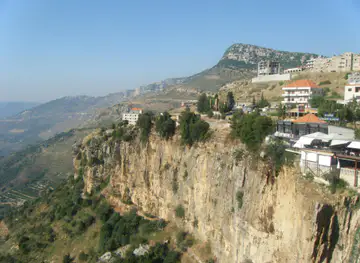
Jezzine Waterfall is the district’s defining natural landmark, cutting through the gorge beneath the town and creating a dramatic vertical feature in a landscape otherwise dominated by wooded slopes and cultivated hillsides. Bkassine’s Aleppo-pine forest is another important regional marker, representing the woodland environment most closely associated with Jezzine and providing a broad natural setting rather than a single monument. The town’s churches, stone buildings and elevated streets express the architectural character of a southern Lebanese mountain centre, while village churches and traditional houses across the district preserve smaller-scale examples of local religious and domestic building. The winding approaches through pine-covered hills are themselves part of Jezzine’s visual identity, especially where they open towards deep valleys. The wider Bisri Valley, linked geographically with the Jezzine hinterland, is significant for its natural corridor and archaeological associations, although visitors should confirm current access before travelling there. These landmarks are best understood as a connected mountain landscape rather than as isolated sights.
-
Landmark
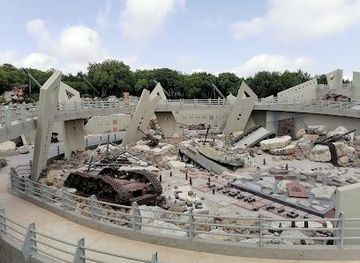
Mleeta Landmark
Explore the rich military history of Lebanon at Mleeta Landmark, a captivating blend of education and stunning natural beauty in Mazraat Qalaat Meis.
-
Resort hotel
La Maison de la Forêt
Discover the serene beauty of La Maison de la Forêt, a luxurious resort hotel in Bkassine, Lebanon, surrounded by nature and breathtaking mountain views.
-
Tourist attraction
Jezzine Waterfall
Experience the breathtaking beauty of Jezzine Waterfall, a serene natural wonder in Lebanon, perfect for nature lovers and adventure seekers alike.
-
Hotel
Blue Jay Valley
Experience the perfect blend of luxury and nature at Blue Jay Valley, Lebanon's retreat for relaxation and exquisite dining in a stunning landscape.


Explore Jezzine on the map
Plan your trip on one map. See where the top cities, national parks and sights are, and book hotels and experiences in a few clicks.
Best hotels in Jezzine
Best restaurants in Jezzine
Dining in Jezzine reflects the cuisine of Lebanon’s mountain south: mezze, hummus, grilled meats, kibbeh, baked breads, seasonal vegetables, olives, pickles and fruit prepared in home-style ways. Village restaurants and informal eateries may serve dishes based on local produce, with mountain herbs, dairy products, cherries, apples and preserves appearing according to season. Traditional Lebanese sweets and coffee are common after meals, while arak may be offered with mezze, although visitors should drink responsibly. The town is the most straightforward place to find cafés and family-run dining, while rural establishments may have limited menus and irregular service. Food-producing villages and roadside stops can be useful for buying honey, olive oil, fruit products and other provisions, but labels and provenance should be checked when purchasing packaged goods. Restaurant payment methods vary considerably, so cash remains important.
-
Lebanese
Al Mokhtar Restaurant
Experience authentic Lebanese flavors at Al Mokhtar Restaurant in Jensnaya – where tradition meets taste in a vibrant setting.
-
Lebanese
Al Chalouf Restaurant مطعم الشالوف
Experience the essence of Lebanese cuisine at Al Chalouf Restaurant in Jezzine – where tradition meets taste amidst stunning landscapes.
-
Restaurant
L'Os Bkassine
Experience authentic Lebanese cuisine at L'Os Bkassine while enjoying breathtaking views of Lebanon's picturesque landscapes.
-
Restaurant
Taracina
Discover authentic Lebanese flavors at Taracina in Majdelyoun—where culinary tradition meets modern elegance.


Best bars in Jezzine
Jezzine is not a clubbing destination, and evening life generally centres on cafés, family restaurants, hotel terraces and traditional Lebanese hospitality rather than late-night venues. In the warmer months, outdoor seating can make the most of the cooler mountain air, while evenings in winter are quieter and more local in character. Social occasions may include mezze, coffee, music and arak, but alcohol is not necessary to engage with the town’s evening culture. Larger nightlife choices are found in Beirut and, to a more limited extent, coastal centres such as Sidon outside the district. In Jezzine’s villages, opening arrangements can be seasonal and informal, so visitors should not rely on finding a bar after a late excursion. A hired driver is particularly sensible if returning from a rural restaurant after dark.
-
Restaurant
Blue Jay Valley
Experience the perfect blend of dining and lodging at Blue Jay Valley, where local flavors meet cozy accommodations in Azour.
-
Lebanese
Al Chalouf Restaurant مطعم الشالوف
Discover the authentic taste of Lebanese cuisine at Al Chalouf Restaurant in Jezzine, where every meal offers a breathtaking view and a warm welcome.
-
Restaurant
L'Os Bkassine
Discover the flavors of Lebanon at L'Os Bkassine, a premier restaurant along Saida - Jezzine Road, offering a delightful dining experience amidst stunning landscapes.
-
Lebanese
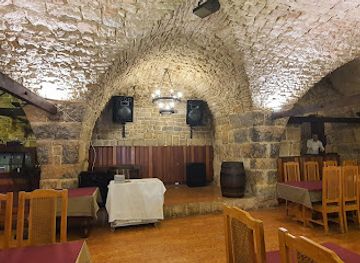
Les Caves Roum
Immerse yourself in the authentic tastes of Lebanon at Les Caves Roum, where every meal is a celebration of flavor and tradition.


Best nightclubs in Jezzine
Jezzine is not a clubbing destination, and evening life generally centres on cafés, family restaurants, hotel terraces and traditional Lebanese hospitality rather than late-night venues. In the warmer months, outdoor seating can make the most of the cooler mountain air, while evenings in winter are quieter and more local in character. Social occasions may include mezze, coffee, music and arak, but alcohol is not necessary to engage with the town’s evening culture. Larger nightlife choices are found in Beirut and, to a more limited extent, coastal centres such as Sidon outside the district. In Jezzine’s villages, opening arrangements can be seasonal and informal, so visitors should not rely on finding a bar after a late excursion. A hired driver is particularly sensible if returning from a rural restaurant after dark.
-
Lounge
D Lounge
Experience the vibrant nightlife and stylish ambiance of D Lounge in Salhiyeh, where exquisite bites and refreshing drinks await every visitor.
-
Restaurant
Onyx Winehouse
Discover the perfect blend of gourmet dining and live jazz at Onyx Winehouse in Salhiyeh, where every night is a musical feast.
-
Lounge
Ashtar Hall
Experience tranquility at Ashtar Hall in Mazboud, a perfect lounge for relaxation amidst local culture and delightful refreshments.
-
Lounge
Blue room
Discover the electrifying nightlife at the Blue Room in Niha, where vibrant entertainment meets a lively lounge atmosphere for an unforgettable experience.


Best shops in Jezzine
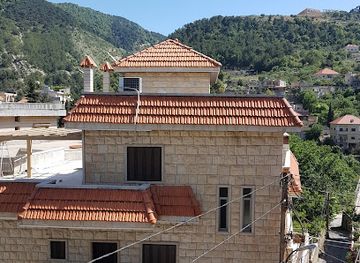
Shopping in Jezzine is closely linked to its traditional cutlery and decorative craft industry. Locally associated knives, scissors and other objects may feature carved or inlaid wood, horn or mother-of-pearl, and established workshops can explain how individual pieces are produced. Quality, materials and price vary, so visitors should ask whether an item is handmade locally and request care advice before buying. The town also has everyday shops selling Lebanese food products, sweets, olive oil, preserves, honey and seasonal mountain produce. Smaller villages may offer direct purchases from households or producers, but availability is not always regular. Jezzine is better suited to craft shopping and regional provisions than to large-scale retail. For broader retail, pharmacies, banks and organised markets, Sidon outside the district provides a larger commercial centre. Carry cash, especially when buying from independent makers or rural sellers.
-
Resort hotel
La Maison de la Forêt
Experience tranquility and natural beauty at La Maison de la Forêt, a serene resort hotel nestled in the lush landscapes of Bkassine, Lebanon.
-
Tourist attraction
Jezzine Waterfall
Experience the breathtaking beauty of Jezzine Waterfall, a natural wonder surrounded by lush landscapes and rich Lebanese culture.
-
Hotel
Blue Jay Valley
Experience the serene beauty and warm hospitality of Blue Jay Valley, a perfect getaway with comfortable accommodations and delightful dining.
-
Lebanese
Al Chalouf Restaurant مطعم الشالوف
Experience the authentic flavors of Lebanese cuisine in the heart of Jezzine at Al Chalouf Restaurant, a true culinary delight.


Get your free copy of our complete guide to Jezzine, delivered straight to you.
Everything on this page, from attractions and restaurants to essentials and local phrases, in one PDF you can read offline, print or share.
Already have an account? Sign in
Your Jezzine guide is ready.
We'll send it to · Not you? Sign out

Getting your guide ready…
We are putting together a fresh copy of the Jezzine guide. This can take up to a minute.
This can take a few moments. If your browser asks, choose Allow so the download can start. You'll find the guide in your Downloads folder.
Nothing happened? Download it again
Sorry, the guide is taking longer than usual. Please try again in a minute, or get it by email instead.
Jezzine essentials
Currency and Payment
Safety
Emergency Situations
Do's and Don'ts
Local Tips
From Eve
Local phrases worth knowing
You don't need to get them perfect. A few words go a long way, and locals appreciate the effort.
Basics
| English | Local | Say it |
|---|---|---|
| Hello | Hello | [Heh-lo] |
| Goodbye | Goodbye | [Good-bye] |
| Yes | Yes | [Yes] |
| No | No | [No] |
| Please/You're welcome | Please/You're welcome | [Pleez/You're wel-kum] |
| Thank you | Thank you | [Thank yoo] |
| Excuse me/Sorry | Excuse me/Sorry | [Ex-kyoos mee/Sor-ree] |
| How are you? | How are you? | [How ar yoo?] |
| Fine. And you? | Fine. And you? | [Fine. And yoo?] |
| Do you speak English? | Do you speak English? | [Doo yoo speek Ing-lish?] |
| I don't understand | I don't understand | [I dont un-der-stand] |
Eating & Drinking
| English | Local | Say it |
|---|---|---|
| I'd like to see the menu, please | I'd like to see the menu, please | [I'd like to see the men-yoo, pleez] |
| I don't eat meat | I don't eat meat | [I dont eet meet] |
| Cheers! | Cheers! | [Cheerz] |
| I would like to pay, please | I would like to pay, please | [I wud like to pay, pleez] |
Emergencies
| English | Local | Say it |
|---|---|---|
| Help! | Help! | [Help] |
| Go away! | Go away! | [Go a-way] |
| Call the Police! | Call the Police! | [Call the Po-lees] |
| Call a doctor! | Call a doctor! | [Call a doc-tor] |
| I'm lost | I'm lost | [I'm lost] |
| I'm ill | I'm ill | [I'm ill] |
Shopping
| English | Local | Say it |
|---|---|---|
| I'd like to buy... | I'd like to buy... | [I'd like to buy...] |
| I'm just looking | I'm just looking | [I'm just look-ing] |
| How much is it? | How much is it? | [How much iz it?] |
| That's too expensive | That's too expensive | [That's too ex-pens-ive] |
| Can you lower the price? | Can you lower the price? | [Can yoo low-er the pryce?] |
Time & Numbers
| English | Local | Say it |
|---|---|---|
| What time is it? | What time is it? | [What time iz it?] |
| It's one o'clock | It's one o'clock | [It's one o-clock] |
| Half past (10) | Half past (10) | [Half past (ten)] |
| Morning | Morning | [Mor-ning] |
| Afternoon | Afternoon | [Af-ter-noon] |
| Evening | Evening | [Eve-ning] |
| Yesterday | Yesterday | [Yes-ter-day] |
| Today | Today | [To-day] |
| Tomorrow | Tomorrow | [To-mor-row] |
| 1 | 1 | [One] |
| 2 | 2 | [Two] |
| 3 | 3 | [Three] |
| 4 | 4 | [Four] |
| 5 | 5 | [Five] |
| 6 | 6 | [Six] |
| 7 | 7 | [Seven] |
| 8 | 8 | [Eight] |
| 9 | 9 | [Nine] |
| 10 | 10 | [Ten] |
Transport & Directions
| English | Local | Say it |
|---|---|---|
| Where's a/the...? | Where's a/the...? | [Where's a/the...?] |
| What's the address? | What's the address? | [What's the ad-dress?] |
| Can you show me (on the map)? | Can you show me (on the map)? | [Can yoo show mee (on the map)?] |
| When's the next (bus)? | When's the next (bus)? | [When's the next (bus)?] |
| A ticket (to ....) | A ticket (to ....) | [A tick-et (to ....)] |
History of Jezzine
Ancient Settlement in the Sidon Hinterland
Jezzine lies in the upland hinterland of ancient Sidon, whose Phoenician and later Mediterranean networks reached into the mountains for timber, agricultural products and mineral resources. The district’s valleys and springs encouraged settlement, while its position between the coast and the interior made it a route rather than an isolated highland. Archaeological traces in the wider area include ancient agricultural terraces, burial places and reused building material, although many sites are modest and are not arranged as a single visitor circuit. The enduring relationship between Jezzine and Sidon remains important to understanding the region’s geography.
Roman and Byzantine Landscapes
During the Roman and Byzantine periods, southern Lebanon was integrated into wider imperial systems centred on cities such as Sidon and the inland settlements of the Bekaa and Galilee. Roads, estates, churches and agricultural installations altered the mountain landscape, while Christianity became increasingly established in the late Roman and Byzantine centuries. In Jezzine’s villages and valleys, ancient stonework was often reused in later buildings, a common feature of Lebanese highland settlements. The surviving evidence is usually fragmented, but it helps explain why churches, terraces and route corridors form such a persistent part of the district’s historical landscape.
Medieval Rule and Mountain Communities
After the Arab conquest, the Jezzine area passed through the political worlds of successive Muslim dynasties, including the Mamluks, while local mountain communities developed around agriculture, religious institutions and networks linking the coast with the interior. Jezzine’s position near Sidon gave it continuing strategic and commercial relevance without turning it into a major urban centre. Medieval religious buildings and settlements were repeatedly altered or rebuilt, so the visible heritage today often combines several periods. The pattern of dispersed villages, cultivated slopes and strong local institutions has deep roots in this medieval history.
Ottoman Jezzine and Regional Trade
Under Ottoman rule, Jezzine formed part of the administrative and economic world of Mount Lebanon and southern coastal districts. Agriculture remained central, with olives, vines, fruit and livestock suited to the upland climate, while mountain roads connected villages with Sidon and other markets. Religious communities maintained churches and local institutions, and the town acquired a reputation as a regional centre for its surrounding villages. The late Ottoman period also saw the growth of specialised household and workshop production, including the decorative metalwork and wood-inlay traditions for which Jezzine later became widely known.
The Nineteenth-Century Mountain Conflicts
The nineteenth century brought political tension and communal conflict across Mount Lebanon and the surrounding districts. Violence in 1860 affected many parts of the mountain and Christian communities in the southern hinterland, including areas connected with Jezzine. The upheavals exposed the limits of Ottoman provincial administration and prompted European diplomatic involvement in the affairs of Mount Lebanon. Although the events should not be reduced to a single local narrative, their legacy remains visible in family memories, religious architecture and the region’s awareness of the relationship between mountain communities, coastal towns and wider political powers.
Mandate, Roads and the Modern Town
After the First World War, Jezzine became part of Greater Lebanon under the French Mandate, a political framework that helped shape the borders of the modern Lebanese state. Improved roads and administrative links strengthened connections with Sidon, Beirut and other southern districts, while the town developed as a service centre for its mountain villages. Modern education, commerce and migration gradually changed rural life, but agriculture and craft production remained important. The period also reinforced the cultural idea of Jezzine as a cool southern mountain resort and a gateway between the coast and the uplands.
Civil War, Displacement and Reconstruction
The Lebanese Civil War and its aftermath profoundly affected Jezzine and the wider south. Fighting, changing front lines, displacement and emigration disrupted village life and damaged local economies. The area experienced a prolonged period of military and political isolation before the Israeli withdrawal from southern Lebanon in 2000, after which movement and reconstruction expanded. The consequences remain part of the district’s contemporary history, particularly through demographic change and abandoned or rebuilt properties. Jezzine’s present-day visitor landscape therefore combines older village heritage with places shaped by conflict and post-war recovery.
Jezzine in Photos
Browse through our photo collection highlighting the charm and character of the destination.
Neighbouring regions of Jezzine
The closest regions to Jezzine, if you have time for more than one.
-

-

-

-

-


Swipe for more regions
Explore more

Explore more of Lebanon
Discover Lebanon: A land of ancient history, vibrant culture, stunning landscapes, and delicious cuisine, nestled on the Mediterranean coast.
Explore Lebanon