
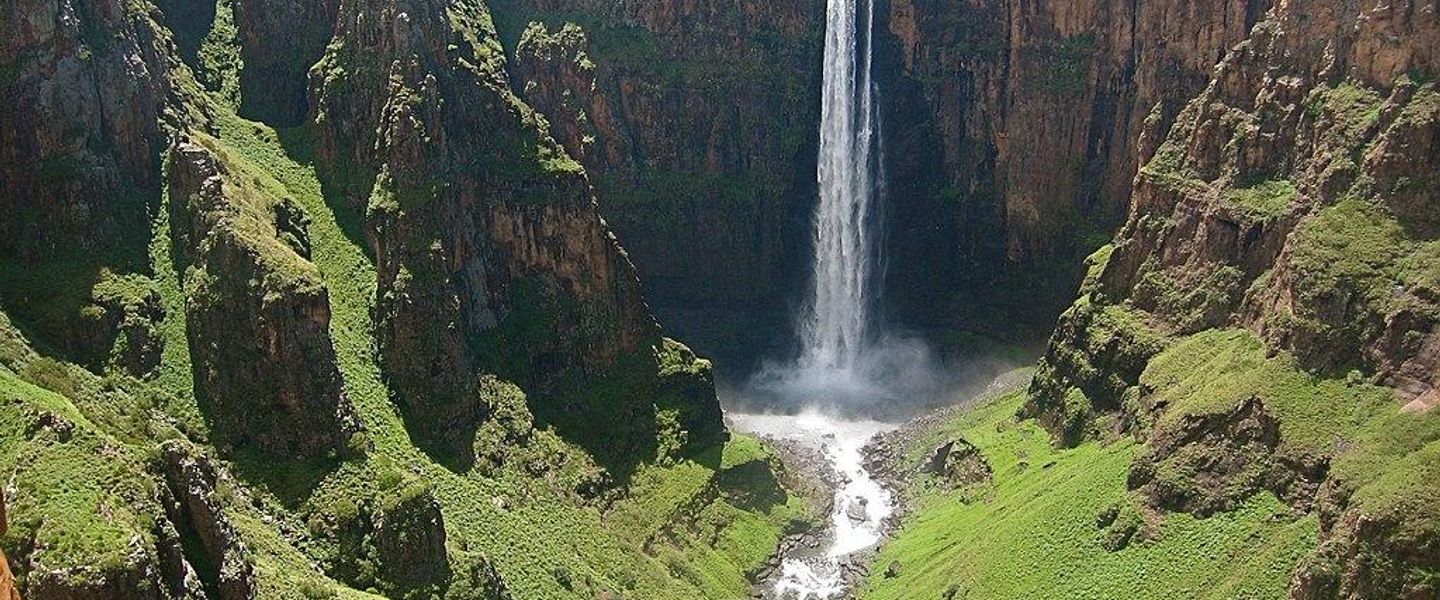
Quthing, Lesotho Travel Guide
Discover the enchanting town of Quthing in Lesotho, where natural beauty, rich heritage, and welcoming locals create an unforgettable travel experience.
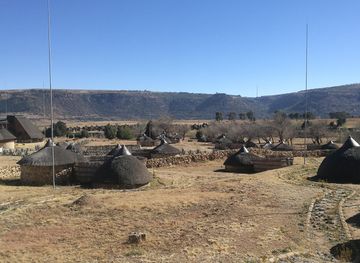
Nestled in the southern reaches of Lesotho, Quthing is a town that enchants visitors with its blend of natural beauty and rich cultural heritage. Often referred to as the 'Gateway to the South,' Quthing offers a unique perspective on the rural charms and historical treasures of this mountainous kingdom. The town is a gateway to the Sehlabathebe National Park, a UNESCO World Heritage site known for its breathtaking landscapes, diverse wildlife, and ancient rock art. These historical rock paintings, created by the San people, are a testament to the area's long-standing human presence and add a layer of mystery and intrigue to your visit. Quthing is also home to the famous Masitise Cave House, a fascinating historical site where missionaries once lived. This unique dwelling carved into a cave offers a glimpse into the past and showcases the resourcefulness of early settlers. The town's friendly locals are also known for their vibrant traditions, including music and dance, providing an immersive cultural experience for visitors. As you explore Quthing, you'll find scenic vistas at every turn, from rolling hills to verdant valleys. The Quthing River adds to the town's picturesque setting, offering opportunities for fishing and picnics along its banks. With its serene environment, rich history, and welcoming community, Quthing is a must-visit destination for those looking to experience the heart and soul of Lesotho.

Know before you go
Hi, I'm Eve. Here are a few practical things to know before exploring Quthing.
- Visit Sehlabathebe National Park early in the morning to catch the best light for photography and to see wildlife at its most active.
- Bring comfortable hiking shoes as many attractions, including the rock art sites, require walking on uneven terrain.
- Don't miss the Masitise Cave House for a unique historical experience that offers insights into the lives of early missionaries.
- Try local dishes at the town's eateries to get a taste of traditional Basotho cuisine.
- Engage with local guides for a deeper understanding of the area's history and culture.
Explore Quthing: Things to Do, Places to Eat, Hotels & More
Handpicked recommendations for top attractions, local dining, accommodations, and more

Best attractions in Quthing
Top-rated picks
Best Attractions
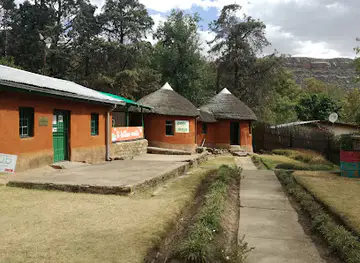
Morija Museum & Archives
Discover Lesotho's rich heritage at Morija Museum & Archives: Explore Basotho culture, history, and art in the historic town of Morija.
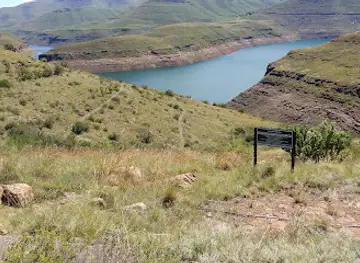
Katse Dam Botanical Gardens & Nursery
Discover Lesotho's unique alpine flora at Katse Dam Botanical Gardens, a serene escape with breathtaking views of the Katse Dam.

Ha Ramokoatsi Recreational Park
Escape to Ha Ramokoatsi Recreational Park in Mafeteng, Lesotho, for serene nature, cultural engagement, and picturesque landscapes.

Telenyane
Explore the stunning hiking trails of Telenyane, where breathtaking views and nature's beauty await every adventurer in Lesotho.

Best landmarks in Quthing
Top-rated picks
Best Landmarks

Thaba Bosiu Cultural Village
Explore the stunning Thaba Bosiu Cultural Village, a living testament to the heritage of the Basotho people, surrounded by breathtaking landscapes.

Maletsunyane Falls
Experience the breathtaking beauty of Maletsunyane Falls, one of Africa's highest waterfalls, nestled in the heart of Lesotho's stunning landscapes.

Liphofung Cave,Chalets
Discover the enchanting Liphofung Cave in Khukhune, Lesotho - a geological marvel rich in history and breathtaking beauty.

Liphofung Cave,chalets
Discover the enchanting Liphofung Cave in Khukhune, a natural wonder filled with ancient history and stunning geological formations.

Best restaurants in Quthing
Top-rated picks
Best Restaurants

No.7 Restaurant
Experience authentic Basotho cuisine at No.7 Restaurant in Maseru - where tradition meets contemporary dining.

Captain Doregos Mafeteng
Discover delightful culinary experiences at Captain Doregos Mafeteng with local flavors and international dishes in a cozy setting.

KFC Mohale’s Hoek
Experience delicious fast food at KFC Mohale’s Hoek while exploring the stunning landscapes of Lesotho.

Roma Chesanyama
Discover authentic local cuisine at Roma Chesanyama in A5, where every dish tells a story of tradition and flavor.

Best bars in Quthing
Top-rated picks
Best Bars

Fuleng Guest House
Experience tranquility and comfort at Fuleng Guest House, a charming lodge surrounded by the beauty of Quthing, Lesotho.

Kubung Hotel
Experience the charm of Quthing at Kubung Hotel, where comfort meets local culture amidst breathtaking landscapes.

Mountainside Hotel
Discover the serenity of Quthing at the Mountainside Hotel, your cozy retreat amidst stunning mountain landscapes.
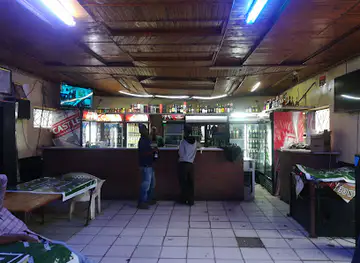
Italian Public Bar
Discover the vibrant spirit of Quthing at the Italian Public Bar, where great drinks and a friendly atmosphere await every visitor.


Best shops in Quthing
Top-rated picks
Best Shops

Fuleng Guest House
Discover the serene beauty and warm hospitality of Fuleng Guest House, a cozy lodge in Quthing, Lesotho, perfect for your travel adventures.

Lewis Quthing
Explore Lewis Quthing for quality furniture, appliances, and local home goods that add comfort and style to your travels.

Mountainside Hotel
Discover the serenity of Mountainside Hotel in Quthing, a cozy retreat surrounded by breathtaking mountain landscapes and local culture.

Semonkong Shopping Centre
Discover the vibrant Semonkong Shopping Centre, where local culture meets a variety of fresh produce and unique handmade crafts.

Explore Quthing on the Map
A handpicked selection of must-see spots in Quthing, mapped for you.
Quthing Essentials
-
Quthing, also known as Moyeni, is located in the southern part of Lesotho. The nearest major airport is Moshoeshoe I International Airport in Maseru, approximately 130 kilometers away. From Maseru, you can take a taxi or a minibus (known locally as a 'taxi') to Quthing. The journey typically takes around 3 to 4 hours by road. Alternatively, you can rent a car in Maseru for a more flexible travel experience.
-
Once in Quthing, getting around is relatively straightforward. Local taxis are the most common form of transportation and are affordable. There are also minibus taxis that operate on fixed routes within the town and to nearby villages. For those who prefer driving, car rentals are available in Maseru, and the roads to Quthing are generally in good condition. Walking is also a viable option for exploring the town's central areas.
-
The official currency in Lesotho is the Lesotho Loti (LSL), but the South African Rand (ZAR) is also widely accepted. Credit cards are accepted in some hotels, restaurants, and larger shops, but it's advisable to carry cash, particularly for smaller establishments and markets. ATMs are available within Quthing, but it is wise to withdraw enough cash in Maseru to avoid any inconvenience.
-
Quthing is generally safe for tourists, but it is always prudent to take standard precautions. Avoid walking alone at night and be cautious in less busy areas. While there are no specific high-crime areas targeting tourists, it is best to stay vigilant. Keep your belongings secure and be aware of your surroundings at all times.
-
In case of emergency, dial 112 for immediate assistance. The local police station and medical facilities are available in Quthing. It is highly recommended to have travel insurance that covers medical emergencies. For minor health issues, pharmacies are available where you can purchase over-the-counter medications.
-
Fashion: Do dress modestly, especially when visiting religious sites or rural areas. Avoid wearing overly revealing clothing. Religion: Do respect local customs and traditions. When visiting churches or religious sites, it's polite to dress conservatively. Public Transport: Do be respectful and give up your seat for elderly passengers. Don't eat or drink on public transport. Greetings: Do greet people with a handshake and a friendly smile. A slight nod of the head is also considered respectful. Eating & Drinking: Do try local delicacies and accept food offerings graciously. Don't refuse hospitality, as it is considered impolite.
-
To experience Quthing like a local, visit the Quthing Museum to learn about the area's history and culture. Engage with locals in the markets where you can buy fresh produce and traditional crafts. Don't miss the chance to visit the famous dinosaur footprints at Moyeni, a unique historical site. For an authentic experience, consider participating in local events and festivals, which provide a glimpse into the vibrant culture of Lesotho.
When is the best time to visit Quthing?
Useful Local Phrases for Quthing
You don't need to speak the language perfectly. Even learning a few simple words can make conversations warmer—and locals usually appreciate the effort.
— Eve

Here are the phrases I use most often in Quthing. Try a few—you'll be surprised how far they go! 😊
❤️
-
- HelloLumela
[loo-meh-lah] - GoodbyeTsamaea hantle
[tsah-mah-eh han-tleh] - YesEa
[eh-ah] - NoChe
[chay] - Please/You're welcomeNgiyacela
[ng-ee-yah-sheh-lah] - Thank youKea leboha
[keh-ah leh-boh-hah] - Excuse me/SorryKe kopa tshepo
[keh koh-pah cheh-poh] - How are you?U phela joang?
[oo peh-lah jwah-ng] - Fine. And you?Ke e joang? Le u?
[keh eh jwah-ng leh oo] - Do you speak English?Na u bua setsoa se sebelisoa?
[nah oo boo-ah set-soh-ah seh seh-beh-lee-soh-ah] - I don't understandHa ke utloa
[hah keh oot-loh-ah]
- HelloLumela
-
- I'd like to see the menu, pleaseKe kopa ho bona menu, hape
[keh koh-pah hoh boh-nah menu, hah-peh] - I don't eat meatHa ke etse nyama
[hah keh eht-seh nyah-mah] - Cheers!Tsepiso!
[tseh-pee-soh] - I would like to pay, pleaseKe kopa ho fumana theko, hape
[keh koh-pah hoh foo-mah-nah teh-koh, hah-peh]
- I'd like to see the menu, pleaseKe kopa ho bona menu, hape
-
- Help!Thuso!
[too-soh] - Go away!Hae!
[hah-eh] - Call the Police!Bula boporofeti!
[boo-lah boh-po-roh-feh-tee] - Call a doctor!Bula mohlokomeli!
[boo-lah moh-loh-koh-meh-lee] - I'm lostKe ile joang
[keh ee-leh jwah-ng] - I'm illKe hloka
[keh hloh-kah]
- Help!Thuso!
-
- I'd like to buy...Ke kopa ho rekela...
[keh koh-pah hoh reh-keh-lah] - I'm just lookingKe hana ho rekela
[keh hah-nah hoh reh-keh-lah] - How much is it?Ke bokae?
[keh boh-kah-eh] - That's too expensiveEna ke e ntle lefu
[eh-nah keh eh n-tleh leh-foo] - Can you lower the price?Na o ka u boloka sebelisoa?
[nah oh kah oo boh-loh-kah seh-beh-lee-soh-ah]
- I'd like to buy...Ke kopa ho rekela...
-
- What time is it?Ke nako mang?
[keh nah-koh mah-ng] - It's one o'clockKe e nako ea hae
[keh eh nah-koh eh-ah hah-eh] - Half past (10)Leha leha (10)
[leh-hah leh-hah (10)] - MorningBoipuso
[boh-ee-poo-soh] - AfternoonMosebetsi
[moh-seh-beh-tsee] - EveningMasa
[mah-sah] - YesterdayNaha
[nah-hah] - TodayNamuhla
[nah-moo-hlah] - TomorrowBoela
[boh-eh-lah] - 1Motsotso
[moht-soht-soh] - 2Puo
[poo-oh] - 3Tharo
[tah-roh] - 4Nne
[neh-neh] - 5Tlhano
[t-lah-noh] - 6Taba
[tah-bah] - 7Nngwe
[ng-weh] - 8Nnyane
[n-nyah-neh] - 9Lesome
[leh-soh-meh] - 10Lesometso
[leh-soh-meh-tsoh]
- What time is it?Ke nako mang?
-
- Where's a/the...?Kophela...?
[koh-pheh-lah] - What's the address?Ho kae?
[hoh kah-eh] - Can you show me (on the map)?Na o ka ntse lekae (ka lelapa)?
[nah oh kah nt-seh leh-kah-eh (kah leh-lah-pah)] - When's the next (bus)?Ere ke hae?
[eh-reh keh hah-eh] - A ticket (to ....)Tikete (ho ....)
[tee-keh-teh hoh]
- Where's a/the...?Kophela...?
History of Quthing
-
Quthing is home to some of the most fascinating ancient rock art in Lesotho, left by the San people who once inhabited the region. These artworks, found in caves and shelters, depict scenes of daily life, hunting, and spiritual rituals, offering a glimpse into the early history and culture of the area.
-
Quthing, also known as Moyeni, was established as a district in the late 19th century during the Basotho Wars. Its strategic location made it a significant site for the Basotho people under the leadership of King Moshoeshoe I. The town's establishment marked a pivotal moment in the consolidation of the Basotho nation.
-
During the colonial period, Quthing was influenced by European missionaries, particularly the Paris Evangelical Missionary Society. The missionaries played a crucial role in introducing Christianity, Western education, and healthcare. The remnants of missionary buildings and schools are still visible today, highlighting the town's colonial past.
-
One of Quthing's most remarkable historical attractions is the well-preserved dinosaur footprints found near the village of Moyeni. These footprints, dating back to the Jurassic period, provide valuable insights into the prehistoric life that once roamed the area. The site is a testament to the region's rich geological and paleontological history.
-
Quthing is a vibrant cultural hub, hosting various traditional Basotho festivals and ceremonies. The Morija Arts & Cultural Festival, though primarily held in Morija, often sees participation from Quthing residents, showcasing traditional music, dance, and crafts. The town's culture is deeply rooted in Basotho traditions, reflected in its communal events and daily life.
-
Following Lesotho's independence from British colonial rule in 1966, Quthing underwent significant development. Infrastructure improvements, including roads, schools, and healthcare facilities, have transformed the town into a more modern settlement while still preserving its historical essence. These developments have played a crucial role in improving the quality of life for its residents.
Cities near Quthing
The closest cities to Quthing, if you have time for more than one stop.


Your all‑in‑one travel companion app
Explore expert travel guides, compare and book tours, experiences, hotels, and more—all from the palm of your hand. Download now for seamless trip planning wherever your wanderlust takes you.


Quthing in Photos
Browse through our photo collection highlighting the charm and character of the destination.


Quthing: The Hidden Gem of Lesotho
Nestled in the southern reaches of Lesotho, Quthing is a town that enchants visitors with its blend of natural beauty and rich cultural heritage. Often referred to as the 'Gateway to the South,' Quthing offers a unique perspective on the rural charms and historical treasures of this mountainous kingdom. The town is a gateway to the Sehlabathebe National Park, a UNESCO World Heritage site known for its breathtaking landscapes, diverse wildlife, and ancient rock art. These historical rock paintings, created by the San people, are a testament to the area's long-standing human presence and add a layer of mystery and intrigue to your visit. Quthing is also home to the famous Masitise Cave House, a fascinating historical site where missionaries once lived. This unique dwelling carved into a cave offers a glimpse into the past and showcases the resourcefulness of early settlers. The town's friendly locals are also known for their vibrant traditions, including music and dance, providing an immersive cultural experience for visitors. As you explore Quthing, you'll find scenic vistas at every turn, from rolling hills to verdant valleys. The Quthing River adds to the town's picturesque setting, offering opportunities for fishing and picnics along its banks. With its serene environment, rich history, and welcoming community, Quthing is a must-visit destination for those looking to experience the heart and soul of Lesotho.
Explore More of Lesotho

Looking beyond Quthing? Discover Lesotho for broader travel guides, local hot-spots, and regional highlights.
Explore Lesotho