

Free Gulf of Sidra Travel Guide & Mobile App
Explore Gulf of Sidra with free travel guides. Discover regional history, expert tips, proposed trips, and audio guides on web or mobile app.


Explore Libya’s Gulf of Sidra through Sirte, desert coastlines, maritime history and the oil-port landscapes of Ras Lanuf and Brega.
Read more about Gulf of Sidra
When is the best time to visit Gulf of Sidra?
Best: April–May, October · 22–27°C| Month | High (°C) | Rainfall (mm) |
|---|---|---|
| January | 16 | 20 |
| February | 17 | 18 |
| March | 19 | 16 |
| April (best) | 22 | 14 |
| May (best) | 26 | 12 |
| June | 30 | 11 |
| July | 33 | 10 |
| August | 33 | 10 |
| September | 31 | 12 |
| October (best) | 27 | 14 |
| November | 22 | 16 |
| December | 18 | 18 |
Getting to and around Gulf of Sidra
How to get there
Transportation
Top city travel guides in Gulf of Sidra
The cities of Gulf of Sidra, and the easiest places to base yourself.

Swipe for more cities
Destinations in Gulf of Sidra
Resorts, valleys and scenic spots worth a trip of their own.

Swipe for more destinations
Best attractions in Gulf of Sidra
-
Tourist attraction
Benghazi Zoo
Discover wildlife and family fun at Benghazi Zoo, a cherished park with diverse animals, recreational games, and a tranquil atmosphere.
-
Tourist attraction
Golden Palm Tree Resort
Experience family fun at Benghazi's Golden Palm Tree Resort, offering entertainment and relaxation by the sea.
-
Park
الكورنيش
Experience the vibrant heart of Benghazi at Al Kurnaysh, a beautifully reconstructed waterfront offering stunning Mediterranean views and local culture.
-
Park
Al-Sindibad Park
Discover Al-Sindibad Park in Benghazi: A perfect family escape with games, cafes, and open spaces for relaxation and fun.
Best landmarks in Gulf of Sidra
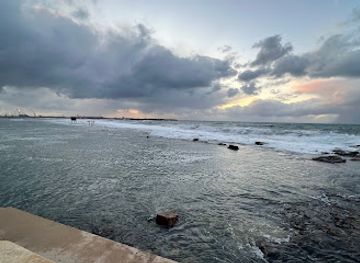
The defining landmark of the Gulf of Sidra is the gulf itself: its broad crescent of Mediterranean water forms a powerful geographical boundary between Libya’s western and eastern historical regions. Sirte’s urban skyline and civic buildings provide the principal architectural reference point on the southern shore, although conflict has damaged parts of the city and visitors should not enter unsafe structures. Farther east, the oil terminals and industrial installations of Ras Lanuf and Brega are recognisable markers of Libya’s modern economic history, but they are restricted workplaces rather than public monuments. The coastal road, desert horizon and isolated settlements together create a landscape landmark more than a sequence of preserved historic buildings. The area’s importance also lies in its position between Tripolitania and Cyrenaica, a division reflected in Libya’s ancient, Ottoman, colonial and modern political geography. Because archaeological and military sites may be unmarked, and because unexploded ordnance remains a concern, apparent ruins or abandoned structures should never be treated as places to explore without official clearance and local supervision.
-
Desert
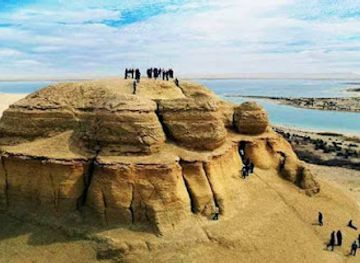
Libyan Desert
Explore the breathtaking beauty of the Libyan Desert, where golden sands meet ancient oases and a vast landscape awaits your adventure.
-
Historical landmark
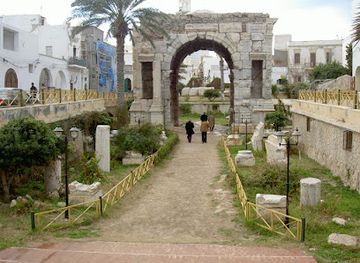
Arc of Marcus Aurelius
Explore the Arc of Marcus Aurelius, a historical gem in Tripoli showcasing Roman architecture and rich cultural heritage amidst a bustling atmosphere.
-
Zoo
Benghazi Zoo
Discover the enchanting Benghazi Zoo, a delightful escape into wildlife and nature in Libya's vibrant second city.
-
Archaeological museum
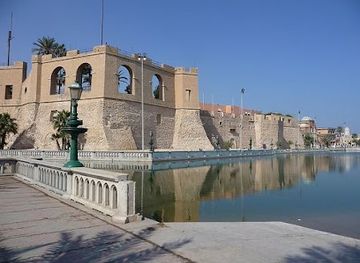
Saraya Museum
Explore the Saraya Museum in Tripoli for an enriching experience of Libya's archaeological treasures and rich historical narratives.

Explore Gulf of Sidra on the map
Plan your trip on one map. See where the top cities, national parks and sights are, and book hotels and experiences in a few clicks.
Best hotels in Gulf of Sidra
Best restaurants in Gulf of Sidra
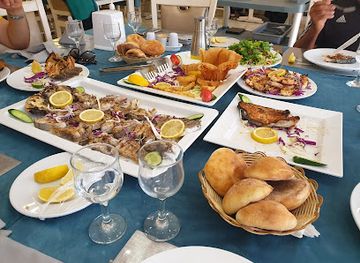
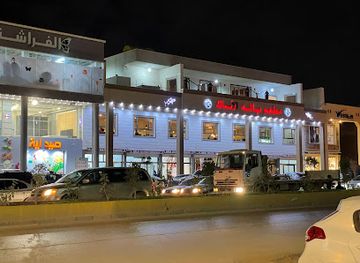
Dining around the Gulf of Sidra is primarily a practical local experience rather than a developed tourism scene. In Sirte and other settled areas, meals are likely to reflect wider Libyan and North African traditions, including couscous, rice dishes, soups, flatbreads, grilled meat, dates and sweet mint tea. Fish may be available in coastal communities, although supply and quality depend on local conditions rather than on an established visitor-oriented seafood culture. Tea and coffee are important parts of hospitality, while meals in homes or small local establishments may offer a more reliable sense of regional life than formal restaurants. Ras Lanuf and Brega are industrial settlements, so dining options can be limited and oriented towards workers and residents. Visitors should not assume that card payment, menus in English, refrigeration or regular opening arrangements will be available. Food and bottled water should be organised in advance for overland journeys, particularly outside Sirte, and travellers should follow local advice on hygiene and supplies.
-
Seafood
Rubian Restuarant
Experience exquisite seafood dishes at Rubian Restaurant in Tripoli, where local flavors meet Mediterranean freshness for an unforgettable dining experience.
-
Seafood
Bala Seafood Restaurant
Discover exceptional seafood dining at Bala Seafood Restaurant in Benghazi - where fresh flavors meet Mediterranean charm.
-
Restaurant
Aldyafa Restaurant
Discover authentic Libyan cuisine at Aldyafa Restaurant in Tripoli - where tradition meets taste in every dish.
-
Cafe
At Home Cafe
Discover the warmth and flavor of Tripoli at At Home Cafe – your go-to spot for delightful breakfasts and relaxing coffee breaks.
Best bars in Gulf of Sidra
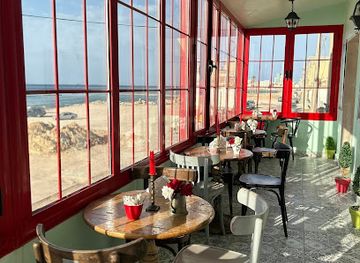
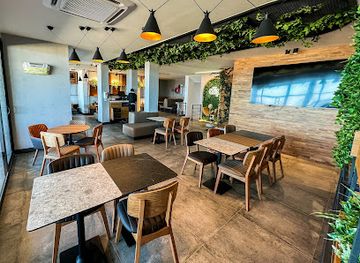
The Gulf of Sidra does not have a conventional bar or nightclub scene. Libya’s Muslim social culture and legal restrictions mean that alcohol is not part of ordinary public nightlife, while conflict and security concerns further limit evening activity. In Sirte, the most realistic social settings are cafés, tea rooms, restaurants and private gatherings, with conversation, coffee and tea often more central than late-night entertainment. Industrial settlements such as Ras Lanuf and Brega have a functional evening culture shaped by workers’ accommodation and local services rather than visitor venues. There are no dependable, region-wide club districts or regular nightlife programmes on which to base an itinerary. Travellers should return to secure accommodation before late evening, avoid gathering near government, military or energy facilities and confirm local movement restrictions each day. Any cultural or artistic events should be checked through trusted local contacts because arrangements can change at short notice.
-
Cafe
dipndip Libya
Discover the sweet flavors of Dipndip Libya, a charming seaside café in Tripoli, where chocolate dreams come true amidst breathtaking views.
-
Italian
Kimbo Libya
Discover the essence of Italy in Tripoli at Kimbo Libya, where authentic flavors and warm hospitality create an unforgettable dining experience.
-
Cafe
Rooftop Caffe and Bakery - روف توب كافي
Discover the flavors of Benghazi at Rooftop Caffe and Bakery, where delightful pastries meet breathtaking views for an unforgettable experience.
-
Restaurant
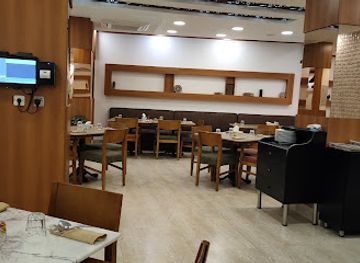
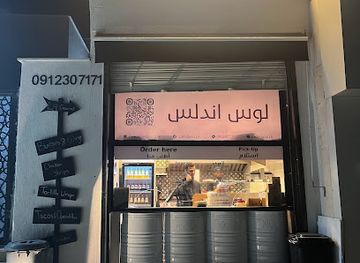
Los Andalos لوس أندلس
Experience the rich tapestry of Libyan flavors at Los Andalos, a culinary haven in Tripoli offering authentic dishes in a warm atmosphere.

Best nightclubs in Gulf of Sidra
-
Lounge
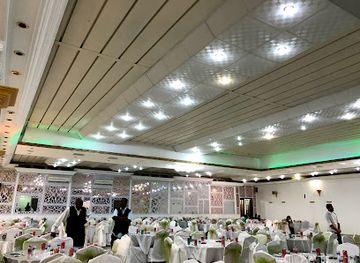
Al Yamamah Hall for Wedding
Experience elegance and celebration at Al Yamamah Hall, Benghazi's premier venue for unforgettable weddings and special events.
-
Night club
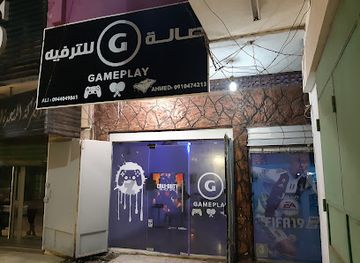
صالة Game Play للترفيه
Discover a dynamic nightlife experience at Game Play Entertainment Hall in Benghazi, where fun, games, and music come together for an unforgettable evening.
-
Disco club
صالة ليلية العمر للافراح
Discover the lively nightlife at صالة ليلية العمر للافراح, a premier disco club in Benghazi, offering unforgettable music and dance experiences.
-
 Disco club
فينسيا كلوبClub Vip
Dive into the vibrant nightlife of Benghazi at Club Vip, where music, dance, and unforgettable memories await in a dazzling atmosphere.

Best shops in Gulf of Sidra
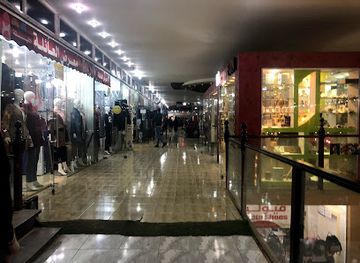
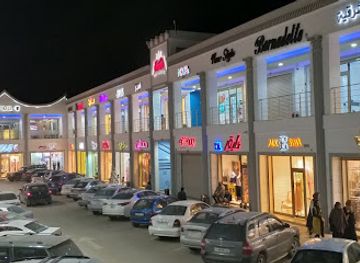
Shopping in the Gulf of Sidra is concentrated in Sirte and in the practical retail areas serving coastal and industrial settlements. Visitors should expect small food shops, general stores, pharmacies, mobile-phone outlets and markets rather than a specialist tourism retail scene. Local purchases may include dates, packaged foods, tea, coffee, textiles and modest household goods, while traditional Libyan clothing and handicrafts are more likely to be found through local contacts than in dedicated souvenir shops. Ras Lanuf and Brega have limited visitor-oriented shopping because their economies are closely tied to petroleum operations. Market availability, stock and payment arrangements can change with supply conditions, so essential provisions should be obtained before travelling into sparsely serviced areas. Archaeological objects, old military material and items presented as antiquities should not be bought or removed. Independent craft and food purchases should be made respectfully, with permission for photographs and patience during cash transactions.
-
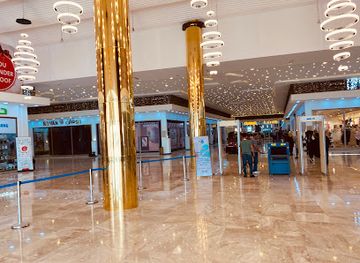
Shopping mall
Mall Of Benghazi
Discover a shopping paradise at the Mall of Benghazi, where local charm meets global brands in a vibrant atmosphere.
-
Market
4 LIBYA SHOP
Explore the lively 4 LIBYA SHOP in Hai Alandalus, a vibrant market filled with clothing, local crafts, and the essence of Libyan culture.
-
Shopping mall
Budzirh Mall
Explore Budzirh Mall in Benghazi for a perfect blend of shopping, dining, and entertainment in a modern setting.
-
Shopping mall
Amira Mall
Discover the best of shopping, dining, and entertainment at Amira Mall, the ultimate destination in Benghazi for a delightful experience.

Get your free copy of our complete guide to Gulf of Sidra, delivered straight to you.
Everything on this page, from attractions and restaurants to essentials and local phrases, in one PDF you can read offline, print or share.
Already have an account? Sign in
Your Gulf of Sidra guide is ready.
We'll send it to · Not you? Sign out

Getting your guide ready…
We are putting together a fresh copy of the Gulf of Sidra guide. This can take up to a minute.
This can take a few moments. If your browser asks, choose Allow so the download can start. You'll find the guide in your Downloads folder.
Nothing happened? Download it again
Sorry, the guide is taking longer than usual. Please try again in a minute, or get it by email instead.
Gulf of Sidra essentials
Currency and Payment
Safety
Emergency Situations
Do's and Don'ts
Local Tips
From Eve
Local phrases worth knowing
You don't need to get them perfect. A few words go a long way, and locals appreciate the effort.
Basics
| English | Local | Say it |
|---|---|---|
| Hello | أهلا | [Ahlan] |
| Goodbye | مع السلامة | [Ma'a as-salama] |
| Yes | نعم | [Na'am] |
| No | لا | [La] |
| Please/You're welcome | من فضلك | [Min fadlik] |
| Thank you | شكرا | [Shukran] |
| Excuse me/Sorry | عفوا | [Afwan] |
| How are you? | كيف حالك؟ | [Kayfa halak?] |
| Fine. And you? | أنا بخير. وأنت؟ | [Ana bekhair. Wa anta?] |
| Do you speak English? | هل تتحدث الإنجليزية؟ | [Hal tatahaddath al-ingliziya?] |
| I don't understand | لا أفهم | [La afham] |
Eating & Drinking
| English | Local | Say it |
|---|---|---|
| I'd like to see the menu, please | أود رؤية القائمة، من فضلك | [Awad ru'yat al-qa'ima, min fadlik] |
| I don't eat meat | لا أكل اللحم | [La akul al-lahm] |
| Cheers! | في صحتك! | [Fi sihatak!] |
| I would like to pay, please | أود الدفع، من فضلك | [Awad al-daf', min fadlik] |
Emergencies
| English | Local | Say it |
|---|---|---|
| Help! | مساعدة! | [Musaa'ada!] |
| Go away! | اذهب بعيدا! | [Izhab ba'eedan!] |
| Call the Police! | اتصل بالشرطة! | [Ittasil bil-shurta!] |
| Call a doctor! | اتصل بالطبيب! | [Ittasil bil-tabeeb!] |
| I'm lost | أنا ضائع | [Ana da'i'] |
| I'm ill | أنا مريض | [Ana marid] |
Shopping
| English | Local | Say it |
|---|---|---|
| I'd like to buy... | أود شراء... | [Awad shira'a...] |
| I'm just looking | أنا فقط أنظر | [Ana faqat anzur] |
| How much is it? | كم ثمنه؟ | [Kam thamanuh?] |
| That's too expensive | هذا غالي جدا | [Hatha ghali jidan] |
| Can you lower the price? | هل يمكنك تخفيض السعر؟ | [Hal yumkinuka takhfid as-si'r?] |
Time & Numbers
| English | Local | Say it |
|---|---|---|
| What time is it? | كم الساعة؟ | [Kam as-saa'a?] |
| It's one o'clock | الساعة واحدة | [As-saa'a wahida] |
| Half past (10) | نصف الساعة (10) | [Nisf as-saa'a (10)] |
| Morning | صباح | [Sabaah] |
| Afternoon | بعد الظهر | [Ba'ad al-zuhur] |
| Evening | مساء | [Masa'] |
| Yesterday | أمس | [Ams] |
| Today | اليوم | [Al-yawm] |
| Tomorrow | غدا | [Ghadan] |
| 1 | واحد | [Wahid] |
| 2 | اثنان | [Ithnan] |
| 3 | ثلاثة | [Thalatha] |
| 4 | أربعة | [Arba'a] |
| 5 | خمسة | [Khamsa] |
| 6 | ستة | [Sitta] |
| 7 | سبعة | [Sab'a] |
| 8 | ثمانية | [Thamaniya] |
| 9 | تسعة | [Tis'a] |
| 10 | عشرة | [Ashara] |
Transport & Directions
| English | Local | Say it |
|---|---|---|
| Where's a/the...? | أين...؟ | [Ayn...?] |
| What's the address? | ما هو العنوان؟ | [Ma huwa al-'unwan?] |
| Can you show me (on the map)? | هل يمكنك أن تريني (على الخريطة)؟ | [Hal yumkinuka an turini (ala al-kharita)?] |
| When's the next (bus)? | متى يأتي (الحافلة) القادمة؟ | [Mata ya'ti (al-hafila) al-qadima?] |
| A ticket (to ....) | تذكرة (إلى ....) | [Tadhkirah (ila ....)] |
History of Gulf of Sidra
Prehistoric Coastal and Desert Settlement
The Gulf of Sidra connects a Mediterranean coastline with the interior of the Libyan desert, an environment used by human communities long before written records. Archaeological evidence from the wider central Libyan coast and adjacent desert points to changing patterns of settlement, herding and movement as climate conditions shifted. Ancient shorelines, seasonal watercourses and inland routes helped determine where people could live and travel. Much of the region remains archaeologically under-researched, and visitors should not remove artefacts or enter sites without permission. The gulf’s long history began with these relationships between scarce water, coastal resources and desert mobility.
A Frontier between Tripolitania and Cyrenaica
In antiquity, the broad gulf lay between two major historical zones: Tripolitania to the west and Cyrenaica to the east. Greek influence was strongest in eastern Libya, while Carthaginian and later Roman authority developed more securely in the west. The Gulf of Sidra was not simply an empty divide; its shores and nearby routes formed a maritime and geographical frontier linking different political and trading worlds. Under Roman rule, the distinction between the provinces of Tripolitania and Cyrenaica helped shape administration across the region. Ruins are less prominent here than at Libya’s famous western and eastern archaeological centres, but the frontier geography remains historically important.
Arab-Islamic Rule and Inland Trade Routes
Arab conquest in the seventh century brought the central coast into the Islamic political and cultural sphere. Over subsequent centuries, coastal communities and inland settlements were connected by routes used for pastoral movement, trade and administration. Control of the shore varied between regional powers, while tribal alliances and access to wells remained important in the sparsely populated interior. Islam became the defining religious framework of local society, and Arabic developed as the principal language of public life. The gulf’s later towns grew from these long-established connections between Mediterranean navigation, overland travel and the desert hinterland.
Ottoman and Sanusi Influence
The Ottoman Empire exercised authority over Libya for much of the early modern period, although effective control over the interior and remote coastal areas could be uneven. In the nineteenth century, the Sanusi movement became a powerful religious and political force in Cyrenaica and the wider eastern region. Its influence extended through lodges, scholars, alliances and caravan connections rather than through a densely centralised administration. The Gulf of Sidra’s position between western and eastern Libya gave it strategic importance during this period. These Ottoman and Sanusi legacies continued to influence political relationships when modern Libya began to emerge.
Italian Colonisation and the Second World War
Italy invaded Ottoman Libya in 1911 and subsequently pursued colonial control through military campaigns, settlement policies and harsh repression. The central coast and adjoining desert became part of a wider struggle involving Italian forces, local resistance and, during the Second World War, British and Axis armies. Libya’s main wartime battles occurred farther east and west, but the Gulf of Sidra was strategically relevant as a maritime and logistical space. The colonial period left altered administrative boundaries, roads and settlement patterns, while the conflict brought displacement and lasting military hazards to parts of the country.
Oil Development and Industrial Coastal Towns
The discovery and exploitation of petroleum after the Second World War transformed Libya’s economy and the Gulf of Sidra’s coastline. Ras Lanuf and Brega developed as major oil-handling and industrial centres, connected to production fields by pipelines and supported by ports, storage facilities and processing infrastructure. The petroleum industry changed employment patterns, transport requirements and the balance between coastal towns and desert hinterlands. It also made the gulf strategically important to successive Libyan governments and international energy markets. Industrial facilities remain among the most prominent human-made features of the central coast.
The 2011 Uprising and Later Conflict
The 2011 uprising against Muammar Gaddafi’s government brought fighting to areas around Sirte and other central coastal locations. Sirte later became a stronghold of Islamic State forces and was the scene of intense battles in 2016, causing substantial destruction and displacement. Subsequent political division and armed competition continued to affect the gulf, particularly because its oil terminals are economically and strategically significant. Reconstruction and clearance have progressed unevenly. The recent conflict is therefore not only a historical subject but an active consideration for visitors, with damaged buildings, security restrictions and unexploded ordnance still relevant to travel planning.
Gulf of Sidra in Photos
Browse through our photo collection highlighting the charm and character of the destination.
Neighbouring regions of Gulf of Sidra
The closest regions to Gulf of Sidra, if you have time for more than one.
-

-

-

-

-


Swipe for more regions
Explore more

Explore more of Libya
Discover Libya: Ancient ruins, vast deserts, and Mediterranean charm await in this North African gem.
Explore Libya