

Arch of Septimius Severus, Leptis Magna Travel Guide
Marvel at the Arch of Septimius Severus in Leptis Magna, a stunning testament to Roman imperial power and architectural artistry in Libya.
The Arch of Septimius Severus, located in Leptis Magna, Libya, is a remarkably preserved Roman triumphal arch dating back to 203 AD. Erected to honor Emperor Septimius Severus, who was born in the city, and his sons, it stands as a testament to Roman imperial power and architectural prowess.
A brief summary to Arch of Septimius Severus
- Leptis Magna, LY

Know before you go
Hi, I'm Eve. Here are a few practical things to know before exploring Arch of Septimius Severus.
- Visit early in the morning to avoid crowds and enjoy the serene atmosphere of the ancient city.
- Wear comfortable shoes, as exploring the ruins requires a bit of walking on uneven terrain.
- Bring a camera to capture the stunning details of the arch and surrounding ruins.
- Consider hiring a local guide to gain deeper insights into the history and significance of the site.
- Check the weather before your visit, as the site can be quite hot during the summer months.
Do you manage this location?
Take control to get all the benefits, like improved information, better appearance, and stronger visibility across AI-powered discovery. Learn more about listing your business on Evendo
Activate your presenceOther nearby places you may find interesting
The closest places of the same kind, if this one is not quite what you had in mind.

Explore Arch of Septimius Severus on the Map
A handpicked selection of must-see spots near Arch of Septimius Severus, mapped for you.
Getting There
-
Taxi
From Tripoli, the most practical way to reach the Arch of Septimius Severus in Leptis Magna is by taxi. A taxi ride from Tripoli to Leptis Magna typically takes around 1.5 hours, covering a distance of approximately 120 km. Expect to pay between $65 and $80 USD for the taxi fare.
-
Driving
If driving from Tripoli, head east along the coastal road. The journey to Leptis Magna is approximately 120 km and should take around 1.5 hours. There are no tolls on this route. Parking is available near the archaeological site. Parking cost is unknown.
Discover more about Arch of Septimius Severus
More to explore near Arch of Septimius Severus













Your all‑in‑one travel companion app
Explore expert travel guides, compare and book tours, experiences, hotels, and more—all from the palm of your hand. Download now for seamless trip planning wherever your wanderlust takes you.


Explore More of Leptis Magna
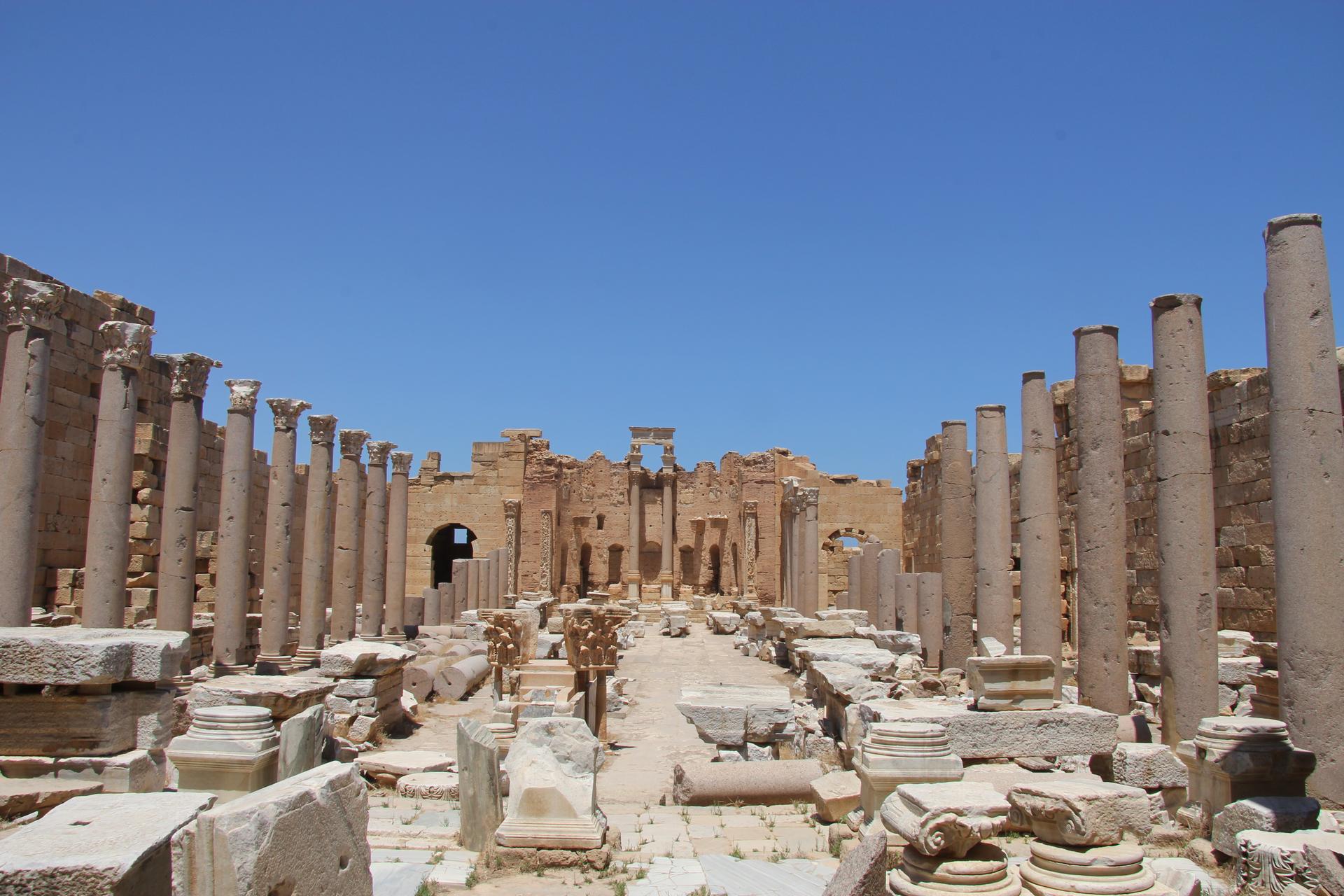
Looking beyond Arch of Septimius Severus? Discover Leptis Magna for broader travel guides, local hot-spots, and regional highlights.
Explore Leptis Magna
Explore Libya's recent past at the Misrata Museum, a memorial to the 2011 war and a testament to the city's resilience.

Discover Leptis Magna: An ancient Roman city in Libya with remarkably preserved ruins, grand architecture, and a rich history on the Mediterranean coast.
