Old Basilica, Al Khums Travel Guide
Explore the ruins of the Old Basilica in Leptis Magna, a symbol of Roman power and architectural brilliance in ancient Libya.
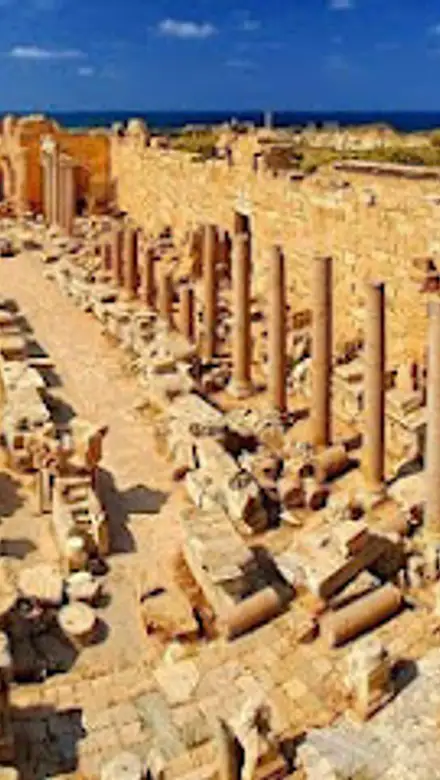
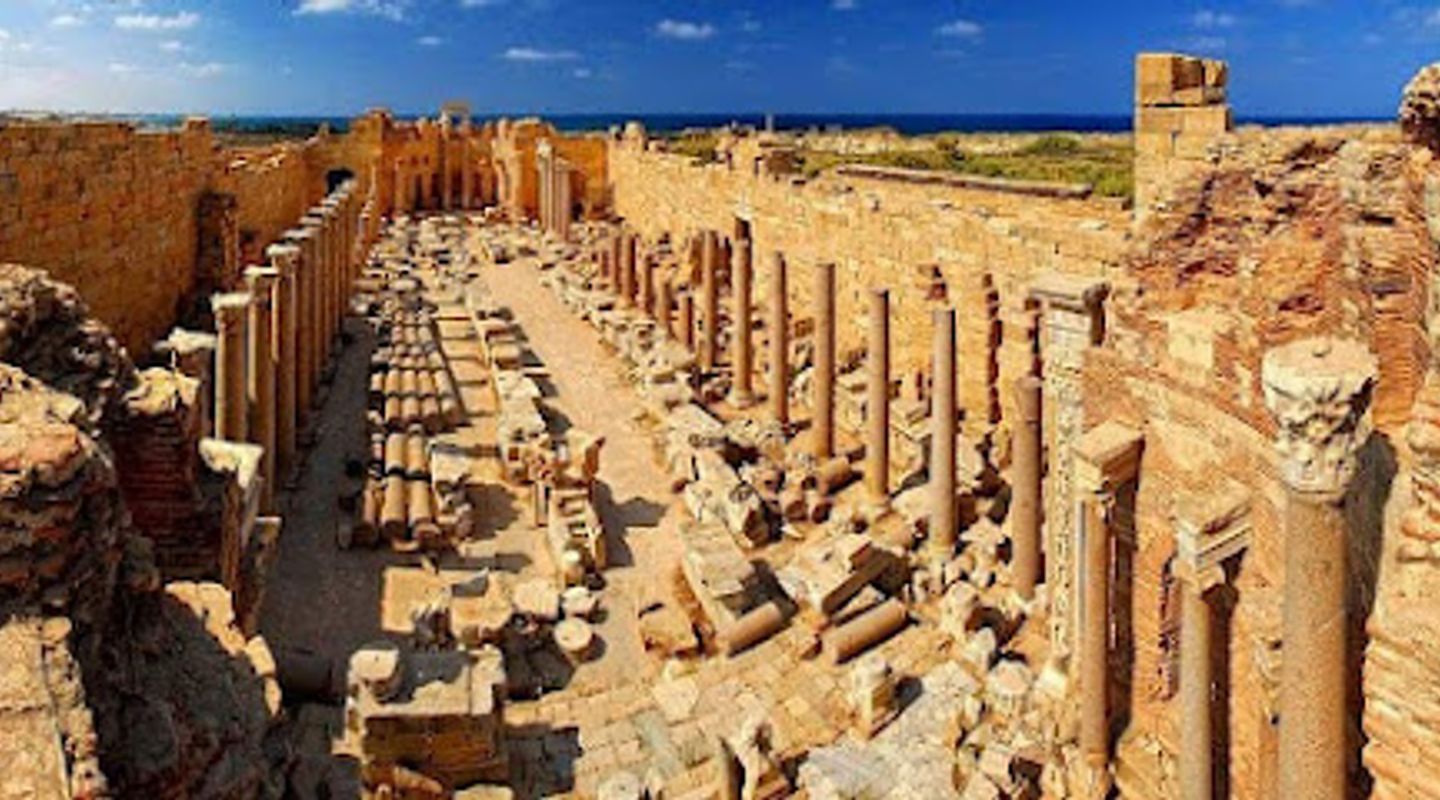
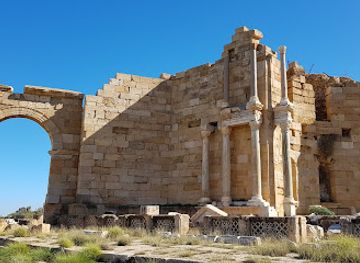
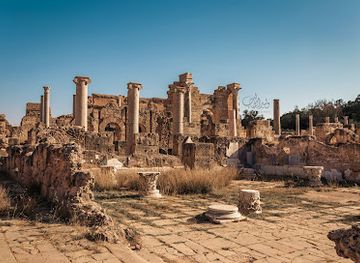
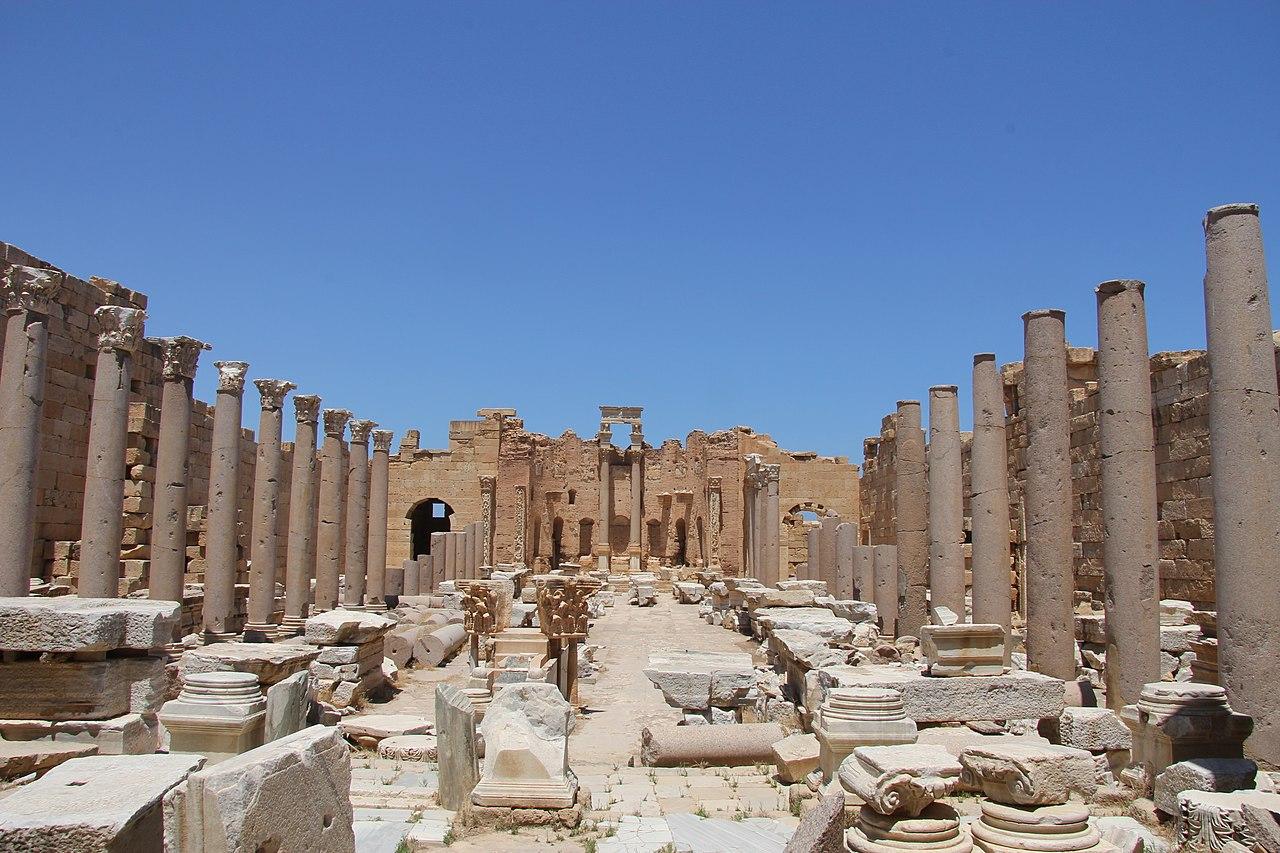
The Old Basilica, also known as the Severan Basilica, stands as a testament to the grandeur of Leptis Magna during the Roman Empire. Constructed during the reign of Emperor Septimius Severus, it served as a courthouse, administrative center, and public gathering place, showcasing the city's wealth and importance.
A brief summary to Old Basilica
- J7QW+H53, Leptis Magna, LY

Know before you go
Hi, I'm Eve. Here are a few practical things to know before exploring Old Basilica.
- Wear comfortable shoes for walking on uneven terrain and exploring the extensive site.
- Bring water and sun protection, as the site offers limited shade.
- Consider hiring a local guide to learn more about the history and significance of the basilica and Leptis Magna.
Do you manage this location?
Take control to get all the benefits, like improved information, better appearance, and stronger visibility across AI-powered discovery. Learn more about listing your business on Evendo
Activate your presenceOther nearby places you may find interesting
The closest places of the same kind, if this one is not quite what you had in mind.
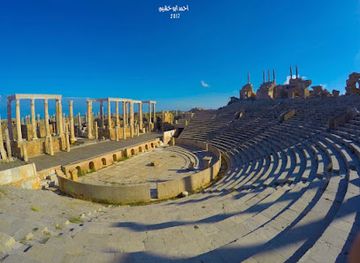
Explore Old Basilica on the Map
A handpicked selection of must-see spots near Old Basilica, mapped for you.
Getting There
-
Walking
From the main entrance of Leptis Magna, the Old Basilica is a short walk along the ancient Roman streets. Follow the well-trodden path past the Arch of Septimius Severus and the Severan Forum; the basilica will be clearly visible on your right. The walk is generally flat and well-maintained.
-
Public Transport
Local buses and taxis are available from Khoms, the nearest city. From the Khoms bus station, take a taxi or microbus towards Leptis Magna. Ask the driver to drop you off at the entrance to the archaeological site. From there, the Old Basilica is a short walk into the site. Expect to pay around LYD 5-10 for the taxi or microbus from Khoms to Leptis Magna.
Discover more about Old Basilica













Your all‑in‑one travel companion app
Explore expert travel guides, compare and book tours, experiences, hotels, and more—all from the palm of your hand. Download now for seamless trip planning wherever your wanderlust takes you.


Explore More of Al Khums
Looking beyond Old Basilica? Discover Al Khums for broader travel guides, local hot-spots, and regional highlights.
Explore Al Khums
Escape to tranquility at Masallatah Center, a serene garden oasis in the heart of Msallata, Libya. Perfect for relaxation and nature appreciation.

Discover Leptis Magna: An ancient Roman city in Libya with remarkably preserved ruins, grand architecture, and a rich history on the Mediterranean coast.