Circus Maximus of Leptis Magna: A Spectacle of Roman Grandeur
Explore the ruins of the Circus Maximus in Leptis Magna, a testament to Roman grandeur and thrilling chariot races of the past.
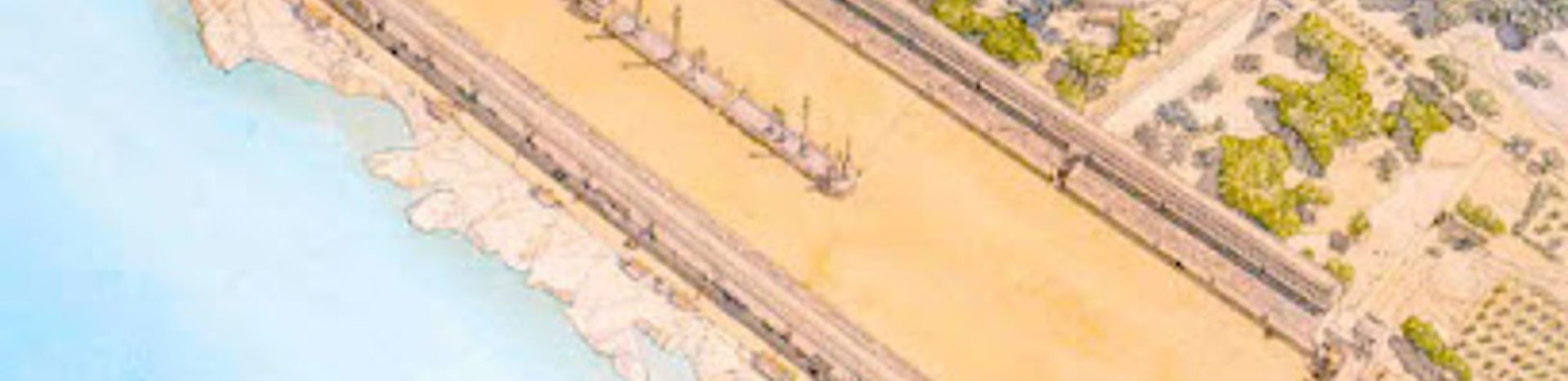
The Circus Maximus of Leptis Magna, built during the reign of Emperor Septimius Severus, was one of the largest of its kind in the Roman Empire. Today, visitors can explore the sprawling ruins and imagine the thrilling chariot races that once captivated audiences of up to 150,000 spectators.
A brief summary to Circus Maximus of Leptis Magna
- J8M6+74C, Unnamed Road, Leptis Magna, LY
Local tips
- Wear comfortable shoes, as the terrain can be uneven and rocky.
- Visit early in the morning or late in the afternoon to avoid the heat and crowds.
- Bring a camera to capture the stunning views of the ruins and the surrounding landscape.
- Check for guided tours to gain deeper insights into the site's history and significance.
- Stay hydrated, especially during the warmer months, as there are limited facilities on site.

Getting There
-
Walking
From the main entrance of the Leptis Magna archaeological site, walk straight towards the large colonnade. Pass through the colonnade until you reach the Forum. Continue past the Forum, following signs directing you to the Circus Maximus. The path will lead you through ancient ruins. After approximately 15 minutes of walking, you will arrive at the Circus Maximus. There are no additional costs for reaching the Circus Maximus once inside the Leptis Magna site.
Discover more about Circus Maximus of Leptis Magna
Iconic landmarks you can’t miss

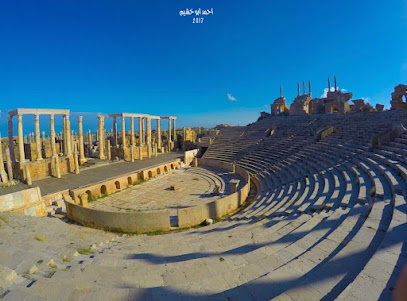
The Amphitheatre of Leptis Magna
0.1 km
Discover the ancient marvels of Leptis Magna, an exquisite historical landmark showcasing the splendor of Roman architecture on the Libyan coast.
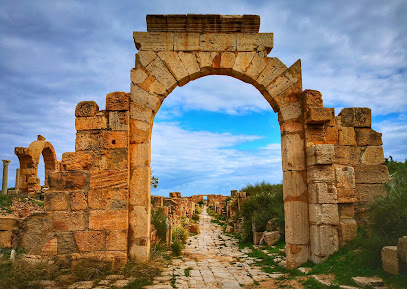
Leptis Tower برج لبدة
1.1 km
Explore Leptis Tower, a historical gem in Libya, showcasing the grandeur of Roman architecture and the rich history of Leptis Magna.
Temple of Jupiter
1.3 km
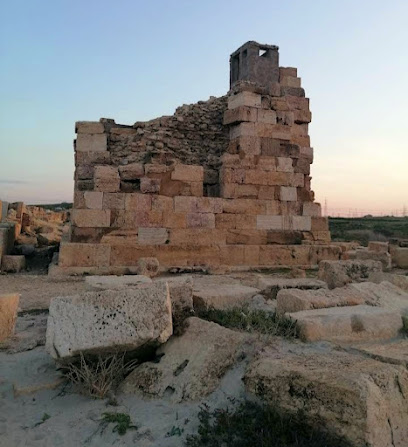
Explore the Temple of Jupiter in Leptis Magna, a stunning historical landmark showcasing the grandeur of ancient Roman architecture and culture.
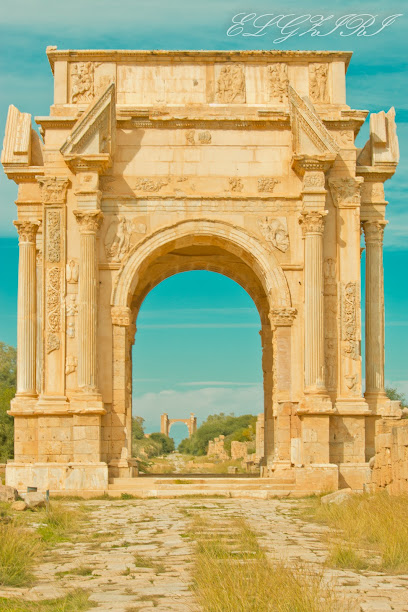
Severan Basilica
1.6 km
Discover the architectural majesty of Severan Basilica in Leptis Magna, a historical landmark that showcases the grandeur of ancient Roman civilization.
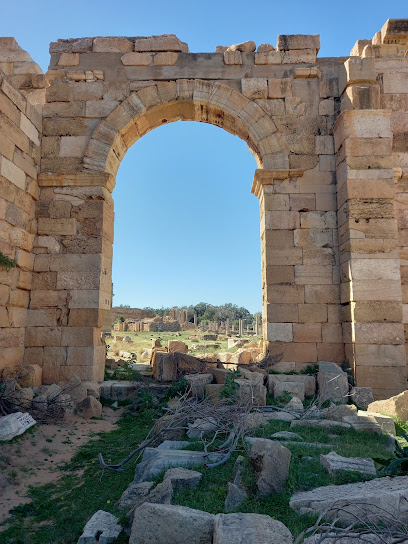
Arch of Tiberius
1.8 km
Discover the grandeur of the Arch of Tiberius in Leptis Magna, a magnificent historical landmark showcasing Rome's architectural heritage.
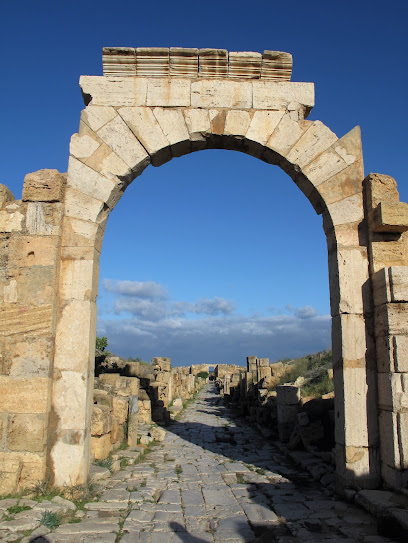
The Arch of Trajan
1.8 km
Discover the Arch of Trajan in Libya, an iconic historical landmark showcasing ancient Roman architecture and history amidst the Severan Forum.
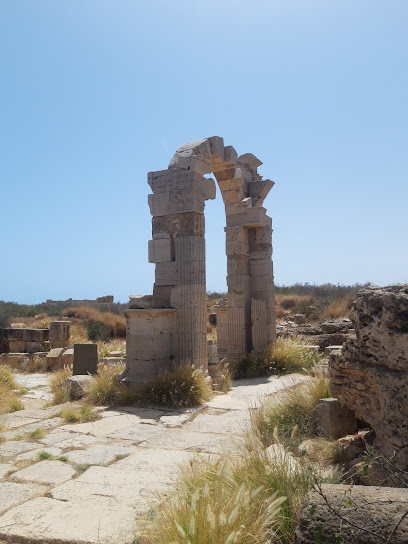
Monument of Gavius Macer
1.9 km
Discover the Monument of Gavius Macer in Leptis Magna, a captivating symbol of Roman history and architectural brilliance in Libya.
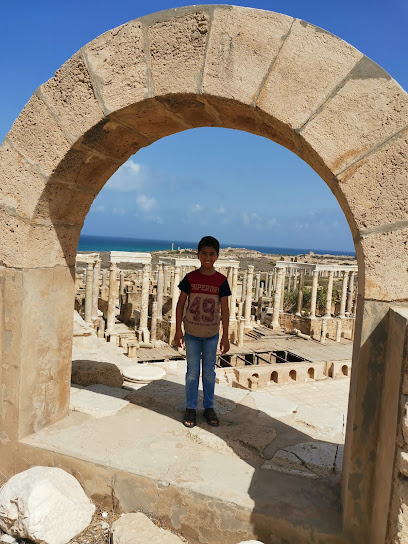
Hamada mosque
75.7 km
Explore the serene beauty and rich cultural heritage of Hamada Mosque in Misrata, a must-visit destination for travelers seeking spiritual and historical insights.
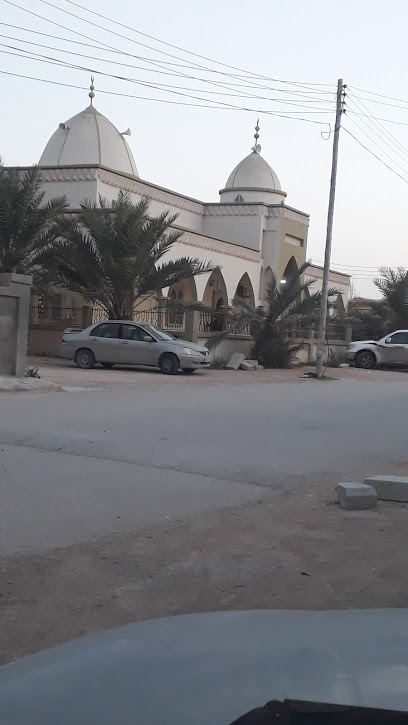
Misrata International Airport
78.1 km
Discover Libya through Misrata International Airport - your gateway to stunning landscapes, rich history, and vibrant culture.
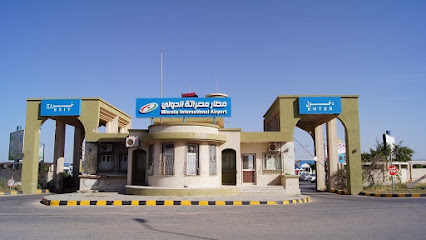
Sewehli Sports Club
78.6 km
Explore Sewehli Sports Club in Misrata, where local soccer passion comes alive amidst spirited matches and community camaraderie.
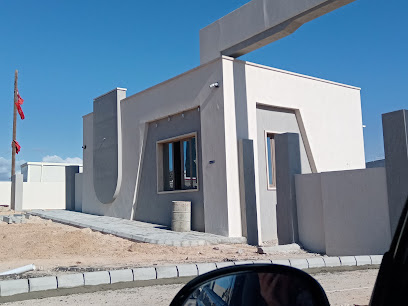
Dees Mosque
79.1 km
Discover the serene beauty of Dees Mosque in Misrata, an architectural gem reflecting Libyan culture and spirituality.
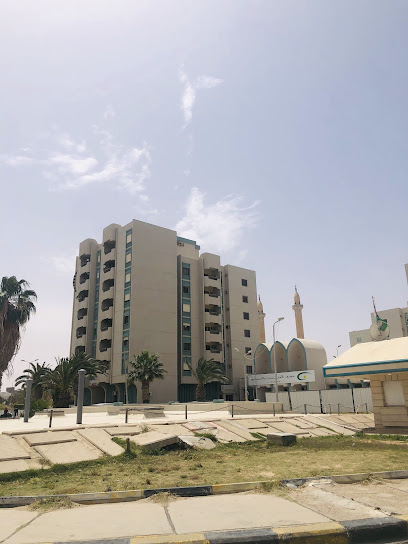
LIBYA MISRATA
81.5 km
Discover the vibrant community center of Misrata, where culture, hospitality, and local traditions come alive in the heart of Libya.

Raidat
85.6 km
Discover the perfect blend of comfort and convenience at Raidat Apartments in Misrata, where modern amenities meet Libyan hospitality.
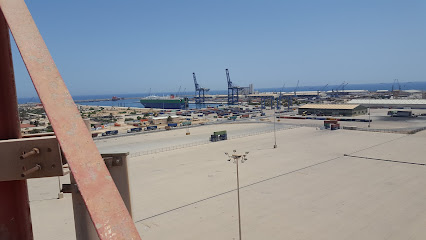
Misrata Port
90.7 km
Experience the vibrant culture and rich history at Misrata Port, a lively Mediterranean seaport in Libya offering fresh seafood and local charm.
Unmissable attractions to see

Barco lebda - باركو لبده
0.9 km
Enjoy coastal serenity near Leptis Magna at Barco Lebda, a perfect spot for picnics and relaxation amidst ancient history and Mediterranean beauty.
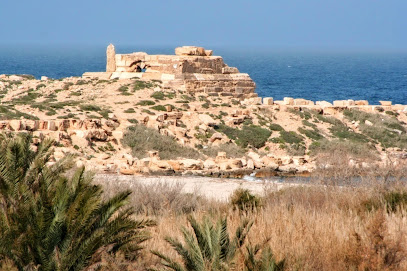
Lighthouse of Leptis Magna
1.1 km
Explore the Lighthouse of Leptis Magna, an ancient Roman landmark with stunning coastal views and rich maritime history in Libya.
Colonnaded Street
1.5 km
Stroll through history on Leptis Magna's Colonnaded Street, a stunning example of Roman architecture and urban design from the reign of Septimius Severus.
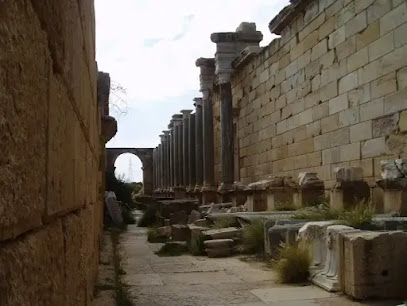
Old Basilica
1.5 km
Explore the ruins of the Old Basilica in Leptis Magna, a symbol of Roman power and architectural brilliance in ancient Libya.
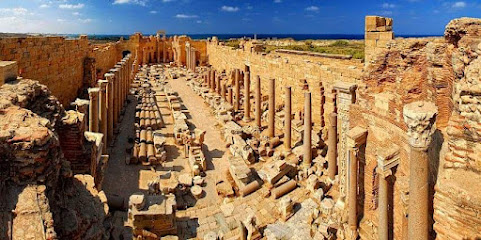
Hercules Temple
1.6 km
Explore the Hercules Temple in Khoms, Libya: a journey into Roman history and architectural grandeur in North Africa's captivating landscape.
Byzantine Gate
1.6 km
Explore the Byzantine Gate in Leptis Magna, a testament to the city's enduring history and architectural transformations under Byzantine rule.
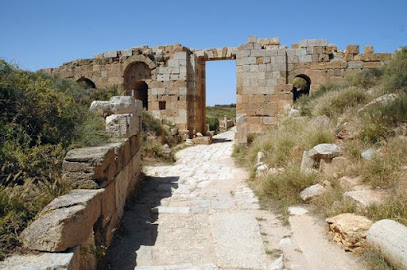
Severan Forum
1.6 km
Explore the ruins of the Severan Forum in Leptis Magna, a testament to the grandeur and architectural prowess of the Roman Empire.
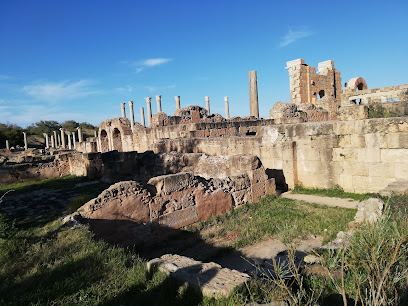
The Nymphaeum
1.6 km
Marvel at the Nymphaeum in Leptis Magna, a stunning example of Roman architecture and engineering in ancient Libya.
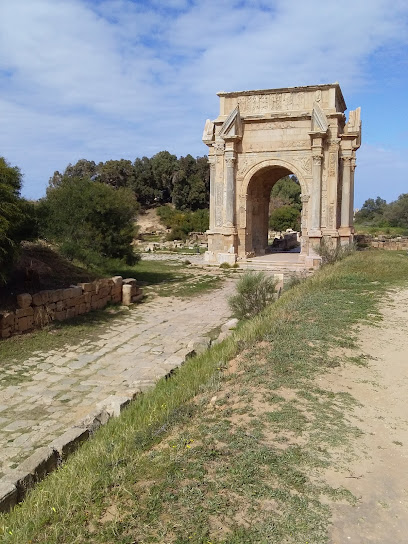
Hadrianic Baths
1.8 km
Explore the remarkably preserved Hadrianic Baths at Leptis Magna, a window into Roman life and architectural brilliance.
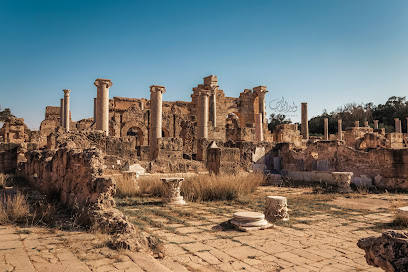
Leptis Magna
1.9 km
Discover the stunningly preserved Roman city of Leptis Magna, a UNESCO World Heritage site on the Libyan coast. Explore ancient history and architecture.
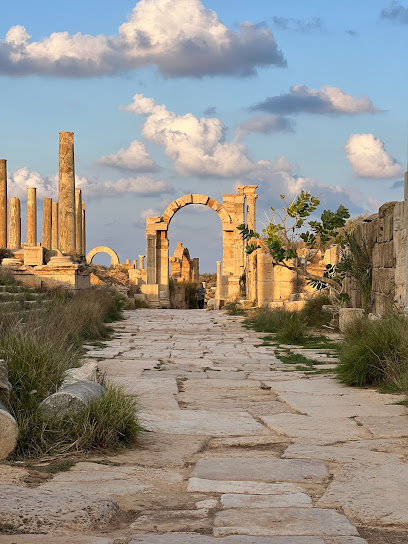
Arch of Septimius Severus
2.0 km
A monumental Roman arch in Leptis Magna, Libya, honoring Emperor Septimius Severus and showcasing the grandeur of the Roman Empire.
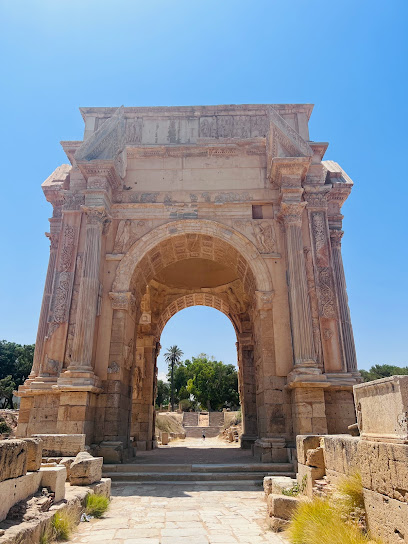
Leptis Magna Museum
2.0 km
Discover the captivating history and cultural heritage of ancient Leptis Magna at this archaeological museum in Khoms, Libya.
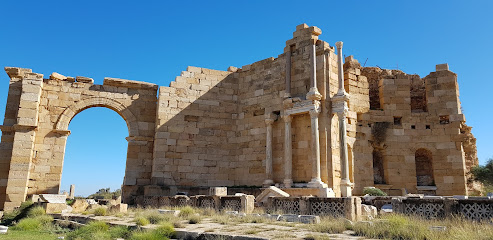
Leptis Magna Roman Ruin
2.1 km
Discover Leptis Magna: An ancient Roman city in Libya with remarkably preserved ruins, grand architecture, and a rich history on the Mediterranean coast.
البوابة الغربية
2.3 km
Discover the historical charm of Khoms at the Western Gate, a landmark offering cultural insights and breathtaking coastal views.
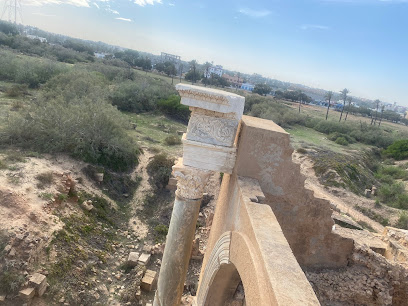
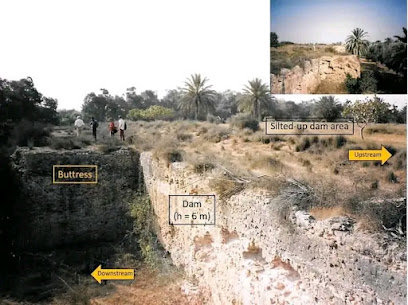
The ancient dam and wall of Leptis Magna
2.3 km
Discover the ancient dam and wall of Leptis Magna, showcasing Roman engineering and the grandeur of a civilization near Khoms, Libya.
Essential places to dine

مطعم آثار لبدة
1.4 km
Savor authentic Libyan cuisine at مطعم آثار لبدة amidst the historic splendor of Leptis Magna.
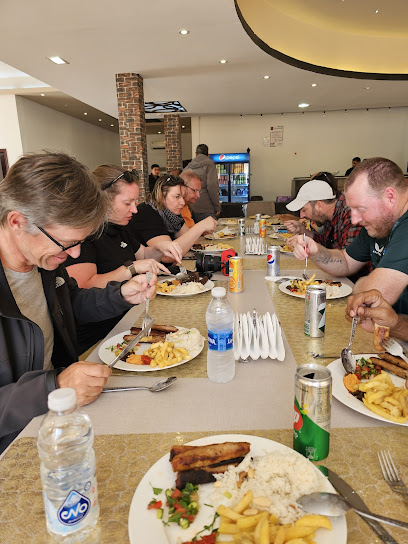
مقهى ومطعم لبدة
2.5 km
Savor traditional Libyan cuisine at مقهى ومطعم لبدة in Leptis Magna – where local flavors meet rich history.
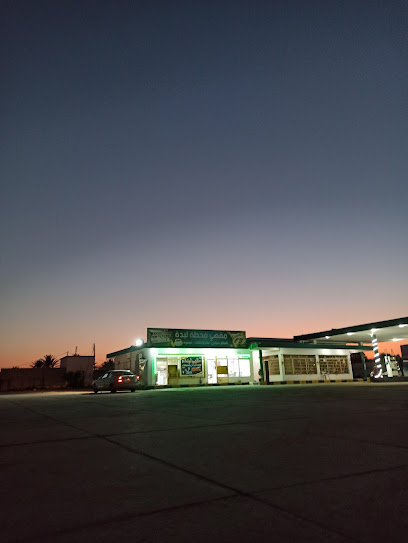
مطعم frites
2.5 km
Experience authentic Libyan fast food at مطعم frites in Khoms – where flavor meets convenience.
مطعم الساحل
2.7 km
Discover authentic Libyan cuisine at مطعم الساحل in منطقة الساحل, where every dish tells a story.
Pizza kayan
3.7 km
Discover delicious pizza at Pizza Kayan while exploring the ancient wonders of Leptis Magna in Libya.
مقهي العماد
3.9 km
Discover مقهي العماد in Khoms - A delightful breakfast spot offering authentic Libyan flavors in a cozy atmosphere.
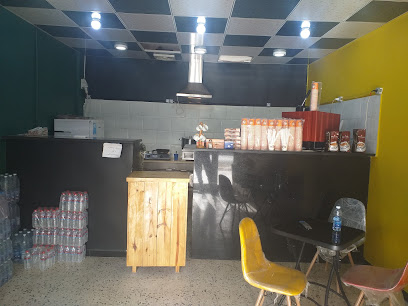
مطعم البوادي
4.1 km
Discover authentic local flavors at مطعم البوادي in لمقريف - where every dish tells a story.
مطعم الشلبة
4.4 km
Indulge in authentic Libyan flavors at مطعم الشلبة in Khoms – a culinary experience that embodies local culture and hospitality.
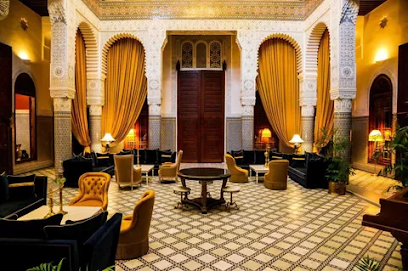
مطعم فورتي فور 44
4.4 km
Discover the authentic flavors of Libya at مطعم فورتي فور 44 in Khoms - a culinary gem for every tourist.
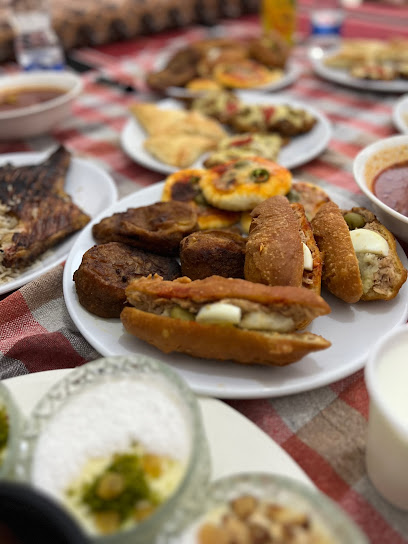
الكبيتانو
4.4 km
Experience authentic Libyan flavors at الكبيتانو in Khoms, where every dish reflects the rich culinary heritage of Libya.
مقهى سفلي م
4.4 km
Savor authentic Libyan cuisine at مقهى سفلي م in Khoms – where every dish tells a story.
Blue Restaurant
4.4 km
Discover the flavors of Libya at Blue Restaurant in Khoms, where traditional dishes meet warm hospitality and stunning coastal views.
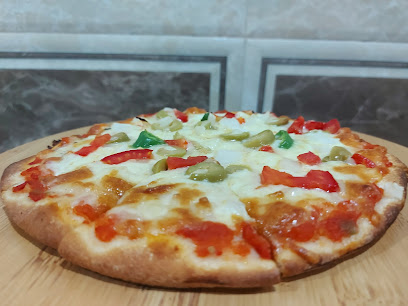
سندوتشات المقصف
4.4 km
Sunduqshat Al-Maqsaf offers delicious fast food sandwiches that reflect the vibrant flavors of Libya in a casual setting perfect for all visitors.
مطعم ماكس
4.5 km
Experience authentic Libyan cuisine at مطعم ماكس in Khoms, where delicious flavors meet warm hospitality.
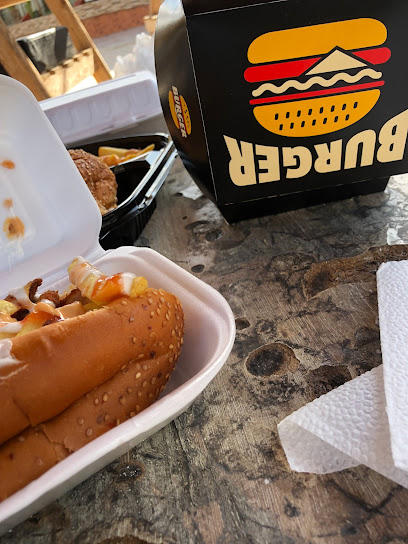
مطعم الشام
4.6 km
Experience authentic Middle Eastern cuisine at مطعم الشام in Khoms – where flavor meets tradition in a warm and inviting atmosphere.
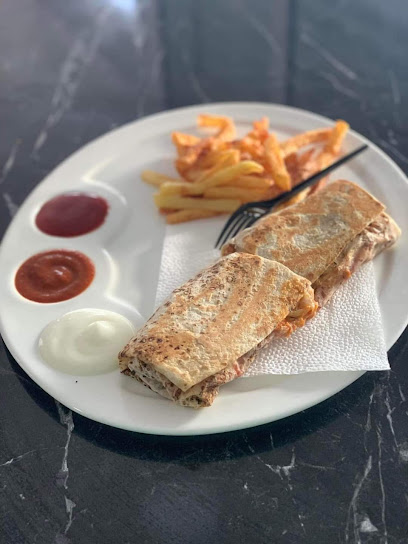
Markets, malls and hidden boutiques

محلات أبناء بوسعدية
1.1 km
Discover the vibrant shopping scene at محلات أبناء بوسعدية in Khoms, where local culture and modern retail converge.
دلعها لكماليات السيارات
1.1 km
Explore دلعها لكماليات السيارات in Khoms for a unique selection of car accessories that reflect local automotive culture and craftsmanship.
مركز ماكسي داس
1.2 km
Discover modern technology at مركز ماكسي داس, an electronics store in Leptis Magna offering a variety of gadgets amidst ancient ruins.
أوصيلة للسجائر
1.3 km
Discover local flavors and essentials at أوصيلة للسجائر, a vibrant supermarket in historic Leptis Magna.
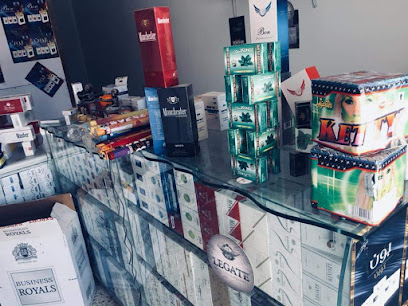
مجموعة النبراس للخطروت والغدائيه
1.4 km
Discover local flavors and essential goods at مجموعة النبراس للخطروت والغدائيه in Leptis Magna, a supermarket that embodies Libyan culture and hospitality.
مقهى لبدة الكبرى
2.1 km
Experience the perfect blend of history and hospitality at Maqha Lubda Al-Kubra, a charming coffee shop in the heart of Leptis Magna.
Magasin de souvenirs
2.1 km
Explore a vibrant souvenir store in Leptis Magna, offering handcrafted treasures and authentic local crafts that reflect the city's rich heritage.
حريبش لصيانة المولدات
3.0 km
Discover Hareebesh: Your trusted partner for electric generator services in the heart of Khoms, bridging locals and tourists with expert solutions.
أنتيكا لتغليف الهدايا
3.1 km
Explore a charming gift shop in Khoms offering unique handcrafted items and exceptional wrapping services, perfect for memorable souvenirs.
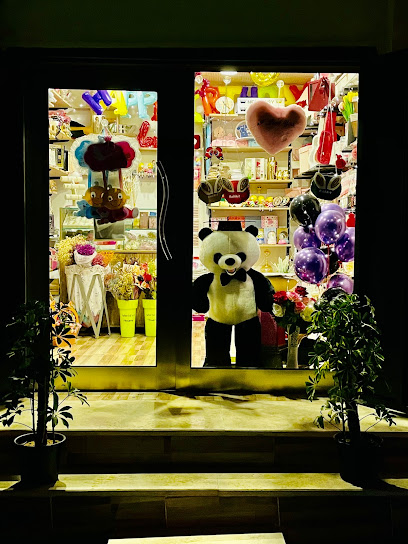
النبراس لمواد التنظيف
3.1 km
Discover quality cleaning supplies at Al-Nibras, a prime department store in the historic city of Leptis Magna, Libya, near stunning ancient ruins.
سوق المهاري
3.2 km
Discover the heart of Khoms at سوق المهاري, where fresh produce and local flavors come together in a vibrant market atmosphere.
محل إكتيبي للأجهزة الألكترونية/Mr.Robot
3.2 km
Explore cutting-edge electronics at Mr. Robot in Khoms - your one-stop shop for the latest gadgets and tech accessories.
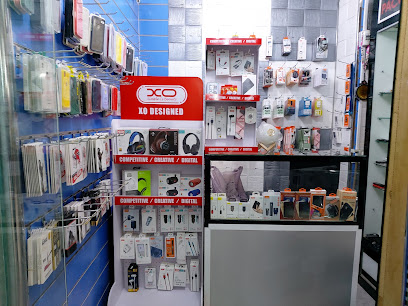
فلامينقو للهدايا
3.4 km
Explore Flamingo Gift Shop in Leptis Magna for unique Libyan gifts and souvenirs that celebrate the region's rich cultural heritage.
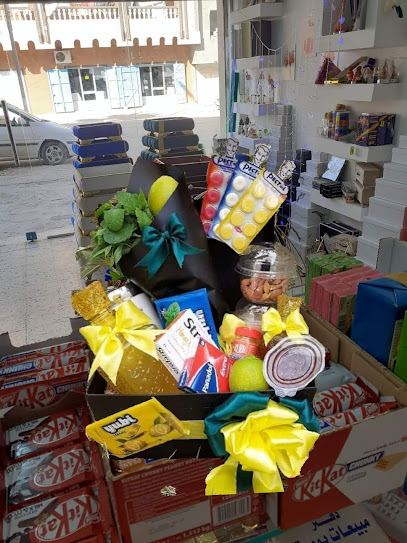
سوق لبده لابناء اوهيبه
3.4 km
Discover the essence of Khoms at سوق لبده لابناء اوهيبه, a vibrant market filled with local flavors and cultural treasures.
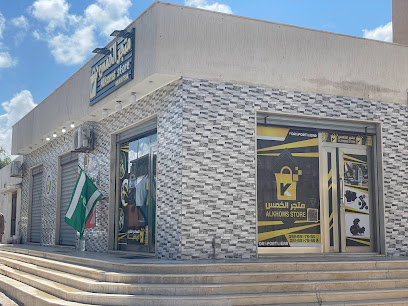
متجر الخمس Store Alkoms
3.7 km
Discover Alkoms Store in Khoms for an unforgettable shopping experience filled with local flavors and vibrant culture.
Essential bars & hidden hideouts

Caribou Coffe
4.9 km
Discover the rich flavors and cozy atmosphere at Caribou Coffee in Khoms, the perfect espresso bar for coffee lovers and travelers alike.
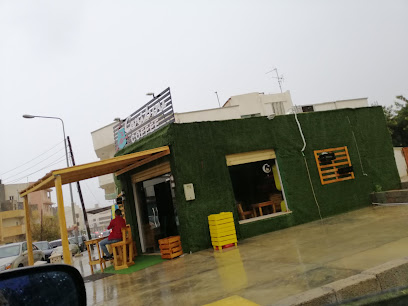
شاورما الفحم الخمس
5.3 km
Experience the authentic taste of shawarma at شاورما الفحم الخمس in Khoms, a delightful blend of tradition and flavor.
مطعم يوسف نبة
7.2 km
Experience the vibrant atmosphere and local flavors at مطعم يوسف نبة, a top bar in Khoms, perfect for socializing and relaxation.
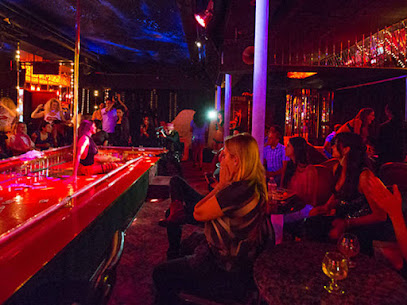
صالة المنساز
9.8 km
Experience the charm of صالة المنساز in سوق الخميس/ الخمس, where shopping and relaxation blend in a vibrant atmosphere.
صالة العنود الأفراح والمناسبات
24.8 km
Experience elegance and sophistication at Al-Anoud Hall, Zliten's premier venue for weddings, parties, and corporate events.
مقهى برستيج
27.2 km
Discover the vibrant atmosphere of مقهى برستيج, Zliten's premier hookah bar, offering a diverse selection of flavors and a relaxing ambiance.
محل النخله لبيع السجائر
28.0 km
Experience the vibrant atmosphere of The Palm Shop in Zliten, a local bar where Libyan hospitality meets relaxation and socialization.
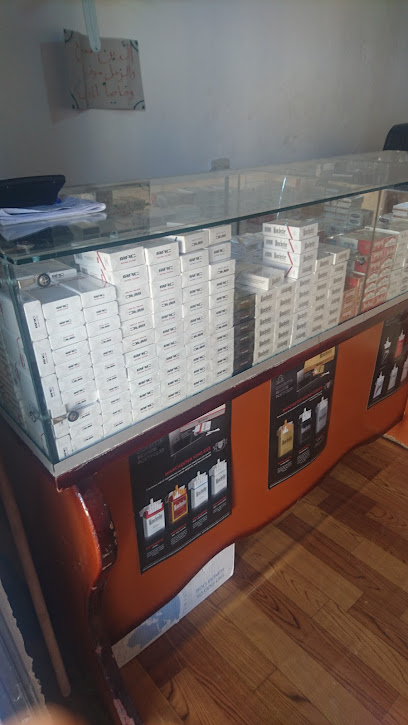
قصاب خالد
28.1 km
Explore the rich flavors of traditional Libyan cured ham at قصاب خالد in Zliten, where culinary heritage comes alive with every bite.
محلات ابناء حسن الفاسي
28.5 km
Discover the cozy atmosphere of محلات ابناء حسن الفاسي, a charming lounge in Msallata that offers local refreshments and a welcoming environment.
غموقة ماركت للحلويات
29.8 km
Experience the delightful flavors of traditional Libyan sweets and beverages at غموقة ماركت للحلويات in Zliten, a must-visit confectionery bar.
كافي one
30.1 km
Discover the rich flavors and warm hospitality at كافي one, Zliten's premier espresso bar offering a cozy retreat for coffee lovers.
كافي السلطان
30.2 km
Experience the authentic ambiance of كافي السلطان, Zliten's premier hookah bar, where culture and relaxation come together in a flavorful blend.
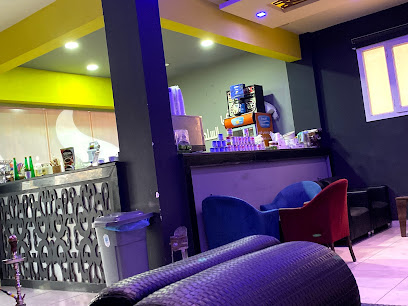
مركز برينقو لمستلزمات المقاهي والمخابز
30.5 km
Discover the inviting ambiance and delicious offerings at برينقو Lounge, the perfect retreat for coffee lovers and pastry enthusiasts in Zliten.
هويدي لبيع اللحوم
30.9 km
Experience the authentic taste of Libya at هويدي لبيع اللحوم, where traditional cured meats come to life in Zliten's inviting atmosphere.
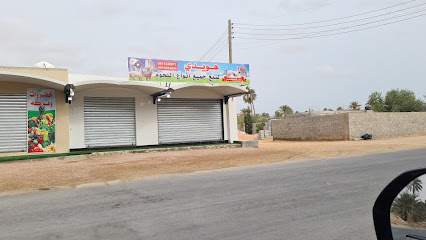
Cafe716
34.0 km
Experience the vibrant culture of Zliten at Cafe716, a premier hookah bar offering authentic flavors and a welcoming atmosphere.
Nightclubs & after hour spots

كافي عبزو
4.5 km
Discover the pulse of Khoms nightlife at كافي عبزو, where great music and vibrant energy create unforgettable experiences.
صالة نواعم للمناسبات
6.0 km
Discover Khoms' dynamic nightlife at صالة نواعم للمناسبات, a vibrant disco club where local culture meets exhilarating music.
صالة لوسيل الترفيهية
6.5 km
Discover the vibrant nightlife at صالة لوسيل الترفيهية, a premier night club in سوق الخميس/ الخمس, where music and energy collide.
خيري الهدار
10.2 km
Discover the vibrant nightlife of Khoms at خيري الهدار, a lively night club offering an unforgettable experience filled with music, dance, and local culture.
National Teather - Zliten
29.8 km
Discover the cultural heartbeat of Libya at the National Theater in Zliten, a venue rich with artistic performances and local heritage.
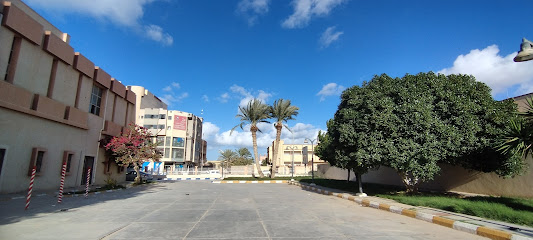
دار الحنتكور
47.5 km
Dive into the energetic atmosphere of دار الحنتكور, Zliten's ultimate night club, for an unforgettable nightlife experience filled with music and dance.
دار شلبي
72.1 km
Discover the pulse of Misrata's nightlife at دار شلبي, where music, dance, and vibrant energy come together for an unforgettable experience.
Hamisu
73.8 km
Discover the vibrant nightlife at Hamisu, Misrata's premier night club featuring local and international music in a lively atmosphere.
محطة تصريف الجزيرة
73.9 km
Dive into the electrifying nightlife of Misrata at محطة تصريف الجزيرة, where music, dancing, and fun await every visitor.
دار Shinf
80.7 km
Discover the vibrant nightlife of Misrata at دار Shinf, where music, dance, and local culture come alive in a captivating atmosphere.
دار الطنجرة كرزاز
82.8 km
Discover the lively atmosphere of دار الطنجرة كرزاز, Misrata's top night club for an unforgettable nightlife experience.
فروخ الحرام
85.4 km
Experience the vibrant nightlife at فروخ الحرام, Misrata's premier gay night club, where music and community come alive.
Diplomatic Club
97.7 km
Discover the heart of Tripoli's nightlife at the Diplomatic Club – a vibrant venue for dancing, music, and unforgettable experiences.
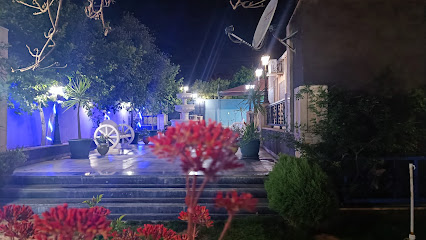
Lubda Libya
98.5 km
Discover authentic Libyan treasures at Lubda Libya, a vibrant store in Tripoli offering unique local products and cultural experiences.