

Free Libyan Desert Travel Guide & Mobile App
Explore Libyan Desert with free travel guides. Discover regional history, expert tips, proposed trips, and audio guides on web or mobile app.


Explore Libya’s Saharan interior through remote oases, ancient rock art, sculpted mountains and vast dunes with specialist planning and local guidance.
Read more about Libyan Desert
When is the best time to visit Libyan Desert?
Best: February–March, November · 21–25°C| Month | High (°C) | Rainfall (mm) |
|---|---|---|
| January | 18 | 1 |
| February (best) | 21 | 1 |
| March (best) | 25 | 1 |
| April | 30 | 1 |
| May | 35 | 0 |
| June | 38 | 0 |
| July | 42 | 0 |
| August | 41 | 0 |
| September | 38 | 1 |
| October | 32 | 1 |
| November (best) | 24 | 1 |
| December | 19 | 1 |
Getting to and around Libyan Desert
How to get there
Transportation
Top city travel guides in Libyan Desert
The cities of Libyan Desert, and the easiest places to base yourself.

Swipe for more cities
Destinations in Libyan Desert
Resorts, valleys and scenic spots worth a trip of their own.

Swipe for more destinations
Best attractions in Libyan Desert
-
Tourist attraction
Benghazi Zoo
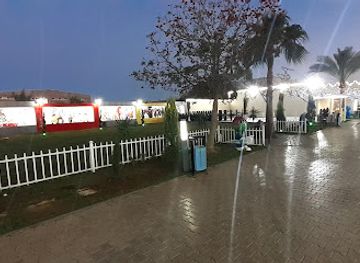
Discover wildlife and family fun at Benghazi Zoo, a cherished park with diverse animals, recreational games, and a tranquil atmosphere.
-
Tourist attraction
Golden Palm Tree Resort
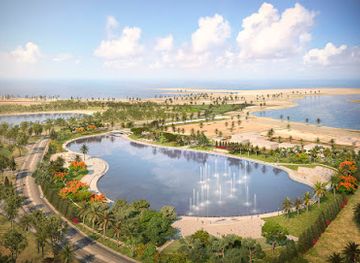
Experience family fun at Benghazi's Golden Palm Tree Resort, offering entertainment and relaxation by the sea.
-
Park
الكورنيش
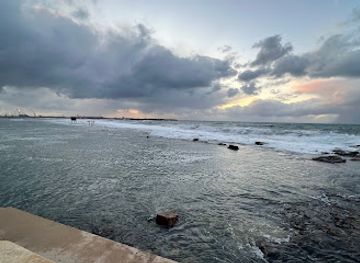
Experience the vibrant heart of Benghazi at Al Kurnaysh, a beautifully reconstructed waterfront offering stunning Mediterranean views and local culture.
-
Park
Al-Sindibad Park
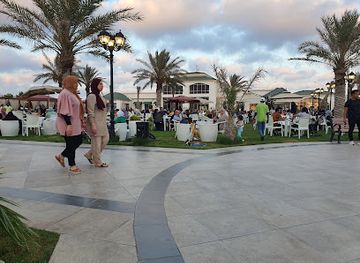
Discover Al-Sindibad Park in Benghazi: A perfect family escape with games, cafes, and open spaces for relaxation and fun.
Best landmarks in Libyan Desert
The most significant landmarks of the Libyan Desert are landscapes and archaeological places rather than monumental city architecture. The Tadrart Acacus is marked by sculpted sandstone formations, rock shelters and prehistoric art that records life in a formerly wetter Sahara. The Ubari Sand Sea forms another defining natural landmark, where high dunes surround saline lakes in a remote basin. Near Germa, the remains associated with ancient Garama represent the urban and agricultural achievements of the Garamantian world, including evidence of irrigation and desert settlement. Ghat’s position beneath the Acacus and its association with trans-Saharan routes give the town particular historical significance. Murzuq’s old town and ruined castle recall its former role as a caravan and political centre, though preservation and access require local guidance. Kufra’s oasis landscape, with palm cultivation set against barren plains, illustrates the enduring importance of groundwater and settlement in eastern Libya. These landmarks are fragile: rock art, ruins, dunes and oasis environments can all be damaged by vehicles, collecting and unmanaged visitation.
-
Plateau
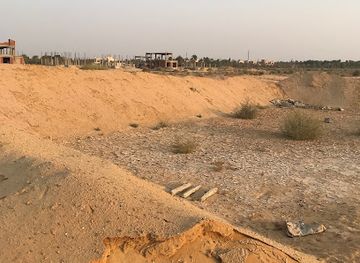
Libyan Plateau
Explore the Libyan Plateau: A breathtaking natural wonder in Marsa Matrouh, Egypt, perfect for nature lovers and adventure seekers alike.
Explore Libyan Desert on the map
Plan your trip on one map. See where the top cities, national parks and sights are, and book hotels and experiences in a few clicks.
Best hotels in Libyan Desert
Best restaurants in Libyan Desert
Dining in the Libyan Desert is centred on oasis households, simple local restaurants, guesthouses and expedition camps rather than a developed restaurant scene. Meals commonly draw on the wider Libyan and North African repertoire: couscous, rice, pasta, soups, flatbreads, dates, vegetables, pulses and meat may appear according to the settlement and supplies available. Tea is an important part of hospitality, while dates and other oasis produce can provide welcome provisions on the road. In larger southern towns, cafés and modest eateries offer everyday meals, but opening arrangements and ingredients cannot be assumed in remote areas. Travellers should agree whether food, drinking water and cooking equipment are included in an itinerary, and should carry suitable reserves for delays. Local food traditions vary between Arab, Amazigh, Tuareg and other communities, so the desert should not be treated as culturally uniform. Alcohol is restricted under Libyan law, and visitors should respect local religious and social conventions around eating, dress and hospitality.
-
Lebanese
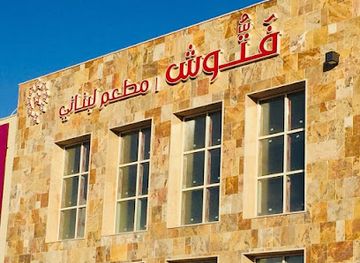
Fattoush Lebanese Restaurant
Discover authentic Lebanese cuisine at Fattoush Restaurant in Tripoli – a culinary gem offering rich flavors and inviting ambiance.
-
Seafood
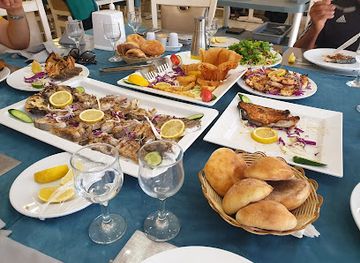
Rubian Restuarant
Discover exquisite seafood dining at Rubian Restaurant in Tripoli – where fresh flavors meet authentic Mediterranean hospitality.
-
Restaurant
As-Safir Restaurant (Indian restaurant)
Savor the rich flavors of India at As-Safir Restaurant in Tripoli - a culinary gem for every spice lover.
-
Restaurant
Latino
Experience authentic Libyan cuisine at Latino in Tripoli - where tradition meets modern culinary artistry.


Best bars in Libyan Desert
The Libyan Desert does not have a conventional bar or nightclub culture. Alcohol is restricted under Libyan law, and evening social life generally centres on family gatherings, cafés, tea, conversation and hospitality rather than licensed nightlife. In larger oasis towns such as Sabha, Ghat, Murzuq and Kufra, cafés may remain the most accessible social venues, although their location, hours and availability can change with local conditions. Desert camps offer quiet evenings around tea, meals and observation of the night sky, but organised entertainment should not be expected. Visitors should follow local guidance, avoid public intoxication and dress and behave discreetly. Security considerations are more important than seeking nightlife, particularly after dark and around unfamiliar settlements or roads. Any evening movement should be arranged through a trusted local host or guide.
-
Lebanese
Fattoush Lebanese Restaurant
Explore the essence of Lebanese cuisine at Fattoush Restaurant in Tripoli, where tradition meets taste in every dish.
-
Hamburger
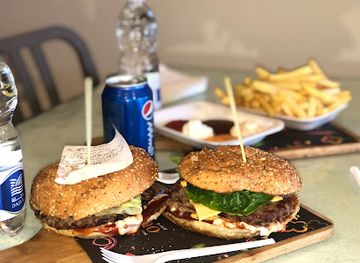
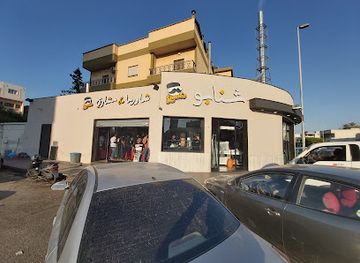
Shenabu Zawiya Dahmani restaurant
Experience the best burgers in Tripoli at Shenabu Zawiya Dahmani, where local flavors meet international tastes in a cozy setting.
-
Seafood
Rubian Restuarant
Discover the rich flavors of the Mediterranean at Rubian Restaurant, Tripoli's premier seafood destination offering fresh and delicious dishes.
-
Hotel
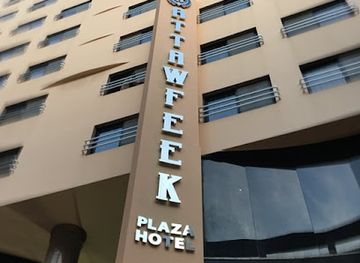
ATTAWFEEK PLAZA HOTEL
Discover the elegance of Attawfeek Plaza Hotel, where modern luxury meets the rich cultural heritage of Tripoli, Libya.

Best nightclubs in Libyan Desert
-
Lounge
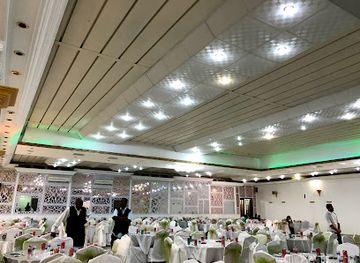
Al Yamamah Hall for Wedding
Experience elegance and celebration at Al Yamamah Hall, Benghazi's premier venue for unforgettable weddings and special events.
-
Night club
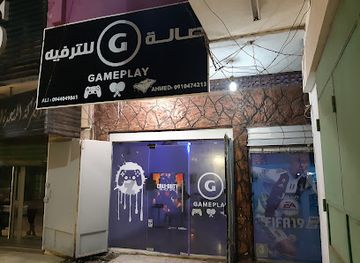
صالة Game Play للترفيه
Discover a dynamic nightlife experience at Game Play Entertainment Hall in Benghazi, where fun, games, and music come together for an unforgettable evening.
-
Disco club
صالة ليلية العمر للافراح
Discover the lively nightlife at صالة ليلية العمر للافراح, a premier disco club in Benghazi, offering unforgettable music and dance experiences.
-
 Disco club
فينسيا كلوبClub Vip
Dive into the vibrant nightlife of Benghazi at Club Vip, where music, dance, and unforgettable memories await in a dazzling atmosphere.

Best shops in Libyan Desert
Shopping in the Libyan Desert is practical and locally rooted rather than extensive. Oasis towns may have small markets and shops selling food, dates, tea, clothing, household goods and basic travel supplies, while larger southern settlements offer more choice. Visitors may find locally made textiles, leather goods, woven items, jewellery or Tuareg-associated craftwork, but availability, authenticity and prices vary, so respectful bargaining and clear agreements are advisable. Dates and packaged regional foods can be useful purchases when travelling between settlements, provided they are bought through legitimate local businesses. There are few dependable shopping centres, specialist souvenir shops or fixed tourist markets in remote areas. Do not buy archaeological objects, fossils, ancient coins or rock-art fragments: their sale may be illegal, and purchasing them encourages damage to Libya’s heritage. Carry cash, as electronic payment may not be available, and check transport and customs rules before taking craft products or food across borders.
-
Shopping mall
سوق ليبيا مرسى مطروح - Marsa Matrouh
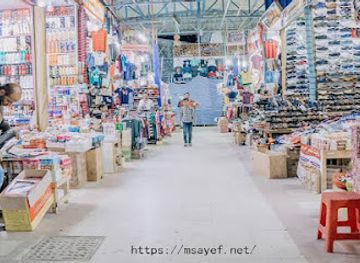
Explore the colorful Marsa Matrouh Market, a vibrant shopping destination filled with local culture, delicious food, and unique treasures.
-
Shopping mall
Tripoli Mall
Discover the ultimate shopping and dining experience at Tripoli Mall, where modernity meets local culture in the heart of Tajoura.
-
Shopping mall
Mall Of Benghazi
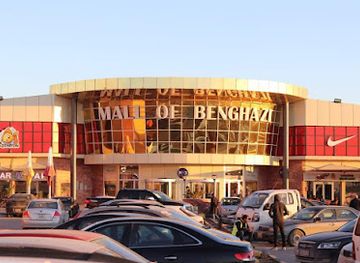
Experience the bustling energy of Mall Of Benghazi, a premier shopping destination offering retail, dining, and entertainment in the heart of Libya.
-
Shopping mall
Libya Mall
Explore the vibrant shopping, dining, and entertainment experiences at Libya Mall, a premier destination for visitors in the heart of Libya.

Get your free copy of our complete guide to Libyan Desert, delivered straight to you.
Everything on this page, from attractions and restaurants to essentials and local phrases, in one PDF you can read offline, print or share.
Already have an account? Sign in
Your Libyan Desert guide is ready.
We'll send it to · Not you? Sign out

Getting your guide ready…
We are putting together a fresh copy of the Libyan Desert guide. This can take up to a minute.
This can take a few moments. If your browser asks, choose Allow so the download can start. You'll find the guide in your Downloads folder.
Nothing happened? Download it again
Sorry, the guide is taking longer than usual. Please try again in a minute, or get it by email instead.
Libyan Desert essentials
Currency and Payment
Safety
Emergency Situations
Do's and Don'ts
Local Tips
From Eve
Local phrases worth knowing
You don't need to get them perfect. A few words go a long way, and locals appreciate the effort.
Basics
| English | Local | Say it |
|---|---|---|
| Hello | سلام | [Salam] |
| Goodbye | مع السلامة | [Ma'a as-salama] |
| Yes | نعم | [Na'am] |
| No | لا | [La] |
| Please/You're welcome | من فضلك | [Min fadlik] |
| Thank you | شكراً | [Shukran] |
| Excuse me/Sorry | عفواً | [Afwan] |
| How are you? | كيف حالك؟ | [Kayfa halak?] |
| Fine. And you? | بخير. وأنت؟ | [Bikhair. Wa anta?] |
| Do you speak English? | هل تتحدث الإنجليزية؟ | [Hal tatahadath al-ingliziyya?] |
| I don't understand | لا أفهم | [La afham] |
Eating & Drinking
| English | Local | Say it |
|---|---|---|
| I'd like to see the menu, please | أريد أن أرى القائمة، من فضلك | [Ureed an ara al-qa'ima, min fadlik] |
| I don't eat meat | لا أكل اللحم | [La akul al-lahm] |
| Cheers! | في صحتك! | [Fi sihtak!] |
| I would like to pay, please | أريد أن أدفع، من فضلك | [Ureed an adfa', min fadlik] |
Emergencies
| English | Local | Say it |
|---|---|---|
| Help! | مساعدة! | [Musa'ada!] |
| Go away! | ابتعد! | [Ibt'id!] |
| Call the Police! | اتصل بالشرطة! | [Ittasil bil-shurta!] |
| Call a doctor! | اتصل بالطبيب! | [Ittasil bil-tabeeb!] |
| I'm lost | أنا ضائع | [Ana da'i'] |
| I'm ill | أنا مريض | [Ana marid] |
Shopping
| English | Local | Say it |
|---|---|---|
| I'd like to buy... | أود شراء... | [Awad shira'a...] |
| I'm just looking | أنا فقط أنظر | [Ana faqat anzur] |
| How much is it? | كم ثمنه؟ | [Kam thamanuh?] |
| That's too expensive | هذا غالي جداً | [Hatha ghali jidan] |
| Can you lower the price? | هل يمكنك تخفيض السعر؟ | [Hal yumkinuka takhfid as-si'r?] |
Time & Numbers
| English | Local | Say it |
|---|---|---|
| What time is it? | كم الساعة؟ | [Kam as-saa'a?] |
| It's one o'clock | الساعة الواحدة | [As-saa'a al-wahidah] |
| Half past (10) | نصف (10) | [Nisf (10)] |
| Morning | صباح | [Sabah] |
| Afternoon | بعد الظهر | [Ba'd al-zahr] |
| Evening | مساء | [Masa'] |
| Yesterday | أمس | [Ams] |
| Today | اليوم | [Al-yawm] |
| Tomorrow | غداً | [Ghadan] |
| 1 | ١ | [1] |
| 2 | ٢ | [2] |
| 3 | ٣ | [3] |
| 4 | ٤ | [4] |
| 5 | ٥ | [5] |
| 6 | ٦ | [6] |
| 7 | ٧ | [7] |
| 8 | ٨ | [8] |
| 9 | ٩ | [9] |
| 10 | ١٠ | [10] |
Transport & Directions
| English | Local | Say it |
|---|---|---|
| Where's a/the...? | أين...؟ | [Ayn...?] |
| What's the address? | ما هو العنوان؟ | [Ma huwa al-'unwan?] |
| Can you show me (on the map)? | هل يمكنك أن تريني (على الخريطة)؟ | [Hal yumkinuka an turini (ala al-kharita)?] |
| When's the next (bus)? | متى يأتي (الباص) التالي؟ | [Mata yati (al-bus) at-tali?] |
| A ticket (to ....) | تذكرة (إلى ...) | [Tadhkira (ila ...)] |
History of Libyan Desert
A Greener Sahara and Prehistoric Rock Art
During wetter phases of the early and middle Holocene, parts of the Sahara supported grasslands, lakes and communities that kept cattle and hunted wildlife. In the Libyan Desert, paintings and engravings in the Tadrart Acacus and surrounding mountain areas depict cattle, wild animals, pastoral scenes and later horse- and camel-related imagery. These works are important records of changing climate, human adaptation and movement across the central Sahara. The art also demonstrates that today’s arid landscapes have not always been environmentally uniform.
The Garamantian Kingdom
From roughly the first millennium BC into late antiquity, the Garamantes developed an organised society in the Fezzan. Their principal centre, Garama, is associated with the archaeological site near modern Germa. They cultivated crops in an exceptionally dry environment through underground water channels known as foggaras, maintained settlements and participated in trade across the Sahara. Roman writers described the Garamantes from an external perspective, but archaeology shows a complex desert civilisation whose settlements, cemeteries and irrigation works remain central to the region’s history.
Caravan Routes and Oasis Exchange
For centuries, chains of oases enabled movement across the desert between the Mediterranean coast, the Sahel and Egypt. Places such as Ghat, Murzuq and Kufra served as stopping points for merchants, pilgrims and travellers moving with camel caravans. Trade included salt, livestock and other goods, while oasis agriculture supplied dates and food for local communities. These routes connected the interior to wider Islamic and African commercial networks and helped shape the cultural diversity of southern Libya.
Islamic Dynasties and Fezzan Towns
Islam spread through the Sahara alongside scholarship, pilgrimage and commerce, and oasis towns acquired mosques, markets and distinctive mud-built residential architecture. The Fezzan was governed at different times by local rulers and wider dynasties, including the Awlad Muhammad dynasty, which made Murzuq an important political centre from the sixteenth century. The town’s historic importance reflected its position on caravan routes linking the central Sahara with North Africa and the Lake Chad region.
Ottoman and Italian Rule
The Ottoman Empire incorporated much of Libya into its administration during the nineteenth century, although effective control across the desert varied considerably. Italy invaded Libya in 1911 and extended colonial authority through military posts, roads and airfields, encountering resistance in both the coast and interior. The Italian period altered political boundaries and transport patterns, but it also involved coercion, military campaigns and displacement. Remains of colonial infrastructure can still be encountered in some desert settlements and routes.
Modern Libya and Desert Development
After independence in 1951, the desert became increasingly connected to the national state through roads, administrative centres, oil exploration and large water infrastructure. The Great Man-Made River project drew groundwater from deep Saharan aquifers to supply northern cities and agricultural areas. Since the 2011 conflict, insecurity, fragmented authority and weak infrastructure have made travel through the interior especially difficult. Archaeological sites, historic towns and natural areas remain vulnerable to neglect, illicit excavation and damage.
Libyan Desert in Photos
Browse through our photo collection highlighting the charm and character of the destination.
Neighbouring regions of Libyan Desert
The closest regions to Libyan Desert, if you have time for more than one.
-

-

-

-

-


Swipe for more regions
Explore more

Explore more of Libya
Discover Libya: Ancient ruins, vast deserts, and Mediterranean charm await in this North African gem.
Explore Libya