

Free Tibesti Mountains Travel Guide & Mobile App
Explore Tibesti Mountains with free travel guides. Discover regional history, expert tips, proposed trips, and audio guides on web or mobile app.


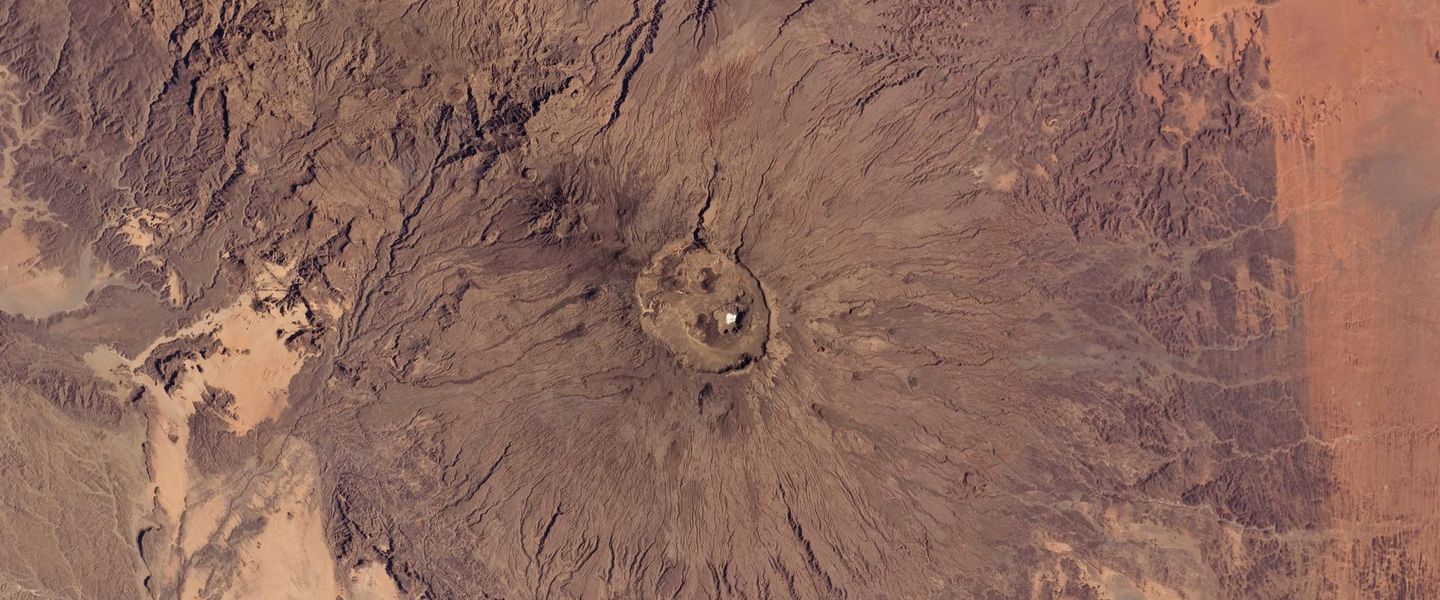


Explore the remote Libyan fringe of the Tibesti Mountains, where volcanic desert landscapes, Toubou heritage and borderland history demand expert planning.
Read more about Tibesti Mountains
When is the best time to visit Tibesti Mountains?
Best: May–June, September · 23–26°C| Month | High (°C) | Rainfall (mm) |
|---|---|---|
| January | 15 | 2 |
| February | 16 | 2 |
| March | 18 | 3 |
| April | 20 | 3 |
| May (best) | 23 | 2 |
| June (best) | 26 | 1 |
| July | 28 | 1 |
| August | 28 | 1 |
| September (best) | 26 | 2 |
| October | 23 | 3 |
| November | 19 | 3 |
| December | 16 | 2 |
Getting to and around Tibesti Mountains
How to get there
Transportation
Best attractions in Tibesti Mountains
The attractions of the Libyan Tibesti are primarily geological, cultural and expeditionary rather than conventional visitor sites. Travellers may encounter volcanic desert scenery, eroded escarpments, dark rock fields, dry valleys and wide views across a landscape shaped by ancient eruptions and prolonged aridity. These features form part of the wider Tibesti massif, most of which lies in Chad, so specific summits and celebrated crater landscapes should not be claimed as Libyan attractions without precise local confirmation. The Libyan fringe may also offer opportunities to study trans-Saharan geography and Toubou cultural landscapes, but access is restricted and interpretation depends on local knowledge. There are no dependable museums, visitor centres, marked trails, campsites or family attractions in the border mountains. Archaeological traces may exist within the wider region, yet their locations, condition and accessibility require specialist guidance, and rock art or artefacts must never be touched or removed. The defining experience is the scale and isolation of the desert, balanced by the serious practical demands of reaching it. For most visitors to Libya, more accessible Saharan landscapes elsewhere in the country provide a safer and more realistic desert experience.
-
Historical landmark
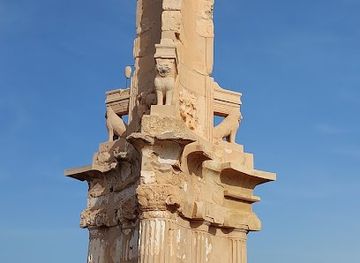
Mausoleum of Bes
Explore the Mausoleum of Bes in Sabratah, a window into ancient Libyan culture and devotion.
Best landmarks in Tibesti Mountains
The Libyan Tibesti is not defined by a concentration of built monuments; its principal landmarks are geological forms and the visually powerful frontier landscape. Volcanic ridges, high plateaux, black-rock slopes, eroded valleys and isolated desert escarpments express the same ancient mountain system that dominates northern Chad, while the exact location of any particular summit or crater must be checked against reliable mapping. The international border itself is a political landmark, though it is not a tourist sight and should never be approached without explicit authorisation. Toubou settlements, wells and movement corridors may carry deep local significance, but they are living places rather than attractions to be entered or photographed casually. Archaeological traces, including possible rock art and ancient travel evidence, are part of a wider Saharan heritage and require specialist treatment. The most meaningful landmarks are consequently the relationship between volcanic terrain, scarce water and human adaptation, rather than a single named monument. Visitors should avoid publishing precise coordinates of sensitive sites or removing stones, pottery, metal or other material from the desert.
-
Hotel
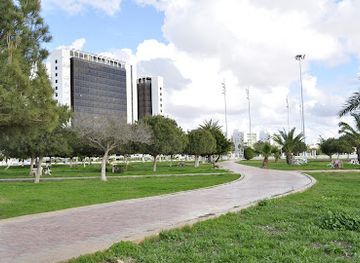
Tibesti Hotel
Discover the comfort of Tibesti Hotel in Benghazi, where modern amenities meet Libyan hospitality, perfect for any traveler.
-
Historical landmark
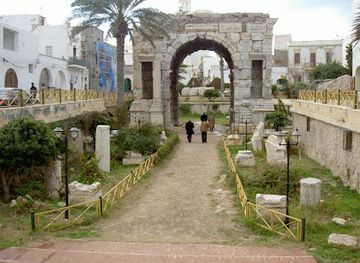
Arc of Marcus Aurelius
Discover the Arc of Marcus Aurelius in Tripoli: a magnificent historical landmark showcasing Roman architecture and rich Libyan heritage.
-
Zoo
Benghazi Zoo
Explore Benghazi Zoo: A vibrant sanctuary for wildlife and a delightful retreat for families in the heart of Libya's cultural landscape.
-
Archaeological museum
Saraya Museum
Explore the rich archaeological heritage of Libya at the Saraya Museum, an essential stop for tourists in Tripoli's historic Old City.
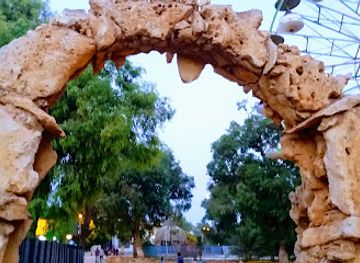

Explore Tibesti Mountains on the map
Plan your trip on one map. See where the top cities, national parks and sights are, and book hotels and experiences in a few clicks.
Best hotels in Tibesti Mountains
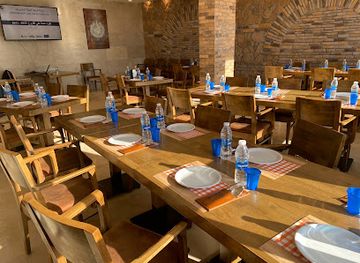
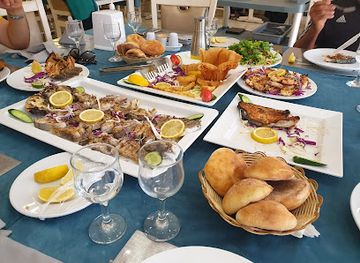
Best restaurants in Tibesti Mountains
There is no established restaurant scene in the Libyan Tibesti. Food for an authorised expedition must be purchased and carried from a suitable Libyan town, with supplies planned around the length of the journey, vehicle capacity and the absence of shops or dependable water points. Meals are likely to rely on durable staples such as bread, rice, pasta, dates, tea, tinned food and fresh provisions consumed early in the route. In southern Libyan communities, visitors may encounter dishes and hospitality shaped by Arab, Toubou and wider Saharan traditions, but local food practices vary and should not be presented as a single Tibesti cuisine. Tea is an important feature of social hospitality across much of the Sahara, while dates and grain-based foods travel well in arid environments. Any meat, dairy or fresh produce should be sourced through the operator and handled carefully. Dietary requirements must be discussed before departure, since refrigeration, shops and alternative provisions cannot be assumed in the mountains.
-
Lebanese
Fattoush Lebanese Restaurant
Experience authentic Lebanese cuisine at Fattoush Restaurant in Tripoli - where flavor meets tradition in every dish.
-
Seafood
Rubian Restuarant
Discover fresh seafood delights at Rubian Restaurant in Tripoli – where every bite is a taste of coastal bliss.
-
Restaurant
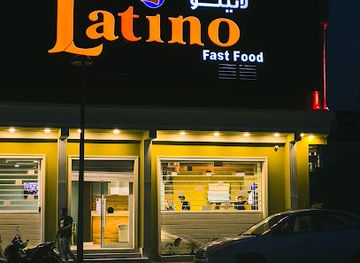
Latino
Discover authentic Latin cuisine at Latino in Tripoli – a delightful culinary journey filled with vibrant flavors and welcoming ambiance.
-
Restaurant
Aldyafa Restaurant
Discover the authentic taste of Libya at Aldyafa Restaurant in Tripoli - where local flavors meet international cuisine.
Best bars in Tibesti Mountains
The Libyan Tibesti has no bars, nightclubs or organised nightlife. Evening life on an expedition centres on preparing food, drinking tea, checking vehicles and communications, and resting after travel in an exposed desert environment. Social interaction depends on the host community, guides and expedition team rather than on commercial entertainment. Libya is a predominantly Muslim country, and visitors should respect local expectations concerning alcohol, dress and public behaviour; alcohol should not be carried into this sensitive borderland. In the nearest functioning towns, evening activity may include cafés, tea gatherings and ordinary restaurants, but services vary and should not be assumed to operate on a fixed tourist schedule. Nights in the mountains can be cold, exceptionally dark and logistically demanding, making camp discipline and security more important than leisure.
-
Lebanese
Fattoush Lebanese Restaurant
Experience the authentic taste of Lebanon at Fattoush Lebanese Restaurant in Tripoli, where flavors and hospitality come together.
-
Restaurant
Take Away Restaurant
Experience authentic Libyan cuisine at Take Away Restaurant in Tripoli, where every dish is a journey of flavors.
-
Cafe
dipndip Libya
Experience a sweet oasis at Dipndip Libya, where decadent chocolate desserts meet stunning seaside views in Tripoli.
-
Italian
Kimbo Libya
Discover authentic Italian cuisine at Kimbo Libya in Tripoli, where every meal is a celebration of flavor and culture.
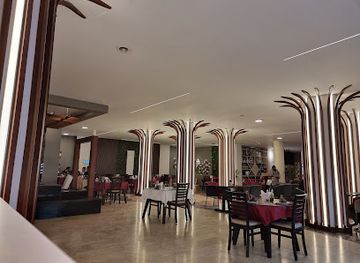
Best nightclubs in Tibesti Mountains
The Libyan Tibesti has no bars, nightclubs or organised nightlife. Evening life on an expedition centres on preparing food, drinking tea, checking vehicles and communications, and resting after travel in an exposed desert environment. Social interaction depends on the host community, guides and expedition team rather than on commercial entertainment. Libya is a predominantly Muslim country, and visitors should respect local expectations concerning alcohol, dress and public behaviour; alcohol should not be carried into this sensitive borderland. In the nearest functioning towns, evening activity may include cafés, tea gatherings and ordinary restaurants, but services vary and should not be assumed to operate on a fixed tourist schedule. Nights in the mountains can be cold, exceptionally dark and logistically demanding, making camp discipline and security more important than leisure.
-
 Night club
دار التبن
Discover the vibrant nightlife at دار التبن in Ain Zara, where music, dancing, and local culture collide for an unforgettable experience.
Best shops in Tibesti Mountains
There is no tourist shopping infrastructure in the Libyan Tibesti. Visitors should obtain fuel, food, water containers, batteries, communications equipment and other expedition necessities before entering the border desert, because informal supplies cannot be relied upon. In nearby Libyan towns, ordinary markets may offer dates, bread, tea, textiles and practical desert provisions, while locally made clothing or decorative work may reflect Arab or Toubou traditions. Purchases should be made respectfully and through legitimate sellers, with fair prices agreed clearly. Do not buy antiquities, old coins, fossils, weapons, military objects or pieces of rock art, even if a seller claims they were found locally; removal of cultural material damages the landscape and may create legal problems. Souvenirs are best limited to contemporary goods whose origin and lawful sale are clear. Retail facilities, exchange arrangements and stock can change considerably outside Libya’s larger settlements, so all essential equipment should be planned in advance rather than purchased at the border.
-
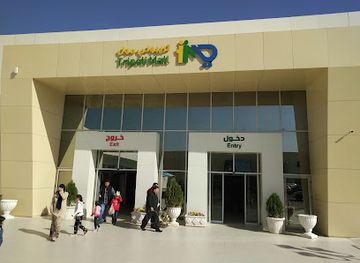
Shopping mall
Tripoli Mall
Explore the dynamic shopping experience at Tripoli Mall, where local culture meets modern retail in the heart of Tajoura, Libya.
-
Boutique
Just For You
Explore the essence of Libyan culture at Just For You, a charming boutique in Tripoli offering unique local crafts and fashion.
-
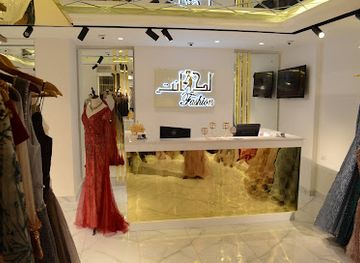
Women's clothing store
Ante-Fashion
Shop the latest trends in women's fashion at Ante-Fashion, Tripoli's premier boutique blending local craftsmanship and modern styles.
-
Gift shop
Turquoise store - متجر تركواز
Explore the vibrant Turquoise Store in Tripoli for unique Libyan gifts and authentic souvenirs that capture the essence of your travels.
Get your free copy of our complete guide to Tibesti Mountains, delivered straight to you.
Everything on this page, from attractions and restaurants to essentials and local phrases, in one PDF you can read offline, print or share.
Already have an account? Sign in
Your Tibesti Mountains guide is ready.
We'll send it to · Not you? Sign out

Getting your guide ready…
We are putting together a fresh copy of the Tibesti Mountains guide. This can take up to a minute.
This can take a few moments. If your browser asks, choose Allow so the download can start. You'll find the guide in your Downloads folder.
Nothing happened? Download it again
Sorry, the guide is taking longer than usual. Please try again in a minute, or get it by email instead.
Tibesti Mountains essentials
Currency and Payment
Safety
Emergency Situations
Do's and Don'ts
Local Tips
From Eve
Local phrases worth knowing
You don't need to get them perfect. A few words go a long way, and locals appreciate the effort.
Basics
| English | Local | Say it |
|---|---|---|
| Hello | Ahlan | [Ah-lan] |
| Goodbye | Ma'a as-salama | [Ma-a as-sa-la-ma] |
| Yes | Na'am | [Na-am] |
| No | La | [La] |
| Please/You're welcome | Afwan | [Af-wan] |
| Thank you | Shukran | [Shu-kran] |
| Excuse me/Sorry | Asef | [A-sef] |
| How are you? | Kayfa halak? | [Kay-fa ha-lak] |
| Fine. And you? | Ana bikhair. Wa anta? | [A-na bi-khair. Wa an-ta?] |
| Do you speak English? | Hal tatakallam al-ingliziya? | [Hal ta-ta-kal-lam al-in-gli-zi-ya?] |
| I don't understand | Ana la afham | [A-na la af-ham] |
Eating & Drinking
| English | Local | Say it |
|---|---|---|
| I'd like to see the menu, please | Urid an ara al-menu, min fadlak | [U-rid an a-ra al-me-nu, min fad-lak] |
| I don't eat meat | Ana la akul lahm | [A-na la a-kul lahm] |
| Cheers! | Sahtein! | [Sah-tein] |
| I would like to pay, please | Urid an adfa'a, min fadlak | [U-rid an ad-fa-a, min fad-lak] |
Emergencies
| English | Local | Say it |
|---|---|---|
| Help! | Al-help! | [Al-help] |
| Go away! | Izhab! | [I-zhab] |
| Call the Police! | Ittasil bil-shurta! | [It-ta-sil bil-shur-ta] |
| Call a doctor! | Ittasil bi-tabeeb! | [It-ta-sil bi-ta-beeb] |
| I'm lost | Ana dakhil | [A-na da-khil] |
| I'm ill | Ana marid | [A-na ma-rid] |
Shopping
| English | Local | Say it |
|---|---|---|
| I'd like to buy... | Urid an ashtari... | [U-rid an ash-ta-ri] |
| I'm just looking | Ana a'atith | [A-na a-a-tith] |
| How much is it? | Kam thamanuh? | [Kam tha-ma-nuh?] |
| That's too expensive | Thalika ghalil jidan | [Tha-li-ka gha-lil ji-dan] |
| Can you lower the price? | Hal yumkinuka khafdh al-thaman? | [Hal yum-ki-nu-ka khaf-dh al-tha-man?] |
Time & Numbers
| English | Local | Say it |
|---|---|---|
| What time is it? | Kam as-sa'a? | [Kam as-sa-a?] |
| It's one o'clock | Al-saa'a wahida | [Al-saa-a wa-hi-da] |
| Half past (10) | Nisf al-saa'a (10) | [Nisf al-saa-a (10)] |
| Morning | Sabaah | [Sa-bah] |
| Afternoon | Ba'ad al-dhuhr | [Ba-ad al-dhuhr] |
| Evening | Masa'a | [Ma-sa-a] |
| Yesterday | Ams | [Ams] |
| Today | Al-yawm | [Al-yawm] |
| Tomorrow | Ghad | [Ghad] |
| 1 | Wahid | [Wa-hid] |
| 2 | Ithnain | [Ith-nain] |
| 3 | Thalatha | [Tha-la-tha] |
| 4 | Arba'a | [Ar-ba-a] |
| 5 | Khamsa | [Khams-a] |
| 6 | Sitta | [Sit-ta] |
| 7 | Sab'a | [Sab-a] |
| 8 | Thamaniya | [Tha-ma-ni-ya] |
| 9 | Tis'a | [Tis-a] |
| 10 | Ashara | [A-sha-ra] |
Transport & Directions
| English | Local | Say it |
|---|---|---|
| Where's a/the...? | Ayna...? | [Ay-na...?] |
| What's the address? | Ma huwa al-'unwan? | [Ma hu-wa al-un-wan?] |
| Can you show me (on the map)? | Hal yumkinuka an turini (ala al-kharita)? | [Hal yum-ki-nu-ka an tu-ri-ni (a-la al-kha-ri-ta)?] |
| When's the next (bus)? | Matai al-hafirah al-qadima? | [Ma-tai al-ha-fi-rah al-qa-di-ma?] |
| A ticket (to ....) | Tazkara (ila ...) | [Taz-ka-ra (i-la ...)] |
History of Tibesti Mountains
Prehistoric Sahara and Rock Art
The wider Tibesti region preserves evidence of an ancient Sahara that was periodically wetter than today. Rock engravings and paintings across the massif and surrounding desert record wild animals, herding scenes and changing human activity, although many of the best-known and most accessible concentrations lie in Chad rather than Libya. The Libyan fringe belongs to the same broad cultural and environmental zone. Its archaeological importance reflects not a single civilisation, but repeated movement, adaptation and exchange as climate shifted across the central Sahara.
Formation of a Volcanic Mountain World
Tibesti is a major volcanic massif formed through long geological processes that produced lava plateaux, volcanic cones, hot springs, deeply cut valleys and extensive erosion. The range rises dramatically from the surrounding desert, creating local conditions that can retain water for longer than the open plains. Its geological character helped shape human settlement and travel, while its remoteness limited large-scale urban development. The volcanic landscape remains one of the defining features of the Libyan–Chadian borderland.
Toubou Communities and Trans-Saharan Mobility
For centuries, Toubou communities have occupied and travelled through the mountains, oases and desert corridors of the central Sahara. Pastoralism, seasonal movement, mountain water sources and caravan exchange connected settlements over distances that later national borders would divide. Teda communities are especially associated with the northern Tibesti cultural sphere. Their history should not be reduced to desert romanticism: survival depended on detailed environmental knowledge, negotiated access to water and complex relationships among communities and neighbouring states.
Ottoman and European Border-Making
The Tibesti lay beyond the effective, continuous control of distant imperial administrations for much of its history. During the late nineteenth and early twentieth centuries, Ottoman influence from the north and European colonial expansion from surrounding territories increasingly brought the central Sahara into formal diplomatic and military calculations. Boundaries between Libya, Chad and neighbouring regions were drawn through landscapes whose communities and routes had never followed straight national lines. The resulting frontier remains historically significant as well as politically sensitive.
Libya, Chad and the Wars of the Late Twentieth Century
The Libyan–Chadian borderlands became strategically important during the conflicts between Libya and Chad in the 1970s and 1980s. Military campaigns, territorial claims and the deployment of armed forces affected the desert routes and communities around the Tibesti. The period left a legacy of insecurity and unexploded ordnance concerns in parts of the wider border zone. It also reinforced the political importance of the so-called Aouzou Strip, a disputed area that was ultimately awarded to Chad by the International Court of Justice in 1994.
Contemporary Borderland Pressures
In the twenty-first century, instability in Libya and the Sahel has made the Tibesti borderland particularly difficult to visit. Armed groups, informal trade, migration routes, contested authority and limited state services intersect across a vast area. Developments in one country can quickly affect access in the other. The modern history of the Libyan Tibesti is therefore not simply an account of remote landscapes, but of how strategic borders, weak infrastructure and trans-Saharan connections continue to shape everyday movement and the prospects for tourism.
Tibesti Mountains in Photos
Browse through our photo collection highlighting the charm and character of the destination.
Neighbouring regions of Tibesti Mountains
The closest regions to Tibesti Mountains, if you have time for more than one.
-

-

-

-

-


Swipe for more regions
Explore more

Explore more of Libya
Discover Libya: Ancient ruins, vast deserts, and Mediterranean charm await in this North African gem.
Explore Libya