

Old Basilica, Zliten Travel Guide
Free Guide: Explore the majestic ruins of the Severan Basilica in Leptis Magna, a testament to Roman grandeur and civic life in ancient North Africa.


A brief summary of Old Basilica
Explore the majestic ruins of the Severan Basilica in Leptis Magna, a testament to Roman grandeur and civic life in ancient North Africa.
The Old Basilica, also known as the Severan Basilica, stands as a remarkable testament to Roman civic architecture within the ancient city of Leptis Magna. Constructed during the reign of Emperor Septimius Severus in the early 3rd century CE, it served as a vital center for public gatherings, legal proceedings, and religious ceremonies. Today, its well-preserved ruins offer visitors a glimpse into the grandeur of Roman life in North Africa.
- Address
- J7QW+H53, Leptis Magna
Getting there
Walking
Public Transport
Discover more about Old Basilica
Overview
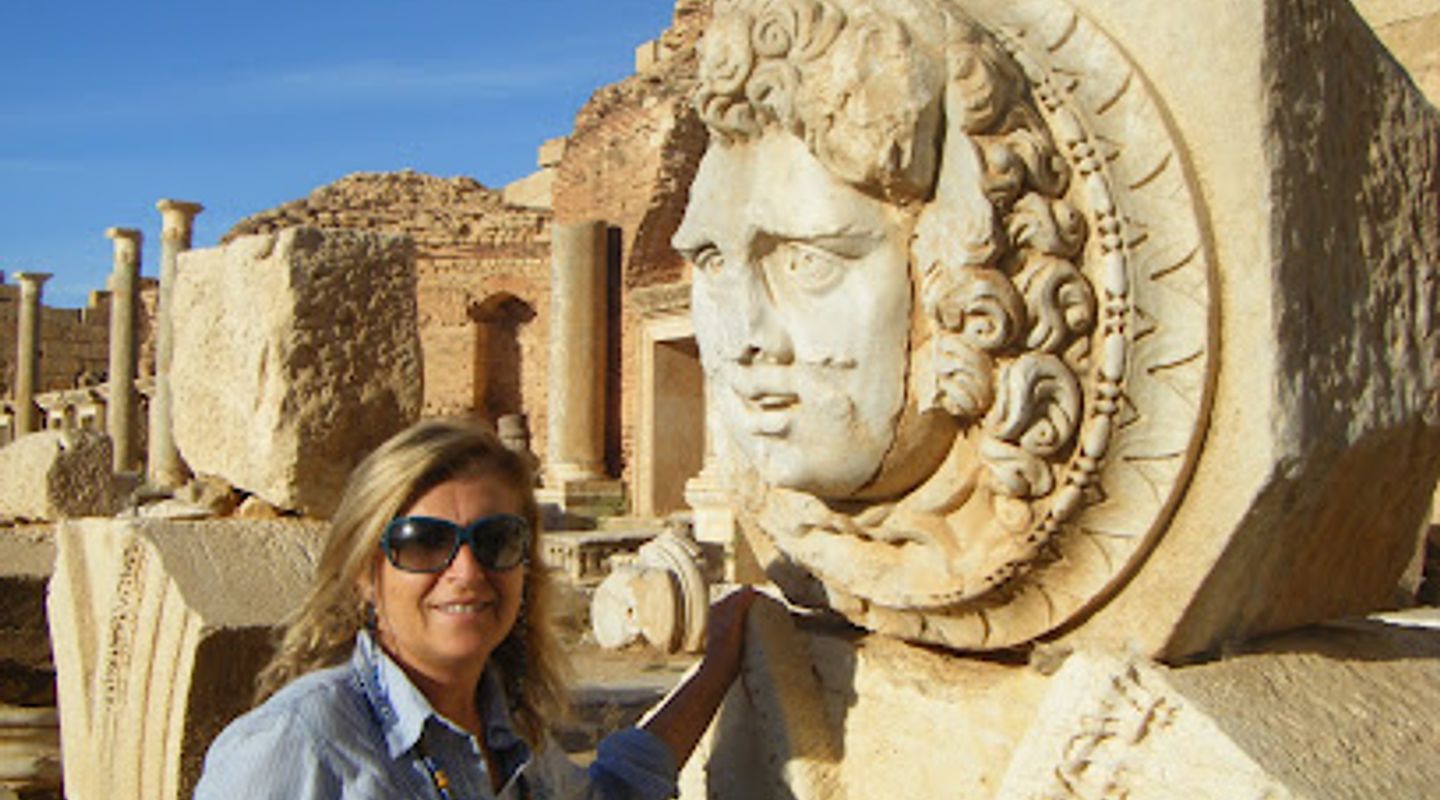
The Severan Basilica at Leptis Magna is one of the most impressive and significant structures in this ancient Roman city. Built during the reign of Emperor Septimius Severus, who was born in Leptis Magna, the basilica was part of a grand architectural program to showcase the city's prominence within the Roman Empire. Completed around 216 CE, the basilica served multiple purposes, functioning as a courthouse, administrative center, and a venue for public gatherings.The basilica's design was inspired by the Basilica Ulpia in Rome. It measured approximately 95 meters long and 35 meters wide and was divided into three naves separated by rows of columns made of Egyptian purple granite. The interior featured elaborate decorative elements, including friezes, statues, and mosaics, reflecting the city's wealth and artistic achievements. At each end of the basilica were apses with slightly raised platforms, possibly used by magistrates during legal hearings. Some columns were decorated with representations of Hercules and Dionysus, protectors of the city since Phoenician times.In the 6th century, during the Byzantine era, the basilica was restored and converted into a church dedicated to Mary, the Mother of God. This conversion involved the addition of a pulpit and a baptistery. Despite the various invasions and periods of decline that Leptis Magna faced, the Severan Basilica remains one of the best-preserved Roman sites in the Mediterranean. Today, as part of the UNESCO World Heritage site, visitors can explore the basilica's ruins, imagining the bustling activity and important decisions that once took place within its walls.
Evendo Review Centre
 Google
Guest reviews
Explore Old Basilica on the map
A handpicked selection of must-see spots near Old Basilica, mapped for you.
Get your free copy of our complete guide to Old Basilica, delivered straight to you.
Everything on this page, from opening hours and how to get there to Eve’s tips and the best time to go, in one PDF you can read offline, print or share.
Already have an account? Sign in
Your Old Basilica guide is ready.
We'll send it to · Not you? Sign out

Getting your guide ready…
We are putting together a fresh copy of the Old Basilica guide. This can take up to a minute.
This can take a few moments. If your browser asks, choose Allow so the download can start. You'll find the guide in your Downloads folder.
Nothing happened? Download it again
Sorry, the guide is taking longer than usual. Please try again in a minute, or get it by email instead.
Other nearby places you may find interesting
The closest places of the same kind, if this one is not quite what you had in mind.
-
-
-
-


Swipe for more places
More to explore near Old Basilica

 Best experiences near Old Basilica
 Best hotels near Old Basilica
 Best landmarks near Old Basilica
 Best attractions near Old Basilica
 Best shops near Old Basilica
 Best restaurants near Old Basilica
 Best bars near Old Basilica
Do you manage this location?
Take control to get all the benefits, like improved information, better appearance, and stronger visibility across AI-powered discovery.
Explore more

Explore more of Zliten
Discover the hidden gem of Zliten, Libya, where history, culture, and natural beauty converge along the stunning Mediterranean coast.
Explore Zliten
Explore more of Libya
Discover Libya: Ancient ruins, vast deserts, and Mediterranean charm await in this North African gem.
Explore Libya
