

Alp Pradamee Trail Travel Guide - Free Web & App
Your ultimate guide to Alp Pradamee Trail. Discover top landmarks, proposed trips, and local tips. Free on the web or via the Evendo companion app.


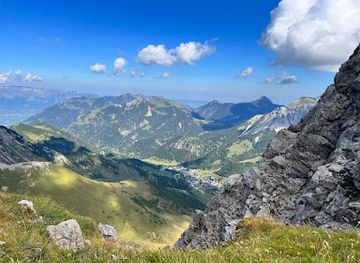
Explore the enchanting Alp Pradamee Trail in Liechtenstein, where breathtaking alpine scenery, diverse wildlife, and serene mountain paths await your discovery.
Read more about Alp Pradamee Trail
When is the best time to visit Alp Pradamee Trail?
Best: June–August · 21–23°C| Month | High (°C) | Rainfall (mm) |
|---|---|---|
| January | 3 | 70 |
| February | 4 | 60 |
| March | 8 | 50 |
| April | 13 | 40 |
| May | 17 | 40 |
| June (best) | 21 | 50 |
| July (best) | 23 | 60 |
| August (best) | 22 | 60 |
| September | 19 | 50 |
| October | 15 | 50 |
| November | 10 | 60 |
| December | 5 | 70 |
Getting to and around Alp Pradamee Trail
How to get there
Transportation
Best attractions in Alp Pradamee Trail
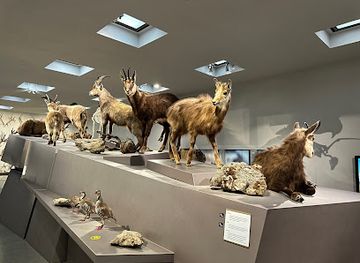
The Alp Pradamee Trail in Liechtenstein offers visitors a picturesque journey through stunning alpine landscapes, with breathtaking views of snow-capped mountains, lush meadows, and crystal-clear lakes. Along the trail, travelers can explore charming mountain villages, visit historic sites such as ancient castles and churches, and encounter local wildlife such as ibex and chamois. Outdoor enthusiasts can enjoy a variety of activities including hiking, mountain biking, and paragliding, while those seeking relaxation can unwind in peaceful nature surroundings. With its combination of natural beauty and cultural heritage, the Alp Pradamee Trail promises a memorable and immersive experience for all types of travelers.
-
Tourist attraction
Heididorf
Step into the world of Heidi in this charming Swiss village, a living tribute to Johanna Spyri's timeless tale.
-
Animal park
Vogelparadies Birka
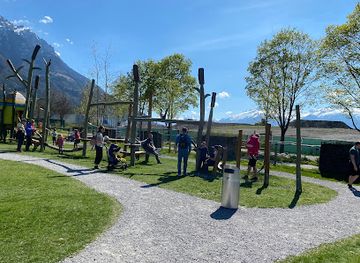
Discover a charming bird park in Liechtenstein with diverse bird species, a playground, and a petting zoo for a delightful family outing.
-
Mountain peak
Alpspitz
Hike to the summit of Alpspitz for breathtaking panoramic views of four countries from Liechtenstein's Rätikon range.
-
Hiking area
Fürstin-Gina-Weg
Hike the Fürstin-Gina-Weg in Malbun, Liechtenstein, for stunning alpine views, diverse flora, and a rewarding mountain experience.

Best landmarks in Alp Pradamee Trail
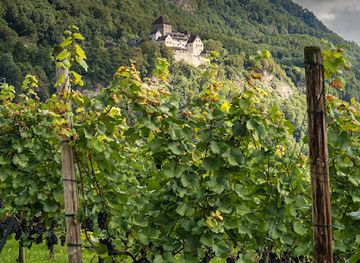
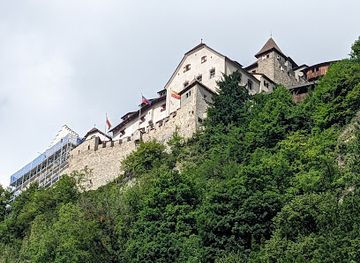
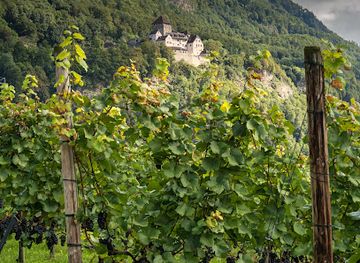
Alp Pradamee Trail offers visitors a mesmerizing journey through lush green meadows, breathtaking mountain views, and charming alpine villages. Along the trail, you will encounter historic chapels, picturesque farms, and crystal-clear mountain streams. The highlight of the trail is the iconic Vaduz Castle perched on a hill, providing a stunning backdrop for your adventure. Whether you are a nature lover, history enthusiast, or simply seeking a peaceful retreat, Alp Pradamee Trail promises an unforgettable experience for all.
-
Tourist attraction
Vaduz Castle
Discover the stunning Vaduz Castle, a historic symbol of Liechtenstein with breathtaking views and a rich cultural heritage.
-
Tourist attraction
Burg Gutenberg
Explore the enchanting Burg Gutenberg, a medieval fortress in Balzers, Liechtenstein, offering breathtaking views and a rich historical experience.
-
Tourist attraction
Kathedrale St. Florin
Explore the architectural beauty and serene atmosphere of St. Florin Cathedral in Vaduz, a captivating landmark that reflects Liechtenstein's rich history.
-
Tourist information center
Liechtenstein Center
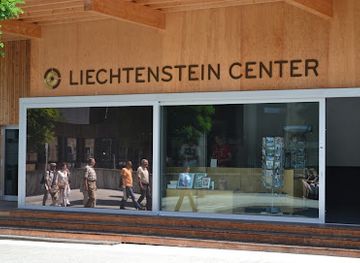
Discover the charm of Liechtenstein at the Liechtenstein Center, your gateway to exploring Vaduz and its breathtaking surroundings.


Explore Alp Pradamee Trail on the map
Plan your trip on one map. See where the top attractions, landmarks, restaurants and hotels are, and book hotels and experiences in a few clicks.
Best hotels in Alp Pradamee Trail
Best restaurants in Alp Pradamee Trail
The dining scene of Alp Pradamee Trail offers a unique and charming experience for visitors, with a variety of traditional Swiss and Liechtenstein cuisine served in cozy mountain chalets. From hearty cheese fondue and raclette to savory rösti and schnitzel, visitors can indulge in delicious dishes made with locally sourced ingredients while enjoying stunning panoramic views of the surrounding mountains. The warm hospitality of the restaurant owners adds to the overall dining experience, making it a must-visit destination for food enthusiasts looking to immerse themselves in the rich culinary traditions of the region.
-
 Restaurant
Park Hotel Sonnenhof
Discover luxury and tranquility at Park Hotel Sonnenhof in Vaduz - where fine dining meets exceptional hospitality amidst stunning Alpine views.
-
Restaurant
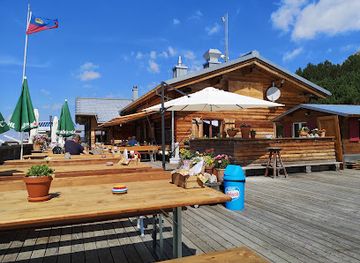
Berggasthaus Masescha
Experience exquisite local cuisine at Berggasthaus Masescha, surrounded by stunning alpine views in Triesenberg.
-
Brasserie
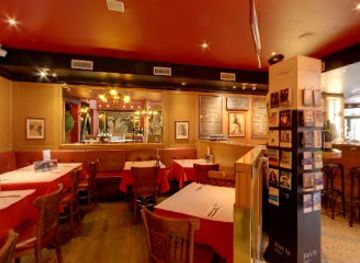
Brasserie Burg
Discover Brasserie Burg in Vaduz: A delightful blend of modern brasserie fare, gourmet burgers, and Italian classics set against a vibrant ambiance.
-
Family-friendly
Sareis
Experience family-friendly dining at Sareis in Malbun, where local flavors meet breathtaking mountain views.
Best bars in Alp Pradamee Trail
Experience the vibrant nightlife of Alp Pradamee Trail, where cozy mountain bars and charming alpine pubs come alive after dark. Enjoy local brews and traditional dishes while mingling with friendly locals and fellow travelers. Dance the night away to live music or relax with a cocktail while taking in breathtaking mountain views. Whether you're looking for a lively party scene or a laid-back evening, Alp Pradamee Trail has something for every nightlife enthusiast.
-
Restaurant
Park Hotel Sonnenhof
Experience the perfect blend of luxury and culinary excellence at Park Hotel Sonnenhof in Vaduz, Liechtenstein's charming capital.
-
Restaurant
Berggasthaus Masescha
Experience the perfect blend of stunning mountain views and exquisite local cuisine at Berggasthaus Masescha in Triesenberg.
-
Brasserie
Brasserie Burg
Discover the flavors of Vaduz at Brasserie Burg, where gourmet burgers and authentic Italian cuisine meet a cozy, welcoming atmosphere.
-
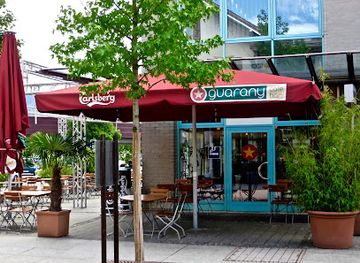
Bar
Guarany Cafe-Bar
Discover the vibrant atmosphere of Guarany Cafe-Bar in Buchs, where great drinks and a cozy ambiance await travelers.
Best nightclubs in Alp Pradamee Trail
Experience the vibrant nightlife of Alp Pradamee Trail, where cozy mountain bars and charming alpine pubs come alive after dark. Enjoy local brews and traditional dishes while mingling with friendly locals and fellow travelers. Dance the night away to live music or relax with a cocktail while taking in breathtaking mountain views. Whether you're looking for a lively party scene or a laid-back evening, Alp Pradamee Trail has something for every nightlife enthusiast.
-
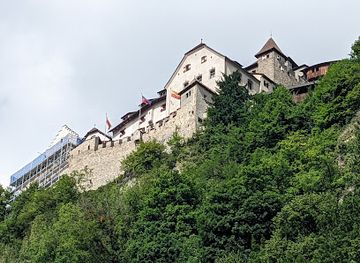
Tourist attraction
Vaduz Castle
Discover Vaduz Castle, a historic gem in Liechtenstein, offering breathtaking views, rich history, and enchanting architecture.
-
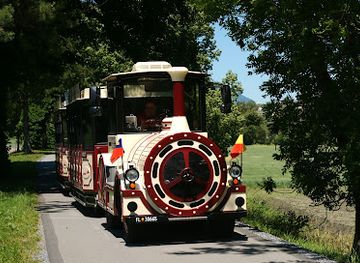
Tourist attraction
Vaduz Citytrain AG
Explore Vaduz like never before with Citytrain AG: an unforgettable sightseeing journey through Liechtenstein's capital.
-
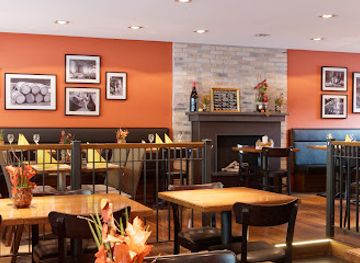
Restaurant
New Castle
Experience the flavors of Liechtenstein at New Castle in Vaduz, where local ingredients meet culinary creativity in a vibrant setting.
-
Winery
Cellars of the Prince of Liechtenstein
Explore the Cellars of the Prince of Liechtenstein, a unique winery experience in Vaduz offering exquisite wines and a glimpse into royal heritage.
Best shops in Alp Pradamee Trail
The shopping scene of Alp Pradamee Trail offers a unique experience for visitors, with charming local shops selling handmade crafts, traditional souvenirs, and delicious Alpine treats. From cozy woolen sweaters to intricately carved wooden ornaments, there is something for everyone to take home as a special memento of their time in Liechtenstein. Visitors can expect to stroll through quaint villages, browsing through boutique stores and sampling local delicacies, all while taking in the breathtaking mountain views that surround them. Whether looking for a one-of-a-kind gift or simply wanting to immerse themselves in the rich culture of the region, the shopping scene of Alp Pradamee Trail is sure to delight tourists and leave them with lasting memories.
-
Tourist attraction
Vaduz Castle
Discover the rich history and stunning views at Vaduz Castle, a must-see landmark in the heart of Liechtenstein's capital.
-
Tourist information center
Liechtenstein Center
Experience the essence of Liechtenstein at the Liechtenstein Center, your gateway to exploring this stunning principality.
-
Museum
Liechtensteinisches LandesMuseum
Explore the rich history and vibrant culture of Liechtenstein at the Landesmuseum, a must-visit destination in Vaduz for art and history enthusiasts.
-
Winery
Cellars of the Prince of Liechtenstein
Explore the rich tradition of winemaking at the Cellars of the Prince of Liechtenstein, where elegance meets exquisite taste in every glass.
Get your free copy of our complete guide to Alp Pradamee Trail, delivered straight to you.
Everything on this page, from attractions and restaurants to essentials and local phrases, in one PDF you can read offline, print or share.
Already have an account? Sign in
Your Alp Pradamee Trail guide is ready.
We'll send it to · Not you? Sign out

Getting your guide ready…
We are putting together a fresh copy of the Alp Pradamee Trail guide. This can take up to a minute.
This can take a few moments. If your browser asks, choose Allow so the download can start. You'll find the guide in your Downloads folder.
Nothing happened? Download it again
Sorry, the guide is taking longer than usual. Please try again in a minute, or get it by email instead.
Alp Pradamee Trail essentials
Currency and Payment
Safety
Emergency Situations
Do's and Don'ts
Local Tips
From Eve
Local phrases worth knowing
You don't need to get them perfect. A few words go a long way, and locals appreciate the effort.
Basics
| English | Local | Say it |
|---|---|---|
| Hello | Hallo | [ha-loh] |
| Goodbye | Adieu | [ah-dyou] |
| Yes | Ja | [yah] |
| No | Nein | [nyne] |
| Please/You're welcome | Bitte | [bit-teh] |
| Thank you | Danke | [dahn-keh] |
| Excuse me/Sorry | Entschuldigung | [ent-shool-dee-goong] |
| How are you? | Wie geht es Ihnen? | [vee geht es een-en] |
| Fine. And you? | Gut. Und Ihnen? | [goot oond een-en] |
| Do you speak English? | Sprechen Sie Englisch? | [spreh-khen zee eng-leesh] |
| I don't understand | Ich verstehe nicht | [ikh fehr-shte-he neekt] |
Eating & Drinking
| English | Local | Say it |
|---|---|---|
| I'd like to see the menu, please | Ich möchte bitte die Speisekarte sehen | [ikh merkh-teh bit-teh dee shpae-zeh-kahr-teh zeh-en] |
| I don't eat meat | Ich esse kein Fleisch | [ikh eh-seh kine fleysh] |
| Cheers! | Prost! | [prohst] |
| I would like to pay, please | Ich möchte bitte bezahlen | [ikh merkh-teh bit-teh beh-tsa-len] |
Emergencies
| English | Local | Say it |
|---|---|---|
| Help! | Hilfe! | [hil-feh] |
| Go away! | Geh weg! | [geh vehg] |
| Call the Police! | Rufen Sie die Polizei! | [roo-fen zee dee po-lee-tsey] |
| Call a doctor! | Rufen Sie einen Arzt! | [roo-fen zee ine-en ahrts] |
| I'm lost | Ich bin verloren | [ikh been fehr-loh-ren] |
| I'm ill | Ich bin krank | [ikh been krahngk] |
Shopping
| English | Local | Say it |
|---|---|---|
| I'd like to buy... | Ich möchte ... kaufen | [ikh merkh-teh ... kow-fen] |
| I'm just looking | Ich schaue nur | [ikh shou-eh noor] |
| How much is it? | Wie viel kostet es? | [vee feel kohs-teht es] |
| That's too expensive | Das ist zu teuer | [dahs ist tsoo toy-er] |
| Can you lower the price? | Können Sie den Preis senken? | [kuh-nen zee den prees zehn-ken] |
Time & Numbers
| English | Local | Say it |
|---|---|---|
| What time is it? | Wie spät ist es? | [vee shpeht ist es] |
| It's one o'clock | Es ist eins | [es ist i-ns] |
| Half past (10) | Halb zehn | [halb tsehn] |
| Morning | Morgen | [mohr-gen] |
| Afternoon | Nachmittag | [nahkh-mit-tahg] |
| Evening | Abend | [ah-bent] |
| Yesterday | Gestern | [ges-tehrn] |
| Today | Heute | [hoi-teh] |
| Tomorrow | Morgen | [mohr-gen] |
| 1 | Eins | [i-ns] |
| 2 | Zwei | [tsvai] |
| 3 | Drei | [dry] |
| 4 | Vier | [feer] |
| 5 | Fünf | [foonf] |
| 6 | Sechs | [zeks] |
| 7 | Sieben | [zee-ben] |
| 8 | Acht | [ahkt] |
| 9 | Neun | [noyn] |
| 10 | Zehn | [tsehn] |
Transport & Directions
| English | Local | Say it |
|---|---|---|
| Where's a/the...? | Wo ist ein/der...? | [vo ist i-nehr] |
| What's the address? | Was ist die Adresse? | [vas ist dee ah-dreh-seh] |
| Can you show me (on the map)? | Können Sie es mir zeigen (auf der Karte)? | [kuh-nen zee es meer tsee-gen ouf der kar-teh] |
| When's the next (bus)? | Wann ist der nächste (Bus)? | [vahn ist der nekh-ste buhs] |
| A ticket (to ....) | Eine Fahrkarte (nach ...) | [i-ne fahr-kahr-teh nahkh] |
History of Alp Pradamee Trail
Origins of Alp Pradamee
The Alp Pradamee Trail, nestled in the heart of the Rätikon Alps, traces its roots back to ancient times when local alpine communities used the region for transhumance, the seasonal movement of livestock. The trail itself was part of a network of paths that shepherds used to lead their herds between highland and lowland pastures, ensuring the well-being of both the animals and the landscape.
Medieval Trade Routes
During the medieval period, the Alp Pradamee Trail became a crucial trade route. Merchants from the region would traverse these paths, transporting goods such as cheese, wool, and timber. The trail's elevation and strategic location facilitated trade between the regions of Switzerland, Austria, and Liechtenstein, contributing to the economic development of the area.
The Role in the Thirty Years' War
The Thirty Years' War (1618-1648) had a significant impact on the regions surrounding the Alp Pradamee Trail. The trail and its surrounding areas were used by soldiers and local militias for strategic movements and supplies. The rugged terrain provided a natural defense, and many skirmishes took place in the vicinity. Local folklore still tells tales of hidden treasures and secret hideouts used during this turbulent period.
Development of Alpine Tourism
In the late 19th and early 20th centuries, the Alp Pradamee Trail saw a transformation with the advent of alpine tourism. Pioneering tourists from neighboring countries were drawn to the pristine beauty and challenging terrain. This period saw the establishment of the first mountain huts and marked trails, making the area more accessible to adventurers and nature enthusiasts.
Conservation Efforts and Modern Hiking
The mid-20th century brought a growing awareness of the importance of conservation. Local authorities and environmental organizations undertook efforts to preserve the natural beauty and biodiversity of the Alp Pradamee Trail. Modern hikers can now enjoy well-maintained paths that showcase the region's unique flora and fauna, thanks to these dedicated conservation efforts. The trail has become a symbol of sustainable tourism, balancing human enjoyment with environmental stewardship.
Alp Pradamee Trail in Photos
Browse through our photo collection highlighting the charm and character of the destination.
Neighbouring destination travel guides
The closest destinations to Alp Pradamee Trail, if you have time for more than one.
-

-

-

-

-


Swipe for more destinations
Explore more

Explore more of Oberland
Explore Liechtenstein’s Oberland for Vaduz museums, medieval castles, Walser villages and Alpine trails rising from the Rhine Valley.
Explore Oberland
Explore more of Liechtenstein
Discover the charm of Liechtenstein, a tiny Alpine principality offering medieval castles, stunning hiking trails, and a rich cultural heritage in the heart of Europe.
Explore Liechtenstein