

Oberland, Liechtenstein Travel Guide
Discover the tranquil beauty of Oberland in Liechtenstein, where majestic mountains meet charming villages, offering a perfect blend of outdoor adventure and cultural heritage.
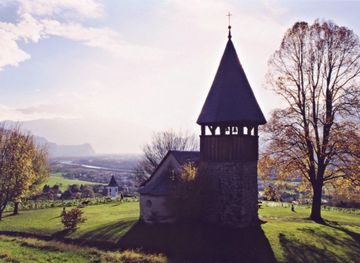
Nestled in the heart of the Alps, the Oberland region of Liechtenstein is a treasure trove of scenic beauty and cultural richness. This picturesque area is renowned for its lush green valleys, majestic mountain peaks, and charming alpine villages. Visitors will find themselves immersed in an idyllic landscape that seems straight out of a fairytale. The Oberland region offers a variety of outdoor activities for nature enthusiasts. Hiking trails of varying difficulty levels lead to breathtaking vistas, while cycling routes provide a unique way to explore the scenic countryside. In the winter months, the area transforms into a winter sports paradise, with skiing and snowboarding opportunities that attract adventurers from around the globe. Beyond its natural allure, Oberland is steeped in history and culture. The region is dotted with historic castles, centuries-old churches, and fascinating museums that tell the story of Liechtenstein's rich heritage. Visitors can also enjoy local culinary delights, with traditional dishes that reflect the region's alpine roots and agricultural bounty.

Know before you go
Hi, I'm Eve. Here are a few practical things to know before exploring Oberland.
- Visit during the summer for the best hiking conditions and stunning alpine blooms.
- Winter sports enthusiasts should plan their trip between December and March for optimal snow conditions.
- Don't miss the Vaduz Castle, offering panoramic views and a glimpse into the royal family's residence.
- Try local dishes like Käsknöpfle and Ribel, which are staples of Liechtenstein's culinary tradition.
- Bring appropriate clothing for changing weather conditions, especially if you plan to explore higher altitudes.
Top City Travel Guides in Oberland
The cities of Oberland, and the easiest places to base yourself.


Destinations in Oberland
Resorts, valleys and scenic spots worth a trip of their own.


Explore Oberland: Things to Do, Places to Eat, Hotels & More
Handpicked recommendations for top attractions, local dining, accommodations, and more

Top Attractions & Sightseeing in Oberland
Top-rated picks
Best Attractions

Küefer-Martis-Huus
Discover the history and culture of Liechtenstein at Küefer-Martis-Huus, an iconic historical landmark in Ruggell.

5-Seen-Wanderung
Hike through stunning alpine scenery on the Pizol's 5-Seen-Wanderung, a classic Swiss trail featuring five crystal-clear mountain lakes.

Bad Ragaz
Experience world-class wellness in Bad Ragaz, Switzerland: thermal spas, stunning alpine scenery, and a rich history await in this charming spa town.

Augstenberg
Hike to the summit of Augstenberg in Malbun, Liechtenstein, for breathtaking panoramic views of the Alps and an unforgettable outdoor adventure.

Best landmarks in Oberland
Top-rated picks
Best Landmarks

Vaduz Castle
Discover the rich history and stunning views at Vaduz Castle, the iconic residence of the Prince of Liechtenstein in the heart of Vaduz.

Burg Gutenberg
Discover the historic Burg Gutenberg in Balzers, where ancient architecture meets vibrant live music for an unforgettable cultural experience.

Kathedrale St. Florin
Discover the serene beauty and architectural elegance of Kathedrale St. Florin, a captivating Catholic cathedral in Vaduz, Liechtenstein.

Vaduz Citytrain AG
Discover Vaduz in style with a scenic ride on the Vaduz Citytrain, where history meets breathtaking landscapes in Liechtenstein's capital.

Best restaurants in Oberland
Top-rated picks
Best Restaurants

New Castle
Discover exquisite local flavors at New Castle in Vaduz, Liechtenstein - where culinary tradition meets modern elegance.

Hotel Turna Malbun
Discover tranquility and adventure at Hotel Turna Malbun in scenic Triesenberg—your gateway to exploring Liechtenstein's natural beauty.

Brasserie Burg
Discover the flavors of Liechtenstein at Brasserie Burg – where culinary excellence meets inviting ambiance.

Sareis
Experience family-friendly dining at Sareis in Malbun—where breathtaking views meet delicious local cuisine.

Best bars in Oberland
Top-rated picks
Best Bars

Berggasthaus Masescha
Experience the perfect blend of stunning views and delicious local cuisine at Berggasthaus Masescha in Triesenberg, Liechtenstein.

Sareis
Experience the essence of family dining at Sareis in Malbun, where delicious cuisine meets stunning mountain views.

Gorfion Familotel Liechtenstein
Experience family-friendly hospitality at Gorfion Familotel Liechtenstein, where adventure meets comfort in the stunning Malbun Alps.

Adler
Experience authentic Swiss cuisine at Adler in Vaduz, where tradition meets modern dining in a charming atmosphere.

Best nightclubs in Oberland
Top-rated picks
Best Nightclubs

LATTMANN'S - Bar & Lounge | Cigars & More | est. 2006 - Bad Ragaz
Discover a luxurious bar and lounge in Bad Ragaz, offering exquisite cigars, crafted cocktails, and delectable meat dishes in a sophisticated setting.

Esquire Bar.Bistro
Experience the vibrant atmosphere and exquisite flavors at Esquire Bar.Bistro in Vaduz, Liechtenstein, where every meal is a celebration.

Black Pearl Bar
Discover the lively Black Pearl Bar in Schaan, where exceptional cocktails meet a vibrant atmosphere for an unforgettable nightlife experience.

Zwei Bar
Experience Vaduz's vibrant nightlife at Zwei Bar, a modern hotspot for cocktails, local brews, and unforgettable social moments.

Best shops in Oberland
Top-rated picks
Best Shops

Sareis
Discover Sareis, a family-friendly restaurant in Malbun, where delicious cuisine meets stunning alpine views for an unforgettable dining experience.

Lama- & Alpakahof Triesenberg
Discover the enchanting Lama- & Alpakahof Triesenberg, where friendly llamas and alpacas await in a stunning alpine paradise.

HUBER - Fine Watches & Jewellery - Weisser Würfel
Explore HUBER in Vaduz for an exquisite selection of fine watches and jewellery, perfect for discerning tourists seeking luxury and elegance.

Hoi Liechtenstein - Souvenir Boutique
Explore Hoi Liechtenstein - a treasure trove of authentic souvenirs, local wines, and gourmet products nestled in the heart of Vaduz.

Explore Oberland on the Map
A handpicked selection of must-see spots in Oberland, mapped for you.
Oberland Essentials
-
Oberland in Liechtenstein is easily accessible from several major European cities. The nearest international airports are Zurich Airport in Switzerland and Friedrichshafen Airport in Germany, both approximately 1.5 to 2 hours away by car. From Zurich, you can take a direct train to Sargans or Buchs SG, and then a bus or taxi to Vaduz, the capital of Liechtenstein. Alternatively, you can drive directly to Oberland using well-maintained European road networks.
-
Transportation within Oberland is convenient and efficient. The local bus network, operated by Liemobil, connects all major towns and attractions. Buses are punctual and well-maintained. For those who prefer driving, car rentals are available, but be aware that parking can be limited in some areas. Cycling is also a popular option, with many scenic bike paths available. Taxis are available but can be relatively expensive.
-
The official currency in Liechtenstein is the Swiss Franc (CHF). Euros are also accepted in many places, but it is best to have Swiss Francs for smaller establishments. Credit and debit cards are widely accepted in hotels, restaurants, and shops. ATMs are readily available for cash withdrawals. It is advisable to carry some cash, especially when visiting rural areas or smaller towns.
-
Oberland is considered very safe for tourists, with low crime rates. However, standard precautions should always be taken. Keep your belongings secure, especially in crowded places like markets and public transportation. There are no specific areas with high crime rates targeting tourists, but staying vigilant is always a good practice.
-
In case of emergency, dial 112 for police, fire, or medical assistance. The healthcare system in Liechtenstein is excellent, with modern medical facilities available in Vaduz and other major towns. It is recommended to have travel insurance that covers medical emergencies. Pharmacies are well-stocked and can provide over-the-counter medications for minor health issues.
-
Fashion: Do dress smartly and modestly. Avoid overly casual or revealing clothing, especially when visiting religious sites. Religion: Do respect local customs and traditions. Always remain quiet and respectful in churches and religious sites. Public Transport: Do be punctual and respect the schedules. Avoid talking loudly or eating on public transport. Greetings: Do greet people with a firm handshake and maintain eye contact. Eating & Drinking: Do try local foods and wines. Don't leave food on your plate, as it may be considered wasteful.
-
To experience Oberland like a local, take part in local festivals and events, such as the Liechtenstein National Day on August 15th. Visit local vineyards and enjoy wine tastings. Hiking is a popular activity; explore the numerous well-marked trails offering stunning alpine views. Engage with locals in cafes and markets, as they are often friendly and willing to share insights about their culture and history.
When is the best time to visit Oberland?
Useful Local Phrases for Oberland
You don't need to speak the language perfectly. Even learning a few simple words can make conversations warmer—and locals usually appreciate the effort.
— Eve

Here are the phrases I use most often in Oberland. Try a few—you'll be surprised how far they go! 😊
❤️
-
- HelloHallo
[Hah-loh] - GoodbyeAuf Wiedersehen
[Owf Vee-der-zay-en] - YesJa
[Yah] - NoNein
[Nyn] - Please/You're welcomeBitte
[Bitt-eh] - Thank youDanke
[Dahn-keh] - Excuse me/SorryEntschuldigung
[Ent-shool-dee-gung] - How are you?Wie geht's?
[Vee gates?] - Fine. And you?Gut. Und dir?
[Goot. Oond deer?] - Do you speak English?Sprechen Sie Englisch?
[Shpreck-en Zee Eng-lish?] - I don't understandIch verstehe nicht
[Eekh fer-shtay-he nikht]
- HelloHallo
-
- I'd like to see the menu, pleaseIch möchte die Speisekarte sehen, bitte
[Eekh merkh-teh dee Shpyze-kahr-teh zay-en, bitt-eh] - I don't eat meatIch esse kein Fleisch
[Eekh ess-eh kyn Flysh] - Cheers!Prost!
[Prohst!] - I would like to pay, pleaseIch möchte bezahlen, bitte
[Eekh merkh-teh beh-tsah-len, bitt-eh]
- I'd like to see the menu, pleaseIch möchte die Speisekarte sehen, bitte
-
- Help!Hilfe!
[Hil-feh!] - Go away!Geh weg!
[Gay vek!] - Call the Police!Rufen Sie die Polizei!
[Roo-fen Zee dee Poh-lee-zai!] - Call a doctor!Rufen Sie einen Arzt!
[Roo-fen Zee eye-nen Arts-t!] - I'm lostIch bin verloren
[Eekh bin fer-lo-ren] - I'm illIch bin krank
[Eekh bin krank]
- Help!Hilfe!
-
- I'd like to buy...Ich möchte ... kaufen
[Eekh merkh-teh ... cow-fen] - I'm just lookingIch schaue nur
[Eekh shau-eh noor] - How much is it?Wie viel kostet das?
[Vee feel kost-et dahs?] - That's too expensiveDas ist zu teuer
[Dahs ist tsu toy-er] - Can you lower the price?Können Sie den Preis senken?
[Kern-en Zee den Pry-s zen-ken?]
- I'd like to buy...Ich möchte ... kaufen
-
- What time is it?Wie spät ist es?
[Vee shpaet ist es?] - It's one o'clockEs ist ein Uhr
[Es ist ine Oor] - Half past (10)Halb (10)
[Halb (10)] - MorningMorgen
[Mor-gen] - AfternoonNachmittag
[Nahkh-mit-tahg] - EveningAbend
[Ah-bend] - YesterdayGestern
[Ges-ter-n] - TodayHeute
[Hoy-teh] - TomorrowMorgen
[Mor-gen] - 1Eins
[Eyns] - 2Zwei
[Tsvi] - 3Drei
[Dry] - 4Vier
[Feer] - 5Fünf
[Fünf] - 6Sechs
[Zex] - 7Sieben
[Zee-ben] - 8Acht
[Ahkt] - 9Neun
[Noyn] - 10Zehn
[Tsayn]
- What time is it?Wie spät ist es?
-
- Where's a/the...?Wo ist ein/das...?
[Vo ist ine/dahs...?] - What's the address?Was ist die Adresse?
[Vas ist dee Ah-dres-se?] - Can you show me (on the map)?Können Sie mir (auf der Karte) zeigen?
[Kern-en Zee meer (owf der Kahr-teh) tsai-gen?] - When's the next (bus)?Wann fährt der nächste (Bus)?
[Vahn fair-t der naysh-teh (Boos)?] - A ticket (to ....)Ein Ticket (nach ...)
[Eyn Tih-ket (nahkh ...)]
- Where's a/the...?Wo ist ein/das...?
History of Oberland
-
Oberland, Liechtenstein, finds its roots in the creation of the Principality of Liechtenstein in 1719. This small yet significant region was formed when the counties of Vaduz and Schellenberg were purchased by Prince Johann Adam Andreas of Liechtenstein. The principality was named after the Liechtenstein family estate in Austria, uniting these formerly independent territories under a single rule.
-
Oberland is renowned for its medieval architecture, particularly its castles and fortresses. Vaduz Castle, perched high above the capital city, has served as the residence of the princely family since the 12th century. This majestic fortress has witnessed numerous historical events, from medieval skirmishes to modern renovations, and remains a symbol of Liechtenstein's enduring heritage.
-
During the Napoleonic Wars, Oberland, like much of Europe, experienced significant upheaval. Liechtenstein managed to maintain its sovereignty and neutrality, a remarkable feat considering the turmoil surrounding it. This period also marked Liechtenstein's transition from feudalism to a more modern state structure, laying the groundwork for its future development.
-
The 20th century brought significant economic changes to Oberland. Initially an agrarian society, Liechtenstein transformed into a prosperous industrial and financial hub. Key industries, such as textiles, ceramics, and later financial services, flourished in the region, driving economic growth and modernizing the local infrastructure.
-
Oberland is rich in cultural traditions and festivals that offer a glimpse into Liechtenstein's vibrant heritage. The annual Liechtenstein National Day, celebrated on August 15th, sees the princely family open Vaduz Castle to the public. Traditional music, dances, and local culinary delights are showcased, reflecting the deep cultural roots and communal spirit of the region.
-
The political landscape of Oberland evolved significantly in the 20th and 21st centuries. Liechtenstein adopted its first constitution in 1921, establishing a constitutional monarchy. Further reforms in the early 2000s enhanced the democratic framework, balancing the powers between the prince and the parliament, and ensuring the region's progressive governance.
-
Oberland is also celebrated for its breathtaking natural landscapes, from the Alpine peaks to the lush Rhine Valley. Conservation efforts have played a crucial role in preserving this natural beauty. The Malbun region, a popular skiing destination, has implemented sustainable tourism practices to protect its pristine environment, making it a model for eco-friendly travel.
Neighbouring Regions of Oberland
The closest regions to Oberland, if you have time for more than one.


Your all‑in‑one travel companion app
Explore expert travel guides, compare and book tours, experiences, hotels, and more—all from the palm of your hand. Download now for seamless trip planning wherever your wanderlust takes you.


Explore More of Liechtenstein

Looking beyond Oberland? Discover Liechtenstein for broader travel guides, local hot-spots, and regional highlights.
Explore LiechtensteinOberland in Photos
Browse through our photo collection highlighting the charm and character of the destination.


The Tranquil Beauty of Oberland in Liechtenstein
Nestled in the heart of the Alps, the Oberland region of Liechtenstein is a treasure trove of scenic beauty and cultural richness. This picturesque area is renowned for its lush green valleys, majestic mountain peaks, and charming alpine villages. Visitors will find themselves immersed in an idyllic landscape that seems straight out of a fairytale. The Oberland region offers a variety of outdoor activities for nature enthusiasts. Hiking trails of varying difficulty levels lead to breathtaking vistas, while cycling routes provide a unique way to explore the scenic countryside. In the winter months, the area transforms into a winter sports paradise, with skiing and snowboarding opportunities that attract adventurers from around the globe. Beyond its natural allure, Oberland is steeped in history and culture. The region is dotted with historic castles, centuries-old churches, and fascinating museums that tell the story of Liechtenstein's rich heritage. Visitors can also enjoy local culinary delights, with traditional dishes that reflect the region's alpine roots and agricultural bounty.