

Sareis Trail Travel Guide - Free Web & App
Your ultimate guide to Sareis Trail. Discover top landmarks, proposed trips, and local tips. Free on the web or via the Evendo companion app.


Explore the Sareis Trail in Liechtenstein: A picturesque hiking destination offering stunning Alpine views, diverse wildlife, and year-round natural beauty.
Read more about Sareis Trail
When is the best time to visit Sareis Trail?
Best: June–August · 22–24°C| Month | High (°C) | Rainfall (mm) |
|---|---|---|
| January | 2 | 45 |
| February | 3 | 38 |
| March | 6 | 48 |
| April | 11 | 61 |
| May | 18 | 73 |
| June (best) | 22 | 84 |
| July (best) | 24 | 89 |
| August (best) | 24 | 80 |
| September | 20 | 68 |
| October | 14 | 56 |
| November | 7 | 49 |
| December | 3 | 44 |
Getting to and around Sareis Trail
How to get there
Transportation
Best attractions in Sareis Trail
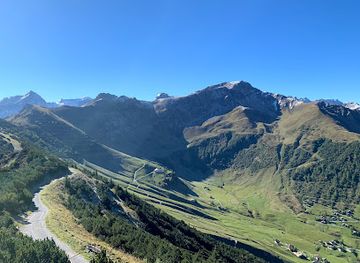
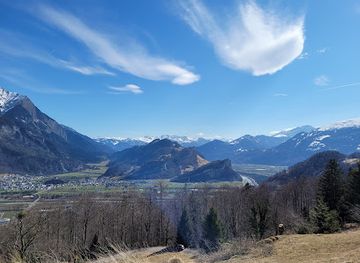
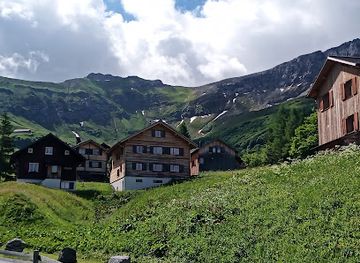
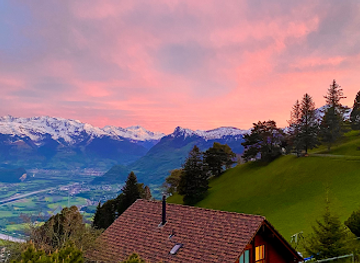
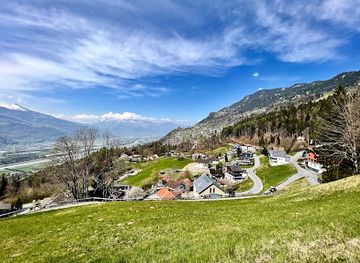
Sareis Trail in Liechtenstein offers visitors a picturesque hiking experience through stunning alpine landscapes, with panoramic views of the Rhine Valley and surrounding mountains. The trail is dotted with charming mountain huts where hikers can rest and enjoy delicious local cuisine. Along the way, visitors can explore historic ruins, including the remains of medieval castles, adding a touch of mystery and intrigue to the journey. With its diverse flora and fauna, Sareis Trail is a nature lover's paradise, providing a unique and unforgettable hiking experience for all who venture there.
-
Tourist attraction
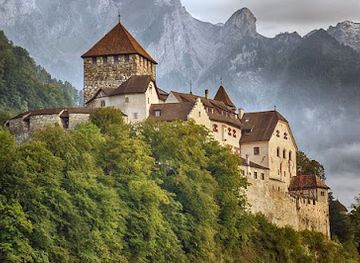
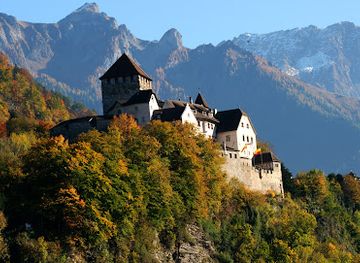
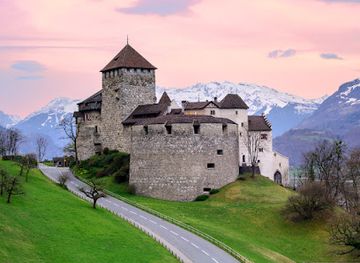
Vaduz Castle
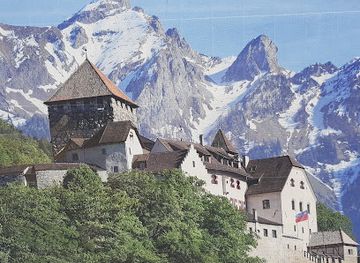
A historic castle overlooking Vaduz, serving as the private residence for the Princely Family of Liechtenstein since the 12th century.
-
Tourist attraction
Vaduz Citytrain AG
Discover Vaduz's charm and history on a relaxing Citytrain tour, offering panoramic views and cultural insights into Liechtenstein's capital.
-
Family-friendly
Sareis
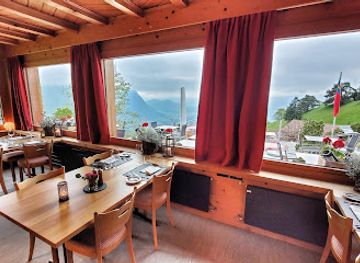
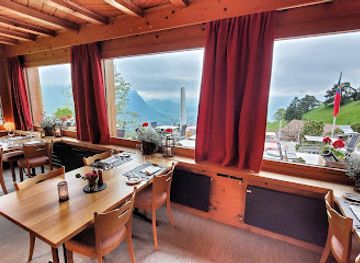
Experience exquisite mountain dining at Sareis in Malbun, Liechtenstein – where stunning views meet delightful local flavors at 2,000 meters.
-
Museum
Liechtensteinisches LandesMuseum
Explore Liechtenstein's rich history and vibrant culture at the LandesMuseum, a captivating destination for art and history enthusiasts in Vaduz.
Best landmarks in Sareis Trail
Sareis Trail in Liechtenstein offers visitors a stunning array of natural beauty and historical landmarks to explore. From the breathtaking views of the Alps to the charming villages nestled along the trail, visitors can immerse themselves in the rich history and culture of the region. Discover ancient castles, picturesque churches, and traditional architecture as you hike through lush forests and meadows. Don't miss the opportunity to sample delicious local cuisine and experience the warm hospitality of the Liechtenstein people. Sareis Trail is a must-visit destination for any traveler seeking an unforgettable adventure in the heart of Europe.
-
Castle
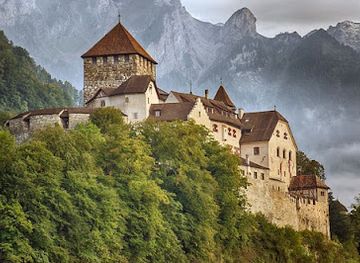
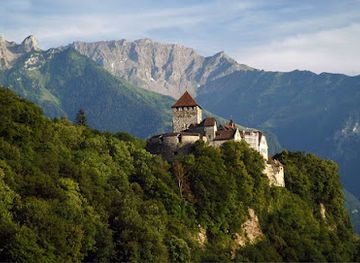
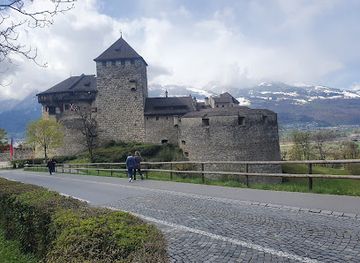
Vaduz Castle
Discover the enchanting Vaduz Castle, a historic fortress offering breathtaking views and a glimpse into the heart of Liechtenstein's heritage.
-
Catholic cathedral
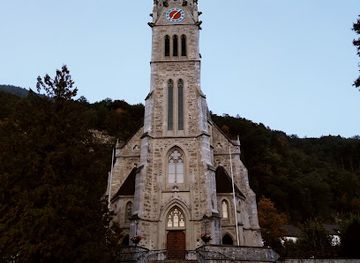
Kathedrale St. Florin
Discover the awe-inspiring Kathedrale St. Florin in Vaduz, an architectural masterpiece that embodies the rich spiritual heritage of Liechtenstein.
-
Tourist information center
Liechtenstein Center
Explore the captivating beauty and rich culture of Liechtenstein from the Liechtenstein Center in Vaduz, your ultimate travel companion.
-
Bridge
Alte Rheinbrücke
Explore the Alte Rheinbrücke in Sevelen, Switzerland – a stunning bridge offering breathtaking views and rich history.
Explore Sareis Trail on the map
Plan your trip on one map. See where the top attractions, landmarks, restaurants and hotels are, and book hotels and experiences in a few clicks.
Best hotels in Sareis Trail
Best restaurants in Sareis Trail
The dining scene of Sareis Trail offers a delightful mix of traditional alpine cuisine and modern fusion dishes, all set against the stunning backdrop of the mountains. From cozy mountain huts serving hearty local specialties like käsknöpfle and rösti, to upscale restaurants offering gourmet dishes made with fresh, locally sourced ingredients, visitors can expect a culinary experience that perfectly complements their outdoor adventures. Don't miss the opportunity to sip on a glass of crisp local wine or enjoy a steaming cup of hot chocolate while taking in the panoramic views from the terrace of a mountainside restaurant.
-
 Hotel
HotelHotel Turna Malbun
Discover the perfect blend of comfort and nature at Hotel Turna Malbun - your gateway to Liechtenstein's stunning landscapes.
-
Hotel
Park Hotel Sonnenhof
Discover unparalleled luxury and stunning views at Park Hotel Sonnenhof in Vaduz - your perfect getaway in Liechtenstein.
-
Hotel
JUFA Hotel Malbun
Discover the perfect blend of comfort and adventure at JUFA Hotel Malbun – your gateway to stunning landscapes and delightful dining experiences.
-
Restaurant
Berggasthaus Masescha
Experience alpine cuisine at Berggasthaus Masescha - where breathtaking views meet authentic local flavors in Triesenberg.
Best bars in Sareis Trail
The nightlife scene of Sareis Trail offers a unique and vibrant experience for visitors looking to unwind and socialize after a day of exploring. From cozy traditional pubs serving local beers and wines to trendy cocktail bars with stunning mountain views, there is something for every taste. Live music performances, themed parties, and cultural events add to the excitement, creating a lively atmosphere that is perfect for mingling with locals and fellow travelers alike. Whether you prefer a laid-back evening or a lively night out, Sareis Trail's nightlife scene has something for everyone to enjoy.
-
Restaurant
Berggasthaus Masescha
Experience exquisite alpine dining at Berggasthaus Masescha, where local flavors meet breathtaking mountain views in Triesenberg.
-
Brasserie
Brasserie Burg
Discover the exquisite flavors of Brasserie Burg in Vaduz, where local ingredients meet international culinary artistry for an unforgettable dining experience.
-
Family-friendly
Sareis
Discover the enchanting Sareis in Malbun – a family-friendly restaurant surrounded by breathtaking landscapes, perfect for outdoor adventures and delicious dining.
-
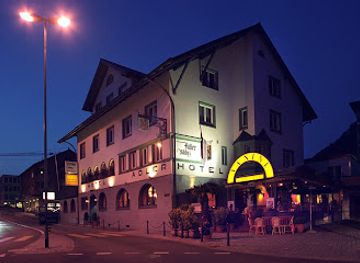
Swiss
Adler
Savor the flavors of Switzerland at Adler, a charming restaurant in Vaduz offering authentic Swiss cuisine in a cozy setting.
Best nightclubs in Sareis Trail
The nightlife scene of Sareis Trail offers a unique and vibrant experience for visitors looking to unwind and socialize after a day of exploring. From cozy traditional pubs serving local beers and wines to trendy cocktail bars with stunning mountain views, there is something for every taste. Live music performances, themed parties, and cultural events add to the excitement, creating a lively atmosphere that is perfect for mingling with locals and fellow travelers alike. Whether you prefer a laid-back evening or a lively night out, Sareis Trail's nightlife scene has something for everyone to enjoy.
-
Restaurant
Schlucher-Treff
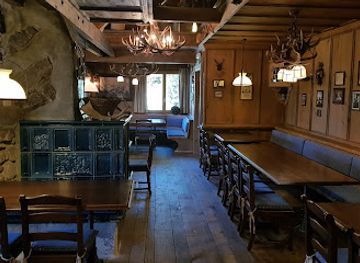
Experience the heart of Malbun's culinary scene at Schlucher-Treff, where local flavors meet alpine charm in a cozy atmosphere.
-
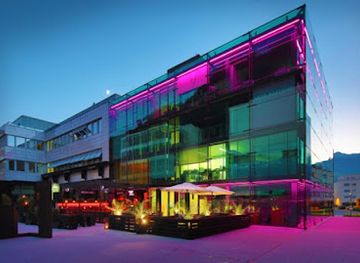
Bar
Zwei Bar
Discover the lively Zwei Bar in Vaduz, where cocktails and camaraderie blend in a vibrant nightlife experience.
-
Bar
Take 5 Vaduz
Experience the vibrant nightlife of Liechtenstein at Take 5 Vaduz, where great drinks and a lively atmosphere await every visitor.
-
Gondola lift station
Sareis
Discover the beauty and adventure of Sareis in Malbun - the gateway to exceptional skiing, hiking, and breathtaking alpine views.


Best shops in Sareis Trail
Sareis Trail offers a unique shopping experience for visitors, with a variety of charming boutique shops and local artisan markets showcasing traditional Liechtenstein crafts and products. Visitors can browse through a selection of handcrafted ceramics, woodwork, and textiles, as well as sample local delicacies such as cheeses, chocolates, and wines. The shopping scene in Sareis Trail provides a perfect opportunity for tourists to take home authentic souvenirs and gifts that reflect the rich cultural heritage of the region.
-
Tourist information center
Liechtenstein Center
Explore the essence of Liechtenstein at the Liechtenstein Center in Vaduz, your gateway to local culture, attractions, and unique souvenirs.
-
Ski resort
Bergbahnen Malbun AG
Experience the ultimate winter adventure at Bergbahnen Malbun AG, a premier ski resort in Liechtenstein with stunning views and diverse activities.
-
Restaurant
Berggasthaus Masescha
Discover the culinary delights and stunning vistas at Berggasthaus Masescha, an unforgettable dining experience in Triesenberg, Liechtenstein.
-
Farm
Lama- & Alpakahof Triesenberg
Discover the charm of llamas and alpacas at Lama- & Alpakahof Triesenberg, a delightful farm experience in stunning natural surroundings.
Get your free copy of our complete guide to Sareis Trail, delivered straight to you.
Everything on this page, from attractions and restaurants to essentials and local phrases, in one PDF you can read offline, print or share.
Already have an account? Sign in
Your Sareis Trail guide is ready.
We'll send it to · Not you? Sign out

Getting your guide ready…
We are putting together a fresh copy of the Sareis Trail guide. This can take up to a minute.
This can take a few moments. If your browser asks, choose Allow so the download can start. You'll find the guide in your Downloads folder.
Nothing happened? Download it again
Sorry, the guide is taking longer than usual. Please try again in a minute, or get it by email instead.
Sareis Trail essentials
Currency and Payment
Safety
Emergency Situations
Do's and Don'ts
Local Tips
From Eve
Local phrases worth knowing
You don't need to get them perfect. A few words go a long way, and locals appreciate the effort.
Basics
| English | Local | Say it |
|---|---|---|
| Hello | Hallo | [ha-lo] |
| Goodbye | Adieu | [a-dju] |
| Yes | Ja | [ya] |
| No | Nein | [nine] |
| Please/You're welcome | Bitte | [bi-te] |
| Thank you | Danke | [dan-ke] |
| Excuse me/Sorry | Entschuldigung | [ent-shul-di-gung] |
| How are you? | Wie geht es dir? | [vee geet es deer] |
| Fine. And you? | Gut. Und dir? | [goot oont deer] |
| Do you speak English? | Sprichst du Englisch? | [shprikhst doo eng-lish] |
| I don't understand | Ich verstehe nicht | [ikh fer-shtay-e nikht] |
Eating & Drinking
| English | Local | Say it |
|---|---|---|
| I'd like to see the menu, please | Ich möchte bitte die Speisekarte sehen | [ikh merkhte bi-te dee shpai-ze-kar-teh zay-en] |
| I don't eat meat | Ich esse kein Fleisch | [ikh es-se kine fli-sh] |
| Cheers! | Prost! | [prohst] |
| I would like to pay, please | Ich möchte bitte zahlen | [ikh merkhte bi-te tsah-len] |
Emergencies
| English | Local | Say it |
|---|---|---|
| Help! | Hilfe! | [hil-feh] |
| Go away! | Geh weg! | [geh vehg] |
| Call the Police! | Ruf die Polizei! | [roof dee po-lee-tsai] |
| Call a doctor! | Ruf einen Arzt! | [roof i-nen artsht] |
| I'm lost | Ich habe mich verirrt | [ikh ha-be meekh feh-reet] |
| I'm ill | Ich bin krank | [ikh been krank] |
Shopping
| English | Local | Say it |
|---|---|---|
| I'd like to buy... | Ich möchte ... kaufen | [ikh merkhte ... kow-fen] |
| I'm just looking | Ich schaue nur | [ikh shau-e noor] |
| How much is it? | Wie viel kostet das? | [vee feel kos-tet das] |
| That's too expensive | Das ist zu teuer | [das ist tso too-er] |
| Can you lower the price? | Kannst du den Preis senken? | [kanst doo den prees sen-ken] |
Time & Numbers
| English | Local | Say it |
|---|---|---|
| What time is it? | Wie spät ist es? | [vee shpet ist es] |
| It's one o'clock | Es ist ein Uhr | [es ist iyn oor] |
| Half past (10) | Halb zehn | [halb tsayn] |
| Morning | Morgen | [mor-gen] |
| Afternoon | Nachmittag | [nakh-mit-tahg] |
| Evening | Abend | [ah-bent] |
| Yesterday | Gestern | [ges-tern] |
| Today | Heute | [hoi-tuh] |
| Tomorrow | Morgen | [mor-gen] |
| 1 | Eins | [iyns] |
| 2 | Zwei | [tzy] |
| 3 | Drei | [drigh] |
| 4 | Vier | [feer] |
| 5 | Fünf | [foonf] |
| 6 | Sechs | [zeks] |
| 7 | Sieben | [zee-ben] |
| 8 | Acht | [akht] |
| 9 | Neun | [noyn] |
| 10 | Zehn | [tsayn] |
Transport & Directions
| English | Local | Say it |
|---|---|---|
| Where's a/the...? | Wo ist ein/der...? | [vo ist iyn/dehr] |
| What's the address? | Was ist die Adresse? | [vas ist dee a-dre-seh] |
| Can you show me (on the map)? | Kannst du mir zeigen (auf der Karte)? | [kanst doo meer tsay-gen (owf dehr kar-teh)] |
| When's the next (bus)? | Wann kommt der nächste (Bus)? | [van komt dehr nekh-ste (boos)] |
| A ticket (to ....) | Eine Fahrkarte (nach ....) | [i-ne fahr-kar-teh (nakh)] |
History of Sareis Trail
The Origins of Sareis Trail
Sareis Trail, nestled in the Rätikon mountain range of Liechtenstein, has long been a crucial path for local communities and travelers. Its origins date back to ancient times when it served as a vital route for trade and communication between the region's villages.
Medieval Significance
During the medieval period, Sareis Trail gained prominence due to its strategic location. The trail connected the small yet influential Principality of Liechtenstein with neighboring territories, facilitating the movement of goods, people, and ideas. It was an essential route for merchants and pilgrims traversing the Alps.
World War II and the Resistance
In the tumultuous times of World War II, Sareis Trail played a covert role in the resistance efforts. Local resistance groups used the trail's secluded pathways to evade German patrols and smuggle essential supplies. The trail's rugged terrain provided a natural cover for these clandestine activities.
Modern Development
Post-World War II, Sareis Trail underwent significant development to cater to the growing interest in alpine tourism. Improved infrastructure and marked trails made the area more accessible to hikers and outdoor enthusiasts, while preserving its natural beauty and historical significance.
Cultural Heritage
Sareis Trail is not just a hiking path but also a repository of local culture and traditions. Festivals and events celebrating the region's heritage are often held along the trail, drawing visitors and locals alike. These events highlight the customs, folklore, and culinary traditions of Liechtenstein.
Ecological Significance
The trail traverses diverse ecosystems, from lush alpine meadows to rugged rocky outcrops. Conservation efforts have been implemented to protect the unique flora and fauna of the region. Hikers are encouraged to respect the natural environment, ensuring that Sareis Trail remains a pristine destination for future generations.
Sareis Trail in Photos
Browse through our photo collection highlighting the charm and character of the destination.
Cities in Sareis Trail
The towns and cities of Sareis Trail, and the easiest places to base yourself.
-

-


Swipe for more cities
Neighbouring destination travel guides
The closest destinations to Sareis Trail, if you have time for more than one.
-

-

-

-

-


Swipe for more destinations
Explore more

Explore more of Oberland
Explore Liechtenstein’s Oberland for Vaduz museums, medieval castles, Walser villages and Alpine trails rising from the Rhine Valley.
Explore Oberland
Explore more of Liechtenstein
Discover the charm of Liechtenstein, a tiny Alpine principality offering medieval castles, stunning hiking trails, and a rich cultural heritage in the heart of Europe.
Explore Liechtenstein