

Free Bayou Country Travel Guide & Mobile App
Explore Bayou Country with free travel guides. Discover regional history, expert tips, proposed trips, and audio guides on web or mobile app.


Explore Bayou Country in Louisiana for wetlands, Cajun and Creole food, historic towns, wildlife and boat journeys through coastal marshes.
Read more about Bayou Country
Getting to and around Bayou Country
How to get there
Transportation
Top city travel guides in Bayou Country
The cities of Bayou Country, and the easiest places to base yourself.

Swipe for more cities
Destinations in Bayou Country
Resorts, valleys and scenic spots worth a trip of their own.
-

-

-


Swipe for more destinations
Best attractions in Bayou Country
Bayou Country’s main attractions are closely tied to water, history and working landscapes. Guided boat trips through the marshes around Terrebonne and Lafourche parishes offer opportunities to see alligators, herons, egrets and changing wetland habitats, while coastal communities such as Cocodrie provide a closer view of fishing and marine research environments. The Wetlands Acadian Cultural Center in Thibodaux interprets Acadian life, local waterways and the ecological setting of Jean Lafitte National Historical Park and Preserve. In Chauvin, an unusual outdoor sculpture garden and associated arts setting add a creative dimension to a remote bayou community. Historic districts, museums and heritage buildings in Houma, Thibodaux and Morgan City explain the region’s links to sugar, river commerce, seafood and offshore industries. Wildlife refuges and wetland preserves reward visitors who are prepared for heat, insects and limited facilities, while plantations and sugar-country landscapes reveal the agricultural history of the interior. The attraction landscape is less about a dense sequence of ticketed sights than about moving between cultural institutions, levee roads, boat launches, marshes and communities whose daily life remains connected to the coast.
-
Tour operator
Cajun Encounters Tour Company
Experience the breathtaking beauty of Louisiana's swamps with Cajun Encounters, where adventure meets culture in unforgettable boat tours.
-
History museum
Oak Alley Plantation
Explore the historic Oak Alley Plantation, a quintessential Louisiana gem featuring majestic oaks, rich history, and stunning architecture.
-
Tour operator
Airboat Adventures
Explore the wild beauty of Louisiana's swamps on an exhilarating airboat ride at Airboat Adventures, where adventure and wildlife meet.
-
Tour agency
Cajun Encounters Tours
Explore the wonders of New Orleans with Cajun Encounters Tours, where adventure meets culture in the heart of Louisiana's vibrant landscape.



Best landmarks in Bayou Country
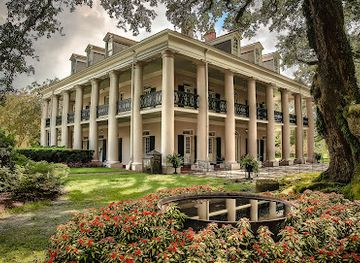
Bayou Country’s most recognisable landmarks are often linear or landscape-based. The waterways themselves, including Bayou Terrebonne, Bayou Lafourche and the Atchafalaya River, explain the location and form of many settlements and remain powerful symbols of regional life. Thibodaux’s historic streets and older civic and religious buildings reflect its development as an inland commercial centre, while Morgan City’s relationship with the Atchafalaya gives the city a distinct river-port identity. In Houma, the Terrebonne Parish Courthouse and other historic downtown buildings represent the civic growth of the area’s largest town. The Chauvin Sculpture Garden is a more recent but highly distinctive landmark, combining an idiosyncratic artistic installation with the setting of a small coastal community. Historic sugar estates and plantation houses in the interior parishes provide architectural reminders of an agricultural economy built through slavery and later labour systems. Along the coast, levees, fishing docks, shrimp boats, flood-control structures and open marshes are not conventional monuments, but together form the visual signature of a region negotiating its relationship with water.
-
Amusement center
Da Swamp
Experience thrilling rides and unforgettable events at Da Swamp, Houma's ultimate amusement center for family fun and excitement.
-
Wildlife refuge
Elmer's Island Wildlife Refuge
Explore the untouched beauty of Elmer's Island Wildlife Refuge, a serene coastal paradise filled with diverse wildlife and breathtaking landscapes.
-
Wildlife refuge
Elmer's Island Beach
Explore Elmer's Island Beach: A Wildlife Refuge in Grand Isle, Louisiana, Perfect for Nature Lovers and Beach Enthusiasts.
-
Miniature golf course
The Ball Park
Discover The Ball Park in Houma, Louisiana – a mini-golf and batting cage paradise perfect for family fun and outdoor recreation.


Explore Bayou Country on the map
Plan your trip on one map. See where the top cities, national parks and sights are, and book hotels and experiences in a few clicks.
Best hotels in Bayou Country
Best restaurants in Bayou Country
Dining in Bayou Country reflects the meeting of freshwater and saltwater environments, agricultural production and several overlapping cultural traditions. Menus commonly feature shrimp, crab, oysters, catfish, crawfish when in season, rice, sausage and vegetables prepared in Cajun, Creole and broader south Louisiana styles. Gumbo, jambalaya, étouffée and fried seafood are widely encountered, although recipes vary considerably between families, towns and restaurants. Houma, Thibodaux and Morgan City provide the broadest choice of cafés, seafood restaurants, casual dining rooms and established local eateries, while smaller communities may have fewer options and earlier closing times. Rural restaurants and older-style seafood houses often emphasise generous portions and regional ingredients rather than elaborate presentation. Farmers' markets and roadside sellers can be useful for local produce, sweets and prepared foods, but availability changes with season and weather. Ask whether seafood is locally caught or sourced elsewhere, and remember that Cajun and Creole are distinct culinary traditions within the wider food culture of Louisiana.
-
Seafood
Middendorf's Manchac
Experience the authentic taste of Louisiana at Middendorf's Manchac, where seafood meets Southern hospitality in every bite.
-
Restaurant
Bon Temps Grill
Experience authentic Louisiana cuisine at Bon Temps Grill in Lafayette – where Creole flavors meet southern hospitality.
-
Seafood
Boudreau & Thibodeau's Cajun Cookin'
Discover the essence of Cajun cuisine at Boudreau & Thibodeau's Cajun Cookin', where every dish tells a story.
-
Steak
Outback Steakhouse
Savor the authentic taste of Australia with juicy steaks and vibrant flavors at Outback Steakhouse in Houma.



Best bars in Bayou Country
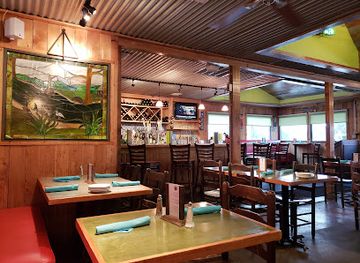
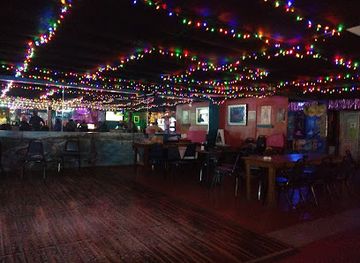
Evening culture in Bayou Country is centred more on neighbourhood bars, traditional pubs, restaurants, live music and community events than on a large nightclub scene. Houma has the region’s broadest concentration of evening venues, with bars and restaurants offering local music and social spaces, while Thibodaux’s student population supports a more compact selection of casual nightlife. Morgan City combines restaurant-led evenings with bars connected to its river and industrial communities. In smaller settlements, nightlife may consist of a local bar, a festival performance, a dance hall or live music attached to a restaurant, and options can be widely separated by road. Seasonal fairs, seafood events and cultural gatherings sometimes extend after-dark activity, but dates and programmes change. Visitors should arrange a safe return journey in advance, particularly after travelling into rural or coastal areas, and should not assume that every venue accepts cards or remains open late.
-
Bar
Lafitte's Blacksmith Shop Bar
Discover the historic Lafitte's Blacksmith Shop Bar, a charming venue in the French Quarter offering unique cocktails and a vibrant atmosphere.
-
Bar
Tropical Isle's Bayou Club
Discover the lively Tropical Isle's Bayou Club in New Orleans, where great music meets affordable drinks in an unforgettable atmosphere.
-
Bar
Pal's Lounge
Experience the vibrant nightlife of New Orleans at Pal's Lounge, where exquisite cocktails and live music create unforgettable memories.
-
Brewery
Bayou Teche Brewing
Discover the vibrant flavors of Louisiana at Bayou Teche Brewing, where craft beer meets Cajun cuisine in a charming setting.

Best nightclubs in Bayou Country
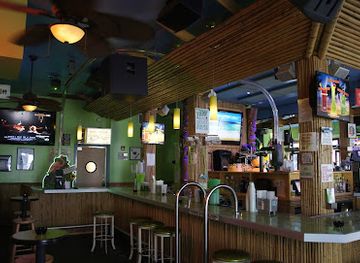
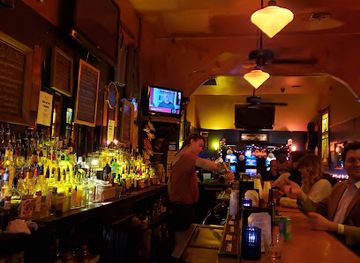
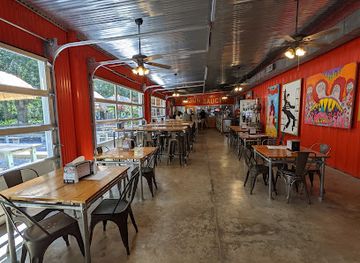
Evening culture in Bayou Country is centred more on neighbourhood bars, traditional pubs, restaurants, live music and community events than on a large nightclub scene. Houma has the region’s broadest concentration of evening venues, with bars and restaurants offering local music and social spaces, while Thibodaux’s student population supports a more compact selection of casual nightlife. Morgan City combines restaurant-led evenings with bars connected to its river and industrial communities. In smaller settlements, nightlife may consist of a local bar, a festival performance, a dance hall or live music attached to a restaurant, and options can be widely separated by road. Seasonal fairs, seafood events and cultural gatherings sometimes extend after-dark activity, but dates and programmes change. Visitors should arrange a safe return journey in advance, particularly after travelling into rural or coastal areas, and should not assume that every venue accepts cards or remains open late.
-
Night club
Tropical Isle's Bayou Club
Discover the vibrant nightlife at Tropical Isle's Bayou Club, a premier destination for live music and great cocktails in the heart of New Orleans.
-
Bar
Intracoastal Club
Discover the lively nightlife at Intracoastal Club in Houma, Louisiana, where great drinks and local music create unforgettable moments.
-
Night club
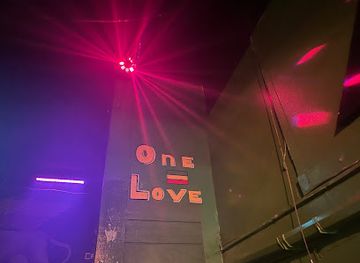
Club Caribbean New Orleans Reggae Club
Immerse yourself in the vibrant rhythms of reggae at Club Caribbean New Orleans, where every night is a celebration of music and culture.
-
Dance hall
Cajun Country Lounge & Dancehall
Discover the vibrant Cajun culture at Cajun Country Lounge & Dancehall, where music, dance, and cocktails create unforgettable memories.


Best shops in Bayou Country
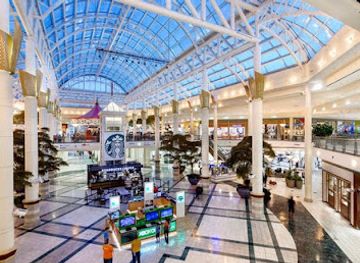
Shopping in Bayou Country is primarily local and practical, with the strongest selection in Houma, Thibodaux and Morgan City. Downtown streets and commercial corridors offer independent boutiques, gift shops, galleries, books, clothing and Louisiana-themed goods, while smaller communities may have antique shops, craft sellers and food outlets rather than extensive retail centres. Farmers' markets and seasonal community markets are useful places to look for local vegetables, seafood products, preserves, baked goods, hot sauces and handmade items, although opening days and vendor lists vary. Regional souvenirs often include Cajun and Creole cookbooks, spice blends, artwork, marsh and wildlife imagery, locally made crafts and products associated with Louisiana foodways. Visitors should distinguish genuinely local goods from broadly marketed state souvenirs, and should ask whether seafood or other perishable products can be transported safely. The most memorable purchases are often edible or handmade rather than luxury items, reflecting the region’s fishing, agricultural and cultural economies.
-
Shopping mall
Mall of Louisiana
Discover the Mall of Louisiana, a vibrant shopping paradise with diverse stores, dining options, and entertainment experiences for all ages.
-
Shopping mall
Riverwalk Outlets
Discover affordable luxury at Riverwalk Outlets, New Orleans’ premier shopping destination with waterfront views and delightful dining options.
-
Historical place museum
Laura Plantation: Louisiana's Créole Heritage Site
Explore the essence of Louisiana's Creole culture at Laura Plantation, a historic site that brings the past to life through captivating stories and stunning landscapes.
-
Shopping mall
Southland Mall
Explore Southland Mall: A Premier Shopping Experience in Houma, Louisiana with Diverse Stores and Dining Options.


Get your free copy of our complete guide to Bayou Country, delivered straight to you.
Everything on this page, from attractions and restaurants to essentials and local phrases, in one PDF you can read offline, print or share.
Already have an account? Sign in
Your Bayou Country guide is ready.
We'll send it to · Not you? Sign out

Getting your guide ready…
We are putting together a fresh copy of the Bayou Country guide. This can take up to a minute.
This can take a few moments. If your browser asks, choose Allow so the download can start. You'll find the guide in your Downloads folder.
Nothing happened? Download it again
Sorry, the guide is taking longer than usual. Please try again in a minute, or get it by email instead.
Bayou Country essentials
Currency and Payment
Safety
Emergency Situations
Do's and Don'ts
Local Tips
From Eve
Local phrases worth knowing
You don't need to get them perfect. A few words go a long way, and locals appreciate the effort.
Basics
| English | Local | Say it |
|---|---|---|
| Hello | Howdy | [Ha-oo-dee] |
| Goodbye | See ya later | [See ya lay-ter] |
| Yes | Yup | [Yup] |
| No | Naw | [Naw] |
| Please/You're welcome | Please/No problem | [Pleez/No prob-lem] |
| Thank you | Merci | [Mer-see] |
| Excuse me/Sorry | Excuse me/Sorry 'bout that | [Ex-kyoos me/Sorry 'bout that] |
| How are you? | How ya doin'? | [How ya doin'?] |
| Fine. And you? | I’m doin' good. An' you? | [I'm doin' good. An' you?] |
| Do you speak English? | Ya speakin' English? | [Ya speakin' English?] |
| I don't understand | I ain't got it | [I ain't got it] |
Eating & Drinking
| English | Local | Say it |
|---|---|---|
| I'd like to see the menu, please | Can I see the menu, please? | [Can I see the men-u, pleez?] |
| I don't eat meat | I don’t eat no meat | [I don’t eat no meat] |
| Cheers! | Laissez les bons temps rouler! | [Lay-zay lay bohn tom roo-lay!] |
| I would like to pay, please | I’d like to pay, please | [I'd like to pay, pleez] |
Emergencies
| English | Local | Say it |
|---|---|---|
| Help! | Help! | [Help!] |
| Go away! | Get on outta here! | [Get on outta here!] |
| Call the Police! | Call da cops! | [Call da cops!] |
| Call a doctor! | Get a doctor! | [Get a doctor!] |
| I'm lost | I’m all turned 'round | [I'm all turned 'round] |
| I'm ill | I ain't feelin' good | [I ain't feelin' good] |
Shopping
| English | Local | Say it |
|---|---|---|
| I'd like to buy... | I wanna buy... | [I wanna buy...] |
| I'm just looking | I’m just browsin' | [I'm just browsin'] |
| How much is it? | How much that cost? | [How much that cost?] |
| That's too expensive | That’s too pricey | [That’s too pricey] |
| Can you lower the price? | Can ya bring down the price? | [Can ya bring down the price?] |
Time & Numbers
| English | Local | Say it |
|---|---|---|
| What time is it? | What time is it? | [What time is it?] |
| It's one o'clock | It's one o'clock | [It's one o'clock] |
| Half past (10) | Half past ten | [Half past ten] |
| Morning | Mornin' | [Mornin'] |
| Afternoon | Afternoon | [Afternoon] |
| Evening | Evenin' | [Evenin'] |
| Yesterday | Yestiddy | [Yestiddy] |
| Today | Today | [Today] |
| Tomorrow | Tomorra | [Tomorra] |
| 1 | Un | [Un] |
| 2 | Deux | [Deuh] |
| 3 | Trois | [Twa] |
| 4 | Quatre | [Katr] |
| 5 | Cinq | [Sank] |
| 6 | Six | [Sees] |
| 7 | Sept | [Sep] |
| 8 | Huit | [Wheat] |
| 9 | Neuf | [Nuff] |
| 10 | Dix | [Dee] |
Transport & Directions
| English | Local | Say it |
|---|---|---|
| Where's a/the...? | Where’s a...? | [Where’s a...?] |
| What's the address? | What’s the address? | [What’s the address?] |
| Can you show me (on the map)? | Can ya show me on the map? | [Can ya show me on the map?] |
| When's the next (bus)? | When the next bus comin'? | [When the next bus comin'?] |
| A ticket (to ....) | A ticket to... | [A ticket to...] |
History of Bayou Country
Indigenous Peoples and Wetland Knowledge
Long before European settlement, the wetlands and waterways of south Louisiana supported Indigenous communities with fishing, hunting, gathering and trade. The Houma people have longstanding associations with the lower Terrebonne and Lafourche areas, while Chitimacha communities remain important to the cultural history of the wider south-central region. Indigenous knowledge of seasonal water levels, edible plants, waterways and coastal conditions shaped later patterns of travel and settlement. Contemporary visitors should understand that these histories are living rather than merely archaeological, and that tribal identity and community life continue to form part of Bayou Country’s cultural landscape.
French and Spanish Colonial Louisiana
French colonial expansion along the Mississippi and its distributaries drew Bayou Country into a wider network of plantations, military outposts and river commerce. Spain governed Louisiana for periods in the eighteenth century, adding another layer to the region’s legal, architectural and cultural inheritance. Settlements developed along bayous and natural levees because these slightly raised strips of land offered transport access and some protection from seasonal flooding. The resulting linear pattern remains visible in many communities, where roads, houses, churches and commercial buildings follow waterways rather than forming a compact inland grid.
Acadian Migration and Creolised Culture
After the British expulsion of Acadians from Nova Scotia in the eighteenth century, many refugees eventually settled in Louisiana, joining established French, African, Indigenous, Spanish and Caribbean populations. In Bayou Country, these communities adapted to the wet environment and developed distinctive forms of food, music, language and social life. The term Cajun describes one important strand of this history, but the region’s culture is broader than a single ancestry. Creole traditions, African American communities and Native peoples have all contributed to the sounds, flavours and customs associated with the bayous.
Plantations, Sugar and Enslavement
The fertile natural levees and long growing season of the lower Mississippi and bayou districts supported sugar production, especially from the nineteenth century onwards. Large plantations depended on the forced labour of enslaved African people, whose work and resistance were central to the region’s economic development. After emancipation, sugar agriculture continued through profoundly unequal labour systems and later mechanisation. Historic plantation landscapes, estate buildings and cane fields should therefore be read alongside the history of slavery and emancipation, not as isolated symbols of a romantic Old South. Sugar remains an important part of the regional economy and landscape.
Rivers, Canals and Commercial Expansion
Bayou Country’s waterways supported movement of timber, sugar, seafood and other goods, while canals and improved roads gradually connected inland communities with ports and larger markets. Morgan City developed an especially important relationship with the Atchafalaya River and regional shipping. Thibodaux and Houma became service and commercial centres for surrounding agricultural and fishing districts. River and bayou transport declined in some roles as highways expanded, but water remains fundamental to the region’s economy, recreation and identity. Many communities still owe their location and street pattern to older navigation routes.
Oil, Gas and the Modern Coastal Economy
The discovery and development of oil and natural gas in southern Louisiana transformed Bayou Country during the twentieth century. Houma, Morgan City and other communities became centres for offshore supply, fabrication, engineering, boatbuilding and related services. The industry brought employment and investment but also intensified the use of canals, pipelines and industrial facilities in a vulnerable coastal environment. Fishing, shrimping, oystering, sugar cultivation and oil services have often existed side by side, sometimes uneasily. The region’s modern character is therefore both maritime and industrial rather than purely rural or folkloric.
Hurricanes and Coastal Land Loss
Bayou Country has repeatedly been reshaped by hurricanes, storm surges, flooding and the gradual loss of coastal wetlands. Major storms, including those of the late twentieth and early twenty-first centuries, caused extensive damage, displacement and economic disruption. Subsidence, canal construction, reduced sediment supply, saltwater intrusion and rising sea levels have added long-term pressure. Coastal restoration, wetland protection and resilience planning are now major regional concerns. Visitors may see levees, floodgates, restoration projects and abandoned or relocated structures alongside thriving communities, making environmental change an immediate part of the landscape rather than an abstract issue.
Bayou Country in Photos
Browse through our photo collection highlighting the charm and character of the destination.
Neighbouring regions of Bayou Country
The closest regions to Bayou Country, if you have time for more than one.
-

-
-

-

-


Swipe for more regions
Explore more

Explore more of Louisiana
Discover Louisiana: A melting pot of cultures, flavors, and music in the heart of the American South. Experience the vibrant heritage and natural beauty of the Bayou State.
Explore Louisiana