

Free Florida Parishes Travel Guide & Mobile App
Explore Florida Parishes with free travel guides. Discover regional history, expert tips, proposed trips, and audio guides on web or mobile app.


Explore the Florida Parishes of Louisiana for Baton Rouge culture, historic homes, pine forests, lakefront towns and distinctive southern food traditions.
Read more about Florida Parishes
Getting to and around Florida Parishes
How to get there
Transportation
Top city travel guides in Florida Parishes
The cities of Florida Parishes, and the easiest places to base yourself.
-

-

-

-


Swipe for more cities
Destinations in Florida Parishes
Resorts, valleys and scenic spots worth a trip of their own.
-

-

-

-

-
-


Swipe for more destinations
Best attractions in Florida Parishes
The Florida Parishes offer a varied combination of urban culture, historic properties and outdoor landscapes. Baton Rouge provides the strongest concentration of museums, galleries, state-government architecture and university cultural venues, while the Mississippi bluff country around St Francisville is known for historic plantations, gardens and old settlement roads. Rosedown Plantation State Historic Site, Greenwood Plantation and surrounding West Feliciana properties reveal different aspects of nineteenth-century estate life, though visitors should consider the histories of enslaved people as central to their interpretation. In Tangipahoa Parish, Ponchatoula’s old commercial centre and Hammond’s cultural institutions complement the region’s strawberry-growing and agricultural heritage. State parks and conservation areas provide a different experience: Tickfaw State Park has boardwalks, waterways and bottomland forest, while Fontainebleau State Park on Lake Pontchartrain offers shoreline recreation and woodland trails. The Northshore’s rivers and lakes support kayaking, fishing, birdwatching and boating, and the pine woods of Washington and St Helena parishes suit scenic drives and nature-focused excursions. Attractions are spread over a large area, so the most satisfying itineraries combine one or two cultural centres with nearby landscapes rather than attempting every parish in a single outing.
-
Historical landmark
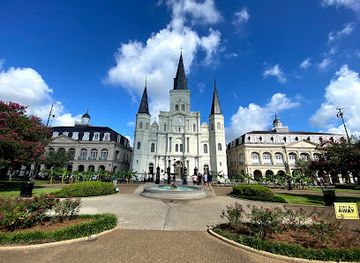
Jackson Square
Experience the vibrant culture and history of New Orleans at Jackson Square, a must-visit city park and historical landmark in the heart of the French Quarter.
-
Aquarium
Audubon Aquarium
Discover the beauty of marine life at the Audubon Aquarium, an enchanting attraction in New Orleans perfect for families and ocean enthusiasts.
-
History museum
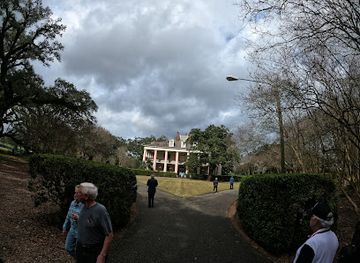
Oak Alley Plantation
Explore the rich history and stunning landscapes of Oak Alley Plantation, a must-visit attraction in Louisiana's picturesque countryside.
-
Zoo
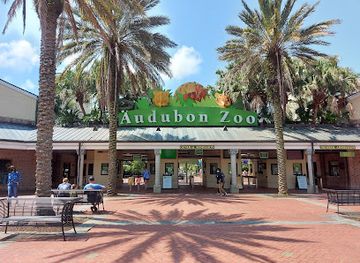
Audubon Zoo
Experience the beauty and diversity of wildlife at Audubon Zoo, a top family-friendly attraction in New Orleans.

Best landmarks in Florida Parishes
The Louisiana State Capitol in Baton Rouge is one of the Florida Parishes’ most recognisable landmarks, its tall Art Deco design and riverside setting reflecting the state’s twentieth-century political history. The Old State Capitol, with its Gothic Revival architecture, provides a contrasting reminder of the city’s earlier governmental era. In West Feliciana Parish, Rosedown Plantation State Historic Site is notable for its formal gardens, oak-lined approach and preserved antebellum estate architecture, while Greenwood Plantation represents another important surviving historic house landscape. The Mississippi River bluffs around St Francisville give the town and its surrounding properties a distinctive geography not found across the flatter parts of southeastern Louisiana. On the Northshore, the causeway across Lake Pontchartrain is a major regional engineering landmark, although much of its route lies outside or at the edge of the Florida Parishes and it is primarily a transport link rather than a conventional attraction. Lake Pontchartrain’s broad horizon, the wooded waterways of Tickfaw State Park and the old commercial streets of Ponchatoula and Covington provide equally important landscape and townscape landmarks, expressing the region’s combination of water, forest, commerce and historic settlement.
-
Historical landmark
Jackson Square
Experience the vibrant culture and rich history of Jackson Square, New Orleans' iconic park and historic landmark, perfect for leisurely strolls and artistic inspiration.
-
Aquarium
Audubon Aquarium
Discover the aquatic wonders at Audubon Aquarium in New Orleans, an immersive experience showcasing diverse marine life and conservation education.
-
Historical place museum
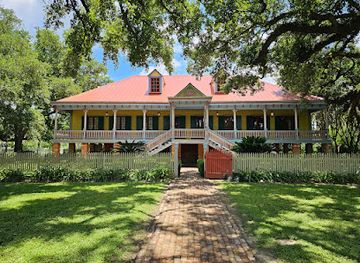
Laura Plantation: Louisiana's Créole Heritage Site
Explore Laura Plantation, a stunning Crèole heritage site in Louisiana, and immerse yourself in its vibrant history and culture.
-
Water park
Blue Bayou Water Park
Enjoy splashes of fun and adventure at Blue Bayou Water Park, the ultimate destination for water lovers in Baton Rouge, Louisiana.


Explore Florida Parishes on the map
Plan your trip on one map. See where the top cities, national parks and sights are, and book hotels and experiences in a few clicks.
Best hotels in Florida Parishes
Best restaurants in Florida Parishes
Food in the Florida Parishes belongs to the broader culinary world of south Louisiana while reflecting local agriculture, waterways and town life. Baton Rouge has the region’s broadest selection of Cajun, Creole, seafood and contemporary restaurants, alongside po’boys, gumbo, crawfish dishes, boudin and rice-based specialities. Rural restaurants, cafés and family-run places often provide a more informal setting for fried seafood, plate lunches, smoked meats and seasonal vegetables. The Northshore adds lake and river influences, while Hammond and Ponchatoula are associated with strawberries, produce stands, pecans and farmers’ markets as well as everyday Louisiana cooking. Traditional bakeries and cafés are good places to encounter beignets, pralines and strong coffee, though these are state-wide and wider Gulf South traditions rather than exclusive Florida Parishes creations. Visitors should distinguish between seasonal produce, such as strawberries, and permanent menu items, since availability varies through the year.
-
Seafood
Parrain's Seafood Restaurant
Experience authentic Gulf Coast cuisine at Parrain's Seafood Restaurant in Baton Rouge, where fresh seafood meets Southern hospitality.
-
Seafood
Drago's Seafood Restaurant - Metairie - The Original
Discover Drago's Seafood Restaurant in Metairie - A culinary haven offering delectable Gulf Coast flavors and signature charbroiled oysters.
-
American
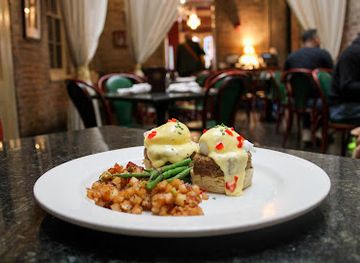
Muriel's Jackson Square
Experience authentic American cuisine with a Creole twist at Muriel's Jackson Square in New Orleans' historic French Quarter.
-
American
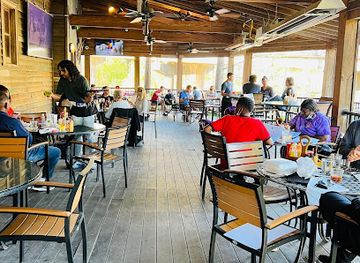
Southside Cafe
Experience Southern hospitality at Southside Cafe, offering delicious American cuisine and seafood specialties in Slidell, Louisiana.

Best bars in Florida Parishes
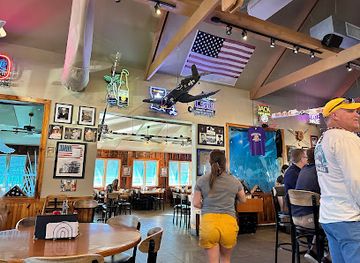
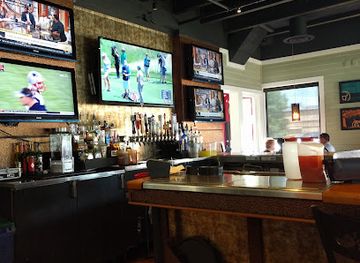
Evening life is concentrated in Baton Rouge, Hammond, Covington, Mandeville and selected parts of Slidell rather than distributed evenly across the rural parishes. Baton Rouge has the largest choice of cocktail bars, breweries, music venues, restaurants and university-influenced nightlife, with activity varying by neighbourhood and calendar. Hammond combines bars, cafés, live music and student-oriented venues, while Covington and Mandeville offer restaurants, wine bars, breweries and quieter evening streets near the Northshore. Elsewhere, historic inns, local pubs, casual bars and community music events are more typical than nightclubs. Rural areas may require a planned drive and designated transport, and visitors should not assume that venues operate late or on every night. Louisiana’s live-music and food cultures are important parts of the evening scene, but drinking is not necessary to appreciate the region’s performances, restaurants and public events.
-
Restaurant
Chili's Grill & Bar
Experience the vibrant atmosphere and diverse menu of Chili's Grill & Bar, the go-to destination for family-friendly dining in Laplace, Louisiana.
-
Bar
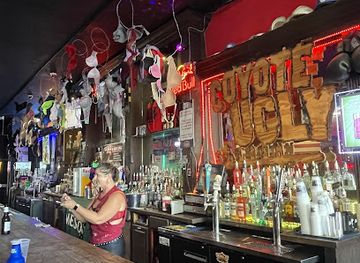
Coyote Ugly Saloon
Dive into the vibrant nightlife of New Orleans at Coyote Ugly Saloon, where fun meets unforgettable entertainment in the heart of the French Quarter.
-
Grill
Boopalu's Bar and Grill
Discover the vibrant flavors of Springfield at Boopalu's Bar and Grill, where grill favorites meet lively bar culture in a welcoming atmosphere.
-
Bar
Warsaw Marina & Bar, LLC
Discover the lively atmosphere and stunning views at Warsaw Marina & Bar, the perfect spot for relaxation and entertainment in Springfield.


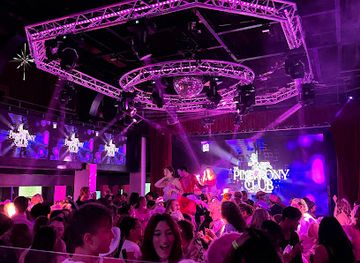
Best nightclubs in Florida Parishes
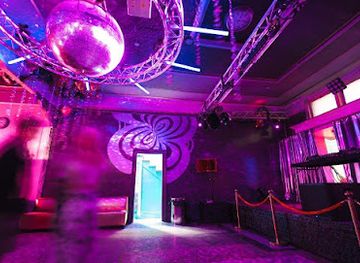
Evening life is concentrated in Baton Rouge, Hammond, Covington, Mandeville and selected parts of Slidell rather than distributed evenly across the rural parishes. Baton Rouge has the largest choice of cocktail bars, breweries, music venues, restaurants and university-influenced nightlife, with activity varying by neighbourhood and calendar. Hammond combines bars, cafés, live music and student-oriented venues, while Covington and Mandeville offer restaurants, wine bars, breweries and quieter evening streets near the Northshore. Elsewhere, historic inns, local pubs, casual bars and community music events are more typical than nightclubs. Rural areas may require a planned drive and designated transport, and visitors should not assume that venues operate late or on every night. Louisiana’s live-music and food cultures are important parts of the evening scene, but drinking is not necessary to appreciate the region’s performances, restaurants and public events.
-
Night club
The Rabbit Hole
Discover the lively ambiance of The Rabbit Hole, a premier night club in New Orleans, where eclectic music and vibrant nightlife come alive.
-
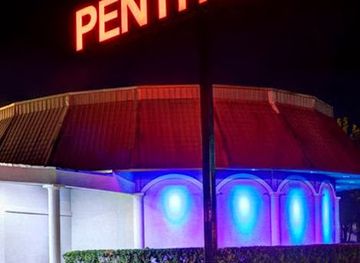
Adult entertainment club
The Penthouse Club - Baton Rouge
Discover the nightlife at The Penthouse Club in Baton Rouge, where adult entertainment meets a vibrant bar and nightclub scene for an unforgettable evening.
-
Night club
SPLASH NIGHTCLUB
Dive into the vibrant nightlife of Baton Rouge at Splash Nightclub, where great music and fun await every weekend!
-
Night club
Club Infiniti
Discover the essence of nightlife at Club Infiniti, Baton Rouge's vibrant night club featuring lively music and an electric atmosphere.

Best shops in Florida Parishes
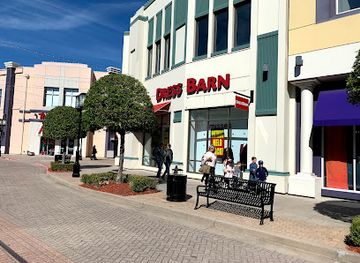
Shopping in the Florida Parishes ranges from Baton Rouge’s substantial retail districts and independent boutiques to the older main streets of Ponchatoula, Covington, Hammond and St Francisville. Baton Rouge is the best place for a broad choice of books, clothing, galleries, regional food products and contemporary retail, while the smaller towns are more rewarding for antiques, art, books, homewares and locally made gifts. Farmers’ markets and roadside produce stalls appear in several communities, with seasonal strawberries, pecans, preserves, baked goods and Louisiana pantry products among the useful purchases. Craft and gallery shopping is particularly associated with the Northshore and historic town centres, though opening days can vary. Visitors interested in regional souvenirs should look for ceramics, paintings, textiles, cookbooks, pralines, hot sauces and other food products rather than generic merchandise. Antique and heritage shopping works best as part of a daytime drive, since rural stores and smaller independent businesses may close earlier than urban shops.
-
Shopping mall
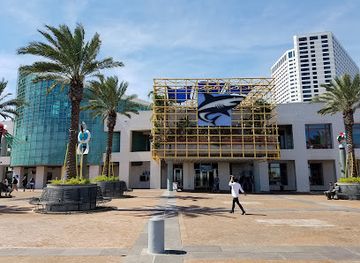
Louisiana Boardwalk
Discover the Louisiana Boardwalk: A Shopping and Entertainment Haven by the River.
-
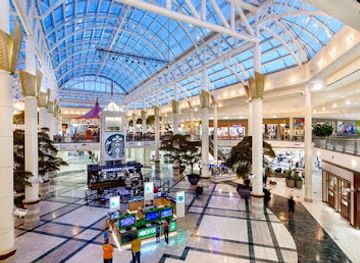
Shopping mall
Mall of Louisiana
Shop, dine, and explore the vibrant Mall of Louisiana, the premier shopping destination in Baton Rouge with diverse stores and family-friendly attractions.
-
Outlet mall
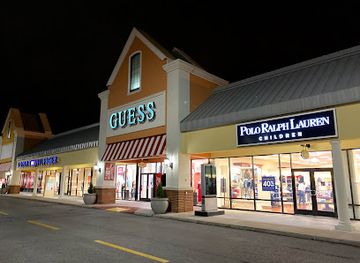
Tanger Gonzales
Discover unbeatable deals and a variety of dining experiences at Tanger Gonzales Outlet Mall in Louisiana, perfect for every shopper's dream.
-
Shopping mall
Pecanland Mall
Explore Pecanland Mall in Monroe, Louisiana - a vibrant shopping hub with diverse stores, delicious dining, and exciting entertainment for all.
Get your free copy of our complete guide to Florida Parishes, delivered straight to you.
Everything on this page, from attractions and restaurants to essentials and local phrases, in one PDF you can read offline, print or share.
Already have an account? Sign in
Your Florida Parishes guide is ready.
We'll send it to · Not you? Sign out

Getting your guide ready…
We are putting together a fresh copy of the Florida Parishes guide. This can take up to a minute.
This can take a few moments. If your browser asks, choose Allow so the download can start. You'll find the guide in your Downloads folder.
Nothing happened? Download it again
Sorry, the guide is taking longer than usual. Please try again in a minute, or get it by email instead.
Florida Parishes essentials
Currency and Payment
Safety
Emergency Situations
Do's and Don'ts
Local Tips
From Eve
Local phrases worth knowing
You don't need to get them perfect. A few words go a long way, and locals appreciate the effort.
Basics
| English | Local | Say it |
|---|---|---|
| Hello | Bonjour | [Bohn-zhoor] |
| Goodbye | Au revoir | [Oh ruh-vwahr] |
| Yes | Oui | [Wee] |
| No | Non | [Nohn] |
| Please/You're welcome | S'il vous plaît | [Seel voo pleh] |
| Thank you | Merci | [Mair-see] |
| Excuse me/Sorry | Pardon | [Par-dohn] |
| How are you? | Comment ça va? | [Koh-mahn sah vah] |
| Fine. And you? | Bien. Et toi? | [Bee-ehn. Eh twah?] |
| Do you speak English? | Parlez-vous anglais? | [Par-lay voo ahn-glay?] |
| I don't understand | Je ne comprends pas | [Zhuh nuh kohm-prahn pah] |
Eating & Drinking
| English | Local | Say it |
|---|---|---|
| I'd like to see the menu, please | Je voudrais voir le menu, s'il vous plaît | [Zhuh voo-dray vwar luh meh-nu, seel voo pleh] |
| I don't eat meat | Je ne mange pas de viande | [Zhuh nuh mahnj pah duh vyahnd] |
| Cheers! | Santé! | [Sahn-tay] |
| I would like to pay, please | Je voudrais payer, s'il vous plaît | [Zhuh voo-dray pay-ay, seel voo pleh] |
Emergencies
| English | Local | Say it |
|---|---|---|
| Help! | À l'aide! | [Ah led] |
| Go away! | Va-t'en! | [Vah tahn!] |
| Call the Police! | Appelez la police! | [Ah-peh-lay lah poh-lees] |
| Call a doctor! | Appelez un médecin! | [Ah-peh-lay uhn may-decine] |
| I'm lost | Je suis perdu | [Zhuh swee pair-doo] |
| I'm ill | Je suis malade | [Zhuh swee mah-lahd] |
Shopping
| English | Local | Say it |
|---|---|---|
| I'd like to buy... | Je voudrais acheter... | [Zhuh voo-dray ah-she-tay...] |
| I'm just looking | Je regarde juste | [Zhuh ruh-gard zhoost] |
| How much is it? | C'est combien? | [Say kohm-byen?] |
| That's too expensive | C'est trop cher | [Say troh shair] |
| Can you lower the price? | Pouvez-vous baisser le prix? | [Poo-vay voo beh-say luh pree?] |
Time & Numbers
| English | Local | Say it |
|---|---|---|
| What time is it? | Quelle heure est-il? | [Kel uhr eh-teel?] |
| It's one o'clock | Il est une heure | [Eel eh oon uhr] |
| Half past (10) | Dix heures et demie | [Dee uhr eh deh-mee] |
| Morning | Matin | [Mah-tan] |
| Afternoon | Après-midi | [Ah-pray-mee-dee] |
| Evening | Soir | [Swahr] |
| Yesterday | Hier | [Ee-air] |
| Today | Aujourd'hui | [Oh-zhur-dwee] |
| Tomorrow | Demain | [Duh-main] |
| 1 | Un | [Uhn] |
| 2 | Deux | [Duh] |
| 3 | Trois | [Twah] |
| 4 | Quatre | [Kah-truh] |
| 5 | Cinq | [Sank] |
| 6 | Six | [Sees] |
| 7 | Sept | [Set] |
| 8 | Huit | [Wheet] |
| 9 | Neuf | [Nurf] |
| 10 | Dix | [Dee] |
Transport & Directions
| English | Local | Say it |
|---|---|---|
| Where's a/the...? | Où est un/une...? | [Oo eh uhn/eun...?] |
| What's the address? | Quelle est l'adresse? | [Kel eh l'ah-dress?] |
| Can you show me (on the map)? | Pouvez-vous me montrer (sur la carte)? | [Poo-vay voo muh mohn-tray (sur lah kart)?] |
| When's the next (bus)? | Quand est le prochain (autobus)? | [Kahn eh luh pro-shen (oh-toh-boos)?] |
| A ticket (to ....) | Un billet (pour....) | [Uhn bee-yay (poor....)] |
History of Florida Parishes
Indigenous Landscapes before European Colonisation
The Florida Parishes lie within the long-established homelands and travel networks of Indigenous peoples, including communities associated with the Tunica-Biloxi, Choctaw, Houma and other Native nations of the wider lower Mississippi and Gulf Coast region. Rivers, lakes, upland woods and fertile bottomlands supported fishing, hunting, agriculture and exchange. Mounds and archaeological evidence across Louisiana record settlement histories that extend far beyond the colonial period. Although many visible historic sites date from later centuries, the region’s landscape and place names are rooted in Indigenous use and knowledge.
The Spanish Florida Boundary and Colonial Transition
The term Florida Parishes comes from the region’s position east of the Mississippi River, which remained associated with Spanish West Florida after France transferred Louisiana to Spain in the eighteenth century. Spain governed the area from the late 1760s until the early nineteenth century, while French-speaking settlers, enslaved Africans and Indigenous peoples continued to shape local society. The United States acquired the territory east of the Mississippi through the West Florida revolt and subsequent annexation in 1810, before Louisiana became a state in 1812. This unusual political history explains the region’s enduring name.
Plantation Agriculture and Enslaved Labour
During the late eighteenth and nineteenth centuries, plantations and farms developed along the Mississippi, Amite and other navigable waterways. Cotton became particularly important in the fertile river districts, while sugar and other crops were cultivated in suitable areas. The economy depended on the forced labour of enslaved Africans and African Americans, whose work, cultural practices and resistance shaped the region profoundly. Historic houses such as Rosedown and Greenwood preserve elite architecture, but the wider story also includes quarters, churches, cemeteries, roads and communities whose physical traces are less complete.
Baton Rouge and the Growth of State Government
Baton Rouge grew from a strategic river settlement into Louisiana’s capital in the nineteenth century, benefiting from its position on the Mississippi and its connections with surrounding agricultural districts. Government, education, commerce and transport gradually gave the city a regional role extending across the Florida Parishes. The Old State Capitol, the present State Capitol and surviving downtown buildings reflect different stages of political development. Baton Rouge’s later expansion, including the growth of Louisiana State University and industrial activity along the river, transformed it into the region’s principal urban centre.
Civil War, Reconstruction and African American Community Life
The Florida Parishes experienced the disruption of the American Civil War and the contested political and social changes of Reconstruction. Baton Rouge changed hands during the conflict, while rural parishes faced military occupation, economic upheaval and the difficult transition from slavery to freedom. After emancipation, African American communities built churches, schools, businesses and civic organisations despite segregation and violence. Institutions such as Southern University in Baton Rouge became important centres of Black education and public life, helping shape modern Louisiana’s cultural and political landscape.
Railways, Timber and the Rise of Market Towns
Nineteenth- and early twentieth-century railways connected inland settlements with Baton Rouge, New Orleans and wider markets. Timber harvesting became a major force in the pine forests of Washington, St Helena, Tangipahoa and neighbouring parishes, while agriculture supported market towns such as Hammond and Ponchatoula. Rail access encouraged trade, immigration and urban growth, and helped establish the commercial patterns still visible in older downtowns. The timber economy also altered forests extensively, although later conservation and regrowth have restored substantial woodland.
Twentieth-Century Urbanisation and Regional Connectivity
Road building, expanded higher education, suburban development and petrochemical industry reshaped the Florida Parishes during the twentieth century. Baton Rouge became a major centre of state administration, manufacturing and research, while Hammond, Covington, Mandeville and Slidell developed stronger links with the New Orleans metropolitan area. Interstates and bridges made daily travel across parish boundaries easier but also encouraged dispersed development. Today the region combines urban corridors with working farms, historic towns, forest reserves and lake communities, creating a geography that is distinctly broader than the capital alone.
Florida Parishes in Photos
Browse through our photo collection highlighting the charm and character of the destination.
Neighbouring regions of Florida Parishes
The closest regions to Florida Parishes, if you have time for more than one.
-

-

-
-
-


Swipe for more regions
Explore more

Explore more of Louisiana
Discover Louisiana: A melting pot of cultures, flavors, and music in the heart of the American South. Experience the vibrant heritage and natural beauty of the Bayou State.
Explore Louisiana