
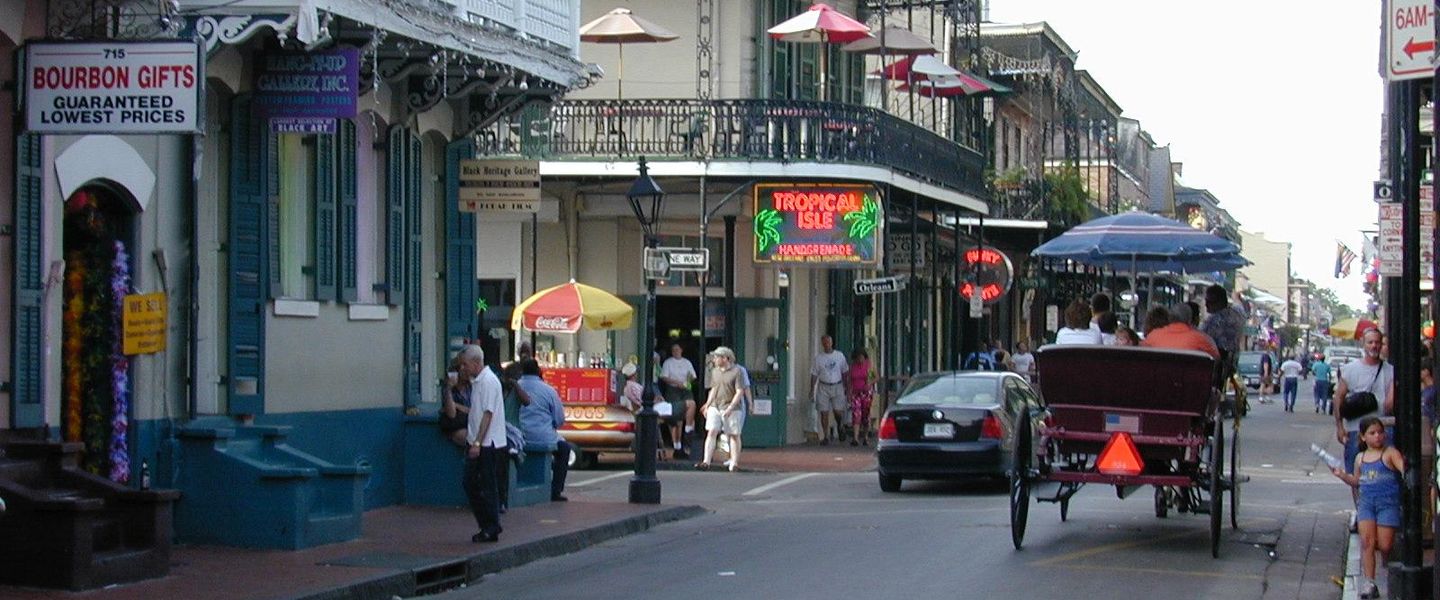
Greater New Orleans, Louisiana Travel Guide
Discover Greater New Orleans: Where history meets modern charm amidst jazz beats, culinary delights, and vibrant festivals in Louisiana's most captivating region.
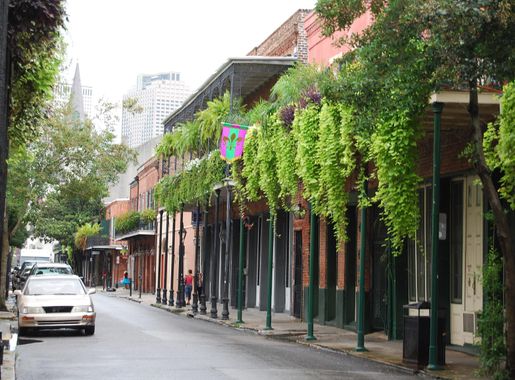
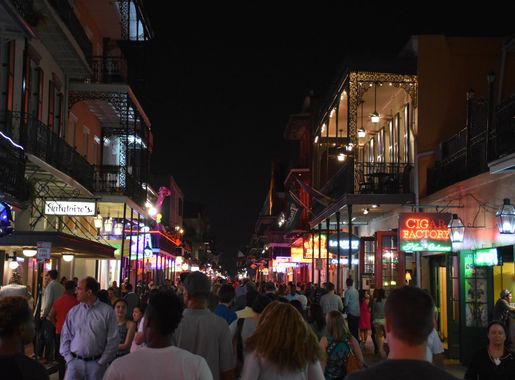
Greater New Orleans is a vibrant and unique area that offers an unforgettable experience for travelers. With its rich history, diverse culture, and lively atmosphere, this region is a treasure trove of attractions and activities. Visitors can explore the iconic French Quarter, known for its historic architecture, jazz music, and bustling nightlife. The neighborhood is home to famous landmarks such as Jackson Square, St. Louis Cathedral, and the bustling Bourbon Street. Beyond the French Quarter, Greater New Orleans boasts beautiful parks, such as City Park, which offers scenic walking trails, boating, and the New Orleans Museum of Art. The Garden District is another must-see area, with its grand mansions and charming streets lined with oak trees. Food lovers will delight in the region's culinary scene, renowned for its Creole and Cajun dishes. Don't miss the chance to try local favorites like gumbo, jambalaya, and beignets. Greater New Orleans also hosts many festivals throughout the year, celebrating everything from music and food to culture and history. Mardi Gras is the most famous of these, with its elaborate parades and vibrant celebrations. Whether you're a history buff, a foodie, or just looking to enjoy some live music, Greater New Orleans has something for everyone.

Know before you go
Hi, I'm Eve. Here are a few practical things to know before exploring Greater New Orleans.
- Visit during Mardi Gras season for an unforgettable experience, but book accommodations well in advance.
- Try to explore the city on foot or by using the streetcars to truly soak in the local atmosphere.
- Sample the local cuisine at both renowned restaurants and hidden gems for a true taste of New Orleans.
- Check the festival calendar before planning your trip to catch one of the many cultural events.
- Stay in different neighborhoods to experience the diverse vibes of the Greater New Orleans area.
Top City Travel Guides in Greater New Orleans
The cities of Greater New Orleans, and the easiest places to base yourself.


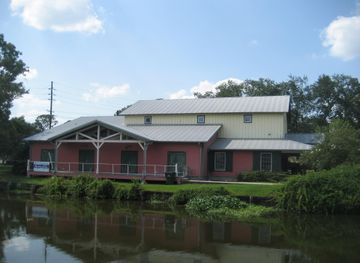
Destinations in Greater New Orleans
Resorts, valleys and scenic spots worth a trip of their own.


Explore Greater New Orleans: Things to Do, Places to Eat, Hotels & More
Handpicked recommendations for top attractions, local dining, accommodations, and more

Top Attractions & Sightseeing in Greater New Orleans
Top-rated picks
Best Attractions

The National WWII Museum
Explore the profound history of World War II at The National WWII Museum in New Orleans, featuring immersive exhibits and authentic artifacts.

Jackson Square
Discover the historic charm and lively atmosphere of Jackson Square, New Orleans' iconic landmark, where culture and community come alive.

Caesars Superdome
Discover the vibrant atmosphere of Caesars Superdome, New Orleans' premier venue for sports and entertainment, rich in history and excitement.

Audubon Aquarium
Experience the magic of marine life at the Audubon Aquarium in New Orleans, a fantastic destination for family fun and oceanic exploration.

Best landmarks in Greater New Orleans
Top-rated picks
Best Landmarks

Audubon Aquarium
Discover the magical underwater world at Audubon Aquarium in New Orleans, where marine life and conservation come together for a family-friendly adventure.

Audubon Insectarium
Explore the wonders of the insect world at the Audubon Insectarium, a family-friendly museum in New Orleans blending education with excitement.

Longue Vue House & Gardens
Explore Longue Vue House & Gardens in New Orleans: A historical landmark blending art, nature, and rich cultural heritage for an unforgettable experience.

The Cabildo
Explore the fascinating history of New Orleans at The Cabildo, a historic museum in the French Quarter showcasing Louisiana's rich cultural heritage.

Best restaurants in Greater New Orleans
Top-rated picks
Best Restaurants

Cochon Restaurant
Experience the heart of Cajun cuisine at Cochon Restaurant in New Orleans – where local flavors meet Southern hospitality.

Commander's Palace
Experience exquisite Creole cuisine at Commander's Palace in New Orleans – where tradition meets culinary excellence in a vibrant setting.

Cafe Du Monde
New Orleans' timeless beignet haven in lush City Park: fresh-fried doughnuts, chicory cafe au lait, and sugar-dusted joy since 1862.

Willa Jean
Discover Willa Jean: A vibrant Southern restaurant and bakery offering delightful breakfast and lunch options in New Orleans' Warehouse District.

Best bars in Greater New Orleans
Top-rated picks
Best Bars

Lafitte's Blacksmith Shop Bar
Discover the historic Lafitte's Blacksmith Shop Bar, a lively spot in New Orleans' French Quarter, where history meets vibrant nightlife.

Pat O'Brien's
Discover the lively spirit of New Orleans at Pat O'Brien's, a historic bar famous for its signature cocktails and live music in the heart of the French Quarter.

Superior Seafood & Oyster Bar
Discover the essence of New Orleans dining at Superior Seafood & Oyster Bar, where fresh flavors and local charm come together.

The Carousel Bar & Lounge
Experience the charm of New Orleans at The Carousel Bar & Lounge, where unique cocktails and a whimsical atmosphere await in the heart of the French Quarter.

Best nightclubs in Greater New Orleans
Top-rated picks
Best Nightclubs

The Dungeon
Discover the vibrant nightlife of The Dungeon, a rock music club in the heart of New Orleans' French Quarter, where live music and cocktails collide.

Hi-Ho Lounge
Discover the heart of New Orleans nightlife at Hi-Ho Lounge, a vibrant live music bar offering unforgettable performances and a welcoming atmosphere.

Tropical Isle
Discover the vibrant nightlife of Tropical Isle in New Orleans' French Quarter, featuring live music and delicious frozen daiquiris for an unforgettable experience.

Tommy’s Bar & Restaurant
Discover the flavors of Louisiana at Tommy's Bar & Restaurant in Grand Isle, where delicious food and a friendly atmosphere await.

Best shops in Greater New Orleans
Top-rated picks
Best Shops

Shops of the Colonnade
Explore the vibrant Shops of the Colonnade in New Orleans' French Market, a hub of unique boutiques, local flavors, and rich culture.

Lakeside Shopping Center
Discover Lakeside Shopping Center: your ultimate destination for shopping, dining, and entertainment in Metairie, Louisiana.

Riverwalk Outlets
Discover the ultimate shopping experience at Riverwalk Outlets, where vibrant culture meets great deals in New Orleans.

Marie Laveau's House Of Voodoo
Experience the mystical allure of Voodoo culture at Marie Laveau's House of Voodoo in New Orleans' historic French Quarter.

Explore Greater New Orleans on the Map
A handpicked selection of must-see spots in Greater New Orleans, mapped for you.
Greater New Orleans Essentials
-
Greater New Orleans is accessible via Louis Armstrong New Orleans International Airport (MSY), which is located approximately 15 miles from downtown New Orleans. The airport serves numerous domestic and international flights. Alternatively, Amtrak offers train service to New Orleans from various major cities. For those driving, Interstate 10, Interstate 55, and Interstate 59 all connect to the city, making it easily reachable by car.
-
Public transportation in Greater New Orleans includes buses and streetcars operated by the New Orleans Regional Transit Authority (RTA). Taxis, rideshares like Uber and Lyft, and bike rentals are also widely available. For a unique experience, consider taking a ferry across the Mississippi River. Walking is a popular option in neighborhoods like the French Quarter, but for longer distances, car rentals or public transit are recommended.
-
The official currency is the US Dollar (USD). Credit and debit cards are widely accepted in most establishments, including hotels, restaurants, and shops. ATMs are plentiful throughout Greater New Orleans. However, it's advisable to carry some cash for smaller vendors, particularly in markets or for street performers.
-
While Greater New Orleans is generally safe for tourists, some areas have higher crime rates, particularly for petty crimes like pickpocketing. Exercise caution in neighborhoods like Central City, New Orleans East, and parts of the Lower Ninth Ward. Avoid walking alone at night in unfamiliar areas and keep your belongings secure and out of sight.
-
In case of emergency, dial 911 for police, fire, or medical assistance. The main hospitals include University Medical Center and Tulane Medical Center. Pharmacies are widely available for minor health issues. It is advisable to have travel insurance that covers medical emergencies.
-
Fashion: Do wear comfortable shoes for walking and breathable clothing due to the humid climate. Don't wear overly revealing clothing when visiting religious sites. Religion: Do respect local customs and traditions. Public Transport: Do have exact change if paying cash for bus or streetcar rides. Don't be loud or disruptive. Greetings: Do greet people with a friendly 'hello' or 'hi,' and a handshake is also common. Eating & Drinking: Do try local cuisine like gumbo and beignets. Don't refuse food or drink offerings as it can be seen as impolite.
-
To experience Greater New Orleans like a local, visit the Frenchmen Street for live music, the Bywater neighborhood for artsy vibes, and the Crescent Park for stunning views of the Mississippi River. Avoid Bourbon Street if you want a more authentic experience, as it is often crowded with tourists. Engage with locals at farmers' markets and festivals, and don't miss out on a traditional jazz brunch.
When is the best time to visit Greater New Orleans?
Useful Local Phrases for Greater New Orleans
You don't need to speak the language perfectly. Even learning a few simple words can make conversations warmer—and locals usually appreciate the effort.
— Eve

Here are the phrases I use most often in Greater New Orleans. Try a few—you'll be surprised how far they go! 😊
❤️
-
- HelloBonjour
[Bohn-zhoor] - GoodbyeAu revoir
[Oh ruh-vwahr] - YesOui
[Wee] - NoNon
[Nohn] - Please/You’re welcomeS'il vous plaît/De rien
[Seel voo pleh/Duh ree-ehn] - Thank youMerci
[Mehr-see] - Excuse me/SorryPardon
[Pahr-dohn] - How are you?Comment ça va?
[Koh-mahn sah vah] - Fine. And you?Ça va bien. Et toi?
[Sah vah byan. Eh twah] - Do you speak English?Parlez-vous anglais?
[Par-lay voo ahn-glay] - I don't understandJe ne comprends pas
[Zhuh nuh kohm-prahn pah]
- HelloBonjour
-
- I'd like to see the menu, pleaseJe voudrais voir le menu, s'il vous plaît
[Zhuh voo-dray vwar luh meh-nu, seel voo pleh] - I don't eat meatJe ne mange pas de viande
[Zhuh nuh mahnj pah duh vyahnd] - Cheers!À votre santé!
[Ah voh-truh sahn-tay] - I would like to pay, pleaseJe voudrais payer, s'il vous plaît
[Zhuh voo-dray pay-ay, seel voo pleh]
- I'd like to see the menu, pleaseJe voudrais voir le menu, s'il vous plaît
-
- Help!Au secours!
[Oh suh-koor] - Go away!Allez-vous-en!
[Ah-lay voo zahn] - Call the Police!Appelez la police!
[Ah-peh-lay lah poh-lees] - Call a doctor!Appelez un docteur!
[Ah-peh-lay uhnd doh-ktehr] - I'm lostJe suis perdu
[Zhuh swee pehr-dyoo] - I'm illJe suis malade
[Zhuh swee mah-lahd]
- Help!Au secours!
-
- I'd like to buy...Je voudrais acheter...
[Zhuh voo-dray ah-shuh-tay] - I'm just lookingJe regarde juste
[Zhuh ruh-gard zhoost] - How much is it?C'est combien?
[Say kohm-byen] - That's too expensiveC'est trop cher
[Say troh shair] - Can you lower the price?Pouvez-vous baisser le prix?
[Poo-vay voo beh-say luh pree]
- I'd like to buy...Je voudrais acheter...
-
- What time is it?Quelle heure est-il?
[Kell uhr eh-teel] - It's one o'clockIl est une heure
[Eel eh tün uhr] - Half past (10)Dix heures et demie
[Dee-z uhr eh duh-mee] - MorningMatin
[Mah-tahn] - AfternoonAprès-midi
[Ah-pray-mee-dee] - EveningSoir
[Swahr] - YesterdayHier
[Ee-air] - TodayAujourd'hui
[Oh-zhoor-dwee] - TomorrowDemain
[Duh-mahn] - 1Un
[Uhn] - 2Deux
[Duh] - 3Trois
[Trwah] - 4Quatre
[Kah-truh] - 5Cinq
[Sank] - 6Six
[Seez] - 7Sept
[Set] - 8Huit
[Wheet] - 9Neuf
[Nuhf] - 10Dix
[Dee]
- What time is it?Quelle heure est-il?
-
- Where's a/the...?Où est un/une...?
[Oo eh uhn/oon] - What's the address?Quelle est l'adresse?
[Kell eh lah-dress] - Can you show me (on the map)?Pouvez-vous me montrer (sur la carte)?
[Poo-vay voo muh mohn-tray (sur lah kart)] - When's the next (bus)?Quand est le prochain (bus)?
[Kahn eh luh proh-shen (boos)] - A ticket (to ....)Un ticket (pour ...)
[Uhn tee-ket (poor ...)]
- Where's a/the...?Où est un/une...?
History of Greater New Orleans
-
New Orleans was founded in 1718 by the French Mississippi Company, under the direction of Jean-Baptiste Le Moyne de Bienville. It was named La Nouvelle-Orléans in honor of Philippe II, Duke of Orléans, the Regent of France. The strategic location along the Mississippi River made it an important hub for trade and military operations.
-
New Orleans was originally a French colony, but it was ceded to Spain in 1763 following the Seven Years' War. Under Spanish rule, the city saw significant improvements in infrastructure, including the construction of the Cabildo and the St. Louis Cathedral. In 1800, it briefly returned to French control before being sold to the United States in the Louisiana Purchase of 1803.
-
In 1803, the United States acquired New Orleans and the vast Louisiana Territory from France for $15 million. This monumental event, known as the Louisiana Purchase, effectively doubled the size of the young nation and secured American control over the Mississippi River, which was crucial for trade and westward expansion.
-
Fought between December 1814 and January 1815, the Battle of New Orleans was the final major battle of the War of 1812. Under the command of General Andrew Jackson, American forces successfully repelled the British Army, solidifying American control over the region and boosting national morale.
-
New Orleans has long been a cultural melting pot, blending influences from French, Spanish, African, and Caribbean traditions. This rich cultural tapestry is evident in its cuisine, music, and festivals. The city's Creole and Cajun cultures are particularly noteworthy, contributing to its unique identity.
-
New Orleans is widely considered the birthplace of jazz music. In the early 20th century, musicians like Louis Armstrong and Jelly Roll Morton emerged from this vibrant musical landscape, revolutionizing American music and giving birth to a genre that would have global influence.
-
In August 2005, Hurricane Katrina struck New Orleans, causing widespread devastation and loss of life. The storm surge breached levees, leading to catastrophic flooding. The event highlighted issues related to infrastructure, emergency response, and social inequality. The city's recovery has been ongoing, marked by both resilience and challenges.
-
Mardi Gras, or Fat Tuesday, is one of New Orleans' most famous cultural events. Rooted in French Catholic traditions, the festival features parades, masquerade balls, and street parties. The celebration culminates in a day of feasting before the start of Lent. It attracts millions of visitors each year and is a testament to the city's vibrant culture.
-
The French Quarter, also known as Vieux Carré, is the oldest neighborhood in New Orleans. Established in 1718, it is famous for its historic buildings, lively nightlife, and unique architecture, including the iconic wrought-iron balconies. The district is a National Historic Landmark and a must-visit for anyone exploring the city's heritage.
Neighbouring Regions of Greater New Orleans
The closest regions to Greater New Orleans, if you have time for more than one.



Your all‑in‑one travel companion app
Explore expert travel guides, compare and book tours, experiences, hotels, and more—all from the palm of your hand. Download now for seamless trip planning wherever your wanderlust takes you.


Explore More of Louisiana

Looking beyond Greater New Orleans? Discover Louisiana for broader travel guides, local hot-spots, and regional highlights.
Explore LouisianaGreater New Orleans in Photos
Browse through our photo collection highlighting the charm and character of the destination.
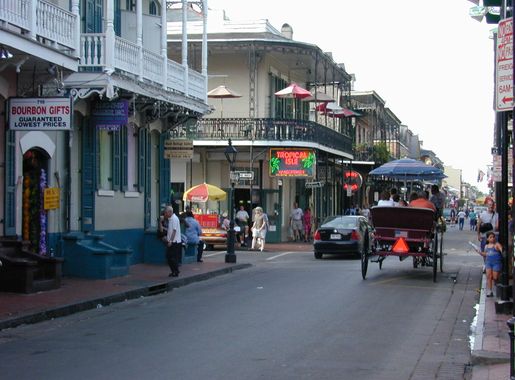




The Allure of Greater New Orleans: A Melting Pot of Culture and Charm
Greater New Orleans is a vibrant and unique area that offers an unforgettable experience for travelers. With its rich history, diverse culture, and lively atmosphere, this region is a treasure trove of attractions and activities. Visitors can explore the iconic French Quarter, known for its historic architecture, jazz music, and bustling nightlife. The neighborhood is home to famous landmarks such as Jackson Square, St. Louis Cathedral, and the bustling Bourbon Street. Beyond the French Quarter, Greater New Orleans boasts beautiful parks, such as City Park, which offers scenic walking trails, boating, and the New Orleans Museum of Art. The Garden District is another must-see area, with its grand mansions and charming streets lined with oak trees. Food lovers will delight in the region's culinary scene, renowned for its Creole and Cajun dishes. Don't miss the chance to try local favorites like gumbo, jambalaya, and beignets. Greater New Orleans also hosts many festivals throughout the year, celebrating everything from music and food to culture and history. Mardi Gras is the most famous of these, with its elaborate parades and vibrant celebrations. Whether you're a history buff, a foodie, or just looking to enjoy some live music, Greater New Orleans has something for everyone.