

Free Plantation Country Travel Guide & Mobile App
Explore Plantation Country with free travel guides. Discover regional history, expert tips, proposed trips, and audio guides on web or mobile app.


Explore Louisiana's Plantation Country for riverfront estates, sugar-cane landscapes, Civil Rights history, wetlands and distinctive Creole and Cajun food.
Read more about Plantation Country
When is the best time to visit Plantation Country?
Best: April, October–November · 20–26°C| Month | High (°C) | Rainfall (mm) |
|---|---|---|
| January | 16 | 114 |
| February | 18 | 112 |
| March | 23 | 130 |
| April (best) | 26 | 120 |
| May | 30 | 137 |
| June | 33 | 162 |
| July | 34 | 173 |
| August | 33 | 168 |
| September | 31 | 133 |
| October (best) | 26 | 107 |
| November (best) | 20 | 102 |
| December | 16 | 122 |
Getting to and around Plantation Country
How to get there
Transportation
Top city travel guides in Plantation Country
The cities of Plantation Country, and the easiest places to base yourself.
-

-

-

-


Swipe for more cities
Destinations in Plantation Country
Resorts, valleys and scenic spots worth a trip of their own.
-

-

-
-

-

-


Swipe for more destinations
Best attractions in Plantation Country
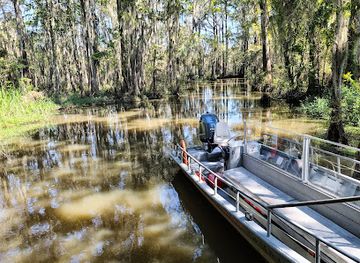
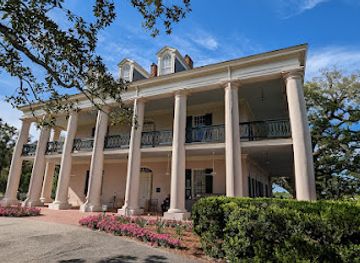
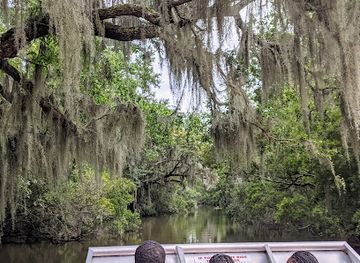
Plantation Country's attractions follow the Mississippi River and combine historic estates, difficult social history and lowland scenery. Plantation museums include Oak Alley, with its celebrated avenue of live oaks; Laura Plantation, which interprets a Creole plantation through family records and the stories of enslaved people; Whitney Plantation, devoted principally to the history of slavery; and Houmas House, known for its historic buildings, gardens and interpretation of plantation life. San Francisco Plantation adds a distinctive example of nineteenth-century sugar-house architecture. In Baton Rouge, the Capitol Park Museum and Louisiana's Old State Capitol broaden the story beyond plantation houses through exhibits on state history, politics, culture and natural environments. The corridor also offers rural drives through sugar-cane country, bayou landscapes, birdwatching opportunities and guided swamp excursions in suitable wetland areas. Because many attractions are separated by substantial distances, visitors should select a few sites that match their interests rather than attempting every property in one day. The most meaningful visits balance architectural interest with the histories of enslaved workers, free people of colour, immigrant communities and later agricultural and industrial workers.
-
Tour operator
Cajun Encounters Tour Company
Experience the authentic Cajun culture and breathtaking nature of Louisiana with Cajun Encounters Tour Company, your gateway to unforgettable adventures.
-
History museum
Oak Alley Plantation
Explore the rich history and stunning beauty of Oak Alley Plantation, a captivating site that embodies the spirit of the antebellum South.
-
Tour operator
Airboat Adventures
Discover the enchanting swamps of Louisiana at Airboat Adventures, where thrilling airboat rides meet stunning wildlife encounters.
-
Tour agency
Cajun Encounters Tours
Discover the authentic Cajun experience with guided tours through New Orleans' vibrant landscapes and rich cultural heritage.

Best landmarks in Plantation Country
The most recognisable landmarks of Plantation Country are often the long allées of live oaks leading towards historic houses. Oak Alley's evenly spaced trees create one of the region's most distinctive views, although the landscape must be understood alongside the enslaved labour that made the plantation economy possible. Houmas House is another prominent river-parish landmark, set among gardens and mature trees, while San Francisco Plantation is notable for its colourful nineteenth-century architecture and surviving sugar-era character. Laura Plantation's Creole buildings and grounds reflect a different architectural and cultural tradition from the grand Greek Revival image often associated with the region. The Mississippi River itself is the defining natural landmark, with levees, bends, industrial docks and changing light shaping the settlements along its banks. In Baton Rouge, the Louisiana State Capitol forms a major civic landmark, and the Old State Capitol provides a contrasting Gothic Revival silhouette. These places are not interchangeable symbols of a romantic past: together they reveal political power, agricultural wealth, cultural exchange, environmental engineering and the enduring consequences of slavery.
-
Tour operator
Cajun Encounters Tour Company
Explore Louisiana's bayous and culture with Cajun Encounters Tour Company, your premier destination for unforgettable boat and sightseeing tours.
-
History museum
Oak Alley Plantation
Discover the elegance of Oak Alley Plantation, a stunning historical site showcasing Louisiana's rich antebellum heritage and breathtaking landscapes.
-
History museum
Whitney Plantation
Explore the poignant history of slavery at Whitney Plantation, a unique museum that tells the stories of the enslaved and preserves their legacy.
-
Museum
TABASCO Factory Tours
Explore the rich history and flavorful journey of TABASCO sauce at the factory tours in Avery Island, Louisiana, a unique blend of culture and culinary delight.


Explore Plantation Country on the map
Plan your trip on one map. See where the top cities, national parks and sights are, and book hotels and experiences in a few clicks.
Best hotels in Plantation Country
Best restaurants in Plantation Country
Dining in Plantation Country reflects the overlapping culinary traditions of south Louisiana rather than a single plantation cuisine. Baton Rouge has the broadest choice of restaurants, from contemporary Louisiana cooking and seafood houses to cafés serving gumbo, po-boys, boudin, jambalaya and fried seafood. In the river parishes, family-run restaurants, rural cafés and seasonal counters may place greater emphasis on crawfish, catfish, shrimp, rice dishes, smoked meats and vegetables influenced by Creole and Cajun cooking. Sugar cane remains a visible agricultural presence, and cane syrup and other local products appear in some traditional recipes and market stalls. Boudin, a seasoned sausage commonly made with pork and rice, and andouille, a smoked sausage used in dishes such as gumbo, are worth trying where available, while recipes vary between producers. Menus can change with the harvest and seafood seasons, and diners should ask about ingredients, spice levels and shellfish content. Farmers' markets and food festivals, when operating, offer a useful way to sample regional produce without treating historic plantation sites as restaurants first and museums second.
-
Cajun
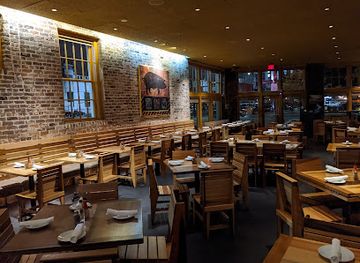
Cochon Restaurant
Discover authentic Cajun flavors at Cochon Restaurant in New Orleans, where local ingredients meet innovative Southern cuisine for an unforgettable dining experience.
-
Seafood
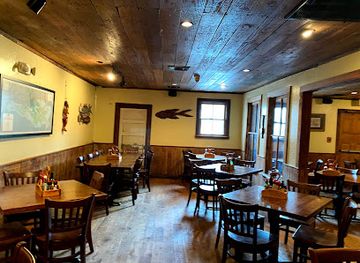
Parrain's Seafood Restaurant
Discover authentic Louisiana seafood at Parrain's Seafood Restaurant in Baton Rouge – where every dish tells a story!
-
Restaurant
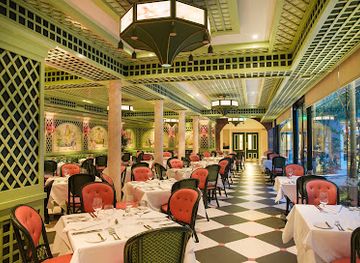
Brennan's
Experience the epitome of Creole cuisine at Brennan's, where tradition meets elegance in the heart of New Orleans' French Quarter.
-
American
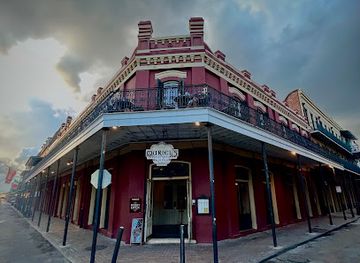
Muriel's Jackson Square
Discover Muriel's Jackson Square: A premier American restaurant in New Orleans' French Quarter known for its exquisite cuisine and enchanting ambiance.
Best bars in Plantation Country
Nightlife is concentrated in Baton Rouge and in the larger river communities rather than spread evenly across Plantation Country. Baton Rouge offers bars, breweries, live-music rooms, restaurants and venues connected with its university and civic life, while smaller towns generally favour neighbourhood bars, historic inns, casual restaurants and occasional live music. Along the rural plantation corridor, evenings are usually quiet after visitor attractions close, and a car is important because distances, limited street lighting and taxi availability make spontaneous venue-hopping impractical. Local breweries and cocktail bars provide alternatives to traditional pubs, but opening arrangements and individual businesses change, so current listings should be checked before travelling. Some restaurants serve local beer, Louisiana spirits and seasonal drinks alongside food, making them a more typical evening destination than a nightclub. Visitors should arrange a sober driver or ride in advance and avoid drinking on levees, riverbanks or other public areas where it may be prohibited.
-
Sports bar
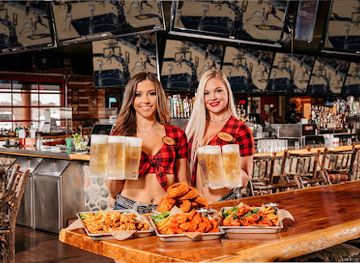
Twin Peaks
Discover Twin Peaks, Lafayette's premier sports bar, where American cuisine meets a vibrant atmosphere for an unforgettable dining experience.
-
American
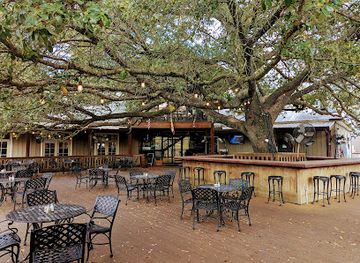
The Francis Southern Table & Bar
Experience the best of Southern hospitality and American cuisine at The Francis Southern Table & Bar in St. Francisville, Louisiana.
-
Historical place museum
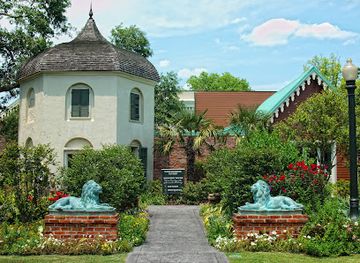
Houmas House Estate and Gardens
Experience the elegance of Houmas House Estate and Gardens, a historic gem in Louisiana with lush gardens, a fascinating museum, and delightful dining.
-
Bar
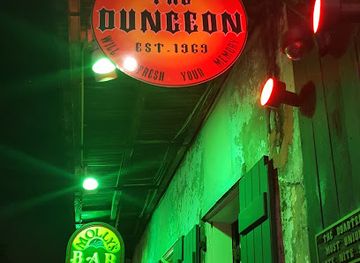
The Dungeon
Experience the electrifying atmosphere of The Dungeon, a premier rock music club and bar in New Orleans' iconic French Quarter, perfect for nightlife lovers.
Best nightclubs in Plantation Country
Nightlife is concentrated in Baton Rouge and in the larger river communities rather than spread evenly across Plantation Country. Baton Rouge offers bars, breweries, live-music rooms, restaurants and venues connected with its university and civic life, while smaller towns generally favour neighbourhood bars, historic inns, casual restaurants and occasional live music. Along the rural plantation corridor, evenings are usually quiet after visitor attractions close, and a car is important because distances, limited street lighting and taxi availability make spontaneous venue-hopping impractical. Local breweries and cocktail bars provide alternatives to traditional pubs, but opening arrangements and individual businesses change, so current listings should be checked before travelling. Some restaurants serve local beer, Louisiana spirits and seasonal drinks alongside food, making them a more typical evening destination than a nightclub. Visitors should arrange a sober driver or ride in advance and avoid drinking on levees, riverbanks or other public areas where it may be prohibited.
-
Night club
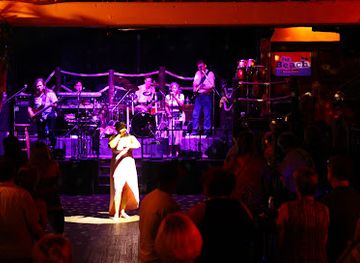
Beach On Bourbon
Dive into the exhilarating nightlife of New Orleans at Beach On Bourbon, where music, dance, and good times meet in a vibrant atmosphere.
-
Night club
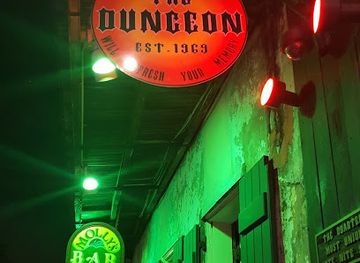
The Dungeon
Experience the electrifying nightlife and rock music scene at The Dungeon in the heart of New Orleans' vibrant French Quarter.
-
Concert hall
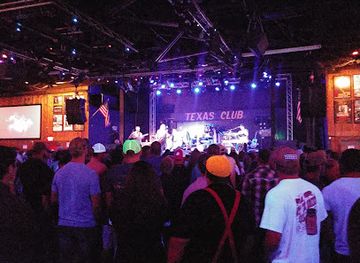
Texas Club
Discover the vibrant nightlife and live music scene at the Texas Club, Baton Rouge's premier concert hall offering unforgettable experiences.
-
Night club
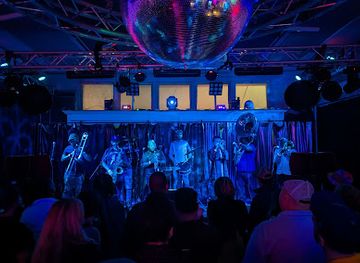
The Rabbit Hole
Discover the electrifying nightlife of New Orleans at The Rabbit Hole, where music, dance, and local flavor unite for an unforgettable experience.
Best shops in Plantation Country
Shopping in Plantation Country is strongest in Baton Rouge, where visitors will find established retail areas, independent boutiques, books, galleries, Louisiana food products and shops connected with the city's cultural institutions. Smaller river communities offer local high streets, antiques, souvenirs and practical services rather than extensive destination shopping. At farmers' markets and specialist food shops, look for Louisiana products such as cane syrup, hot sauces, spices, pecans, preserves, pralines and packaged rice or sausage products, subject to transport and customs rules for international travellers. Craft galleries may carry pottery, paintings, woodwork, textiles and jewellery inspired by the landscapes and traditions of south Louisiana. Gift shops at plantation museums usually stock books and educational material as well as decorative souvenirs; choosing historical publications can provide more lasting context than buying a generic antebellum-themed item. Market days and seasonal events vary, so check current local information rather than assuming that a rural town has a daily market. When buying food for travel, confirm whether it can legally enter the next country or state on the itinerary.
-
Department store
Walmart Supercenter
Explore Walmart Supercenter in New Roads, LA: A convenient shopping paradise for all your needs, from groceries to home goods at budget-friendly prices.
-
Dollar store
Dollar Tree
Discover unbeatable deals at Dollar Tree in New Roads, where every item is just a dollar, making shopping fun and budget-friendly!
-
Gift shop
Bayou Belle Boutique
Explore the enchanting Bayou Belle Boutique in Denham Springs for unique gifts and local treasures that celebrate Louisiana's vibrant culture.
-
Gift shop
Sanctuary Home & Gifts
Discover unique treasures and local artisan gifts at Sanctuary Home & Gifts in Baton Rouge, a perfect stop for souvenirs and thoughtful presents.


Get your free copy of our complete guide to Plantation Country, delivered straight to you.
Everything on this page, from attractions and restaurants to essentials and local phrases, in one PDF you can read offline, print or share.
Already have an account? Sign in
Your Plantation Country guide is ready.
We'll send it to · Not you? Sign out

Getting your guide ready…
We are putting together a fresh copy of the Plantation Country guide. This can take up to a minute.
This can take a few moments. If your browser asks, choose Allow so the download can start. You'll find the guide in your Downloads folder.
Nothing happened? Download it again
Sorry, the guide is taking longer than usual. Please try again in a minute, or get it by email instead.
Plantation Country essentials
Currency and Payment
Safety
Emergency Situations
Do's and Don'ts
Local Tips
From Eve
Local phrases worth knowing
You don't need to get them perfect. A few words go a long way, and locals appreciate the effort.
Basics
| English | Local | Say it |
|---|---|---|
| Hello | Bonjour | [Bohn-zhoor] |
| Goodbye | Au revoir | [Oh ruh-vwahr] |
| Yes | Oui | [Wee] |
| No | Non | [Nohn] |
| Please/You're welcome | S'il vous plaît | [Seel voo pleh] |
| Thank you | Merci | [Mehr-see] |
| Excuse me/Sorry | Pardon | [Par-dohn] |
| How are you? | Comment ça va? | [Koh-mohn sah vah] |
| Fine. And you? | Bien. Et vous? | [Byen. Ay voo?] |
| Do you speak English? | Parlez-vous anglais? | [Par-lay voo ahn-glay?] |
| I don't understand | Je ne comprends pas | [Zhuh nuh kom-prahn pah] |
Eating & Drinking
| English | Local | Say it |
|---|---|---|
| I'd like to see the menu, please | Je voudrais voir le menu, s'il vous plaît | [Zhuh voo-dray vwar luh meh-nu, seel voo pleh] |
| I don't eat meat | Je ne mange pas de viande | [Zhuh nuh mahnj pah duh vyahnd] |
| Cheers! | Santé! | [Sahn-tay] |
| I would like to pay, please | Je voudrais payer, s'il vous plaît | [Zhuh voo-dray pay-ay, seel voo pleh] |
Emergencies
| English | Local | Say it |
|---|---|---|
| Help! | Au secours! | [Oh suh-coor] |
| Go away! | Allez-vous-en! | [Ah-lay voo zahn] |
| Call the Police! | Appelez la police! | [Ah-peh-lay lah poh-lees] |
| Call a doctor! | Appelez un médecin! | [Ah-peh-lay uhn meh-deh-sahn] |
| I'm lost | Je suis perdu | [Zhuh swee pair-doo] |
| I'm ill | Je suis malade | [Zhuh swee mah-lahd] |
Shopping
| English | Local | Say it |
|---|---|---|
| I'd like to buy... | Je voudrais acheter... | [Zhuh voo-dray ah-sheh-tay] |
| I'm just looking | Je regarde juste | [Zhuh ruh-gard zhoost] |
| How much is it? | C'est combien? | [Say kohm-byen?] |
| That's too expensive | C'est trop cher | [Say troh shair] |
| Can you lower the price? | Pouvez-vous baisser le prix? | [Poo-vay voo beh-say luh pree?] |
Time & Numbers
| English | Local | Say it |
|---|---|---|
| What time is it? | Quelle heure est-il? | [Kell uhr eh-teel?] |
| It's one o'clock | Il est une heure | [Eel eh tün uhr] |
| Half past (10) | Dix heures et demie | [Dee uhr eh duh-mee] |
| Morning | Matin | [Mah-tahn] |
| Afternoon | Après-midi | [Ah-preh-mee-dee] |
| Evening | Soir | [Swar] |
| Yesterday | Hier | [Ee-air] |
| Today | Aujourd'hui | [Oh-zhoor-dwee] |
| Tomorrow | Demain | [Duh-mahn] |
| 1 | Un | [Uhn] |
| 2 | Deux | [Duh] |
| 3 | Trois | [Trwah] |
| 4 | Quatre | [Kah-truh] |
| 5 | Cinq | [Sank] |
| 6 | Six | [Sees] |
| 7 | Sept | [Set] |
| 8 | Huit | [Weet] |
| 9 | Neuf | [Nurf] |
| 10 | Dix | [Dee] |
Transport & Directions
| English | Local | Say it |
|---|---|---|
| Where's a/the...? | Où est un/une...? | [Ooh eh uhn/oon...?] |
| What's the address? | Quelle est l'adresse? | [Kell eh l'ah-dress?] |
| Can you show me (on the map)? | Pouvez-vous me montrer (sur la carte)? | [Poo-vay voo muh mohn-tray (sur lah kart)?] |
| When's the next (bus)? | Quand est le prochain (bus)? | [Kahn eh luh pro-shen (boos)?] |
| A ticket (to ....) | Un billet (pour ...) | [Uhn bee-yay (poor ...)] |
History of Plantation Country
Indigenous River and Wetland Landscapes
Long before European settlement, the Mississippi River floodplain and its surrounding wetlands supported Indigenous communities whose lives were connected to seasonal water levels, fishing, hunting, agriculture and trade. The region lies within a landscape shaped by shifting channels, natural levees and bayous rather than a fixed modern shoreline. Indigenous presence continued after colonisation, although disease, warfare, land seizure and political pressure profoundly altered Native communities. Visitors encounter only fragments of this earlier history in the modern corridor, making it important not to treat the plantation era as the beginning of the region's story.
French, Spanish and Early American Louisiana
European colonisation along the lower Mississippi developed under French and then Spanish rule before Louisiana became part of the United States through the Louisiana Purchase of 1803. River settlement was encouraged by access to transport and fertile alluvial soils. French-speaking communities, Catholic institutions, African cultural influences and later arrivals from the Caribbean and Europe produced a diverse society. The transfer to American rule brought new legal systems, landholding patterns and commercial connections while leaving older languages, foodways and social customs visible in parts of the river parishes.
The Sugar Plantation Economy
During the nineteenth century, sugar cane became the dominant commercial crop in much of the lower Mississippi corridor. Wealthy planters built large houses and depended on an enslaved labour force to cultivate, harvest and process the crop under brutal conditions. Sugar production was capital-intensive and vulnerable to weather, disease and river conditions, but its profits helped shape land ownership, architecture and local politics. The surviving plantation houses are therefore not simply grand residences: they are physical evidence of an economy founded on racialised enslavement and the extraction of forced labour.
Civil War, Emancipation and Reconstruction
The Mississippi River corridor was strategically important during the American Civil War because control of the river affected movement, supply and communication. Louisiana's plantations and settlements experienced military occupation, disruption and enormous social change. Emancipation ended legal slavery, but Reconstruction brought conflict over land, labour, voting rights and political power. Formerly enslaved people sought family stability, education, paid work and landownership while white planters attempted to preserve economic control through new labour arrangements and political resistance. These struggles shaped the region long after the war ended.
Sugar, Industry and the Modern River
Sugar cane remains important in parts of Plantation Country, but the region's economy has never been solely agricultural. Mechanisation changed plantation work, while petroleum, chemical manufacturing, grain handling, shipping and other industries expanded along the river during the twentieth century. Levees, canals and flood-control projects transformed the relationship between communities and wetlands, offering protection while also altering natural water flows. Modern river parishes consequently combine working farms, industrial corridors, residential settlements, historic sites and ecologically sensitive wetland environments.
The Civil Rights Era and Historical Reinterpretation
The wider Baton Rouge and lower Mississippi communities were affected by the long struggle against segregation and racial inequality. The Baton Rouge bus boycott of 1953, organised by Black residents including civil-rights leader Reverend T. J. Jemison, became an important early protest against segregated public transport in the United States. In recent decades, museums and plantations across the region have increasingly examined slavery, emancipation, civil rights and the lives of ordinary workers rather than presenting plantation architecture in isolation. This shift has made historical interpretation more comprehensive, though the quality and emphasis still vary between sites.
Plantation Country in Photos
Browse through our photo collection highlighting the charm and character of the destination.
Neighbouring regions of Plantation Country
The closest regions to Plantation Country, if you have time for more than one.
-

-

-

-
-


Swipe for more regions
Explore more

Explore more of Louisiana
Discover Louisiana: A melting pot of cultures, flavors, and music in the heart of the American South. Experience the vibrant heritage and natural beauty of the Bayou State.
Explore Louisiana