

Toledo Bend Reservoir, Louisiana Travel Guide
Experience the natural splendor and outdoor adventures at Toledo Bend Reservoir, Louisiana's largest man-made lake, perfect for fishing, boating, and nature exploration.
Toledo Bend Reservoir, nestled along the border of Louisiana and Texas, is a paradise for nature lovers and outdoor enthusiasts. Spanning over 185,000 acres, it is the largest man-made body of water in the southern United States. Its vast expanse offers a serene escape, where visitors can enjoy a variety of activities, from fishing and boating to hiking and bird-watching. The reservoir is renowned for its exceptional fishing opportunities. Anglers from all over the country flock to its waters, which are teeming with bass, catfish, and crappie. The annual fishing tournaments held here are a testament to the reservoir's reputation as a premier fishing destination. Beyond fishing, the crystal-clear waters are perfect for boating, water skiing, and kayaking, providing endless fun for families and adventure seekers alike. Surrounding the reservoir are lush forests and state parks, offering numerous trails for hiking and exploring. The scenic beauty of the area, with its diverse wildlife and vibrant flora, makes it a haven for photographers and nature enthusiasts. For those who prefer a more relaxed visit, there are plenty of picnic spots and campgrounds where you can unwind and soak in the peaceful ambiance. Toledo Bend Reservoir is also steeped in history, with several nearby attractions that provide a glimpse into the region's past. The Sabine River Authority Visitor Center offers insightful exhibits about the reservoir's construction and its impact on the local community. Additionally, the nearby historic sites and museums add a cultural dimension to your visit, making it a well-rounded destination for all interests.

Know before you go
Hi, I'm Eve. Here are a few practical things to know before exploring Toledo Bend Reservoir.
- Visit during the spring or fall for the best weather and fewer crowds.
- Bring your fishing gear as the reservoir is famous for its bass fishing.
- Explore the nearby state parks for hiking and wildlife viewing.
- Check out the Sabine River Authority Visitor Center for interesting exhibits.
- Consider renting a cabin or camping to fully immerse in the natural beauty.
Explore Toledo Bend Reservoir: Things to Do, Places to Eat, Hotels & More
Handpicked recommendations for top attractions, local dining, accommodations, and more

Best attractions in Toledo Bend Reservoir
Top-rated picks
Best Attractions

Cypress Bend Park
Explore Cypress Bend Park, a serene retreat in Louisiana, perfect for outdoor adventures, family picnics, and immersing in nature's beauty.

North Toledo Bend State Park
Explore North Toledo Bend State Park, a haven for outdoor adventures, lush landscapes, and unforgettable family fun in Louisiana.

Fort Johnson Toledo Bend
Explore Fort Johnson Toledo Bend, a serene recreation center by the Toledo Bend Reservoir offering fishing, hiking, and family-friendly outdoor activities.

Wildwood Resort
Escape to Wildwood Resort in Louisiana for a perfect blend of adventure and relaxation amidst stunning natural beauty.


Best restaurants in Toledo Bend Reservoir


Best bars in Toledo Bend Reservoir
Top-rated picks
Best Bars

Fisherman's Galley
Discover the flavors of Louisiana at Fisherman's Galley, a seafood restaurant in Many, offering fresh catches and home-style cooking.

Lost Frontier RV Park and Bar & Grill
Discover the perfect blend of outdoor adventure and culinary delights at Lost Frontier RV Park and Bar & Grill in Hemphill, Texas.

Fin & Feather Resort
Discover the tranquility and adventure of Fin & Feather Resort, a premier destination in Hemphill, Texas for relaxation and outdoor fun.

Cypress Bend Resort
Experience the beauty and adventure of Cypress Bend Resort, Louisiana's premier destination for relaxation amidst nature's splendor.

Best shops in Toledo Bend Reservoir
Top-rated picks
Best Shops

Toledo Town & Tackle
Explore Toledo Town & Tackle in Many, Louisiana – your one-stop shop for fishing gear and local insights into the best fishing spots.

Market Basket
Explore local flavors and essentials at Market Basket, a charming grocery store in Many, Louisiana, perfect for all your shopping needs.

Curtis' Grocery
Discover the charm of Curtis' Grocery in Florien, Louisiana, where local flavors and Southern hospitality come together for an unforgettable shopping experience.

Wildwood Resort
Discover the charm of Wildwood Resort, where nature meets adventure in the heart of Louisiana's stunning landscapes.

Explore Toledo Bend Reservoir on the Map
A handpicked selection of must-see spots in Toledo Bend Reservoir, mapped for you.
Toledo Bend Reservoir Essentials
-
Toledo Bend Reservoir straddles the border between Louisiana and Texas. The nearest major airport is Shreveport Regional Airport (SHV) in Shreveport, Louisiana, about 100 miles away. From the airport, you can rent a car and drive to the reservoir, which takes approximately 2 hours. Alternatively, you can fly into Dallas/Fort Worth International Airport (DFW) in Texas and drive approximately 3.5 hours to reach the reservoir.
-
The best way to explore Toledo Bend Reservoir is by car. Car rentals are available at major airports and in nearby cities. There are no public transportation options directly serving the reservoir, so having a car is essential. Once there, you can use boats or kayaks to explore the lake itself. Many marinas around the reservoir offer boat rentals.
-
The currency used is the United States Dollar (USD). Credit and debit cards are widely accepted at hotels, restaurants, and shops around the reservoir. However, it is advisable to carry some cash, especially when visiting smaller, family-run establishments or rural areas where card payments may not be accepted.
-
Toledo Bend Reservoir is generally a safe destination for tourists. However, standard safety precautions should be taken. Avoid leaving valuables in your car or unattended at campsites and boat docks. While there are no specific high-crime areas targeting tourists, it is always best to stay vigilant, especially in remote areas or after dark.
-
In case of an emergency, dial 911 for immediate assistance. There are medical facilities in nearby towns such as Many, Louisiana, and Hemphill, Texas. It is recommended to have travel insurance that covers medical emergencies. For minor health issues, pharmacies are available in the surrounding towns.
-
Fashion: Do wear comfortable and weather-appropriate clothing. Don’t wear overly revealing attire, especially in family-friendly areas. Religion: Do respect local customs and traditions. Public Transport: Do note that public transportation is virtually non-existent, so plan to drive. Greetings: Do greet people with a friendly 'hello' or 'hi'. Eating & Drinking: Do try local Southern cuisine and freshwater fish dishes. Don’t litter; always dispose of your trash properly.
-
To experience Toledo Bend Reservoir like a local, visit local bait and tackle shops to get insider tips on the best fishing spots. Attend community events and festivals to mingle with locals and learn about the region’s culture and history. Don't miss the opportunity to explore the Sabine National Forest and enjoy hiking, bird-watching, or simply relaxing in nature.
When is the best time to visit Toledo Bend Reservoir?
Useful Local Phrases for Toledo Bend Reservoir
You don't need to speak the language perfectly. Even learning a few simple words can make conversations warmer—and locals usually appreciate the effort.
— Eve

Here are the phrases I use most often in Toledo Bend Reservoir. Try a few—you'll be surprised how far they go! 😊
❤️
-
- HelloHowdy
[Hou-dee] - GoodbyeSee ya
[See yuh] - YesYeah
[Yay] - NoNah
[Nah] - Please/You're welcomePlease/You're welcome
[Pleez/Yor welcome] - Thank youThanks
[Thanks] - Excuse me/SorryPardon me
[Pahr-dun me] - How are you?How y'all doin'?
[Hou y'all doin'] - Fine. And you?Fine. And y'all?
[Fahn. And y'all?] - Do you speak English?Y'all speak English?
[Y'all speak Ing-lish?] - I don't understandI don't git it
[I don't git it]
- HelloHowdy
-
- I'd like to see the menu, pleaseShow me the grub list, please
[Show me the grub list, please] - I don't eat meatI don't eat no meat
[I don't eat no meat] - Cheers!Cheers!
[Cheers!] - I would like to pay, pleaseI'll pay now, please
[I'll pay now, please]
- I'd like to see the menu, pleaseShow me the grub list, please
-
- Help!Help!
[Help!] - Go away!Git outta here!
[Git outta here!] - Call the Police!Call the Po-lice!
[Call the Po-lice!] - Call a doctor!Call a doc!
[Call a doc!] - I'm lostI'm turned around
[I'm turned around] - I'm illI'm feelin' bad
[I'm feelin' bad]
- Help!Help!
-
- I'd like to buy...I wanna buy...
[I wanna buy...] - I'm just lookingI'm just browsin'
[I'm just browsin'] - How much is it?How much does it cost?
[How much does it cost?] - That's too expensiveThat's way too much
[That's way too much] - Can you lower the price?Can ya cut the price?
[Can ya cut the price?]
- I'd like to buy...I wanna buy...
-
- What time is it?What's the time?
[What's the time?] - It's one o'clockIt's one
[It's one] - Half past (10)Half past ten
[Half past ten] - MorningMornin'
[Mornin'] - AfternoonAfternoon
[Afternoon] - EveningEvenin'
[Evenin'] - YesterdayYest'day
[Yest'day] - TodayToday
[Today] - TomorrowTomorra
[Tomorra] - 1One
[Wun] - 2Two
[Too] - 3Three
[Three] - 4Four
[Four] - 5Five
[Five] - 6Six
[Six] - 7Seven
[Seven] - 8Eight
[Ate] - 9Nine
[Nine] - 10Ten
[Ten]
- What time is it?What's the time?
-
- Where's a/the...?Where's the...?
[Where's the...?] - What's the address?What's the addy?
[What's the addy?] - Can you show me (on the map)?Can ya show me (on the map)?
[Can ya show me (on the map)?] - When's the next (bus)?When's the next (bus)?
[When's the next (bus)?] - A ticket (to ....)A ticket (to ....)
[A ticket (to ....)]
- Where's a/the...?Where's the...?
History of Toledo Bend Reservoir
-
Toledo Bend Reservoir, spanning the Louisiana-Texas border, is the largest man-made body of water in the South and the fifth largest in the United States. It was created by the damming of the Sabine River. Construction began in 1961 and was completed in 1969. The project was a massive undertaking, involving the collaboration of both Texas and Louisiana state governments. The primary purposes of the reservoir were flood control, hydroelectric power generation, and recreational activities.
-
The creation of Toledo Bend Reservoir resulted in the displacement of numerous communities and the inundation of thousands of acres of land. Historic towns, farms, and homesteads were submerged, and residents had to relocate. This period was marked by a mix of sorrow and anticipation, as people mourned the loss of their homes but looked forward to the potential economic benefits the reservoir would bring.
-
The construction of Toledo Bend Reservoir had a significant economic impact on the region. The reservoir provided a new source of hydroelectric power, which spurred industrial growth. Additionally, the reservoir became a major recreational hub, attracting tourists for fishing, boating, and camping. This influx of visitors boosted local businesses and led to the development of new infrastructure, including marinas, resorts, and recreational facilities.
-
The Toledo Bend Dam is an earth-fill embankment dam that stands as a marvel of engineering. Stretching 11,250 feet long and standing 112 feet high, the dam holds back the waters of the Sabine River to form the reservoir. Managed by the Sabine River Authority of Texas and the Sabine River Authority of Louisiana, the dam not only provides hydroelectric power but also plays a crucial role in flood control and water supply management.
-
The Sabine River Authority (SRA) oversees the management and development of the Toledo Bend Reservoir. Established in 1949 in Texas and 1950 in Louisiana, the SRA was crucial in the planning and construction of the reservoir. The authority continues to manage water resources, promote conservation, and facilitate recreational activities, ensuring that the reservoir remains a valuable asset to both states.
-
Toledo Bend Reservoir has grown into one of the premier recreational destinations in the region. Known for its world-class fishing, the reservoir hosts numerous fishing tournaments, including the famous Bassmaster Elite Series. In addition to fishing, the reservoir offers a variety of recreational activities such as boating, water skiing, and bird watching. The development of parks, campgrounds, and nature trails has made it a popular destination for outdoor enthusiasts.
-
The creation and ongoing management of Toledo Bend Reservoir have included significant efforts toward environmental conservation. Initiatives have been undertaken to maintain water quality, protect wildlife habitats, and manage fish populations. The reservoir supports a diverse range of flora and fauna, making it an important ecological site in the region. Conservation programs aim to balance human activity with the preservation of natural resources.
-
Toledo Bend Reservoir holds cultural significance for the local communities on both sides of the Louisiana-Texas border. The reservoir's creation is a testament to human ingenuity and cooperation across state lines. It has become a symbol of regional pride and a centerpiece for community events and festivals. The reservoir also serves as a living history site, with interpretive programs and historical markers that educate visitors about the area's rich heritage.
Neighbouring destination travel guides
Browse our curated selection of top destinations, scenic points, and must-visit spots in the area.




Your all‑in‑one travel companion app
Explore expert travel guides, compare and book tours, experiences, hotels, and more—all from the palm of your hand. Download now for seamless trip planning wherever your wanderlust takes you.


Explore More of Central Louisiana

Looking beyond Toledo Bend Reservoir? Discover Central Louisiana for broader travel guides, local hot-spots, and regional highlights.
Explore Central LouisianaExplore More of Louisiana

Looking beyond Toledo Bend Reservoir? Discover Louisiana for broader travel guides, local hot-spots, and regional highlights.
Explore LouisianaToledo Bend Reservoir in Photos
Browse through our photo collection highlighting the charm and character of the destination.


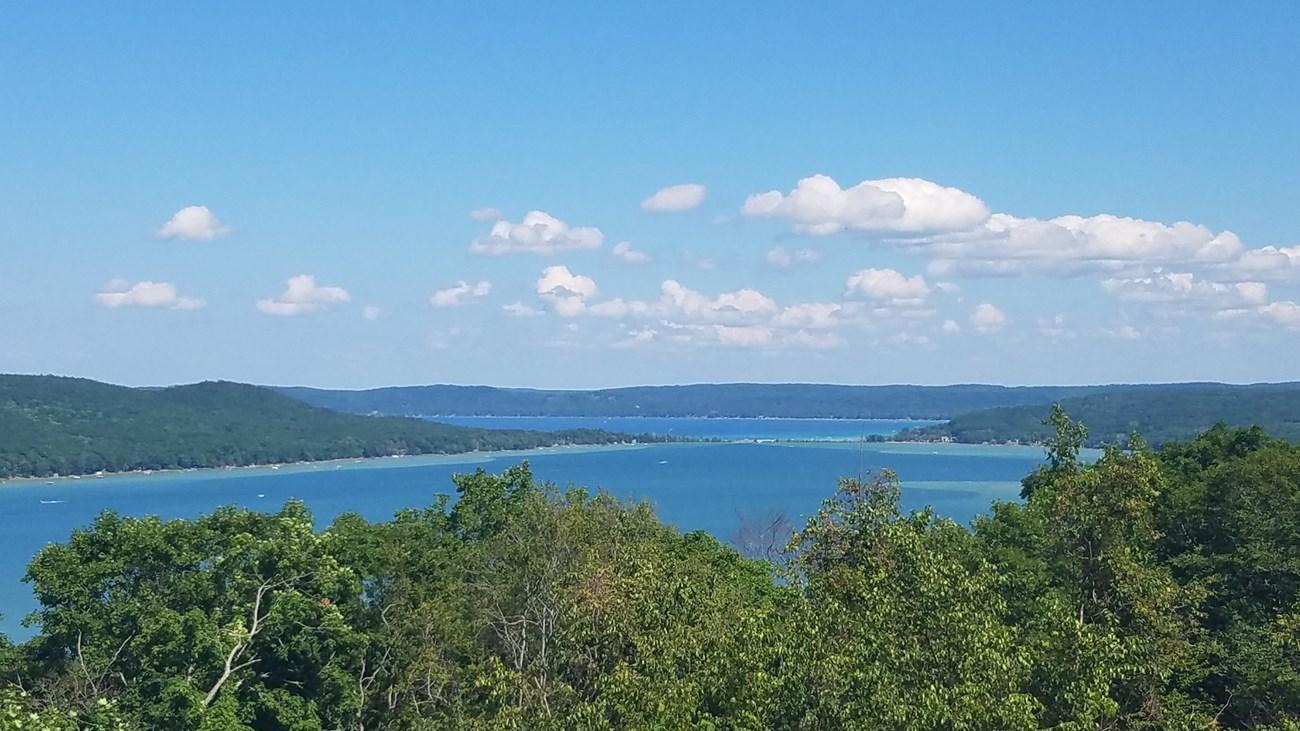


Toledo Bend Reservoir: A Hidden Gem of Louisiana
Toledo Bend Reservoir, nestled along the border of Louisiana and Texas, is a paradise for nature lovers and outdoor enthusiasts. Spanning over 185,000 acres, it is the largest man-made body of water in the southern United States. Its vast expanse offers a serene escape, where visitors can enjoy a variety of activities, from fishing and boating to hiking and bird-watching. The reservoir is renowned for its exceptional fishing opportunities. Anglers from all over the country flock to its waters, which are teeming with bass, catfish, and crappie. The annual fishing tournaments held here are a testament to the reservoir's reputation as a premier fishing destination. Beyond fishing, the crystal-clear waters are perfect for boating, water skiing, and kayaking, providing endless fun for families and adventure seekers alike. Surrounding the reservoir are lush forests and state parks, offering numerous trails for hiking and exploring. The scenic beauty of the area, with its diverse wildlife and vibrant flora, makes it a haven for photographers and nature enthusiasts. For those who prefer a more relaxed visit, there are plenty of picnic spots and campgrounds where you can unwind and soak in the peaceful ambiance. Toledo Bend Reservoir is also steeped in history, with several nearby attractions that provide a glimpse into the region's past. The Sabine River Authority Visitor Center offers insightful exhibits about the reservoir's construction and its impact on the local community. Additionally, the nearby historic sites and museums add a cultural dimension to your visit, making it a well-rounded destination for all interests.