

Free Itasy Travel Guide & Mobile App
Explore Itasy with free travel guides. Discover regional history, expert tips, proposed trips, and audio guides on web or mobile app.


Explore Itasy in Madagascar for a volcanic lake, highland farms, Lily Falls, rural markets and the lakeside town of Ampefy.
Read more about Itasy
When is the best time to visit Itasy?
Best: June–August · 20°C| Month | High (°C) | Rainfall (mm) |
|---|---|---|
| January | 25 | 250 |
| February | 25 | 230 |
| March | 25 | 200 |
| April | 25 | 150 |
| May | 22 | 90 |
| June (best) | 20 | 40 |
| July (best) | 20 | 30 |
| August (best) | 20 | 40 |
| September | 22 | 90 |
| October | 24 | 150 |
| November | 25 | 200 |
| December | 25 | 230 |
Getting to and around Itasy
How to get there
Transportation
Top city travel guides in Itasy
The cities of Itasy, and the easiest places to base yourself.

Swipe for more cities
Best attractions in Itasy
Itasy’s attractions are concentrated around the volcanic landscape and the everyday life of the central highlands. Lake Itasy is the principal draw, with Ampefy providing access to boat outings, lakeside walks, fishing communities and broad views across the water. The lake’s setting is more rural than resort-oriented, so experiences depend on local operators, weather and road conditions rather than a dense schedule of formal activities. Near Analavory, hot-water eruptions and mineral springs reveal the region’s active geological character, although visitors should approach only with local guidance. Lily Falls, reached from the Ampefy area, is a major countryside excursion where a river drops through cultivated uplands and wooded slopes. Around the lake, volcanic cones, small viewpoints, rice fields and villages create opportunities for walking, photography and landscape observation. Miarinarivo adds markets, churches and an insight into regional town life, while rural roads lead towards farms and highland settlements where agriculture remains central. The region suits travellers who value geology, scenery and community-based exploration more than a large collection of ticketed monuments.
-
Tourist attraction
Lemurs Park
Explore Lemurs Park, a breathtaking sanctuary in Madagascar, home to diverse lemur species and a vibrant ecosystem.
-
Tourist attraction
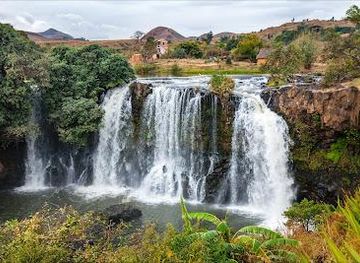
Les Chutes de la Lily
Experience the breathtaking beauty of Les Chutes de la Lily in Ampefy, Madagascar, surrounded by lush nature and stunning waterfalls.
-
Art gallery
Is´art Galerie
Discover the vibrant artistry and rich cultural heritage of Madagascar at Is'art Galerie in Antananarivo, a must-visit for art lovers.
-
Geyser
Geysers d'Andranomandroatra Analavory
Discover the breathtaking Geysers d'Andranomandroatra in Madagascar, where nature's geothermal wonders create a stunning and unforgettable experience for all.



Best landmarks in Itasy
Lake Itasy is the region’s defining geographical landmark, an extensive volcanic basin whose open waters contrast with cultivated hills, settlements and dark volcanic ridges. Its shoreline around Ampefy provides the clearest introduction to the landscape and remains important to local fishing and transport. The Lily Falls form another recognisable natural landmark: the river plunges through a green rural setting, creating a powerful visual contrast with the surrounding rice fields and uplands. Analavory’s hot-water eruptions and mineral springs are significant geological features that demonstrate the volcanic forces underlying the region, though steaming ground and unstable edges require care. The hills and volcanic cones around the lake are less monumental than Madagascar’s major mountain landscapes, but they are central to Itasy’s identity and give many rural roads their distinctive form. Miarinarivo’s churches, public buildings and market streets provide reminders of the region’s highland settlement history, while villages around the lake show how homes, fields, livestock and water-based livelihoods occupy the same volcanic terrain.
-
Park
Lemurs Park
Discover Madagascar's unique wildlife at Lemurs Park, a sanctuary dedicated to the conservation of its famous lemurs and rich biodiversity.
-
Business park
Kite Alizé - Kitesurf & Wing Foil à MADAGASCAR
Discover the thrill of kitesurfing at Kite Alizé in Madagascar, where adventure meets stunning natural beauty and expert guidance.
-
Tourist attraction
Les Chutes de la Lily
Explore the breathtaking beauty of Les Chutes de la Lily, a stunning waterfall in Ampefy, Madagascar, perfect for nature lovers and adventure seekers.
-
Museum
Andafiavaratra Palace
Explore Andafiavaratra Palace, a historical museum in Antananarivo, showcasing the rich culture and heritage of Madagascar through stunning exhibits.


Explore Itasy on the map
Plan your trip on one map. See where the top cities, national parks and sights are, and book hotels and experiences in a few clicks.
Best hotels in Itasy
Best restaurants in Itasy
Dining in Itasy is generally simple, local and closely connected to highland agriculture. Rice is the staple, commonly served with beef, pork, poultry, freshwater fish, beans or seasonal vegetables in dishes prepared in the wider Malagasy style. Around Lake Itasy, fish may feature in modest lakeside meals, while the fertile uplands supply vegetables, fruit and dairy products. Ampefy has the broadest choice of guesthouse dining rooms, small restaurants and cafés, but menus can be limited and ingredients follow local availability. Miarinarivo’s markets and eateries offer a more everyday view of regional food, including rice-based meals, snacks and fresh produce. Visitors may also encounter yoghurt, cheese or other dairy products associated with the central highlands. Tea, coffee and bottled drinks are widely useful on rural excursions, while local markets are the best places to see the connection between farming and cooking. Establishments outside the main towns often require advance notice for meals, especially for dinner.
-
Italian
Nerone Ristorante Italiano (Madagascar)
Experience authentic Italian cuisine at Nerone Ristorante Italiano in Antananarivo, Madagascar – where tradition meets taste.
-
Italian
Le Rossini
Discover the authentic flavors of Italy at Le Rossini in Antananarivo—an exquisite dining experience awaits you.
-
Brasserie
La petite Brasserie
Discover the flavors of Madagascar at La Petite Brasserie in Antananarivo - where local ingredients meet international flair.
-
Haute French
Marais Restaurant Madagascar
Experience the best of Haute French cuisine with stunning views at Marais Restaurant Madagascar in Antananarivo.


Best bars in Itasy
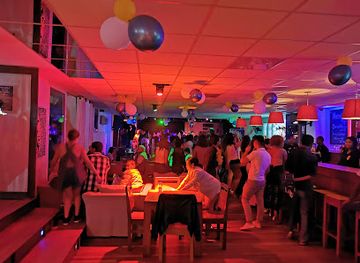
Itasy does not have a substantial nightclub scene, and evening life is centred on guesthouse restaurants, small bars, hotel terraces and traditional Malagasy social spaces rather than late-night entertainment. Ampefy offers the greatest concentration of places where visitors can eat, have a drink and watch the lake settle at dusk, while Miarinarivo has a more local town atmosphere. In rural areas, evenings are quiet and may revolve around family, community or religious life. Some establishments serve locally available beer, spirits, soft drinks and rum-based beverages, but visitors should drink cautiously and arrange transport before dark. Occasional live music or dancing may be associated with local celebrations, although such events are seasonal and should not be assumed to operate on a fixed schedule. The region’s evening appeal lies chiefly in conversation, food, cool highland air and the darkness of the countryside rather than a programmed nightlife circuit.
-
Irish pub
Irish Pub Tana
Discover the vibrant atmosphere of Irish Pub Tana, where traditional Irish hospitality meets the spirit of Antananarivo, Madagascar.
-
Bar
l'auberge du kintanafleuron à Ampefy chez le Belge
Discover the charm of Belgian cuisine at L'Auberge du Kintanafleuron in Ampefy, where delicious food meets stunning views.
-
Bar
Le Point d'Exclamation Lounge Bar
Unwind and dance the night away at Le Point d'Exclamation Lounge Bar, the ultimate nightlife destination in Antananarivo offering cocktails, pizza, and entertainment.
-
Bar
Old 7 bar
Experience the vibrant nightlife of Antananarivo at Old 7 Bar, where welcoming ambiance and diverse drinks await every visitor.


Best nightclubs in Itasy
Itasy does not have a substantial nightclub scene, and evening life is centred on guesthouse restaurants, small bars, hotel terraces and traditional Malagasy social spaces rather than late-night entertainment. Ampefy offers the greatest concentration of places where visitors can eat, have a drink and watch the lake settle at dusk, while Miarinarivo has a more local town atmosphere. In rural areas, evenings are quiet and may revolve around family, community or religious life. Some establishments serve locally available beer, spirits, soft drinks and rum-based beverages, but visitors should drink cautiously and arrange transport before dark. Occasional live music or dancing may be associated with local celebrations, although such events are seasonal and should not be assumed to operate on a fixed schedule. The region’s evening appeal lies chiefly in conversation, food, cool highland air and the darkness of the countryside rather than a programmed nightlife circuit.
-
Night club
KUDéTA Urban Club
Discover the electrifying nightlife of Antananarivo at KUDéTA Urban Club, a premier destination for live music and vibrant entertainment.
-
Cabaret club
Cabaret Jao's Pub
Discover the enchanting cabaret scene at Cabaret Jao's Pub, where Madagascar's vibrant nightlife comes alive with dazzling performances and delightful drinks.
-
Night club
Taxi Be
Discover the electrifying nightlife of Antananarivo at Taxi Be, a vibrant night club offering a unique blend of music, culture, and unforgettable experiences.
-
Night club
Espace Riantsoa
Discover the vibrant nightlife at Espace Riantsoa, a premier night club in Antananarivo where music, dance, and local culture come alive.

Best shops in Itasy
Shopping in Itasy is primarily local and practical, with Miarinarivo providing the broadest market environment and Ampefy offering small shops, stalls and visitor-oriented purchases. Regional markets trade rice, vegetables, fruit, dairy products, poultry, household goods and locally made clothing, while lakeside communities may sell fish or simple woven and crafted items when available. Around Ampefy, visitors can look for modest souvenirs connected with the lake and highlands, but selection is variable and quality should be assessed carefully. Rural roads may pass small produce stalls where seasonal food is more meaningful than manufactured gifts. Malagasy textiles, baskets, wooden objects and embroidered goods can sometimes be found through market traders, although many of the best-known craft products are associated with Madagascar more broadly rather than exclusively with Itasy. Carry cash in small denominations, bargain politely only where it is customary, and remember that market purchases support individual traders more directly than formal souvenir outlets.
-
Shopping mall
Akoor Digue
Explore Akoor Digue, Antananarivo's bustling shopping mall, where local culture meets modern retail and delicious dining experiences.
-
Shopping mall
Digue Market
Explore Digue Market: A vibrant shopping hub in Antananarivo offering fresh produce, handcrafted goods, and a taste of local culture.
-
Gift shop
Ô Chaud & Tia Perso
Explore the essence of Madagascar at Ô Chaud & Tia Perso, where unique gifts and local treasures await every traveler.
-
Grocery store
NC shop NAZMI COOL
Explore the local flavors of Antananarivo at NC Shop Nazmi Cool, a grocery store offering a taste of Madagascar's rich culinary heritage.


Get your free copy of our complete guide to Itasy, delivered straight to you.
Everything on this page, from attractions and restaurants to essentials and local phrases, in one PDF you can read offline, print or share.
Already have an account? Sign in
Your Itasy guide is ready.
We'll send it to · Not you? Sign out

Getting your guide ready…
We are putting together a fresh copy of the Itasy guide. This can take up to a minute.
This can take a few moments. If your browser asks, choose Allow so the download can start. You'll find the guide in your Downloads folder.
Nothing happened? Download it again
Sorry, the guide is taking longer than usual. Please try again in a minute, or get it by email instead.
Itasy essentials
Currency and Payment
Safety
Emergency Situations
Do's and Don'ts
Local Tips
From Eve
Local phrases worth knowing
You don't need to get them perfect. A few words go a long way, and locals appreciate the effort.
Basics
| English | Local | Say it |
|---|---|---|
| Hello | Salama | [sah-lah-mah] |
| Goodbye | Veloma | [veh-loo-mah] |
| Yes | Eny | [eh-nee] |
| No | Tsia | [tsee-ah] |
| Please/You're welcome | Azafady | [ah-zah-fah-dee] |
| Thank you | Misaotra | [mee-sah-oh-trah] |
| Excuse me/Sorry | Azafady | [ah-zah-fah-dee] |
| How are you? | Inona ny vaovao? | [ee-no-nah nee vah-vah-oo] |
| Fine. And you? | Tsara. Ary ianao? | [tsah-rah. ah-ree ee-nah-oo] |
| Do you speak English? | Miteny anglisy ve ianao? | [mee-teh-nee ahn-glee-see veh ee-nah-oo] |
| I don't understand | Tsy azoko | [tsee ah-zoh-koo] |
Eating & Drinking
| English | Local | Say it |
|---|---|---|
| I'd like to see the menu, please | Te-hahita ny menio aho, azafady | [teh-hah-ee-tah nee meh-nee-oh ah-hoo, ah-zah-fah-dee] |
| I don't eat meat | Tsy mihinana hena aho | [tsee mee-hee-nah-nah heh-nah ah-hoo] |
| Cheers! | Tsy ho very! | [tsee ho veh-ree] |
| I would like to pay, please | Te-hanome vola aho, azafady | [teh-hah-no-meh voh-lah ah-hoo, ah-zah-fah-dee] |
Emergencies
| English | Local | Say it |
|---|---|---|
| Help! | Fanampiana! | [fah-nahm-pee-ah-nah] |
| Go away! | Mandehana! | [mahn-deh-hah-nah] |
| Call the Police! | Antsoy ny polisy! | [ahn-tso-ee nee poh-lee-see] |
| Call a doctor! | Antsoy ny dokotera! | [ahn-tso-ee nee doh-koh-teh-rah] |
| I'm lost | Very aho | [veh-ree ah-hoo] |
| I'm ill | Marary aho | [mah-rah-ree ah-hoo] |
Shopping
| English | Local | Say it |
|---|---|---|
| I'd like to buy... | Te-hividy... | [teh-hee-vee-dee] |
| I'm just looking | Mijery fotsiny aho | [mee-jeh-ree foht-see-nee ah-hoo] |
| How much is it? | Ohatrinona izany? | [oo-hah-tree-noo-nah zee-zah-nee] |
| That's too expensive | Lany be loatra izany | [lah-nee beh loo-ah-trah zee-zah-nee] |
| Can you lower the price? | Azonao atao ve ny manamaivana ny vidiny? | [ah-zoh-nah-oo ah-tah-oo veh nee mah-nah-my-vah-nah nee vee-dee-nee] |
Time & Numbers
| English | Local | Say it |
|---|---|---|
| What time is it? | Firy ora izao? | [fee-ree oh-rah ee-zah-oo] |
| It's one o'clock | Tokoa ny iray ora | [too-koh-ah nee ee-rah-ee oh-rah] |
| Half past (10) | Antsipiriany (10) | [ahn-tsee-pee-ree-ah-nee (10)] |
| Morning | Maraina | [mah-rah-ee-nah] |
| Afternoon | Tafiditra | [tah-fee-dee-trah] |
| Evening | Hariva | [hah-ree-vah] |
| Yesterday | Omaly | [oo-mah-lee] |
| Today | Anio | [ah-nee-oh] |
| Tomorrow | Rahampitso | [rah-hahm-pee-tso] |
| 1 | 1 | [1] |
| 2 | 2 | [2] |
| 3 | 3 | [3] |
| 4 | 4 | [4] |
| 5 | 5 | [5] |
| 6 | 6 | [6] |
| 7 | 7 | [7] |
| 8 | 8 | [8] |
| 9 | 9 | [9] |
| 10 | 10 | [10] |
Transport & Directions
| English | Local | Say it |
|---|---|---|
| Where's a/the...? | Aiza ny...? | [ah-ee-zah nee] |
| What's the address? | Inona ny adiresy? | [ee-no-nah nee ah-dee-reh-see] |
| Can you show me (on the map)? | Afaka mampiseho ahy ve ianao? | [ah-fah-kah mahm-pee-seh-ho ah-yee veh ee-nah-oo] |
| When's the next (bus)? | Rahoviana ny (bus) manaraka? | [rah-hoh-vee-ah-nah nee bus mah-nah-rah-kah] |
| A ticket (to ....) | Tapakila (ho any....) | [tah-pah-kee-lah hoh ahn-ee] |
History of Itasy
Early Highland Settlement and Sacred Landscapes
The Itasy highlands were shaped by long-established farming communities that adapted to volcanic soils, seasonal rainfall and extensive upland valleys. Rice cultivation, livestock keeping and the use of local forest products became central to settlement patterns. As elsewhere in Madagascar, oral traditions and local sacred places help preserve memories of ancestral communities, while hills, springs and unusual rock formations may carry cultural significance beyond their geological appearance. Much of the region’s early history is known through archaeology, oral history and landscape study rather than through extensive written records.
Merina Expansion into the Central Highlands
During the growth of the Merina kingdom in the central highlands, political and economic influence extended beyond the core around Antananarivo. Itasy became connected to wider systems of authority, tribute, trade and movement across the interior. The process was neither a single event nor uniform in every community, but it linked local settlements with the political structures that came to dominate much of highland Madagascar. Rice agriculture, cattle ownership, religious change and the development of administrative centres all formed part of this broader transformation.
Nineteenth-Century Christian and Royal Change
The nineteenth century brought major changes to the central highlands through the interaction of Merina state power, Christian missions and existing local institutions. Churches and schools gradually became important features of highland society, although conversion and outside influence developed unevenly. Itasy’s settlements were drawn into the political and religious currents centred on the Merina capital, while local communities continued to organise farming, kinship and ritual life according to their own practices. The period left a cultural landscape in which churches, highland architecture and agricultural communities coexist.
French Colonial Administration, 1896–1960
France established colonial rule over Madagascar in the late nineteenth century, replacing the Merina monarchy and reorganising administration, taxation, transport and economic production. Itasy was incorporated into the colonial system serving the central highlands, with roads and administrative links connecting market settlements more closely to Antananarivo and other parts of the island. Colonial agriculture and commerce altered land use and labour patterns, while mission institutions continued to influence education and social life. The later legacy is visible in administrative structures, road networks and the French language’s continuing public role.
Agriculture and Regional Market Life after Independence
Madagascar became independent in 1960, and Itasy remained primarily an agricultural region whose economy depended on rice, vegetables, fruit, livestock and local trade. Miarinarivo developed as the regional administrative centre, while settlements around Lake Itasy combined farming, fishing and small-scale commerce. Population growth and pressure on land have encouraged intensive cultivation, including on hillsides, and have contributed to changes in vegetation. The region’s contemporary identity is therefore closely connected to food production, market exchange and the practical challenges of maintaining rural livelihoods.
Lake Itasy and the Growth of Domestic Tourism
In recent decades, Lake Itasy, Ampefy, Lily Falls and the volcanic features around Analavory have become increasingly familiar to visitors travelling from Antananarivo and other parts of Madagascar. Tourism remains relatively small-scale, relying on guesthouses, local guides, boat operators and road access rather than a large resort infrastructure. This has kept the visitor experience closely tied to local communities and landscapes, but it also makes responsible travel important. Weather, road conditions, waste management and pressure on lakeside environments all influence the region’s future as a destination.
Itasy in Photos
Browse through our photo collection highlighting the charm and character of the destination.
Neighbouring regions of Itasy
The closest regions to Itasy, if you have time for more than one.
-

-
-

-

-


Swipe for more regions
Explore more

Explore more of Madagascar
Discover Madagascar: A unique island paradise with unparalleled wildlife, breathtaking landscapes, and a rich cultural heritage.
Explore Madagascar