

Free Analamanga Travel Guide & Mobile App
Explore Analamanga with free travel guides. Discover regional history, expert tips, proposed trips, and audio guides on web or mobile app.


Explore Analamanga for Antananarivo’s royal history, Ambohimanga’s sacred highlands, rice plains, markets, museums and distinctive Malagasy cuisine.
Read more about Analamanga
When is the best time to visit Analamanga?
Best: July–September · 17–21°C| Month | High (°C) | Rainfall (mm) |
|---|---|---|
| January | 25 | 300 |
| February | 25 | 250 |
| March | 24 | 200 |
| April | 23 | 150 |
| May | 20 | 100 |
| June | 18 | 50 |
| July (best) | 17 | 30 |
| August (best) | 18 | 30 |
| September (best) | 21 | 50 |
| October | 23 | 100 |
| November | 24 | 150 |
| December | 25 | 250 |
Getting to and around Analamanga
How to get there
Transportation
Top city travel guides in Analamanga
The cities of Analamanga, and the easiest places to base yourself.
-

-


Swipe for more cities
Destinations in Analamanga
Resorts, valleys and scenic spots worth a trip of their own.

Swipe for more destinations
Best attractions in Analamanga
Analamanga’s attractions range from the dense historic quarters of Antananarivo to open rice plains and royal hills beyond the capital. The Rova complex, Andafiavaratra Palace and the Haute-Ville provide a concentrated introduction to Merina monarchy, missionary influence and colonial-era urban development, while Tsimbazaza Park offers botanical collections and a chance to learn about Madagascar’s distinctive wildlife. The Royal Hill of Ambohimanga is the region’s major heritage excursion, combining defensive gateways, royal buildings, sacred areas and views across the highlands. Antananarivo also has photography, art and cultural institutions, craft workshops, churches and busy markets. Outside the city, districts such as Manjakandriana, Anjozorobe and Andramasina are better suited to visitors interested in rural landscapes, farming communities, forest edges and highland journeys than in conventional sightseeing. Conditions on smaller roads can be slow, so these excursions reward planning rather than hurried itineraries.
-
Heritage museum
Queen's Palace
Explore the rich history and culture of Madagascar at the Queen's Palace, a heritage museum showcasing the royal legacy of Antananarivo.
-
Réserve Peyrieras Madagascar Exotic
Explore the rich biodiversity of Madagascar at Réserve Peyrieras, a captivating park and zoo showcasing exotic wildlife in a lush natural setting.
-
Tourist attraction
Analakely Market
Explore Analakely Market in Antananarivo for an authentic taste of Malagasy culture, vibrant local goods, and a unique shopping experience.
-
Castle
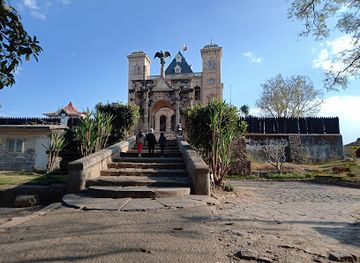
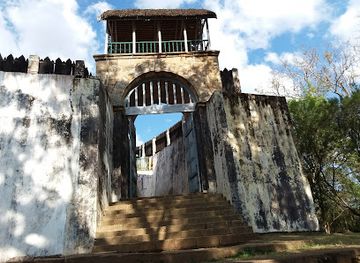
Rovan' Ambohimanga
Experience the rich heritage of Madagascar at Rovan' Ambohimanga, a historical castle with breathtaking views and cultural significance.
Best landmarks in Analamanga
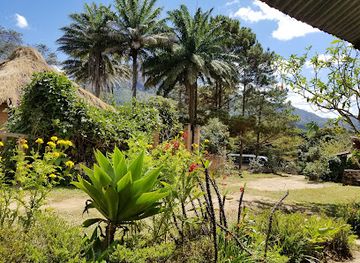
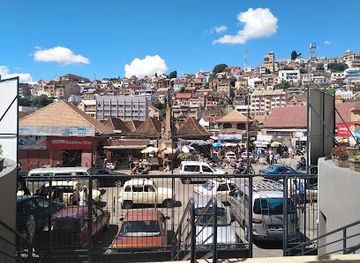
The Rova of Antananarivo crowns the city’s highest historic hill and is the most recognisable symbol of the capital’s royal past. Although the complex has suffered fire and periods of difficult conservation, its surviving buildings and elevated setting remain central to understanding Merina statecraft. Nearby Andafiavaratra Palace, associated with Prime Minister Rainilaiarivony, represents the political importance and architectural ambition of nineteenth-century highland government. North of the capital, the Royal Hill of Ambohimanga is an internationally recognised cultural landmark, with fortified gateways, royal residences, sacred places and a wooded ridge overlooking the old Imerina heartland. Antananarivo’s Haute-Ville contributes further landmarks through steep lanes, traditional multistoreyed highland houses and historic churches. Below the hills, rice paddies and embankments form a less monumental but equally characteristic landscape, showing how the capital remains physically connected to the agricultural plain that supported its growth.
-
Indoor lodging
Sakamanga Hôtel
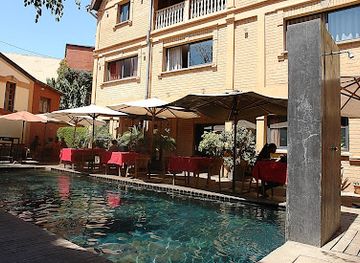
Experience the beauty of Malagasy culture at Sakamanga Hôtel, a unique lodging and dining destination in Antananarivo, Madagascar.
-
Park
Lemurs Park
Explore the enchanting Lemurs Park in Madagascar, home to diverse lemur species and a vital sanctuary for wildlife conservation.
-
 Hotel
HotelLe Louvre Hotel & Spa
Experience ultimate relaxation and luxury at Le Louvre Hotel & Spa in Antananarivo, a perfect blend of European elegance and Malagasy culture.
-
Hotel
Relais des Plateaux Hotel & Spa
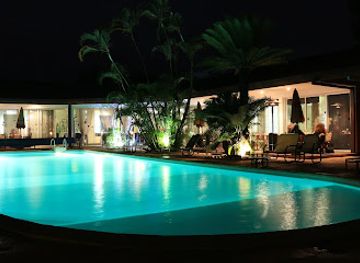
Discover the perfect blend of luxury, comfort, and relaxation at Relais des Plateaux Hotel & Spa in Talatamaty, Madagascar.

Explore Analamanga on the map
Plan your trip on one map. See where the top cities, national parks and sights are, and book hotels and experiences in a few clicks.
Best hotels in Analamanga
Best restaurants in Analamanga
Dining in Analamanga is rooted in the highland Malagasy table, where rice is the staple and is served with beef, pork, chicken, fish, beans, greens and seasonal vegetables. Romazava, a broth-like meat dish cooked with leafy greens, and ravitoto, pounded cassava leaves often prepared with meat, are widely encountered Malagasy specialities, while regional menus also include soups, rice cakes and snacks such as sambos and mofo gasy. Antananarivo has the country’s broadest choice of restaurants, from modest hotely establishments and market stalls to French-influenced dining rooms, cafés and contemporary restaurants. Bakeries reflect the capital’s long French colonial influence, but local rice, zebu beef and highland produce remain central. Around the city, farmers’ markets are useful places to see seasonal fruit, vegetables, dairy products and locally made foods, though visitors should choose busy vendors and drink treated water.
-
Indoor lodging
Sakamanga Hôtel
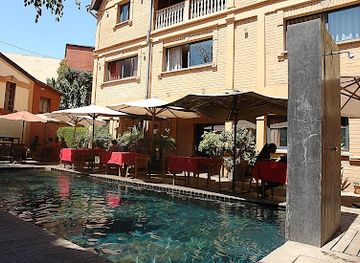
Experience comfort and culture at Sakamanga Hôtel in Antananarivo - your perfect retreat in Madagascar.
-
Restaurant
Relais des Plateaux Hotel & Spa
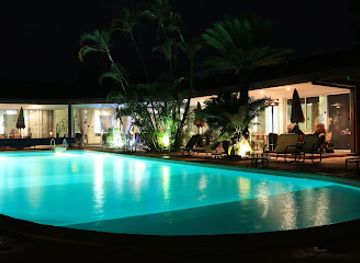
Experience unparalleled luxury at Relais des Plateaux Hotel & Spa, where relaxation meets exquisite dining amidst Madagascar's natural beauty.
-
Hotel
Hotel Restaurant La Varangue
Discover the unique blend of retro charm and modern comfort at Hotel Restaurant La Varangue in Antananarivo.
-
Italian
Nerone Ristorante Italiano (Madagascar)
Experience the best of Italian cuisine at Nerone Ristorante Italiano in Antananarivo – where tradition meets local flavor.
Best bars in Analamanga
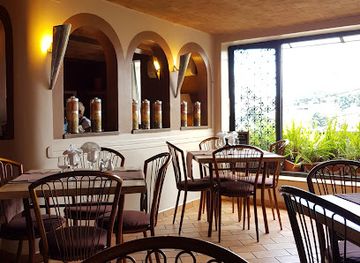
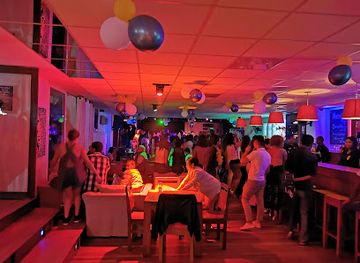
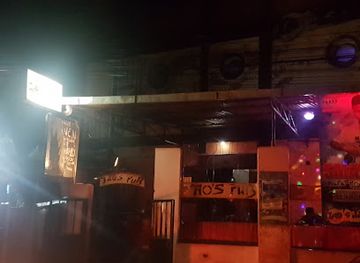
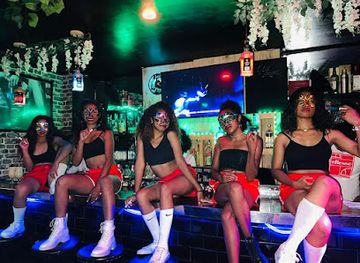
Evening life in Analamanga is concentrated in Antananarivo, where traditional bars, hotel lounges, cafés, restaurants and live-music venues provide more choice than the surrounding rural districts. The capital has a long association with Malagasy popular music, and performances may range from local acoustic styles to contemporary bands, although venues and programmes change. Historic and central neighbourhoods are suited to an early meal or drink, while nightlife farther from the centre is often more dependent on individual establishments than on a defined entertainment district. In rural Analamanga, evenings usually centre on family life, local eateries and occasional community events rather than nightclubs. Visitors should arrange their return transport in advance, avoid walking alone on quiet streets after dark and treat nightlife as one part of the capital’s cultural life rather than its defining feature.
-
Restaurant
Le Carnivore - Restaurant Bar Lounge
Experience the vibrant flavors of Madagascar at Le Carnivore, Antananarivo's premier restaurant bar lounge, blending local and global culinary delights.
-
Bar
Madagascar Underground
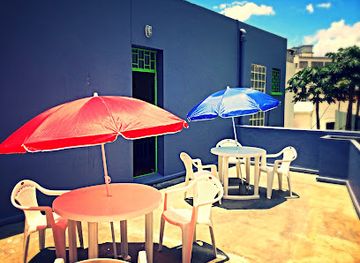
Discover the lively fusion of flavors and culture at Madagascar Underground, a bar and hostel in the heart of Antananarivo.
-
Bar
Dzama Cocktail Café Antananarivo
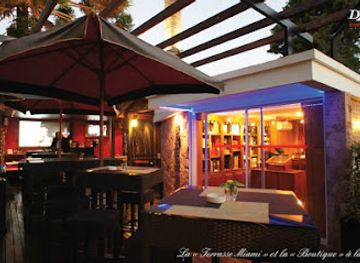
Experience the vibrant nightlife of Antananarivo at Dzama Cocktail Café, where delicious cocktails and local flavors await you.
-
Irish pub
Irish Pub Tana
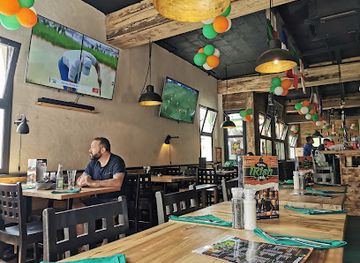
Discover the charm of Irish culture in Antananarivo with hearty dishes, fine whiskeys, and live music at Irish Pub Tana.

Best nightclubs in Analamanga
Evening life in Analamanga is concentrated in Antananarivo, where traditional bars, hotel lounges, cafés, restaurants and live-music venues provide more choice than the surrounding rural districts. The capital has a long association with Malagasy popular music, and performances may range from local acoustic styles to contemporary bands, although venues and programmes change. Historic and central neighbourhoods are suited to an early meal or drink, while nightlife farther from the centre is often more dependent on individual establishments than on a defined entertainment district. In rural Analamanga, evenings usually centre on family life, local eateries and occasional community events rather than nightclubs. Visitors should arrange their return transport in advance, avoid walking alone on quiet streets after dark and treat nightlife as one part of the capital’s cultural life rather than its defining feature.
-
Night club
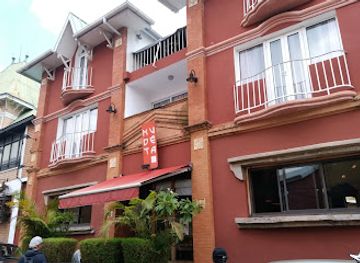
KUDéTA Urban Club
Experience the vibrant nightlife at KUDéTA Urban Club in Antananarivo, featuring live music and an energetic atmosphere for an unforgettable evening.
-
Bar
Le Point d'Exclamation Lounge Bar
Discover Antananarivo's nightlife at Le Point d'Exclamation Lounge Bar – a hub for cocktails, pizza, and vibrant entertainment.
-
Cabaret club
Cabaret Jao's Pub
Discover the vibrant nightlife at Cabaret Jao's Pub, where lively performances and a rich cultural experience await in Antananarivo.
-
Bar
Old 7 bar
Discover the energetic nightlife at Old 7 Bar, a vibrant spot in Antananarivo, offering a unique blend of local charm and international flair.

Best shops in Analamanga
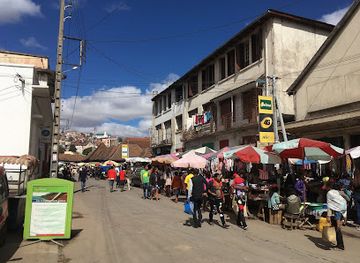
Shopping in Analamanga is most varied in Antananarivo, where central markets, neighbourhood stalls, craft shops and galleries offer a broad selection of Malagasy goods. Visitors can look for woven raffia and raphia products, embroidered textiles, basketry, woodwork, leather items, semi-precious stones, prints and locally produced foodstuffs, while the capital’s art spaces provide a more curated view of contemporary Malagasy creativity. Market districts are useful for everyday produce and inexpensive souvenirs, but bargaining is customary in many informal settings and quality can vary. Handmade goods from rural communities are also sold through city shops and workshops, making it possible to buy regional crafts without travelling far into the countryside. Outside Antananarivo, market towns are primarily places for local trade rather than extensive tourist retail. Check that wildlife products, old artefacts and natural materials have been obtained legally, and avoid purchasing anything that may have been removed from a sacred or archaeological site.
-
Market
Analakely Market
Experience the rich culture and vibrant energy of Analakely Market in Antananarivo, a must-visit for every traveler seeking authentic Malagasy experiences.
-
Art gallery
Lisy Art Gallery
Discover the vibrant art scene at Lisy Art Gallery in Antananarivo, showcasing Madagascar's rich artistic heritage and contemporary expressions.
-
Souvenir store
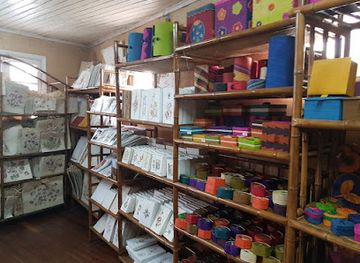
Kudéta Shop
Explore Kudéta Shop in Antananarivo for authentic Malagasy souvenirs, from handcrafted art to unique gifts, showcasing Madagascar's rich cultural heritage.
-
Shopping mall
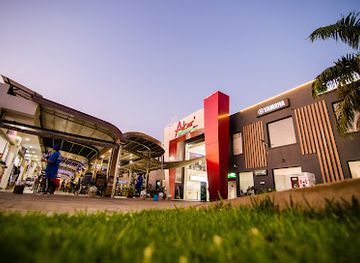
Akoor Digue
Explore Akoor Digue Shopping Mall in Antananarivo for a unique blend of shopping, dining, and local culture in a vibrant atmosphere.
Get your free copy of our complete guide to Analamanga, delivered straight to you.
Everything on this page, from attractions and restaurants to essentials and local phrases, in one PDF you can read offline, print or share.
Already have an account? Sign in
Your Analamanga guide is ready.
We'll send it to · Not you? Sign out

Getting your guide ready…
We are putting together a fresh copy of the Analamanga guide. This can take up to a minute.
This can take a few moments. If your browser asks, choose Allow so the download can start. You'll find the guide in your Downloads folder.
Nothing happened? Download it again
Sorry, the guide is taking longer than usual. Please try again in a minute, or get it by email instead.
Analamanga essentials
Currency and Payment
Safety
Emergency Situations
Do's and Don'ts
Local Tips
From Eve
Local phrases worth knowing
You don't need to get them perfect. A few words go a long way, and locals appreciate the effort.
Basics
| English | Local | Say it |
|---|---|---|
| Hello | Salama | [sah-lah-mah] |
| Goodbye | Veloma | [veh-loo-mah] |
| Yes | Eny | [eh-nee] |
| No | Tsia | [tsee-ah] |
| Please/You're welcome | Azafady | [ah-zah-fah-dee] |
| Thank you | Misaotra | [mee-sah-oh-trah] |
| Excuse me/Sorry | Azafady | [ah-zah-fah-dee] |
| How are you? | Inona ny vaovao? | [ee-no-nah nee vah-vah-oo] |
| Fine. And you? | Tsara. Ary ianao? | [tsah-rah. ah-ree ee-nah-oo?] |
| Do you speak English? | Miteny Anglisy ve ianao? | [mee-teh-nee ahn-glee-see veh ee-nah-oo?] |
| I don't understand | Tsy azoko | [tsee ah-zoh-koo] |
Eating & Drinking
| English | Local | Say it |
|---|---|---|
| I'd like to see the menu, please | Te-hahita ny menio aho, azafady | [teh-hah-ee-tah nee meh-nee-oh ah-hoo, ah-zah-fah-dee] |
| I don't eat meat | Tsy mihinana hena aho | [tsee mee-hee-nah-nah heh-nah ah-hoo] |
| Cheers! | Mandraisa! | [mahn-dray-sah!] |
| I would like to pay, please | Te-handoa aho, azafady | [teh-hahn-do-ah ah-hoo, ah-zah-fah-dee] |
Emergencies
| English | Local | Say it |
|---|---|---|
| Help! | Vonjeo! | [vohn-jay-oh!] |
| Go away! | Mandehana! | [mahn-deh-hah-nah!] |
| Call the Police! | Antsoy ny polisy! | [ahn-tsoh-ee nee poh-lee-see!] |
| Call a doctor! | Antsoy dokotera! | [ahn-tsoh-ee doh-koh-teh-rah!] |
| I'm lost | Very very | [veh-ree veh-ree] |
| I'm ill | Marary aho | [mah-rah-ree ah-hoo] |
Shopping
| English | Local | Say it |
|---|---|---|
| I'd like to buy... | Te-hividy... | [teh-hee-vee-dee...] |
| I'm just looking | Mijery fotsiny aho | [mee-jeh-ree fot-seen-ee ah-hoo] |
| How much is it? | Ohatrinona izany? | [oo-hah-tree-noo-nah ee-zah-nee?] |
| That's too expensive | Lafo loatra izany | [lah-foo loo-ah-trah ee-zah-nee] |
| Can you lower the price? | Afaka mampihena ny vidiny ve ianao? | [ah-fah-kah mahm-pee-hay-nah nee vee-dee-nee veh ee-nah-oo?] |
Time & Numbers
| English | Local | Say it |
|---|---|---|
| What time is it? | Firy ora izao? | [fee-ree oh-rah ee-zah-oo?] |
| It's one o'clock | Tamin'ny iray ora | [tah-meen nee ee-rah-ee oh-rah] |
| Half past (10) | Miodina 10 | [mee-oh-dee-nah 10] |
| Morning | Maraina | [mah-rah-ee-nah] |
| Afternoon | Tontolo | [ton-toh-loo] |
| Evening | Hariva | [hah-ree-vah] |
| Yesterday | Omaly | [oo-mah-lee] |
| Today | Anio | [ah-nee-oh] |
| Tomorrow | Rahampitso | [rah-hahm-pee-tso] |
| 1 | Iray | [ee-rah-ee] |
| 2 | Roa | [roh-ah] |
| 3 | Telo | [teh-loo] |
| 4 | Efatra | [eh-fah-trah] |
| 5 | Dimy | [dee-mee] |
| 6 | Enina | [eh-nee-nah] |
| 7 | Fito | [fee-toh] |
| 8 | Valo | [vah-loo] |
| 9 | Sivy | [see-vee] |
| 10 | Folo | [foh-loo] |
Transport & Directions
| English | Local | Say it |
|---|---|---|
| Where's a/the...? | Aiza ny...? | [ah-ee-zah nee...?] |
| What's the address? | Inona ny adiresy? | [ee-no-nah nee ah-dee-ray-see?] |
| Can you show me (on the map)? | Afaka mampiseho ahy (amin'ny sarintany)? | [ah-fah-kah mahm-pee-seh-ho ah-ee (ah-meen nee sah-reen-tah-nee)?] |
| When's the next (bus)? | Rahoviana ny (buss) manaraka? | [rah-hoh-vee-ah-nah nee (buss) mah-nah-rah-kah?] |
| A ticket (to....) | Tapakila (manaraka....) | [tah-pah-kee-lah (mah-nah-rah-kah....)] |
History of Analamanga
Early Highland Settlement and Rice Agriculture
The central highlands were shaped by successive settlement movements, developing farming systems and the spread of rice cultivation. Wetland paddies and irrigated fields became especially important around the plains below Antananarivo, while hills were used for houses, pasture and defensive settlements. The region’s later Merina political power depended partly on this productive agricultural base. Traditional highland architecture, terraced slopes, earthen embankments and long-established market communities still reflect the relationship between settlement and cultivation.
The Rise of Antananarivo and the Merina Monarchy
Antananarivo began as a fortified settlement on a hill traditionally associated with the Vazimba, Madagascar’s early inhabitants. During the late eighteenth century, King Andrianampoinimerina made it the principal seat of the Merina kingdom and strengthened the surrounding political and agricultural system. His reign is closely associated with the consolidation of Imerina and the capital’s growing importance. The hilltop settlement, royal compounds and surrounding rice plain established the geographic pattern that still defines central Analamanga.
Radama I and the Expansion of Imerina
Under Radama I, who ruled from 1810 to 1828, the Merina kingdom expanded its influence over much of Madagascar. Antananarivo became a centre of administration, military organisation and diplomacy. Radama’s government entered into relations with Britain, and British missionaries introduced new forms of schooling, printing and Christianity. The changes were concentrated in the highlands but had consequences across the island, helping make Analamanga the political and intellectual heart of nineteenth-century Madagascar.
Royal Christianity and the Reign of Ranavalona I
The nineteenth century brought intense religious and political change. Missionary activity in Antananarivo helped establish schools, literacy and Christian congregations, while the monarchy also sought to control foreign influence. Under Queen Ranavalona I, who ruled from 1828 to 1861, Christianity was at times suppressed and missionaries faced persecution, although Christian communities survived. Later rulers increasingly supported Christian institutions, and churches, mission schools and royal-era buildings became enduring features of the capital’s highland landscape.
French Conquest and Colonial Antananarivo
France conquered Madagascar after the Franco-Malagasy conflict of 1894–1895 and established colonial rule. Antananarivo remained the administrative capital, but its urban form was altered by new roads, government buildings, schools and commercial institutions. French planning and architecture were imposed alongside existing royal and Malagasy traditions. Colonial rule also redirected transport, trade and education, leaving a visible legacy in the capital’s civic quarters while rural districts continued to depend heavily on agriculture.
Independence and the Modern Highland Capital
Madagascar regained independence in 1960, with Antananarivo continuing as the national political and cultural centre. Population growth transformed the capital’s hills and rice plains, while regional towns became increasingly linked to the city through roads, markets and commuter movement. Analamanga now combines government and university institutions, informal commerce, manufacturing and expanding suburbs with longstanding rural communities. The tension between urban growth, flood-prone rice land, heritage conservation and agricultural livelihoods is central to the region’s contemporary identity.
Analamanga in Photos
Browse through our photo collection highlighting the charm and character of the destination.
Neighbouring regions of Analamanga
The closest regions to Analamanga, if you have time for more than one.
-

-

-

-

-


Swipe for more regions
Explore more

Explore more of Madagascar
Discover Madagascar: A unique island paradise with unparalleled wildlife, breathtaking landscapes, and a rich cultural heritage.
Explore Madagascar