

Free Vakinankaratra Travel Guide & Mobile App
Explore Vakinankaratra with free travel guides. Discover regional history, expert tips, proposed trips, and audio guides on web or mobile app.


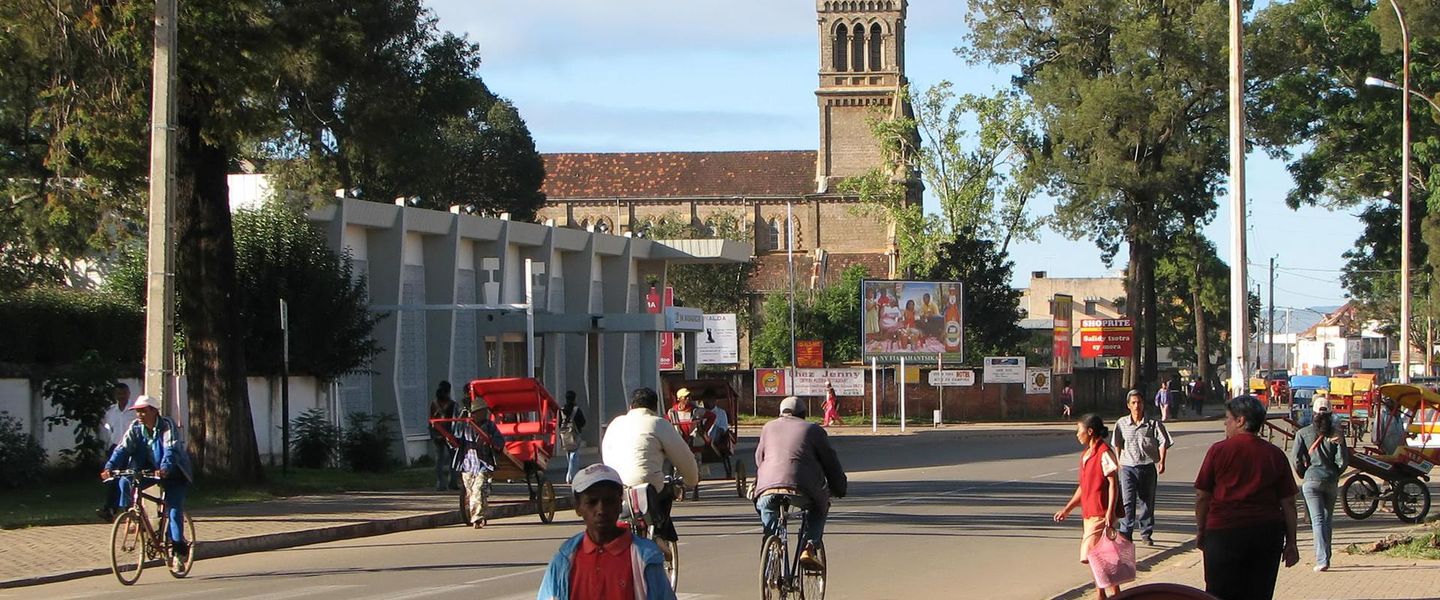


Explore Vakinankaratra’s Antsirabe, thermal springs, crater lakes, rice terraces and cool central-highland landscapes in Madagascar.
Read more about Vakinankaratra
When is the best time to visit Vakinankaratra?
Best: May, August–September · 17–19°C| Month | High (°C) | Rainfall (mm) |
|---|---|---|
| January | 23 | 240 |
| February | 23 | 200 |
| March | 23 | 180 |
| April | 21 | 80 |
| May (best) | 18 | 40 |
| June | 16 | 20 |
| July | 15 | 20 |
| August (best) | 17 | 20 |
| September (best) | 19 | 40 |
| October | 21 | 80 |
| November | 22 | 140 |
| December | 23 | 200 |
Getting to and around Vakinankaratra
How to get there
Transportation
Top city travel guides in Vakinankaratra
The cities of Vakinankaratra, and the easiest places to base yourself.
-

-


Swipe for more cities
Best attractions in Vakinankaratra
Vakinankaratra’s attractions combine the urban heritage of Antsirabe with volcanic scenery and cultivated highland countryside. In Antsirabe, visitors can explore thermal facilities, markets, churches, colonial-era streets and artisan workshops producing embroidery, miniature objects, polished stones and practical metalwork. The city is also a useful starting point for excursions by road or on foot into the surrounding agricultural landscape. Lake Andraikiba offers an accessible recreational setting near Antsirabe, while the more dramatic Lake Tritriva occupies a crater amid upland fields and rolling volcanic terrain. West of the city, Betafo provides a window onto rice terraces, traditional settlements, thermal water and rural life. The region is suitable for walking, photography, cycling with suitable preparation and guided visits to farms or craft workshops. These experiences are less about a concentration of large formal attractions than about understanding the relationship between geology, farming, trade and highland communities. Weather and road conditions can shape access, so itineraries should remain flexible.
-
Art gallery
Lisy Art Gallery
Explore the vibrant artistic heritage of Madagascar at Lisy Art Gallery, a cultural hub in Antananarivo featuring local artistry.
-
Cultural center
French Institute Of Madagascar
Explore the vibrant intersection of French culture and Malagasy art at the French Institute of Madagascar, a cultural gem in Antananarivo.
-
Catholic church
Our Lady of La Salette
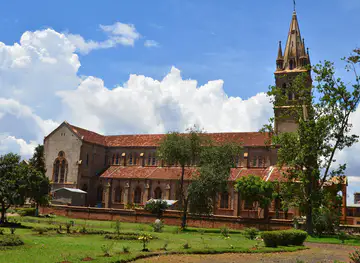
Discover the tranquil beauty and spiritual heritage of Our Lady of La Salette in Antsirabe, a must-visit Catholic church and cultural landmark.
-
Park
La ferme d'Antanandrano
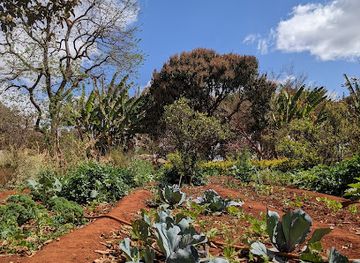
Discover the peaceful oasis of La Ferme d'Antanandrano, a beautiful park in Antananarivo showcasing Madagascar's stunning natural landscapes.
Best landmarks in Vakinankaratra
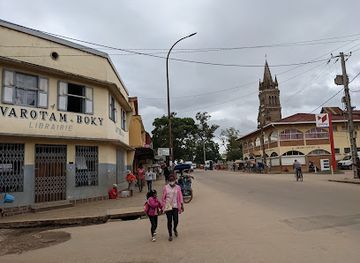
Antsirabe’s most recognisable landmarks are the thermal-town streets and historic civic buildings that express its development as a highland spa under French colonial rule. The city’s cathedral is a prominent feature of its urban landscape, while churches and broad avenues reveal the influence of Christian missions and colonial planning. Pousse-pousses, although a form of transport rather than a monument, have become an emblematic part of Antsirabe’s visual identity. Outside the city, Lake Tritriva is the region’s most distinctive natural landmark: its dark crater waters and steep, elevated setting show the volcanic origins of the surrounding landscape. Lake Andraikiba provides a gentler counterpart near Antsirabe, framed by open highland scenery. Around Betafo, terraced rice fields, volcanic hills and older rural settlements form a significant cultural landscape rather than a single monumental site. Together these places illustrate how geology, agriculture, religion and colonial urban development have shaped Vakinankaratra.
-
National park
Isalo National Park
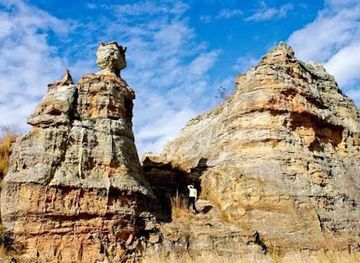
Discover Isalo National Park: Madagascar's breathtaking landscapes, unique rock formations, and rich biodiversity await your exploration.
-
Nature preserve
Réserve spéciale d'Analamazoatra
Explore the stunning Analamazoatra Special Reserve in Madagascar, a nature lover's paradise featuring unique wildlife and breathtaking landscapes.
-
Park
Lemurs Park
Explore Lemurs Park, Madagascar's premier sanctuary for lemurs, where conservation meets adventure in a lush, natural setting.
-
National park
Ranomafana National Park
Discover the unparalleled beauty of Ranomafana National Park, Madagascar's premier destination for biodiversity and adventure in nature.
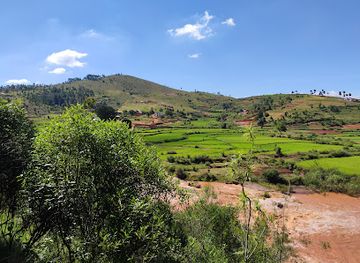

Explore Vakinankaratra on the map
Plan your trip on one map. See where the top cities, national parks and sights are, and book hotels and experiences in a few clicks.
Best hotels in Vakinankaratra
Best restaurants in Vakinankaratra
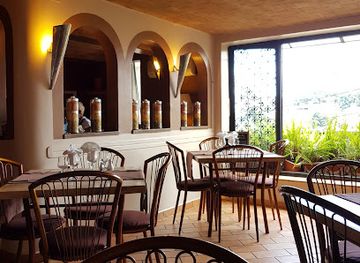
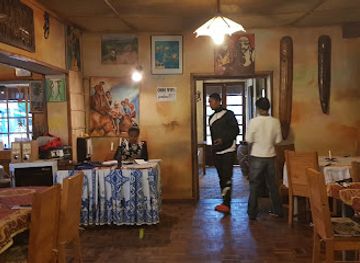
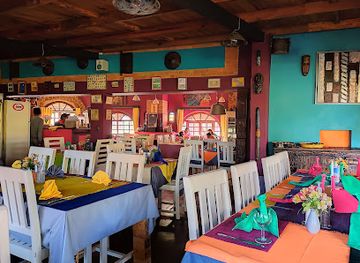
Dining in Vakinankaratra reflects the productive central highlands, with rice forming the basis of many meals and potatoes, vegetables, beans, zebu and poultry appearing widely. Antsirabe is known for dairy production and is a good place to encounter yoghurt, milk-based products and seasonal fruit alongside Malagasy dishes. Small restaurants and hotelys, the informal eateries found throughout Madagascar, commonly serve rice with a stew or sauce, while cafés and bakeries provide bread, pastries and simple breakfasts influenced by the country’s French colonial history. Markets are useful for buying fruit, vegetables and snacks, although hygiene conditions vary and food should be chosen carefully. In Betafo and rural areas, dining is generally simpler and should be arranged through accommodation or a local guide when travelling away from the main road. Antsirabe has the region’s broadest choice of restaurants, but the culinary appeal lies more in fresh highland produce and everyday Malagasy cooking than in a formal restaurant scene.
-
Italian
Nerone Ristorante Italiano (Madagascar)
Experience authentic Italian flavors at Nerone Ristorante Italiano in Antananarivo, Madagascar – where every meal is a journey through Italy's culinary heritage.
-
Restaurant
Zandina
Discover authentic Malagasy cuisine at Zandina in Antsirabe—where every dish tells a story and every meal is a celebration.
-
Restaurant
Chez Jenny
Discover authentic Malagasy cuisine at Chez Jenny in Antsirabe—where flavor meets culture in a warm and inviting atmosphere.
-
Brasserie
La petite Brasserie
Experience the essence of Madagascar's cuisine at La Petite Brasserie in Antananarivo – where local flavors meet international flair.
Best bars in Vakinankaratra
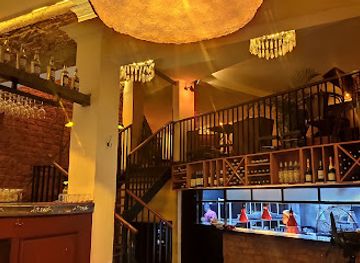
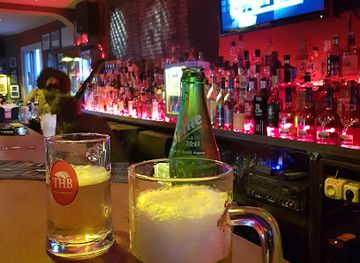
Evening life in Vakinankaratra is concentrated in Antsirabe and is generally modest rather than club-oriented. The city has hotel bars, cafés, casual restaurants and local drinking establishments where people meet after work, while some venues offer Malagasy music or occasional live entertainment. Beer, rum-based drinks and soft drinks are commonly available, but visitors should drink moderately and arrange transport before going out. Smaller towns such as Betafo have fewer formal evening venues, and rural communities usually settle early after market and farming activities. Nightlife is therefore best understood through Antsirabe’s restaurants, street atmosphere and cultural performances when available, rather than through a large nightclub district. Opening arrangements and entertainment programmes can change, so accommodation staff or a trusted local contact are the most reliable sources of current information.
-
Restaurant
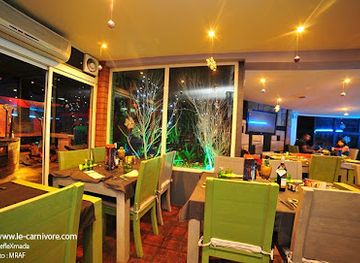
Le Carnivore - Restaurant Bar Lounge
Experience the vibrant flavors of Madagascar at Le Carnivore, Antananarivo's premier restaurant and lounge, perfect for meat lovers and culinary adventurers.
-
Tapas Bar
No Comment BAR
Discover the lively ambiance and tantalizing tapas at No Comment BAR, Antananarivo's top spot for socializing and savoring delicious bites.
-
Bar
Quantum Isoraka - Le Hoggar
Discover Quantum Isoraka - Le Hoggar, where delicious halal cuisine meets a cozy coworking environment in Isoraka, Madagascar.
-
Night club
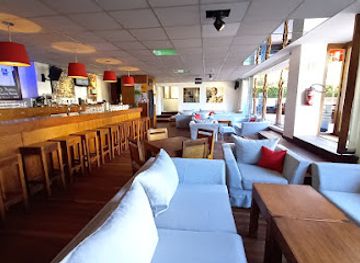
KUDéTA Urban Club
Explore the vibrant nightlife at KUDéTA Urban Club in Antananarivo, featuring live music and a lively atmosphere for an unforgettable evening.
Best nightclubs in Vakinankaratra
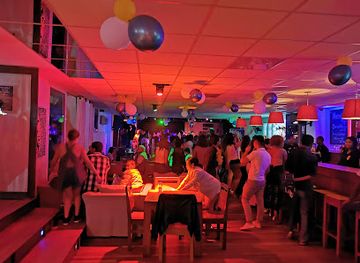
Evening life in Vakinankaratra is concentrated in Antsirabe and is generally modest rather than club-oriented. The city has hotel bars, cafés, casual restaurants and local drinking establishments where people meet after work, while some venues offer Malagasy music or occasional live entertainment. Beer, rum-based drinks and soft drinks are commonly available, but visitors should drink moderately and arrange transport before going out. Smaller towns such as Betafo have fewer formal evening venues, and rural communities usually settle early after market and farming activities. Nightlife is therefore best understood through Antsirabe’s restaurants, street atmosphere and cultural performances when available, rather than through a large nightclub district. Opening arrangements and entertainment programmes can change, so accommodation staff or a trusted local contact are the most reliable sources of current information.
-
Night club
KUDéTA Urban Club
Experience the vibrant nightlife of Antananarivo at KUDéTA Urban Club, where live music and great drinks create unforgettable moments.
-
Cabaret club
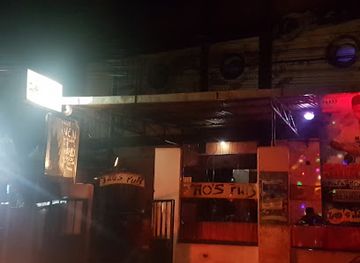
Cabaret Jao's Pub
Discover the vibrant nightlife at Cabaret Jao's Pub, Antananarivo's premier cabaret club offering unforgettable performances and local culture.
-
Night club
Taxi Be
Dive into Antananarivo's nightlife at Taxi Be, a vibrant night club where music, dance, and culture collide for an unforgettable experience.
-
Night club
Espace Riantsoa
Discover the lively nightlife of Antananarivo at Espace Riantsoa, where music, dance, and authentic Malagasy cuisine come together for an unforgettable experience.


Best shops in Vakinankaratra
Antsirabe is the region’s main shopping centre, with markets, small high-street businesses and workshops selling practical goods, food and locally made crafts. Its artisans are known for embroidery, woven items, metalwork, woodwork, miniature bicycles and objects made from recycled materials, although quality and originality vary between sellers. Polished stones and other mineral-based souvenirs are also available, so buyers should ask about provenance and support responsible trading. Markets provide rice, potatoes, fruit, dairy products and seasonal produce that reflect Vakinankaratra’s agricultural importance. In smaller towns and villages, shopping is primarily about daily necessities rather than dedicated visitor retail, with fewer fixed opening arrangements and limited card payment. Bargaining is common in informal markets but should remain courteous. A useful regional souvenir is a well-made textile or craft item purchased directly from an artisan or trusted shop, rather than an item presented with an uncertain historical or geological claim.
-
Souvenir store
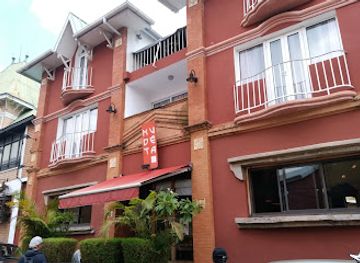
Kudéta Shop
Discover the essence of Madagascar at Kudéta Shop, where authentic souvenirs meet local craftsmanship in the heart of Antananarivo.
-
Shopping mall
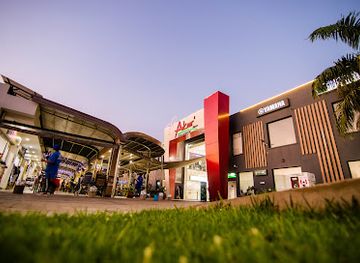
Akoor Digue
Experience Shopping and Culture at Akoor Digue Mall in Antananarivo - A Hidden Gem for Tourists!
-
Shopping mall
Tana Water Front
Discover the best shopping and dining at Tana Water Front, where modern amenities meet Malagasy culture in the heart of Antananarivo.
-
Supermarket
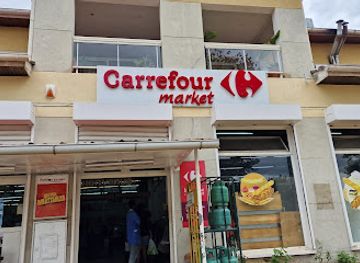
Carrefour Market - Antsirabe
Experience the vibrant flavors of Madagascar at Carrefour Market in Antsirabe, where local and international products meet.
Get your free copy of our complete guide to Vakinankaratra, delivered straight to you.
Everything on this page, from attractions and restaurants to essentials and local phrases, in one PDF you can read offline, print or share.
Already have an account? Sign in
Your Vakinankaratra guide is ready.
We'll send it to · Not you? Sign out

Getting your guide ready…
We are putting together a fresh copy of the Vakinankaratra guide. This can take up to a minute.
This can take a few moments. If your browser asks, choose Allow so the download can start. You'll find the guide in your Downloads folder.
Nothing happened? Download it again
Sorry, the guide is taking longer than usual. Please try again in a minute, or get it by email instead.
Vakinankaratra essentials
Currency and Payment
Safety
Emergency Situations
Do's and Don'ts
Local Tips
From Eve
Local phrases worth knowing
You don't need to get them perfect. A few words go a long way, and locals appreciate the effort.
Basics
| English | Local | Say it |
|---|---|---|
| Hello | Salama | [sah-lah-mah] |
| Goodbye | Veloma | [veh-loo-mah] |
| Yes | Eny | [eh-nee] |
| No | Tsia | [tsee-ah] |
| Please/You're welcome | Azafady | [ah-zah-fah-dee] |
| Thank you | Misaotra | [mee-sah-oh-trah] |
| Excuse me/Sorry | Azafady | [ah-zah-fah-dee] |
| How are you? | Inona ny vaovao? | [ee-no-nah nee vah-vah-oo] |
| Fine. And you? | Tsara. Ary ianao? | [tsah-rah. ah-ree ee-nah-oh] |
| Do you speak English? | Miteny anglisy ve ianao? | [mee-teh-nee ahn-glee-see veh ee-nah-oh] |
| I don't understand | Tsy azoko | [tsee ah-zoh-koo] |
Eating & Drinking
| English | Local | Say it |
|---|---|---|
| I'd like to see the menu, please | Te-hahita ny menio aho, azafady | [teh-hah-ee-tah nee meh-nee-oh ah-hoo, ah-zah-fah-dee] |
| I don't eat meat | Tsy mihinana hena aho | [tsee mee-hee-nah-nah heh-nah ah-hoo] |
| Cheers! | Sakafo! | [sah-kah-foo] |
| I would like to pay, please | Te-hanome vola aho, azafady | [teh-hah-no-meh voh-lah ah-hoo, ah-zah-fah-dee] |
Emergencies
| English | Local | Say it |
|---|---|---|
| Help! | Fanampiana! | [fah-nahm-pee-ah-nah] |
| Go away! | Mandehana! | [mahn-deh-hah-nah] |
| Call the Police! | Antsoy ny polisy! | [ahn-tsoh-ee nee poh-lee-see] |
| Call a doctor! | Antsoy dokotera! | [ahn-tsoh-ee doh-koh-teh-rah] |
| I'm lost | Very very | [veh-ree veh-ree] |
| I'm ill | Marary aho | [mah-rah-ree ah-hoo] |
Shopping
| English | Local | Say it |
|---|---|---|
| I'd like to buy... | Te-hividy... | [teh-hee-vee-dee] |
| I'm just looking | Mijery fotsiny aho | [mee-jeh-ree fo-tsin-ee ah-hoo] |
| How much is it? | Ohatrinona izany? | [oo-hah-tree-no-nah ee-zah-nee] |
| That's too expensive | Lafo loatra izany | [lah-foo loo-ah-trah ee-zah-nee] |
| Can you lower the price? | Afaka manamaivana ny vidiny ve ianao? | [ah-fah-kah mah-nah-my-vah-nah nee vee-dee-nee veh ee-nah-oh] |
Time & Numbers
| English | Local | Say it |
|---|---|---|
| What time is it? | Ahoana ny fotoana? | [ah-hoo-ah-nah nee fot-oh-nah] |
| It's one o'clock | Tsy iray ora | [tsee ee-rah-ee oh-rah] |
| Half past (10) | Mijoro ny sasany | [mee-jo-rah nee sah-sah-nee] |
| Morning | Maraina | [mah-rye-nah] |
| Afternoon | Tohondry | [toh-hon-dree] |
| Evening | Hariva | [ha-ree-vah] |
| Yesterday | Omaly | [oo-mah-lee] |
| Today | Anio | [ah-nee-oh] |
| Tomorrow | Rahampitso | [rah-hahm-pee-tso] |
| 1 | Iray | [ee-rah-ee] |
| 2 | Roa | [roh-ah] |
| 3 | Telo | [teh-loo] |
| 4 | Efatra | [eh-fah-trah] |
| 5 | Dimy | [dee-mee] |
| 6 | Enim | [eh-neem] |
| 7 | Fito | [fee-toh] |
| 8 | Valo | [vah-loo] |
| 9 | Sivy | [see-vee] |
| 10 | Folo | [foh-loo] |
Transport & Directions
| English | Local | Say it |
|---|---|---|
| Where's a/the...? | Aiza ny...? | [ah-ee-zah nee] |
| What's the address? | Inona ny adiresy? | [ee-no-nah nee ah-dee-reh-see] |
| Can you show me (on the map)? | Afaka mampiseho ahy ve ianao? | [ah-fah-kah mahm-pee-seh-ho ah-ee veh ee-nah-oh] |
| When's the next (bus)? | Rahoviana ny bus manaraka? | [rah-ho-vee-ah-nah nee boos mah-nah-rah-kah] |
| A ticket (to ....) | Tapakila (manaraka ...) | [tah-pah-kee-lah (mah-nah-rah-kah ...)] |
History of Vakinankaratra
Early Highland Settlement and Agriculture
The central highlands have been shaped for centuries by rice cultivation, cattle keeping and the management of steep, elevated terrain. Communities developed terraces, irrigation systems and dense village settlements suited to the upland environment. The region’s red lateritic soils and volcanic landscapes became closely associated with highland agriculture, while local traditions of ancestor respect influenced the arrangement of homes, tombs and sacred places. Although much of the early history is preserved through oral traditions and archaeological evidence rather than monumental ruins, the agricultural landscape remains a major historical record of how people adapted to Madagascar’s interior.
The Merina Kingdom and Highland Political Influence
Vakinankaratra formed part of the wider political and cultural world of the central highlands, where Merina rulers expanded their influence during the eighteenth and nineteenth centuries. Local communities, including those associated with the Vakinankaratra and former highland polities, were drawn into systems of tribute, administration and military power centred increasingly on the Imerina heartland. This period strengthened shared highland institutions while also creating political tensions and unequal relationships between rulers and subject communities. The legacy is visible in settlement patterns, rice agriculture, aristocratic traditions and the continuing importance of highland social and religious customs.
Missionary Activity and Religious Change
Christian missions became increasingly influential in the central highlands during the nineteenth century, alongside the expansion of the Merina state and European commercial interests. Protestant and Catholic missionaries established schools, churches and medical initiatives, contributing to new forms of literacy and religious organisation. Antsirabe and surrounding communities developed a distinctive mixture of Christian practice and older highland traditions, particularly in attitudes towards ancestors, family ceremonies and sacred landscapes. Churches and mission-founded institutions remain important features of the region, although religious life varies considerably between urban neighbourhoods and rural villages.
French Colonial Rule and the Development of Antsirabe
Madagascar became a French colony in 1896, and Antsirabe grew in importance under colonial administration. Its cool climate and mineral springs encouraged development as a spa and retreat, while roads, rail connections and commercial agriculture linked the town more closely with other parts of the island. Colonial planning introduced broad avenues, public buildings and hotel infrastructure, some of which still contribute to Antsirabe’s architectural character. This development was not simply a leisure story: it depended on colonial economic structures and labour systems that reshaped land use, administration and access to resources across the highlands.
Agriculture, Industry and the Post-Independence Region
After Madagascar gained independence in 1960, Vakinankaratra remained one of the country’s important agricultural regions. Rice, potatoes, vegetables, dairy farming and fruit production support both local consumption and wider markets, while Antsirabe developed as a centre for processing, trade and small-scale manufacturing. The city’s workshops, food businesses and transport links reflect this practical economic role. Economic difficulties, infrastructure constraints and changing climate patterns have affected rural livelihoods, but agriculture continues to define the region’s landscape and its relationship with Madagascar’s major urban centres.
Antsirabe’s Craft and Thermal Heritage Today
Contemporary Antsirabe preserves the overlapping identities created by highland society, colonial urban development, thermal tourism and local craftsmanship. Pousse-pousses remain a familiar feature of the streets, while artisans work in embroidery, metal, wood, stone and recycled materials. The thermal tradition survives through spa and bathing facilities, although the city is now more commonly visited as a cultural and overland stop than as an exclusive resort. This mixture of craft production, market life, agricultural exchange and historic architecture gives Antsirabe a character distinct from Madagascar’s coastal towns and capital.
Vakinankaratra in Photos
Browse through our photo collection highlighting the charm and character of the destination.
Neighbouring regions of Vakinankaratra
The closest regions to Vakinankaratra, if you have time for more than one.
-

-

-

-

-


Swipe for more regions
Explore more

Explore more of Madagascar
Discover Madagascar: A unique island paradise with unparalleled wildlife, breathtaking landscapes, and a rich cultural heritage.
Explore Madagascar