

Free Menabe Travel Guide & Mobile App
Explore Menabe with free travel guides. Discover regional history, expert tips, proposed trips, and audio guides on web or mobile app.


Explore Menabe in western Madagascar for baobab landscapes, Sakalava heritage, dry forests, coastal villages and demanding overland journeys.
Read more about Menabe
When is the best time to visit Menabe?
Best: June–August · 26–27°C| Month | High (°C) | Rainfall (mm) |
|---|---|---|
| January | 31 | 210 |
| February | 31 | 180 |
| March | 31 | 150 |
| April | 29 | 120 |
| May | 28 | 90 |
| June (best) | 27 | 60 |
| July (best) | 26 | 40 |
| August (best) | 27 | 40 |
| September | 28 | 60 |
| October | 29 | 90 |
| November | 30 | 120 |
| December | 31 | 180 |
Getting to and around Menabe
How to get there
Transportation
Top city travel guides in Menabe
The cities of Menabe, and the easiest places to base yourself.

Swipe for more cities
Destinations in Menabe
Resorts, valleys and scenic spots worth a trip of their own.

Swipe for more destinations
Best attractions in Menabe
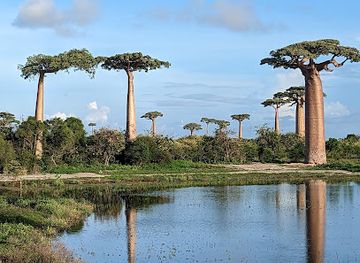
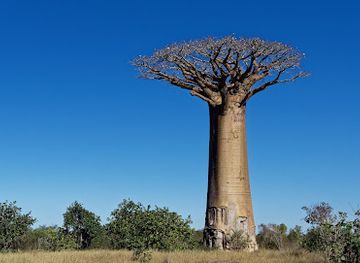
Menabe’s attractions are defined by the relationship between dry forest, river, coast and culture. Near Morondava, the Avenue of the Baobabs is the region’s signature landscape, while the smaller Baobab Amoureux and surrounding rural tracks offer further views of western Madagascar’s characteristic trees. Kirindy Forest is the principal wildlife destination, with guided walks and night excursions focused on dry-forest species, lemurs, reptiles and nocturnal life; the Andranomena Special Reserve provides another protected habitat, subject to local access arrangements. Morondava’s Nosy Kely district offers beaches, seafood and boat outings, while Belo sur Mer has a strong fishing and traditional boatbuilding character. Inland, the Tsiribihina River creates possibilities for multi-day river journeys and wildlife observation, although these are expedition-style trips rather than casual excursions. Cultural visits, village walks and introductions to Sakalava history add depth, provided they are arranged respectfully through local guides. The celebrated Tsingy de Bemaraha lies in neighbouring Melaky Region, not Menabe, and should be treated as a separate journey rather than assumed to be a local Morondava attraction.
-
National forest
Avenue of the Baobabs
Experience the breathtaking beauty of Avenue of the Baobabs, a natural wonder of majestic baobab trees in Madagascar, perfect for unforgettable memories.
-
National park
Kirindy Mitea National Park
Experience Madagascar's unparalleled biodiversity at Kirindy Mitea National Park, a haven for wildlife enthusiasts and nature lovers.
-
Beach pavillion
Kimony Beach Morondava
Discover the tranquil beauty of Kimony Beach in Morondava, a perfect destination for relaxation and adventure along Madagascar's stunning coastline.
-
Tourist attraction
Réserve spéciale d'Andranomena
Explore the biodiversity and stunning landscapes of Réserve Spéciale d'Andranomena, a unique ecological gem in Madagascar.

Best landmarks in Menabe
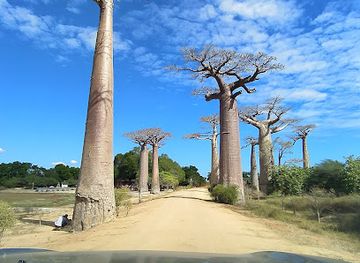
The Avenue of the Baobabs is Menabe’s defining landmark: a road lined by mature baobabs whose towering trunks and sparse canopies have become an emblem of western Madagascar. The nearby Baobab Amoureux, formed by intertwined trunks, is another recognisable natural feature, though it should be viewed without climbing or physical contact. Morondava’s coastal setting and the broad beach around Nosy Kely represent the region’s maritime face, while the low, seasonal landscape around the town explains both its agricultural patterns and its difficult roads. In Belo sur Mer, traditional sailing and fishing boats provide a living maritime landmark rather than a monumental building, reflecting long-established coastal skills. The Tsiribihina River is a major geographical landmark of inland Menabe, cutting through a landscape of villages, fields and dry vegetation. Sakalava royal and funerary places are culturally significant landmarks, but they are not ordinary sightseeing sites: their location, meaning and photography rules should be explained by local residents or guides before a visit.
-
National park
Tsingy De Bemaraha National Park
Discover the stunning limestone formations and rich biodiversity of Tsingy De Bemaraha National Park, Madagascar's natural gem and UNESCO World Heritage Site.
-
National forest
Avenue of the Baobabs
Explore the surreal beauty of the Avenue of the Baobabs, an iconic national forest in Madagascar, famous for its towering baobab trees and stunning landscapes.
-
Hotel
Ecolodge du Menabe
Discover the beauty of Madagascar at Ecolodge du Menabe, where adventure meets eco-friendly luxury in the heart of Belo sur Mer.
-
 Hotel
HotelRelais Du Kirindy
Discover the beauty of Madagascar at Relais Du Kirindy, your gateway to wildlife adventures and serene accommodations.

Explore Menabe on the map
Plan your trip on one map. See where the top cities, national parks and sights are, and book hotels and experiences in a few clicks.
Best hotels in Menabe
Best restaurants in Menabe
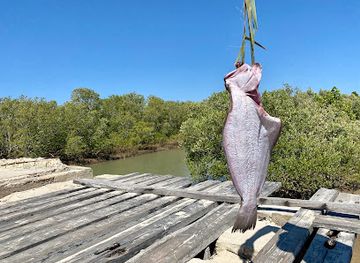
Dining in Menabe is practical, seasonal and closely tied to the coast and countryside. Morondava has the widest choice, with restaurants and hotel kitchens serving rice with seafood, zebu, chicken, vegetables and sauces, alongside French-influenced dishes found more widely in Madagascar. Fish, prawns and other locally available seafood are particularly characteristic around Morondava and Belo sur Mer, although supply and menus vary with weather and fishing conditions. Tropical fruit, including mangoes and other seasonal produce, is widely sold in markets and roadside stalls. Simple hotely restaurants provide inexpensive Malagasy meals, while the visitor district has cafés and more polished dining rooms. Menabe is not primarily a destination for a specialised regional cuisine with fixed recipes; its appeal lies in fresh ingredients, coastal cooking and the contrast between town restaurants and rural meals prepared during excursions. In remote areas, guides and lodges usually need advance notice for supplies, and travellers should not expect extensive menus or dependable service late in the evening.
-
Restaurant
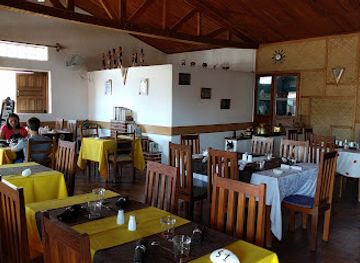
MAD ZEBU RESTAURANT
Experience authentic Malagasy cuisine at Mad Zebu Restaurant in Belo-sur-Tsiribihina - a true taste of Madagascar.
-
Restaurant
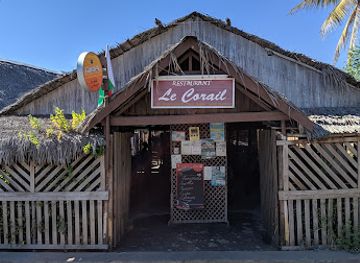
Le Corail
Discover Le Corail in Morondava: A Seafood Haven Offering Fresh Flavors and Stunning Coastal Views.
-
Hotel
Hôtel Entremer
Discover tranquility and gourmet dining at Hôtel Entremer, your perfect escape on Madagascar's beautiful coast.
-
Hotel
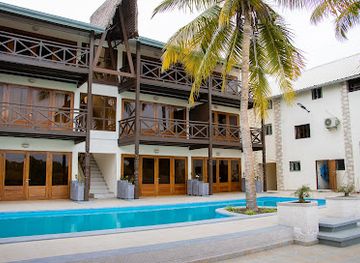
Ecolodge du Menabe
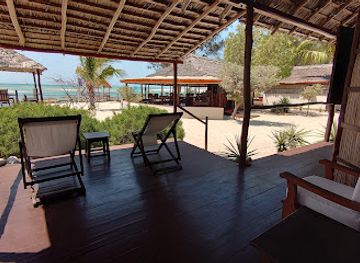
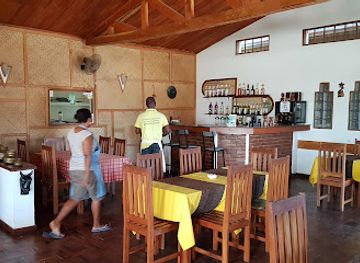
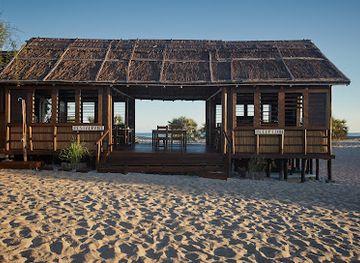
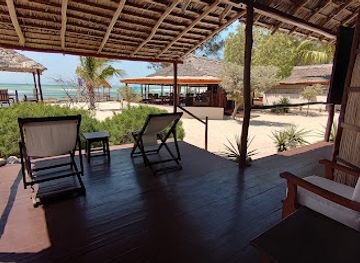
Experience eco-friendly luxury at Ecolodge du Menabe in Belo sur Mer—your gateway to adventure and relaxation in Madagascar.
Best bars in Menabe
Morondava has the region’s most developed evening scene, centred on hotel bars, small restaurants and informal venues around the town and Nosy Kely. Evenings are generally relaxed rather than dominated by large nightclubs, with Malagasy music, conversation, occasional live performances and drinks served in guesthouses or local bars. Beer, rum-based drinks and soft drinks are common, while some establishments offer cocktails for visitors. Belo sur Mer and forest lodges have a much quieter atmosphere, where the evening may consist of a simple meal, conversation and listening to the night sounds rather than organised entertainment. In rural areas, electricity and closing times can be limited, and visitors should return from excursions with a torch. As elsewhere in Madagascar, alcohol is not a requirement for engaging with local culture; respect local communities, avoid disruptive behaviour and follow accommodation guidance after dark.
-
Restaurant
MAD ZEBU RESTAURANT
Experience authentic Malagasy cuisine at Mad Zebu Restaurant in Belo-sur-Tsiribihina, where local flavors meet warm hospitality.
-
Restaurant
Ecolodge du Menabe
Experience the charm of Ecolodge du Menabe, where adventure meets relaxation in the heart of Madagascar's stunning coastline.
-
Restaurant
Baobab Cafe
Baobab Cafe: A Culinary Oasis in Morondava, Offering Delicious Meals and a Relaxing Atmosphere for Travelers.
-
Restaurant
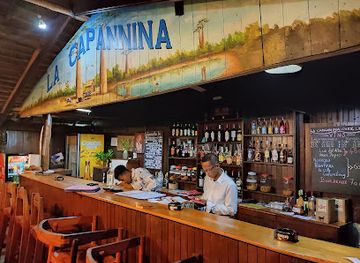
La Capannina
Discover La Capannina in Morondava for an unforgettable dining experience featuring fresh seafood and local cuisine in a charming atmosphere.
Best nightclubs in Menabe
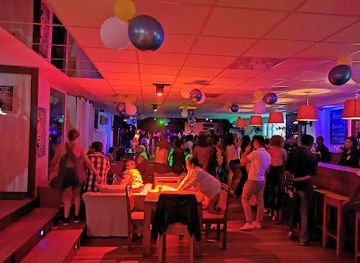
Morondava has the region’s most developed evening scene, centred on hotel bars, small restaurants and informal venues around the town and Nosy Kely. Evenings are generally relaxed rather than dominated by large nightclubs, with Malagasy music, conversation, occasional live performances and drinks served in guesthouses or local bars. Beer, rum-based drinks and soft drinks are common, while some establishments offer cocktails for visitors. Belo sur Mer and forest lodges have a much quieter atmosphere, where the evening may consist of a simple meal, conversation and listening to the night sounds rather than organised entertainment. In rural areas, electricity and closing times can be limited, and visitors should return from excursions with a torch. As elsewhere in Madagascar, alcohol is not a requirement for engaging with local culture; respect local communities, avoid disruptive behaviour and follow accommodation guidance after dark.
-
Night club
KUDéTA Urban Club
Experience the vibrant nightlife of Antananarivo at KUDéTA Urban Club, the ultimate destination for live music and dancing.
-
Cabaret club
Cabaret Jao's Pub
Discover the magic of Antananarivo's nightlife at Cabaret Jao's Pub, where captivating performances meet the warmth of local culture.
-
Bar
Bar Mozambique
Experience the vibrant nightlife of Morombe at Bar Mozambique, where local culture and refreshing drinks await every visitor.
-
Night club
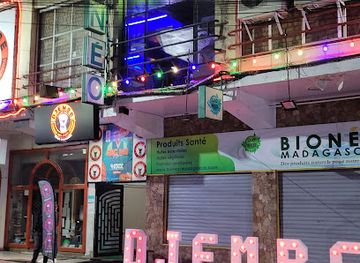
DJEMBE Discotheque TANA (ex le six)
Discover the pulsating nightlife of Antananarivo at DJEMBE Discotheque TANA, where music, dance, and culture come alive!
Best shops in Menabe
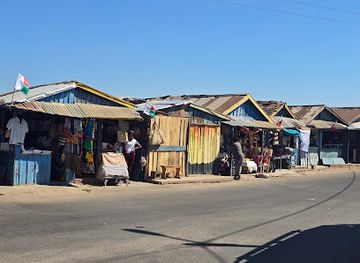
Shopping in Menabe is concentrated in Morondava, where markets and small shops sell fruit, vegetables, rice, clothing, household goods and practical supplies for overland travel. Visitors can look for locally made baskets, woven articles, carved wooden objects and other Madagascar handicrafts, but quality and provenance vary, so buying directly from artisans or reputable community-based sellers is preferable. Along the coast, Belo sur Mer is associated with fishing and boatbuilding, although working boats are not generally souvenirs and should be admired with permission. Regional food products such as dried or preserved seafood, spices and seasonal fruit may appear in markets, subject to transport and customs rules. There is little justification for expecting extensive designer or luxury retail in Menabe; the region’s most meaningful purchases are modest crafts and locally produced goods. Bargaining may be customary in some markets, but it should remain courteous, and visitors should avoid buying wildlife products, protected plant material or antiquities.
-
Hotel
Kimony Resort Hotel
Discover the ultimate relaxation and adventure at Kimony Resort Hotel in Morondava, Madagascar, with stunning beaches, fine dining, and exciting activities.
-
Pastries
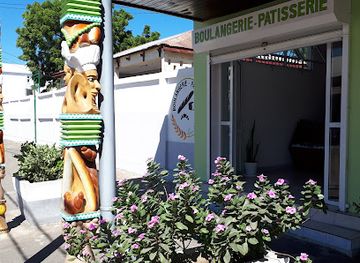
Boulangerie Pâtisserie Lawmika
Discover the delightful flavors of Madagascar at Boulangerie Pâtisserie Lawmika, a charming bakery in Morondava offering exquisite pastries and local treats.
-
Shopping mall
Digue Market
Explore the vibrant Digue Market in Antananarivo, where handcrafted treasures and local flavors await every traveler.
-
Grocery store
Fromagerie - Paella espagnole
Experience the flavors of Spain at Fromagerie - Paella espagnole, where gourmet ingredients and authentic paellas come together for a culinary delight.
Get your free copy of our complete guide to Menabe, delivered straight to you.
Everything on this page, from attractions and restaurants to essentials and local phrases, in one PDF you can read offline, print or share.
Already have an account? Sign in
Your Menabe guide is ready.
We'll send it to · Not you? Sign out

Getting your guide ready…
We are putting together a fresh copy of the Menabe guide. This can take up to a minute.
This can take a few moments. If your browser asks, choose Allow so the download can start. You'll find the guide in your Downloads folder.
Nothing happened? Download it again
Sorry, the guide is taking longer than usual. Please try again in a minute, or get it by email instead.
Menabe essentials
Currency and Payment
Safety
Emergency Situations
Do's and Don'ts
Local Tips
From Eve
Local phrases worth knowing
You don't need to get them perfect. A few words go a long way, and locals appreciate the effort.
Basics
| English | Local | Say it |
|---|---|---|
| Hello | Salama | [sah-lah-mah] |
| Goodbye | Veloma | [veh-loo-mah] |
| Yes | Eny | [eh-nee] |
| No | Tsia | [tsee-ah] |
| Please/You're welcome | Azafady | [ah-zah-fah-dee] |
| Thank you | Misaotra | [mee-sah-oh-trah] |
| Excuse me/Sorry | Azafady | [ah-zah-fah-dee] |
| How are you? | Inona ny vaovao? | [ee-no-nah nee vah-vah-oo] |
| Fine. And you? | Tsara. Ary ianao? | [tsah-rah. ah-ree ee-nah-oo] |
| Do you speak English? | Mahafehy anglisy ve ianao? | [mah-hah-feh-ee ahn-glee-see veh ee-nah-oo] |
| I don't understand | Tsy azoko | [tsee ah-zoo-koo] |
Eating & Drinking
| English | Local | Say it |
|---|---|---|
| I'd like to see the menu, please | Te-hijery ny sakafo aho, azafady | [teh-hee-jeh-ree nee sah-kah-foo ah-hoo, ah-zah-fah-dee] |
| I don't eat meat | Tsy mihinana hena aho | [tsee mee-hee-nah-nah heh-nah ah-hoo] |
| Cheers! | Misaotra! | [mee-sah-oh-trah] |
| I would like to pay, please | Te-handoa aho, azafady | [teh-han-do-ah ah-hoo, ah-zah-fah-dee] |
Emergencies
| English | Local | Say it |
|---|---|---|
| Help! | Vonjeo! | [vohn-jeh-oh] |
| Go away! | Mandehana! | [mahn-deh-hah-nah] |
| Call the Police! | Antsoy ny Polisy! | [ahn-tsoi nee poh-lee-see] |
| Call a doctor! | Antsoy ny dokotera! | [ahn-tsoi nee doh-koh-teh-rah] |
| I'm lost | Very very | [veh-ree veh-ree] |
| I'm ill | Marary aho | [mah-rah-ree ah-hoo] |
Shopping
| English | Local | Say it |
|---|---|---|
| I'd like to buy... | Te-hividy... | [teh-hee-vee-dee] |
| I'm just looking | Mitady fotsiny aho | [mee-tah-dee fo-tsin-ee ah-hoo] |
| How much is it? | Ohatrinona izany? | [oo-hah-tree-noo-nah zah-zee] |
| That's too expensive | Lafo loatra izany | [lah-foo loo-ah-trah zah-zee] |
| Can you lower the price? | Afaka manapa-kevitra ve ianao? | [ah-fah-kah mah-nah-pah-keet-rah veh ee-nah-oo] |
Time & Numbers
| English | Local | Say it |
|---|---|---|
| What time is it? | Inona ny ora? | [ee-no-nah nee oh-rah] |
| It's one o'clock | Tsy iray ora | [tsee ee-rah-ee oh-rah] |
| Half past (10) | Amin'ny folo sy telo | [ah-meen-nee fo-loh see teh-loo] |
| Morning | Maraina | [mah-rye-nah] |
| Afternoon | Tontolo andro | [ton-toh-loh ahn-droh] |
| Evening | Hariva | [hah-ree-vah] |
| Yesterday | Omaly | [oo-mah-lee] |
| Today | Anio | [ah-nee-oh] |
| Tomorrow | Rahampitso | [rah-hahm-pee-tso] |
| 1 | Iray | [ee-rah-ee] |
| 2 | Roa | [roo-ah] |
| 3 | Telo | [teh-loo] |
| 4 | Efatra | [eh-fah-trah] |
| 5 | Dimy | [dee-mee] |
| 6 | Enina | [eh-nee-nah] |
| 7 | Fito | [fee-toh] |
| 8 | Valo | [vah-loh] |
| 9 | Sivy | [see-vee] |
| 10 | Folo | [foh-loh] |
Transport & Directions
| English | Local | Say it |
|---|---|---|
| Where's a/the...? | Aiza ny...? | [eye-zah nee] |
| What's the address? | Inona ny adiresy? | [ee-no-nah nee ah-dee-reh-see] |
| Can you show me (on the map)? | Aza asehoy ahy (eo amin'ny sarintany)? | [ah-zah ah-seh-hoy ah-ee (eh-oh ah-meen-nee sah-reen-tah-nee)] |
| When's the next (bus)? | Rahoviana ny (bus) manaraka? | [rah-ho-vee-ah-nah nee (bus) mah-nah-rah-kah] |
| A ticket (to ....) | Tapakila (manaraka...) | [tah-pah-kee-lah (mah-nah-rah-kah)] |
History of Menabe
Early Settlement and Western Madagascar’s Dry Forests
Human settlement in western Madagascar developed around river corridors, seasonal water sources, coastal resources and productive areas used for rice cultivation and livestock. Menabe’s dry deciduous forests supported a distinctive range of plants and animals, while its rivers connected inland communities with the coast. Archaeological evidence across Madagascar records Austronesian and African influences, followed by wider Indian Ocean connections. In Menabe, the environmental pattern of a pronounced wet season and long dry season shaped settlement, farming, travel and the movement of zebu herds.
The Sakalava Kingdom of Menabe
From the seventeenth century, Sakalava rulers of the Maroserana dynasty established powerful states across western Madagascar, including the kingdom of Menabe. Authority was expressed through royal lineages, alliances, tribute and relationships with sacred places and ancestors. The kingdom controlled important western routes linking the interior, river valleys and coastal ports. Although the historical kingdom no longer exists as a political state, its legacy remains central to Menabe’s identity, particularly in royal traditions, funerary practices, oral history and the cultural importance attached to ancestors.
Indian Ocean Trade and Coastal Exchange
Menabe’s coast formed part of the wider trading world of the western Indian Ocean. Coastal settlements exchanged cattle, rice, timber and other goods through networks involving Madagascar, the Comoros, East Africa and Arab and South Asian merchants. Morondava and smaller ports became points of contact between maritime commerce and inland communities. These exchanges contributed to the cultural complexity of western Madagascar, while also bringing periods of rivalry and political competition as rulers sought control of trade routes, harbours and agricultural territory.
French Colonial Rule and Administrative Change
France made Madagascar a colony in 1896 after the overthrow of the Merina monarchy, extending new administrative and military structures into the west. Colonial rule altered systems of taxation, land administration, labour and trade, while roads and coastal services were developed primarily to support governmental and commercial interests. Morondava became an important administrative centre in the west. The colonial period also intensified outside pressure on forests and local economies, legacies that remain relevant to present-day debates about conservation, land use and rural development.
Independence and a Changing Regional Economy
Madagascar became independent in 1960, and Menabe subsequently remained a largely rural region whose economy combined farming, livestock, fishing, forestry and local trade. Morondava grew as a regional service centre, while road access and tourism gradually brought the baobab landscape and dry forests to international attention. Conservation initiatives helped protect important habitats, but communities continue to face challenges involving land, seasonal water shortages, transport costs and pressure on natural resources. Contemporary Menabe is therefore shaped by both cultural continuity and difficult economic transformation.
Conservation of Baobabs and Dry Forests
During the late twentieth and early twenty-first centuries, scientific research and conservation programmes highlighted the exceptional biodiversity of Menabe’s dry forests and baobab habitats. Protected areas such as Kirindy Forest and the Andranomena Special Reserve became important for safeguarding endemic wildlife and vegetation. Tourism now contributes to local livelihoods through guiding, accommodation and transport, but conservation remains complex. Fire, charcoal production, agricultural expansion and changing rainfall patterns place pressure on ecosystems, making responsible visitor behaviour and community involvement especially important.
Menabe in Photos
Browse through our photo collection highlighting the charm and character of the destination.
Neighbouring regions of Menabe
The closest regions to Menabe, if you have time for more than one.
-

-

-

-
-


Swipe for more regions
Explore more

Explore more of Madagascar
Discover Madagascar: A unique island paradise with unparalleled wildlife, breathtaking landscapes, and a rich cultural heritage.
Explore Madagascar