

Free Bongolava Travel Guide & Mobile App
Explore Bongolava with free travel guides. Discover regional history, expert tips, proposed trips, and audio guides on web or mobile app.


Explore Bongolava in central-western Madagascar for highland landscapes, cattle markets, rural culture and journeys beyond the main tourist routes.
Read more about Bongolava
When is the best time to visit Bongolava?
Best: June–August · 23–25°C| Month | High (°C) | Rainfall (mm) |
|---|---|---|
| January | 28 | 200 |
| February | 28 | 150 |
| March | 29 | 150 |
| April | 28 | 100 |
| May | 27 | 50 |
| June (best) | 25 | 20 |
| July (best) | 23 | 20 |
| August (best) | 24 | 20 |
| September | 25 | 50 |
| October | 27 | 100 |
| November | 28 | 150 |
| December | 28 | 200 |
Getting to and around Bongolava
How to get there
Transportation
Destinations in Bongolava
Resorts, valleys and scenic spots worth a trip of their own.

Swipe for more destinations
Best attractions in Bongolava
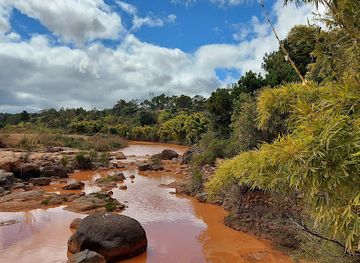
Bongolava’s attractions are primarily landscapes, markets and locally arranged rural experiences rather than a dense circuit of ticketed monuments. Tsiroanomandidy provides the most accessible introduction, with its busy trading environment and cattle market reflecting the region’s importance as a livestock and agricultural centre. Around the town, visitors can arrange walks through cultivated hills, valleys and villages, observing rice fields, manioc plots, roadside commerce and the seasonal changes that shape rural life. The Bongolava range offers broad views across the transition between the central highlands and the drier western country, although access routes are often unmarked and should be explored with local guidance. Fenoarivobe and smaller market communities offer further insight into the region’s dispersed settlement pattern, but facilities are basic. Rivers and wooded stretches in the wider Manambolo basin appeal to travellers interested in landscape and natural history, while birdwatching and low-impact walking are more realistic than formally managed wildlife excursions. The region is not a substitute for Madagascar’s established national parks, and major protected-area infrastructure is limited; its interest lies in seeing an agricultural frontier and the everyday economy of central-western Madagascar.
-
Tourist attraction
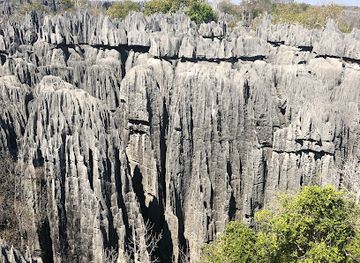
Tsingy De Bemaraha National Park
Experience the breathtaking limestone formations and unique biodiversity at Tsingy De Bemaraha National Park, Madagascar's stunning UNESCO World Heritage site.
-
Nature preserve
Reserva natural de Tsingy de Bemaraha
Experience the breathtaking limestone formations and rich biodiversity of Tsingy de Bemaraha, Madagascar's stunning natural preserve and UNESCO World Heritage site.
-
Park
Oasis Vontovorona
Explore the natural beauty of Oasis Vontovorona, a peaceful park in Antananarivo, Madagascar, ideal for relaxation and family outings.
-
Animal park
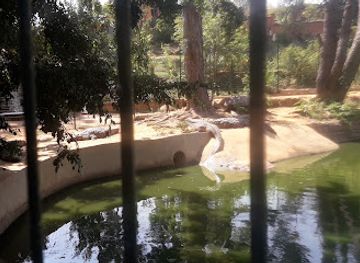
Croc Farm
Explore Croc Farm in Ivato, Madagascar, and enjoy close encounters with stunning reptiles, including crocodiles, in a captivating natural setting.

Best landmarks in Bongolava
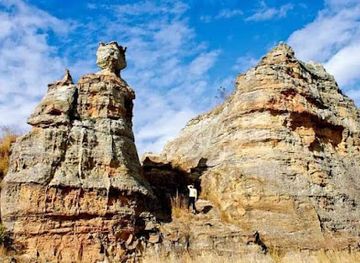
The Bongolava range is the region’s defining natural landmark, forming a visible highland transition between Madagascar’s central plateau and the country’s western-facing interior. Its ridges and open slopes provide geographical context for the region’s rivers, agricultural valleys and changing vegetation. Tsiroanomandidy itself is the principal human landmark: its position at the western end of the RN1 and its large livestock-trading role explain why it functions as Bongolava’s administrative and commercial capital. The town’s significance is less architectural than geographical and economic, expressed through its roads, market spaces and links with distant rural communities. Fenoarivobe is another important regional settlement, marking a more remote part of the administrative area and illustrating the dispersed character of Bongolava’s population. Across the countryside, village churches, rice terraces or paddies, zebu enclosures, red-earth roads and river crossings form a vernacular landscape rather than a collection of grand monuments. Burial places and family tombs may be visually prominent, but they are culturally sensitive sites and should not be treated as casual landmarks. The most memorable views come from the region’s changing terrain and the contrast between cultivated uplands and drier western valleys.
-
National park
Isalo National Park
Explore Isalo National Park's stunning landscapes, rich biodiversity, and cultural heritage while experiencing Madagascar's natural beauty.
-
Park
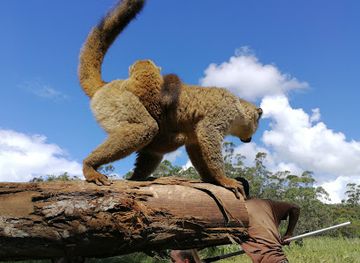
Lemurs Park
Explore Lemurs Park, a premier wildlife sanctuary in Madagascar, where you can encounter playful lemurs and experience the island's rich biodiversity.
-
Heritage museum
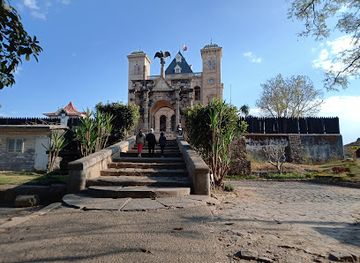
Queen's Palace
Explore the Queen's Palace in Antananarivo, a cultural gem showcasing Madagascar's royal heritage and breathtaking city views.
-
National park
Andasibe-Mantadia National Park
Explore Andasibe-Mantadia National Park, Madagascar's lush rainforest gem filled with unique wildlife and breathtaking landscapes, perfect for adventurous travelers.
Explore Bongolava on the map
Plan your trip on one map. See where the top cities, national parks and sights are, and book hotels and experiences in a few clicks.
Best hotels in Bongolava
Best restaurants in Bongolava
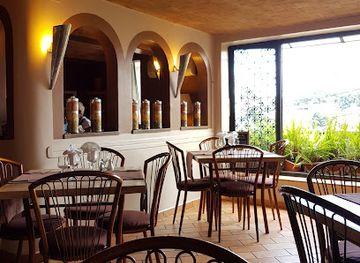
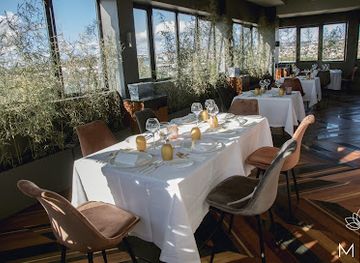
Dining in Bongolava is closely tied to Malagasy home cooking and the produce of its farming communities. In Tsiroanomandidy, modest hotely restaurants and market stalls commonly serve rice with beef, chicken, beans, greens or seasonal vegetables, while manioc, maize and peanuts appear in local food supplies. Zebu is economically and culturally important, although the availability and preparation of beef vary by household and occasion. Expect simple portions, freshly cooked dishes and limited choice outside the main town. Roadside snacks, rice cakes, fruit and fried foods are useful provisions for long journeys, but hygiene standards differ, so choose busy stalls where food is cooked hot and turnover is high. Rural inns and family-run eateries may require advance notice for larger groups. Travellers should carry water and some non-perishable food when heading towards Fenoarivobe or remote villages. Madagascar’s national staples, including rice, chilli-based accompaniments and seasonal vegetables, are more reliable here than specialised regional restaurant cuisine.
-
Indoor lodging
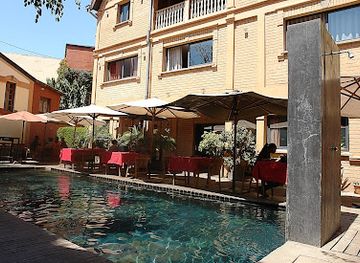
Sakamanga Hôtel
Experience the charm of Antananarivo at Sakamanga Hôtel - a cozy retreat with excellent dining and local flair.
-
Italian
Nerone Ristorante Italiano (Madagascar)
Experience the true essence of Italy at Nerone Ristorante Italiano in Antananarivo - a delightful escape for food lovers.
-
Restaurant
Le Carnivore - Restaurant Bar Lounge
Discover the vibrant flavors of Madagascar at Le Carnivore, Antananarivo's top restaurant-bar-lounge offering an unforgettable dining experience.
-
Haute French
Marais Restaurant Madagascar
Experience exquisite haute French cuisine at Marais Restaurant Madagascar, where culinary artistry meets local flavors in Antananarivo.

Best bars in Bongolava
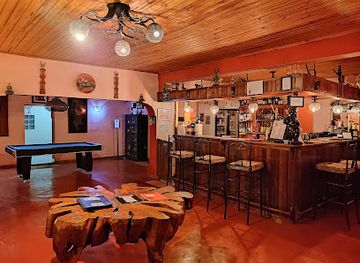
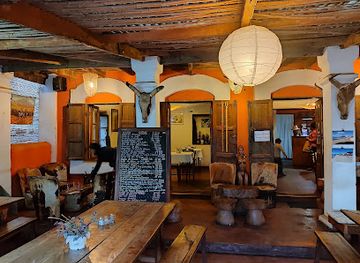
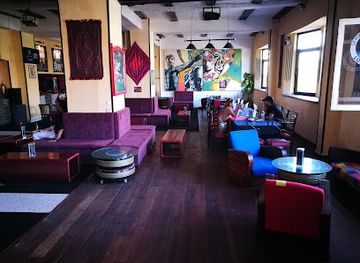
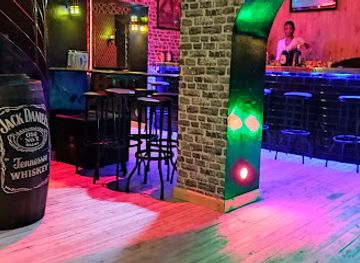
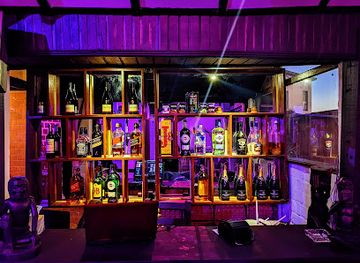
Bongolava has little conventional nightlife, and evenings in most settlements centre on family life, small bars, hotely restaurants and social interaction rather than clubs. Tsiroanomandidy has the greatest choice of informal drinking places and occasional music, but visitors should not expect a dedicated nightlife district or late-opening entertainment circuit. Local beer, rum-based drinks and soft drinks may be available, while the quality and range of venues change over time. In rural areas, darkness, limited electricity and long distances mean that evening activity is modest; accommodation compounds or village restaurants are usually the practical options. Travel after dark is inadvisable on unfamiliar roads, so plan returns before nightfall. As elsewhere in Madagascar, alcohol should be approached moderately and respectfully, particularly when visiting communities where the visitor is a guest. Cultural events, church gatherings and market-day social activity may offer more meaningful evening contact than a search for nightclubs.
-
Bar
l'auberge du kintanafleuron à Ampefy chez le Belge
Experience the taste of Belgium in the heart of Madagascar at L'Auberge du Kintanafleuron, a perfect blend of cuisine and relaxation.
-
Restaurant
La Terrasse Auberge
Indulge in authentic Malagasy flavors at La Terrasse Auberge, a charming restaurant in Afovoany known for its warm ambiance and delicious cuisine.
-
Bar
Le Point d'Exclamation Lounge Bar
Discover the vibrant nightlife at Le Point d'Exclamation Lounge Bar, offering cocktails, pizzas, and a lively atmosphere in the heart of Antananarivo.
-
Bar
Old 7 bar
Discover the vibrant nightlife of Antananarivo at Old 7 Bar, where local culture meets expertly crafted cocktails in a lively atmosphere.
Best nightclubs in Bongolava
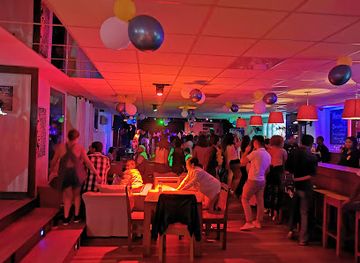
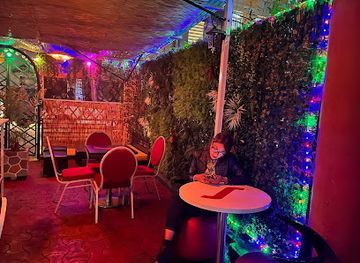
Bongolava has little conventional nightlife, and evenings in most settlements centre on family life, small bars, hotely restaurants and social interaction rather than clubs. Tsiroanomandidy has the greatest choice of informal drinking places and occasional music, but visitors should not expect a dedicated nightlife district or late-opening entertainment circuit. Local beer, rum-based drinks and soft drinks may be available, while the quality and range of venues change over time. In rural areas, darkness, limited electricity and long distances mean that evening activity is modest; accommodation compounds or village restaurants are usually the practical options. Travel after dark is inadvisable on unfamiliar roads, so plan returns before nightfall. As elsewhere in Madagascar, alcohol should be approached moderately and respectfully, particularly when visiting communities where the visitor is a guest. Cultural events, church gatherings and market-day social activity may offer more meaningful evening contact than a search for nightclubs.
-
Night club
KUDéTA Urban Club
Discover the pulse of Antananarivo's nightlife at KUDéTA Urban Club, where live music meets spirited revelry in an unforgettable urban setting.
-
Night club
Nirvana Night-club
Experience the vibrant nightlife of Antananarivo at Nirvana Nightclub, where music and energy come alive in a captivating atmosphere.
-
Workers' club
RED.Night.tana
Dive into Antananarivo's vibrant nightlife at RED.Night.tana, a lively workers' club offering music, drinks, and great company until the early hours.
-
Night club
Palmó Night-Club
Discover the electric nightlife of Antananarivo at Palmó Night-Club, where vibrant music and a lively crowd create unforgettable experiences.

Best shops in Bongolava
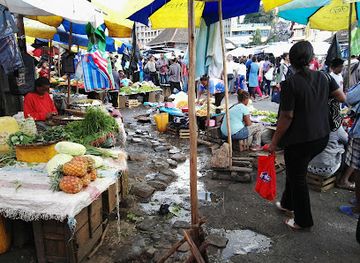
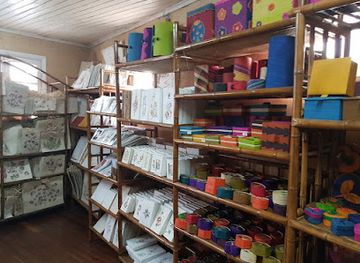
Shopping in Bongolava is concentrated in Tsiroanomandidy’s market areas and the smaller markets held in regional settlements. The strongest local identity is found in agricultural and livestock commerce rather than specialist souvenir retail: rice, manioc, maize, peanuts, honey, fruit and other seasonal produce may be available when supplies are good. Visitors can also find practical woven goods, baskets, simple household items and locally made clothing, though selection and quality vary. Market purchases should be made with small ariary notes and a willingness to negotiate politely without treating rural producers’ prices as entertainment. Fenoarivobe and village markets offer a more direct view of local exchange but have limited facilities and no dependable range of tourist goods. Travellers looking for high-quality Malagasy handicrafts, polished gemstones or a broad choice of books and branded products will find more reliable shopping in Antananarivo, outside the region. In Bongolava, the most appropriate purchases are useful local foods and modest crafts bought respectfully from makers or traders.
-
International airport
Ivato International Airport
Discover Madagascar through Ivato International Airport, your first step into an island of unique wildlife and rich culture.
-
Market
Analakely Market
Explore the bustling Analakely Market in Antananarivo, a vibrant hub of local culture, cuisine, and craftsmanship, perfect for unique souvenirs.
-
Art gallery
Lisy Art Gallery
Explore Lisy Art Gallery in Antananarivo for a captivating journey through Madagascar's vibrant art scene and cultural heritage.
-
Shopping mall
Akoor Digue
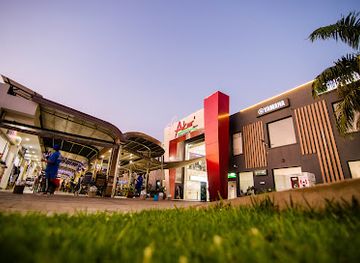
Explore Akoor Digue, Antananarivo's premier shopping mall offering a blend of local and international shopping experiences.

Get your free copy of our complete guide to Bongolava, delivered straight to you.
Everything on this page, from attractions and restaurants to essentials and local phrases, in one PDF you can read offline, print or share.
Already have an account? Sign in
Your Bongolava guide is ready.
We'll send it to · Not you? Sign out

Getting your guide ready…
We are putting together a fresh copy of the Bongolava guide. This can take up to a minute.
This can take a few moments. If your browser asks, choose Allow so the download can start. You'll find the guide in your Downloads folder.
Nothing happened? Download it again
Sorry, the guide is taking longer than usual. Please try again in a minute, or get it by email instead.
Bongolava essentials
Currency and Payment
Safety
Emergency Situations
Do's and Don'ts
Local Tips
From Eve
Local phrases worth knowing
You don't need to get them perfect. A few words go a long way, and locals appreciate the effort.
Basics
| English | Local | Say it |
|---|---|---|
| Hello | Salama | [sah-lah-mah] |
| Goodbye | Veloma | [veh-loo-mah] |
| Yes | Eny | [eh-nee] |
| No | Tsia | [tsee-ah] |
| Please/You're welcome | Azafady | [ah-zah-fah-dee] |
| Thank you | Misaotra | [mee-sah-oh-trah] |
| Excuse me/Sorry | Azafady | [ah-zah-fah-dee] |
| How are you? | Inona ny vaovao? | [ee-no-nah nee vah-vah-oo] |
| Fine. And you? | Tsara. Ary ianao? | [tsah-rah. ah-ree ee-nah-oo] |
| Do you speak English? | Miteny anglisy ve ianao? | [mee-teh-nee ahn-glee-see veh ee-nah-oo] |
| I don't understand | Tsy azoko | [tsee ah-zoh-koo] |
Eating & Drinking
| English | Local | Say it |
|---|---|---|
| I'd like to see the menu, please | Te-hita ny menu azafady | [teh-ee-tah nee meh-noo ah-zah-fah-dee] |
| I don't eat meat | Tsy mihinana hena aho | [tsee mee-hee-nah-nah heh-nah ah-hoo] |
| Cheers! | Santé! | [sahn-teh] |
| I would like to pay, please | Te-han-dray aho, azafady | [teh-han-dray ah-hoo, ah-zah-fah-dee] |
Emergencies
| English | Local | Say it |
|---|---|---|
| Help! | Vonjeo! | [vohn-jay-oh] |
| Go away! | Mandehana! | [mahn-deh-hah-nah] |
| Call the Police! | Antsoy ny Polisy! | [ahn-tsoh-ee nee poh-lee-see] |
| Call a doctor! | Antsoy dokotera! | [ahn-tsoh-ee doh-koh-teh-rah] |
| I'm lost | Very very aho | [veh-ree veh-ree ah-hoo] |
| I'm ill | Marary aho | [mah-rah-ree ah-hoo] |
Shopping
| English | Local | Say it |
|---|---|---|
| I'd like to buy... | Te-hividy... | [teh-hee-vee-dee] |
| I'm just looking | Mitady fotsiny aho | [mee-tah-dee fot-see-nee ah-hoo] |
| How much is it? | Ohatrinona izany? | [oo-hah-tree-no-nah zah-nee] |
| That's too expensive | Lafo loatra izany | [lah-foo loo-ah-trah zah-nee] |
| Can you lower the price? | Azonao ambany ny vidiny ve? | [ah-zoh-nah-oo ahm-bah-nee nee vee-dee-nee veh] |
Time & Numbers
| English | Local | Say it |
|---|---|---|
| What time is it? | Manao iza ny ora? | [mah-nah-oh ee-zah nee oh-rah] |
| It's one o'clock | Tsy iray ora | [tsee ee-rah-ee oh-rah] |
| Half past (10) | Amin'ny antsasaky ny (10) | [ah-mee-nee ahn-tah-sah-kee nee (10)] |
| Morning | Maraina | [mah-rah-ee-nah] |
| Afternoon | Tolakandron | [toh-lah-kahn-drohn] |
| Evening | Hariva | [hah-ree-vah] |
| Yesterday | Omaly | [oh-mah-lee] |
| Today | Anio | [ah-nee-oh] |
| Tomorrow | Rahampitso | [rah-ham-pee-tsoh] |
| 1 | Iray | [ee-rah-ee] |
| 2 | Roa | [roh-ah] |
| 3 | Telo | [teh-loo] |
| 4 | Efatra | [eh-fah-trah] |
| 5 | Dimy | [dee-mee] |
| 6 | Enina | [eh-nee-nah] |
| 7 | Fito | [fee-toh] |
| 8 | Valo | [vah-loo] |
| 9 | Sivy | [see-vee] |
| 10 | Folo | [foh-loh] |
Transport & Directions
| English | Local | Say it |
|---|---|---|
| Where's a/the...? | Aiza ny...? | [ah-ee-zah nee] |
| What's the address? | Inona ny adiresy? | [ee-no-nah nee ah-dee-reh-see] |
| Can you show me (on the map)? | Afaka mampiseho ahy ve ianao? | [ah-fah-kah mahm-pee-seh-ho ah-hee veh ee-nah-oo] |
| When's the next (bus)? | Rahoviana ny bus manaraka? | [rah-hoh-vee-ah-nah nee boos mah-nah-rah-kah] |
| A ticket (to ....) | Tapakila (mankany ....) | [tah-pah-kee-lah (mahn-kah-nee)] |
History of Bongolava
Early settlement and the Bongolava landscape
Bongolava’s history begins with the wider settlement of Madagascar by Austronesian-speaking peoples and later African-connected populations. Communities adapted to the region’s highland edges, river valleys and seasonally dry western environment through rice cultivation, cattle keeping, manioc, maize and other crops. Much of the early history is preserved through oral traditions, burial customs, land relationships and place names rather than through large surviving monuments. The region’s position between the central plateau and western plains encouraged movement, exchange and cultural contact over many centuries.
Merina expansion into the central-west
During the eighteenth and nineteenth centuries, the growing political power of the Merina kingdom extended its influence beyond the central highlands. The territory now known as Bongolava became part of a wider zone of political negotiation, tribute, military movement and trade between highland authorities and western communities, including Sakalava-linked areas. Zebu cattle were important in these relationships, both economically and socially. The legacy of this period is visible in the region’s mixed cultural influences and in the continuing importance attached to livestock and land.
Tsiroanomandidy and regional trade
Tsiroanomandidy developed as a strategic settlement within the central-western interior, linking highland routes with the agricultural and pastoral country farther west. Its market function grew from the movement of cattle, rice, manioc, maize and other products between rural communities. Rather than becoming a major colonial port or industrial town, it remained principally a regional centre whose importance rested on administration, trade and access to a wide hinterland. The town’s modern identity still reflects this role as Bongolava’s principal commercial hub.
French colonial rule and new administration
France established colonial control over Madagascar in the late nineteenth century, reshaping administration, taxation, labour systems, education and transport. In Bongolava, colonial authority was experienced through officials, missions, roads and changing systems of agricultural production rather than through a large concentration of monumental colonial architecture. The period connected the interior more closely to Antananarivo and other parts of the island while also imposing demands on rural communities. Churches, schools and administrative practices introduced or expanded during this era continued to influence local life after independence.
Independence and rural economic change
Madagascar became independent in 1960, and Bongolava continued to develop primarily through agriculture, livestock and regional commerce. Population growth, changing land use and the expansion of road connections altered relationships between market towns and villages. Rice remained central where water and terrain permitted, while manioc, maize, peanuts and cattle supported household economies in drier areas. Economic opportunities have often remained uneven, and transport conditions continue to shape access to schools, health services and larger markets.
Bongolava as a modern administrative region
Madagascar’s decentralisation reforms established the modern regions, including Bongolava, in the early twenty-first century. The region comprises the districts of Tsiroanomandidy and Fenoarivobe, with Tsiroanomandidy serving as the administrative capital. This framework gave the area a clearer role in regional planning while leaving its geography largely rural and dispersed. Today, Bongolava is best understood as a transition region: its highland connections, western ecological influences, cattle economy and developing transport links all shape its contemporary character.
Bongolava in Photos
Browse through our photo collection highlighting the charm and character of the destination.
Neighbouring regions of Bongolava
The closest regions to Bongolava, if you have time for more than one.
-

-

-

-

-


Swipe for more regions
Explore more

Explore more of Madagascar
Discover Madagascar: A unique island paradise with unparalleled wildlife, breathtaking landscapes, and a rich cultural heritage.
Explore Madagascar