

Free Androy Travel Guide & Mobile App
Explore Androy with free travel guides. Discover regional history, expert tips, proposed trips, and audio guides on web or mobile app.


Explore Androy in southern Madagascar for spiny forests, Antandroy culture, remote coastlines, tortoise habitat and demanding overland journeys.
Read more about Androy
When is the best time to visit Androy?
Best: June–August · 26°C| Month | High (°C) | Rainfall (mm) |
|---|---|---|
| January | 31 | 121 |
| February | 31 | 101 |
| March | 31 | 81 |
| April | 29 | 51 |
| May | 28 | 31 |
| June (best) | 26 | 21 |
| July (best) | 26 | 21 |
| August (best) | 26 | 21 |
| September | 27 | 31 |
| October | 29 | 51 |
| November | 30 | 81 |
| December | 31 | 101 |
Getting to and around Androy
How to get there
Transportation
Top city travel guides in Androy
The cities of Androy, and the easiest places to base yourself.

Swipe for more cities
Best attractions in Androy
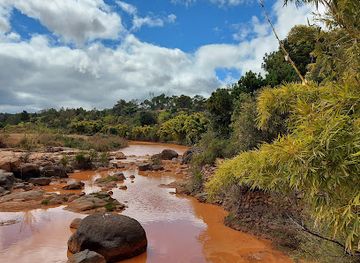
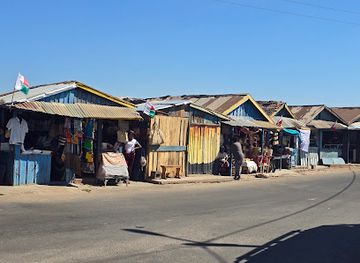
Androy’s attractions are primarily ecological, cultural and landscape-based rather than built for mass tourism. Cap Sainte-Marie, near the southern tip, is the region’s most significant protected destination, with exposed coastal scenery, spiny vegetation and habitat for Madagascar’s remarkable tortoises. The surrounding area rewards careful observation rather than hurried sightseeing, particularly for visitors interested in endemic plants, reptiles and dryland birds. Inland, the thorn forests and seasonal river valleys around the Ambovombe, Beloha and Tsihombe areas reveal the ecological adaptations that define southern Madagascar. Local markets provide insight into trade, cattle keeping and everyday life, while visits to Antandroy communities should be arranged respectfully through local contacts. The region also offers opportunities for landscape photography, nature walks and cultural interpretation, although facilities are basic and guides are important. Androy should not be approached as a sequence of conventional ticketed attractions: its appeal lies in the relationship between rare ecosystems, remote roads, coastal horizons and a living pastoral culture.
-
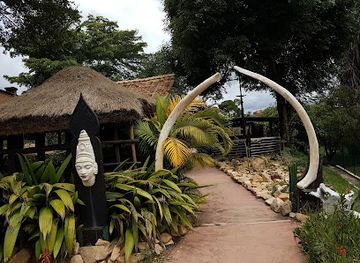
Animal park
Croc Farm Conservatoire Botanique de Madagascar
Explore Madagascar's biodiversity at Croc Farm Conservatoire Botanique, a captivating animal park and botanical garden in Ivato, perfect for nature lovers.
-
 Tourist attraction
réserve de Berenty, à Madagascar
Discover the captivating wildlife and stunning landscapes of Berenty Reserve, a breathtaking sanctuary in Madagascar, home to unique lemurs and diverse ecosystems.
Best landmarks in Androy
Cap Sainte-Marie is Androy’s defining geographical landmark: a rugged southern headland where the island’s landmass meets the Indian Ocean and protected spiny vegetation extends towards the coast. Its importance is natural as well as visual, since the surrounding habitat supports endangered tortoises and other species adapted to Madagascar’s extreme south. Ambovombe’s significance is more regional than monumental; as the capital and principal urban centre, it is a useful reference point for understanding the networks of roads, markets and services that connect Antandroy communities. The Mandrare landscape, including seasonal river valleys and dry country around the region’s eastern areas, provides another important geographical frame, although its wider basin extends beyond Androy. Across the region, traditional homes, cattle enclosures, market spaces and ancestral landscapes are culturally significant landmarks, but many are not public monuments and should be approached only with local permission. The absence of grand masonry architecture is itself part of Androy’s character, where ecology, settlement and memory give the landscape its strongest identity.
-
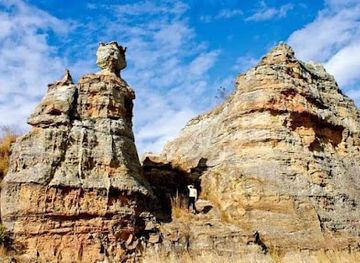
National park
Isalo National Park
Discover the breathtaking landscapes and unique biodiversity of Isalo National Park, a must-visit destination in Madagascar for nature lovers and adventurers alike.
-
Park
Lemurs Park
Explore Lemurs Park in Madagascar, a sanctuary of unique wildlife and stunning landscapes perfect for nature lovers and families alike.
-
Heritage museum
Queen's Palace
Explore the Queen's Palace in Antananarivo, a heritage museum revealing the rich history of Madagascar's royal legacy and cultural treasures.
-
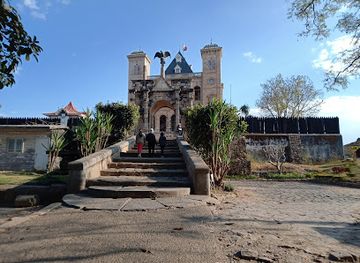
Catholic cathedral
Cathedral of the Immaculate Conception Andohalo
Explore the stunning Cathedral of the Immaculate Conception Andohalo in Antananarivo, a majestic symbol of Madagascar's rich culture and heritage.

Explore Androy on the map
Plan your trip on one map. See where the top cities, national parks and sights are, and book hotels and experiences in a few clicks.
Best hotels in Androy
Best restaurants in Androy
Dining in Androy is simple, seasonal and closely connected to local availability. Rice remains important in Malagasy cooking, supplemented in the dry south by cassava, maize, sweet potatoes, pulses and other hardy crops. Zebu beef and goat may appear where supplies permit, while freshwater fish, poultry and locally available seafood can be found in some communities closer to the coast. Meals in Ambovombe are more varied than those on remote routes, but visitors should not expect a broad restaurant scene or dependable choice outside the main towns. Small Malagasy eateries and market stalls offer the most direct introduction to everyday food, often served with rice and a spicy relish. Carrying snacks and drinking water is sensible on long journeys, and dietary requirements should be discussed in advance. Local produce, woven goods and occasional market foods are more representative of Androy’s culinary identity than polished dining rooms.
-
Restaurant
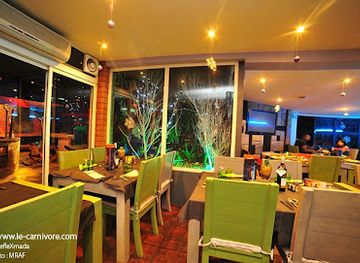
Le Carnivore - Restaurant Bar Lounge
Experience the vibrant flavors and lively ambiance at Le Carnivore - Antananarivo's premier restaurant bar lounge.
-
French
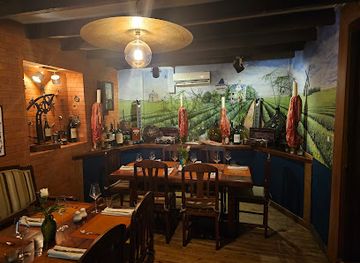
Le petit verdot
Experience exquisite French cuisine at Le Petit Verdot in Antananarivo - where culinary artistry meets local flavors.
-
Restaurant
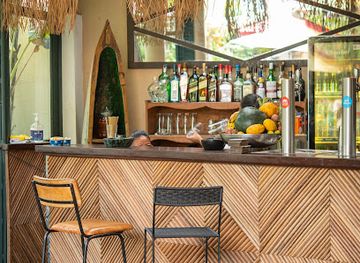
La Plantation
Discover authentic Malagasy cuisine at La Plantation in Antananarivo - where every dish tells a story.
-
Restaurant
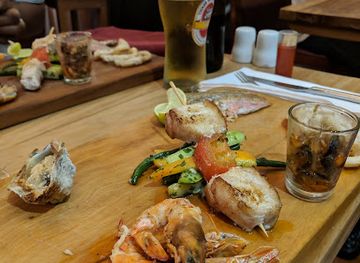
L' Arrivage
Experience authentic Malagasy cuisine at L' Arrivage in Antananarivo - where every dish tells a story of Madagascar's rich culinary heritage.
Best bars in Androy
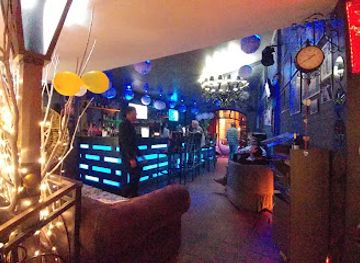
Androy does not have a substantial nightclub or late-night entertainment scene. In Ambovombe and other larger settlements, evening life centres on modest bars, small eateries, social gatherings and occasional music rather than a formal entertainment district. Rural communities become quiet early, and long distances, limited electricity and security considerations make travelling at night impractical. Visitors may encounter local music and dancing during community celebrations, but these are social and cultural occasions rather than scheduled tourist performances; permission and respectful behaviour are essential. Alcohol should be consumed cautiously, particularly when travelling far from medical assistance. The most rewarding evenings may involve conversation with a local host, observing the southern night sky or resting after an overland journey, rather than seeking a busy bar scene.
-
Restaurant
Le Carnivore - Restaurant Bar Lounge
Discover the vibrant flavors of Madagascar at Le Carnivore, Antananarivo's premier restaurant and lounge for meat lovers and culinary enthusiasts.
-
Bar
Le Taxi-Be
Experience the vibrant nightlife at Le Taxi-Be, a local bar in Ambatoloaka with a welcoming atmosphere and delightful drinks.
-
Bar
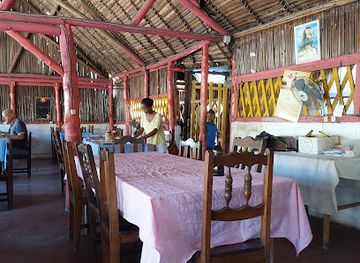
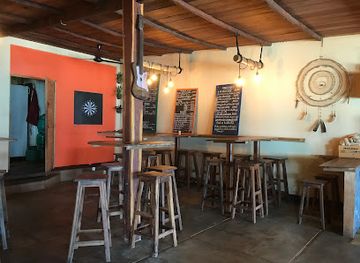
Tsy Manin - Resto & Chill Out Bar
Experience the vibrant flavors and relaxing ambiance of Tsy Manin - Resto & Chill Out Bar, your tropical escape at Plage de Madirokely, Nosy Be.
-
Irish pub
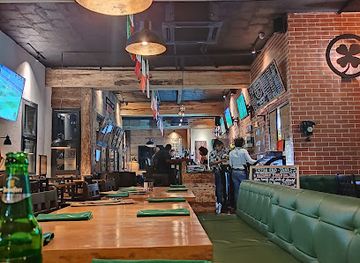
Irish Pub Tana
Discover the perfect blend of Irish hospitality and Malagasy flavors at Irish Pub Tana in Antananarivo.
Best nightclubs in Androy
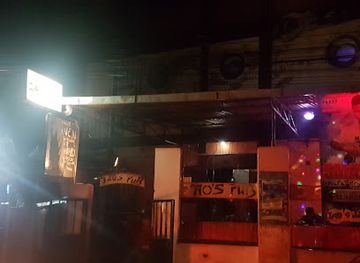
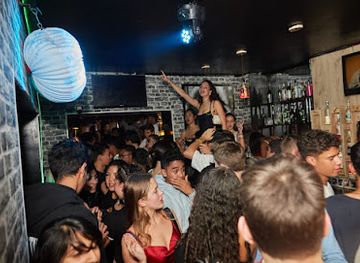
Androy does not have a substantial nightclub or late-night entertainment scene. In Ambovombe and other larger settlements, evening life centres on modest bars, small eateries, social gatherings and occasional music rather than a formal entertainment district. Rural communities become quiet early, and long distances, limited electricity and security considerations make travelling at night impractical. Visitors may encounter local music and dancing during community celebrations, but these are social and cultural occasions rather than scheduled tourist performances; permission and respectful behaviour are essential. Alcohol should be consumed cautiously, particularly when travelling far from medical assistance. The most rewarding evenings may involve conversation with a local host, observing the southern night sky or resting after an overland journey, rather than seeking a busy bar scene.
-
Night club
KUDéTA Urban Club
Discover the heart of Antananarivo's nightlife at KUDéTA Urban Club, a premier venue for live music and vibrant dancing.
-
Cabaret club
Cabaret Jao's Pub
Discover the lively atmosphere and captivating performances at Cabaret Jao's Pub, the heart of Antananarivo's nightlife scene.
-
Bar
Old 7 bar
Discover the vibrant nightlife of Antananarivo at Old 7 Bar, where local culture and great drinks come together for an unforgettable experience.
-
Night club
Taxi Be
Experience the vibrant nightlife of Antananarivo at Taxi Be, a lively nightclub offering a unique blend of music, dance, and local culture.


Best shops in Androy
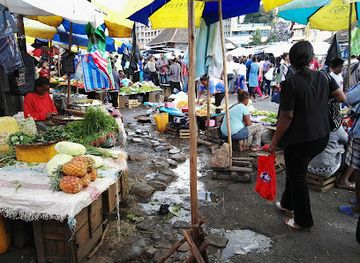
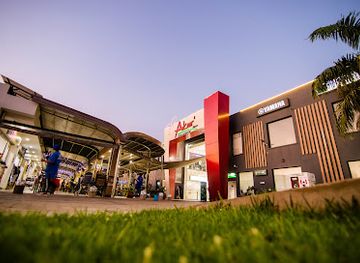
Shopping in Androy is concentrated in markets and small town shops rather than dedicated retail districts. Ambovombe is the most practical place to buy provisions, basic travel supplies and locally made goods, while markets in Beloha, Tsihombe and other settlements reflect the movement of food, livestock products and household necessities through the region. Woven items, baskets, mats and other crafts may be available, often made from locally sourced plant fibres, although quality and availability vary by season and community. Visitors may also find regional food products, but should avoid purchasing wildlife, tortoise shells, unusual plant material, archaeological objects or anything presented as having been taken from a protected area. Bargaining can be part of informal market transactions, but it should remain courteous and proportionate. Cash in small ariary notes is more useful than cards, and purchases should be packed with the realities of a rough journey in mind.
-
Market
Analakely Market
Discover the bustling Analakely Market in Antananarivo, where local culture, vibrant crafts, and delicious street food await every traveler.
-
Art gallery
Lisy Art Gallery
Immerse yourself in the artistic treasures of Madagascar at the Lisy Art Gallery, a vibrant hub for contemporary art in Antananarivo.
-
Shopping mall
Akoor Digue
Explore Akoor Digue in Antananarivo: a vibrant shopping mall featuring local crafts, international brands, and diverse dining options for every tourist.
-
Shopping mall
Digue Market
Discover the vibrant Digue Market in Antananarivo, where local crafts, delicious food, and rich culture await every visitor.

Get your free copy of our complete guide to Androy, delivered straight to you.
Everything on this page, from attractions and restaurants to essentials and local phrases, in one PDF you can read offline, print or share.
Already have an account? Sign in
Your Androy guide is ready.
We'll send it to · Not you? Sign out

Getting your guide ready…
We are putting together a fresh copy of the Androy guide. This can take up to a minute.
This can take a few moments. If your browser asks, choose Allow so the download can start. You'll find the guide in your Downloads folder.
Nothing happened? Download it again
Sorry, the guide is taking longer than usual. Please try again in a minute, or get it by email instead.
Androy essentials
Currency and Payment
Safety
Emergency Situations
Do's and Don'ts
Local Tips
From Eve
Local phrases worth knowing
You don't need to get them perfect. A few words go a long way, and locals appreciate the effort.
Basics
| English | Local | Say it |
|---|---|---|
| Hello | Salama | [sah-lah-mah] |
| Goodbye | Veloma | [veh-loo-mah] |
| Yes | Eny | [eh-nee] |
| No | Tsia | [tsee-ah] |
| Please/You're welcome | Azafady | [ah-zah-fah-dee] |
| Thank you | Misaotra | [mee-sah-oh-trah] |
| Excuse me/Sorry | Azafady | [ah-zah-fah-dee] |
| How are you? | Inona ny vaovao? | [ee-no-nah nee vah-voh] |
| Fine. And you? | Tsara. Ary ianao? | [tsah-rah. ah-ree ee-nah-oh] |
| Do you speak English? | Miteny anglisy ve ianao? | [mee-teh-nee ahn-glee-see veh ee-nah-oh] |
| I don't understand | Tsy azoko | [tsee ah-zoh-koo] |
Eating & Drinking
| English | Local | Say it |
|---|---|---|
| I'd like to see the menu, please | Te-hahita ny sakafo, azafady | [teh-hah-ee-tah nee sah-kah-foo, ah-zah-fah-dee] |
| I don't eat meat | Tsy mihinana hena aho | [tsee mee-hee-nah-nah heh-nah ah-hoo] |
| Cheers! | Tsara ny fety! | [tsah-rah nee feh-tee!] |
| I would like to pay, please | Te-handoa aho, azafady | [teh-han-do-ah ah-hoo, ah-zah-fah-dee] |
Emergencies
| English | Local | Say it |
|---|---|---|
| Help! | Vonjeo! | [vohn-jay-oh!] |
| Go away! | Mandehana! | [mahn-deh-hah-nah!] |
| Call the Police! | Antsoy ny polisy! | [ahn-tso-ee nee poh-lee-see!] |
| Call a doctor! | Antsoy ny dokotera! | [ahn-tso-ee nee doh-koh-teh-rah!] |
| I'm lost | Tsy hitako | [tsee ee-tah-koh] |
| I'm ill | Marary aho | [mah-rah-ree ah-hoo] |
Shopping
| English | Local | Say it |
|---|---|---|
| I'd like to buy... | Te-hividy... | [teh-hee-vee-dee...] |
| I'm just looking | Mijery fotsiny aho | [mee-jeh-ree fo-tsin-ee ah-hoo] |
| How much is it? | Ohatrinona izany? | [oo-ha-tree-noo-nah zah-nee] |
| That's too expensive | Lafo loatra izany | [lah-foo loo-ah-trah zah-nee] |
| Can you lower the price? | Afaka mampihena ny vidiny ve ianao? | [ah-fah-kah mahm-pee-hay-nah nee vee-dee-nee veh ee-nah-oh] |
Time & Numbers
| English | Local | Say it |
|---|---|---|
| What time is it? | Inona ny ora? | [ee-no-nah nee oh-rah] |
| It's one o'clock | Tsy iray ora | [ee-rah-ee oh-rah] |
| Half past (10) | Mifandray (10) | [mee-fahn-dray (10)] |
| Morning | Maraina | [mah-rah-ee-nah] |
| Afternoon | Tolakandro | [toh-lah-kahn-droh] |
| Evening | Hariva | [hah-ree-vah] |
| Yesterday | Omaly | [oh-mah-lee] |
| Today | Anio | [ah-nee-oh] |
| Tomorrow | Rahampitso | [rah-hahm-peet-so] |
| 1 | iray | [ee-rah-ee] |
| 2 | roa | [roo-ah] |
| 3 | telo | [teh-loo] |
| 4 | efatra | [eh-fah-trah] |
| 5 | dimy | [dee-mee] |
| 6 | enina | [eh-nee-nah] |
| 7 | fito | [fee-toh] |
| 8 | valo | [vah-loo] |
| 9 | sivy | [see-vee] |
| 10 | folo | [foh-loo] |
Transport & Directions
| English | Local | Say it |
|---|---|---|
| Where's a/the...? | Aiza ny...? | [ah-ee-zah nee...?] |
| What's the address? | Inona ny adiresy? | [ee-no-nah nee ah-dee-reh-see] |
| Can you show me (on the map)? | Afaka mampiseho ahy (amin'ny sarintany)? | [ah-fah-kah mahm-pee-seh-ho ah-hee (ah-meen-nee sah-reen-tah-nee)?] |
| When's the next (bus)? | Rahoviana ny (bus) manaraka? | [rah-oh-vee-ah-nah nee (bus) mah-nah-rah-kah?] |
| A ticket (to ....) | Tapakila (ho any ....) | [tah-pah-kee-lah (hoo ah-nee ....)] |
History of Androy
Early settlement and the southern landscape
Madagascar’s population developed through Austronesian and African connections, followed by centuries of movement, intermarriage and local state formation. In the south, settlement patterns were strongly influenced by limited rainfall, seasonal watercourses, cattle keeping and access to coastal routes. Archaeological evidence across southern Madagascar points to long-established communities adapting to thorn forest, dry farming and pastoral life. The region’s landscapes therefore reflect both natural processes and prolonged human use, including cultivation, grazing, house building and the management of useful plants.
Formation of Antandroy society
The Antandroy, whose name is often translated as “people of the thorns”, formed a distinctive society in the dry south around kinship networks, cattle ownership, ancestral obligations and local political authority. Rather than being a single centralised kingdom throughout its history, Antandroy country contained interconnected communities and leaders whose influence changed over time. Cattle played economic, social and ritual roles, while family tombs and remembrance of ancestors remained central to ideas of identity and belonging. These traditions continue to shape the cultural landscape of Androy.
Regional kingdoms and southern trade
Before French rule, southern Madagascar contained several competing political centres and local dynasties. Communities in Androy traded livestock, agricultural products and forest materials through inland routes and coastal connections, while relations with neighbouring regions could involve alliance, tribute or conflict. The Mandrare and other seasonal river systems helped structure movement through an otherwise dry environment. Political boundaries were not identical to modern administrative borders, but the historical interaction between Antandroy communities and neighbouring peoples helped establish the cultural geography of southern Madagascar.
French colonial rule from the late nineteenth century
France imposed colonial control over Madagascar in the late nineteenth century, and southern communities were incorporated into a new administrative and economic system. Colonial authorities expanded roads, taxation and commercial production while also relying on coercive labour practices and reshaping local political authority. The effects were uneven in remote Androy, where distance, drought and limited infrastructure constrained colonial development. The period nevertheless established administrative patterns and transport corridors that influenced the region after Madagascar gained independence in 1960.
Cattle, agriculture and commercial development
Androy’s economy has long depended on a difficult balance between livestock keeping, cultivation and the use of dryland resources. Maize, cassava, pulses and other crops are grown where rainfall and soil permit, but harvests can be highly vulnerable to drought, pests and irregular seasons. Cattle remain important both economically and culturally, although ownership and herd movement have also been affected by insecurity and environmental pressure. Roads and market links have connected Ambovombe and other towns more closely with national commerce without removing the region’s dependence on local adaptation.
Independence and the challenges of drought
Since independence, Androy has remained one of Madagascar’s most drought-prone regions. Recurrent rainfall failure, crop losses, food insecurity and pressure on water supplies have shaped household decisions, migration and humanitarian responses. Environmental stress is intensified when thorn forest is cleared for fuel, grazing or cultivation, although communities also possess detailed knowledge of drought-resistant plants and local water sources. Contemporary Androy is therefore defined not only by hardship but by continuing efforts to protect livelihoods, strengthen roads and water access, and conserve its distinctive southern ecosystems.
Conservation of the far southern ecosystems
The spiny forests and coastal habitats of southern Madagascar have gained increasing conservation importance because many of their plants and animals are endemic to the island. Cap Sainte-Marie and surrounding protected landscapes preserve rare vegetation, tortoise habitat and coastal environments within Androy. Conservation brings opportunities for ecological research and carefully managed tourism, but it also requires cooperation with communities whose livelihoods depend on land and natural resources. The region’s modern history is consequently marked by an ongoing negotiation between protection, local needs and the pressures of a changing climate.
Androy in Photos
Browse through our photo collection highlighting the charm and character of the destination.
Neighbouring regions of Androy
The closest regions to Androy, if you have time for more than one.
-

-

-

-

-


Swipe for more regions
Explore more

Explore more of Madagascar
Discover Madagascar: A unique island paradise with unparalleled wildlife, breathtaking landscapes, and a rich cultural heritage.
Explore Madagascar