

Atsimo-Andrefana, Madagascar Travel Guide
Explore Atsimo-Andrefana: From the saline lakes of Tsimanampetsotsa to the serene beaches of Ifaty, discover Madagascar's diverse landscapes and rich culture.
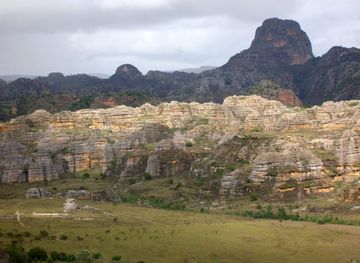
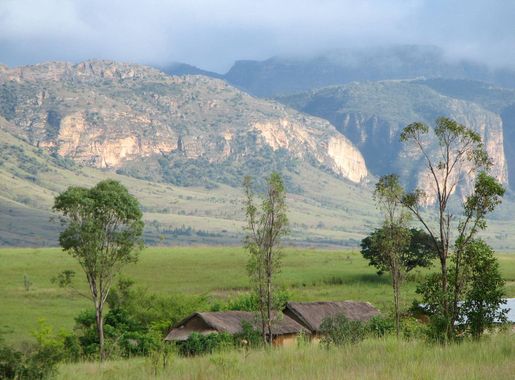
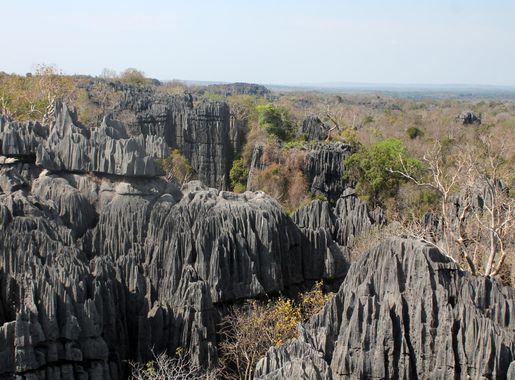
Atsimo-Andrefana is a captivating region in the southwestern part of Madagascar, offering a rich tapestry of landscapes, culture, and adventure. This area is a haven for nature lovers, with its astounding national parks, stunning beaches, and unique wildlife. The region's diverse ecosystems range from dry forests to coastal mangroves, each home to a variety of endemic species that you won't find anywhere else in the world. One of the highlights of Atsimo-Andrefana is the Tsimanampetsotsa National Park, known for its saline lake, baobabs, and cave-dwelling blind fish. The park is a paradise for birdwatchers, as it hosts several rare and endangered bird species. If you're into geology, the park's limestone formations and underwater caves are a must-see. The coastal town of Ifaty is perfect for those looking to relax by the sea. Its pristine beaches are ideal for swimming, snorkeling, and diving, offering a glimpse into the vibrant marine life of the Indian Ocean. The nearby Reniala Reserve is another attraction, showcasing the region's famous baobab trees and spiny forests. Cultural enthusiasts will appreciate the local Vezo fishermen's way of life and the traditional Malagasy villages. The region's markets are bustling with activity, where you can find handmade crafts, spices, and fresh produce. Don't miss the opportunity to taste the local cuisine, which is a delightful blend of Malagasy and French flavors.

Know before you go
Hi, I'm Eve. Here are a few practical things to know before exploring Atsimo-Andrefana.
- Visit Tsimanampetsotsa National Park early in the morning for the best wildlife viewing opportunities.
- Bring cash, as ATMs can be scarce in remote areas.
- Hire a local guide to explore the Reniala Reserve for a deeper understanding of the flora and fauna.
- Pack reef-safe sunscreen to protect the marine life while snorkeling or diving.
- Learn a few basic Malagasy phrases; locals appreciate the effort and it can enhance your experience.
Top City Travel Guides in Atsimo-Andrefana
The cities of Atsimo-Andrefana, and the easiest places to base yourself.

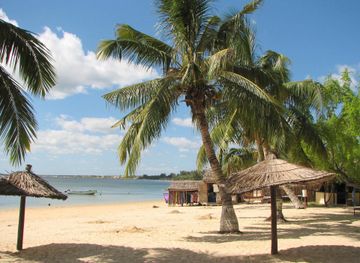
Destinations in Atsimo-Andrefana
Resorts, valleys and scenic spots worth a trip of their own.

Explore Atsimo-Andrefana: Things to Do, Places to Eat, Hotels & More
Handpicked recommendations for top attractions, local dining, accommodations, and more

Top Attractions & Sightseeing in Atsimo-Andrefana
Top-rated picks
Best Attractions

Lemurs Park
Experience the enchanting world of lemurs and Madagascar's rich biodiversity at Lemurs Park, an unforgettable sanctuary and tourist attraction.

Anja Community Reserve
Discover the beauty of Anja Community Reserve, where nature, wildlife, and local culture intertwine in Madagascar's breathtaking landscapes.

Reserve Reniala
Explore the breathtaking biodiversity of Reserve Reniala in Ifaty, Madagascar, where iconic baobabs and unique ecosystems await every traveler.
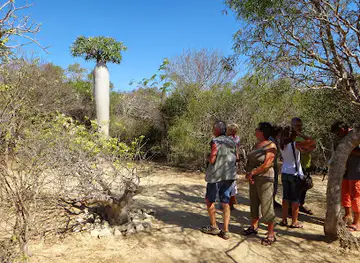
Arboretum d'Antsokay
Explore the lush beauty of Arboretum d'Antsokay, a paradise of Madagascar's unique flora and an essential conservation hub for nature lovers.

Best landmarks in Atsimo-Andrefana
Top-rated picks
Best Landmarks
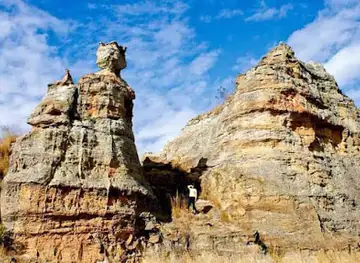
Isalo National Park
Explore Isalo National Park, Madagascar's stunning landscape of sandstone formations, unique wildlife, and breathtaking hiking trails.

Reserve Reniala
Explore the breathtaking biodiversity of Madagascar at Reserve Reniala, a stunning nature preserve in Ifaty, ideal for eco-tourism and wildlife enthusiasts.

Arboretum d'Antsokay
Discover the enchanting Arboretum d'Antsokay, a botanical garden showcasing Madagascar's unique flora and rich biodiversity, a must-visit for nature lovers.

Bakuba Hotel
Discover a blend of comfort and Malagasy culture at Bakuba Hotel, your perfect retreat in Toliara, Madagascar.

Best restaurants in Atsimo-Andrefana
Top-rated picks
Best Restaurants

Le Jardin Restaurant
Discover exquisite Malagasy cuisine at Le Jardin Restaurant in Toliara—where local flavors meet serene dining.
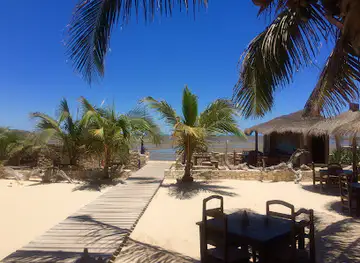
Blu Bar
Indulge in exquisite flavors at Blu Bar, Toliara's premier restaurant offering a delightful fusion of local and international cuisine.

Corto Maltese
Experience authentic Italian cuisine at Corto Maltese in Toliara – where every dish tells a story of Italy's culinary tradition.

L'Etoile de Mer
Experience the best of Malagasy cuisine at L'Etoile de Mer in Toliara - where every meal tells a story of flavor.

Best bars in Atsimo-Andrefana
Top-rated picks
Best Bars

Le Jardin Restaurant
Experience the flavors of Madagascar at Le Jardin Restaurant in Toliara, where nature and culinary excellence blend seamlessly.

Restaurant le Boeuf
Experience the vibrant flavors of Madagascar at Restaurant le Boeuf, where fresh local ingredients meet breathtaking ocean views.

Gelateria
Discover the sweet charm of Gelateria in Toliara, where every scoop of gelato is a taste of paradise.

Kokoa Sands Guest House - Ankasy Madagascar
Discover the enchanting beauty of Ankasy at Kokoa Sands Guest House, your perfect getaway for adventure and relaxation in Madagascar.

Best nightclubs in Atsimo-Andrefana
Top-rated picks
Best Nightclubs

Bamboo Club
Discover the serene beauty of Ifaty at Bamboo Club, a tropical escape with stunning views, delicious cuisine, and friendly service.

KUDéTA Urban Club
Experience the vibrant nightlife of Antananarivo at KUDéTA Urban Club, a premier destination for live music and unforgettable moments.

Palace Club
Discover the charm of Sakaraha at Palace Club, where comfort and culture come together for a memorable stay in Madagascar.

Bar Mozambique
Experience the vibrant atmosphere of Bar Mozambique, a must-visit bar in Morombe offering local flavors and refreshing drinks amidst stunning coastal views.

Best shops in Atsimo-Andrefana
Top-rated picks
Best Shops

SCORE TULEAR
Explore SCORE TULEAR, a bustling supermarket in Toliara, where local flavors and vibrant culture come alive for every visitor.

Ferber Enterprises Madagascar
Explore Ferber Enterprises Madagascar for unique local goods and insights into investment opportunities in Toliara's vibrant marketplace.

Number One
Explore Toliara's premier hardware store, 'Number One,' your destination for quality tools and supplies in the heart of Madagascar.

INGCO Tuléar
Explore INGCO Tuléar, Toliara's premier hardware store, offering quality tools and exceptional service for all your project needs.

Explore Atsimo-Andrefana on the Map
A handpicked selection of must-see spots in Atsimo-Andrefana, mapped for you.
Atsimo-Andrefana Essentials
-
Atsimo-Andrefana is located in the southwestern part of Madagascar. The nearest international airport is Ivato International Airport in Antananarivo, Madagascar's capital. From Antananarivo, you can take a domestic flight to Toliara Airport, which is the main gateway to Atsimo-Andrefana. Alternatively, you can travel by road, but be prepared for a long journey of approximately 18-20 hours, depending on road conditions.
-
Once in Atsimo-Andrefana, you can get around using local taxis, which are relatively affordable. For longer distances, you can hire private cars or take bush taxis (taxi-brousse), which are shared minibuses. Renting a 4x4 vehicle is highly recommended if you plan to explore remote areas, as the roads can be challenging. Bicycles and motorcycles are also popular for shorter trips.
-
The official currency is the Malagasy Ariary (MGA). Credit cards are accepted in some hotels, restaurants, and larger shops in Toliara, but it's advisable to carry cash, especially when traveling to smaller towns and rural areas. ATMs are available in Toliara, but it's wise to withdraw sufficient cash before traveling to more remote areas to ensure you have enough funds.
-
Atsimo-Andrefana is generally safe, but it's important to remain cautious. Avoid walking alone at night and keep your belongings secure. Be particularly vigilant in crowded areas such as markets. Some areas in Toliara have higher crime rates, so seek advice from locals or your accommodation on which neighborhoods to avoid. Common sense and standard travel precautions should ensure a safe trip.
-
In case of emergency, dial 117 for police assistance or 124 for medical emergencies. Toliara has a hospital and several clinics, but medical facilities in rural areas can be limited. It's essential to have travel insurance that covers medical emergencies and to bring necessary medications with you. Pharmacies in Toliara provide over-the-counter medications for minor health issues.
-
Fashion: Do dress modestly, especially when visiting villages and religious sites. Avoid overly revealing clothing. Religion: Do respect local customs and traditions. Many locals practice a mix of Christianity and traditional beliefs, and it’s important to be respectful. Public Transport: Do be polite and greet the driver when boarding. Don’t eat or drink on public transport. Greetings: Do greet people with a friendly 'Salama' (hello). A handshake is common, especially in more formal settings. Eating & Drinking: Do try local dishes and accept food offerings graciously. Don’t refuse hospitality, as it can be considered impolite.
-
To experience Atsimo-Andrefana like a local, visit the vibrant markets in Toliara where you can buy fresh produce and local crafts. Engage with locals, who are often friendly and willing to share their culture. Don't miss the beautiful beaches and the Reniala Reserve, which showcases the region's unique flora and fauna. Taking part in a traditional fishing trip with local fishermen can provide a unique insight into the coastal way of life.
When is the best time to visit Atsimo-Andrefana?
Useful Local Phrases for Atsimo-Andrefana
You don't need to speak the language perfectly. Even learning a few simple words can make conversations warmer—and locals usually appreciate the effort.
— Eve

Here are the phrases I use most often in Atsimo-Andrefana. Try a few—you'll be surprised how far they go! 😊
❤️
-
- HelloSalama
[sah-lah-mah] - GoodbyeVeloma
[veh-loo-mah] - YesEny
[eh-nee] - NoTsia
[tsee-ah] - Please/You're welcomeAzafady
[ah-zah-fah-dee] - Thank youMisaotra
[mee-sah-oh-trah] - Excuse me/SorryAzafady
[ah-zah-fah-dee] - How are you?Inona ny vaovao?
[ee-no-nah nee vah-vah-oo] - Fine. And you?Tsara. Ary ianao?
[tsah-rah. ah-ree ee-nah-oo?] - Do you speak English?Miteny anglisy ve ianao?
[mee-teh-nee ahn-glee-see veh ee-nah-oo?] - I don't understandTsy azoko
[tsee ah-zoo-koo]
- HelloSalama
-
- I'd like to see the menu, pleaseTe-hijery ny menio aho, azafady
[teh-hee-jeh-ree nee meh-nee-oh ah-hoo, ah-zah-fah-dee] - I don't eat meatTsy mihinana hena aho
[tsee mee-hee-nah-nah heh-nah ah-hoo] - Cheers!Faly!
[fah-lee] - I would like to pay, pleaseTe-handoa aho, azafady
[teh-han-do-ah ah-hoo, ah-zah-fah-dee]
- I'd like to see the menu, pleaseTe-hijery ny menio aho, azafady
-
- Help!Vonjeo!
[vohn-jeh-oh] - Go away!Mandehana!
[mahn-deh-hah-nah] - Call the Police!Antsoy ny polisy!
[ahn-tsoh-ee nee poh-lee-see] - Call a doctor!Antsoy dokotera!
[ahn-tsoh-ee doh-koh-teh-rah] - I'm lostVery very
[veh-ree veh-ree] - I'm illMarary aho
[mah-rah-ree ah-hoo]
- Help!Vonjeo!
-
- I'd like to buy...Te-hividy...
[teh-hee-vee-dee] - I'm just lookingMijery fotsiny aho
[mee-jeh-ree fo-tsee-nee ah-hoo] - How much is it?Ohatrinona izany?
[oo-ha-tree-noo-nah zah-nee?] - That's too expensiveLafo loatra izany
[lah-foo loo-ah-trah zah-nee] - Can you lower the price?Azonao ambany ny vidiny ve?
[ah-zoo-nah-oo ahm-bah-nee nee vee-dee-nee veh?]
- I'd like to buy...Te-hividy...
-
- What time is it?Ahoana ny fotoana?
[ah-hoo-ah-nah nee foo-toh-nah] - It's one o'clockTeny iray ora
[teh-nee ee-rah-ee oh-rah] - Half past (10)Tapany folo
[tah-pah-nee fo-loo] - MorningTontolo maraina
[ton-toh-loo mah-rah-ee-nah] - AfternoonTontolo tolakandro
[ton-toh-loo toh-lah-kahn-droo] - EveningTontolo hariva
[ton-toh-loo hah-ree-vah] - YesterdayOmaly
[oo-mah-lee] - TodayAnio
[ah-nee-oh] - TomorrowRahampitso
[rah-ham-pee-tso] - 1Iray
[ee-rah-ee] - 2Roa
[roo-ah] - 3Telo
[teh-loo] - 4Efatra
[eh-fah-trah] - 5Dimy
[dee-mee] - 6Enina
[eh-nee-nah] - 7Fito
[fee-toh] - 8Valo
[vah-loo] - 9Sivy
[see-vee] - 10Folo
[foh-loo]
- What time is it?Ahoana ny fotoana?
-
- Where's a/the...?Aiza ny...?
[ah-ee-zah nee...?] - What's the address?Inona ny adiresy?
[ee-no-nah nee ah-dee-reh-see] - Can you show me (on the map)?Azo aseho ahy ve?
[ah-zoo ah-seh-ho ah-ee veh?] - When's the next (bus)?Rahoviana ny bus manaraka?
[rah-hoh-vee-ah-nah nee boos mah-nah-rah-kah?] - A ticket (to ....)Tapakila (manokana ...)
[tah-pah-kee-lah (mah-no-kah-nah ...)]
- Where's a/the...?Aiza ny...?
History of Atsimo-Andrefana
-
The Atsimo-Andrefana region, located in southwestern Madagascar, has been home to various indigenous communities for thousands of years. The earliest settlers are believed to have arrived around the first millennium, migrating from Southeast Asia and East Africa. These early inhabitants established small villages and engaged in fishing, farming, and trade.
-
The Antandroy people, known as 'the people of the thorns,' are one of the predominant ethnic groups in Atsimo-Andrefana. They are named after the thorny forests that characterize their homeland. The Antandroy established a kingdom that thrived on cattle herding and agriculture. Their society was organized into clans, each led by a chief, and they practiced traditional rituals and ceremonies that remain a vital part of their culture today.
-
European explorers and traders first arrived in Madagascar in the late 15th century. The Portuguese were among the earliest to make contact, followed by the French and the British. The Atsimo-Andrefana region became a significant point of interest for these foreign powers due to its strategic location and resources. The Europeans established trading posts along the coast, exchanging goods such as textiles, firearms, and alcohol with the local communities for cattle, slaves, and other local products.
-
In 1896, Madagascar became a French colony, and the Atsimo-Andrefana region was incorporated into the colonial administration. The French introduced new agricultural techniques, infrastructure projects, and education systems. However, the colonial period was also marked by exploitation, forced labor, and resistance from the local population. The legacy of French colonization is still evident in the region's architecture, language, and cultural practices.
-
Madagascar gained its independence from France on June 26, 1960. The Atsimo-Andrefana region, like much of the country, underwent significant political, social, and economic changes. Today, it is known for its rich cultural heritage, unique biodiversity, and diverse landscapes ranging from arid deserts to lush forests. The region continues to evolve, balancing tradition and modernity while preserving its historical identity.
-
The Vezo are a semi-nomadic coastal people known for their exceptional fishing skills and seafaring traditions. Living along the coast of Atsimo-Andrefana, the Vezo rely on the ocean for their livelihood, using traditional outrigger canoes called 'lakana.' Their deep connection with the sea is reflected in their customs, folklore, and daily life, contributing to the region's vibrant maritime culture.
-
The Atsimo-Andrefana region is dotted with sacred sites that hold immense cultural and spiritual significance for the local communities. These sites include ancestral tombs, sacred forests, and natural features such as rocks and rivers. Traditional beliefs and practices, including ancestor worship and rituals to honor the spirits, play a crucial role in the social fabric of the region. Visitors are often encouraged to respect these traditions and learn about their importance from local guides.
Neighbouring Regions of Atsimo-Andrefana
The closest regions to Atsimo-Andrefana, if you have time for more than one.



Your all‑in‑one travel companion app
Explore expert travel guides, compare and book tours, experiences, hotels, and more—all from the palm of your hand. Download now for seamless trip planning wherever your wanderlust takes you.


Explore More of Madagascar

Looking beyond Atsimo-Andrefana? Discover Madagascar for broader travel guides, local hot-spots, and regional highlights.
Explore MadagascarAtsimo-Andrefana in Photos
Browse through our photo collection highlighting the charm and character of the destination.



Enchanting Atsimo-Andrefana: Madagascar's Hidden Gem
Atsimo-Andrefana is a captivating region in the southwestern part of Madagascar, offering a rich tapestry of landscapes, culture, and adventure. This area is a haven for nature lovers, with its astounding national parks, stunning beaches, and unique wildlife. The region's diverse ecosystems range from dry forests to coastal mangroves, each home to a variety of endemic species that you won't find anywhere else in the world. One of the highlights of Atsimo-Andrefana is the Tsimanampetsotsa National Park, known for its saline lake, baobabs, and cave-dwelling blind fish. The park is a paradise for birdwatchers, as it hosts several rare and endangered bird species. If you're into geology, the park's limestone formations and underwater caves are a must-see. The coastal town of Ifaty is perfect for those looking to relax by the sea. Its pristine beaches are ideal for swimming, snorkeling, and diving, offering a glimpse into the vibrant marine life of the Indian Ocean. The nearby Reniala Reserve is another attraction, showcasing the region's famous baobab trees and spiny forests. Cultural enthusiasts will appreciate the local Vezo fishermen's way of life and the traditional Malagasy villages. The region's markets are bustling with activity, where you can find handmade crafts, spices, and fresh produce. Don't miss the opportunity to taste the local cuisine, which is a delightful blend of Malagasy and French flavors.