

Melaky, Madagascar Travel Guide
Discover Melaky in Madagascar: A hidden gem of surreal landscapes, thrilling adventures, and rich cultural heritage waiting to be explored.
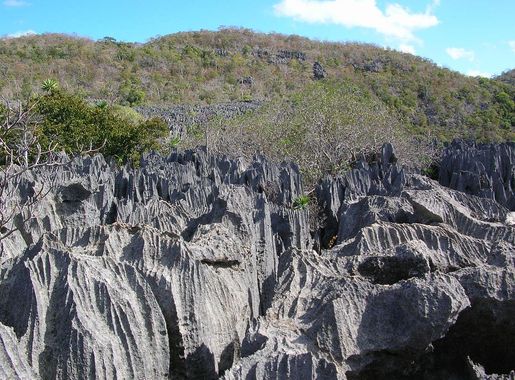
Melaky is a region in western Madagascar, celebrated for its untouched natural beauty and unique landscapes. This remote area is perfect for adventurous travelers seeking to explore beyond the usual tourist paths. The region's star attraction is the Tsingy de Bemaraha, a UNESCO World Heritage Site known for its dramatic limestone formations, which create a surreal, jagged landscape. Visitors can traverse through the labyrinthine rock formations via suspended bridges and walkways, offering thrilling views and an unforgettable experience. Melaky is also home to the Manambolo River, which provides opportunities for canoeing and seeing the region from a different perspective. Along the river banks, you'll find ancient burial sites and caves that hold centuries-old secrets and fascinating history. The region's diverse ecosystems support a range of wildlife, including lemurs, birds, and reptiles, making it a haven for nature enthusiasts and photographers. The local culture in Melaky is as rich as its natural wonders. The region's inhabitants, primarily the Sakalava people, maintain traditional lifestyles and customs. Visitors can immerse themselves in local life by participating in cultural exchanges and experiencing traditional music and dance. The remoteness of Melaky means that accommodations are often simple but provide an authentic Malagasy experience, ensuring that your stay is both comfortable and culturally enriching.

Know before you go
Hi, I'm Eve. Here are a few practical things to know before exploring Melaky.
- Visit between April and November for the best weather and more accessible roads.
- Bring sturdy footwear for exploring the Tsingy de Bemaraha’s rugged terrain.
- Hire a local guide to navigate the complex Tsingy formations and learn about the area’s history.
- Pack insect repellent and sun protection, as the region can be hot and buggy.
- Consider a river trip on the Manambolo for a different perspective of the landscape.
- Accommodations are basic; bring any personal items you may need during your stay.
Explore Melaky: Things to Do, Places to Eat, Hotels & More
Handpicked recommendations for top attractions, local dining, accommodations, and more

Top Attractions & Sightseeing in Melaky
Top-rated picks
Best Attractions

Ranomafana National Park
Discover the breathtaking biodiversity and stunning landscapes of Ranomafana National Park, a UNESCO World Heritage site in Madagascar.

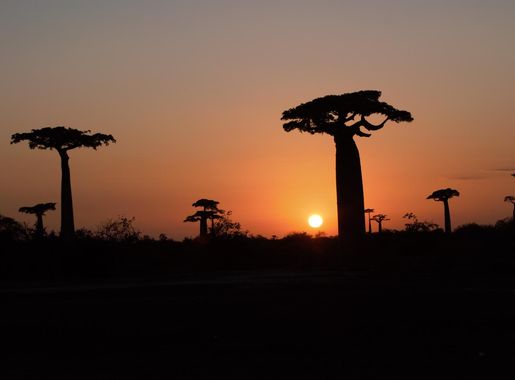
Le Baobab de Majunga
Explore the iconic Le Baobab de Majunga, where ancient trees and stunning landscapes reveal the natural beauty of Madagascar.
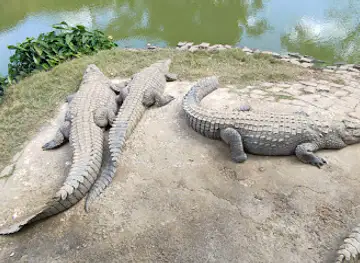
Croc Farm Conservatoire Botanique de Madagascar
Discover the breathtaking Croc Farm Conservatoire Botanique de Madagascar, a captivating animal park showcasing unique wildlife and lush botanical gardens in a serene setting.

Tsarasaotra Park
Explore the serene Tsarasaotra Park in Antananarivo, Madagascar, a lush oasis of tranquility and diverse birdlife perfect for relaxation and nature exploration.


Best bars in Melaky
Top-rated picks
Best Bars

Irish Pub Tana
Discover the heart of Antananarivo at Irish Pub Tana, where traditional Irish comfort meets vibrant local culture.

Le Point d'Exclamation Lounge Bar
Discover the vibrant nightlife at Le Point d'Exclamation Lounge Bar in Antananarivo, featuring cocktails, pizzas, and a lively atmosphere for all.

Old 7 bar
Old 7 Bar in Antananarivo: A vibrant nightlife hotspot serving delicious drinks and showcasing local culture.

Le Chalet
Discover the charm of Le Chalet, a cozy bar in Alakamisy Ambohidratrimo, offering a delightful selection of beverages and a welcoming atmosphere.


Best shops in Melaky
Top-rated picks
Best Shops

Akoor Digue
Explore Akoor Digue, Antananarivo's bustling shopping mall, offering a mix of shopping, dining, and cultural experiences for all visitors.

Digue Market
Explore Digue Market, the heart of shopping and culture in Antananarivo, offering unique local goods and a taste of Madagascar's vibrant lifestyle.

Le Maki a bonne mine
Explore the charm of Le Maki a Bonne Mine, a delightful book store in Antananarivo, featuring a unique selection of literature and a cozy atmosphere for book lovers.

Ma Bout’Ika tia
Discover unique fashion accessories that embody the spirit of Madagascar at Ma Bout’Ika tia in Imerintsiatosika.

Explore Melaky on the Map
A handpicked selection of must-see spots in Melaky, mapped for you.
Melaky Essentials
-
Melaky is located in the northwestern part of Madagascar. The nearest international airport is Ivato International Airport in Antananarivo, the capital city. From Antananarivo, you can either take a domestic flight to Maintirano, the main town in Melaky, or travel by road. The road journey can be long and challenging due to varying road conditions, so a 4x4 vehicle is recommended. Alternatively, you can also hire private transportation or join an organized tour that includes transportation.
-
Within Melaky, transportation options are limited. Many areas are best accessed by 4x4 vehicles due to the rugged terrain. Local taxis and bush taxis (taxi-brousse) are available but may not always be reliable or comfortable. For more flexibility and convenience, renting a car with a driver is recommended. Bicycle rentals are also available for shorter distances and can be a pleasant way to explore the area.
-
The official currency in Madagascar is the Malagasy Ariary (MGA). Credit cards are accepted in some hotels and larger establishments, but cash is preferred, especially in smaller towns and rural areas. ATMs are available in larger towns, but it is advisable to carry sufficient cash when traveling to more remote locations like Melaky. Currency exchange services are available at the airport and in major cities.
-
Melaky is generally safe for tourists, but it is important to take standard safety precautions. Avoid traveling alone at night and stay vigilant in crowded areas. Petty theft can occur, so keep your belongings secure. Some areas may have higher crime rates, particularly in isolated regions, so it is best to travel with a guide. Always check the latest travel advisories before your trip.
-
In case of emergency, dial 117 for police assistance and 124 for medical emergencies. The nearest hospitals and medical facilities are located in larger towns such as Maintirano. It is highly recommended to have travel insurance that covers medical emergencies and evacuation. For minor health issues, there are pharmacies in the main towns where you can purchase over-the-counter medications.
-
Fashion: Do dress modestly, especially in rural areas and when visiting religious sites. Avoid wearing revealing clothing. Religion: Do respect local customs and traditions. Always remove your shoes and cover your head when entering religious buildings. Public Transport: Do be patient and respectful when using public transport. Don't expect punctuality. Greetings: Do greet people with a handshake or a friendly 'Salama'. Eating & Drinking: Do try local dishes and accept food offerings graciously. Don't refuse hospitality, as it is considered impolite.
-
To experience Melaky like a local, visit the weekly markets where you can buy fresh produce and traditional Malagasy goods. Engage with locals and participate in community events and festivals. Explore the stunning natural landscapes, including the Tsingy de Bemaraha National Park, and take guided tours to learn about the unique flora and fauna. Don't miss sampling local cuisine, such as fresh seafood and traditional Malagasy dishes.
When is the best time to visit Melaky?
Useful Local Phrases for Melaky
You don't need to speak the language perfectly. Even learning a few simple words can make conversations warmer—and locals usually appreciate the effort.
— Eve

Here are the phrases I use most often in Melaky. Try a few—you'll be surprised how far they go! 😊
❤️
-
- HelloSalama
[sah-lah-mah] - GoodbyeVeloma
[veh-loo-mah] - YesEny
[eh-nee] - NoTsia
[tsee-ah] - Please/You're welcomeAzafady
[ah-zah-fah-dee] - Thank youMisaotra
[mee-sah-oh-trah] - Excuse me/SorryAzafady
[ah-zah-fah-dee] - How are you?Inona ny vaovao?
[ee-no-nah nee vah-vah-oo] - Fine. And you?Tsara. Ary ianao?
[tsah-rah. ah-ree ee-nah-o] - Do you speak English?Miteny anglisy ve ianao?
[mee-teh-nee ahn-glee-see veh ee-nah-o] - I don't understandTsy azoko
[tsee ah-zoh-koo]
- HelloSalama
-
- I'd like to see the menu, pleaseTiako ny hahita ny sakafo, azafady
[tee-ah-koo nee hah-hee-tah nee sah-kah-foo, ah-zah-fah-dee] - I don't eat meatTsy mihinana hena aho
[tsee mee-hee-nah-nah heh-nah ah-hoo] - Cheers!Sakafo!
[sah-kah-foo] - I would like to pay, pleaseTiako ny handoa, azafady
[tee-ah-koo nee hahn-doo-ah, ah-zah-fah-dee]
- I'd like to see the menu, pleaseTiako ny hahita ny sakafo, azafady
-
- Help!Vonjeo!
[vohn-jee-oh] - Go away!Mandehana any!
[mahn-deh-hah-nah ah-nee] - Call the Police!Antsoy ny Polisy!
[ahn-tso-ee nee poh-lee-see] - Call a doctor!Antsoy ny dokotera!
[ahn-tso-ee nee doh-koh-teh-rah] - I'm lostVery very!
[veh-ree veh-ree] - I'm illMarary aho
[mah-rah-ree ah-hoo]
- Help!Vonjeo!
-
- I'd like to buy...Tiako ny hividy...
[tee-ah-koo nee hee-vee-dee] - I'm just lookingMijery fotsiny aho
[mee-jeh-ree fo-tsi-nee ah-hoo] - How much is it?Ohatrinona izany?
[oo-hah-tree-noo-nah zah-nee] - That's too expensiveLafo loatra izany
[lah-foo loo-ah-trah zah-nee] - Can you lower the price?Afaka manamaivana ny vidiny ve ianao?
[ah-fah-kah mah-nah-my-vah-nah nee vee-dee-nee veh ee-nah-o]
- I'd like to buy...Tiako ny hividy...
-
- What time is it?Ahoana ny ora?
[ah-hoo-ah-nah nee oh-rah] - It's one o'clockTsy efatra ora
[tsee eh-fah-trah oh-rah] - Half past (10)Tapany folo
[tah-pah-nee fo-loo] - MorningMaraina
[mah-rah-ee-nah] - AfternoonTolakandro
[toh-lah-kahn-droo] - EveningHariva
[hah-ree-vah] - YesterdayOmaly
[oo-mah-lee] - TodayAnio
[ah-nee-oh] - TomorrowRahampitso
[rah-hahm-pee-tso] - 1Iray
[ee-rah-ee] - 2Roa
[roo-ah] - 3Telo
[teh-loo] - 4Efatra
[eh-fah-trah] - 5Dimy
[dee-mee] - 6Enina
[eh-nee-nah] - 7Fito
[fee-toh] - 8Valo
[vah-loh] - 9Sivy
[see-vee] - 10Folo
[foh-loh]
- What time is it?Ahoana ny ora?
-
- Where's a/the...?Aiza ny...?
[ah-ee-zah nee] - What's the address?Inona ny adiresy?
[ee-no-nah nee ah-dee-reh-see] - Can you show me (on the map)?Afaka mampiseho ahy (amin'ny sarintany)?
[ah-fah-kah mahm-pee-seh-ho ah-hee (ah-meen-nee sah-reen-tah-nee)] - When's the next (bus)?Rahoviana ny bus manaraka?
[rah-hoh-vee-ah-nah nee boos mah-nah-rah-kah] - A ticket (to ....)Tiket (ho...)
[tee-ket (hoo)]
- Where's a/the...?Aiza ny...?
History of Melaky
-
Melaky, located in the western part of Madagascar, is known for its rugged landscapes and unique biodiversity. The region was originally settled by the Sakalava people in the 16th century. They were known for their skills in cattle herding and agriculture, which played a crucial role in shaping the early economy of Melaky.
-
In the 18th century, Melaky became part of the Kingdom of Menabe, one of the most powerful Sakalava kingdoms. The Menabe kings, or 'Andriandahifotsy,' extended their influence over large parts of western Madagascar. The capital of this kingdom was located in the nearby region of Morondava, but its influence stretched into Melaky, impacting its culture and traditions.
-
In the late 19th century, Madagascar fell under French colonial rule. Melaky was no exception, and the region saw significant changes during this time. The French introduced new agricultural practices and infrastructure projects, which altered the traditional ways of life. The colonial period also saw the exploitation of Melaky's natural resources, including its forests and minerals.
-
Madagascar gained independence from France in 1960. Post-independence, Melaky embarked on a path toward development and modernization. Efforts were made to improve infrastructure, healthcare, and education. Tourism began to grow as visitors were drawn to Melaky's unique landscapes, including the Tsingy de Bemaraha Strict Nature Reserve, a UNESCO World Heritage Site known for its dramatic limestone formations.
-
The people of Melaky have a rich cultural heritage that is deeply rooted in Sakalava traditions. Ancestor worship and the celebration of various festivals play a significant role in the region's social fabric. Traditional music, dance, and crafts are integral parts of Melaky's cultural identity. The 'Fitampoha' festival, for instance, is a major event that involves the veneration of royal ancestors and showcases the region's vibrant cultural practices.
-
Melaky is renowned for its unique biodiversity, which includes numerous endemic species of flora and fauna. The Tsingy de Bemaraha Strict Nature Reserve is a key highlight, attracting researchers and nature enthusiasts from around the world. Conservation efforts have been implemented to protect the region's unique ecosystems, with a focus on sustainable tourism and community involvement in preserving natural heritage.
Neighbouring Regions of Melaky
The closest regions to Melaky, if you have time for more than one.




Your all‑in‑one travel companion app
Explore expert travel guides, compare and book tours, experiences, hotels, and more—all from the palm of your hand. Download now for seamless trip planning wherever your wanderlust takes you.


Explore More of Madagascar

Looking beyond Melaky? Discover Madagascar for broader travel guides, local hot-spots, and regional highlights.
Explore MadagascarMelaky in Photos
Browse through our photo collection highlighting the charm and character of the destination.




Melaky: Madagascar's Untouched Wilderness
Melaky is a region in western Madagascar, celebrated for its untouched natural beauty and unique landscapes. This remote area is perfect for adventurous travelers seeking to explore beyond the usual tourist paths. The region's star attraction is the Tsingy de Bemaraha, a UNESCO World Heritage Site known for its dramatic limestone formations, which create a surreal, jagged landscape. Visitors can traverse through the labyrinthine rock formations via suspended bridges and walkways, offering thrilling views and an unforgettable experience. Melaky is also home to the Manambolo River, which provides opportunities for canoeing and seeing the region from a different perspective. Along the river banks, you'll find ancient burial sites and caves that hold centuries-old secrets and fascinating history. The region's diverse ecosystems support a range of wildlife, including lemurs, birds, and reptiles, making it a haven for nature enthusiasts and photographers. The local culture in Melaky is as rich as its natural wonders. The region's inhabitants, primarily the Sakalava people, maintain traditional lifestyles and customs. Visitors can immerse themselves in local life by participating in cultural exchanges and experiencing traditional music and dance. The remoteness of Melaky means that accommodations are often simple but provide an authentic Malagasy experience, ensuring that your stay is both comfortable and culturally enriching.