

Free Diana Travel Guide & Mobile App
Explore Diana with free travel guides. Discover regional history, expert tips, proposed trips, and audio guides on web or mobile app.


Explore Diana in northern Madagascar for Antsiranana’s bays, Amber Mountain forests, Ankarana limestone, Nosy Be beaches and distinctive island cuisine.
Read more about Diana
When is the best time to visit Diana?
Best: June–August · 25–26°C| Month | High (°C) | Rainfall (mm) |
|---|---|---|
| January | 29 | 250 |
| February | 29 | 200 |
| March | 29 | 150 |
| April | 29 | 100 |
| May | 27 | 50 |
| June (best) | 26 | 20 |
| July (best) | 25 | 20 |
| August (best) | 26 | 20 |
| September | 27 | 50 |
| October | 28 | 100 |
| November | 29 | 150 |
| December | 29 | 200 |
Getting to and around Diana
How to get there
Transportation
Top city travel guides in Diana
The cities of Diana, and the easiest places to base yourself.
-

-

-


Swipe for more cities
Best attractions in Diana
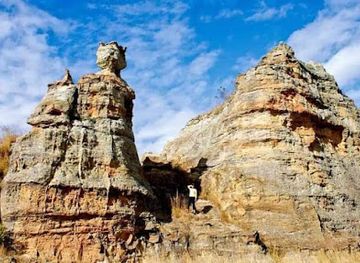
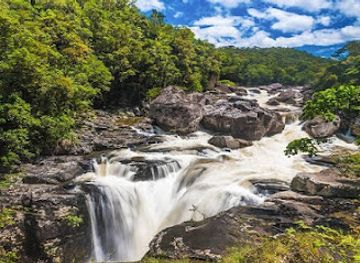
Diana’s attractions range from cool volcanic highland forest to coral-fringed islands and dry limestone country. Montagne d’Ambre National Park, south of Antsiranana, is known for rainforest, waterfalls, crater lakes and wildlife walks, while the Tsingy Rouge offers a compact but distinctive landscape of red eroded pinnacles. The Ankarana area is more demanding and geological in character, with limestone formations, caves, canyons and forest habitats best explored with an experienced guide. Around Antsiranana, boat trips can reach the bays and islands of the Diego Suarez area, revealing beaches, mangroves and historical coastal scenery. Nosy Be provides the region’s broadest choice of marine activities, including diving, snorkelling, fishing and excursions to Nosy Komba, Nosy Sakatia and other nearby islands. Lokobe National Park protects one of Nosy Be’s remaining areas of native forest and is valued for guided wildlife encounters. Visitors should also allow time for Antsiranana’s colonial-era streets, markets and harbour views, as well as the smaller villages and plantation landscapes that show how tourism shares the region with farming and fishing.
-
Tourist attraction
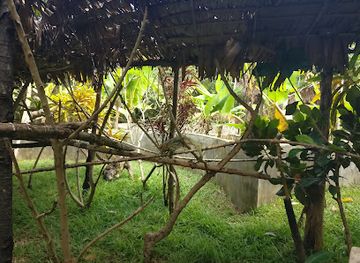
Lemuria Land
Experience the enchanting wildlife and rich biodiversity at Lemuria Land in Hell-Ville, Madagascar, a must-visit attraction for all nature lovers.
-
Tourist attraction
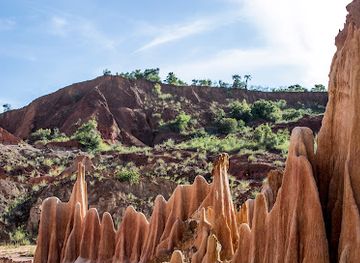
Tsingy Rouge
Discover Tsingy Rouge, Madagascar's stunning red rock formations, a must-visit natural attraction for adventurers and nature lovers alike.
-
Sea
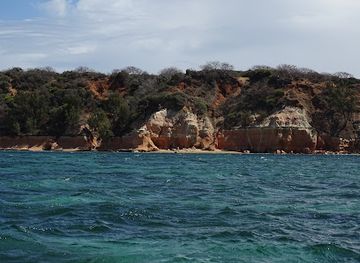
Mer d'Emeraude
Explore the pristine beauty of Mer d'Emeraude, Madagascar's stunning Emerald Sea, home to vibrant marine life and idyllic beaches.
-
Tourist attraction
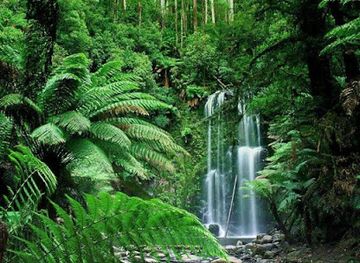
Zahamena National Park
Explore Zahamena National Park, Madagascar's lush national treasure filled with unique wildlife, stunning landscapes, and unforgettable outdoor adventures.
Best landmarks in Diana
Antsiranana’s greatest landmark is its harbour, a vast natural basin whose scale explains the city’s long military and maritime importance. The urban area retains colonial-era streets, civic buildings and military associations, although the architectural fabric is varied and should be read alongside the city’s Malagasy life rather than treated as a preserved colonial museum. Outside the city, the Montagne d’Ambre massif forms a prominent green highland landmark above the northern plain, while the Tsingy Rouge’s rust-coloured limestone pinnacles provide one of Diana’s most recognisable geological scenes. The Ankarana massif is defined by sharp limestone tsingy, deep ravines and cave systems, creating a landscape shaped by erosion and underground water. On Nosy Be, the island’s forested volcanic hills and surrounding reef waters are more important landmarks than individual buildings; Lokobe represents the remaining native forest and the island’s ecological heritage. The smaller islands visible from Nosy Be and Antsiranana’s bays give the region a distinctive maritime profile, linking its natural scenery with centuries of coastal travel and trade.
-
National park
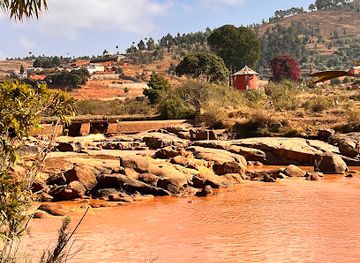
Isalo National Park
Explore Isalo National Park, Madagascar's breathtaking sanctuary of sandstone formations, unique wildlife, and rich cultural heritage in an unforgettable adventure.
-
Park
Lemurs Park
Explore the wonders of Lemurs Park in Madagascar, a stunning sanctuary for lemurs and unique flora, ideal for nature lovers and eco-travelers.
-
National park
Ranomafana National Park
Explore the rich biodiversity and stunning landscapes of Ranomafana National Park, a tropical paradise for adventure seekers in Madagascar.
-
Animal park
Lemuria Land
Explore Lemuria Land in Hell-Ville, Madagascar – a captivating animal park featuring unique wildlife, lush gardens, and educational exhibits on the island's flora.

Explore Diana on the map
Plan your trip on one map. See where the top cities, national parks and sights are, and book hotels and experiences in a few clicks.
Best hotels in Diana
Best restaurants in Diana
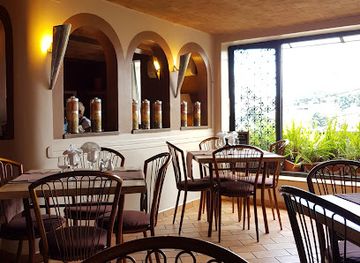
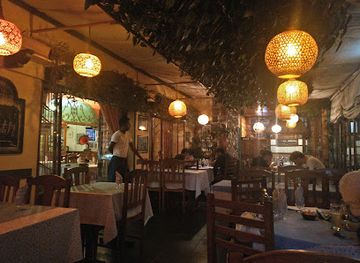
Diana’s food reflects Madagascar’s rice-based culinary tradition while drawing strongly on the northern coast and its spice-producing landscapes. Seafood is prominent in Antsiranana, Nosy Be and other coastal settlements, with fish, prawns, crab and lobster appearing according to season and local supply. Cooks commonly use coconut, ginger, chilli, garlic, vanilla and other aromatic ingredients, while zebu, chicken and vegetable dishes provide alternatives inland. Nosy Be is associated with ylang-ylang, sugar cane and tropical produce, and vanilla and cocoa from northern Madagascar may appear in desserts, drinks and market stalls. In towns, dining ranges from Malagasy home cooking and modest cafés to French-influenced restaurants, hotel dining rooms and seafood establishments. Rural inns and guesthouses often offer the most direct introduction to regional ingredients, though menus can be limited by transport and harvests. Markets are useful for fruit, snacks, rice dishes and locally made condiments; visitors should choose cooked food carefully and use bottled or treated water where advised.
-
Restaurant
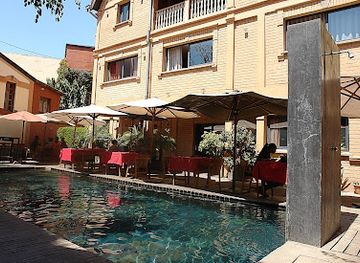
Sakamanga Hôtel
Discover Sakamanga Hôtel: Where exquisite dining meets comfortable lodging in the heart of Antananarivo.
-
 Hotel
HotelHotel Restaurant La Varangue
Discover the charm of Antananarivo at Hotel Restaurant La Varangue – where comfort meets Malagasy culture in every detail.
-
Italian
Nerone Ristorante Italiano (Madagascar)
Experience authentic Italian cuisine in Antananarivo at Nerone Ristorante Italiano—where every dish tells a story.
-
Restaurant
Le Chalet des Roses
Experience authentic Malagasy cuisine at Le Chalet des Roses in Antananarivo – where flavor meets tradition.
Best bars in Diana
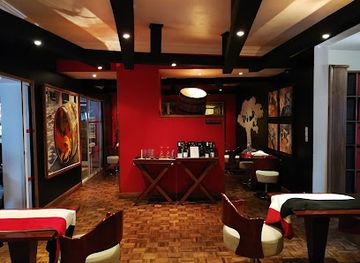
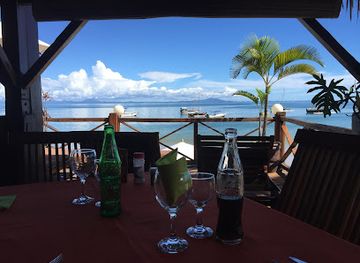
Evening life in Diana is concentrated in Antsiranana and Nosy Be rather than spread evenly across the large mainland region. Antsiranana offers relaxed bars, hotel terraces, small restaurants and occasional live music, with the old city and waterfront providing the main urban setting for an evening out. Nosy Be has the widest selection, including beach bars, hotel lounges, restaurants, live-music venues and a seasonal late-night scene in the main resort areas. Smaller islands and rural communities are generally quiet after dinner, and their evening culture centres on guesthouse meals, local gatherings and the sound of the sea rather than formal nightlife. Rhum arrangements and locally flavoured drinks are part of the northern island repertoire, but visitors should drink responsibly and keep transport plans in mind. Check current conditions locally, as venues, music nights and trading hours can change with season and tourism demand.
-
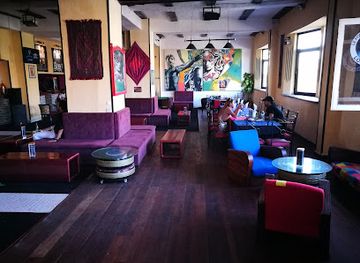
Bar
Dzama Cocktail Café Antananarivo
Discover the lively Dzama Cocktail Café in Antananarivo, where exquisite cocktails meet delicious local cuisine in a vibrant, welcoming atmosphere.
-
Bar
Tsy Manin - Resto & Chill Out Bar
Discover the vibrant flavors and laid-back ambiance of Tsy Manin - Resto & Chill Out Bar on Nosy Be's beautiful Madirokely Beach.
-
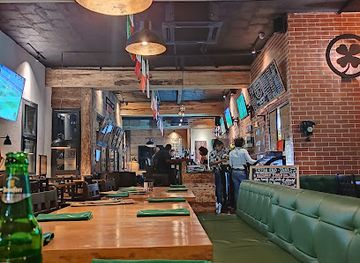
Irish pub
Irish Pub Tana
Discover Irish Pub Tana in Antananarivo, where Irish hospitality meets local charm for an unforgettable dining and drinking experience.
-
Bar
Le Point d'Exclamation Lounge Bar
Discover Antananarivo's nightlife at Le Point d'Exclamation Lounge Bar, where exquisite cocktails and vibrant energy await you!
Best nightclubs in Diana
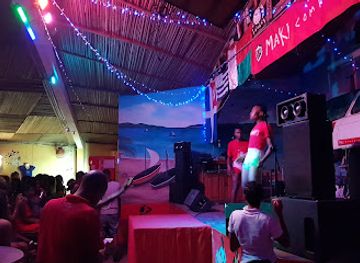
Evening life in Diana is concentrated in Antsiranana and Nosy Be rather than spread evenly across the large mainland region. Antsiranana offers relaxed bars, hotel terraces, small restaurants and occasional live music, with the old city and waterfront providing the main urban setting for an evening out. Nosy Be has the widest selection, including beach bars, hotel lounges, restaurants, live-music venues and a seasonal late-night scene in the main resort areas. Smaller islands and rural communities are generally quiet after dinner, and their evening culture centres on guesthouse meals, local gatherings and the sound of the sea rather than formal nightlife. Rhum arrangements and locally flavoured drinks are part of the northern island repertoire, but visitors should drink responsibly and keep transport plans in mind. Check current conditions locally, as venues, music nights and trading hours can change with season and tourism demand.
-
Bar
Le Taxi-Be
Discover the vibrant nightlife at Le Taxi-Be, a lively bar in Hell-Ville offering live music, signature cocktails, and an unforgettable atmosphere.
-
Bar
Taxi Be
Experience the vibrant nightlife at Taxi Be, Antsiranana's premier bar for drinks, music, and unforgettable moments.
-
Night club
KUDéTA Urban Club
Experience Antananarivo's vibrant nightlife at KUDéTA Urban Club, featuring live music and an electric atmosphere perfect for all night revelries.
-
Bar
Le Point d'Exclamation Lounge Bar
Experience vibrant nightlife at Le Point d'Exclamation Lounge Bar in Antananarivo, blending exquisite cocktails, delicious pizza, and lively entertainment.



Best shops in Diana
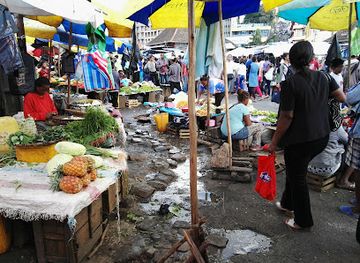
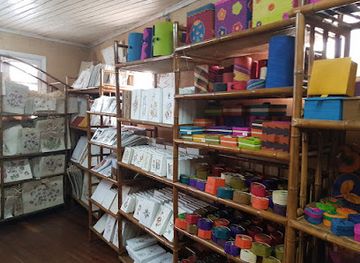
Shopping in Diana is strongest in Antsiranana, Nosy Be and the larger towns, where markets and independent stalls sell fruit, spices, woven goods, clothing, carved objects and everyday Malagasy crafts. Nosy Be is particularly associated with vanilla, ylang-ylang products, perfumed oils, rum and tropical ingredients, although quality and labelling vary; buy from reputable sellers and check any conservation restrictions before purchasing natural materials. Antsiranana’s markets are useful for local food, household goods and practical souvenirs, while smaller settlements offer a more limited but often more direct connection with regional produce. Handicrafts may include raffia work, baskets, woodcarving and textiles, with styles and quality differing between makers. Bargaining can be part of market shopping, but it should remain courteous and reasonable. Avoid coral, shells, tortoiseshell, protected animal products and plants taken from the wild. Bring enough ariary for rural purchases, since card payment is uncommon away from established hotels and tourist businesses.
-
Market
Analakely Market
Immerse yourself in the bustling Analakely Market, a cultural and culinary gem in the heart of Antananarivo, Madagascar.
-
Art gallery
Lisy Art Gallery
Explore the vibrant artistic heritage of Madagascar at Lisy Art Gallery in Antananarivo, showcasing local talents and unique cultural pieces.
-
Shopping mall
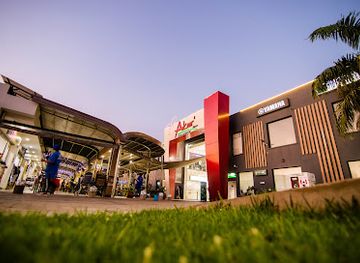
Akoor Digue
Experience the vibrant culture and shopping at Akoor Digue in Antananarivo, where local crafts meet international brands.
-
Shopping mall
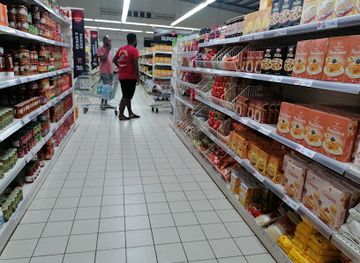
Leader Price
Experience the lively atmosphere of Leader Price, a premier shopping destination in Madagascar, featuring local crafts, international brands, and delightful cuisine.
Get your free copy of our complete guide to Diana, delivered straight to you.
Everything on this page, from attractions and restaurants to essentials and local phrases, in one PDF you can read offline, print or share.
Already have an account? Sign in
Your Diana guide is ready.
We'll send it to · Not you? Sign out

Getting your guide ready…
We are putting together a fresh copy of the Diana guide. This can take up to a minute.
This can take a few moments. If your browser asks, choose Allow so the download can start. You'll find the guide in your Downloads folder.
Nothing happened? Download it again
Sorry, the guide is taking longer than usual. Please try again in a minute, or get it by email instead.
Diana essentials
Currency and Payment
Safety
Emergency Situations
Do's and Don'ts
Local Tips
From Eve
Local phrases worth knowing
You don't need to get them perfect. A few words go a long way, and locals appreciate the effort.
Basics
| English | Local | Say it |
|---|---|---|
| Hello | Salama | [sah-lah-mah] |
| Goodbye | Veloma | [veh-loo-mah] |
| Yes | Eny | [eh-nee] |
| No | Tsia | [tsee-ah] |
| Please/You're welcome | Azafady | [ah-zah-fah-dee] |
| Thank you | Misaotra | [mee-sah-oh-trah] |
| Excuse me/Sorry | Azafady | [ah-zah-fah-dee] |
| How are you? | Inona ny vaovao? | [ee-no-nah nee vah-vah-oo] |
| Fine. And you? | Tsara. Ary ianao? | [tsah-rah. ah-ree ee-nah-oo] |
| Do you speak English? | Miteny anglisy ve ianao? | [mee-teh-nee ahn-glee-see veh ee-nah-oo] |
| I don't understand | Tsy azoko | [tsee ah-zoo-koo] |
Eating & Drinking
| English | Local | Say it |
|---|---|---|
| I'd like to see the menu, please | Te-hijery ny sakafo azafady | [teh-ee-jeh-ree nee sah-kah-foo ah-zah-fah-dee] |
| I don't eat meat | Tsy mihinana hena aho | [tsee mee-hee-nah-nah heh-nah ah-hoo] |
| Cheers! | Mandraisa! | [mahn-drah-ee-sah] |
| I would like to pay, please | Te-handoa ny vola azafady | [teh-hahn-do-ah nee vo-lah ah-zah-fah-dee] |
Emergencies
| English | Local | Say it |
|---|---|---|
| Help! | Vonjeo! | [vohn-jeh-oh] |
| Go away! | Mandehana! | [mahn-deh-hah-nah] |
| Call the Police! | Antsoy ny Polisy! | [ahn-tsoh-ee nee poh-lee-see] |
| Call a doctor! | Antsoy dokotera! | [ahn-tsoh-ee doh-koh-teh-rah] |
| I'm lost | Very very | [veh-ree veh-ree] |
| I'm ill | Marary aho | [mah-rah-ree ah-hoo] |
Shopping
| English | Local | Say it |
|---|---|---|
| I'd like to buy... | Te-hividy... | [teh-hee-vee-dee] |
| I'm just looking | Jereo fotsiny | [jeh-reh-oh fo-tsin-ee] |
| How much is it? | Ohatrinona izany? | [oo-hah-tree-no-nah zah-nee] |
| That's too expensive | Mahalany be loatra izany | [mah-hah-lah-nee beh loo-ah-trah zah-nee] |
| Can you lower the price? | Azonao atao ve ny manapaka ny vidiny? | [ah-zoh-nah-oo ah-tah-oo veh nee mah-nah-pah-kah nee vee-dee-nee] |
Time & Numbers
| English | Local | Say it |
|---|---|---|
| What time is it? | Ahoana ny ora? | [ah-hoo-ah-nah nee oh-rah] |
| It's one o'clock | Tsy iray ora | [tsee ee-rah-ee oh-rah] |
| Half past (10) | Sivy sy folo | [see-vee see foh-loo] |
| Morning | Maraina | [mah-rah-ee-nah] |
| Afternoon | Tolakandro | [toh-lah-kahn-droo] |
| Evening | Hariva | [hah-ree-vah] |
| Yesterday | Omaly | [oh-mah-lee] |
| Today | Anio | [ah-nee-oh] |
| Tomorrow | Rahampitso | [rah-hahm-pee-tso] |
| 1 | Iray | [ee-rah-ee] |
| 2 | Roa | [roh-ah] |
| 3 | Telo | [teh-loo] |
| 4 | Efatra | [eh-fah-trah] |
| 5 | Dimy | [dee-mee] |
| 6 | Enina | [eh-nee-nah] |
| 7 | Fito | [fee-toh] |
| 8 | Valo | [vah-loo] |
| 9 | Sivy | [see-vee] |
| 10 | Folo | [foh-loo] |
Transport & Directions
| English | Local | Say it |
|---|---|---|
| Where's a/the...? | Aiza ny...? | [ah-ee-zah nee] |
| What's the address? | Inona ny adiresy? | [ee-no-nah nee ah-dee-reh-see] |
| Can you show me (on the map)? | Azonao aseho ahy ve? | [ah-zoh-nah-oo ah-seh-ho ah-ee veh] |
| When's the next (bus)? | Rahoviana ny bus manaraka? | [rah-hoh-vee-ah-nah nee boos mah-nah-rah-kah] |
| A ticket (to ....) | Tapakila (manaraka ...) | [tah-pah-kee-lah mah-nah-rah-kah] |
History of Diana
Early settlement and Austronesian maritime links
Northern Madagascar was shaped by successive movements of people across the Indian Ocean. Austronesian seafarers brought agricultural knowledge, language influences and maritime traditions, while later African connections helped form the island’s mixed cultural heritage. Diana’s sheltered bays made the far north a natural meeting point for coastal communities and traders. Archaeological evidence and oral traditions point to long-standing exchange across the north-western Indian Ocean, although the region’s early history is understood through both material remains and living cultural memory.
Sakalava and Antankarana political traditions
Before colonial rule, Diana belonged to a complex world of local kingdoms, chiefly authority and alliances. Sakalava influence was particularly important in the north-west, while the Antankarana developed a strong identity around the limestone country and coastal areas north of Ambilobe. Authority was expressed through kinship, ritual obligations, control of trade routes and relationships with neighbouring communities. These histories remain relevant in local ceremonies, place names and customary relationships with forests, caves, rivers and ancestral landscapes.
Indian Ocean commerce and foreign traders
The northern coast participated in maritime commerce involving African, Arab, South Asian and European traders. Antsiranana’s exceptionally deep harbour, known historically as Diego Suarez Bay, attracted ships and strategic interest. Trade in foodstuffs, cattle, timber and other regional products connected coastal settlements with the wider island and overseas markets. Contact also brought religious, linguistic and political influences, adding further layers to a northern society already shaped by movement across the sea.
Merina expansion and French colonisation
During the nineteenth century, the expanding Merina kingdom sought influence beyond the central highlands, while European powers competed for strategic positions in Madagascar. France established colonial control over Madagascar in the late nineteenth century, and Antsiranana became an important military and administrative centre. Colonial rule altered land ownership, labour systems, trade and urban planning. Roads, port facilities and plantations developed alongside coercive political structures, leaving an architectural and economic legacy that is still visible in parts of Diana.
Diego Suarez and the Second World War
The harbour at Diego Suarez gave Diana major strategic importance during the Second World War. In 1942, British forces attacked Vichy French positions in Madagascar during Operation Ironclad, and fighting around Diego Suarez formed part of the wider Allied campaign to prevent Axis use of the island’s ports. The episode affected the city and its military infrastructure, while the harbour’s strategic role continued after the war. Fortifications, naval associations and colonial-era buildings help explain Antsiranana’s distinctive character.
Plantations, independence and economic change
Northern Madagascar’s colonial economy encouraged the cultivation and processing of crops including sugar cane, coffee, cocoa, vanilla and ylang-ylang. After Madagascar gained independence in 1960, these industries continued to influence land use and employment, even as state ownership, market changes and infrastructure constraints reshaped production. In Diana, agriculture remains closely connected to tourism: visitors encounter plantation landscapes, spice products and fishing communities alongside protected forests and beaches. The region’s economy now combines farming, commerce, port activity and tourism.
Protected landscapes and contemporary tourism
From the late twentieth century onwards, national parks and protected areas became central to Diana’s environmental and tourism policy. Montagne d’Ambre, Ankarana and Lokobe protect habitats containing species found nowhere else, while marine tourism has expanded around Nosy Be. Conservation has also raised important questions about access to natural resources, local livelihoods and the responsibilities of visitors. Contemporary Diana is therefore shaped both by its older coastal cultures and by a modern effort to balance biodiversity protection with transport, agriculture and tourism.
Diana in Photos
Browse through our photo collection highlighting the charm and character of the destination.
Neighbouring regions of Diana
The closest regions to Diana, if you have time for more than one.
-

-

-

-

-


Swipe for more regions
Explore more

Explore more of Madagascar
Discover Madagascar: A unique island paradise with unparalleled wildlife, breathtaking landscapes, and a rich cultural heritage.
Explore Madagascar