

Free Boeny Travel Guide & Mobile App
Explore Boeny with free travel guides. Discover regional history, expert tips, proposed trips, and audio guides on web or mobile app.


Explore Boeny in north-west Madagascar for Mahajanga’s bay, Sakalava culture, baobabs, dry forests, rice fields and remote wildlife reserves.
Read more about Boeny
When is the best time to visit Boeny?
Best: June–August · 26–27°C| Month | High (°C) | Rainfall (mm) |
|---|---|---|
| January | 30 | 290 |
| February | 30 | 250 |
| March | 30 | 200 |
| April | 29 | 120 |
| May | 28 | 50 |
| June (best) | 26 | 20 |
| July (best) | 26 | 10 |
| August (best) | 27 | 20 |
| September | 29 | 50 |
| October | 30 | 120 |
| November | 31 | 200 |
| December | 31 | 250 |
Getting to and around Boeny
How to get there
Transportation
Top city travel guides in Boeny
The cities of Boeny, and the easiest places to base yourself.
-

-


Swipe for more cities
Destinations in Boeny
Resorts, valleys and scenic spots worth a trip of their own.

Swipe for more destinations
Best attractions in Boeny
Boeny’s attractions range from Mahajanga’s sociable waterfront to protected dry forests and remote coastal habitats. In the regional capital, visitors can explore markets, older streets, food stalls and the broad bay promenade before making short excursions towards beaches such as Grand Pavois. The Katsepy peninsula, reached by locally arranged boat travel, offers a quieter coastal setting with mangroves, fishing activity and open views across the bay. Inland, Ankarafantsika National Park is the region’s principal nature destination, combining dry forest, sandstone scenery, lakes and wetlands with opportunities to observe lemurs, endemic birds, reptiles and other wildlife. Lake Ravelobe is an important focal point within the park. The rice-growing landscape around Marovoay provides a different experience, revealing the scale of floodplain agriculture and the importance of the Betsiboka river system. Farther south-west, the Baly Bay protected area near Soalala is significant for its rare angonoka tortoise and coastal ecosystems, but it is remote and logistically demanding. Boeny rewards visitors who are interested in ecological variety and local life rather than expecting a dense concentration of conventional tourist facilities.
-
National park
Isalo National Park
Discover the breathtaking landscapes and unique biodiversity of Isalo National Park, Madagascar's natural gem, perfect for adventure and tranquility.
-
Tourist attraction
Anja Community Reserve
Explore the breathtaking landscapes and unique wildlife at Anja Community Reserve, Madagascar's gem for nature lovers and adventure seekers.
-
National park
Tsingy De Bemaraha National Park
Explore the surreal landscapes and rich biodiversity of Tsingy De Bemaraha National Park, Madagascar's UNESCO World Heritage gem.
-
Tourist attraction
Le Baobab de Majunga
Discover the enchanting beauty of Le Baobab de Majunga, a natural wonder in Mahajanga, Madagascar, famous for its iconic baobab trees and rich biodiversity.


Best landmarks in Boeny
Mahajanga’s great baobab is one of Boeny’s most recognisable urban symbols, standing near the waterfront and reflecting the region’s dry tropical environment. The city’s broad seafront and the shore of Bombetoka Bay are landmarks in their own right: the meeting of tidal water and the sediment-laden Betsiboka creates a distinctive landscape central to Mahajanga’s history as a port. Older urban quarters contain buildings and street patterns shaped by Malagasy, Comorian, Arab, African and French connections, although the city is better understood as a living town than as a preserved colonial monument. Inland, the sandstone formations, dry woodland and Lake Ravelobe landscape of Ankarafantsika provide a natural counterpoint to the bay. The Betsiboka floodplain around Marovoay is another defining geographical feature, with rice fields stretching across seasonally waterlogged land. In the south-west, the protected coastal environment of Baly Bay is significant not for monumental architecture but for its rare angonoka tortoise habitat and the wider ecological importance of the bay. Together these places express Boeny’s identity as a region shaped by water, dry forest, agriculture and long-distance exchange.
-
Park
Lemurs Park
Explore the enchanting Lemurs Park in Madagascar, a sanctuary for leaping lemurs and vibrant flora, perfect for nature lovers and wildlife enthusiasts.
-
Hotel
Baobab Tree Hotel & Spa
Experience luxury and tranquility at Baobab Tree Hotel & Spa in Mahajanga, Madagascar - a perfect retreat for relaxation and culinary delights.
-
National park
Ankarafantsika National Park
Explore Ankarafantsika National Park, Madagascar's natural treasure, where stunning landscapes and unique wildlife await every visitor.
-
National reserve
CIRQUE ROUGE
Discover the enchanting landscapes and rich biodiversity of Cirque Rouge, a stunning national reserve in Mahajanga, Madagascar.


Explore Boeny on the map
Plan your trip on one map. See where the top cities, national parks and sights are, and book hotels and experiences in a few clicks.
Best hotels in Boeny
Best restaurants in Boeny
Mahajanga has the most varied dining scene in Boeny, with cafés, simple restaurants, hotel dining rooms, market stalls and informal eateries serving the city’s mixed coastal population. Fish, prawns, crab and other seafood are prominent, while rice remains the foundation of everyday meals and connects the city with the agricultural plain around Marovoay. Coconut, tropical fruit, chilli, cassava and locally available greens appear in dishes whose influences reflect Madagascar’s western and Indian Ocean connections. Street food and market snacks offer an inexpensive way to observe daily commerce, although visitors should choose busy stalls with good turnover and eat food that is thoroughly cooked. Pousse-pousse rides and waterfront walks can be combined with casual evening meals, while more formal dining is concentrated in Mahajanga’s hotels and established restaurants. Outside the capital, choice narrows quickly; rural inns and small local eateries may provide the most practical meals, but menus and supplies vary with season and transport. Bottled or treated water is advisable, especially during longer journeys.
-
Hotel
Baobab Tree Hotel & Spa
Discover unparalleled luxury and relaxation at Baobab Tree Hotel & Spa in Mahajanga - your gateway to Madagascar's natural wonders.
-
Hotel
Hôtel Restaurant Gourmand Coco Lodge Majunga
Discover luxury and culinary delights at Hôtel Restaurant Gourmand Coco Lodge in beautiful Mahajanga, Madagascar.
-
Restaurant
La petite cour
Discover La Petite Cour in Mahajanga for an unforgettable dining experience with delicious local flavors and warm hospitality.
-
Restaurant
Le guest
Experience delightful pizzas and local cuisine at Le Guest in Mahajanga – where great food meets stunning coastal views.


Best bars in Boeny
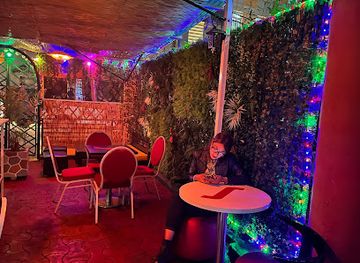
Boeny’s evening culture is concentrated in Mahajanga rather than spread across a large regional nightlife circuit. The waterfront becomes a popular place for walking, conversation and informal snacks after the heat of the day, while restaurants, hotel bars and small local venues provide opportunities for a drink or live music. Traditional Malagasy drinks and locally available beers may appear alongside soft drinks and coffee, but alcohol is not necessary to participate in the city’s social life. Some venues offer dancing and amplified music, although opening arrangements and atmosphere can change. In smaller towns and rural districts, evenings generally centre on family life, local eateries, modest bars or community gatherings rather than nightclubs. Travellers heading to beaches or protected areas should expect very limited nightlife, carry a torch and arrange transport back to their accommodation in advance. Ask locally about appropriate areas after dark and keep valuables secure in crowded venues.
-
Hotel
Hôtel Restaurant Gourmand Coco Lodge Majunga
Experience the charm of Madagascar at Hôtel Restaurant Gourmand Coco Lodge, where comfort meets culinary excellence in Mahajanga.
-
Restaurant
Restaurant Karibo Mahoraise
Discover the taste of Madagascar at Restaurant Karibo Mahoraise, where local flavors meet warm hospitality in a vibrant setting.
-
Restaurant
Parad'Ice Restaurant
Experience authentic Malagasy flavors at Parad'Ice Restaurant in Mahajanga, where culinary creativity meets local tradition.
-
Restaurant
Restaurant Gourmand Coco Lodge Majunga
Discover the authentic taste of Madagascar at Restaurant Gourmand Coco Lodge, where local flavors meet exquisite dining in Mahajanga.


Best nightclubs in Boeny
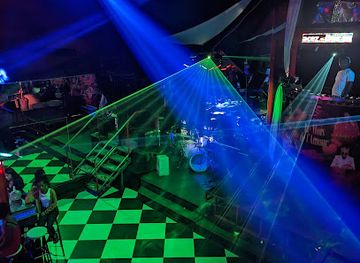
Boeny’s evening culture is concentrated in Mahajanga rather than spread across a large regional nightlife circuit. The waterfront becomes a popular place for walking, conversation and informal snacks after the heat of the day, while restaurants, hotel bars and small local venues provide opportunities for a drink or live music. Traditional Malagasy drinks and locally available beers may appear alongside soft drinks and coffee, but alcohol is not necessary to participate in the city’s social life. Some venues offer dancing and amplified music, although opening arrangements and atmosphere can change. In smaller towns and rural districts, evenings generally centre on family life, local eateries, modest bars or community gatherings rather than nightclubs. Travellers heading to beaches or protected areas should expect very limited nightlife, carry a torch and arrange transport back to their accommodation in advance. Ask locally about appropriate areas after dark and keep valuables secure in crowded venues.
-
Night club
KUDéTA Urban Club
Experience the vibrant nightlife of Antananarivo at KUDéTA Urban Club, featuring live music and a stylish atmosphere in the heart of the city.
-
Night club
Taxi Be
Experience the vibrant nightlife at Taxi Be, Antananarivo's premier night club, featuring local music and a lively atmosphere.
-
Disco club
CLUB 73
Discover the vibrant nightlife of Mahajanga at CLUB 73, where great music and dancing create unforgettable memories.
-
Night club
Nirvana Night-club
Discover the electrifying nightlife at Nirvana Night-club in Antananarivo, where vibrant music and an energetic atmosphere await.


Best shops in Boeny
Mahajanga is Boeny’s main shopping centre, with markets and busy commercial streets selling rice, fruit, vegetables, seafood, spices, clothing, household goods and imported products arriving through the city’s trading networks. The markets are most useful for understanding local life as well as buying provisions, although visitors should check prices, keep belongings close and ask before photographing vendors. Small shops and craft stalls may offer woven goods, baskets, carved objects, textiles and souvenirs associated with western Madagascar, but quality and provenance vary; avoid anything made from protected wildlife or archaeological material. Regional food products such as dried fish, spices, fruit and other non-perishable goods can be practical gifts when packed appropriately for travel. Outside Mahajanga, shopping is primarily local and functional, with market days in smaller towns providing produce rather than extensive tourist retail. Travellers visiting rural communities or protected areas should not expect specialist craft shops, and should carry necessary supplies from the regional capital. Polite price negotiation is common in informal markets, while fixed prices are more likely in established shops and hotels.
-
Supermarket
Score Majunga
Discover the vibrant selection at Score Majunga, Mahajanga's premier supermarket for local flavors and international goods.
-
Pastries
Patisserie saify
Explore the delectable world of pastries at Patisserie Saify in Mahajanga, where every bite is a delightful journey into Madagascar's sweet traditions.
-
Jewelry store
Bijouterie Rêve d'Or
Explore Bijouterie Rêve d'Or in Mahajanga for exquisite handcrafted jewelry that captures the spirit of Madagascar.
-
Jewelry store
bijouterie BALARA à Majunga
Explore Bijouterie BALARA in Majunga for exquisite handcrafted jewelry that embodies the spirit of Madagascar’s rich culture and artistry.


Get your free copy of our complete guide to Boeny, delivered straight to you.
Everything on this page, from attractions and restaurants to essentials and local phrases, in one PDF you can read offline, print or share.
Already have an account? Sign in
Your Boeny guide is ready.
We'll send it to · Not you? Sign out

Getting your guide ready…
We are putting together a fresh copy of the Boeny guide. This can take up to a minute.
This can take a few moments. If your browser asks, choose Allow so the download can start. You'll find the guide in your Downloads folder.
Nothing happened? Download it again
Sorry, the guide is taking longer than usual. Please try again in a minute, or get it by email instead.
Boeny essentials
Currency and Payment
Safety
Emergency Situations
Do's and Don'ts
Local Tips
From Eve
Local phrases worth knowing
You don't need to get them perfect. A few words go a long way, and locals appreciate the effort.
Basics
| English | Local | Say it |
|---|---|---|
| Hello | Salama | [sah-lah-mah] |
| Goodbye | Veloma | [veh-loo-mah] |
| Yes | Eny | [eh-nee] |
| No | Tsia | [tsee-ah] |
| Please/You're welcome | Azafady | [ah-zah-fah-dee] |
| Thank you | Misaotra | [mee-sah-oh-trah] |
| Excuse me/Sorry | Azafady | [ah-zah-fah-dee] |
| How are you? | Inona ny vaovao? | [ee-no-nah nee vah-voh] |
| Fine. And you? | Tsara. Ary ianao? | [tsah-rah. ah-ree ee-nah-o] |
| Do you speak English? | Miteny Anglisy ve ianao? | [mee-teh-nee ahn-glee-see veh ee-nah-o] |
| I don't understand | Tsy azoko | [tsee ah-zoh-koo] |
Eating & Drinking
| English | Local | Say it |
|---|---|---|
| I'd like to see the menu, please | Te-hijery ny menio aho, azafady | [teh-hee-jeh-ree nee meh-nee-oh ah-hoo, ah-zah-fah-dee] |
| I don't eat meat | Tsy mihinana hena aho | [tsee mee-hee-nah-nah heh-nah ah-hoo] |
| Cheers! | Tsy mihinana hena aho | [cheers!] |
| I would like to pay, please | Te-handoa aho, azafady | [teh-han-doah ah-hoo, ah-zah-fah-dee] |
Emergencies
| English | Local | Say it |
|---|---|---|
| Help! | Vonjeo! | [vohn-jay-oh] |
| Go away! | Mandehana! | [mahn-deh-hah-nah] |
| Call the Police! | Antsoy ny Polisy! | [ahn-tsoh-ee nee poh-lee-see] |
| Call a doctor! | Antsoy ny dokotera! | [ahn-tsoh-ee nee doh-koh-teh-rah] |
| I'm lost | Very very | [veh-ree veh-ree] |
| I'm ill | Malahelo aho | [mah-lah-heh-loo ah-hoo] |
Shopping
| English | Local | Say it |
|---|---|---|
| I'd like to buy... | Te-hividy ... aho | [teh-hee-vee-dee ... ah-hoo] |
| I'm just looking | Mitady fotsiny aho | [mee-tah-dee fo-tsin-ee ah-hoo] |
| How much is it? | Ohatrinona izany? | [oh-hah-tree-no-nah zee-zah-ny] |
| That's too expensive | Lany loatra izany | [lah-nee loo-ah-trah zee-zah-ny] |
| Can you lower the price? | Azonao atao ve ny manala ny vidiny? | [ah-zoh-nah-oo ah-tah-o veh nee mah-nah-lah nee vee-deen-ee] |
Time & Numbers
| English | Local | Say it |
|---|---|---|
| What time is it? | Miafara ora? | [mee-ah-fah-rah oh-rah] |
| It's one o'clock | Tsy iray ora | [tsee ee-rah-ee oh-rah] |
| Half past (10) | Sivy minitra | [see-vee mee-nee-trah] |
| Morning | Maraina | [mah-rah-ee-nah] |
| Afternoon | Tolom-pandroso | [toh-lohm-pahn-droh-soo] |
| Evening | Hariva | [hah-ree-vah] |
| Yesterday | Omaly | [oh-mah-lee] |
| Today | Anio | [ah-nee-oh] |
| Tomorrow | Rahampitso | [rah-hahm-peet-soo] |
| 1 | Iray | [ee-rah-ee] |
| 2 | Roan | [roh-ahn] |
| 3 | Telo | [teh-loo] |
| 4 | Efatra | [eh-fah-trah] |
| 5 | Dimy | [dee-mee] |
| 6 | Enina | [eh-nee-nah] |
| 7 | Fito | [fee-toh] |
| 8 | Valo | [vah-loo] |
| 9 | Sivy | [see-vee] |
| 10 | Folo | [foh-loo] |
Transport & Directions
| English | Local | Say it |
|---|---|---|
| Where's a/the...? | Aiza ny ...? | [ah-ee-zah nee ...] |
| What's the address? | Inona ny adiresy? | [ee-no-nah nee ah-dee-reh-see] |
| Can you show me (on the map)? | Afaka mampiseho ahy ve ianao? | [ah-fah-kah mahm-pee-seh-ho ah-hee veh ee-nah-o] |
| When's the next (bus)? | Rahoviana no ho avy ny (bus)? | [rah-hoh-vee-ah-nah noh hoo ah-vee nee (bus)] |
| A ticket (to ....) | Tapakila (manaraka ...) | [tah-pah-kee-lah (mah-nah-rah-kah ...)] |
History of Boeny
Early settlement and western Indian Ocean exchange
The north-west of Madagascar has long been connected to the western Indian Ocean. Archaeological evidence from the wider Mahajanga area records early communities engaged in fishing, farming and coastal exchange, while later contacts linked the region with East Africa, the Comoros and Arabic-speaking merchants. Mahajanga’s position beside Bombetoka Bay and the Betsiboka estuary made it a natural meeting point for people, goods and ideas. These connections helped shape the region’s mixed coastal culture and its enduring importance as a gateway between Madagascar’s interior and the ocean.
The Sakalava kingdoms
From the seventeenth century, Sakalava political power expanded across much of western Madagascar. Boeny became associated with the Boina branch of the Sakalava world, whose rulers controlled territory, river routes and coastal commerce from centres in the north-west. Royal authority was expressed through dynastic traditions, ritual institutions and relationships with local communities. Although the kingdoms were later absorbed into colonial administration, Sakalava history remains central to the identity of Boeny, especially in ceremonial life, oral traditions and the historical landscape around Mahajanga.
Mahajanga as a coastal trading port
Mahajanga developed as one of Madagascar’s principal western ports, serving the rice-producing plains and the wider north-west. Its trade connected inland agricultural districts with the Comoros, East Africa and other Indian Ocean destinations. Merchants, sailors and migrants contributed to the city’s Islamic, African, Malagasy and South Asian influences, visible in foodways, religious buildings, languages and commercial traditions. Bombetoka Bay also provided a sheltered maritime setting, although its heavy sediment load and shifting channels have always affected navigation and port activity.
French conquest and the colonial period
France established control over Madagascar in the late nineteenth century, following military campaigns and the declaration of a French protectorate over the Merina kingdom in 1895. Mahajanga became an important colonial port and administrative centre, while roads, warehouses and commercial networks were reorganised to serve colonial interests. The period brought new infrastructure but also coercive labour systems, unequal land relations and political subordination. Colonial-era buildings and urban layouts remain part of Mahajanga’s built environment, alongside older coastal traditions that were never erased.
Rice cultivation and the Marovoay plain
The wetlands around Marovoay became one of north-west Madagascar’s important rice-growing zones. Seasonal flooding from the Betsiboka system deposits fertile sediment, but it also creates demanding conditions for irrigation, transport and settlement. During the colonial and post-colonial periods, agricultural schemes sought to increase production and regulate water management. The plain illustrates the close relationship between Boeny’s rural economy and its rivers: rice cultivation supports communities while remaining vulnerable to cyclones, floods, drought and changing infrastructure.
Independence and contemporary Boeny
Madagascar became independent in 1960, and Boeny’s regional importance continued to centre on Mahajanga’s port, commerce, public institutions and links with the surrounding agricultural districts. Tourism has grown around the city’s waterfront, nearby beaches and Ankarafantsika National Park, while conservation programmes protect dry forests, wetlands and highly threatened species. Contemporary Boeny combines a strong Sakalava cultural presence with substantial internal and Indian Ocean mobility. Its future depends on balancing urban growth, transport improvements, rice production, coastal livelihoods and protection of fragile ecosystems.
Boeny in Photos
Browse through our photo collection highlighting the charm and character of the destination.
Neighbouring regions of Boeny
The closest regions to Boeny, if you have time for more than one.
-

-

-

-

-


Swipe for more regions
Explore more

Explore more of Madagascar
Discover Madagascar: A unique island paradise with unparalleled wildlife, breathtaking landscapes, and a rich cultural heritage.
Explore Madagascar