

Free Greater Portland and Casco Bay Travel Guide & Mobile App
Explore Greater Portland and Casco Bay with free travel guides. Discover regional history, expert tips, proposed trips, and audio guides on web or mobile app.


Greater Portland and Casco Bay combine Portland’s historic harbour, Maine seafood, island ferries, coastal parks and maritime heritage.
Read more about Greater Portland and Casco Bay
When is the best time to visit Greater Portland and Casco Bay?
Best: June–August · 23–26°C| Month | High (°C) | Rainfall (mm) |
|---|---|---|
| January | 1 | 78 |
| February | 1 | 70 |
| March | 5 | 90 |
| April | 12 | 95 |
| May | 18 | 100 |
| June (best) | 23 | 90 |
| July (best) | 26 | 95 |
| August (best) | 25 | 100 |
| September | 21 | 105 |
| October | 15 | 110 |
| November | 9 | 105 |
| December | 3 | 100 |
Getting to and around Greater Portland and Casco Bay
How to get there
Transportation
Top city travel guides in Greater Portland and Casco Bay
The cities of Greater Portland and Casco Bay, and the easiest places to base yourself.
-

-

-

-
-
 Saco
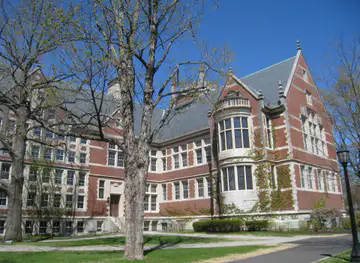
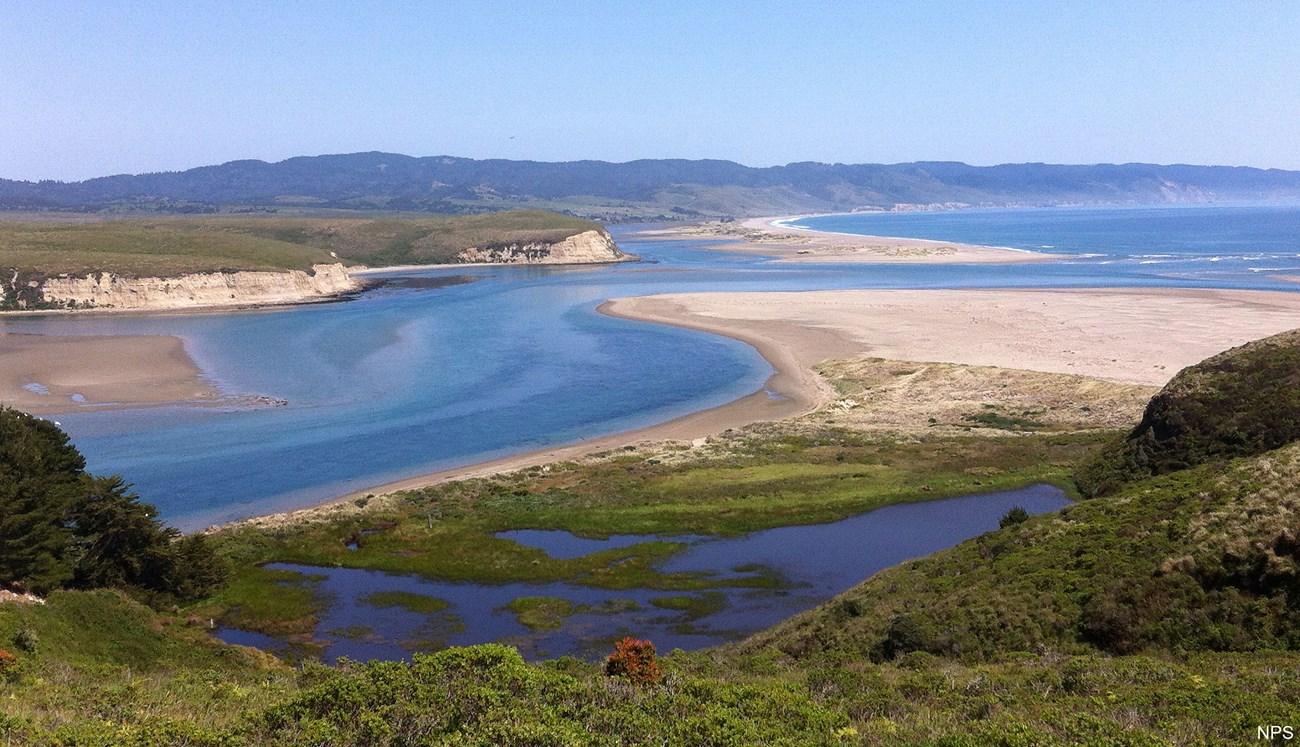
Saco, Maine pairs a historic Saco River downtown with coastal walks, Ferry Beach State Park, local museums and easy access to southern Maine’s beaches.
-


Swipe for more cities
Destinations in Greater Portland and Casco Bay
Resorts, valleys and scenic spots worth a trip of their own.
-

-

-


Swipe for more destinations
Best attractions in Greater Portland and Casco Bay
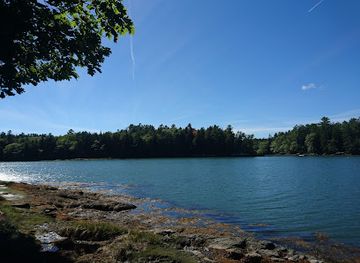
The region’s attractions range from Portland’s museums and historic neighbourhoods to the open coast and islands of Casco Bay. The Portland Museum of Art presents major American and European works alongside Maine-related artists, while the Maine Historical Society and Victoria Mansion place local history within broader stories of commerce, architecture and domestic life. The Old Port is an attraction in its own right, with nineteenth-century warehouses, working piers and streets that lead towards ferry departures. On the coast, Fort Williams Park combines walking paths, open grounds and the Portland Head Light, while nearby beaches, marshes and nature areas offer birdwatching, swimming, paddling and seasonal wildlife observation. Casco Bay ferries provide access to islands including Peaks Island, where visitors can explore by foot or bicycle, as well as communities with a slower, more residential character. South Portland adds maritime views and waterfront history, and inland trails around Westbrook and Falmouth show the wooded landscape behind the harbour.
-
 Historical landmark
Portland Head Light
Explore the historic Portland Head Light in Cape Elizabeth, Maine, where stunning ocean views meet rich maritime history at this iconic lighthouse.
-
Botanical garden
Coastal Maine Botanical Gardens
Explore the Coastal Maine Botanical Gardens, a stunning natural retreat showcasing Maine's rich flora and breathtaking coastal views, perfect for nature lovers.
-
Park
Fort Williams Park
Explore the scenic beauty, historic landmarks, and recreational opportunities at Fort Williams Park, Cape Elizabeth's premier coastal destination.
-
Amusement park
Funtown Splashtown USA
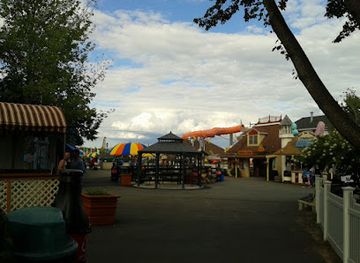
Experience endless thrills and family fun at Funtown Splashtown USA, Maine's ultimate amusement park and water park destination.
Best landmarks in Greater Portland and Casco Bay
Portland Head Light, standing at the entrance to Portland Harbour in Cape Elizabeth’s Fort Williams Park, is the region’s defining maritime landmark; its long history as a navigational light explains its enduring importance beyond its familiar profile. Portland’s Old Port presents a dense group of nineteenth-century brick warehouses and commercial buildings, while the Custom House Wharf and working piers show that the waterfront remains connected to trade and fishing. Within the city, the Portland Observatory on Munjoy Hill is a distinctive surviving signal tower associated with the port’s shipping history, and the Victoria Mansion represents the wealth and architectural ambition of the nineteenth century. Casco Bay itself is a geographical landmark, marked by islands, headlands and changing channels rather than a single monument. Fort Preble in South Portland, now within Fort Preble Park, adds a visible layer of coastal military history, while the Eastern Promenade provides one of the clearest public views across the harbour and islands.
-
Historical landmark
Portland Head Light
Discover Portland Head Light, Maine's iconic lighthouse, where history meets stunning coastal views in a captivating park setting.
-
Historical landmark
Spring Point Ledge Lighthouse
Explore the historical allure of Spring Point Ledge Lighthouse, a stunning coastal landmark offering breathtaking views and rich maritime heritage.
-
Historical landmark
Battery Steele
Discover the intriguing history and stunning scenery of Battery Steele, a unique WWII landmark on Peaks Island, Maine.
-
City Hall
City of Portland, Maine
Discover the historic Portland City Hall, a blend of architectural beauty and civic engagement in the heart of Maine's vibrant downtown.


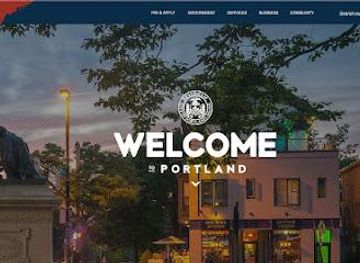
Explore Greater Portland and Casco Bay on the map
Plan your trip on one map. See where the top cities, national parks and sights are, and book hotels and experiences in a few clicks.
Best hotels in Greater Portland and Casco Bay
Best restaurants in Greater Portland and Casco Bay
Greater Portland’s food culture is closely tied to the cold waters, working waterfront and farms of southern Maine. Lobster, clams, oysters, mussels and other seafood appear in casual counters, harbour-side eateries and more ambitious restaurants, while Portland’s year-round dining scene also includes bakeries, cafés, international cooking and contemporary New England menus. Maine blueberries, apples, dairy products and seasonal vegetables are common features of local markets and restaurant menus. Traditional lobster rolls and fried seafood provide an informal coastal option, but the region’s cuisine is not limited to seafood: wood-fired cooking, locally produced meats, vegetarian food and craft baking are widely represented. Breweries, cider makers and distillers across the region complement meals, and farmers’ markets offer a useful introduction to produce from nearby rural Maine. In summer, booking ahead is prudent for well-known restaurants, particularly at weekends.
-
Seafood
DiMillo's On the Water
Experience fresh seafood dining with stunning waterfront views at DiMillo's On the Water in Portland, Maine.
-
Belgian
Duckfat
Experience the rich flavors of Belgium at Duckfat in Portland—famous for its crispy fries and gourmet dishes in a cozy brasserie setting.
-
Seafood
The Highroller Lobster Co.
Experience the freshest seafood at The Highroller Lobster Co., where innovative flavors meet Maine's coastal charm in Portland's Old Port district.
-
Oyster Bar
Eventide Oyster Co.
Discover fresh oysters and innovative seafood dishes at Eventide Oyster Co., Portland's top oyster bar known for its vibrant atmosphere.

Best bars in Greater Portland and Casco Bay
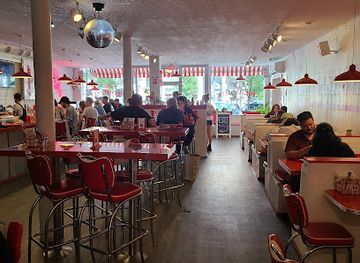
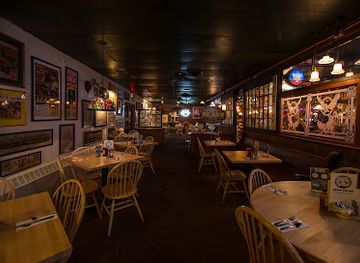
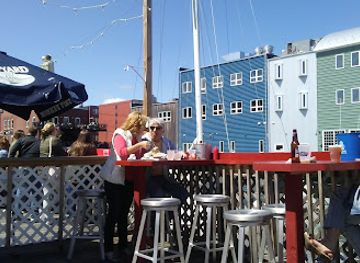
Portland has the region’s most varied evening scene, concentrated around the Old Port, the peninsula and nearby neighbourhoods, with traditional pubs, cocktail bars, breweries, wine bars, live music venues and restaurants that remain active after dark. The city’s brewing culture is particularly visible in tasting rooms and taprooms, while smaller venues provide comedy, theatre and local music rather than a large-scale nightclub circuit. South Portland and the surrounding towns have a more dispersed selection of pubs, restaurants and waterfront bars. On Casco Bay’s islands, evening options are limited and often seasonal, with the emphasis on a meal, a drink or a quiet walk rather than late-night entertainment. Visitors should check transport arrangements carefully, since ferry services do not provide the same late-night flexibility as urban taxis and public transport.
-
Seafood
The Highroller Lobster Co.
Experience the vibrant flavors of Maine at The Highroller Lobster Co., where fresh seafood meets a lively atmosphere in Portland's Old Port.
-
Brewpub
The Great Lost Bear
Experience the essence of Portland at The Great Lost Bear, a vibrant brewpub with craft beers and delicious American cuisine.
-
Seafood
The Porthole Restaurant & Pub
Experience the best of Maine’s seafood at The Porthole Restaurant & Pub, where every meal is complemented by stunning waterfront views.
-
Cocktail bar
Blyth & Burrows
Discover the coastal charm of Blyth & Burrows in Portland, Maine, where exquisite cocktails meet fresh seafood in a vibrant atmosphere.

Best nightclubs in Greater Portland and Casco Bay
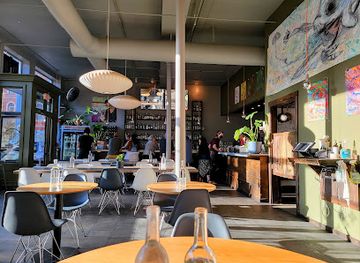
Portland has the region’s most varied evening scene, concentrated around the Old Port, the peninsula and nearby neighbourhoods, with traditional pubs, cocktail bars, breweries, wine bars, live music venues and restaurants that remain active after dark. The city’s brewing culture is particularly visible in tasting rooms and taprooms, while smaller venues provide comedy, theatre and local music rather than a large-scale nightclub circuit. South Portland and the surrounding towns have a more dispersed selection of pubs, restaurants and waterfront bars. On Casco Bay’s islands, evening options are limited and often seasonal, with the emphasis on a meal, a drink or a quiet walk rather than late-night entertainment. Visitors should check transport arrangements carefully, since ferry services do not provide the same late-night flexibility as urban taxis and public transport.
-
Cocktail bar
The Portland Hunt & Alpine Club
Experience the unique fusion of craft cocktails and Scandinavian cuisine at Portland Hunt & Alpine Club in the heart of Old Port, Maine.
-
Lounge
Bubba's Sulky Lounge
Discover the quirky charm of Bubba's Sulky Lounge, a unique cocktail bar in Portland, Maine, perfect for socializing and unwinding.
-
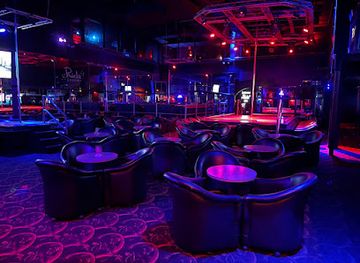
Adult entertainment club
Rick's Cabaret Portland
Discover the electrifying nightlife at Rick's Cabaret Portland, where captivating performances and a vibrant bar scene await.
-
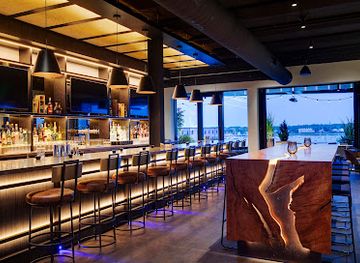
Bar
Luna Rooftop Bar
Discover the breathtaking views and vibrant atmosphere at Luna Rooftop Bar in Portland, Maine, where handcrafted cocktails meet stunning sunsets.
Best shops in Greater Portland and Casco Bay
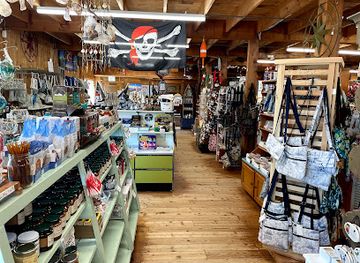
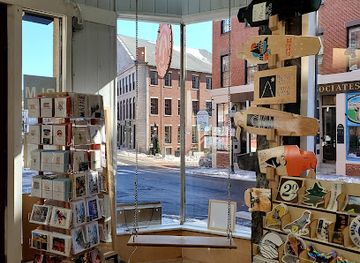
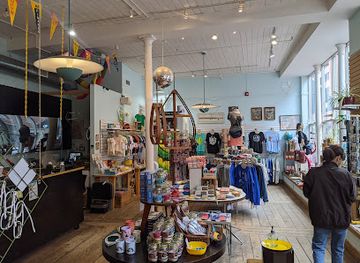
Portland’s Old Port and adjacent peninsula streets offer the region’s most concentrated shopping, with independent clothing shops, bookshops, galleries, design stores, food retailers and businesses selling Maine-made goods. The character is more individual and craft-oriented than that of a large suburban shopping complex, although South Portland and surrounding communities provide conventional retail and everyday services. Visitors seeking regional products can look for Maine maple goods, blueberry preserves, sea salt, craft beer, cider, ceramics, artwork, textiles and coastal-themed objects, while local food markets provide a more useful souvenir than generic maritime merchandise. Portland’s galleries and artist-led shops reflect the wider creative economy, and farmers’ markets in the city and nearby towns are good places to encounter seasonal produce and small-scale producers. Retail hours and market schedules vary, particularly on islands and outside the summer period, so check locally before making a special journey.
-
Gift shop
Land's End Gift Shop
Explore the charm of Land's End Gift Shop on Bailey Island, where unique gifts and stunning coastal views await every visitor.
-
Department store
Renys Department Store
Explore Renys Department Store in Portland, Maine – a treasure trove of affordable finds and local charm.
-
Gift shop
The Maine Souvenir Shop - Portland
Explore the heart of Maine at The Maine Souvenir Shop in Portland, where local artistry meets unforgettable gifts for every traveler.
-
Gift shop
Pinecone+Chickadee
Explore Pinecone+Chickadee, Portland's charming gift shop featuring local art, vintage finds, and unique souvenirs that embody Maine's creative spirit.

Get your free copy of our complete guide to Greater Portland and Casco Bay, delivered straight to you.
Everything on this page, from attractions and restaurants to essentials and local phrases, in one PDF you can read offline, print or share.
Already have an account? Sign in
Your Greater Portland and Casco Bay guide is ready.
We'll send it to · Not you? Sign out

Getting your guide ready…
We are putting together a fresh copy of the Greater Portland and Casco Bay guide. This can take up to a minute.
This can take a few moments. If your browser asks, choose Allow so the download can start. You'll find the guide in your Downloads folder.
Nothing happened? Download it again
Sorry, the guide is taking longer than usual. Please try again in a minute, or get it by email instead.
Greater Portland and Casco Bay essentials
Currency and Payment
Safety
Emergency Situations
Do's and Don'ts
Local Tips
From Eve
Local phrases worth knowing
You don't need to get them perfect. A few words go a long way, and locals appreciate the effort.
Basics
| English | Local | Say it |
|---|---|---|
| Hello | Howdy | [/ˈhaʊ.di/] |
| Goodbye | See ya! | [/siː jə/] |
| Yes | Yup | [/jʌp/] |
| No | Nah | [/nɑː/] |
| Please/You're welcome | Sure thing | [/ʃʊr θɪŋ/] |
| Thank you | Thanks a lot | [/θæŋks ə lɑt/] |
| Excuse me/Sorry | Pardon me | [/ˈpɑr.dən mi/] |
| How are you? | How's it going? | [/haʊz ɪt ˈɡoʊ.ɪŋ/] |
| Fine. And you? | Doing well. You? | [/ˈduː.ɪŋ wɛl. ju/] |
| Do you speak English? | Do ya speak English? | [/duː jə spiːk ˈɪŋ.ɡlɪʃ/] |
| I don't understand | I don't get it | [/aɪ doʊnt ɡɛt ɪt/] |
Eating & Drinking
| English | Local | Say it |
|---|---|---|
| I'd like to see the menu, please | Can I see the menu, please? | [/kæn aɪ siː ðə ˈmɛn.juː pliz/] |
| I don't eat meat | I ain't into meat | [/aɪ eɪnt ˈɪntuː miːt/] |
| Cheers! | Cheers! | [/tʃɪrz/] |
| I would like to pay, please | Can I get the check, please? | [/kæn aɪ ɡɛt ðə tʃɛk pliz/] |
Emergencies
| English | Local | Say it |
|---|---|---|
| Help! | Help! | [/hɛlp/] |
| Go away! | Get lost! | [/ɡɛt lɔst/] |
| Call the Police! | Call the cops! | [/kɔl ðə kɑps/] |
| Call a doctor! | Get a doc! | [/ɡɛt ə dɑk/] |
| I'm lost | I’m turned around | [/aɪm tɜrnd əˈraʊnd/] |
| I'm ill | I'm not feeling well | [/aɪm nɑt ˈfiː.lɪŋ wɛl/] |
Shopping
| English | Local | Say it |
|---|---|---|
| I'd like to buy... | I want to buy... | [/aɪ wɑnt tuː baɪ/] |
| I'm just looking | Just browsing | [/dʒʌst ˈbraʊ.zɪŋ/] |
| How much is it? | What’s the price? | [/wɑts ðə praɪs/] |
| That's too expensive | That's a bit steep | [/ðæts ə bɪt stiːp/] |
| Can you lower the price? | Can you bring down the price? | [/kæn juː brɪŋ daʊn ðə praɪs/] |
Time & Numbers
| English | Local | Say it |
|---|---|---|
| What time is it? | What time ya got? | [/wɑt taɪm jə ɡɑt/] |
| It's one o'clock | It's one | [/ɪts wʌn/] |
| Half past (10) | Half past ten | [/hæf pæst tɛn/] |
| Morning | Mornin' | [/ˈmɔrnɪn/] |
| Afternoon | Afternoon | [/ˌæf.tərˈnun/] |
| Evening | Evenin' | [/ˈiːv.nɪŋ/] |
| Yesterday | Yest'day | [/ˈjɛs.tə.deɪ/] |
| Today | Today | [/təˈdeɪ/] |
| Tomorrow | Tomorra' | [/təˈmɔroʊ/] |
| 1 | One | [/wʌn/] |
| 2 | Two | [/tuː/] |
| 3 | Three | [/θriː/] |
| 4 | Four | [/fɔr/] |
| 5 | Five | [/faɪv/] |
| 6 | Six | [/sɪks/] |
| 7 | Seven | [/ˈsɛv.ən/] |
| 8 | Eight | [/eɪt/] |
| 9 | Nine | [/naɪn/] |
| 10 | Ten | [/tɛn/] |
Transport & Directions
| English | Local | Say it |
|---|---|---|
| Where's a/the...? | Where's a...? | [/wɛrz ə.../] |
| What's the address? | What's the addy? | [/wɑts ðə ˈæd.i/] |
| Can you show me (on the map)? | Can you point it out? | [/kæn juː pɔɪnt ɪt aʊt/] |
| When's the next (bus)? | When's the next bus? | [/wɛn'z ðə nɛkst bʌs/] |
| A ticket (to ....) | A ticket to... | [/ə ˈtɪk.ɪt tuː/] |
History of Greater Portland and Casco Bay
Wabanaki Homelands and Early Coastal Settlement
The shores and islands of Casco Bay lie within the traditional homelands of the Wabanaki peoples, including the Abenaki and related communities whose histories predate European settlement by thousands of years. The bay’s islands, estuaries and rivers supported seasonal travel, fishing, shellfish gathering and wider networks of exchange. European descriptions and later colonial development often obscured these continuing Indigenous connections, but Wabanaki presence remains an essential part of the region’s history. Archaeological evidence and cultural knowledge demonstrate that Casco Bay was never an empty wilderness awaiting settlement.
European Settlement and the Growth of Falmouth
English settlement developed around the Fore River and Casco Bay during the seventeenth century, although conflict and warfare repeatedly disrupted colonial communities. The settlement that became Portland was first known as Falmouth, and its harbour encouraged fishing, shipbuilding and trade with other parts of New England and the Atlantic world. Cape Elizabeth and the surrounding coastal communities developed through a mixture of farming, maritime work and small-scale commerce. The region’s exposed position made both its harbour and its approaches strategically important.
Revolutionary War and the Burning of Portland
The settlement suffered a major destruction during the American Revolutionary War when British forces burned much of Falmouth in 1775. The event became a powerful episode in local memory and contributed to the decision to adopt the name Portland after Maine separated from Massachusetts and became a state in 1820. Rebuilding strengthened the town’s commercial role, while its harbour continued to support coastal shipping, fishing and trade. The later street plan and surviving historic buildings reflect repeated cycles of fire, reconstruction and nineteenth-century prosperity.
Portland as a Maritime and Commercial Centre
During the nineteenth century Portland became an important port for grain, timber, fish and manufactured goods, with rail connections extending its commercial reach beyond the coast. The city’s waterfront, warehouses and shipyards connected Maine to other American ports and to international trade. Wealth generated through shipping and commerce helped produce the substantial homes and civic institutions visible in the West End and central Portland. Railways and steamships also made the coast more accessible to visitors, beginning the region’s long association with both industry and seaside travel.
Lighthouses, Shipbuilding and Casco Bay Defence
Navigation around Casco Bay required reliable lights and harbour protection. Portland Head Light, commissioned in 1791 in what is now Cape Elizabeth, became a crucial guide for vessels entering the approaches to Portland Harbour and remains one of the region’s most recognisable structures. Fort Preble in South Portland and other coastal defences reflect the strategic importance of the bay from the early republic through the twentieth century. Shipbuilding, naval activity and commercial fishing continued to shape waterfront communities even as the economy gradually diversified.
Modern Portland and the Renewal of the Waterfront
The twentieth century brought industrial change, suburban growth and periods when parts of Portland’s historic centre faced demolition or decline. From the late twentieth century, preservation, adaptive reuse and investment in the Old Port helped restore brick commercial buildings and re-established the peninsula as a cultural and dining centre. At the same time, Portland retained working piers, ferry services and maritime businesses rather than becoming solely a heritage district. The modern region combines tourism with fishing, education, healthcare, creative industries and the everyday life of a state capital-region economy.
Greater Portland and Casco Bay in Photos
Browse through our photo collection highlighting the charm and character of the destination.
Neighbouring regions of Greater Portland and Casco Bay
The closest regions to Greater Portland and Casco Bay, if you have time for more than one.
-

-

-

-

-


Swipe for more regions
Explore more

Explore more of Maine
Discover Maine's breathtaking landscapes, charming coastal towns, and rich cultural heritage. From Acadia's cliffs to fresh lobster feasts, Maine promises an unforgettable adventure.
Explore Maine