

Portland Head Light, Maine Travel Guide
Discover the charm of Portland Head Light, an iconic lighthouse in Cape Elizabeth, Maine, offering stunning coastal views and rich historical insights.
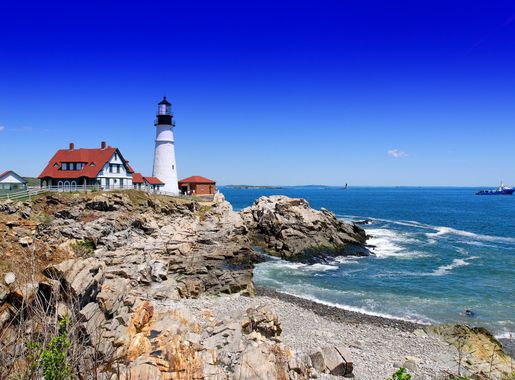
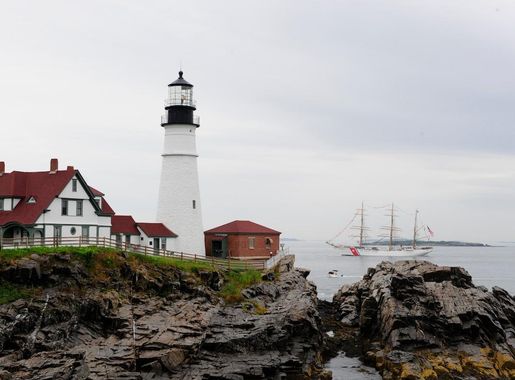
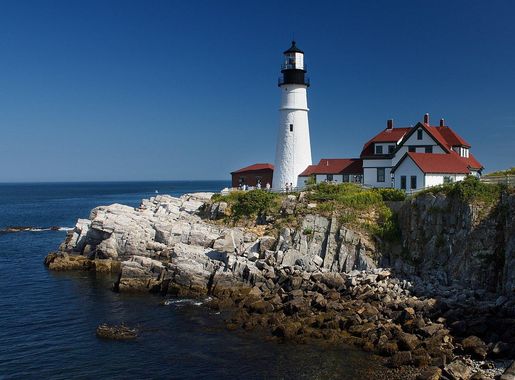
Portland Head Light, located in Cape Elizabeth, Maine, is one of the most iconic lighthouses in the United States. This historic lighthouse, commissioned by George Washington in 1791, stands as a symbol of America's maritime heritage. It offers visitors not only a glimpse into the past but also breathtaking views of the rugged Maine coastline. The lighthouse is situated within Fort Williams Park, which spans 90 acres and provides ample opportunities for exploration. Visitors can enjoy walking trails, picnic spots, and scenic vistas. The park also features the ruins of Fort Williams, adding a historical dimension to the natural beauty of the area. The adjacent museum, housed in the former keeper's quarters, offers fascinating exhibits about the lighthouse's history, its keepers, and the maritime culture of the region. Seasonal events and guided tours enhance the visitor experience, making it a must-visit destination for history buffs and nature lovers alike.

Know before you go
Hi, I'm Eve. Here are a few practical things to know before exploring Portland Head Light.
- Visit early in the morning or late in the afternoon to avoid crowds and enjoy the best light for photography.
- Wear comfortable shoes for walking the trails and exploring the park.
- Pack a picnic and take advantage of the picturesque picnic areas within Fort Williams Park.
- Check the museum's schedule for special events and guided tours to enhance your visit.
- Bring binoculars for bird watching and spotting ships off the coast.
Explore Portland Head Light: Things to Do, Places to Eat, Hotels & More
Handpicked recommendations for top attractions, local dining, accommodations, and more

Best attractions in Portland Head Light
Top-rated picks
Best Attractions

Fort Williams Park
Explore the beauty of Fort Williams Park, featuring stunning coastal views, historical landmarks, and lush greenery in Cape Elizabeth, Maine.

Willard Beach
Discover the serene beauty of Willard Beach in South Portland, Maine, where sandy shores meet stunning ocean views for the perfect coastal getaway.


Explore Portland Head Light on the Map
A handpicked selection of must-see spots in Portland Head Light, mapped for you.
Portland Head Light Essentials
-
Portland Head Light is located in Cape Elizabeth, Maine. The nearest airport is Portland International Jetport, approximately 8 miles away. From the airport, you can rent a car, take a taxi, or use ride-sharing services to reach the lighthouse. Alternatively, Amtrak's Downeaster train service operates between Boston and Portland, offering a scenic route. From Portland, you can take a taxi or a bus to Cape Elizabeth.
-
Once in Cape Elizabeth, you can explore the area by car, bicycle, or on foot. Car rentals are available at Portland International Jetport and in downtown Portland. Local bus services, provided by METRO, connect Portland with Cape Elizabeth. Biking is also a popular option, with several bike rental shops available in Portland. Walking trails around the lighthouse offer excellent opportunities for leisurely strolls.
-
The official currency is the United States Dollar (USD). Credit cards are widely accepted at most establishments, including restaurants, shops, and parking facilities. ATMs are available in nearby Portland and Cape Elizabeth for cash withdrawals. It is advisable to carry some cash for smaller vendors or in case of technical issues with card payment systems.
-
Cape Elizabeth is generally a safe area with low crime rates. However, it is always wise to take standard precautions. Avoid leaving personal belongings unattended and be cautious in isolated areas, especially after dark. Portland, the nearest city, also has a low crime rate, but like any urban area, it is best to stay alert and aware of your surroundings.
-
In case of emergency, dial 911 for immediate assistance. The nearest hospital is Maine Medical Center in Portland, approximately 7 miles from Portland Head Light. For minor health issues, several pharmacies are located in Portland and Cape Elizabeth. It is recommended to have travel insurance that covers medical emergencies.
-
Fashion: Do dress in layers, as coastal weather can be unpredictable. Wear comfortable shoes for walking. Religion: Do respect the local customs and traditions, although Cape Elizabeth is not particularly religious. Public Transport: Do be courteous and offer your seat to elderly passengers. Don't eat or drink on public transport. Greetings: Do greet people with a smile and a friendly 'hello.' Eating & Drinking: Do try the local seafood, especially lobster rolls. Don't forget to tip service staff, typically 15-20% of the bill.
-
To experience Portland Head Light like a local, visit during the early morning or late afternoon to avoid crowds and enjoy the best lighting for photography. Bring a picnic and enjoy it at Fort Williams Park, which surrounds the lighthouse. Explore the nearby rocky coastline and walking trails. Don't miss the small museum located in the former keeper's quarters, which offers interesting historical insights. Engage with locals, who are often happy to share their knowledge and love for the area.
When is the best time to visit Portland Head Light?
Useful Local Phrases for Portland Head Light
You don't need to speak the language perfectly. Even learning a few simple words can make conversations warmer—and locals usually appreciate the effort.
— Eve

Here are the phrases I use most often in Portland Head Light. Try a few—you'll be surprised how far they go! 😊
❤️
-
- HelloHey
[hey] - GoodbyeSee ya
[see ya] - YesYup
[yup] - NoNah
[nah] - Please/You're welcomePlease/You're welcome
[please/you're welcome] - Thank youThanks
[thanks] - Excuse me/SorrySorry
[sorry] - How are you?How's it going?
[how's it going] - Fine. And you?Good. You?
[good. you] - Do you speak English?Y'all speak English?
[y'all speak english] - I don't understandI don't get it
[I don't get it]
- HelloHey
-
- I'd like to see the menu, pleaseCan I check the menu?
[can i check the menu] - I don't eat meatI'm vegetarian
[I'm vegetarian] - Cheers!Cheers!
[cheers] - I would like to pay, pleaseCan I pay, please
[can i pay please]
- I'd like to see the menu, pleaseCan I check the menu?
-
- Help!Help!
[help] - Go away!Get lost!
[get lost] - Call the Police!Call the cops!
[call the cops] - Call a doctor!Get a doctor!
[get a doctor] - I'm lostI'm lost
[I'm lost] - I'm illI'm sick
[I'm sick]
- Help!Help!
-
- I'd like to buy...I wanna buy...
[I wanna buy] - I'm just lookingI'm just browsing
[I'm just browsing] - How much is it?How much does it cost?
[how much does it cost] - That's too expensiveThat's pricey
[that's pricey] - Can you lower the price?Can you give me a deal?
[can you give me a deal]
- I'd like to buy...I wanna buy...
-
- What time is it?What's the time?
[what's the time] - It's one o'clockIt's one
[it's one] - Half past (10)Half ten
[half ten] - MorningMorning
[morning] - AfternoonAfternoon
[afternoon] - EveningEvening
[evening] - YesterdayYesterday
[yesterday] - TodayToday
[today] - TomorrowTomorrow
[tomorrow] - 1One
[one] - 2Two
[two] - 3Three
[three] - 4Four
[four] - 5Five
[five] - 6Six
[six] - 7Seven
[seven] - 8Eight
[eight] - 9Nine
[nine] - 10Ten
[ten]
- What time is it?What's the time?
-
- Where's a/the...?Where's the...?
[where's the] - What's the address?What's the address?
[what's the address] - Can you show me (on the map)?Show me (on the map)
[show me on the map] - When's the next (bus)?When's the next (bus)?
[when's the next bus] - A ticket (to ....)A ticket to ...
[a ticket to]
- Where's a/the...?Where's the...?
History of Portland Head Light
-
Portland Head Light, located in Cape Elizabeth, Maine, was commissioned by George Washington and constructed in 1791. It is the oldest lighthouse in Maine and has served as a beacon for mariners navigating the rocky coastline of the northeastern United States. The original structure was made of rubble stone and stood at 72 feet high.
-
During the Civil War, Portland Head Light played a crucial role in safeguarding the port of Portland, which was of strategic importance to the Union Navy. The lighthouse was maintained and kept operational to ensure the safe passage of Union ships and to prevent Confederate raiders from entering the harbor.
-
In 1891, a severe storm wreaked havoc along the Maine coast, damaging Portland Head Light. Subsequently, the lighthouse was rebuilt with a new, taller tower constructed from brick and granite, raising its height to 80 feet. This reconstruction included the installation of a more powerful Fresnel lens to enhance its visibility.
-
During World War II, Portland Head Light became part of the coastal defense system to protect against potential Axis naval attacks. The U.S. Army installed searchlights and gun emplacements around the lighthouse to monitor and defend the coastline. The lighthouse continued to guide both military and commercial vessels during this time.
-
In 1989, Portland Head Light was automated, eliminating the need for a full-time lighthouse keeper. Modern technology, including electric lights and automated systems, ensured the lighthouse continued its vital function. Despite these changes, the lighthouse maintained its historical significance and charm.
-
Today, Portland Head Light stands as a symbol of Maine's maritime heritage and is a popular tourist destination. The adjacent museum, located in the former keeper's house, offers exhibits on the lighthouse's history and the region's nautical past. Visitors from around the world come to admire the breathtaking views and learn about the rich history of this iconic landmark.
Neighbouring destination travel guides
Browse our curated selection of top destinations, scenic points, and must-visit spots in the area.


Your all‑in‑one travel companion app
Explore expert travel guides, compare and book tours, experiences, hotels, and more—all from the palm of your hand. Download now for seamless trip planning wherever your wanderlust takes you.


Explore More of Greater Portland and Casco Bay

Looking beyond Portland Head Light? Discover Greater Portland and Casco Bay for broader travel guides, local hot-spots, and regional highlights.
Explore Greater Portland and Casco BayExplore More of Maine

Looking beyond Portland Head Light? Discover Maine for broader travel guides, local hot-spots, and regional highlights.
Explore MainePortland Head Light in Photos
Browse through our photo collection highlighting the charm and character of the destination.





Portland Head Light: A Beacon of History and Beauty
Portland Head Light, located in Cape Elizabeth, Maine, is one of the most iconic lighthouses in the United States. This historic lighthouse, commissioned by George Washington in 1791, stands as a symbol of America's maritime heritage. It offers visitors not only a glimpse into the past but also breathtaking views of the rugged Maine coastline. The lighthouse is situated within Fort Williams Park, which spans 90 acres and provides ample opportunities for exploration. Visitors can enjoy walking trails, picnic spots, and scenic vistas. The park also features the ruins of Fort Williams, adding a historical dimension to the natural beauty of the area. The adjacent museum, housed in the former keeper's quarters, offers fascinating exhibits about the lighthouse's history, its keepers, and the maritime culture of the region. Seasonal events and guided tours enhance the visitor experience, making it a must-visit destination for history buffs and nature lovers alike.