

Moosehead Lake Travel Guide - Free Web & App
Your ultimate guide to Moosehead Lake. Discover top landmarks, proposed trips, and local tips. Free on the web or via the Evendo companion app.


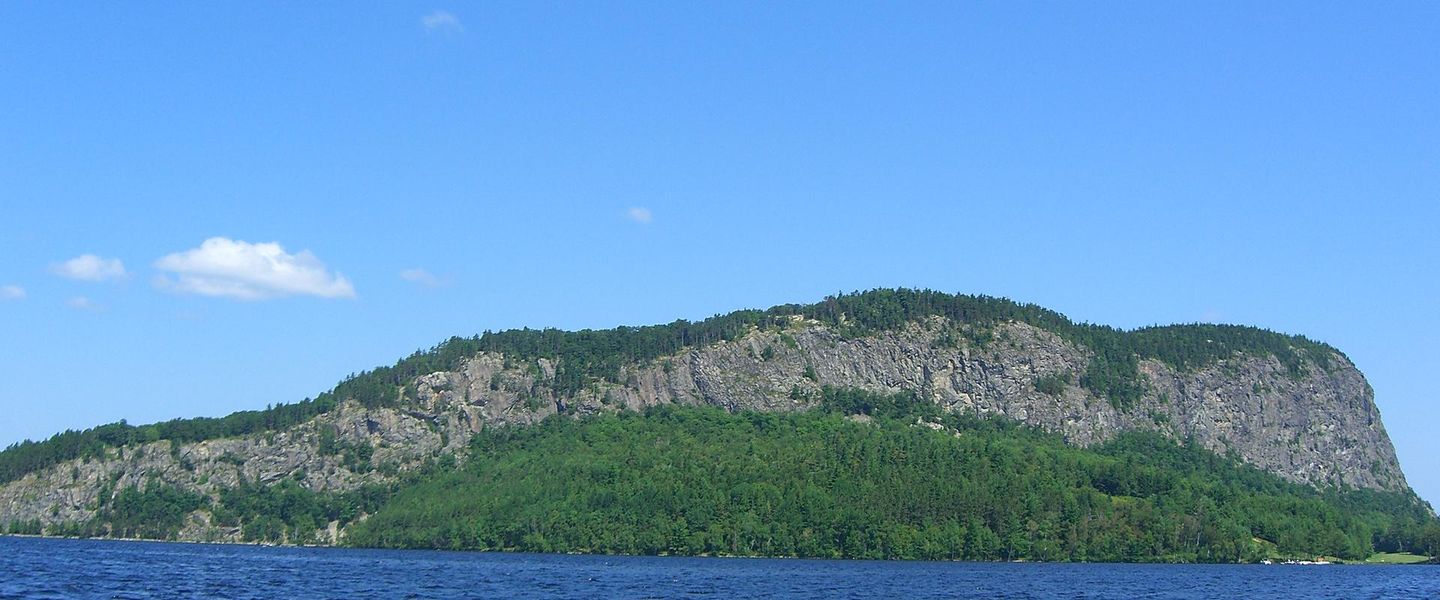


Moosehead Lake, Maine, pairs vast northern waters with Mount Kineo, forested shores, wildlife, paddling, hiking and historic Greenville in the North Woods.
A Vast Inland Landscape
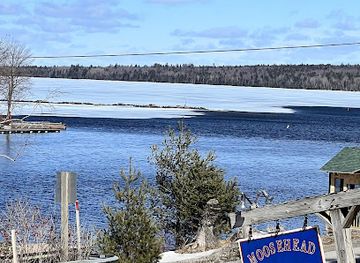
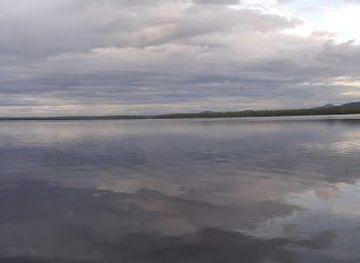
Moosehead Lake occupies the centre of Maine’s North Woods, a broad, forest-fringed expanse of water surrounded by low mountains, secluded coves and working woodland. It is Maine’s largest lake, stretching for many miles between the small communities of Greenville, Rockwood and Kokadjo, with its shores extending into a sparsely settled landscape where roads, trails and waterways often determine the rhythm of a visit. The lake’s remote scale is best understood from the water, from elevated viewpoints such as Mount Kineo, or from quiet roads that cross the surrounding forest.Read more about Moosehead Lake
Water, Forest and Wildlife
North Woods Heritage
When is the best time to visit Moosehead Lake?
Best: June–August · 21–24°C| Month | High (°C) | Rainfall (mm) |
|---|---|---|
| January | -6 | 70 |
| February | -6 | 60 |
| March | 2 | 70 |
| April | 9 | 80 |
| May | 16 | 90 |
| June (best) | 21 | 90 |
| July (best) | 24 | 100 |
| August (best) | 24 | 90 |
| September | 18 | 90 |
| October | 13 | 90 |
| November | 6 | 80 |
| December | -3 | 80 |
Getting to and around Moosehead Lake
How to get there
Transportation
Best attractions in Moosehead Lake
Moosehead Lake itself is the principal attraction, with broad water views, forested bays and opportunities for paddling, boating, fishing and shoreline recreation where access is permitted. Mount Kineo is the region’s defining landform, rising dramatically from the lake and offering hiking routes and elevated views after a boat journey from the Rockwood area. On the eastern shore, Lily Bay State Park combines beaches, picnic areas, campsites and woodland trails at sites including Dunn Point and Rowell Pond. Greenville provides the Moosehead Marine Museum and the historic steamboat Katahdin, linking present-day visits with the lake’s transport history. Roads towards Kokadjo and the northern shore lead into quieter North Woods landscapes, while wildlife-watching excursions around the lake may reveal moose, loons and bald eagles without guaranteeing sightings. The small settlement of Rockwood is also an important access point for lake-based excursions and Mount Kineo.
-
State park
Lily Bay State Park
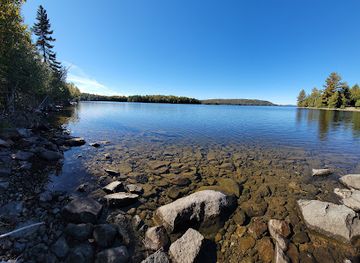
Explore the breathtaking landscapes, diverse wildlife, and outdoor adventures at Lily Bay State Park, a true gem in Maine’s wilderness.
-
Ski resort
Big Moose Mountain Ski Area
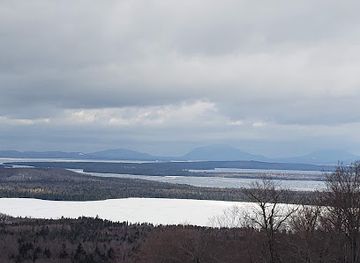
Experience thrilling slopes and breathtaking views at Big Moose Mountain Ski Area, a premier ski destination in the heart of Maine's winter landscape.
-
 Inn
InnBlair Hill Inn, Moosehead Lake
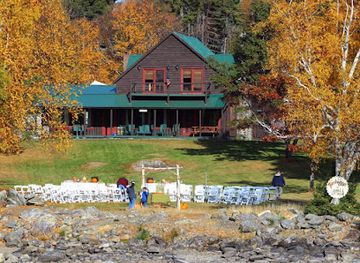
Discover the serene luxury of Blair Hill Inn on Moosehead Lake, where elegant accommodations meet fine dining and breathtaking natural beauty.
-
Log cabins
Tomhegan Wilderness Cabins
Discover the beauty of Maine at Tomhegan Wilderness Cabins – your perfect retreat for family fun, wildlife encounters, and relaxation in nature.
Explore Moosehead Lake on the map
Plan your trip on one map. See where the top attractions, landmarks, restaurants and hotels are, and book hotels and experiences in a few clicks.
Best hotels in Moosehead Lake
Best restaurants in Moosehead Lake
Dining around Moosehead Lake is concentrated in Greenville, Rockwood and a small number of rural visitor settlements rather than distributed continuously along the shoreline. Visitors can expect a practical North Woods mix of cafés, diners, pubs, casual restaurants and provisions for self-catering, with menus shaped by American comfort food, locally sourced ingredients where available, and the needs of boaters, hikers and seasonal residents. Greenvile’s service role makes it the most dependable place to find groceries and a choice of meals, while Rockwood offers options suited to travellers exploring the western lake. Farm stands, general stores and outdoor-oriented businesses may provide useful supplies, but opening patterns can be seasonal and distances are considerable. Those staying in camps, cottages or remote lodges should plan provisions in advance, particularly before travelling along less-serviced roads or heading out on the water.
-
American
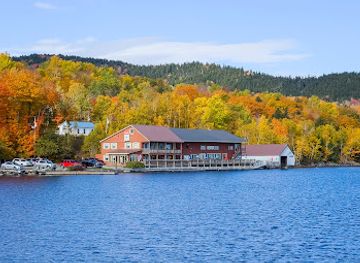
Kelly's Landing
Discover delightful American cuisine at Kelly's Landing - a family-friendly restaurant nestled in beautiful Greenville Junction near Moosehead Lake.
-
Restaurant
368 Maine
Experience exquisite dining at 368 Maine, where local flavors meet breathtaking views in the heart of Greenville.
Best bars in Moosehead Lake
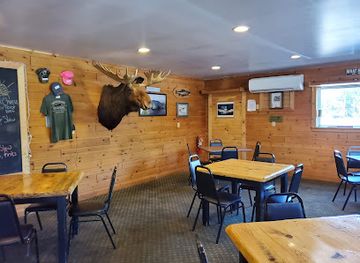
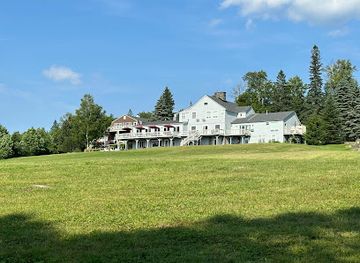
Moosehead Lake has a quiet, rural evening culture rather than a nightclub scene. Greenville and Rockwood provide the principal opportunities for an evening drink, usually in the form of a local pub, restaurant bar, lodge setting or informal gathering place, while some accommodation properties create a social atmosphere for guests. Seasonal community events and outdoor-oriented hospitality may add occasional entertainment, but programmes and opening patterns should be checked locally rather than assumed. Away from the settlements, evenings are defined by dark skies, campfires where authorised, lakeside quiet and the sounds of the surrounding forest. Visitors should remember that roads are long, lighting is limited and alcohol should never be combined with boating, driving or other outdoor activities.
-
American
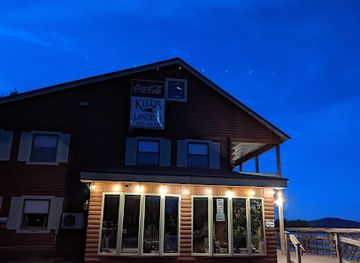
Kelly's Landing
Experience the warmth of American dining at Kelly's Landing, where delicious meals meet stunning views of Moosehead Lake.
-
Log cabins
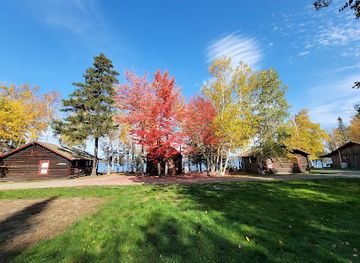
The Birches Resort
Discover the charm of The Birches Resort, where rustic log cabins meet stunning wilderness and endless adventure in Maine.
-
Grill
Rockwood Bar & Grill
Experience the delectable fusion of local flavors and classic grill favorites at Rockwood Bar & Grill in the heart of Rockwood, Maine.
-
Restaurant
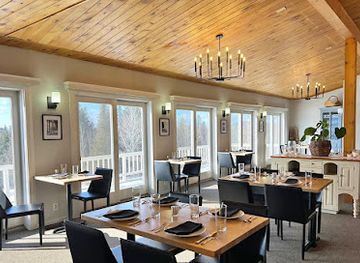
The Lodge at Moosehead Lake
Experience the best of Maine's flavors and hospitality at The Lodge at Moosehead Lake, where stunning views meet culinary excellence.
Best nightclubs in Moosehead Lake
Moosehead Lake has a quiet, rural evening culture rather than a nightclub scene. Greenville and Rockwood provide the principal opportunities for an evening drink, usually in the form of a local pub, restaurant bar, lodge setting or informal gathering place, while some accommodation properties create a social atmosphere for guests. Seasonal community events and outdoor-oriented hospitality may add occasional entertainment, but programmes and opening patterns should be checked locally rather than assumed. Away from the settlements, evenings are defined by dark skies, campfires where authorised, lakeside quiet and the sounds of the surrounding forest. Visitors should remember that roads are long, lighting is limited and alcohol should never be combined with boating, driving or other outdoor activities.
-
Bar
Woody's Bar
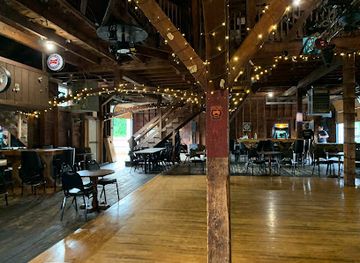
Discover the heart of Greenville Junction nightlife at Woody's Bar, where delicious food and vibrant atmosphere come together for an unforgettable experience.
Best shops in Moosehead Lake
Shopping at Moosehead Lake is practical and locally focused, with the greatest concentration in Greenville and smaller provisions in Rockwood and other gateway settlements. General stores, outfitters and independent businesses cater to visitors preparing for boating, fishing, hiking and camping, while groceries and everyday supplies are important purchases before travelling into the more remote North Woods. Visitors may also find regional food products, locally made crafts, artwork, books, clothing and souvenirs connected with Maine’s forests, lakes and wildlife, although stock and opening patterns vary by season. Farm stands and small producers appear in the wider area rather than forming a continuous market district. The destination is not a large retail centre, so specialist equipment, extensive shopping and last-minute provisions are best arranged in Greenville or a larger town before reaching the lake.
-
Cannabis store
Moosehead Medicine
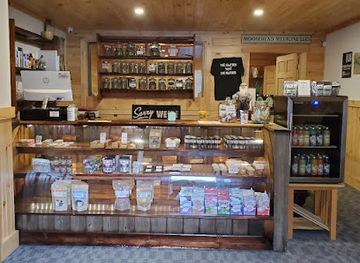
Discover Moosehead Medicine in Greenville Junction, Maine – your premier destination for quality cannabis products amidst breathtaking natural beauty.
-
Statuary
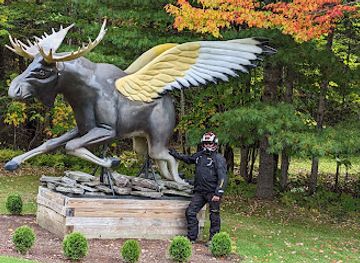
Flying Moose
Discover the whimsical charm of the Flying Moose in Rockwood, Maine – a must-see statue that captures the spirit of local artistry and adventure.
-
Bait shop
Moosehead Bait and Tackle
Discover the charm of Moosehead Bait and Tackle, your go-to destination for fishing gear and local expertise in Rockwood, Maine.
-
Shopping mall
Driftwood Cabins
Explore Driftwood Cabins in Rockwood, Maine – a charming shopping destination showcasing local crafts and a slice of Maine's natural beauty.
Get your free copy of our complete guide to Moosehead Lake, delivered straight to you.
Everything on this page, from attractions and restaurants to essentials and local phrases, in one PDF you can read offline, print or share.
Already have an account? Sign in
Your Moosehead Lake guide is ready.
We'll send it to · Not you? Sign out

Getting your guide ready…
We are putting together a fresh copy of the Moosehead Lake guide. This can take up to a minute.
This can take a few moments. If your browser asks, choose Allow so the download can start. You'll find the guide in your Downloads folder.
Nothing happened? Download it again
Sorry, the guide is taking longer than usual. Please try again in a minute, or get it by email instead.
Moosehead Lake essentials
Currency and Payment
Safety
Emergency Situations
Do's and Don'ts
Local Tips
From Eve
Local phrases worth knowing
You don't need to get them perfect. A few words go a long way, and locals appreciate the effort.
Basics
| English | Local | Say it |
|---|---|---|
| Hello | Ayuh | [ah-yuh] |
| Goodbye | See ya later | [see yah lay-tah] |
| Yes | Yup | [yup] |
| No | Naw | [naw] |
| Please/You're welcome | Please/You're welcome | [Please/You're welcome] |
| Thank you | Much obliged | [much uh-blahy-jed] |
| Excuse me/Sorry | Pardon me | [pahr-dn me] |
| How are you? | How's it goin'? | [hows it go-in] |
| Fine. And you? | Fine. And you? | [Fine. And you?] |
| Do you speak English? | Do ya speak English? | [do yah speak ing-glish] |
| I don't understand | I ain't gettin' ya | [I aint get-tin yah] |
Eating & Drinking
| English | Local | Say it |
|---|---|---|
| I'd like to see the menu, please | I'd like to see the menu, please | [I'd like to see the menu, please] |
| I don't eat meat | I don't eat meat | [I don't eat meat] |
| Cheers! | Cheers! | [Cheers!] |
| I would like to pay, please | I would like to pay, please | [I would like to pay, please] |
Emergencies
| English | Local | Say it |
|---|---|---|
| Help! | Help! | [Help!] |
| Go away! | Git outta here! | [Git outta here!] |
| Call the Police! | Call the Law! | [Call the Law!] |
| Call a doctor! | Call a doc! | [Call a doc!] |
| I'm lost | I'm turned around | [I'm turned around] |
| I'm ill | I'm feelin' under the weather | [I'm feelin' under the weather] |
Shopping
| English | Local | Say it |
|---|---|---|
| I'd like to buy... | I'm lookin' to buy... | [I'm lookin' to buy...] |
| I'm just looking | I'm just browsin' | [I'm just browsin'] |
| How much is it? | How much for that? | [How much for that?] |
| That's too expensive | That's wicked pricey | [That's wicked pricey] |
| Can you lower the price? | Can ya do any better? | [Can ya do any better?] |
Time & Numbers
| English | Local | Say it |
|---|---|---|
| What time is it? | What's the time? | [What's the time?] |
| It's one o'clock | It's one o'clock | [It's one o'clock] |
| Half past (10) | Half past ten | [Half past ten] |
| Morning | Mornin' | [Mornin'] |
| Afternoon | Afternoon | [Afternoon] |
| Evening | Evenin' | [Evenin'] |
| Yesterday | Yestiddy | [Yestiddy] |
| Today | Today | [Today] |
| Tomorrow | Tomorra | [Tomorra] |
| 1 | One | [One] |
| 2 | Two | [Two] |
| 3 | Three | [Three] |
| 4 | Four | [Four] |
| 5 | Five | [Five] |
| 6 | Six | [Six] |
| 7 | Seven | [Seven] |
| 8 | Eight | [Eight] |
| 9 | Nine | [Nine] |
| 10 | Ten | [Ten] |
Transport & Directions
| English | Local | Say it |
|---|---|---|
| Where's a/the...? | Where's the... | [Where's the...] |
| What's the address? | What's the address? | [What's the address?] |
| Can you show me (on the map)? | Can ya point it out (on the map)? | [Can ya point it out (on the map)?] |
| When's the next (bus)? | When's the next (bus)? | [When's the next (bus)?] |
| A ticket (to ....) | A ticket (to ....) | [A ticket (to ....)] |
History of Moosehead Lake
A Glacial Lake in the North Woods
Moosehead Lake occupies a landscape shaped by the last Ice Age, when moving continental ice enlarged existing valleys and left the region’s rounded mountains, rocky shorelines and interconnected waterways. As the ice retreated, it exposed the broad basin and forested uplands that define the lake today. This geological inheritance influenced every later form of travel and settlement: water offered the easiest route through a difficult inland terrain, while the surrounding forests supplied timber and supported hunting, fishing and seasonal use.
Wabanaki Homelands and Early Travel
The Moosehead region lies within the wider cultural landscape of the Wabanaki peoples, whose communities travelled through northern Maine by river, lake and forest trail. The lake was part of a network linking the interior with larger river systems and hunting territories. European visitors later adopted Indigenous routes and local knowledge as they entered the North Woods, although written records from the area tend to reflect the perspectives of explorers, traders and settlers rather than fully documenting earlier Indigenous history.
Logging and Inland Commerce
From the nineteenth century onwards, the forests around Moosehead Lake became increasingly important to Maine’s timber economy. Logging camps, river drives and seasonal work transformed the relationship between communities and the woodland, while Greenville developed as a centre for transport, trade and supplies. The lake itself functioned as a practical highway, moving people, provisions and timber between remote settlements and the wider network of roads and railways that gradually reached the region.
Steamboats on Moosehead Lake
Steam navigation brought a new era of movement and tourism to the lake. Vessels carried residents, workers, sportsmen and visitors between shoreline communities and remote camps, making water travel central to the region’s economic and social life. The Katahdin, launched in 1914, is the best-known survivor of this period and is preserved by the Moosehead Marine Museum in Greenville. Its history illustrates how transport, recreation and the timber economy were intertwined on a large inland lake.
Tourism, Conservation and the Modern North Woods
As roads improved and the culture of wilderness recreation expanded, Moosehead Lake became associated with hunting, fishing, camping, boating and summer travel as well as forestry. Conservation has helped preserve important stretches of shoreline, including Lily Bay State Park, while private working forests continue to surround much of the lake. Modern visitors therefore encounter neither a wholly untouched wilderness nor an urbanised resort, but a managed and inhabited landscape where recreation, local livelihoods, access rights and environmental stewardship remain closely linked.
Moosehead Lake in Photos
Browse through our photo collection highlighting the charm and character of the destination.
Neighbouring destination travel guides
The closest destinations to Moosehead Lake, if you have time for more than one.
-

-

-

-

-
 Mount Desert Island
Discover Mount Desert Island in Maine: A blend of Acadia National Park's natural wonders, charming towns, and coastal adventures. Perfect for nature lovers and explorers.
Mount Desert Island
Discover Mount Desert Island in Maine: A blend of Acadia National Park's natural wonders, charming towns, and coastal adventures. Perfect for nature lovers and explorers.


Swipe for more destinations
Explore more

Explore more of Somerset County
Explore Somerset County, Maine, for forested lakes, Kennebec River adventures, Appalachian trails, waterfalls, rural heritage and winter recreation.
Explore Somerset County
Explore more of Maine
Discover Maine's breathtaking landscapes, charming coastal towns, and rich cultural heritage. From Acadia's cliffs to fresh lobster feasts, Maine promises an unforgettable adventure.
Explore Maine