

Free Western Maine Mountains Travel Guide & Mobile App
Explore Western Maine Mountains with free travel guides. Discover regional history, expert tips, proposed trips, and audio guides on web or mobile app.


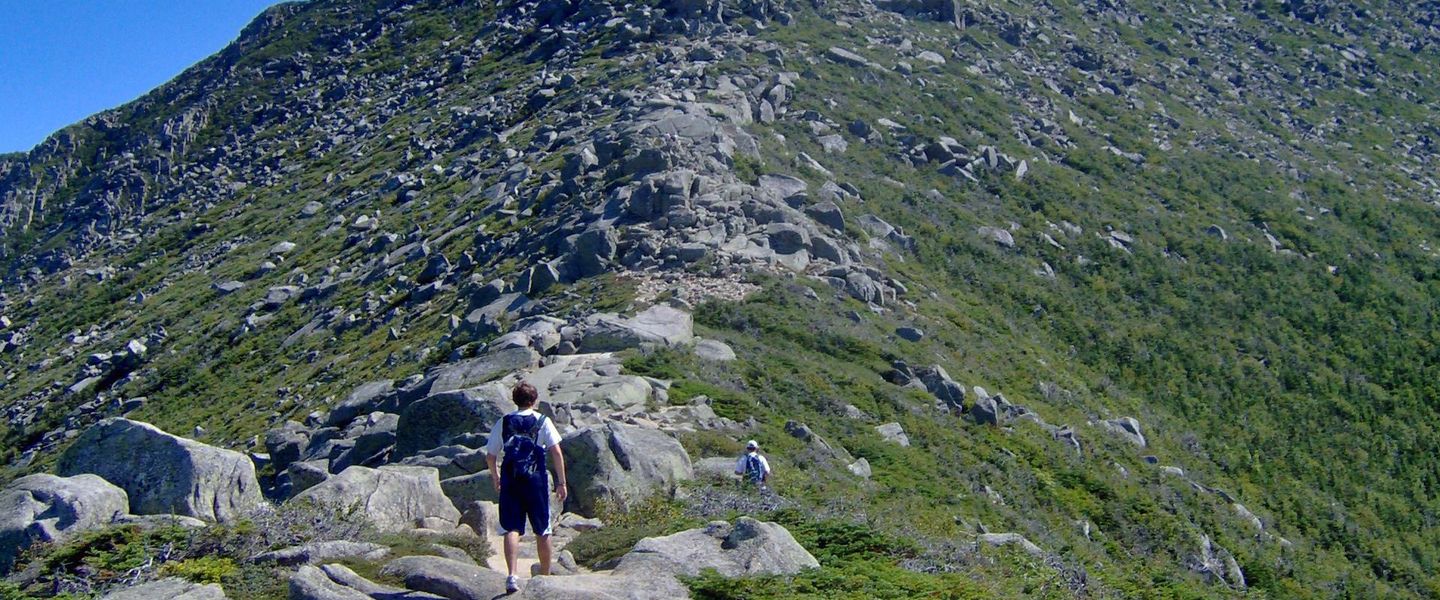


Explore Western Maine Mountains for Appalachian hikes, ski resorts, lake country, autumn colour and outdoor towns shaped by forests and rivers.
Read more about Western Maine Mountains
Getting to and around Western Maine Mountains
How to get there
Transportation
Destinations in Western Maine Mountains
Resorts, valleys and scenic spots worth a trip of their own.
-

-


Swipe for more destinations
Best attractions in Western Maine Mountains
Attractions in the Western Maine Mountains centre on the landscape and the activities it supports. Hiking ranges from accessible woodland walks to demanding Appalachian Trail and High Peaks routes, with the Bigelow Range, Old Speck and the country around Sugarloaf providing serious mountain terrain. Sunday River, Sugarloaf and smaller ski areas become winter hubs for downhill skiing, snowboarding, cross-country skiing and snowshoeing, while summer brings mountain biking and lift-served access in selected resort areas. The Rangeley Lakes district offers boating, canoeing, fishing and wildlife observation, and the Appalachian Trail provides a long-distance perspective on the region’s forests and ridges. Bethel’s historic village setting, Rumford’s industrial river valley and the small communities along US 2 and Maine Route 16 add cultural and architectural interest. Scenic drives, covered bridges, local museums, sporting camps and foliage viewpoints fill the spaces between major activity centres, but distances and seasonal closures mean that attractions are best grouped geographically.
-
National park
Acadia National Park
Discover Acadia National Park: A stunning blend of coastal beauty and mountain adventures in the heart of Maine.
-
State park
Fort Knox and Penobscot Narrows Observatory
Explore the historical Fort Knox and enjoy breathtaking views from the Penobscot Narrows Observatory, a perfect blend of history and nature in Maine.
-
Wildlife park
Maine Wildlife Park
Discover Maine Wildlife Park, where the beauty of native wildlife comes alive in a scenic, educational environment perfect for families and nature lovers.
-
State park
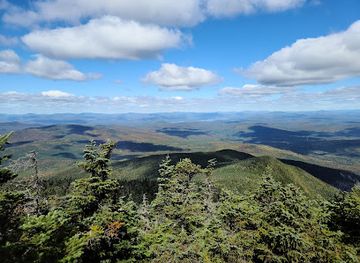
Grafton Notch State Park
Discover the breathtaking beauty of Grafton Notch State Park in Newry, Maine, where adventure and nature come together for an unforgettable experience.
Best landmarks in Western Maine Mountains
-
Hotel
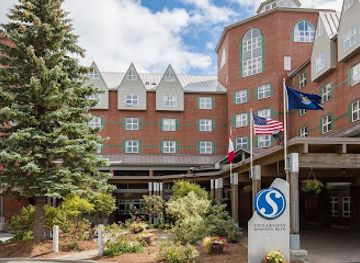
Sugarloaf Mountain Hotel
Discover the ultimate blend of luxury and adventure at Sugarloaf Mountain Hotel in Carrabassett Valley, Maine - your gateway to year-round outdoor fun.
-
Brewpub
Shipyard Brew Haus - Sugarloaf
Experience the essence of Maine at Shipyard Brew Haus - Sugarloaf, where craft beers and hearty meals await in a stunning mountain setting.
-
Hotel
Sugarloaf Inn
Discover the beauty of Carrabassett Valley at Sugarloaf Inn, the perfect hotel for outdoor enthusiasts and cozy getaways.
-
Ski resort
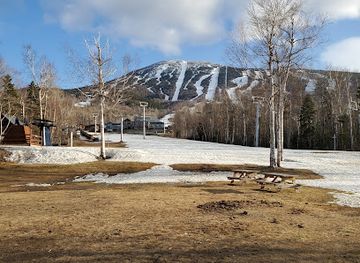
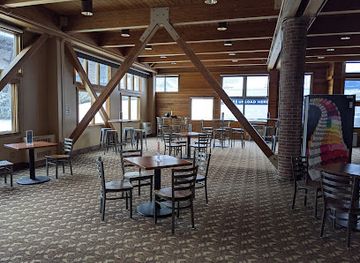
Sugarloaf Mountain Base Lodge & Ski/Snowboard Rentals
Discover the ultimate ski experience at Sugarloaf Mountain Base Lodge, where adventure meets breathtaking scenery in the heart of Maine.
Explore Western Maine Mountains on the map
Plan your trip on one map. See where the top cities, national parks and sights are, and book hotels and experiences in a few clicks.
Best hotels in Western Maine Mountains
Best restaurants in Western Maine Mountains
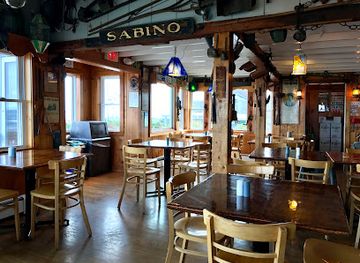
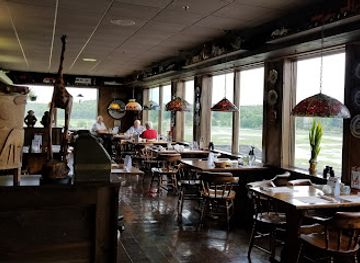
Dining is shaped by mountain tourism, rural communities and Maine’s wider food culture. In Bethel, Rangeley, Kingfield, Rumford and the resort areas, visitors will find cafés, diners, pubs, inns and contemporary restaurants, with ski-season menus often complemented by year-round local favourites. Expect hearty breakfasts, sandwiches, soups, burgers, baked goods and seafood, alongside dishes using regional farm produce when available. Maine maple syrup, wild blueberries and craft beer are prominent regional products, while trout and other freshwater fish reflect the lake country more directly than the coastal seafood associated with southern and eastern Maine. Farm stands and seasonal markets can offer produce, preserves and baked goods, and some rural inns provide traditional suppers. Restaurant choice becomes thinner outside the principal villages, so visitors staying near trailheads or on remote lakes should plan provisions rather than assume late dining will be available.
-
Seafood
The Lobster Shack at Two Lights
Experience authentic Maine seafood at The Lobster Shack at Two Lights with breathtaking ocean views and a cozy atmosphere.
-
Seafood
Taste of Maine Restaurant
Discover fresh seafood delights at Taste of Maine Restaurant in Woolwich—a family-friendly dining gem celebrating coastal flavors.
-
American
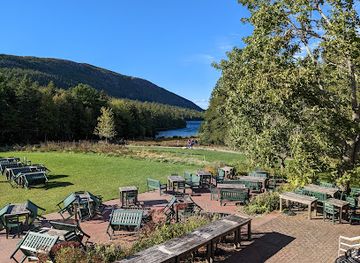
Jordan Pond House Restaurant
Indulge in exquisite American cuisine at Jordan Pond House Restaurant surrounded by Acadia National Park's stunning landscapes.
-
American
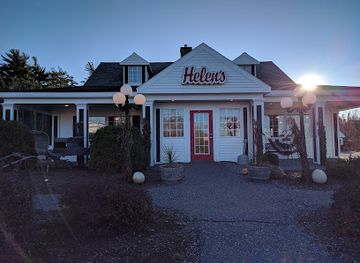
Helen's Restaurant of Ellsworth
Discover authentic American cuisine at Helen's Restaurant in Ellsworth - where local flavors meet warm hospitality.
Best bars in Western Maine Mountains
-
Bar
Sarge's Sports Pub & Grub
Experience the heart of Rangeley at Sarge's Sports Pub & Grub, where delicious food meets an exciting sports atmosphere.
-
Restaurant
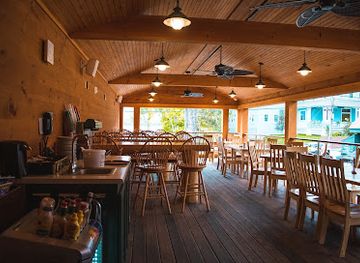
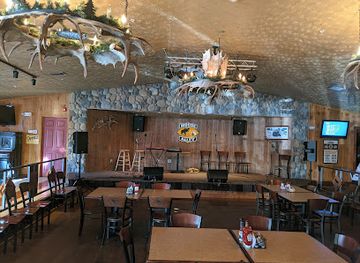
Moose Alley
Discover Moose Alley in Rangeley, Maine – an exciting restaurant, bowling alley, and live music venue offering delicious food and vibrant entertainment for all.
-
Restaurant
The Red Onion
Experience the flavors of Maine at The Red Onion, a cozy restaurant in Rangeley serving locally-inspired dishes in a welcoming atmosphere.
-
American
Parkside & Main
Experience the best of American cuisine in Rangeley, Maine, at Parkside & Main – a culinary gem with a warm atmosphere.
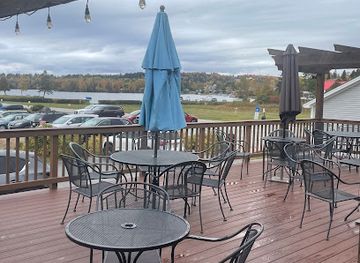
Best nightclubs in Western Maine Mountains
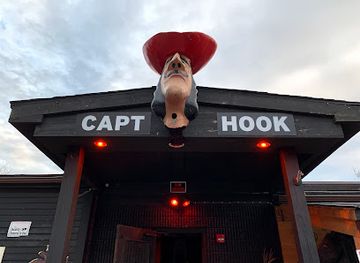
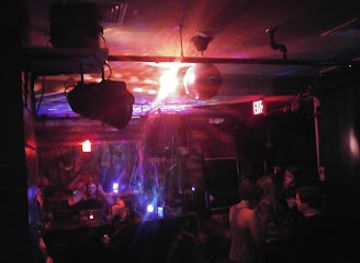
Evening life is modest and dispersed rather than centred on a large club scene. Bethel and the villages around Sunday River provide the broadest choice of pubs, brewery taprooms, restaurants and occasional live-music settings, with activity increasing during ski weekends and holiday periods. Sugarloaf’s resort base has après-ski bars and places to eat, while Rangeley and other lake communities favour traditional pubs, inns and relaxed restaurants. Rumford offers a more local, year-round evening culture connected to its working community. In smaller settlements, the pub or a restaurant may be the principal social venue, and many rural areas become quiet early. Seasonal events and live music can add variety, but opening patterns change, so checking locally is sensible. A designated driver is particularly important because distances are long and taxis or ride services may be limited outside resort centres.
-
Lounge
Bubba's Sulky Lounge
Experience the vibrant cocktail culture of Portland at Bubba's Sulky Lounge, where cozy ambiance meets innovative drinks.
-
Dance club
Flask Lounge
Discover the vibrant nightlife at Flask Lounge in Portland, Maine – a dance club and live music venue that sets the scene for unforgettable nights.
-
Bar
Geno’s Rock Club
Discover the pulse of Portland's nightlife at Geno’s Rock Club, where live rock music and a vibrant atmosphere create unforgettable nights.
-
Lounge
Easy Street Lounge
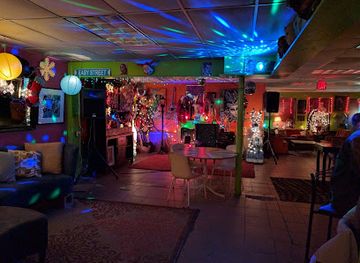
Experience vibrant nightlife at Easy Street Lounge in Hallowell, Maine, where great drinks and lively events await every visitor.

Best shops in Western Maine Mountains
Shopping is concentrated in small town centres, resort villages and seasonal markets rather than large urban districts. Bethel has independent shops, galleries, outdoor retailers, cafés and places selling locally made goods, while Rangeley’s businesses reflect its lake-and-forest identity through sporting equipment, practical clothing, art and regional food products. Kingfield and the Carrabassett Valley area serve visitors heading towards Sugarloaf and the High Peaks, with outdoor gear and locally produced gifts more prominent than conventional fashion. Maple syrup, wild-blueberry products, preserves, honey, craft beer, pottery, woodwork, photographs and paintings make appropriate regional purchases, and farm stands are useful for seasonal produce. Ski resorts provide convenient branded equipment and clothing, though prices and stock vary. In smaller settlements, opening days and hours can be seasonal, so market visits and independent-shop browsing are best incorporated into a planned route rather than left until late in the day.
-
Gift shop
Land's End Gift Shop
Explore the charm of Maine at Land's End Gift Shop, your destination for unique gifts and local treasures on Bailey Island.
-
Gift shop
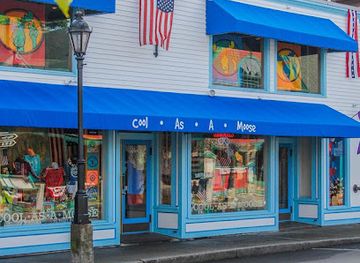
Cool As A Moose
Explore the charming Cool As A Moose in Bar Harbor for unique gifts, clothing, and local souvenirs that embody the spirit of Maine.
-
Gift shop
Ogunquit Trading Post
Explore Ogunquit Trading Post, your go-to gift shop in Wells, Maine for unique souvenirs and local treasures that capture the coastal spirit.
-
Antique store
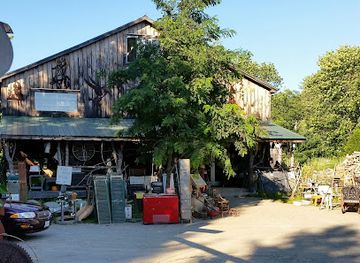
Elmer's Barn
Explore the unique charm of Elmer's Barn, a delightful antique store in Coopers Mills, Maine, filled with treasures from the past.


Get your free copy of our complete guide to Western Maine Mountains, delivered straight to you.
Everything on this page, from attractions and restaurants to essentials and local phrases, in one PDF you can read offline, print or share.
Already have an account? Sign in
Your Western Maine Mountains guide is ready.
We'll send it to · Not you? Sign out

Getting your guide ready…
We are putting together a fresh copy of the Western Maine Mountains guide. This can take up to a minute.
This can take a few moments. If your browser asks, choose Allow so the download can start. You'll find the guide in your Downloads folder.
Nothing happened? Download it again
Sorry, the guide is taking longer than usual. Please try again in a minute, or get it by email instead.
Western Maine Mountains essentials
Currency and Payment
Safety
Emergency Situations
Do's and Don'ts
Local Tips
From Eve
Local phrases worth knowing
You don't need to get them perfect. A few words go a long way, and locals appreciate the effort.
Basics
| English | Local | Say it |
|---|---|---|
| Hello | Howdy | [How-dee] |
| Goodbye | See ya later | [See ya lay-ter] |
| Yes | Yep | [Yep] |
| No | Nah | [Nah] |
| Please/You're welcome | Please/No problem | [Please/No prob-lem] |
| Thank you | Thanks a lot | [Thanks a lot] |
| Excuse me/Sorry | Excuse me/Sorry 'bout that | [Ex-cuse me/Sorry 'bout that] |
| How are you? | How ya doin'? | [How ya doin'?] |
| Fine. And you? | Good. And you? | [Good. An' you?] |
| Do you speak English? | You speakin' English? | [You speakin' English?] |
| I don't understand | I ain't followin' | [I ain't followin'] |
Eating & Drinking
| English | Local | Say it |
|---|---|---|
| I'd like to see the menu, please | Can I see the menu, please? | [Can I see the menu, please?] |
| I don't eat meat | I don't eat no meat | [I don't eat no meat] |
| Cheers! | Cheers! | [Cheers!] |
| I would like to pay, please | Can I settle up, please? | [Can I settle up, please?] |
Emergencies
| English | Local | Say it |
|---|---|---|
| Help! | Help! | [Help!] |
| Go away! | Get lost! | [Get lost!] |
| Call the Police! | Call the cops! | [Call the cops!] |
| Call a doctor! | Get a doctor! | [Get a doctor!] |
| I'm lost | I'm turned around | [I'm turned around] |
| I'm ill | I'm feelin' sick | [I'm feelin' sick] |
Shopping
| English | Local | Say it |
|---|---|---|
| I'd like to buy... | I wanna buy... | [I wanna buy...] |
| I'm just looking | Just browsin' | [Just browsin'] |
| How much is it? | What’s the damage? | [What’s the damage?] |
| That's too expensive | That's a bit pricey | [That's a bit pricey] |
| Can you lower the price? | Can ya bring the price down? | [Can ya bring the price down?] |
Time & Numbers
| English | Local | Say it |
|---|---|---|
| What time is it? | What time ya got? | [What time ya got?] |
| It's one o'clock | It's one | [It's one] |
| Half past (10) | Half past ten | [Half past ten] |
| Morning | Mornin' | [Mornin'] |
| Afternoon | Afternoon | [Afternoon] |
| Evening | Evenin' | [Evenin'] |
| Yesterday | Yest'day | [Yest'day] |
| Today | Today | [Today] |
| Tomorrow | Tomorrow | [Tomorrow] |
| 1 | One | [One] |
| 2 | Two | [Two] |
| 3 | Three | [Three] |
| 4 | Four | [Four] |
| 5 | Five | [Five] |
| 6 | Six | [Six] |
| 7 | Seven | [Seven] |
| 8 | Eight | [Eight] |
| 9 | Nine | [Nine] |
| 10 | Ten | [Ten] |
Transport & Directions
| English | Local | Say it |
|---|---|---|
| Where's a/the...? | Where's the...? | [Where's the...?] |
| What's the address? | What's the address? | [What's the address?] |
| Can you show me (on the map)? | Can ya show me on the map? | [Can ya show me on the map?] |
| When's the next (bus)? | When's the next bus? | [When's the next bus?] |
| A ticket (to ....) | A ticket to ... | [A ticket to ...] |
History of Western Maine Mountains
Wabanaki Homelands and Indigenous Continuity
Western Maine lies within the traditional homelands of the Wabanaki peoples, including the Abenaki and Penobscot, whose communities travelled the region’s rivers and lakes, hunted and fished across its forests, and maintained extensive knowledge of seasonal landscapes. Water routes such as the Androscoggin and Kennebec systems connected inland areas with wider networks. European settlement and colonial land claims profoundly disrupted Indigenous life, through disease, displacement and changing control of resources. Wabanaki presence has not disappeared, and visitors should understand the mountains and waterways as lived cultural landscapes rather than empty wilderness.
Colonial Settlement and River Communities
Euro-American settlement expanded through the valleys during the eighteenth and early nineteenth centuries, often following rivers and older travel routes. Farming, timber cutting, hunting and small-scale trade supported communities in places such as Bethel and the settlements around the upper Androscoggin. Travel was difficult, and many roads were seasonal or followed waterways. The resulting villages developed meeting houses, inns, mills and civic buildings that still contribute to the historic character of western Maine, although the region remained much less densely settled than coastal and southern parts of the state.
Logging and the Working Forest
Timber became the defining industry of the interior. Loggers worked extensive spruce and fir forests, moving wood by winter roads and river drives towards sawmills and pulp operations. Logging camps, forest railways and company infrastructure shaped both employment and settlement, while repeated cutting altered forests and river systems. Much of the region remains a working forest today, managed for timber alongside recreation and conservation. The coexistence of public access, private timberland, hunting traditions and industrial forestry is an important part of the area’s modern identity.
Railways, Tourism and the Sporting Camp Tradition
Nineteenth- and early twentieth-century railway expansion made the mountains and lakes more accessible to visitors from southern New England and beyond. Sporting camps and guide services developed around fishing, hunting and a desire for restorative time in the woods. Rangeley and the surrounding lakes became particularly associated with this tradition, while rail access also supported timber towns and mills. Early tourism helped establish the region’s enduring reputation for outdoor recreation, although it existed alongside local industry and did not replace the economic importance of forestry.
Mills and Industrial Androscoggin Valley
The Androscoggin River supported substantial paper and other manufacturing activity, most visibly around Rumford and neighbouring mill communities. Water power, rail transport and abundant timber encouraged industrial growth from the late nineteenth century onwards. The mills brought jobs, immigration and urban infrastructure to an otherwise mountainous landscape, while also creating pollution and dependence on fluctuating industrial markets. Rumford’s streets, mill buildings and riverfront setting preserve evidence of this history. The continuing presence and changing role of the paper industry distinguish the river valley from the more tourism-oriented mountain resorts.
Ski Resorts and the Modern Outdoor Economy
Organised skiing expanded in the twentieth century as roads improved and winter recreation became a major commercial industry. Sunday River near Bethel and Sugarloaf in Carrabassett Valley grew into large four-season resorts, while smaller mountains and extensive Nordic trail systems broadened the winter offer. Summer recreation later became equally important, with hiking, mountain biking, paddling and foliage tourism attracting visitors beyond the ski season. This transformation created new accommodation and service economies, but communities continue to balance tourism with forestry, local housing needs and the practical limits of a remote, seasonal region.
Western Maine Mountains in Photos
Browse through our photo collection highlighting the charm and character of the destination.
Neighbouring regions of Western Maine Mountains
The closest regions to Western Maine Mountains, if you have time for more than one.
-

-

-

-

-


Swipe for more regions
Explore more

Explore more of Maine
Discover Maine's breathtaking landscapes, charming coastal towns, and rich cultural heritage. From Acadia's cliffs to fresh lobster feasts, Maine promises an unforgettable adventure.
Explore Maine