

Free Maine Lakes and Mountains Travel Guide & Mobile App
Explore Maine Lakes and Mountains with free travel guides. Discover regional history, expert tips, proposed trips, and audio guides on web or mobile app.


Maine Lakes and Mountains pairs clear waters, forested peaks, historic towns and four-season outdoor recreation across western Maine.
Read more about Maine Lakes and Mountains
Getting to and around Maine Lakes and Mountains
How to get there
Transportation
Top city travel guides in Maine Lakes and Mountains
The cities of Maine Lakes and Mountains, and the easiest places to base yourself.
-

-

-
 Camden
Discover Camden, Maine: A scenic coastal town offering historic charm, outdoor adventures, and vibrant cultural events, nestled between Camden Hills and Penobscot Bay.
-

-

-


Swipe for more cities
Destinations in Maine Lakes and Mountains
Resorts, valleys and scenic spots worth a trip of their own.
-

-
-

-


Swipe for more destinations
Best attractions in Maine Lakes and Mountains
Maine Lakes and Mountains is primarily an outdoor destination, with experiences ranging from gentle lakeside recreation to demanding mountain routes. The lakes around Bridgton, the Rangeley area and the western foothills support canoeing, kayaking, fishing, swimming and scenic boat trips, while forests and back roads invite cycling, wildlife watching and autumn drives. Grafton Notch State Park provides access to waterfalls, rocky viewpoints and hiking routes in a striking mountain corridor. The Appalachian Trail crosses the higher country, although visitors should choose sections according to weather, fitness and season. Sunday River near Bethel and Saddleback Mountain near Rangeley anchor the winter sports offer, with downhill skiing complemented by snowshoeing, cross-country skiing, snowmobiling and ice fishing. Small museums, historic districts, craft studios, farm shops and riverfront heritage in towns such as Bethel, Norway and Rumford provide cultural counterpoints to the open landscape. The attraction pattern is dispersed: its appeal lies in combining several modest experiences, rather than moving between a dense chain of major visitor sites.
-
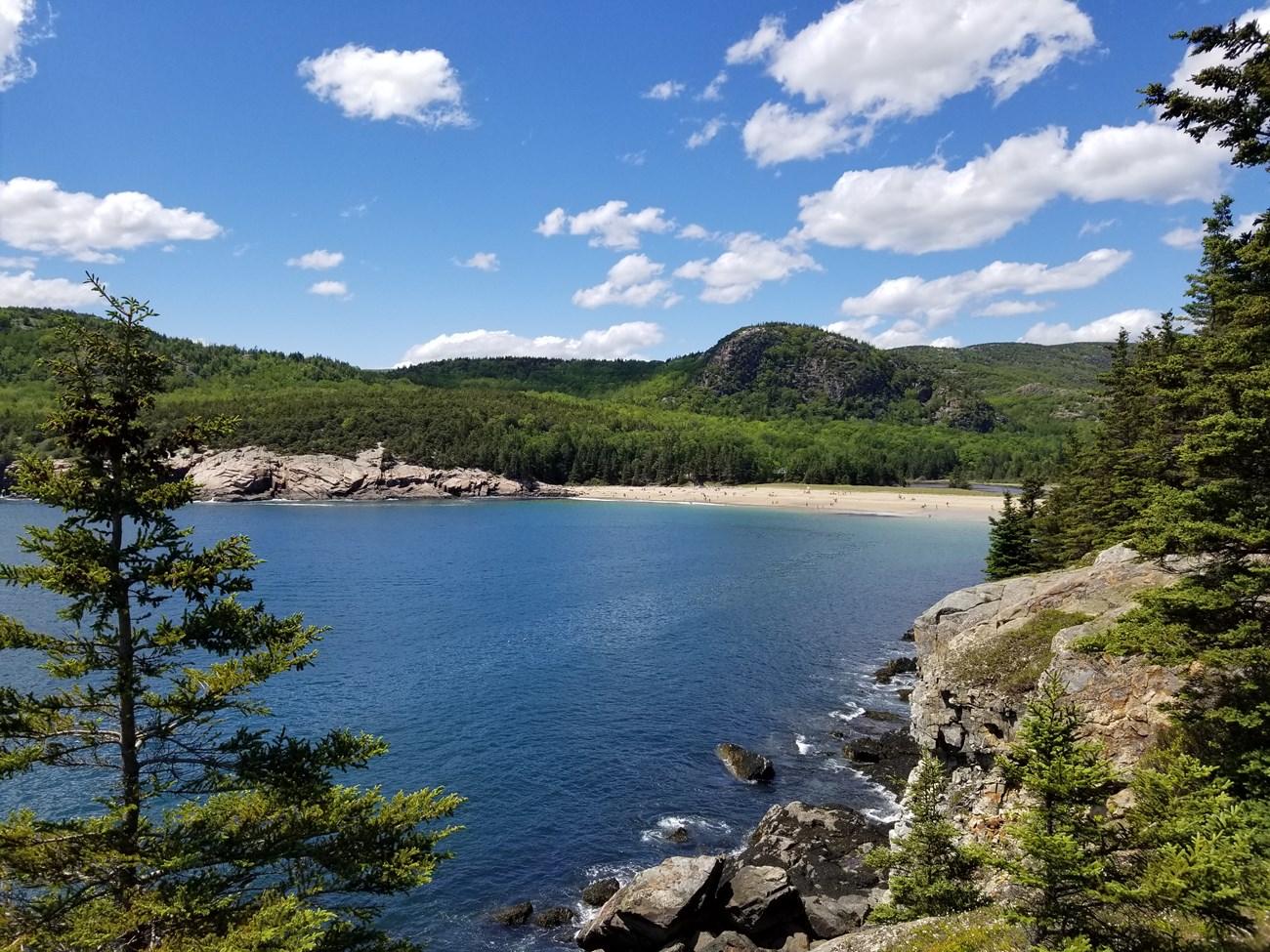
National park
Acadia National Park
Explore Acadia National Park, where breathtaking landscapes, diverse wildlife, and rich history converge for an unforgettable outdoor adventure.
-
Scenic spot
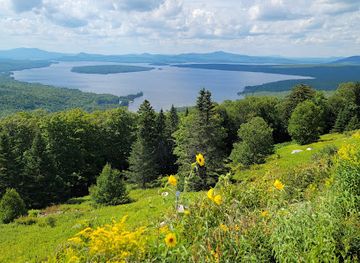
Height of Land
Discover the breathtaking vistas of Height of Land in Maine, where stunning views of Rangely Lakes and majestic mountains await every visitor.
-
Tourist attraction
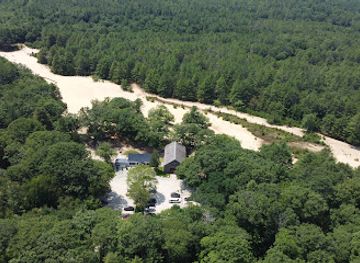
Desert of Maine
Experience the natural beauty and unique charm of the Desert of Maine, an extraordinary tourist attraction featuring stunning sand dunes and fun-filled activities.
-
Park
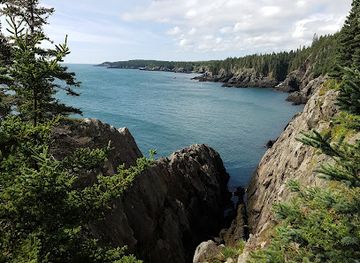
Cutler Coast Public Reserved Land
Discover the stunning vistas and serene landscapes of Cutler Coast Public Reserved Land, a true gem along Maine's rugged coastline.
Best landmarks in Maine Lakes and Mountains
-
Historical landmark
Portland Head Light
Explore Portland Head Light, a historic lighthouse in Cape Elizabeth, Maine, offering breathtaking views and rich maritime history on the beautiful coast.
-
American
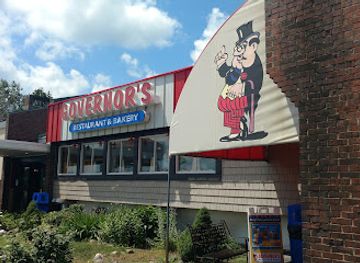
Governor's Restaurant & Bakery
Experience the best of American cuisine with homemade breakfast, lunch, and desserts at Governor's Restaurant & Bakery in Waterville, Maine.
-
Stadium
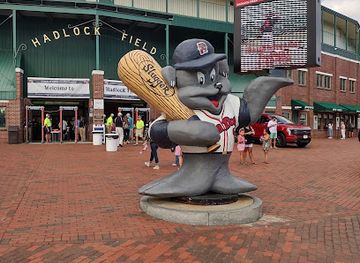
Hadlock Field
Discover Hadlock Field in Portland, Maine – a vibrant minor league baseball stadium filled with excitement, local culture, and family-friendly fun.
-
Park
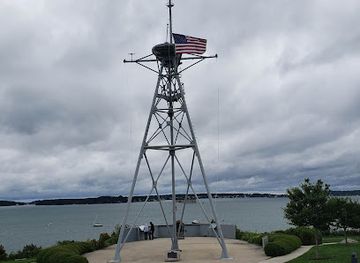
Fort Allen Park
Experience the natural beauty and historical charm of Fort Allen Park, a top destination in Portland, Maine, perfect for relaxation and stunning views.

Explore Maine Lakes and Mountains on the map
Plan your trip on one map. See where the top cities, national parks and sights are, and book hotels and experiences in a few clicks.
Best hotels in Maine Lakes and Mountains
Best restaurants in Maine Lakes and Mountains
-
Breakfast
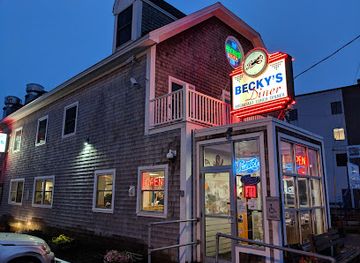
Becky's Diner
Experience authentic American breakfasts at Becky's Diner in Portland - where great food meets a nostalgic atmosphere.
-
Seafood
DiMillo's On the Water
Experience waterfront dining at its best with fresh seafood delights at DiMillo's On the Water in Portland, Maine.
-
Belgian
Duckfat
Discover the delightful flavors of Belgium at Duckfat, Portland's beloved brasserie known for its fries cooked in duck fat and gourmet sandwiches.
-
Oyster Bar
Eventide Oyster Co.
Discover Eventide Oyster Co., Portland's premier oyster bar serving fresh seafood delights in a vibrant coastal setting.


Best bars in Maine Lakes and Mountains
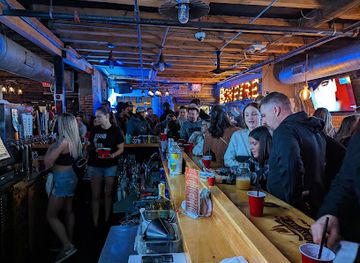
Evening life is generally low-key and town-centred rather than dominated by nightclubs. Traditional pubs, taverns, breweries, restaurant bars and historic inns provide places for conversation after a day on the trails or slopes, with the most varied choices in Bethel, Bridgton, Rangeley, Rumford and the larger resort areas. Ski seasons can bring live music and a later atmosphere around Sunday River and Saddleback Mountain, while summer communities host occasional performances and social events, though schedules change regularly. In smaller villages, restaurants may close earlier and nightlife can be limited outside peak seasons. Visitors should arrange a safe journey back to rural accommodation, where distances and taxi availability can be considerable. The region's evening culture is more about local food, music, fireside gatherings and relaxed hospitality than a concentrated club scene.
-
American
River Driver's Restaurant
Discover River Driver's Restaurant in Millinocket, Maine, where delicious American cuisine meets stunning views of Mt. Katahdin, perfect for any occasion.
-
Brewpub
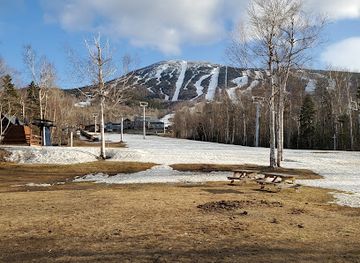
Shipyard Brew Haus - Sugarloaf
Experience the perfect blend of craft beer and hearty meals at Shipyard Brew Haus - Sugarloaf, your go-to brewpub in Carrabassett Valley, Maine.
-
Bar
Hog Heaven Bar & Grill
Experience mouthwatering American cuisine and a vibrant atmosphere at Hog Heaven Bar & Grill in Avon, Maine—your perfect dining escape.

Best nightclubs in Maine Lakes and Mountains
-
Brewpub
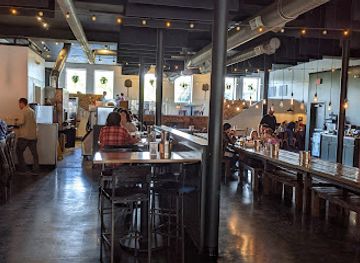
Cushnoc Brewing Co.
Discover the heart of Augusta's craft beer scene at Cushnoc Brewing Co., where exceptional brews meet delicious pizza in a vibrant atmosphere.
-
Hotel
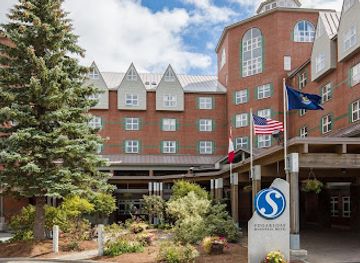
Sugarloaf Mountain Hotel
Discover the perfect blend of luxury and adventure at Sugarloaf Mountain Hotel, your gateway to unforgettable experiences in Maine's stunning wilderness.
-
Restaurant
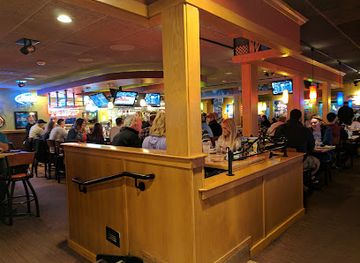
Applebee's Grill + Bar
Experience the best of American cuisine at Applebee's Grill + Bar in Waterville, Maine - a family-friendly restaurant with a vibrant atmosphere.
-
Bar
Bonfire Country Bar Portland
Discover the heart of Portland's nightlife at Bonfire Country Bar, where great food, drinks, and lively entertainment await.
Best shops in Maine Lakes and Mountains
Shopping is concentrated in small downtowns, resort villages and roadside businesses rather than large urban centres. Bethel and Bridgton offer independent shops, galleries, outdoor retailers, books, clothing and gifts, while Rangeley combines practical sporting supplies with locally made craft goods and food products. Norway and nearby western Maine communities retain a market-town character, with antiques, used books, art and small specialist businesses appearing alongside everyday services. Farm stands and seasonal markets are good places to look for Maine maple products, blueberry preserves, baked goods, honey, wool, pottery and other regional produce. Outdoor equipment is a practical purchase in a region where hiking, paddling, skiing and snowmobiling shape local commerce. Retail hours can be seasonal and widely spaced in rural districts, so visitors should shop for fuel, provisions and specialist equipment before heading into the more remote lake and mountain country.
-
Clothing store
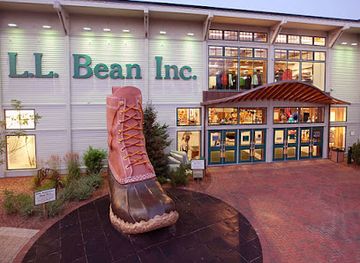
L.L.Bean
Explore the outdoor wonderland at L.L.Bean in Freeport, Maine, where adventure meets quality clothing and gear for every enthusiast.
-
Sporting goods store
Cabela's
Discover Cabela's in Scarborough, Maine - a haven for outdoor enthusiasts with top-quality gear for fishing, hunting, camping, and more.
-
Outlet mall
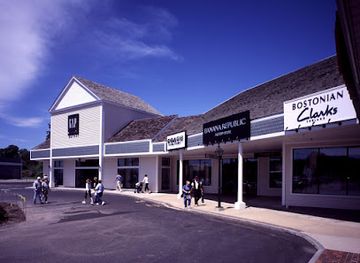
Kittery Premium Outlets
Explore Kittery Premium Outlets for unbeatable deals on top brands in a beautiful coastal setting—an ideal shopping getaway in Maine.
-
Department store
Walmart Supercenter
Discover the Walmart Supercenter in Waterville, ME - your ultimate destination for groceries, clothing, electronics, and more, all at great prices.
Get your free copy of our complete guide to Maine Lakes and Mountains, delivered straight to you.
Everything on this page, from attractions and restaurants to essentials and local phrases, in one PDF you can read offline, print or share.
Already have an account? Sign in
Your Maine Lakes and Mountains guide is ready.
We'll send it to · Not you? Sign out

Getting your guide ready…
We are putting together a fresh copy of the Maine Lakes and Mountains guide. This can take up to a minute.
This can take a few moments. If your browser asks, choose Allow so the download can start. You'll find the guide in your Downloads folder.
Nothing happened? Download it again
Sorry, the guide is taking longer than usual. Please try again in a minute, or get it by email instead.
Maine Lakes and Mountains essentials
Currency and Payment
Safety
Emergency Situations
Do's and Don'ts
Local Tips
From Eve
Local phrases worth knowing
You don't need to get them perfect. A few words go a long way, and locals appreciate the effort.
Basics
| English | Local | Say it |
|---|---|---|
| Hello | Howdy | [Hao-dee] |
| Goodbye | See ya | [See ya] |
| Yes | Yup | [Yup] |
| No | Nah | [Nah] |
| Please/You're welcome | No problem | [No prob-lum] |
| Thank you | Thanks a bunch | [Thanks a bunch] |
| Excuse me/Sorry | Pardon me | [Par-don me] |
| How are you? | How's it goin'? | [How's it goin'?] |
| Fine. And you? | Good, you? | [Good, you?] |
| Do you speak English? | Ya speakin' English? | [Ya speakin' English?] |
| I don't understand | I don't get it | [I don't get it] |
Eating & Drinking
| English | Local | Say it |
|---|---|---|
| I'd like to see the menu, please | Can I see the menu? | [Can I see the menu?] |
| I don't eat meat | I ain't eatin' meat | [I ain't eatin' meat] |
| Cheers! | Cheers! | [Cheers!] |
| I would like to pay, please | Can I get the check? | [Can I get the check?] |
Emergencies
| English | Local | Say it |
|---|---|---|
| Help! | Help! | [Help!] |
| Go away! | Leave me be! | [Leave me be!] |
| Call the Police! | Call the cops! | [Call the cops!] |
| Call a doctor! | Get a doc! | [Get a doc!] |
| I'm lost | I’m all turned around | [I’m all turned around] |
| I'm ill | I ain't feelin' good | [I ain't feelin' good] |
Shopping
| English | Local | Say it |
|---|---|---|
| I'd like to buy... | I'm lookin' to buy... | [I'm lookin' to buy...] |
| I'm just looking | Just browsin' | [Just browsin'] |
| How much is it? | What’s the price? | [What’s the price?] |
| That's too expensive | That's a bit steep | [That's a bit steep] |
| Can you lower the price? | Can you cut me a deal? | [Can you cut me a deal?] |
Time & Numbers
| English | Local | Say it |
|---|---|---|
| What time is it? | What time ya got? | [What time ya got?] |
| It's one o'clock | It’s one | [It’s one] |
| Half past (10) | Half past ten | [Half past ten] |
| Morning | Mornin' | [Mornin'] |
| Afternoon | Afternoon | [Afternoon] |
| Evening | Evenin' | [Evenin'] |
| Yesterday | Yest'day | [Yest'day] |
| Today | Today | [Today] |
| Tomorrow | Tomorrah | [Tomorrah] |
| 1 | One | [One] |
| 2 | Two | [Two] |
| 3 | Three | [Three] |
| 4 | Four | [Four] |
| 5 | Five | [Five] |
| 6 | Six | [Six] |
| 7 | Seven | [Seven] |
| 8 | Eight | [Eight] |
| 9 | Nine | [Nine] |
| 10 | Ten | [Ten] |
Transport & Directions
| English | Local | Say it |
|---|---|---|
| Where's a/the...? | Where's the ...? | [Where's the ...?] |
| What's the address? | What's the addy? | [What's the addy?] |
| Can you show me (on the map)? | Can ya show me on the map? | [Can ya show me on the map?] |
| When's the next (bus)? | When's the next bus? | [When's the next bus?] |
| A ticket (to ....) | A ticket to ... | [A ticket to ...] |
History of Maine Lakes and Mountains
Wabanaki Homelands
Long before European settlement, western Maine formed part of the homelands and travelling territories of Wabanaki peoples, including communities associated with the Abenaki and other nations of the wider Wabanaki Confederacy. Rivers, lakes and portage routes provided transportation, food and seasonal resources. Indigenous place knowledge remains essential to understanding the region's geography, while contemporary Wabanaki communities continue to maintain cultural, political and artistic connections across Maine. Visitors should remember that the landscape is not an empty wilderness but a lived and historically governed homeland.
Colonial Settlement and River Routes
European settlement expanded inland during the eighteenth and nineteenth centuries, although the mountains and northern forests remained difficult to access. Rivers such as the Androscoggin became routes for movement and commerce, and farming communities developed around mills, roads and crossroads. Towns including Bethel and Rumford grew as local centres serving surrounding settlements. The pattern of compact villages separated by forest and water, still characteristic of the region, reflects this gradual movement from coastal Maine into the interior.
Timber, Rivers and Industrial Growth
The nineteenth century brought extensive timber harvesting and river drives, with logs floated downstream to sawmills and later to paper mills. The Androscoggin corridor became especially important for manufacturing, and Rumford developed into a major paper-making centre. Logging camps, railways, dams and mills transformed both the economy and the landscape. Although many older industrial operations have changed, the region's roads, river towns and working-waterfront histories still reveal the importance of forests and hydropower to Maine's development.
Railways and the Rise of Tourism
Rail connections and improved roads opened the interior to visitors during the nineteenth century. Artists, anglers, hunters and families seeking cooler summer conditions travelled to lakeside resorts and sporting camps, helping establish tourism as a major seasonal economy. The arrival of visitors did not replace the timber economy, but added a second relationship with the landscape: lakes and mountains became places for recreation as well as sources of timber, transport and employment. Many present-day resorts and summer communities developed from this period.
Outdoor Recreation and Conservation
During the twentieth century, skiing, hiking, snowmobiling, fishing and canoeing broadened the region's tourism beyond the traditional summer season. Ski centres such as Sunday River and Saddleback Mountain became important employers and gateways to the high country. State parks, public lands and trail systems helped preserve access to forests, waterfalls and mountain landscapes, while the Appalachian Trail strengthened the region's role in long-distance walking. Conservation and recreation continue alongside forestry, private landownership and working communities.
Contemporary Mountain Communities
Today, Maine Lakes and Mountains combines long-established towns with seasonal settlements and outdoor-oriented businesses. Its economy continues to include forestry, manufacturing, agriculture, hospitality and recreation, while remote work and renewed interest in rural living have altered some communities. The region's modern identity is therefore neither purely wilderness nor solely resort-based. It is a populated landscape in which residents, visitors, landowners and conservation interests share responsibility for trails, lakes, roads and forests.
Maine Lakes and Mountains in Photos
Browse through our photo collection highlighting the charm and character of the destination.
Neighbouring regions of Maine Lakes and Mountains
The closest regions to Maine Lakes and Mountains, if you have time for more than one.
-
-

-
-

-


Swipe for more regions
Explore more

Explore more of Maine
Discover Maine's breathtaking landscapes, charming coastal towns, and rich cultural heritage. From Acadia's cliffs to fresh lobster feasts, Maine promises an unforgettable adventure.
Explore Maine