

Free Thyolo Highlands Travel Guide & Mobile App
Explore Thyolo Highlands with free travel guides. Discover regional history, expert tips, proposed trips, and audio guides on web or mobile app.


Explore Malawi's Thyolo Highlands for tea estates, cool upland scenery, forested slopes, rural walks and views across the southern landscape.
Read more about Thyolo Highlands
When is the best time to visit Thyolo Highlands?
Best: August–October · 20–25°C| Month | High (°C) | Rainfall (mm) |
|---|---|---|
| January | 25 | 250 |
| February | 25 | 230 |
| March | 25 | 200 |
| April | 24 | 130 |
| May | 21 | 50 |
| June | 19 | 10 |
| July | 19 | 10 |
| August (best) | 20 | 10 |
| September (best) | 23 | 20 |
| October (best) | 25 | 60 |
| November | 25 | 140 |
| December | 25 | 200 |
Getting to and around Thyolo Highlands
How to get there
Transportation
Best attractions in Thyolo Highlands
The Thyolo Highlands are primarily an agricultural and landscape destination, with attractions centred on tea country rather than a dense collection of ticketed sights. Estate visits, where permission is available, can introduce visitors to plantation cultivation, tea processing and the historic relationship between land, labour and export agriculture. The roads through the tea country are rewarding for scenery, particularly where fields open towards the Shire Valley or the distant outline of Mount Mulanje. Rural accommodation and guided walks offer a slower way to appreciate the upland climate, birdlife and changing vegetation. Thyolo Mountain and surrounding forested areas provide opportunities for nature observation and walking, although access and trail conditions should be checked locally. The area also has interest for visitors curious about macadamia production, smallholder farming and the contrast between large estates and village landscapes. Thyolo town supplies a modest urban counterpoint, with local services and everyday commerce rather than a conventional sightseeing quarter. The highlands are most effective as part of a wider southern Malawi itinerary, combined with time in Blantyre and other destinations that are outside the region, rather than approached as a compact list of attractions.
-
 Lodge
LodgeGame Haven Lodge
Discover the beauty of Malawi at Game Haven Lodge, a family-friendly retreat offering wildlife encounters and comfortable accommodations in Chigumula.
-
Wildlife and safari park
Mvuu Camp
Discover the wild beauty of Malawi at Mvuu Camp, where thrilling safaris and stunning landscapes await every traveler.
-
Resort hotel
Kande Beach Resort
Experience the beauty of Lake Malawi at Kande Beach Resort, where relaxation meets adventure in a paradise setting.
-
Tourist attraction
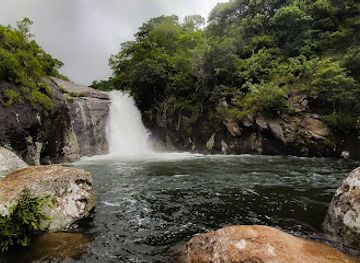
Likhubula Falls (Dziwe la Nkhalamba)
Explore Likhubula Falls in Mulanje, Malawi, a breathtaking waterfall surrounded by lush nature, perfect for relaxation and adventure.
Best landmarks in Thyolo Highlands
The most recognisable landmarks of the Thyolo Highlands are landscape-based and agricultural. Thyolo Mountain rises as a prominent wooded landmark above the cultivated uplands, providing a visual counterpoint to the ordered rows of tea below. The tea estates themselves are also defining cultural landscapes: plantation blocks, mature shade trees, processing buildings, estate roads and workers' settlements together record the region's transformation into one of Malawi's principal tea-producing areas. Satemwa's long-established estate landscape is particularly associated with the identity of Thyolo tea country, although access to private buildings and facilities must be arranged rather than assumed. Thyolo town is the district's principal urban reference point, while the broad views towards the Shire Valley reveal the sharp environmental contrast between highland and lowland Malawi. Unlike a historic city with a concentrated group of monuments, the region's significance is spread across mountains, plantations and working agricultural infrastructure. These places are best interpreted through local guides or estate staff, who can explain land use, conservation and the human history behind the scenery.
-
Hotel
Protea Hotel Blantyre Ryalls
Discover the charm of Blantyre from the luxurious comfort of Protea Hotel Blantyre Ryalls, where modern amenities meet warm Malawian hospitality.
-
Hotel
Sunbird Mount Soche
Discover the perfect blend of luxury and hospitality at Sunbird Mount Soche, Blantyre's premier hotel offering stunning views and exceptional service.
-
Lodge
Game Haven Lodge
Experience the beauty of Malawi at Game Haven Lodge, a family-friendly lodge and wildlife park offering relaxation, adventure, and local cuisine.
-
National park
Liwonde National Park
Explore Liwonde National Park: Experience diverse wildlife, breathtaking landscapes, and cultural richness in the heart of Malawi.

Explore Thyolo Highlands on the map
Plan your trip on one map. See where the top cities, national parks and sights are, and book hotels and experiences in a few clicks.
Best hotels in Thyolo Highlands
Best restaurants in Thyolo Highlands
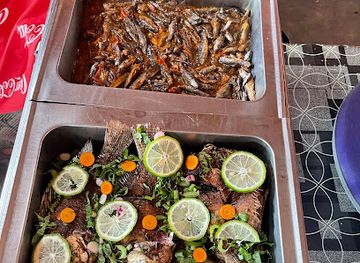
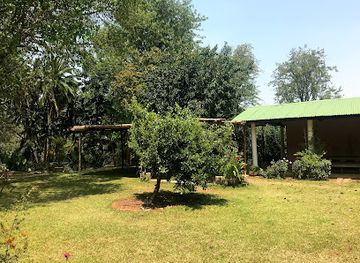
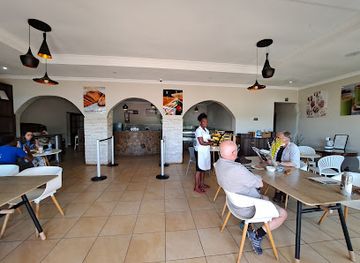
Dining in the Thyolo Highlands reflects the region's rural economy and the limitations of a dispersed settlement pattern. Estate lodges and rural guesthouses generally provide the most dependable organised meals, often using staples familiar throughout Malawi such as nsima, vegetables, beans, rice, chicken and fish. Tea is central to the local identity, and a plantation visit may provide opportunities to taste locally produced tea in an estate setting. Thyolo is useful for straightforward local meals and provisions, while larger restaurants and a wider choice of international cooking are more readily found in Blantyre, outside the highlands. Markets and small shops can supply seasonal fruit, groundnuts, baked goods and other everyday foods, although availability varies. Visitors staying in remote accommodation should confirm meal arrangements in advance and should not expect late-night dining or a broad choice of cafés. The most distinctive culinary experience comes from connecting food with the agricultural landscape: tea, locally grown produce and the social history of estates are more significant here than a formally defined regional cuisine.
-
Grill
Kumaloko📍
Discover the taste of Malawi at Kumaloko in Thyolo - where delightful grills meet serene garden views.
-
Fish and Chips
Machi Restaurant
Discover Machi Restaurant in Thyolo - where fresh Fish and Chips meet delightful local hospitality.
-
Restaurant
Nachipele Gardens
Experience authentic Malawian cuisine in a serene garden setting at Nachipele Gardens, Thyolo's culinary oasis.

Best bars in Thyolo Highlands
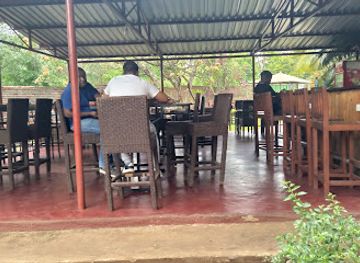
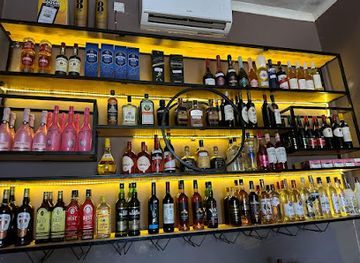
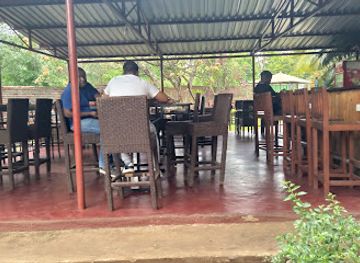
Nightlife in the Thyolo Highlands is limited and generally centres on estate lodges, guesthouse dining rooms, local bars and social life in Thyolo town rather than dedicated clubs. Evenings are usually quiet, with conversation, meals and Malawian music more characteristic than a late-night entertainment circuit. Some accommodation may offer drinks or a small bar, but facilities and closing arrangements vary, so visitors should ask when booking. Blantyre, outside the region, is the nearest place for a much broader selection of bars, live entertainment and late-evening venues. In rural areas, avoid walking unfamiliar roads after dark and arrange transport in advance. Alcohol is not necessary to experience the highlands, and respectful participation in local social settings matters more than seeking a nightlife scene. The absence of large-scale entertainment is part of the area's agricultural, early-starting rhythm.
-
Guest house
The Thyolo House
Experience Malawian hospitality at The Thyolo House, featuring exquisite cuisine, serene walks, and a cozy atmosphere in beautiful Thyolo.
-
Cafe
The Baker
Explore the flavors of Thyolo at The Baker, a cozy café offering delicious baked goods and local specialties in a welcoming atmosphere.
-
Grill
Sky Lounge Bar
Experience breathtaking views and exquisite grilled cuisine at Sky Lounge Bar in Blantyre, Malawi's premier dining destination.
-
Grill
Cork & Bottle MW
Experience the vibrant flavors of Malawian cuisine at Cork & Bottle MW, a top grill and bar in Thyolo.
Best nightclubs in Thyolo Highlands
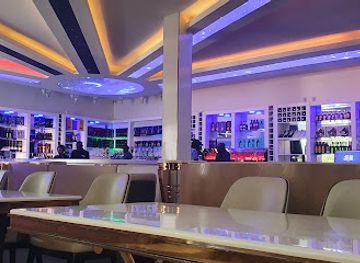
Nightlife in the Thyolo Highlands is limited and generally centres on estate lodges, guesthouse dining rooms, local bars and social life in Thyolo town rather than dedicated clubs. Evenings are usually quiet, with conversation, meals and Malawian music more characteristic than a late-night entertainment circuit. Some accommodation may offer drinks or a small bar, but facilities and closing arrangements vary, so visitors should ask when booking. Blantyre, outside the region, is the nearest place for a much broader selection of bars, live entertainment and late-evening venues. In rural areas, avoid walking unfamiliar roads after dark and arrange transport in advance. Alcohol is not necessary to experience the highlands, and respectful participation in local social settings matters more than seeking a nightlife scene. The absence of large-scale entertainment is part of the area's agricultural, early-starting rhythm.
-
Grill
Sky Lounge Bar
Experience exquisite grilled cuisine and breathtaking views at Sky Lounge Bar in Blantyre, a perfect spot for relaxation and socializing.
-
Night club
Illusionz
Dive into the electrifying nightlife of Lilongwe at Illusionz, the ultimate destination for music, dance, and unforgettable memories.
-
Lounge
Epic Exclusive Lounge
Experience tranquility and elegance at the Epic Exclusive Lounge in Lilongwe, where relaxation meets sophistication.
-
Sports club
Thyolo Sports Club
Discover the vibrant sports culture at Thyolo Sports Club, where every game is an opportunity for fun and community connection in Malawi.

Best shops in Thyolo Highlands
Shopping in the Thyolo Highlands is practical and locally focused rather than centred on large retail complexes. Thyolo town has everyday shops, small markets and stalls where visitors may find fruit, vegetables, snacks, household goods and locally produced items. Tea is the most characteristic purchase, particularly when bought through an authorised estate, lodge or retailer, while macadamia nuts and other agricultural products may also be available depending on the season. Smaller rural outlets have limited stock and may accept cash only, so visitors should obtain substantial supplies in Blantyre or Thyolo before heading to remote accommodation. Handicrafts and locally made goods are more likely to appear through community initiatives, lodges or informal sellers than in a dedicated shopping district. Ask about provenance and agree prices courteously; avoid removing estate property, plants or agricultural materials. For broader craft, clothing, book and supermarket shopping, Blantyre, outside the highlands, offers considerably more choice.
-
Hotel
Protea Hotel Blantyre Ryalls
Experience modern comfort and local charm at Protea Hotel Blantyre Ryalls – your perfect base for exploring vibrant Malawi.
-
Hotel
Amaryllis Hotels
Discover the perfect blend of luxury and comfort at Amaryllis Hotels in Blantyre, Malawi, where every stay is unforgettable.
-
Hotel
Heritage Hotel by Serendib
Discover the charm of Heritage Hotel by Serendib, your cozy retreat in Blantyre, Malawi, blending comfort with local culture for an unforgettable stay.
-
Art gallery
La Caverna
Discover La Caverna: Where Art Meets Culinary Excellence in Blantyre's Historic Old Manager’s House.

Get your free copy of our complete guide to Thyolo Highlands, delivered straight to you.
Everything on this page, from attractions and restaurants to essentials and local phrases, in one PDF you can read offline, print or share.
Already have an account? Sign in
Your Thyolo Highlands guide is ready.
We'll send it to · Not you? Sign out

Getting your guide ready…
We are putting together a fresh copy of the Thyolo Highlands guide. This can take up to a minute.
This can take a few moments. If your browser asks, choose Allow so the download can start. You'll find the guide in your Downloads folder.
Nothing happened? Download it again
Sorry, the guide is taking longer than usual. Please try again in a minute, or get it by email instead.
Thyolo Highlands essentials
Currency and Payment
Safety
Emergency Situations
Do's and Don'ts
Local Tips
From Eve
Local phrases worth knowing
You don't need to get them perfect. A few words go a long way, and locals appreciate the effort.
Basics
| English | Local | Say it |
|---|---|---|
| Hello | Moni | [Moh-nee] |
| Goodbye | Tsalani bwino | [Tsah-lah-nee bwee-noh] |
| Yes | Inde | [In-deh] |
| No | Ayi | [Ah-yee] |
| Please/You're welcome | Chonde | [Chon-deh] |
| Thank you | Zikomo | [Zee-koh-moh] |
| Excuse me/Sorry | Pepani | [Pe-pah-nee] |
| How are you? | Muli bwanji? | [Moo-lee bwahn-gee] |
| Fine. And you? | Ndiri bwino. Ndinu? | [Ndee-ree bwee-noh. Ndee-noo?] |
| Do you speak English? | Mukufuna kuyankhulana Chingerezi? | [Moo-koo-funah koo-yahn-khoo-lah-nah Cheen-ge-reh-zee?] |
| I don't understand | Sindingathe kuwonjeza | [Seen-deen-gah-theh koo-woh-nyay-zah] |
Eating & Drinking
| English | Local | Say it |
|---|---|---|
| I'd like to see the menu, please | Ndikufuna kuona menyu, chonde | [Ndee-koo-fun-ah koo-oh-nah men-yoo, chon-deh] |
| I don't eat meat | Sindikudya nyama | [Seen-dee-koo-dyah nyah-mah] |
| Cheers! | Tionana! | [Tee-oh-nah-nah] |
| I would like to pay, please | Ndikufuna kulipira, chonde | [Ndee-koo-fun-ah koo-lee-pee-rah, chon-deh] |
Emergencies
| English | Local | Say it |
|---|---|---|
| Help! | Thandizani! | [Than-dee-zah-nee] |
| Go away! | Chokani! | [Cho-kah-nee] |
| Call the Police! | Fufuzani polisi! | [Foo-foo-zah-nee poh-lee-see] |
| Call a doctor! | Fufuzani dokotala! | [Foo-foo-zah-nee doh-koh-tah-lah] |
| I'm lost | Ndakhalamo | [Nda-khah-lah-mo] |
| I'm ill | Ndili ndi matenda | [Ndee-lee n-dee mah-ten-dah] |
Shopping
| English | Local | Say it |
|---|---|---|
| I'd like to buy... | Ndikufuna kugula... | [Ndee-koo-fun-ah koo-goo-lah] |
| I'm just looking | Ndikungowona | [Ndee-koon-go-won-ah] |
| How much is it? | Nanga ndalama zili bwanji? | [Nahn-gah n-dah-lah-mah zee-lee bwan-gee?] |
| That's too expensive | Izotengera mtengo | [Ee-zoh-ten-gah-ra em-ten-go] |
| Can you lower the price? | Mungathe kuthetsa mtengo? | [Moon-gah-theh koo-thet-sah em-ten-go?] |
Time & Numbers
| English | Local | Say it |
|---|---|---|
| What time is it? | Ndi nthawi yanji? | [Ndee n-thah-whee yah-nee?] |
| It's one o'clock | Ndi saa imodzi | [Ndee sah ee-moh-dzee] |
| Half past (10) | Ndi hafu ya (10) | [Ndee hah-foo yah (10)] |
| Morning | Madzulo | [Mah-dzoo-loh] |
| Afternoon | Pulogoo | [Poo-loh-goo] |
| Evening | Madzulo | [Mah-dzoo-loh] |
| Yesterday | Kale | [Kah-leh] |
| Today | Lero | [Leh-roh] |
| Tomorrow | Mmawa | [Mm-ah-wah] |
| 1 | Chimodzi | [Chee-moh-dzee] |
| 2 | Chiwiri | [Chee-we-ree] |
| 3 | Chitatu | [Chee-tah-too] |
| 4 | Chinayi | [Chee-nah-yee] |
| 5 | Chisanu | [Chee-sah-noo] |
| 6 | Chimtsogolo | [Chee-mtsoh-go-loh] |
| 7 | Chisanu ndi chimodzi | [Chee-sah-noo n-dee chee-moh-dzee] |
| 8 | Chisanu ndi ziwiri | [Chee-sah-noo n-dee zee-we-ree] |
| 9 | Chisanu ndi chitatu | [Chee-sah-noo n-dee chee-tah-too] |
| 10 | Chisanu ndi chinayi | [Chee-sah-noo n-dee chee-nah-yee] |
Transport & Directions
| English | Local | Say it |
|---|---|---|
| Where's a/the...? | Kodi pali...? | [Koh-dee pah-lee?] |
| What's the address? | Kodi ndi adilesi yanji? | [Koh-dee n-dee ah-dee-leh-see yah-nee?] |
| Can you show me (on the map)? | Mungandionetse (pa mappa)? | [Moon-gahn-dee-oh-neh-tseh (pah mah-pah)?] |
| When's the next (bus)? | Nkhani ikubwera liti? | [Nkhah-nee ee-koo-bweh-rah lee-tee?] |
| A ticket (to ....) | Tiketi (ku ...) | [Tee-keh-tee (koo ...)] |
History of Thyolo Highlands
Early settlement and the Shire Highlands
The Thyolo Highlands form part of the wider Shire Highlands, a long-settled landscape shaped by farming communities, local trade and movement between the uplands and the Shire Valley. Before colonial rule, authority and land use were organised through local communities and chiefly structures rather than the estate boundaries visible today. The area's fertile soils, seasonal rainfall and elevated climate later made it attractive to commercial agriculture, but its history is older than the plantations that now dominate the scenery.
Colonial expansion in southern Malawi
European missionary, commercial and administrative activity expanded through southern Malawi during the late nineteenth century. The Shire Highlands became an important area for colonial settlement and agricultural experimentation because of its higher, cooler environment and proximity to Blantyre. Colonial rule introduced new systems of land administration, taxation and labour recruitment, altering established patterns of authority and cultivation. Roads and estate infrastructure followed, linking upland agricultural districts with markets and the developing urban centre of Blantyre.
The rise of tea cultivation
Tea became the defining commercial crop of the Thyolo and neighbouring Mulanje uplands from the late nineteenth century onwards. Estate owners established plantations, processing facilities and associated housing, gradually creating the managed green landscape seen today. The crop suited the area's elevation and rainfall, while rail and road connections helped move tea towards export channels. Commercial tea production also brought profound social changes, including wage labour, new settlements and a close dependence on estate economies.
Estate society and agricultural labour
For much of the twentieth century, life in the Thyolo Highlands was closely connected to large agricultural estates. Tea required continuing work in nurseries, fields and factories, creating communities whose livelihoods were tied to seasonal and permanent employment. Estate agriculture existed alongside subsistence farming and smallholder production, although access to land and economic opportunity was uneven. The surviving plantation roads, factory buildings, worker settlements and cultivated boundaries remain visible reminders of this layered social and economic history.
Independence and the modern agricultural economy
Malawi became independent in 1964, but tea remained one of the country's principal export industries and continued to shape Thyolo's economy. Estate management, labour relations and land use evolved within the independent state, while the district retained strong links with Blantyre and national export networks. Tea was joined by crops such as macadamia nuts and other agricultural products, giving parts of the highlands a more varied commercial profile while preserving the importance of plantation production.
Contemporary conservation and rural tourism
Today, the Thyolo Highlands face the shared pressures of agricultural demand, population growth, changing rainfall and the need to protect remaining forest habitats. Forested mountain slopes and estate tree cover have value for water regulation, scenery and biodiversity as well as for local livelihoods. Tourism remains comparatively small-scale, centred on tea landscapes, countryside accommodation, walking and responsible cultural encounters. Sustainable access, fair treatment of workers and respect for private land are important parts of the region's future as a visitor destination.
Thyolo Highlands in Photos
Browse through our photo collection highlighting the charm and character of the destination.
Neighbouring regions of Thyolo Highlands
The closest regions to Thyolo Highlands, if you have time for more than one.
-

-

-

-

-


Swipe for more regions
Explore more

Explore more of Malawi
Discover Malawi, the Warm Heart of Africa, where pristine landscapes, diverse wildlife, and rich cultural heritage await to enchant every traveler.
Explore Malawi