

Mchinji Highlands, Malawi Travel Guide
Explore the serene Mchinji Highlands in Malawi, a hidden gem offering breathtaking landscapes, rich biodiversity, and cultural immersion for an unforgettable experience.
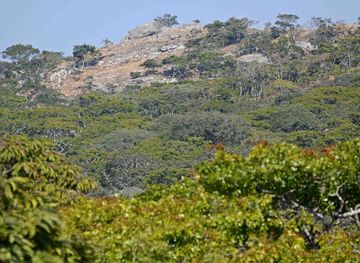
Nestled in the western part of Malawi, the Mchinji Highlands offer a serene escape into nature's embrace. This picturesque region is known for its rolling hills, lush greenery, and tranquil atmosphere, making it an ideal destination for those looking to unwind and reconnect with nature. The highlands are rich in biodiversity, home to various species of birds, plants, and wildlife that delight nature enthusiasts and photographers alike. The Mchinji Highlands are not just about nature; they also hold cultural significance. The nearby town of Mchinji provides a glimpse into traditional Malawian life, with its vibrant markets, friendly locals, and unique crafts. Visitors can explore local villages, engage with the community, and learn about the customs and traditions that make this area so special. Additionally, the highlands are perfect for hiking and trekking, offering trails that cater to different levels of fitness and experience. For those seeking a bit of adventure, the Mchinji Highlands do not disappoint. The landscape is dotted with hidden waterfalls, scenic viewpoints, and natural caves waiting to be discovered. Whether you're a solo traveler, a couple, or a family, the Mchinji Highlands promise a memorable experience filled with natural beauty, cultural richness, and a sense of tranquility that is hard to find elsewhere.

Know before you go
Hi, I'm Eve. Here are a few practical things to know before exploring Mchinji Highlands.
- Visit during the dry season (May to October) for the best hiking conditions and clearer views.
- Carry insect repellent, as the highlands are home to various insects, especially in the rainy season.
- Hire a local guide to explore hidden trails and learn about the area's cultural and natural history.
- Bring comfortable hiking shoes and plenty of water for trekking.
- Visit the local markets in Mchinji town for unique crafts and fresh produce.
Explore Mchinji Highlands: Things to Do, Places to Eat, Hotels & More
Handpicked recommendations for top attractions, local dining, accommodations, and more

Top Attractions & Sightseeing in Mchinji Highlands


Best landmarks in Mchinji Highlands
Top-rated picks
Best Landmarks

Lake Malawi National Park
Explore the enchanting Lake Malawi National Park, a UNESCO World Heritage site filled with diverse wildlife, stunning landscapes, and vibrant aquatic life.

World War I Memorial
Explore the World War I Memorial in Lilongwe, a serene park honoring the sacrifices of the past amidst lush landscapes and poignant sculptures.

Manchewe Waterfalls (Chipopoma)
Experience the breathtaking Manchewe Waterfalls, a stunning natural gem near Livingstonia, perfect for nature lovers and adventure seekers alike.

Kuti Wildlife Reserve
Explore Kuti Wildlife Reserve: A serene wildlife park in Malawi offering diverse ecosystems and unforgettable nature experiences.

Best restaurants in Mchinji Highlands
Top-rated picks
Best Restaurants

Deli Bites
Experience delightful family dining at Deli Bites in Mchinji, where fresh flavors meet a warm atmosphere for unforgettable meals.

CHILL SPOT HALLAL RESTUARANT
Savor the essence of Malawi at Chill Spot Hallal Restaurant in Mchinji – where every dish tells a story.

Chillspot Hallal Restaurant
Experience authentic Malawian cuisine at Chillspot Hallal Restaurant in Mchinji – where flavor meets tradition.

OK's Restaurant
Experience authentic Malawian cuisine at OK's Restaurant in Mchinji – where every meal tells a story.

Best bars in Mchinji Highlands
Top-rated picks
Best Bars

PaZinyama
Discover the authentic taste of Malawi at PaZinyama, where culinary heritage meets a cozy lounge ambiance in the heart of Lilongwe.

Nocturne
Experience the enchanting atmosphere of Nocturne, Lilongwe's premier cocktail bar, where expertly crafted drinks meet a vibrant nightlife.

Hideout Bar and Grill
Experience the heart of Lilongwe at Hideout Bar and Grill, where craft beers and local flavors come together in a vibrant atmosphere.

Visions Malawi
Experience the vibrant local nightlife at Visions Malawi, a lively bar in Lilongwe offering delicious drinks and exquisite dining.

Best nightclubs in Mchinji Highlands
Top-rated picks
Best Nightclubs

Nocturne
Discover the captivating atmosphere and exquisite cocktails at Nocturne, the premier cocktail bar in Lilongwe, Malawi.

Muslim Sports Club
Discover the lively nightlife at Muslim Sports Club in Lilongwe, where music, dance, and local culture come alive every night.

Epic Exclusive Lounge
Experience the peaceful ambiance and exquisite drinks at Epic Exclusive Lounge in Lilongwe, a perfect retreat for tourists.

Chez Ntemba Night Club
Discover the lively nightlife at Chez Ntemba Night Club in Lilongwe, Malawi, where vibrant music and dance create unforgettable memories.

Best shops in Mchinji Highlands
Top-rated picks
Best Shops

#N/A
Explore vibrant fashion trends and unique styles at the City Mall's premier clothing store in Ilongwe, Malawi.

Mzizila Shop
Explore Mzizila Shop in Nkhamenya, Chisinga, for unique Malawian crafts and souvenirs that embody the spirit of local culture.

Kibebe Malawi
Explore Kibebe Malawi for unique local crafts and souvenirs that embody the spirit of Malawi, perfect for tourists seeking authentic keepsakes.

Chipiku Shop
Experience the local culture and convenience at Chipiku Shop, a favorite general store in Mchinji, Malawi, offering an array of everyday essentials.

Explore Mchinji Highlands on the Map
A handpicked selection of must-see spots in Mchinji Highlands, mapped for you.
Mchinji Highlands Essentials
-
Mchinji Highlands can be accessed from the capital city, Lilongwe, which is about 120 kilometers away. The nearest airport is Kamuzu International Airport in Lilongwe. From there, you can hire a private taxi or use public buses to reach Mchinji. The road journey typically takes around 2 to 3 hours, depending on traffic and road conditions.
-
Within Mchinji Highlands, local transportation options include minibuses (matolas) and bicycle taxis, which are common and affordable. For a more comfortable and flexible option, you can hire a private car or use a taxi. If you prefer a more immersive experience, walking and cycling are also great ways to explore the highlands.
-
The official currency in Malawi is the Malawian Kwacha (MWK). Credit cards are accepted in some hotels and restaurants, but it's advisable to carry cash as smaller establishments may not have card facilities. ATMs are available in Mchinji town, but it is wise to withdraw sufficient cash in Lilongwe before traveling to ensure you have enough funds.
-
Mchinji Highlands is generally safe for tourists, but standard travel precautions should be taken. Avoid walking alone at night and be cautious with your belongings in crowded areas. While Mchinji is not known for high crime rates targeting tourists, it is always best to stay vigilant. Some remote areas may have less police presence, so staying in well-populated areas is advisable.
-
In case of emergency, dial 997 for police assistance or 998 for medical emergencies. Mchinji Hospital provides medical services, and there are several pharmacies in Mchinji town for minor health issues. It is recommended to have travel insurance that covers medical emergencies. Always carry a copy of your identification and emergency contact numbers.
-
Fashion: Do dress modestly, especially in rural areas and religious sites. Avoid wearing revealing clothing. Religion: Do respect local customs and traditions. Always ask for permission before taking photographs of people or religious sites. Public Transport: Do be respectful and give up your seat to elderly passengers. Don't eat or drink on public transport. Greetings: Do greet people with a handshake and a smile. A slight bow or nod of the head is also a sign of respect. Eating & Drinking: Do try local delicacies and accept food offerings graciously. Don't refuse hospitality, as it is considered impolite.
-
To experience Mchinji Highlands like a local, visit the local markets where you can buy fresh produce and traditional Malawian goods. Engage with locals, as they are often friendly and willing to share stories about the area’s history and culture. Don't miss visiting the local farms and experiencing traditional farming techniques. For a unique experience, participate in a guided hiking tour to explore the highlands’ scenic landscapes and wildlife.
When is the best time to visit Mchinji Highlands?
Useful Local Phrases for Mchinji Highlands
You don't need to speak the language perfectly. Even learning a few simple words can make conversations warmer—and locals usually appreciate the effort.
— Eve

Here are the phrases I use most often in Mchinji Highlands. Try a few—you'll be surprised how far they go! 😊
❤️
-
- HelloMoni
[moh-nee] - GoodbyeTsalani bwino
[tsah-lah-nee bwee-noh] - YesInde
[een-deh] - NoAyi
[ah-yee] - Please/You're welcomeChonde
[chon-deh] - Thank youZikomo
[zee-koh-moh] - Excuse me/SorryPepani
[peh-pah-nee] - How are you?Muli bwanji?
[moo-lee bwan-jee] - Fine. And you?Ndili bwino. Nanu?
[n-dee-lee bwee-noh. nah-noo?] - Do you speak English?Mukufuna kulankhula Chingerezi?
[moo-koo-foo-nah koo-lahn-khoo-lah cheen-geh-reh-zee?] - I don't understandSindingamvetsa
[seen-deen-gahm-vet-sah]
- HelloMoni
-
- I'd like to see the menu, pleaseNdikufuna kuona menyu, chonde
[n-dee-koo-foo-nah koo-oh-nah men-yoo, chon-deh] - I don't eat meatSindikudya nyama
[seen-dee-koo-jah nyah-mah] - Cheers!Zikomo!
[zee-koh-moh] - I would like to pay, pleaseNdikufuna kulipira, chonde
[n-dee-koo-foo-nah koo-lee-pee-rah, chon-deh]
- I'd like to see the menu, pleaseNdikufuna kuona menyu, chonde
-
- Help!Thandizani!
[than-dee-zah-nee] - Go away!Tengani mbali!
[ten-gah-nee m-bah-lee] - Call the Police!Fufuzani apolisi!
[foo-foo-zah-nee ah-po-lee-see] - Call a doctor!Fufuzani dokotala!
[foo-foo-zah-nee doh-koh-tah-lah] - I'm lostNdafika pansi
[n-dah-fee-kah pahn-see] - I'm illNdine wodwala
[n-dee-neh woh-dwah-lah]
- Help!Thandizani!
-
- I'd like to buy...Ndikufuna kugula...
[n-dee-koo-foo-nah koo-goo-lah...] - I'm just lookingNdikungoti ndikuona
[n-dee-kung-oh-tee n-dee-koo-oh-nah] - How much is it?Muli bwanji?
[moo-lee bwan-jee?] - That's too expensiveIzi ndi mtengo wambiri
[ee-zee n-dee m-ten-go wahm-bee-ree] - Can you lower the price?Mungathe kupititsa mtengo?
[moon-gah-theh koo-pee-teet-sah m-ten-go?]
- I'd like to buy...Ndikufuna kugula...
-
- What time is it?Ndi nthawi yanji?
[n-dee n-tah-hwee yah-n-jee?] - It's one o'clockNdi saizi imodzi
[n-dee sah-ee-zee ee-moh-dzee] - Half past (10)Pafupifupi pa (10)
[pah-foo-pee-foo-pee pah (10)] - MorningM'mawa
[mm-mah-wah] - AfternoonMadzulo
[mah-dzoo-loh] - EveningMadzulo
[mah-dzoo-loh] - YesterdayLero
[leh-roh] - TodayLero
[leh-roh] - TomorrowM'mawa
[mm-mah-wah] - 1Chimodzi
[chee-moh-dzee] - 2Chiwiri
[chee-wee-ree] - 3Chitatu
[chee-tah-too] - 4Chinayi
[chee-nah-yee] - 5Chisanu
[chee-sah-noo] - 6Chisanu ndi chimodzi
[chee-sah-noo n-dee chee-moh-dzee] - 7Chisanu ndi ziwiri
[chee-sah-noo n-dee zee-wee-ree] - 8Chisanu ndi chitatu
[chee-sah-noo n-dee chee-tah-too] - 9Chisanu ndi chinayi
[chee-sah-noo n-dee chee-nah-yee] - 10Chisanu ndi zisanu
[chee-sah-noo n-dee zee-sah-noo]
- What time is it?Ndi nthawi yanji?
-
- Where's a/the...?Kuti ndi ...?
[koo-tee n-dee ...?] - What's the address?Kuti ndi adiresi?
[koo-tee n-dee ah-dee-reh-see?] - Can you show me (on the map)?Mungathe kunditsogolera (pa chithunzi)?
[moon-gah-theh koon-dee-tso-go-leh-rah (pah chee-thoon-zee)?] - When's the next (bus)?Ndi nthawi yotsatira (basi)?
[n-dee n-tah-hwee yoh-tsah-tee-rah (bah-see)?] - A ticket (to ....)Tikiti (kupita ku....)
[tee-kee-tee (koo-pee-tah koo....)]
- Where's a/the...?Kuti ndi ...?
History of Mchinji Highlands
-
The Mchinji Highlands have been home to various indigenous communities for centuries. The Chewa people, one of the largest ethnic groups in Malawi, have long inhabited this region. They practiced subsistence farming and were known for their vibrant cultural practices, including the iconic Gule Wamkulu dance, which is recognized by UNESCO as a Masterpiece of the Oral and Intangible Heritage of Humanity.
-
In the late 19th century, the British arrived in Malawi, then known as Nyasaland, and the Mchinji Highlands were not left untouched. The British established administrative posts and introduced new agricultural practices, including the cultivation of cash crops like tobacco. This period also saw the construction of infrastructure, including roads and schools, which played a significant role in shaping the modern-day Mchinji.
-
The Mchinji Highlands were a focal point for various missionary activities during the colonial era. Missionaries from Europe, particularly Scotland, established missions, schools, and hospitals. One of the most notable missions was the Livingstonia Mission, named after the famous explorer David Livingstone. These missions contributed significantly to the spread of Christianity and Western education in the region.
-
The struggle for Malawi's independence in the mid-20th century also touched the Mchinji Highlands. Local leaders and activists played crucial roles in mobilizing support for the independence movement, which culminated in Malawi gaining its independence from British colonial rule on July 6, 1964. The Mchinji Highlands became a symbol of resilience and hope for the newly independent nation.
-
Today, the Mchinji Highlands are a blend of historical significance and natural beauty. The region is known for its picturesque landscapes, traditional Chewa villages, and historical landmarks. Visitors can explore cultural sites, attend traditional ceremonies, and enjoy the scenic beauty of the highlands. The area continues to be an important agricultural hub, contributing to Malawi's economy.
Neighbouring Regions of Mchinji Highlands
The closest regions to Mchinji Highlands, if you have time for more than one.



Your all‑in‑one travel companion app
Explore expert travel guides, compare and book tours, experiences, hotels, and more—all from the palm of your hand. Download now for seamless trip planning wherever your wanderlust takes you.


Explore More of Malawi

Looking beyond Mchinji Highlands? Discover Malawi for broader travel guides, local hot-spots, and regional highlights.
Explore MalawiMchinji Highlands in Photos
Browse through our photo collection highlighting the charm and character of the destination.

Majestic Mchinji Highlands: Nature's Hidden Gem in Malawi
Nestled in the western part of Malawi, the Mchinji Highlands offer a serene escape into nature's embrace. This picturesque region is known for its rolling hills, lush greenery, and tranquil atmosphere, making it an ideal destination for those looking to unwind and reconnect with nature. The highlands are rich in biodiversity, home to various species of birds, plants, and wildlife that delight nature enthusiasts and photographers alike. The Mchinji Highlands are not just about nature; they also hold cultural significance. The nearby town of Mchinji provides a glimpse into traditional Malawian life, with its vibrant markets, friendly locals, and unique crafts. Visitors can explore local villages, engage with the community, and learn about the customs and traditions that make this area so special. Additionally, the highlands are perfect for hiking and trekking, offering trails that cater to different levels of fitness and experience. For those seeking a bit of adventure, the Mchinji Highlands do not disappoint. The landscape is dotted with hidden waterfalls, scenic viewpoints, and natural caves waiting to be discovered. Whether you're a solo traveler, a couple, or a family, the Mchinji Highlands promise a memorable experience filled with natural beauty, cultural richness, and a sense of tranquility that is hard to find elsewhere.