

Free Northern Region Travel Guide & Mobile App
Explore Northern Region with free travel guides. Discover regional history, expert tips, proposed trips, and audio guides on web or mobile app.


Explore Northern Malawi for Nyika’s highlands, Lake Malawi shores, Livingstonia’s heritage, wildlife reserves and the remote beauty of Likoma Island.
Read more about Northern Region
When is the best time to visit Northern Region?
Best: June–August · 23–24°C| Month | High (°C) | Rainfall (mm) |
|---|---|---|
| January | 27 | 200 |
| February | 28 | 150 |
| March | 28 | 150 |
| April | 28 | 100 |
| May | 25 | 50 |
| June (best) | 24 | 10 |
| July (best) | 23 | 10 |
| August (best) | 23 | 10 |
| September | 25 | 50 |
| October | 27 | 100 |
| November | 28 | 150 |
| December | 28 | 200 |
Getting to and around Northern Region
How to get there
Transportation
Top city travel guides in Northern Region
The cities of Northern Region, and the easiest places to base yourself.
-

-

-


Swipe for more cities
Destinations in Northern Region
Resorts, valleys and scenic spots worth a trip of their own.
-

-

-


Swipe for more destinations
Best attractions in Northern Region
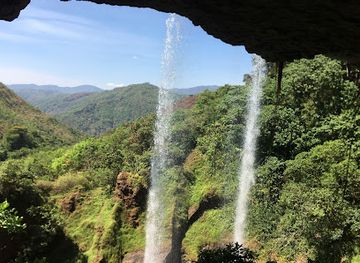
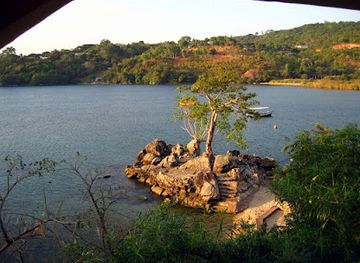
Northern Malawi’s attractions centre on landscapes and cultural places rather than a dense chain of formal visitor sites. Nyika National Park offers high-altitude grasslands, broad views, seasonal flowers, wildlife drives and walking opportunities in a cool environment unlike the lakeshore. Vwaza Marsh Wildlife Reserve provides a lower-lying contrast of woodland, wetlands and open water, with elephants, hippos, antelope and abundant birdlife best experienced with trained guides. Around Lake Malawi, Nkhata Bay supports swimming, kayaking, diving and boat excursions, while the beaches near Chintheche are suited to slower lakeside stays. Livingstonia combines mission history, hill scenery and views across the lake. Karonga’s Cultural and Museum Centre introduces the region’s fossils, archaeology and local history. Likoma Island adds island beaches, village landscapes and St Peter’s Cathedral, while the Misuku Hills and rural northern districts offer walking, birdwatching and scenic road journeys for visitors travelling with suitable local guidance.
-
Tourist attraction
Kapologwe Waterfall
Experience the breathtaking beauty of Kapologwe Waterfall in Tanzania, a serene escape into nature's stunning masterpiece.
-
SCUBA instructor
Aqua Africa
Explore the underwater treasures of Lake Malawi with Aqua Africa, the top-rated scuba instruction center in Nkhata Bay, Malawi.
-
Tourist attraction
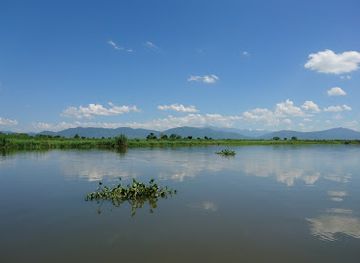
Vwaza Marsh Wildlife Reserve
Explore Vwaza Marsh Wildlife Reserve, a serene haven in Malawi teeming with wildlife and stunning landscapes, perfect for nature lovers and adventurers alike.
-
Tourist attraction
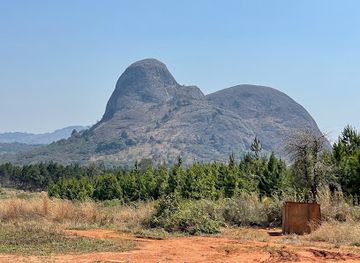
Elephant Rock
Explore the breathtaking natural beauty of Elephant Rock, a stunning tourist attraction in Malawi, famous for its unique rock formations and serene landscapes.
Best landmarks in Northern Region
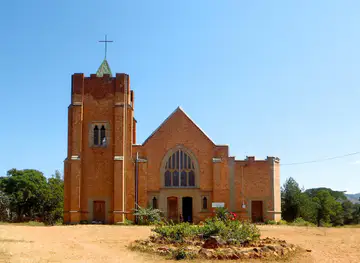
Livingstonia is the Northern Region’s most recognisable historic site, occupying a high escarpment above Lake Malawi with its stone church, mission buildings and long association with education and printing. St Peter’s Cathedral on Likoma Island is another defining landmark: its substantial scale and Gothic-inspired design are striking in an island setting and reflect the influence of Anglican mission activity. Karonga’s Cultural and Museum Centre is an important place of public interpretation, linking local history with fossil and archaeological discoveries from the northern lakeshore. The Nyika Plateau is a geographical landmark as much as a wildlife destination, its open upland scenery forming a dramatic contrast with the lake basin below. Lake Malawi’s wide northern shoreline, the forested and cultivated slopes around Nkhata Bay, and the wetland landscape of Vwaza Marsh provide the region’s principal natural reference points, while traditional settlements and market towns give the road journey between them its human scale.
-
Lake
Lake Malawi
Experience the enchanting beauty of Lake Malawi, a vibrant freshwater paradise with crystal-clear waters, diverse marine life, and breathtaking landscapes.
-
Nature preserve
Lilongwe Wildlife Centre
Discover wildlife conservation at the Lilongwe Wildlife Centre, a serene nature preserve that showcases Malawi's diverse animal species and ecological initiatives.
-
National park
Liwonde National Park
Explore the breathtaking landscapes and wildlife of Liwonde National Park, Malawi's premier wildlife sanctuary and eco-tourism destination.
-
Nature preserve
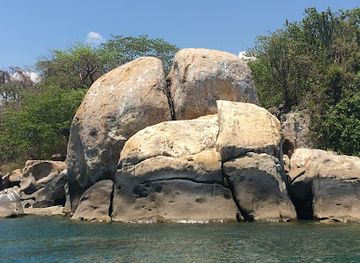
Lake Malawi National Park
Explore the breathtaking landscapes and vibrant wildlife of Lake Malawi National Park, a UNESCO World Heritage Site perfect for nature lovers and adventure seekers.
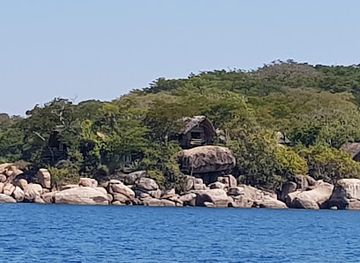
Explore Northern Region on the map
Plan your trip on one map. See where the top cities, national parks and sights are, and book hotels and experiences in a few clicks.
Best hotels in Northern Region
Best restaurants in Northern Region
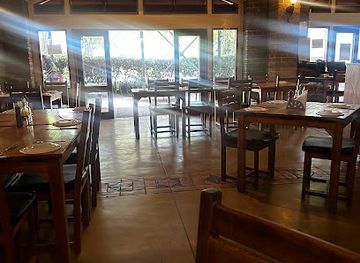
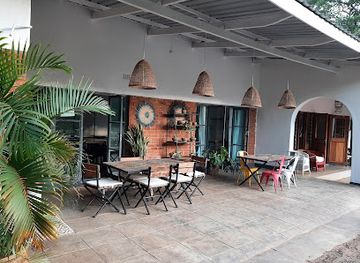
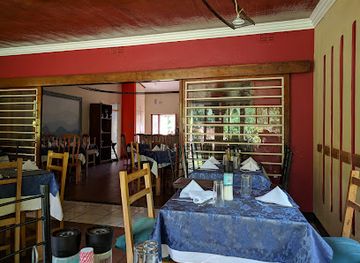
Food in Northern Malawi reflects the lake, farms and markets rather than a separate restaurant tradition. Chambo, a freshwater fish associated with Lake Malawi, is commonly served where supplies are available, while other fish, chicken and meat appear alongside nsima, rice, beans, vegetables and seasonal greens. Lakeside lodges and restaurants in Nkhata Bay, Chintheche and Likoma may offer grilled fish and simple international dishes, but menus depend on deliveries and the season. In Mzuzu, Karonga and other larger towns, cafés and restaurants provide a broader choice, while rural eating is more likely to involve modest local establishments and market food. Travellers can look for bananas, groundnuts, cassava, sweet potatoes and locally grown produce, and should buy bottled or treated water when its safety is uncertain. Meals are often unhurried, and advance notice helps lodges prepare for special dietary requirements.
-
Italian
Mamma Mia Restaurant
Experience the best of Italian cuisine at Mamma Mia Restaurant in Lilongwe—where every meal is a celebration of flavor and tradition.
-
Restaurant
La Cantina
Discover La Cantina in Lilongwe: A delightful restaurant offering a fusion of Malawian flavors and international cuisine amidst a warm atmosphere.
-
Italian
Mediterraneo
Experience authentic Italian cuisine at Mediterraneo in Lilongwe – where every dish tells a story of tradition and flavor.
-
Indian
Chennai Spice
Discover the essence of India with flavorful dishes at Chennai Spice in Lilongwe – a culinary gem for all food lovers.
Best bars in Northern Region
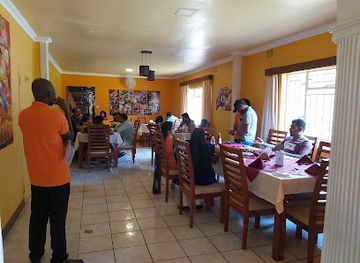
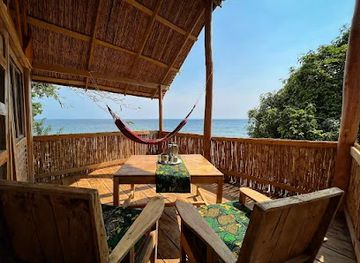
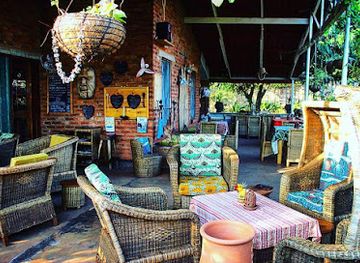
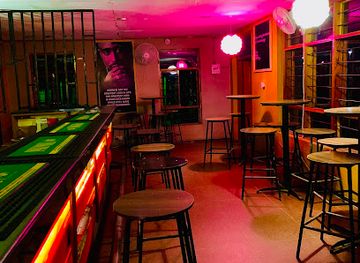
Evening life in the Northern Region is generally social and low-key rather than centred on large nightclubs. Nkhata Bay has the broadest lakeshore choice, with lodge bars, informal waterfront venues, music and occasional dancing, while Mzuzu offers more conventional urban bars, restaurants and entertainment. In Karonga and smaller towns, evenings usually revolve around local bars, food, conversation and music rather than a defined club district. Lodges in Nyika, Vwaza and Livingstonia provide a quieter setting, often with a bar, dining room and opportunities to observe the night sky. Likoma’s evening scene is similarly intimate and shaped by accommodation providers, island communities and the pace of boat connections. Check local advice about transport after dark, and treat music, drinking and nightlife as optional parts of the region’s social life rather than the central reason to visit.
-
Bar
Butterfly Space Non Profit Eco Lodge
Experience the beauty of Lake Malawi at Butterfly Space Non Profit Eco Lodge, where eco-friendly practices meet community spirit and adventure.
-
Bar
Macondo Camp
Experience the charm of Macondo Camp in Mzuzu – a lively bar, delicious food, and a welcoming camp for families and travelers.
-
Bar
Queens Night Club
Dive into the vibrant nightlife of Mzuzu at Queens Night Club, where energetic beats and a lively crowd create unforgettable memories.
-
Bar
Ntchezgo Corner
Experience the local culture and vibrant nightlife at Ntchezgo Corner, Mzuzu's premier bar for relaxation and socializing.

Best nightclubs in Northern Region
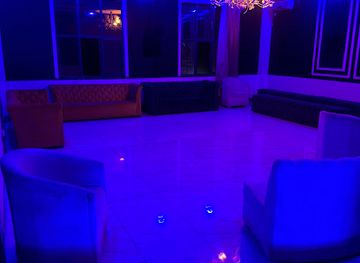
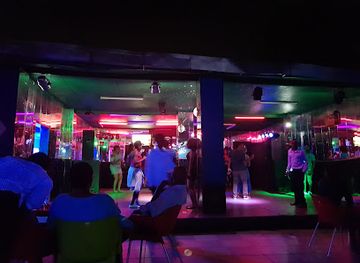
Evening life in the Northern Region is generally social and low-key rather than centred on large nightclubs. Nkhata Bay has the broadest lakeshore choice, with lodge bars, informal waterfront venues, music and occasional dancing, while Mzuzu offers more conventional urban bars, restaurants and entertainment. In Karonga and smaller towns, evenings usually revolve around local bars, food, conversation and music rather than a defined club district. Lodges in Nyika, Vwaza and Livingstonia provide a quieter setting, often with a bar, dining room and opportunities to observe the night sky. Likoma’s evening scene is similarly intimate and shaped by accommodation providers, island communities and the pace of boat connections. Check local advice about transport after dark, and treat music, drinking and nightlife as optional parts of the region’s social life rather than the central reason to visit.
-
Night club
Illusionz
Dive into the vibrant nightlife of Lilongwe at Illusionz, the ultimate destination for unforgettable nights filled with music and dancing.
-
Night club
Muslim Sports Club
Discover the lively nightlife at Muslim Sports Club in Lilongwe, where music, dance, and local culture come together for an unforgettable experience.
-
Lounge
Epic Exclusive Lounge
Discover the vibrant nightlife and tranquil atmosphere of the Epic Exclusive Lounge in Lilongwe, where exceptional drinks meet an exquisite setting.
-
Night club
Chez Ntemba Night Club
Experience the vibrant nightlife and local culture at Chez Ntemba Night Club in Lilongwe, where music and dance unite.


Best shops in Northern Region
Shopping in Northern Malawi is primarily local and practical, with the strongest choice in Mzuzu, Nkhata Bay and Karonga. Markets sell fruit, vegetables, fish, household goods, clothing and small handmade items, while roadside stalls may offer woven products, woodwork or locally produced food. Nkhata Bay and Likoma are suitable places to look for lakeside crafts and small souvenirs, although stock and quality vary and ethical purchasing matters. Mzuzu provides a broader urban selection, including groceries and useful travel supplies, while Karonga is a practical stop for regional produce and everyday goods. Visitors may find baskets, carved objects, textiles, paintings, groundnuts, tea and other foods, but should avoid buying archaeological material, wildlife products or anything presented as ancient without clear legal provenance. Bargain politely where appropriate, carry smaller kwacha notes and remember that many rural sellers operate on narrow margins.
-
Shopping mall
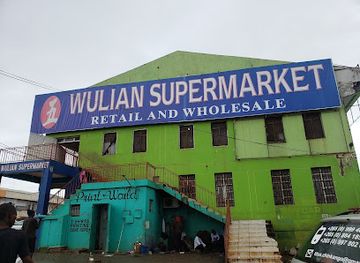
Wulian Shopping Mall
Discover Wulian Shopping Mall, the ultimate shopping hub in Lilongwe, blending local culture with modern retail for an unforgettable experience.
-
Restaurant
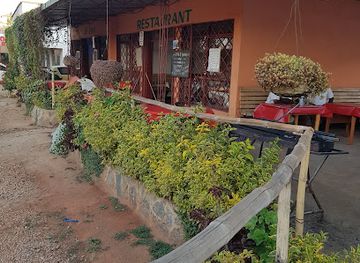
Manjolo Village
Discover the culinary treasures of Manjolo Village, where traditional Malawian flavors come alive in a warm and inviting atmosphere.
-
Shopping mall
Add2Cart Malawi - Online shopping store office
Discover Add2Cart Malawi in Lilongwe, where shopping meets local culture in a vibrant atmosphere filled with diverse products.
-
Grocery store
Rumphi Market
Discover local flavors and vibrant culture at Rumphi Market, a must-visit grocery store in Rhumpi, Malawi, showcasing fresh produce and handmade crafts.
Get your free copy of our complete guide to Northern Region, delivered straight to you.
Everything on this page, from attractions and restaurants to essentials and local phrases, in one PDF you can read offline, print or share.
Already have an account? Sign in
Your Northern Region guide is ready.
We'll send it to · Not you? Sign out

Getting your guide ready…
We are putting together a fresh copy of the Northern Region guide. This can take up to a minute.
This can take a few moments. If your browser asks, choose Allow so the download can start. You'll find the guide in your Downloads folder.
Nothing happened? Download it again
Sorry, the guide is taking longer than usual. Please try again in a minute, or get it by email instead.
Northern Region essentials
Currency and Payment
Safety
Emergency Situations
Do's and Don'ts
Local Tips
From Eve
Local phrases worth knowing
You don't need to get them perfect. A few words go a long way, and locals appreciate the effort.
Basics
| English | Local | Say it |
|---|---|---|
| Hello | Moni | [Maw-nee] |
| Goodbye | Tsalani bwino | [Tsah-lah-nee bwee-no] |
| Yes | Inde | [In-day] |
| No | Ayi | [Ah-yee] |
| Please/You're welcome | Chonde | [Chon-day] |
| Thank you | Zikomo | [Zee-koh-mo] |
| Excuse me/Sorry | Pepani | [Pe-pah-nee] |
| How are you? | Muli bwanji? | [Moo-lee b-wan-ji] |
| Fine. And you? | Ndili bwino. Nanga inu? | [Ndee-lee bwee-no. Nahn-gah ee-noo?] |
| Do you speak English? | Mukumva Chingerezi? | [Moo-koom-vah Ching-eh-rezi?] |
| I don't understand | Sindikumvetsa | [Seen-dee-koom-vet-sah] |
Eating & Drinking
| English | Local | Say it |
|---|---|---|
| I'd like to see the menu, please | Ndikufuna kuona menyu, chonde | [Ndee-koo-fun-ah koo-oh-nah men-yoo, chon-day] |
| I don't eat meat | Sindikudya nyama | [Seen-dee-koo-jah nyah-mah] |
| Cheers! | Zikomo! | [Zee-koh-mo] |
| I would like to pay, please | Ndikufuna kulipira, chonde | [Ndee-koo-fun-ah koo-lee-pee-rah, chon-day] |
Emergencies
| English | Local | Say it |
|---|---|---|
| Help! | Thandizeni! | [Than-dee-zen-ee] |
| Go away! | Pita! | [Pee-tah] |
| Call the Police! | Dialani apolisi! | [Dee-ah-lah-nee ah-po-lee-see] |
| Call a doctor! | Dialani dokotala! | [Dee-ah-lah-nee doh-koh-tah-lah] |
| I'm lost | Ndakhala pansi | [Ndee-kah-lah pahn-see] |
| I'm ill | Ndili ndi matenda | [Ndee-lee nd-ee mah-ten-dah] |
Shopping
| English | Local | Say it |
|---|---|---|
| I'd like to buy... | Ndikufuna kugula... | [Ndee-koo-fun-ah koo-goo-lah] |
| I'm just looking | Ndikungotenga | [Ndee-kun-go-teng-ah] |
| How much is it? | Nanga ndalama zili bwanji? | [Nahn-gah n-dah-lah-mah zee-lee b-wan-ji?] |
| That's too expensive | Izi ndi mtengo wapamwamba | [Ee-zee nd-ee m-ten-go wah-pah-mwamba] |
| Can you lower the price? | Mungathe kuthetsa mtengo? | [Moo-ngah-theh koo-thet-sah m-ten-go?] |
Time & Numbers
| English | Local | Say it |
|---|---|---|
| What time is it? | Ndi nthawi yanji? | [Ndee thah-whee yah-nji?] |
| It's one o'clock | Ndi saizi imodzi | [Ndee sah-ee-zee ee-moh-dzee] |
| Half past (10) | Ndi hafu ya (10) | [Ndee hah-foo yah ten] |
| Morning | M'mawa | [Mm-ah-wah] |
| Afternoon | Madzulo | [Mah-dzoo-loh] |
| Evening | Madzulo abwino | [Mah-dzoo-loh ah-bwee-no] |
| Yesterday | Dzulo | [Dzu-loh] |
| Today | Lero | [Le-roh] |
| Tomorrow | Bola | [Boh-lah] |
| 1 | Imodzi | [Ee-moh-dzee] |
| 2 | Ziwiri | [Zee-wee-ree] |
| 3 | Zitatu | [Zee-tah-too] |
| 4 | Zinayi | [Zee-nah-yee] |
| 5 | Zisanu | [Zee-sah-noo] |
| 6 | Zisanu ndi imodzi | [Zee-sah-noo nd-ee ee-moh-dzee] |
| 7 | Zisanu ndi ziwiri | [Zee-sah-noo nd-ee zee-wee-ree] |
| 8 | Zisanu ndi zitatu | [Zee-sah-noo nd-ee zee-tah-too] |
| 9 | Zisanu ndi zinayi | [Zee-sah-noo nd-ee zee-nah-yee] |
| 10 | Zisanu | [Zee-sah-noo] |
Transport & Directions
| English | Local | Say it |
|---|---|---|
| Where's a/the...? | Kuli ...? | [Koo-lee ...?] |
| What's the address? | Nanga kero ndi chiyani? | [Nahn-gah keh-roh nd-ee chee-ya-nee?] |
| Can you show me (on the map)? | Munganditengere (pa chithunzi)? | [Moo-ngahn-dee-teng-eh-reh (pah chee-thoon-zee)?] |
| When's the next (bus)? | Nanga basi yotsatira ndi ya liti? | [Nahn-gah bah-see yoh-tsah-tee-rah nd-ee yah lee-tee?] |
| A ticket (to ....) | Tikiti (ku ...) | [Tee-kee-tee (koo ...)] |
History of Northern Region
Early Settlement and Archaeological Heritage
Northern Malawi contains evidence of a long human history, from Stone Age activity to later farming and iron-working communities. The Karonga area is especially important to palaeontologists and archaeologists: fossil discoveries around the northern lakeshore, including dinosaur material and early hominin evidence, have helped place Malawi within wider studies of African environmental and human evolution. Later settlement brought farming, fishing, trade and iron production, creating cultural landscapes that long predate European exploration. The region’s archaeological importance is interpreted locally through institutions such as the Cultural and Museum Centre in Karonga.
The Ngonde Kingdom and Regional Trade
Before colonial rule, northern communities were organised through several forms of chiefly and political authority. The Ngonde kingdom around the lower Songwe and northern lakeshore was among the region’s most prominent political traditions, while Tumbuka-speaking societies were influential farther south and west. Trade connected the lakeshore with inland routes, exchanging fish, agricultural produce, livestock and other goods. These networks also operated within a more troubling regional history of raiding and enslavement, which affected communities around Lake Malawi and linked the interior to wider East and Central African markets.
Missionaries and the Founding of Livingstonia
The Livingstonia mission grew from the work of the Free Church of Scotland after the death of David Livingstone, whose opposition to the slave trade influenced later missionary activity. The mission was first established at Cape Maclear, outside the Northern Region, then moved to Bandawe and finally to the healthier highland site of Livingstonia in 1894. Mission education, printing, medical work and Christianity had a lasting influence, but these developments unfolded through negotiation and tension with African communities and existing authorities. Livingstonia’s church, buildings and educational legacy remain among the region’s most visible historical landmarks.
Colonial Nyasaland and Changing Administration
The region became part of the British protectorate of Nyasaland, established in 1891, and colonial administration altered patterns of land use, taxation, labour and commerce. Mission schools expanded alongside government structures, while lakeshore ports and roads supported movement through the north. Colonial boundaries did not erase older political and cultural identities, and authority remained shared between the state, chiefs, missions and local communities. The period also encouraged new forms of education and political awareness, helping create the social conditions in which anticolonial movements developed.
The Road to Independence, 1950s–1964
Anticolonial politics intensified during the final years of the Nyasaland protectorate. Hastings Kamuzu Banda became the leading figure in the independence movement, and opposition to the Central African Federation helped focus demands for self-government. Northern districts participated in this wider political transformation, although local experiences and regional identities varied considerably. Nyasaland became independent as Malawi on 6 July 1964. The new national government inherited colonial roads, administrative centres, mission institutions and uneven regional development, including the challenge of connecting the far north more effectively with the rest of the country.
Conservation and Contemporary Northern Malawi
In the post-independence period, wildlife and landscape conservation became increasingly important to the Northern Region’s economy and identity. Nyika National Park, Vwaza Marsh Wildlife Reserve and other protected areas preserve habitats across the highlands, valleys and wetlands, while tourism provides income and employment alongside farming, fishing and trade. Conservation has also created difficult questions about access to land, resources and benefits, making community involvement essential. Today the region combines protected landscapes, growing lakeshore tourism, archaeological research and long-established farming and market economies.
Northern Region in Photos
Browse through our photo collection highlighting the charm and character of the destination.
Neighbouring regions of Northern Region
The closest regions to Northern Region, if you have time for more than one.
-

-

-

-

-


Swipe for more regions
Explore more

Explore more of Malawi
Discover Malawi, the Warm Heart of Africa, where pristine landscapes, diverse wildlife, and rich cultural heritage await to enchant every traveler.
Explore Malawi