

Free Viphya Mountains Travel Guide & Mobile App
Explore Viphya Mountains with free travel guides. Discover regional history, expert tips, proposed trips, and audio guides on web or mobile app.


Explore Malawi’s Viphya Mountains for cool highland forests, Luwawa Dam, birdwatching, walking, cycling and peaceful woodland retreats.
Read more about Viphya Mountains
When is the best time to visit Viphya Mountains?
Best: July–September · 20–22°C| Month | High (°C) | Rainfall (mm) |
|---|---|---|
| January | 25 | 250 |
| February | 25 | 200 |
| March | 25 | 150 |
| April | 24 | 100 |
| May | 22 | 50 |
| June | 20 | 20 |
| July (best) | 20 | 10 |
| August (best) | 21 | 10 |
| September (best) | 22 | 20 |
| October | 24 | 50 |
| November | 25 | 100 |
| December | 25 | 150 |
Getting to and around Viphya Mountains
How to get there
Transportation
Top city travel guides in Viphya Mountains
The cities of Viphya Mountains, and the easiest places to base yourself.
-

-

-


Swipe for more cities
Destinations in Viphya Mountains
Resorts, valleys and scenic spots worth a trip of their own.
-

-

-
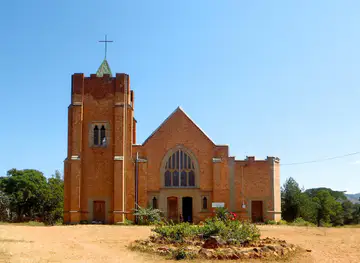


Swipe for more destinations
Best attractions in Viphya Mountains
The Viphya Mountains are primarily an outdoor destination, with attractions shaped by highland forest, open ridges and the quieter pace of rural northern Malawi. Around Luwawa, visitors can combine walks, birdwatching, mountain biking, fishing and water-based recreation at Luwawa Dam, subject to local conditions and available facilities. The surrounding pine plantations provide long forest tracks and changing views, while remaining patches of indigenous woodland offer a more varied habitat for birds and small wildlife. The area is also suitable for landscape photography and cool-weather retreats. Mzuzu, outside the core forest landscape but an important gateway, provides urban services, markets and cultural context rather than a substitute for the mountains themselves. Further routes across the plateau appeal to travellers who enjoy scenic driving and dispersed rural landscapes, although they require more planning than a conventional attraction circuit. The Viphya experience lies less in a concentration of monuments or museums than in observing the relationship between working forestry, local communities, water catchments and highland ecology.
-
Lake
Lake Malawi
Discover the stunning beauty of Lake Malawi, a UNESCO World Heritage Site known for its crystal-clear waters, diverse marine life, and rich local culture.
-
Tourist attraction
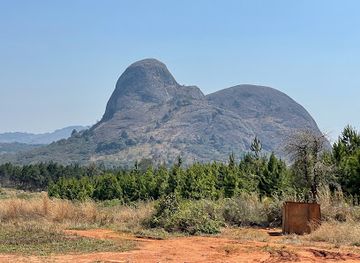
Elephant Rock
Immerse yourself in the stunning natural beauty of Elephant Rock, a must-visit landmark in Malawi, perfect for nature lovers and adventure seekers.
-
Garden
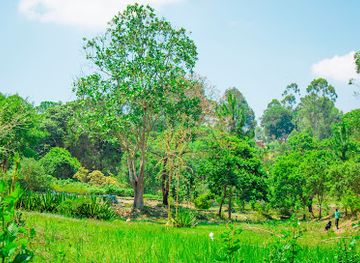
Ntchezgo garden
Explore the serene beauty of Ntchezgo Garden in Mzuzu, a vibrant oasis of flora and tranquility perfect for relaxation and nature lovers.
-
Park
Springs park,
Explore the tranquil beauty of Springs Park in Mzuzu, a serene oasis perfect for relaxation and enjoying nature's splendor.
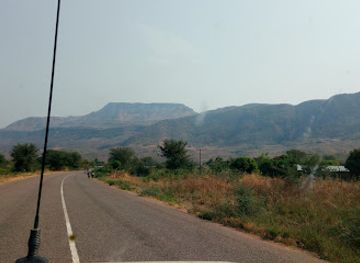
Best landmarks in Viphya Mountains
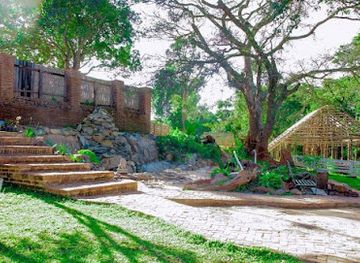
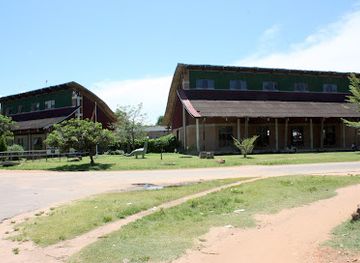
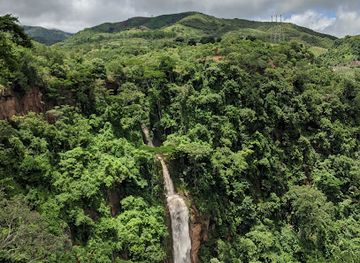
The defining landmarks of the Viphya Mountains are natural and forestry-related rather than monumental. Luwawa Dam is the best-known recognisable feature for visitors, its open water contrasting with surrounding pine-covered slopes and providing the setting for recreation and highland accommodation. The extensive Viphya Forest itself is the region’s principal geographical marker: straight plantation blocks, indigenous woodland remnants and broad upland ridges create a distinctive landscape visible over long distances. Forest roads, cleared firebreaks and timber stands also reveal the scale of the area’s twentieth-century forestry development, although they remain working infrastructure rather than formal monuments. The cool plateau and its changing views towards neighbouring valleys give the mountains their wider visual identity. Mzuzu’s urban landmarks are outside the forest core and should be treated as gateway features, while the most meaningful places within the Viphya landscape are found in the relationship between water, woodland, managed plantations and open highland terrain.
-
Museum
Karonga Museum
Explore the rich cultural heritage and ancient fossils at Karonga Museum, a premier destination in Malawi for history enthusiasts and curious travelers alike.
-
 Lodge
LodgeLuwawa Forest Lodge
Experience the tranquility of Luwawa Forest Lodge, your perfect getaway in Malawi's breathtaking landscapes, offering adventure and relaxation in nature.
-
Tourist attraction
Manchewe Waterfalls (Chipopoma)
Experience the breathtaking beauty of Manchewe Waterfalls in Livingstonia – a natural wonder that promises adventure and serenity.
-
Mountain peak
Vipya Mountains
Discover the breathtaking landscapes and rich biodiversity of the Vipya Mountains, a must-visit peak for nature lovers and adventure seekers in Malawi.
Explore Viphya Mountains on the map
Plan your trip on one map. See where the top cities, national parks and sights are, and book hotels and experiences in a few clicks.
Best hotels in Viphya Mountains
Best restaurants in Viphya Mountains
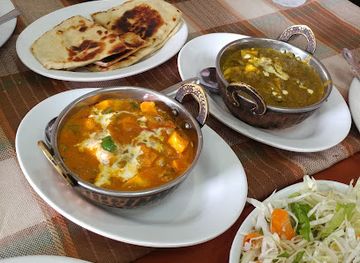
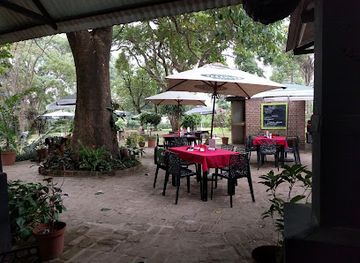
Dining in the Viphya Mountains is centred on lodge and guesthouse meals, simple local cooking and provisions brought from Mzuzu or other larger towns. Menus commonly draw on Malawian staples such as nsima, vegetables, beans, rice, chicken and locally available fish, with tea particularly welcome in the cool upland climate. Around Luwawa, meals are generally part of the accommodation experience rather than a choice of numerous independent restaurants, so visitors should clarify meal arrangements and dietary requirements in advance. Mzuzu offers a broader selection of cafés, restaurants and informal food outlets, as well as markets where travellers can buy fruit, snacks and basic supplies before heading into the forest. Local produce varies seasonally, and eating in the region is best understood as practical, fresh and lodge-based rather than as a specialised culinary destination. Visitors should carry suitable snacks for longer excursions and avoid relying on remote areas for late meals.
-
Restaurant
La Cantina
Experience the vibrant flavors of Spain and Mexico at La Cantina in Lilongwe—where every dish tells a story.
-
Lodge
Casa Mia Lodge & Restaurant
Experience comfort and culinary delight at Casa Mia Lodge & Restaurant in Blantyre, Malawi's charming getaway.
-
Restaurant
Veg-Delight Blantyre
Discover the vibrant flavors of vegetarian cuisine at Veg-Delight Blantyre – where local meets global in every delicious dish.
-
Restaurant
La Caverna
Discover La Caverna: where exquisite cuisine meets captivating art in the heart of Blantyre's historic landscape.

Best bars in Viphya Mountains
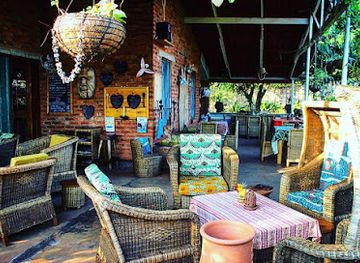
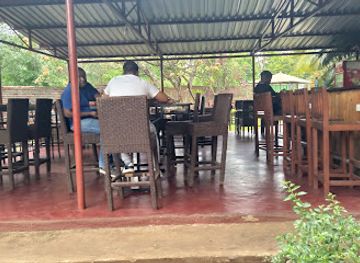
Nightlife in the Viphya Mountains is quiet and accommodation-led. Around Luwawa, evenings usually revolve around lodge dining, conversation, drinks and the dark, cool forest setting rather than nightclubs or a dedicated entertainment district. Some accommodation may offer a bar or communal lounge, but facilities and operating arrangements vary, so they should not be assumed. Mzuzu, outside the forest area, has the north’s more developed evening scene, including pubs, informal bars, restaurants and occasional live entertainment, although it remains considerably smaller and less late-night than Malawi’s principal cities. Rural evenings are better suited to early dinners, stargazing and rest before outdoor activities. Visitors should drink responsibly, arrange transport before going out in town and avoid walking unfamiliar forest roads after dark.
-
Bar
Macondo Camp
Discover the serene beauty and vibrant atmosphere of Macondo Camp, a perfect getaway in Mzuzu for families and adventurers alike.
-
Grill
Sky Lounge Bar
Experience Blantyre's vibrant nightlife at Sky Lounge Bar, where delicious grilled dishes meet stunning views and welcoming ambiance.
-
Bar
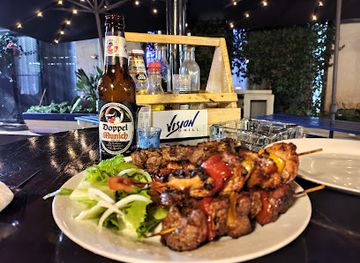
Visions Malawi
Discover the vibrant nightlife of Lilongwe at Visions Malawi, a lively bar where drinks and culture meet.
-
Lounge
Epic Exclusive Lounge
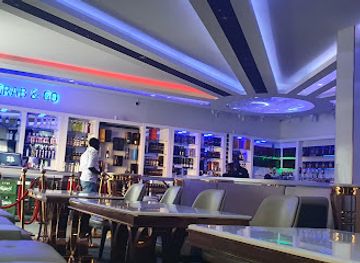
Epic Exclusive Lounge in Lilongwe: A serene spot to relax with delightful drinks and snacks, perfect for unwinding after your city adventures.
Best nightclubs in Viphya Mountains
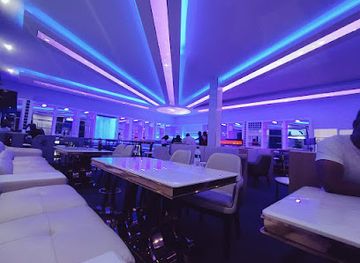
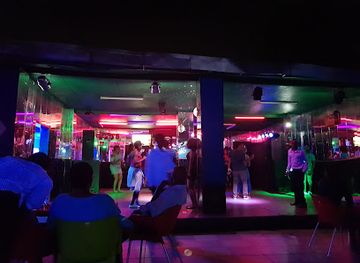
Nightlife in the Viphya Mountains is quiet and accommodation-led. Around Luwawa, evenings usually revolve around lodge dining, conversation, drinks and the dark, cool forest setting rather than nightclubs or a dedicated entertainment district. Some accommodation may offer a bar or communal lounge, but facilities and operating arrangements vary, so they should not be assumed. Mzuzu, outside the forest area, has the north’s more developed evening scene, including pubs, informal bars, restaurants and occasional live entertainment, although it remains considerably smaller and less late-night than Malawi’s principal cities. Rural evenings are better suited to early dinners, stargazing and rest before outdoor activities. Visitors should drink responsibly, arrange transport before going out in town and avoid walking unfamiliar forest roads after dark.
-
Grill
Sky Lounge Bar
Experience breathtaking views and delightful grill cuisine at Sky Lounge Bar in Blantyre, a perfect spot for relaxation and socializing.
-
Bar
Epic Club and Liquor store, charles nyanda living room
Experience the vibrant nightlife of Lilongwe at Epic Club and Liquor Store, where a friendly atmosphere and great drinks await.
-
Lounge
Epic Exclusive Lounge
Experience the serene ambiance and exquisite drinks at Epic Exclusive Lounge in Lilongwe, a perfect spot to unwind and socialize.
-
Night club
Chez Ntemba Night Club
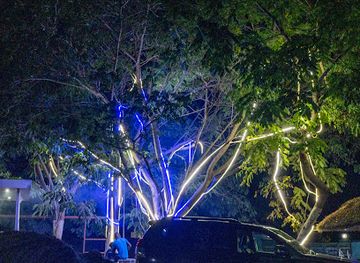
Chez Ntemba Night Club: Discover Lilongwe's most vibrant nightlife hotspot, where local beats meet international rhythms for an unforgettable evening.
Best shops in Viphya Mountains
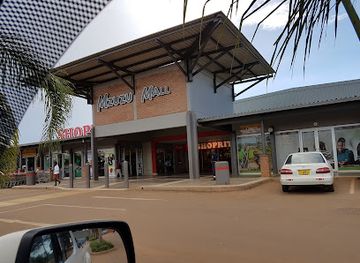
Shopping in the Viphya Mountains is limited and practical, with most visitors buying food, drinks, fuel and personal supplies in Mzuzu before travelling into the forest. Accommodation areas may sell a small selection of necessities, but they are not established retail centres. Mzuzu’s markets and independent shops provide a better opportunity to purchase Malawian produce, fruit, snacks, woven goods and everyday items, while larger shops can supply camping or road-trip essentials. Visitors should not expect a specialised Viphya craft tradition or extensive souvenir shopping within the mountains themselves. Where locally made products are offered, buy directly and respectfully from recognised sellers rather than removing natural materials from the forest. Tea, coffee, dried foods and small crafts from the wider northern Malawi region can make appropriate purchases, but availability is seasonal and varies between town markets and accommodation.
-
Grocery store
Shoprite Mzuzu
Discover the best local groceries and services at Shoprite Mzuzu, your essential stop for a taste of Malawi.
-
Computer store
BLESS COMPUTERS
Discover the best in technology at BLESS COMPUTERS in Mzuzu, where expert staff and a wide selection await tech enthusiasts and travelers.
-
Clothing store
Taste of Malawi
Discover the heart of Malawian culture with vibrant clothing and authentic local craftsmanship at Taste of Malawi.
-
Shopping mall
Mall of Africa
Experience shopping, dining, and entertainment at the vibrant Mall of Africa, a must-visit destination in Blantyre, Malawi.


Get your free copy of our complete guide to Viphya Mountains, delivered straight to you.
Everything on this page, from attractions and restaurants to essentials and local phrases, in one PDF you can read offline, print or share.
Already have an account? Sign in
Your Viphya Mountains guide is ready.
We'll send it to · Not you? Sign out

Getting your guide ready…
We are putting together a fresh copy of the Viphya Mountains guide. This can take up to a minute.
This can take a few moments. If your browser asks, choose Allow so the download can start. You'll find the guide in your Downloads folder.
Nothing happened? Download it again
Sorry, the guide is taking longer than usual. Please try again in a minute, or get it by email instead.
Viphya Mountains essentials
Currency and Payment
Safety
Emergency Situations
Do's and Don'ts
Local Tips
From Eve
Local phrases worth knowing
You don't need to get them perfect. A few words go a long way, and locals appreciate the effort.
Basics
| English | Local | Say it |
|---|---|---|
| Hello | Moni | [moh-nee] |
| Goodbye | Tsalani bwino | [tsah-lah-nee bwee-noh] |
| Yes | Inde | [een-deh] |
| No | Ayi | [ah-yee] |
| Please/You're welcome | Chonde | [chon-deh] |
| Thank you | Zikomo | [zee-koh-moh] |
| Excuse me/Sorry | Pepani | [peh-pah-nee] |
| How are you? | Muli bwanji? | [moo-lee bwahn-jee] |
| Fine. And you? | Ndili bwino. Nanu? | [n-dee-lee bwee-noh. nah-noo] |
| Do you speak English? | Mukufuna kunena Chingerezi? | [moo-koo-fuh-nah koo-neh-nah cheen-geh-reh-zee] |
| I don't understand | Sindikumva | [seen-dee-koo-mvah] |
Eating & Drinking
| English | Local | Say it |
|---|---|---|
| I'd like to see the menu, please | Ndikufuna kuona menyu, chonde | [n-dee-koo-fuh-nah koo-oh-nah men-yoo, chon-deh] |
| I don't eat meat | Sindikudya nyama | [seen-dee-koo-jah nyah-mah] |
| Cheers! | Kwambiri! | [kwahm-bee-ree] |
| I would like to pay, please | Ndikufuna kulipira, chonde | [n-dee-koo-fuh-nah koo-lee-pee-rah, chon-deh] |
Emergencies
| English | Local | Say it |
|---|---|---|
| Help! | Thandizeni! | [than-dee-zeh-nee] |
| Go away! | Ndiye! | [n-dee-yeh] |
| Call the Police! | Fufuzani apolisi! | [foo-foo-zah-nee ah-poh-lee-see] |
| Call a doctor! | Fufuzani dokotala! | [foo-foo-zah-nee doh-koh-tah-lah] |
| I'm lost | Ndapanda | [n-dah-pahn-dah] |
| I'm ill | Ndine wokhudzidwa | [n-dee-neh woh-khoo-dzi-dwah] |
Shopping
| English | Local | Say it |
|---|---|---|
| I'd like to buy... | Ndikufuna kugula... | [n-dee-koo-fuh-nah koo-goo-lah] |
| I'm just looking | Ndikungoyang'ana | [n-dee-kun-goh-yahn-gah-nah] |
| How much is it? | Ndi ndalama zingati? | [n-dee n-dah-lah-mah zing-gah-tee] |
| That's too expensive | Izi ndizokwera mtengo | [ee-zee n-dee-zoh-kweh-rah m-teng-oh] |
| Can you lower the price? | Mukhoza kuthetsa mtengo? | [moo-koo-zah koo-thet-sah m-teng-oh] |
Time & Numbers
| English | Local | Say it |
|---|---|---|
| What time is it? | Ndi nthawi yanji? | [n-dee n-thah-whee yah-n-jee] |
| It's one o'clock | Ndi saa imodzi | [n-dee sah ee-moh-dzi] |
| Half past (10) | Hafu ya (10) | [hah-foo yah] |
| Morning | Masana | [mah-sah-nah] |
| Afternoon | Masana a m'kati | [mah-sah-nah ah m'kah-tee] |
| Evening | Madzulo | [mah-dzoo-loh] |
| Yesterday | Zala | [zah-lah] |
| Today | Lero | [leh-roh] |
| Tomorrow | M'mawa | [mm-ah-wah] |
| 1 | Chimodzi | [chee-moh-dzi] |
| 2 | Ziwiri | [zee-wee-ree] |
| 3 | Zitatu | [zee-tah-too] |
| 4 | Zina | [zee-nah] |
| 5 | Tano | [tah-noh] |
| 6 | Tseŵa | [tseh-wah] |
| 7 | Sewi | [seh-wee] |
| 8 | Sankhulani | [sahn-khoo-lah-nee] |
| 9 | Tatu | [tah-too] |
| 10 | Kumi | [koo-mee] |
Transport & Directions
| English | Local | Say it |
|---|---|---|
| Where's a/the...? | Kodi pali...? | [koh-dee pah-lee] |
| What's the address? | Kodi adiresi ndi chiyani? | [koh-dee ah-dee-reh-see n-dee chee-yah-nee] |
| Can you show me (on the map)? | Mukhoza kundionetsa (pachati)? | [moo-koo-zah koon-dee-oh-neh-tsah (pah-chah-tee)] |
| When's the next (bus)? | Ndi liti (basi) yotsatira? | [n-dee lee-tee (bah-see) yoh-tsah-tee-rah] |
| A ticket (to ....) | Tiketi (ku....) | [tee-keh-tee (koo....)] |
History of Viphya Mountains
Early Highland Communities and Trade Routes
The Viphya uplands have long formed part of the cultural landscape of northern Malawi, whose communities developed livelihoods based on cultivation, gathering, hunting and regional exchange. The mountains were not an isolated wilderness: paths across the plateau connected settlements and markets in the highlands with the Rift Valley and lakeshore areas. Local societies, including communities associated with the Tumbuka, Tonga and Chewa cultural worlds in the wider region, shaped the use of woodland, grassland and water. Much of this earlier history is preserved through living cultural landscapes and oral traditions rather than through monumental architecture.
The Colonial Forestry Era
British colonial administration brought more formal mapping, reservation and management of Malawi’s forests during the late nineteenth and twentieth centuries. Viphya’s uplands attracted attention because of their altitude, relatively cool climate and potential for commercial timber production. Forestry policies increasingly separated designated reserves from farming and settlement, sometimes restricting older patterns of woodland use. Roads, ranger infrastructure and administrative systems helped turn the mountains into a managed forestry landscape, laying the foundations for the large plantations visible today.
The Expansion of Pine Plantations
Large-scale planting of pine became a defining development across Viphya during the twentieth century. The trees were intended to support a domestic timber industry and reduce pressure on slower-growing indigenous forests. Pine blocks altered the visual character of the plateau, creating regular stands over extensive areas while indigenous woodland remained in reserves, valleys and less intensively managed zones. The legacy is economically important but also requires careful management, since plantations, water catchments, biodiversity and surrounding communities do not always have identical needs.
Independence and National Forestry Management
After Malawi became independent in 1964, the Viphya forests remained important to national development plans. State forestry authorities continued to manage plantations, roads and timber resources while also confronting the practical challenges of fire, illegal cutting, land pressure and limited management capacity. The forests became part of a wider national debate about how Malawi could obtain timber and energy without degrading natural woodland. This period also encouraged greater recognition of watershed protection, community interests and the recreational value of highland forests.
Luwawa and the Emergence of Highland Recreation
The Luwawa area developed as the best-known recreational focus within the Viphya landscape, centred on a dam, forest surroundings and accommodation for visitors. Its cool climate made it attractive for walking, fishing, cycling, birdwatching and retreat-style travel, offering a marked contrast with Malawi’s hotter lowlands. Recreation has remained modest in scale, but Luwawa demonstrates how a working forestry environment can also support domestic tourism and carefully managed nature-based visits.
Contemporary Forest and Community Pressures
Today the Viphya Mountains reflect competing pressures affecting many highland forests in Malawi. Commercial timber, household fuel needs, agricultural expansion, fire management, biodiversity protection and tourism all depend on the same landscape. Natural regeneration and plantation management require sustained investment, while communities living near reserves need practical access to livelihoods and resources. For visitors, this history is visible in the contrast between ordered pine stands, patches of indigenous woodland, cultivated edges and the continuing importance of the forest to northern Malawi’s economy and environment.
Neighbouring regions of Viphya Mountains
The closest regions to Viphya Mountains, if you have time for more than one.
-

-

-

-

-


Swipe for more regions
Explore more

Explore more of Malawi
Discover Malawi, the Warm Heart of Africa, where pristine landscapes, diverse wildlife, and rich cultural heritage await to enchant every traveler.
Explore Malawi