

Free Lake Malawi Travel Guide & Mobile App
Explore Lake Malawi with free travel guides. Discover regional history, expert tips, proposed trips, and audio guides on web or mobile app.


Explore Lake Malawi's beaches, islands, fishing communities and clear freshwater landscapes from Cape Maclear to the northern shore.
Read more about Lake Malawi
When is the best time to visit Lake Malawi?
Best: July–September · 21–25°C| Month | High (°C) | Rainfall (mm) |
|---|---|---|
| January | 28 | 200 |
| February | 27 | 180 |
| March | 27 | 150 |
| April | 26 | 100 |
| May | 24 | 60 |
| June | 21 | 20 |
| July (best) | 21 | 10 |
| August (best) | 23 | 20 |
| September (best) | 25 | 40 |
| October | 27 | 70 |
| November | 27 | 110 |
| December | 27 | 150 |
Getting to and around Lake Malawi
How to get there
Transportation
Top city travel guides in Lake Malawi
The cities of Lake Malawi, and the easiest places to base yourself.
-

-


Swipe for more cities
Destinations in Lake Malawi
Resorts, valleys and scenic spots worth a trip of their own.
-

-

-


Swipe for more destinations
Best attractions in Lake Malawi
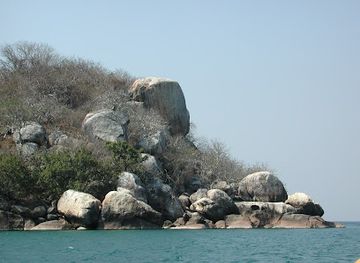
Lake Malawi's attractions centre on the meeting of freshwater, wildlife and lakeshore communities. Around Cape Maclear, Lake Malawi National Park combines beaches, rocky islands and an internationally important underwater ecosystem where guided snorkelling, diving, kayaking and boat trips reveal the lake's endemic cichlid fish. The southern shore also offers walks and viewpoints around the Nankumba Peninsula. Nkhata Bay is a practical base for swimming, paddling, local boat excursions and exploring the northern lakeshore, while Senga Bay provides an accessible beach setting near Salima. Quieter stretches around Chintheche and Nkhotakota suit visitors seeking village landscapes, long shore walks and a slower rhythm. Likoma and Chizumulu islands add different experiences, from island transport and fishing communities to secluded coves and historic architecture. Freshwater recreation is the central draw, but the wider landscape includes escarpment views, woodland, agricultural country and opportunities to learn about fishing and boatbuilding. Conditions and facilities vary significantly, so remote excursions should be arranged with local operators and planned around weather, road surfaces and transport availability.
-
Bay
Senga Bay
Discover the tranquil beauty of Senga Bay, a hidden gem on Lake Malawi with stunning beachscapes and rich cultural experiences awaiting every traveler.
-
Beach
Kande Beach
Discover the serene beauty of Kande Beach, a tropical haven along Lake Malawi, perfect for relaxation, adventure, and cultural immersion.
-
 Resort hotel
Maji Zuwa, Water & Sun Resort
Discover Maji Zuwa, a breathtaking resort in Malawi where water meets sun for the ultimate relaxation and adventure experience.
-
Campground
Chitimba Camp
Discover the beauty of Chitimba Camp, where nature meets relaxation by the shores of Lake Malawi, offering adventure and local cuisine in a serene setting.
Best landmarks in Lake Malawi
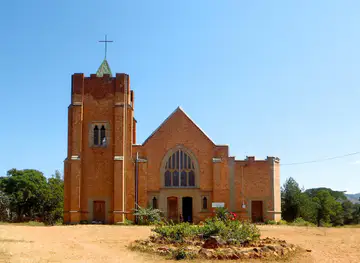
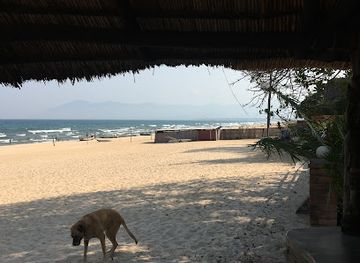
The most recognisable natural landmark is Lake Malawi itself, whose broad blue surface, island silhouettes and steeply rising shorelines define the eastern geography of the country. At Cape Maclear, the rocky islands and peninsulas within Lake Malawi National Park are both visual features and protected habitats, while the park's recognition as a UNESCO World Heritage Site reflects the global importance of its freshwater biodiversity. Likoma Island's Cathedral of St Peter is an imposing stone landmark built during the early twentieth-century missionary era; its scale is striking in an otherwise rural island setting. Along the northern shore, the lake is framed in places by the escarpment and uplands associated with the Rift Valley, producing dramatic contrasts between water and high ground. Fishing villages, traditional boats and busy landing sites are less monumental but equally characteristic landmarks of a working lake. Around Senga Bay and the central shore, wide beaches and open horizons provide a more expansive landscape, while the Nankumba Peninsula gives the southern lake a succession of bays, headlands and island views.
-
Resort hotel
The Makokola Retreat
Experience luxury and tranquility at The Makokola Retreat on the shores of Lake Malawi, your perfect getaway destination.
-
Nature preserve
Lilongwe Wildlife Centre
Explore the Lilongwe Wildlife Centre, a sanctuary for Malawi's wildlife and a hub for conservation efforts in the heart of Lilongwe.
-
Lodge
Game Haven Lodge
Experience the perfect blend of wildlife adventures and cozy accommodations at Game Haven Lodge in Chigumula, Malawi.
-
Resort hotel
Mayoka Village Lodge
Experience the beauty of Lake Malawi at Mayoka Village Lodge, a resort hotel offering comfort, adventure, and local culture in a stunning natural setting.
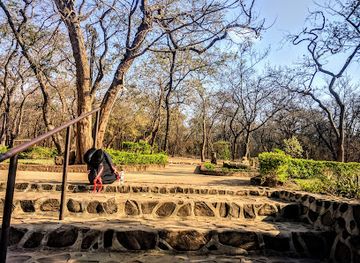
Explore Lake Malawi on the map
Plan your trip on one map. See where the top cities, national parks and sights are, and book hotels and experiences in a few clicks.
Best hotels in Lake Malawi
Best restaurants in Lake Malawi
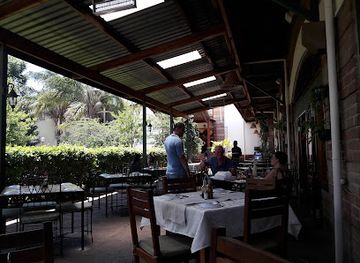
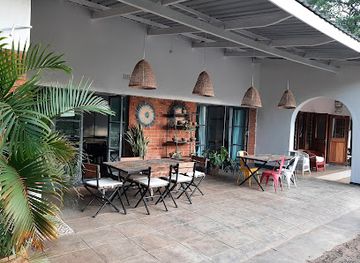
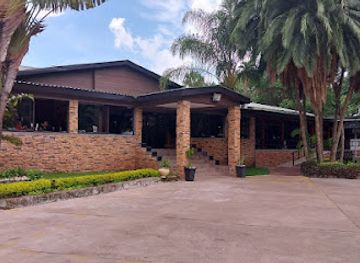
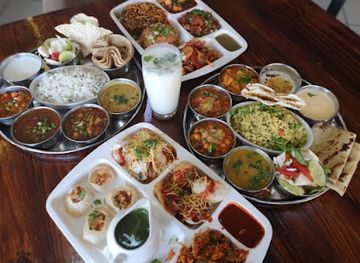
Lakeshore dining is shaped by fresh fish, locally grown produce and the practical food traditions of Malawi rather than by a single formal cuisine. Chambo, a freshwater fish associated with Lake Malawi, is commonly prepared grilled, fried or served with staple foods such as nsima, while kampango and other lake fish may appear where local catches are available. Rice, cassava, maize, beans, greens, tomatoes and tropical fruit feature widely, and lodges often combine Malawian dishes with familiar international meals. In Cape Maclear, Nkhata Bay, Senga Bay and Likoma, accommodation-based restaurants and informal lakeside eateries provide much of the visitor dining, although choice becomes more limited in smaller settlements. Markets and roadside stalls can offer fruit, snacks and simple cooked food, but hygiene standards and availability vary. Ask whether fish is locally sourced and choose responsibly managed options where possible, since fisheries support both livelihoods and the lake's ecological health.
-
Italian
Mamma Mia Restaurant
Discover Mamma Mia Restaurant in Lilongwe - A Taste of Italy with Authentic Dishes and Warm Hospitality.
-
Restaurant
La Cantina
Experience authentic Malawian cuisine with international flair at La Cantina in Lilongwe – where every meal tells a story.
-
Lodge
Casa Mia Lodge & Restaurant
Discover comfort and exquisite cuisine at Casa Mia Lodge & Restaurant in Blantyre – your perfect getaway in Malawi.
-
Italian
Hostaria Restaurant
Discover authentic Italian cuisine at Hostaria Restaurant in Blantyre – where every bite is a journey through Italy's rich culinary heritage.
Best bars in Lake Malawi
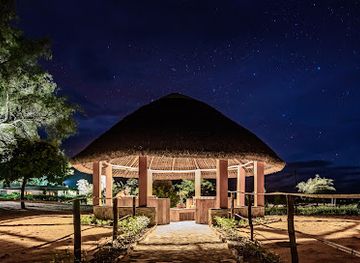
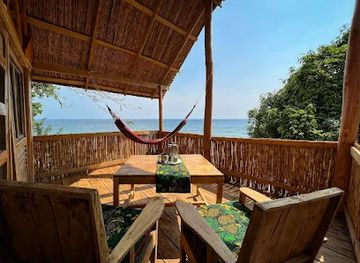
Evening life around Lake Malawi is generally relaxed and social rather than centred on large nightclubs. In Cape Maclear, Nkhata Bay, Senga Bay and Likoma, visitors will find lodge bars, informal lakeside venues, restaurants and occasional live music, with activity often increasing during holiday periods. Local bars in larger settlements are important community spaces, while smaller villages may have little organised nightlife beyond a guesthouse or local drinking establishment. Some accommodation offers sunset drinks, music or cultural performances, but schedules are seasonal and should be checked locally. The setting encourages early-evening conversation and lakeside dining more than late-night entertainment. Drink bottled or treated water, remain aware of the distance to accommodation after dark and arrange transport in advance when staying outside a main centre. Nightlife should be approached as one part of the lakeshore experience, alongside fishing communities, water activities and the quiet of the lake after sunset.
-
Resort hotel
The Makokola Retreat
Discover tranquility at The Makokola Retreat, a serene resort hotel on the shores of Lake Malawi offering relaxation, adventure, and culinary delights.
-
Hotel
Sunbird Nkopola Lodge
Discover tranquility and adventure at Sunbird Nkopola Lodge, your perfect retreat on the shores of Lake Malawi.
-
Lodge
Blue Zebra Island Lodge
Discover the serene beauty of Blue Zebra Island Lodge, a luxurious escape on Nankoma Island, perfect for relaxation and adventure in Lake Malawi.
-
Bar
Butterfly Space Non Profit Eco Lodge
Discover the tranquility of Butterfly Space Non Profit Eco Lodge in Nkhata Bay, where sustainability meets cultural immersion and outdoor adventures.
Best nightclubs in Lake Malawi
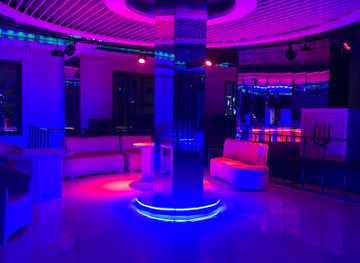
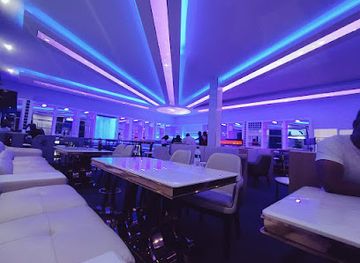
Evening life around Lake Malawi is generally relaxed and social rather than centred on large nightclubs. In Cape Maclear, Nkhata Bay, Senga Bay and Likoma, visitors will find lodge bars, informal lakeside venues, restaurants and occasional live music, with activity often increasing during holiday periods. Local bars in larger settlements are important community spaces, while smaller villages may have little organised nightlife beyond a guesthouse or local drinking establishment. Some accommodation offers sunset drinks, music or cultural performances, but schedules are seasonal and should be checked locally. The setting encourages early-evening conversation and lakeside dining more than late-night entertainment. Drink bottled or treated water, remain aware of the distance to accommodation after dark and arrange transport in advance when staying outside a main centre. Nightlife should be approached as one part of the lakeshore experience, alongside fishing communities, water activities and the quiet of the lake after sunset.
-
Bar
Butterfly Space Non Profit Eco Lodge
Experience the essence of Malawi at Butterfly Space Non Profit Eco Lodge, a community-driven eco-lodge in Nkhata Bay that offers adventure and relaxation.
-
Cocktail bar
Nocturne
Experience the vibrant nightlife at Nocturne, Lilongwe's chic cocktail bar, offering expertly crafted drinks and a stylish atmosphere.
-
Night club
Illusionz
Discover the vibrant nightlife of Lilongwe at Illusionz, a premier night club offering exhilarating experiences and unforgettable moments.
-
Lounge
Epic Exclusive Lounge
Discover a serene nightlife experience at Epic Exclusive Lounge in Lilongwe, offering exquisite drinks and a vibrant ambiance.


Best shops in Lake Malawi
Shopping around Lake Malawi is modest and locally focused, with the greatest choice in larger lakeshore towns and nearby centres such as Nkhata Bay, Salima and Mangochi. Markets sell fruit, vegetables, fish, household goods and practical travel supplies, while informal stalls often offer carved objects, woven items, paintings, jewellery and locally made souvenirs. Cape Maclear and Likoma have tourism-oriented craft stalls and small shops, but stock and opening arrangements vary. Visitors may find baskets, woodcarvings, textiles and artwork reflecting Malawi's wider craft traditions, although quality and provenance differ; buy directly from makers where possible and avoid wildlife products or suspected archaeological objects. Fresh produce and packaged local foods can be useful purchases for longer road journeys, while larger lodges may sell crafts on behalf of local producers. Carry cash in kwacha and bargain politely where bargaining is customary, remembering that a fair purchase can contribute more meaningfully to lakeshore livelihoods than aggressive price negotiation.
-
Resort hotel
Mayoka Village Lodge
Discover the beauty of Lake Malawi at Mayoka Village Lodge, a perfect blend of relaxation and adventure in a stunning natural setting.
-
Hotel
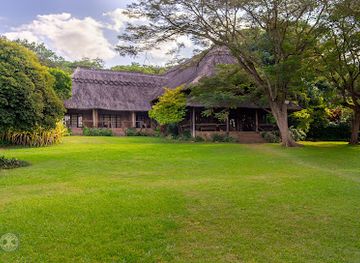
Kumbali Country Lodge
Experience tranquility and natural beauty at Kumbali Country Lodge, a perfect retreat for relaxation and exploration in Lilongwe, Malawi.
-
Lodge
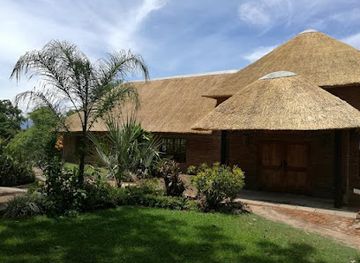
Ngala Beach Lodge
Experience the serene beauty of Lake Malawi at Ngala Beach Lodge, where comfort meets nature in a tranquil escape.
-
Cafe
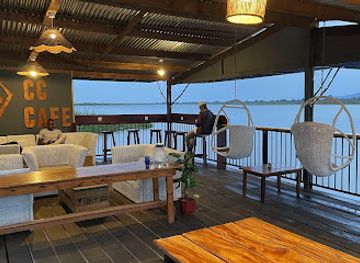
CC Cafe Malawi
Discover the essence of Malawian café culture at CC Cafe Malawi, where warm hospitality meets delightful local flavors in Mangochi.
Get your free copy of our complete guide to Lake Malawi, delivered straight to you.
Everything on this page, from attractions and restaurants to essentials and local phrases, in one PDF you can read offline, print or share.
Already have an account? Sign in
Your Lake Malawi guide is ready.
We'll send it to · Not you? Sign out

Getting your guide ready…
We are putting together a fresh copy of the Lake Malawi guide. This can take up to a minute.
This can take a few moments. If your browser asks, choose Allow so the download can start. You'll find the guide in your Downloads folder.
Nothing happened? Download it again
Sorry, the guide is taking longer than usual. Please try again in a minute, or get it by email instead.
Lake Malawi essentials
Currency and Payment
Safety
Emergency Situations
Do's and Don'ts
Local Tips
From Eve
Local phrases worth knowing
You don't need to get them perfect. A few words go a long way, and locals appreciate the effort.
Basics
| English | Local | Say it |
|---|---|---|
| Hello | Moni | [moh-nee] |
| Goodbye | Tiwonana | [tee-woh-nah-nah] |
| Yes | Inde | [een-deh] |
| No | Ayi | [ah-yee] |
| Please/You're welcome | Chonde | [chon-deh] |
| Thank you | Zikomo | [zee-koh-moh] |
| Excuse me/Sorry | Pepani | [peh-pah-nee] |
| How are you? | Muli bwanji? | [moo-lee bwan-jee] |
| Fine. And you? | Ndiri bwino. Inu? | [ndee-ree bwee-noh. ee-noo?] |
| Do you speak English? | Mukufuna kulankhula Chingerezi? | [moo-koo-fuh-nah koo-lahn-koo-lah cheen-geh-reh-zee?] |
| I don't understand | Sindikumva | [seen-dee-koo-mvah] |
Eating & Drinking
| English | Local | Say it |
|---|---|---|
| I'd like to see the menu, please | Ndikufuna kuona menyu, chonde | [ndee-koo-fuh-nah koo-oh-nah men-yoo, chon-deh] |
| I don't eat meat | Sindikudya nyama | [seen-dee-koo-jah nyah-mah] |
| Cheers! | Merry! | [meh-ree] |
| I would like to pay, please | Ndikufuna kulipira, chonde | [ndee-koo-fuh-nah koo-lee-pee-rah, chon-deh] |
Emergencies
| English | Local | Say it |
|---|---|---|
| Help! | Thandizeni! | [than-dee-zeh-nee] |
| Go away! | Tengani! | [ten-gah-nee] |
| Call the Police! | Fufuzani apolisi! | [foo-foo-zah-nee ah-poh-lee-see] |
| Call a doctor! | Fufuzani dokotala! | [foo-foo-zah-nee doh-koh-tah-lah] |
| I'm lost | Ndikuwononga | [ndee-koo-woh-non-gah] |
| I'm ill | Ndine wolera | [ndee-neh woh-leh-rah] |
Shopping
| English | Local | Say it |
|---|---|---|
| I'd like to buy... | Ndikufuna kugula... | [ndee-koo-fuh-nah koo-goo-lah] |
| I'm just looking | Ndikungowona | [ndee-koon-goh-wonah] |
| How much is it? | Nanga bwanji? | [nahn-gah bwan-jee] |
| That's too expensive | Iye ndi mtengo wapamwamba | [ee-yeh n-dee em-ten-go wah-pah-mwambah] |
| Can you lower the price? | Mungathe kuchotsa mtengo? | [moon-gah-theh koo-choh-tzah em-ten-go?] |
Time & Numbers
| English | Local | Say it |
|---|---|---|
| What time is it? | Ndi nthawi yanji? | [ndee n-thah-wee yah-ngee?] |
| It's one o'clock | Ndi nthawi imodzi | [ndee n-thah-wee ee-moh-dzee] |
| Half past (10) | Kuchuluka (10) | [koo-choo-loo-kah (10)] |
| Morning | M'mawa | [mm-mah-wah] |
| Afternoon | Masana | [mah-sah-nah] |
| Evening | Madzulo | [mah-dzoo-loh] |
| Yesterday | Yesero | [yeh-seh-roh] |
| Today | Lero | [leh-roh] |
| Tomorrow | M'mawa | [mm-mah-wah] |
| 1 | Imodzi | [ee-moh-dzee] |
| 2 | Ziwiri | [zee-wee-ree] |
| 3 | Zitatu | [zee-tah-too] |
| 4 | Zina | [zee-nah] |
| 5 | Zitano | [zee-tah-noh] |
| 6 | Zisanu | [zee-sah-noo] |
| 7 | Zisanu ndi imodzi | [zee-sah-noo n-dee ee-moh-dzee] |
| 8 | Zisanu ndi ziwiri | [zee-sah-noo n-dee zee-wee-ree] |
| 9 | Zisanu ndi zitatu | [zee-sah-noo n-dee zee-tah-too] |
| 10 | Zisanu ndi zina | [zee-sah-noo n-dee zee-nah] |
Transport & Directions
| English | Local | Say it |
|---|---|---|
| Where's a/the...? | Kukhala kuti...? | [koo-khah-lah koo-tee?] |
| What's the address? | Ndi adiresi yiti? | [ndee ah-dee-reh-see yee-tee?] |
| Can you show me (on the map)? | Munganditengere (pa mapeji)? | [moon-gahn-dee-ten-geh-reh (pah mah-peh-gee)?] |
| When's the next (bus)? | Ndi liti (basi) yotsatira? | [ndee lee-tee (bah-see) yoh-tsah-tee-rah?] |
| A ticket (to ....) | Tiketi (ku ...) | [tee-keh-tee (koo ...)] |
History of Lake Malawi
Early Lakeshore Settlement and Iron Age Communities
The shores of Lake Malawi have supported human settlement for thousands of years. Archaeological evidence around the lake records changing communities, fishing practices, farming and the use of iron technologies during the Iron Age. The lake encouraged movement and exchange, while its rivers, wetlands and fertile margins offered food and transport routes. Later populations associated with Chewa, Yao, Tonga, Nkhonde and other communities developed distinct relationships with particular stretches of shore. Fishing, cultivation and trade remain central to lakeshore life, making the modern landscape part of a much older pattern of adapting to the lake's seasonal conditions and resources.
Trade, Migration and the Nineteenth-Century Lakeshore
During the nineteenth century, the Lake Malawi basin was shaped by long-distance trade, migration and political change. Yao trading networks connected the lakeshore with routes towards the east African coast, while population movements associated with the Ngoni and other groups altered settlement patterns in parts of the region. Ivory and enslaved people were traded through wider networks, leaving a painful legacy that affected communities around the lake. Political authorities, traders and missionaries competed for influence, and the lake became increasingly significant to outsiders seeking routes through the interior of south-central Africa.
Livingstone's Expedition and Missionary Activity
The Scottish explorer David Livingstone reached Lake Malawi in 1859, helping to draw international attention to the lake and its surrounding societies. His opposition to the slave trade influenced later missionary and political activity, although European intervention brought its own forms of power and disruption. Missionaries established stations in different parts of the wider lake region, and the Anglican Cathedral of St Peter on Likoma Island reflects the enduring architectural legacy of that period. Mission education, Christianity and new commercial connections gradually became important forces along sections of the Malawian shore.
Nyasaland and the Colonial Lake Economy
The territory that became Malawi was administered as the British protectorate of Nyasaland from 1891, and the lake became an important route for administration, commerce and transport. Steamers and other boats connected ports and settlements, carrying people and goods where roads were limited. Colonial rule also reorganised land, labour and taxation, while missionary institutions expanded their influence. The name Lake Nyasa was widely used during this era. Many modern road connections, administrative centres and patterns of commercial fishing developed from this period, though colonial policies also placed pressure on local communities and resources.
Independence and the Lake as a National Symbol
Nyasaland became independent as Malawi in 1964, and Lake Malawi assumed an especially prominent place in the new nation's identity. It provides food, transport, tourism and cultural reference points for communities across several districts, while the lake's beaches and islands became increasingly important to domestic and international visitors. Fishing has remained a major livelihood, alongside agriculture and small-scale trade. At the same time, population growth, changing fishing methods, pollution and pressure on habitats have made the sustainable management of the lake an important national concern.
Lake Malawi National Park and Conservation
Lake Malawi National Park, centred on the southern lakeshore near Cape Maclear, was established to protect part of the lake's unusual freshwater biodiversity and surrounding landscape. It became a UNESCO World Heritage Site in 1984, recognised for its exceptional concentration of endemic cichlid fish and the ecological importance of the lake. Conservation involves both terrestrial and aquatic environments, including islands, shoreline habitats and underwater communities. The park's history also illustrates the practical challenge of balancing tourism, fishing, settlement and protection in a lake that remains an essential working environment.
Modern Lakeshore Tourism and Sustainable Livelihoods
Since the late twentieth century, places such as Cape Maclear, Nkhata Bay, Senga Bay and Likoma Island have developed as lakeshore tourism centres. Accommodation ranges from campsites and guesthouses to established lodges, with activities based on swimming, boating, diving, walking and cultural encounters. Tourism has created income and conservation opportunities, but it operates alongside fishing, farming and transport rather than replacing them. Contemporary efforts increasingly focus on community participation, responsible water use, protection of endemic species and ensuring that economic benefits reach lakeshore residents.
Lake Malawi in Photos
Browse through our photo collection highlighting the charm and character of the destination.
Neighbouring regions of Lake Malawi
The closest regions to Lake Malawi, if you have time for more than one.
-

-

-

-

-


Swipe for more regions
Explore more

Explore more of Malawi
Discover Malawi, the Warm Heart of Africa, where pristine landscapes, diverse wildlife, and rich cultural heritage await to enchant every traveler.
Explore Malawi