

Kande Beach Travel Guide - Free Web & App
Your ultimate guide to Kande Beach. Discover top landmarks, proposed trips, and local tips. Free on the web or via the Evendo companion app.


Kande Beach, Malawi, offers Lake Malawi swimming, kayaking, sand, sunsets and relaxed lakeside stays near Chintheche on the western shore and village life.
Lake, Sand and Tropical Shoreline
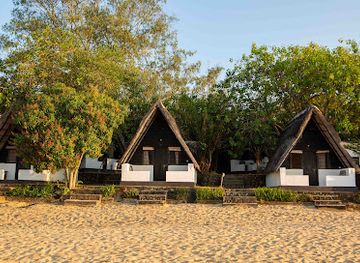
Kande Beach is a small lakeside destination on the western shore of Lake Malawi, in the Nkhata Bay District of central Malawi. Its identity is closely associated with Kande Beach Resort and the broad freshwater shoreline around it: a place of pale sand, warm water, palms, open skies and long sunsets rather than a formal town or densely developed resort. The beach lies near Chintheche, a useful local centre on the M5 road, while the larger lakeside town of Nkhata Bay is farther north.Read more about Kande Beach
A Gateway to Lake Malawi
Rural Life and Lakeside Stays
When is the best time to visit Kande Beach?
Best: May–June, September · 24–26°C| Month | High (°C) | Rainfall (mm) |
|---|---|---|
| January | 30 | 1 |
| February | 30 | 1 |
| March | 30 | 1 |
| April | 28 | 2 |
| May (best) | 26 | 2 |
| June (best) | 24 | 2 |
| July | 23 | 2 |
| August | 24 | 2 |
| September (best) | 26 | 2 |
| October | 28 | 2 |
| November | 29 | 2 |
| December | 30 | 2 |
Getting to and around Kande Beach
How to get there
Transportation
Best attractions in Kande Beach
Kande Beach’s principal attraction is its Lake Malawi shoreline, where pale sand, warm freshwater and broad views create a setting for swimming, resting and water-based recreation when conditions allow. The beach is closely associated with Kande Beach Resort, which acts as the main visitor base for accommodation, meals and locally arranged activities. Kayaking, snorkelling and boat outings may be available through established local arrangements, subject to weather and lake conditions. Inland, the landscape changes quickly to villages, small farms and rural roads characteristic of the Chintheche area, offering a glimpse of everyday life beyond the resort. The M5 provides access to other central lakeshore settlements and viewpoints, although the region is not a concentrated attraction circuit and many places require local transport. Fishing boats and shore activity are part of the living landscape, while the open lake provides opportunities for bird observation and sunset viewing without the infrastructure of a national park or large resort town.
-
Tourist attraction
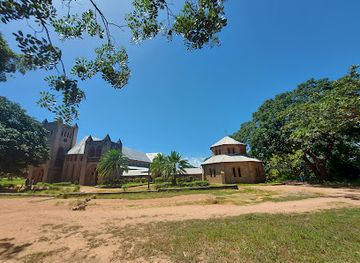
St. Peter's Cathedral
Discover the architectural splendor and serene beauty of St. Peter's Cathedral on Likoma Island, a must-visit cultural landmark in Malawi.
-
Hiking area
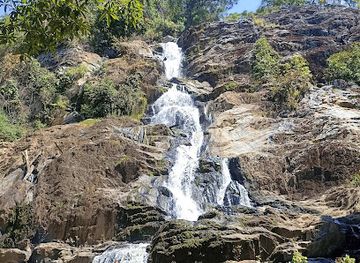
Kavuzi Waterfall
Explore Kavuzi Waterfall, a stunning natural gem in Luwazi, Malawi, perfect for hiking and immersing in nature's serene beauty.
-
Tourist attraction
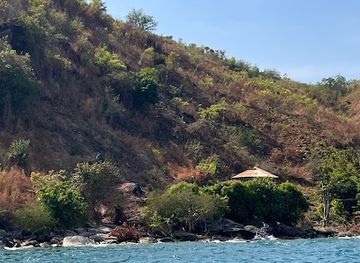
Kantchindu Cottage
Discover tranquility and adventure at Kantchindu Cottage, a serene lakeside retreat on the shores of Lake Malawi, perfect for nature lovers and cultural explorers.
-
Tourist attraction
Chinungu Mountain
Discover the breathtaking landscapes and serene trails of Chinungu Mountain, a must-visit tourist attraction near Ekwendeni, Malawi.

Best landmarks in Kande Beach
Lake Malawi itself is Kande Beach’s defining natural landmark: a vast freshwater lake occupying part of the East African Rift and shaped by a shoreline that supports fishing, farming and settlement. The open water, sandy beach and distant horizon give the area its sense of scale, while local boats are reminders that the lake is a working environment as well as a recreational one. Kande Beach Resort is the principal built landmark associated directly with visitors, functioning as the destination’s accommodation and activity base rather than as a historic monument. The rural M5 lakeshore corridor and the villages around Chintheche provide cultural context, although they are living communities rather than formal visitor landmarks. Kande should therefore be understood through the relationship between water, shore and everyday lakeside life, not through a collection of castles, ruins or urban monuments.
-
 Resort hotel
Kande Beach Resort
Discover the beauty of Lake Malawi at Kande Beach Resort, where relaxation meets adventure in a stunning natural setting.
-
Resort hotel
Makuzi Beach Lodge
Discover tranquility and adventure at Makuzi Beach Lodge, a premier resort hotel on the beautiful shores of Lake Malawi, perfect for relaxation and exploration.
-
Island
Kande Island
Experience the tranquility and natural beauty of Kande Island, a serene getaway in Lake Malawi perfect for relaxation and adventure.
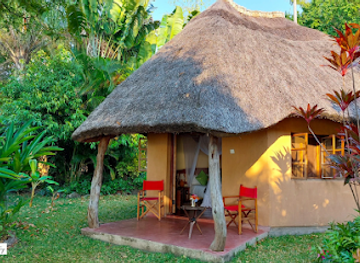
Explore Kande Beach on the map
Plan your trip on one map. See where the top attractions, landmarks, restaurants and hotels are, and book hotels and experiences in a few clicks.
Best hotels in Kande Beach
Best restaurants in Kande Beach
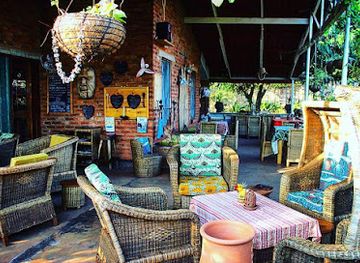
Dining at Kande Beach is centred on the established accommodation base, where visitors can expect meals suited to a lakeside lodge or resort rather than a choice of restaurants spread across a town. Menus in Malawi commonly draw on rice, nsima, vegetables, beans, chicken and fish, with locally caught chambo sometimes associated with Lake Malawi cuisine, although availability and sourcing vary. Chintheche provides the nearest useful settlement for simple food shopping and local eating, while more extensive restaurant choice is found in larger towns elsewhere on the route. Travellers staying in rural accommodation should not assume that cafés, supermarkets or late dining are close at hand. Ordering meals through the place of stay and carrying practical snacks can be useful, particularly during road journeys or excursions away from the beach.
-
Restaurant
Macondo Camp
Discover the perfect blend of nature and gourmet dining at Macondo Camp in Mzuzu – an unforgettable experience for food lovers and families.
-
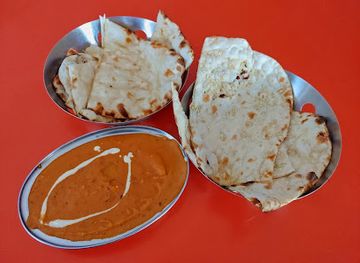
Indian
A1
Discover authentic Indian cuisine at A1 in Mzuzu—where every dish tells a story of flavor and tradition.
-
Restaurant
One Love
Discover local flavors at One Love in Nkhata Bay - where culinary tradition meets breathtaking views.
-
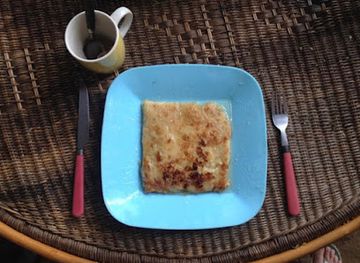
Restaurant
Kwithu Kitchen Cafè
Experience authentic Malawian flavors at Kwithu Kitchen Café in Mzuzu - where every meal tells a story.

Best bars in Kande Beach
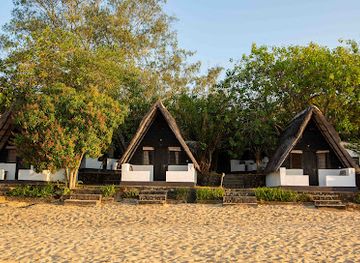
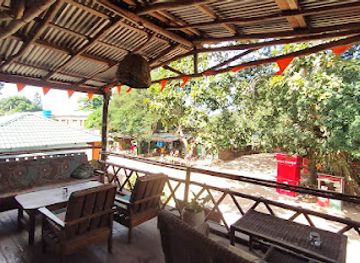
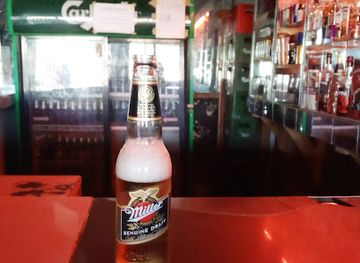
Kande Beach has a quiet, informal evening atmosphere rather than a dedicated nightlife scene. The main social setting is the bar or communal area associated with the established lakeside accommodation, where guests may gather for drinks, conversation and views across the water. Evenings are more likely to centre on sunset, dinner and the sounds of the shoreline than on clubs, late-night entertainment or live-music venues. Chintheche offers local social life but should not be approached as a major nightlife centre, and options are limited compared with Malawi’s cities. Visitors should arrange evening transport carefully, avoid walking unfamiliar rural roads after dark and respect nearby communities by keeping noise at a considerate level.
-
Resort hotel
Kande Beach Resort
Experience the beauty of Lake Malawi at Kande Beach Resort, where adventure meets relaxation in a stunning tropical paradise.
-
Beach
Kande Beach
Discover the beauty of Kande Beach, a stunning lakeside paradise on Lake Malawi, perfect for relaxation and adventure.
-
Bar
Mawala Bar and Lounge
Discover Mawala Bar and Lounge in Nkhata Bay, a perfect blend of local culture, delicious cuisine, and breathtaking views for an unforgettable experience.
-
Bar
Bay View - Bar & Night Club
Discover the vibrant nightlife of Nkhata Bay at Bay View - Bar & Night Club, where stunning lake views meet lively entertainment.
Best nightclubs in Kande Beach
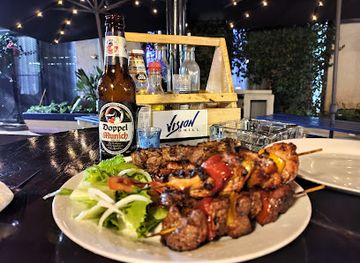
Kande Beach has a quiet, informal evening atmosphere rather than a dedicated nightlife scene. The main social setting is the bar or communal area associated with the established lakeside accommodation, where guests may gather for drinks, conversation and views across the water. Evenings are more likely to centre on sunset, dinner and the sounds of the shoreline than on clubs, late-night entertainment or live-music venues. Chintheche offers local social life but should not be approached as a major nightlife centre, and options are limited compared with Malawi’s cities. Visitors should arrange evening transport carefully, avoid walking unfamiliar rural roads after dark and respect nearby communities by keeping noise at a considerate level.
-
Resort hotel
Kande Beach Resort
Discover paradise at Kande Beach Resort on Lake Malawi: a stunning blend of relaxation, adventure, and natural beauty for all travelers.
-
Beach
Kande Beach
Discover the serene beauty of Kande Beach, a tropical paradise on the shores of Lake Malawi, perfect for relaxation and adventure.
-
Bar
Vision Gaming
Experience the vibrant nightlife of Lilongwe at Vision Gaming, where a lively atmosphere and delicious drinks await every visitor.
-
Night club
Chez Ntemba Night Club
Explore the dynamic nightlife at Chez Ntemba Night Club in Lilongwe, where great music and exciting dance await you.


Best shops in Kande Beach
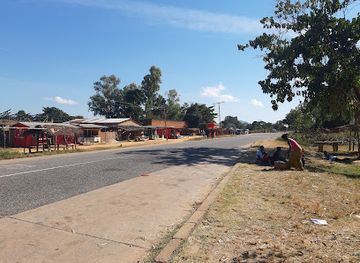
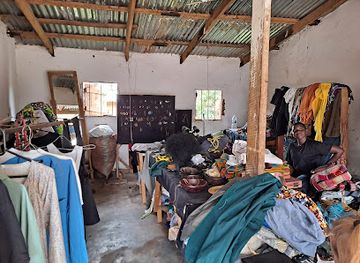
Shopping at Kande Beach is limited and practical. The accommodation area may provide basic visitor necessities, while small local shops and market activity in or around Chintheche are more relevant for snacks, drinks, household goods and everyday supplies than for specialist souvenirs. Regional purchases can include locally produced food, woven items and small handmade goods, but selection, permanence and quality vary, so these should be bought directly and respectfully rather than treated as guaranteed retail categories. Larger stocks of toiletries, medicines, outdoor supplies and cash services are more likely to be found in a bigger town before travelling to the beach. Visitors should support local sellers fairly, carry reusable bags and avoid buying items made from protected wildlife, plants or other natural materials.
-
Resort hotel
Kande Beach Resort
Discover the beauty of Kande Beach Resort, a perfect blend of relaxation and adventure on the shores of Lake Malawi.
-
Beach
Kande Beach
Discover the pristine beauty of Kande Beach, a tranquil paradise on the shores of Lake Malawi, perfect for relaxation and adventure.
-
Shopping mall
Malaza Trading Center
Experience the lively atmosphere of Malaza Trading Center, a hub of local culture, shopping, and delicious Malawian cuisine in Bandawe.
-
Clothing store
Beaura's Dress Maker and Tailor
Discover unique tailored clothing at Beaura's Dress Maker and Tailor in Nkhata Bay, where local craftsmanship meets vibrant fashion.
Get your free copy of our complete guide to Kande Beach, delivered straight to you.
Everything on this page, from attractions and restaurants to essentials and local phrases, in one PDF you can read offline, print or share.
Already have an account? Sign in
Your Kande Beach guide is ready.
We'll send it to · Not you? Sign out

Getting your guide ready…
We are putting together a fresh copy of the Kande Beach guide. This can take up to a minute.
This can take a few moments. If your browser asks, choose Allow so the download can start. You'll find the guide in your Downloads folder.
Nothing happened? Download it again
Sorry, the guide is taking longer than usual. Please try again in a minute, or get it by email instead.
Kande Beach essentials
Currency and Payment
Safety
Emergency Situations
Do's and Don'ts
Local Tips
From Eve
Local phrases worth knowing
You don't need to get them perfect. A few words go a long way, and locals appreciate the effort.
Basics
| English | Local | Say it |
|---|---|---|
| Hello | Moni | [moh-nee] |
| Goodbye | Tionana | [tee-oh-nah-nah] |
| Yes | Eya | [eh-yah] |
| No | Ayiyi | [ah-yee-yee] |
| Please/You're welcome | Chonde | [chon-deh] |
| Thank you | Zikomo | [zee-koh-moh] |
| Excuse me/Sorry | Pepani | [peh-pah-nee] |
| How are you? | Muli bwanji? | [moo-lee bwan-jee] |
| Fine. And you? | Ndili bwino. Kaya inu? | [n-dee-lee bwee-no. kah-yah ee-noo] |
| Do you speak English? | Mukhulupilira chizungu? | [moo-koo-loo-pee-lee-rah chee-zoon-goo] |
| I don't understand | Sindikudziwa | [sin-dee-koo-dzee-wah] |
Eating & Drinking
| English | Local | Say it |
|---|---|---|
| I'd like to see the menu, please | Ndikufuna kudziwa mamenyu, chonde | [n-dee-koo-foo-nah koo-dzee-wah mah-meh-nyoo chon-deh] |
| I don't eat meat | Sindinadya nyama | [sin-dee-nah-dyah nyah-mah] |
| Cheers! | Zikomo! | [zee-koh-moh] |
| I would like to pay, please | Ndikufuna kulipila, chonde | [n-dee-koo-foo-nah koo-lee-pee-lah chon-deh] |
Emergencies
| English | Local | Say it |
|---|---|---|
| Help! | Chonde! | [chon-deh] |
| Go away! | Yenda! | [yen-dah] |
| Call the Police! | Pemphani maPolisi! | [pehm-pah-nee mah-poh-lee-see] |
| Call a doctor! | Pemphani dokotala! | [pehm-pah-nee doh-koh-tah-lah] |
| I'm lost | Ndili pa nkhondo | [n-dee-lee pah n-khon-doh] |
| I'm ill | Ndili wabwino | [n-dee-lee wah-bwee-noh] |
Shopping
| English | Local | Say it |
|---|---|---|
| I'd like to buy... | Ndikufuna kudzitsitsa... | [n-dee-koo-foo-nah koo-dzee-tsee-tsah] |
| I'm just looking | Ndikulangiza | [n-dee-koo-lahn-gee-zah] |
| How much is it? | Ndalipirabe bwanji? | [n-dah-lee-pee-rah-be bwan-jee] |
| That's too expensive | Zimatha kusintha | [zee-mah-thah koo-seen-thah] |
| Can you lower the price? | Mukhoza kusintha phiri? | [moo-koh-zah koo-seen-thah phee-ree] |
Time & Numbers
| English | Local | Say it |
|---|---|---|
| What time is it? | Sinthani nthawi? | [seen-thah-nee n-tah-wee] |
| It's one o'clock | Nthawi ili pachisanu | [n-tah-wee ee-lee pah-chee-sah-noo] |
| Half past (10) | Panali khumi ndi mawa | [pah-nah-lee khoo-mee ndee mah-wah] |
| Morning | Usiku | [oo-see-koo] |
| Afternoon | Mawa | [mah-wah] |
| Evening | Chilichonse | [chee-lee-chohn-seh] |
| Yesterday | Ntchito | [n-tchee-toh] |
| Today | Lero | [leh-roh] |
| Tomorrow | Mawa | [mah-wah] |
| 1 | Mosi | [moh-see] |
| 2 | Miri | [mee-ree] |
| 3 | Mitsinje | [mee-tseen-jeh] |
| 4 | Minala | [mee-nah-lah] |
| 5 | Makumi awiri | [mah-koo-mee ah-wee-ree] |
| 6 | Makumi asanu | [mah-koo-mee ah-sah-noo] |
| 7 | Makumi ayiri | [mah-koo-mee ah-yee-ree] |
| 8 | Makumi anayiri | [mah-koo-mee ah-nah-yee-ree] |
| 9 | Makumi atatu | [mah-koo-mee ah-tah-too] |
| 10 | Makumi apatali | [mah-koo-mee ah-pah-tah-lee] |
Transport & Directions
| English | Local | Say it |
|---|---|---|
| Where's a/the...? | Kodi...ili kuti? | [koh-dee ee-lee koo-tee] |
| What's the address? | Adilesi ili kuti? | [ah-dee-leh-see ee-lee koo-tee] |
| Can you show me (on the map)? | Mukhoza kundikonzera (mu mapu)? | [moo-koh-zah koon-dee-kohn-zeh-rah moo mah-poo] |
| When's the next (bus)? | Pamene ndi bus ija? | [pah-meh-neh ndee boos ee-jah] |
| A ticket (to ....) | Tikiti (kutali ku ....) | [tee-kee-tee koo-tah-lee koo] |
History of Kande Beach
Formation of the Great Rift Lake
Kande Beach stands on the shore of Lake Malawi, part of the East African Rift system. The lake occupies a long tectonic depression shaped by geological movements over millions of years, with deep water, varied shoreline environments and a large catchment extending across Malawi and neighbouring countries. Its freshwater ecosystems, especially its cichlid fish diversity, have made the lake important to natural scientists and conservationists. This geological setting explains why Kande is more than a beach destination: its scenery and local livelihoods are tied to one of Africa’s major inland waters.
Lakeshore Communities and Livelihoods
For centuries, communities around Lake Malawi have depended on the lake and its surrounding fertile land for fishing, farming, transport and exchange. The wider central lakeshore is strongly associated with Tonga-speaking communities, although Malawi’s lakeside populations are diverse. Fishing remains visible in the region through boats, nets and shore-based activity, while agriculture shapes the villages inland from the beach. The lake has therefore functioned as both a natural boundary and a means of connection, linking settlements along the western shore and supporting cultural traditions that continue to influence everyday life around Kande.
Colonial Transport and Missionary Influence
During the colonial period, the lake corridor became increasingly connected to roads, missions, administrative centres and commercial networks. Christian missionary activity, education and changing systems of agricultural production affected communities around the wider lakeshore, while transport routes gradually linked local settlements with regional towns. Kande Beach itself is not a major historic town, so its modern visitor identity should not be confused with the older centres of settlement and mission activity elsewhere in the district. The present M5 follows the practical logic of this lakeshore corridor, connecting communities and providing road access to beach areas such as Kande.
Tourism and Lakeside Conservation
Lake Malawi’s scenery, warm climate and freshwater biodiversity encouraged the growth of lakeside tourism after independence, with small resorts and camps developing at selected points along the shoreline. Kande Beach became known as an informal base for travellers seeking swimming, boating and relaxed accommodation rather than urban entertainment. Tourism exists alongside fishing, farming and village life, making responsible conduct important. The lake’s wider environmental significance is recognised through protected areas and conservation work in Malawi, although Kande Beach itself is principally a settled recreational shoreline rather than a national park. Water quality, waste management and respect for local livelihoods remain central to the destination’s future.
Kande Beach in Photos
Browse through our photo collection highlighting the charm and character of the destination.
Cities in Kande Beach
The towns and cities of Kande Beach, and the easiest places to base yourself.
-

-

-

-

-

-


Swipe for more cities
Neighbouring destination travel guides
The closest destinations to Kande Beach, if you have time for more than one.
-

-

-
-

-


Swipe for more destinations
Explore more

Explore more of Lake Malawi
Explore Lake Malawi's beaches, islands, fishing communities and clear freshwater landscapes from Cape Maclear to the northern shore.
Explore Lake Malawi
Explore more of Malawi
Discover Malawi, the Warm Heart of Africa, where pristine landscapes, diverse wildlife, and rich cultural heritage await to enchant every traveler.
Explore Malawi