

Free Central Region Travel Guide & Mobile App
Explore Central Region with free travel guides. Discover regional history, expert tips, proposed trips, and audio guides on web or mobile app.


Explore Malaysia’s Central Region for Kuala Lumpur’s skyline, Selangor’s caves and wetlands, Putrajaya’s grand avenues and Negeri Sembilan’s heritage.
Read more about Central Region
When is the best time to visit Central Region?
Best: January–March · 31–32°C| Month | High (°C) | Rainfall (mm) |
|---|---|---|
| January (best) | 31 | 150 |
| February (best) | 31 | 140 |
| March (best) | 32 | 150 |
| April | 32 | 170 |
| May | 32 | 190 |
| June | 32 | 200 |
| July | 32 | 190 |
| August | 32 | 190 |
| September | 32 | 200 |
| October | 32 | 220 |
| November | 32 | 230 |
| December | 31 | 250 |
Getting to and around Central Region
How to get there
Transportation
Top city travel guides in Central Region
The cities of Central Region, and the easiest places to base yourself.
-
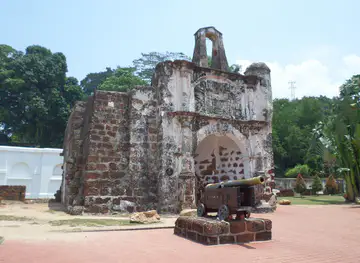
-


Swipe for more cities
Destinations in Central Region
Resorts, valleys and scenic spots worth a trip of their own.

Swipe for more destinations
Best attractions in Central Region
The Central Region offers an unusually broad range of attractions within a relatively connected part of Peninsular Malaysia. Kuala Lumpur combines museums, galleries, religious buildings, historic neighbourhoods, observation decks and major contemporary architecture, with Merdeka Square and the National Museum providing useful context for the capital’s development. Selangor extends the experience into limestone landscapes at Batu Caves, forested highlands, river settlements and coastal wetlands. The Kuala Selangor area is particularly associated with mangrove environments and firefly habitats, while the Sepang coast and nearby wetlands offer a different perspective on the region’s relationship with water. Putrajaya is an attraction in its own right, with landscaped parks, broad lakes, bridges and monumental government architecture best explored by combining walking with short local journeys. Negeri Sembilan contributes royal and cultural heritage in Seremban and Kuala Pilah, as well as beaches and recreational facilities around Port Dickson. Outdoor options include urban parks, cave visits, forest walks, cycling and birdwatching, but conditions can be hot and wet, and access to rural sites is often easier by car.
-
Garden
Lavender Garden (Cameron Lavender)
Discover the enchanting beauty of Cameron Lavender Garden, a floral paradise in the Cameron Highlands, perfect for nature lovers and photographers.
-
Performing arts theater
The Kuala Lumpur Performing Arts Centre (KLPAC)
Discover the vibrant arts scene at The Kuala Lumpur Performing Arts Centre (KLPAC), a cultural jewel in Malaysia's capital city.
-
Taoist temple
Sak Dato Temple
Discover the serene beauty and rich heritage of Sak Dato Temple in Broga, a must-visit Taoist temple in Negeri Sembilan's picturesque landscapes.
-
Park
Central Island Park Batu Kawan (Taman Sentral Island Park/மத்திய தீவு பூங்கா படு கவான்/中央岛公园峇都交湾)
Explore Central Island Park Batu Kawan, a serene escape in Penang, Malaysia, offering lush landscapes, recreational activities, and stunning views.


Best landmarks in Central Region
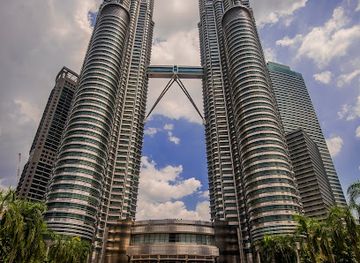
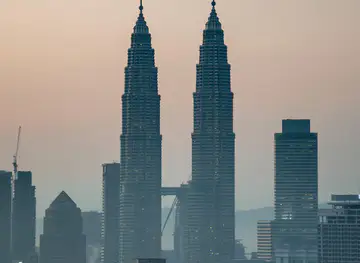
The Petronas Twin Towers remain the Central Region’s most recognisable landmark, representing Kuala Lumpur’s transformation into a modern financial and commercial centre. Nearby, the historic buildings around Merdeka Square, including the Sultan Abdul Samad Building and the former Kuala Lumpur railway architecture, express an earlier administrative era through their Indo-Saracenic and Moorish-inspired forms. Batu Caves in Selangor is both a dramatic limestone outcrop and an important Hindu religious site, with a monumental Murugan statue and temple steps leading into the main cave complex. Putrajaya’s landmarks are deliberately monumental: Putra Mosque, the Prime Minister’s Office complex, Seri Wawasan Bridge and the broad lakefront together create a planned civic landscape shaped by Islamic and regional architectural references. In Negeri Sembilan, the State Museum complex in Seremban and royal buildings associated with the state’s Minangkabau-influenced design offer a different architectural vocabulary. The Istana Seri Menanti, a historic royal palace near Kuala Pilah, is especially notable for its timber construction and distinctive traditional form. Along the coast, Port Dickson’s shoreline and Cape Rachado provide geographical landmarks as well as recreational settings.
-
Historical landmark
Petronas Twin Towers
Discover the breathtaking Petronas Twin Towers, Kuala Lumpur's architectural masterpiece, and experience the allure of Malaysia's vibrant capital.
-
Resort hotel
Resorts World Genting
Experience the ultimate luxury and entertainment at Resorts World Genting, a premier resort hotel with thrilling attractions and stunning views in Malaysia.
-
 Shrine
Batu Caves
Explore Batu Caves: A breathtaking limestone wonder featuring temples, stunning views, and vibrant cultural experiences just outside Kuala Lumpur.
-
Historical landmark
Merdeka Square
Discover the historical charm and cultural significance of Merdeka Square, a must-visit landmark in Kuala Lumpur rich in history and vibrant atmosphere.


Explore Central Region on the map
Plan your trip on one map. See where the top cities, national parks and sights are, and book hotels and experiences in a few clicks.
Best hotels in Central Region
Best restaurants in Central Region
Eating in the Central Region reflects Malaysia’s multicultural society and the economic reach of the Klang Valley. Kuala Lumpur is particularly strong in hawker food, with Malay, Chinese, Indian and migrant culinary traditions represented in food courts, neighbourhood cafés and specialist restaurants. Typical choices may include nasi lemak, roti canai, Chinese noodle dishes, banana-leaf meals and grilled or spice-seasoned foods, although many are national rather than exclusively regional traditions. Selangor’s towns and suburbs add seafood, Cantonese and Hakka influences, while markets and roadside stalls can reveal local produce from the surrounding agricultural districts. Negeri Sembilan is distinguished by masak lemak cili api, a rich and hot preparation often made with poultry, fish or vegetables, and by dishes associated with Minangkabau heritage. Putrajaya has a broad selection of Malay and Malaysian restaurants, particularly around commercial precincts, but its dining scene is more dispersed than Kuala Lumpur’s. Alcohol availability varies by venue and by local context, so visitors should check menus and observe the customs of the establishment.
-
Asian
Bijan Bar & Restaurant
Experience authentic Malaysian cuisine at Bijan Bar & Restaurant in Kuala Lumpur - where tradition meets contemporary dining.
-
Middle Eastern
Al-Sultan Restaurant
Experience authentic Middle Eastern cuisine at Al-Sultan Restaurant in Shah Alam - a culinary journey through rich flavors and vibrant culture.
-
Italian
Vin's Restaurant
Savor authentic Italian flavors at Vin's Restaurant in Taman Tun Dr Ismail, Kuala Lumpur - an unforgettable dining experience awaits!
-
Fusion restaurant
RATA Restaurant @ SS15 Subang Jaya
Experience culinary artistry at RATA Restaurant in Subang Jaya - where fusion meets flavor.


Best bars in Central Region
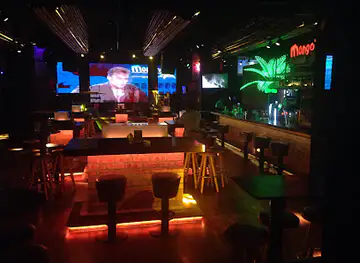
Nightlife in the Central Region is concentrated in Kuala Lumpur, where the city centre, Bukit Bintang, Changkat and neighbouring districts offer cocktail bars, hotel lounges, live music, restaurants and late-night venues. The range is broad, but opening arrangements and individual venues change, so current checks are sensible. Bangsar and parts of Petaling Jaya provide a more neighbourhood-oriented evening scene, with cafés, bars and restaurants rather than a single entertainment quarter. In Putrajaya, evenings are generally quieter and centre on restaurants, cafés, illuminated civic architecture and waterfront areas. Seremban and Port Dickson have local pubs, restaurants and occasional live entertainment, while rural Negeri Sembilan and Selangor are more likely to revolve around food, community gatherings and traditional or contemporary music than nightclubs. Visitors should remember that Malaysia’s nightlife is socially and culturally varied: alcohol is available in many licensed establishments but is not central to every evening experience.
-
Night club
TREC Kuala Lumpur
Experience the vibrant nightlife of TREC Kuala Lumpur featuring bars, clubs, and gourmet dining in the heart of Kuala Lumpur city.
-
Grill
Havana Bar & Grill
Experience the vibrant flavors and nightlife at Havana Bar & Grill, the perfect blend of culinary delights and lively entertainment in Kuala Lumpur.
-
Restaurant
Suzie Wong - Dinner and Show
Experience the vibrant nightlife of Kuala Lumpur at Suzie Wong, where exquisite dining meets captivating live performances in a lively atmosphere.
-
Cocktail bar
Canopy Lounge Rooftop Bar KL
Experience the vibrant nightlife at Canopy Lounge Rooftop Bar KL, where breathtaking views and exquisite cocktails create unforgettable moments.


Best nightclubs in Central Region
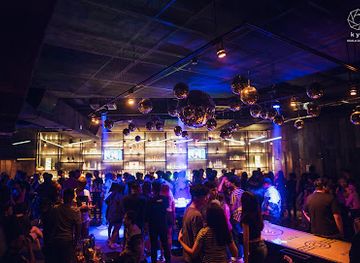
Nightlife in the Central Region is concentrated in Kuala Lumpur, where the city centre, Bukit Bintang, Changkat and neighbouring districts offer cocktail bars, hotel lounges, live music, restaurants and late-night venues. The range is broad, but opening arrangements and individual venues change, so current checks are sensible. Bangsar and parts of Petaling Jaya provide a more neighbourhood-oriented evening scene, with cafés, bars and restaurants rather than a single entertainment quarter. In Putrajaya, evenings are generally quieter and centre on restaurants, cafés, illuminated civic architecture and waterfront areas. Seremban and Port Dickson have local pubs, restaurants and occasional live entertainment, while rural Negeri Sembilan and Selangor are more likely to revolve around food, community gatherings and traditional or contemporary music than nightclubs. Visitors should remember that Malaysia’s nightlife is socially and culturally varied: alcohol is available in many licensed establishments but is not central to every evening experience.
-
Night club
TREC Kuala Lumpur
Experience the vibrant nightlife of Kuala Lumpur at TREC, where upscale bars, nightclubs, and fine dining converge for an unforgettable evening.
-
Gastropub
The Iron Fairies KL
Discover the whimsical charm of The Iron Fairies KL, a gastropub offering exquisite food, enchanting decor, and vibrant live music in Kuala Lumpur.
-
Night club
kyō kuala lumpur
Discover the electrifying nightlife at kyō Kuala Lumpur, where music, ambiance, and premium drinks come together for an unforgettable night out.
-
Night club
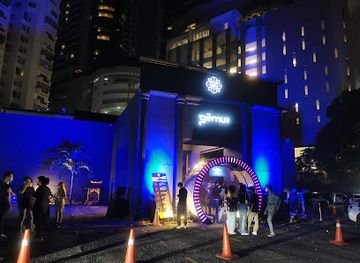
Gemu Club KL
Experience the electrifying nightlife of Kuala Lumpur at Gemu Club KL, where music, dance, and vibrant crowds come together.

Best shops in Central Region
Shopping ranges from Kuala Lumpur’s large modern malls and branded retail streets to the independent shops, markets and food sellers of older neighbourhoods. Bukit Bintang and the city centre are suited to fashion, electronics, department stores and international brands, while Chinatown and Central Market are associated with crafts, souvenirs, artwork and locally themed gifts. Visitors should distinguish genuinely handmade products from mass-produced merchandise and compare prices before buying. Petaling Jaya, Shah Alam and other Selangor centres offer extensive suburban retail, with specialist food shops and contemporary Malaysian design appearing alongside mainstream malls. Putrajaya’s shopping is more limited and concentrated in commercial complexes serving residents and government workers. Seremban and smaller Negeri Sembilan towns are better for practical high-street shopping, traditional snacks, local textiles and regional food products than for luxury retail. Useful edible souvenirs include packaged sambal, biscuits, coffee and spice mixes, provided they are sealed and permitted at the destination country’s border.
-
Shopping mall
Central Market
Discover the vibrant culture and artistry of Kuala Lumpur at Central Market, a historical landmark and shopping paradise offering unique local crafts and delicious food.
-
Shopping mall
Mid Valley Megamall
Discover the ultimate shopping experience at Mid Valley Megamall, Kuala Lumpur's bustling retail paradise with diverse stores and dining.
-
Shopping mall
1 Utama Shopping Centre
Discover the ultimate shopping experience at 1 Utama Shopping Centre, Malaysia's premier retail destination with endless options for shopping, dining, and entertainment.
-
Outlet mall
Genting Highlands Premium Outlets
Explore a premier shopping destination in the breathtaking hills of Pahang, featuring luxury brands and delightful dining options.


Get your free copy of our complete guide to Central Region, delivered straight to you.
Everything on this page, from attractions and restaurants to essentials and local phrases, in one PDF you can read offline, print or share.
Already have an account? Sign in
Your Central Region guide is ready.
We'll send it to · Not you? Sign out

Getting your guide ready…
We are putting together a fresh copy of the Central Region guide. This can take up to a minute.
This can take a few moments. If your browser asks, choose Allow so the download can start. You'll find the guide in your Downloads folder.
Nothing happened? Download it again
Sorry, the guide is taking longer than usual. Please try again in a minute, or get it by email instead.
Central Region essentials
Currency and Payment
Safety
Emergency Situations
Do's and Don'ts
Local Tips
From Eve
Local phrases worth knowing
You don't need to get them perfect. A few words go a long way, and locals appreciate the effort.
Basics
| English | Local | Say it |
|---|---|---|
| Hello | Hello | [huh-loh] |
| Goodbye | Goodbye | [guhd-bye] |
| Yes | Yes | [yes] |
| No | No | [noh] |
| Please/You're welcome | Please/You're welcome | [pleez/yoor wel-kum] |
| Thank you | Thank you | [thangk yoo] |
| Excuse me/Sorry | Excuse me/Sorry | [eks-kyoos mee/saw-ree] |
| How are you? | How are you? | [how ar yoo] |
| Fine. And you? | Fine. And you? | [fain. and yoo?] |
| Do you speak English? | Do you speak English? | [doo yoo speek ing-glish?] |
| I don't understand | I don't understand | [ai dont un-der-stand] |
Eating & Drinking
| English | Local | Say it |
|---|---|---|
| I'd like to see the menu, please | I'd like to see the menu, please | [aid laik to see thuh men-yoo, pleez] |
| I don't eat meat | I don't eat meat | [ai dont eet meet] |
| Cheers! | Cheers! | [cheerz] |
| I would like to pay, please | I would like to pay, please | [ai wood laik to pay, pleez] |
Emergencies
| English | Local | Say it |
|---|---|---|
| Help! | Help! | [help] |
| Go away! | Go away! | [goh uh-way] |
| Call the Police! | Call the Police! | [kawl thuh puh-lees] |
| Call a doctor! | Call a doctor! | [kawl a dok-tor] |
| I'm lost | I'm lost | [aim lost] |
| I'm ill | I'm ill | [aim il] |
Shopping
| English | Local | Say it |
|---|---|---|
| I'd like to buy... | I'd like to buy... | [aid laik to buy...] |
| I'm just looking | I'm just looking | [aim juhst luk-ing] |
| How much is it? | How much is it? | [how muhch iz it?] |
| That's too expensive | That's too expensive | [thats too eks-pen-siv] |
| Can you lower the price? | Can you lower the price? | [kan yoo loh-er thuh prys?] |
Time & Numbers
| English | Local | Say it |
|---|---|---|
| What time is it? | What time is it? | [what taim iz it?] |
| It's one o'clock | It's one o'clock | [its wun uh-clock] |
| Half past (10) | Half past (10) | [haf pahst (ten)] |
| Morning | Morning | [mor-ning] |
| Afternoon | Afternoon | [af-ter-noon] |
| Evening | Evening | [eev-ning] |
| Yesterday | Yesterday | [yes-ter-day] |
| Today | Today | [to-day] |
| Tomorrow | Tomorrow | [to-mor-row] |
| 1 | 1 | [one] |
| 2 | 2 | [two] |
| 3 | 3 | [three] |
| 4 | 4 | [four] |
| 5 | 5 | [five] |
| 6 | 6 | [six] |
| 7 | 7 | [seven] |
| 8 | 8 | [eight] |
| 9 | 9 | [nine] |
| 10 | 10 | [ten] |
Transport & Directions
| English | Local | Say it |
|---|---|---|
| Where's a/the...? | Where's a/the...? | [whehrz a/thuh...?] |
| What's the address? | What's the address? | [whats thuh ad-dress?] |
| Can you show me (on the map)? | Can you show me (on the map)? | [kan yoo shoh mee (on thuh map)?] |
| When's the next (bus)? | When's the next (bus)? | [wenz thuh nekst (bus)?] |
| A ticket (to ....) | A ticket (to ....) | [a tik-it (to ....)] |
History of Central Region
Early River Settlements and the Klang Valley
The rivers of the Klang Valley supported settlement and trade long before the rise of modern Kuala Lumpur. The Klang River system linked inland resources with the west coast, while communities in the wider region participated in networks connecting the Malay Peninsula with Sumatra, the Straits of Malacca and beyond. Archaeological evidence and surviving place names point to long-established interaction among Malay, Orang Asli and later migrant communities. This river-based geography helps explain the growth of settlements such as Klang and the eventual importance of Kuala Lumpur, which developed further inland at the confluence of the Gombak and Klang rivers.
Melaka’s Regional Influence
From the fifteenth century, the Melaka Sultanate shaped political, commercial and cultural life across the western Malay Peninsula. Although Melaka lies outside the Central Region, its influence reached the settlements and maritime routes of present-day Selangor and Negeri Sembilan. Islam, Malay court customs and the Malay language gained wider importance through these connections. Negeri Sembilan also developed distinctive links with Minangkabau communities from Sumatra, whose adat perpatih system influenced local succession, social organisation and the state’s system of elected rulers.
Klang, Selangor and the Tin Economy
Klang was an important river port and political centre in Selangor before tin transformed the region during the nineteenth century. Chinese miners and trading communities expanded around tin fields in the Klang Valley, including the settlement that became Kuala Lumpur. Competition over mines, trade routes and political authority contributed to the Selangor Civil War in the 1860s and 1870s. British intervention followed, and Kuala Lumpur became the seat of administration. The legacy of this period remains visible in the region’s multicultural population, old trading quarters and the continuing economic importance of the Klang Valley.
Colonial Administration and Kuala Lumpur’s Growth
Under British influence, Kuala Lumpur developed from a mining settlement into an administrative and commercial town. Roads, railways and public buildings connected the interior mining districts with Port Klang and other west-coast routes. The Federated Malay States administration strengthened Kuala Lumpur’s role, while rubber estates and commercial agriculture expanded in Selangor and Negeri Sembilan. Buildings around Merdeka Square and the former administrative quarter reflect the period’s mixture of Mughal, Islamic, Tudor and classical architectural influences, adapted to the climate and political setting of British Malaya.
War, Occupation and Independence
The Japanese occupation of Malaya from 1941 to 1945 disrupted everyday life and brought severe hardship, shortages and repression to communities across the Central Region. After the war, political mobilisation accelerated, and the Federation of Malaya achieved independence in 1957. Kuala Lumpur hosted the declaration of independence at the former Selangor Club field, now Merdeka Square, giving the city a central place in the country’s national story. Malaysia was formed in 1963, and Kuala Lumpur continued to develop as the federation’s political and economic centre until federal administrative functions began moving to Putrajaya in the late twentieth century.
Industrialisation, Urban Expansion and Putrajaya
From the late twentieth century, the Central Region underwent rapid industrialisation and metropolitan expansion. Kuala Lumpur became the core of the Klang Valley conurbation, while Selangor absorbed extensive residential, manufacturing, logistics and commercial development. The construction of Putrajaya as Malaysia’s federal administrative centre created a planned city of government precincts, landscaped boulevards, bridges and lakes. New transport links, including major roads and rail connections, reshaped travel across the region. At the same time, pressure on forests, rivers, wetlands and historic communities has made conservation and sustainable urban planning increasingly important.
Central Region in Photos
Browse through our photo collection highlighting the charm and character of the destination.
Neighbouring regions of Central Region
The closest regions to Central Region, if you have time for more than one.
-

-

-

-

-


Swipe for more regions
Explore more
Explore more of Malaysia
Discover Malaysia: A stunning blend of modernity and nature, where diverse cultures meet, and adventure awaits. From vibrant cities to serene beaches, Malaysia has it all.
Explore Malaysia