

Free Klang Valley Travel Guide & Mobile App
Explore Klang Valley with free travel guides. Discover regional history, expert tips, proposed trips, and audio guides on web or mobile app.


Explore Klang Valley for Kuala Lumpur’s landmarks, Selangor’s food districts, Batu Caves, modern capitals and connected urban culture.
Read more about Klang Valley
When is the best time to visit Klang Valley?
Best: January–March · 31–32°C| Month | High (°C) | Rainfall (mm) |
|---|---|---|
| January (best) | 31 | 100 |
| February (best) | 31 | 90 |
| March (best) | 32 | 120 |
| April | 32 | 140 |
| May | 32 | 160 |
| June | 32 | 150 |
| July | 32 | 140 |
| August | 32 | 160 |
| September | 32 | 170 |
| October | 32 | 180 |
| November | 32 | 200 |
| December | 31 | 190 |
Getting to and around Klang Valley
How to get there
Transportation
Top city travel guides in Klang Valley
The cities of Klang Valley, and the easiest places to base yourself.

Swipe for more cities
Best attractions in Klang Valley
Klang Valley’s attractions range from Kuala Lumpur’s architectural and cultural centre to limestone hills, planned capitals and suburban heritage. In the city, visitors can combine the Petronas Twin Towers and KLCC precinct with Merdeka Square, the Islamic Arts Museum Malaysia, Central Market and the historic quarters around Jalan Tun H.S. Lee. Batu Caves, north of Kuala Lumpur, brings Hindu pilgrimage, monumental stairways and dramatic limestone formations together. Petaling Jaya and Shah Alam offer galleries, parks, mosques and dining districts, while Klang provides a more historic perspective on Selangor’s river-port economy. Putrajaya presents a contrasting experience of broad landscaped avenues, lakeside spaces, government architecture and large civic buildings. Outdoor options include urban parks, riverside walks and forested margins, although access and transport vary considerably. The region’s appeal lies less in a single compact sightseeing zone than in the succession of distinct environments linked by railways, roads and the expanding metropolitan landscape.
-
Tourist attraction
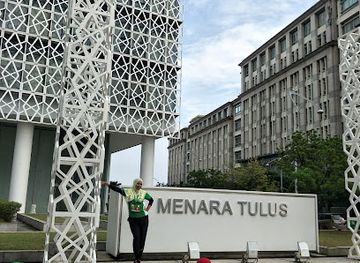
Putrajaya Square
Explore the breathtaking beauty of Putrajaya Square, Malaysia's urban oasis of stunning architecture, lush gardens, and tranquil lakes.
-
Car racing track
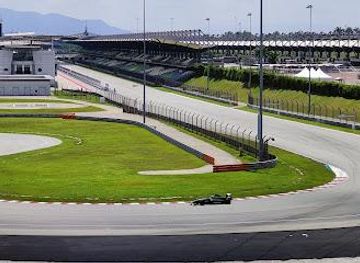
PETRONAS Sepang International Circuit
Discover the adrenaline-pumping excitement of PETRONAS Sepang International Circuit, a world-class racing destination in Selangor, Malaysia, for motorsport enthusiasts.
-
Park
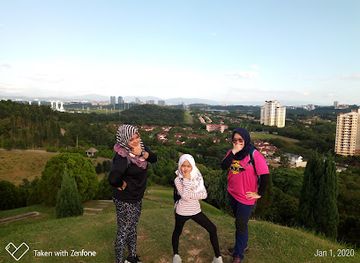
Taman Saujana Hijau Putrajaya
Discover the serene beauty of Taman Saujana Hijau, a lush park in Putrajaya perfect for nature lovers and city escapees alike.
-
Park
National Botanic Gardens Shah Alam
Explore the lush landscapes and diverse flora at the National Botanic Gardens Shah Alam, a tranquil escape perfect for nature lovers and adventurers alike.

Best landmarks in Klang Valley
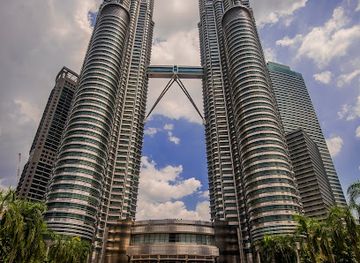
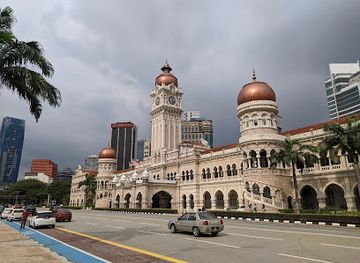
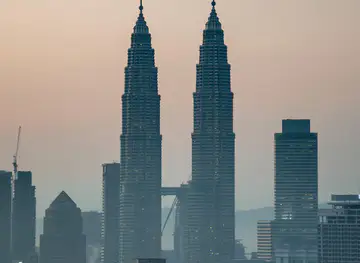
The Petronas Twin Towers are Klang Valley’s most recognisable modern landmark, their linked steel-and-glass form symbolising Kuala Lumpur’s emergence as a global business centre. In the older civic district, the Sultan Abdul Samad Building, Merdeka Square and the Kuala Lumpur Railway Station form a notable group of late nineteenth- and early twentieth-century architecture, combining Moorish, Mughal and colonial influences. Batu Caves is both a natural and religious landmark: the limestone escarpment, monumental Murugan statue and long stairway are visible from far across the northern urban fringe. The National Mosque and the Islamic Arts Museum Malaysia add important modern and cultural architectural points near the historic centre. In Putrajaya, the Putra Mosque, Seri Wawasan Bridge and broad lakefront government precinct offer a deliberately planned contrast to Kuala Lumpur’s layered streetscape. Klang’s royal and river-port heritage provides another landmark dimension, with historic buildings and religious sites reflecting the older identity of western Selangor.
-
Historical landmark
Petronas Twin Towers
Discover the Petronas Twin Towers, an architectural marvel in Kuala Lumpur, offering stunning views, shopping, and cultural insights in one iconic location.
-
Shopping mall
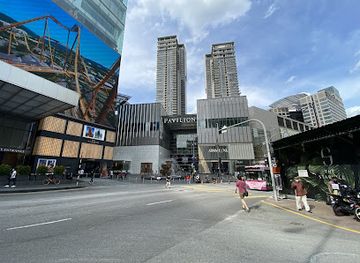
Pavilion Kuala Lumpur
Discover the luxury and excitement of Pavilion Kuala Lumpur, a premier shopping destination in the heart of Malaysia's vibrant Bukit Bintang district.
-
Shrine
Batu Caves
Explore the breathtaking Batu Caves, a must-see Hindu shrine in Malaysia, featuring stunning limestone cliffs and vibrant temples.
-
Historical landmark
Merdeka Square
Discover the rich heritage and vibrant atmosphere of Merdeka Square, a must-visit historical landmark in the heart of Kuala Lumpur.

Explore Klang Valley on the map
Plan your trip on one map. See where the top cities, national parks and sights are, and book hotels and experiences in a few clicks.
Best hotels in Klang Valley
Best restaurants in Klang Valley
Dining in Klang Valley is shaped by Malaysia’s multi-ethnic society and by the concentration of people from across the country and the wider region. Kuala Lumpur and its suburbs offer Malay rice dishes, Chinese noodles and dim sum, Indian banana-leaf meals, mamak curries, grilled specialities, Nyonya-influenced cooking and a broad range of regional Malaysian flavours. Hawker centres, food courts, kopitiam coffee shops and night markets are central to the experience, with dishes such as nasi lemak, char kway teow, roti canai, laksa and satay appearing in many different local interpretations. Petaling Jaya, Subang Jaya, Bangsar, Brickfields, Kampung Baru and central Kuala Lumpur are particularly varied dining areas, while Klang is associated with long-established food traditions and seafood-oriented restaurants. Contemporary kitchens, bakeries, cafés and international restaurants are plentiful, but informal stalls often provide the clearest sense of the valley’s everyday food culture.
-
Indian
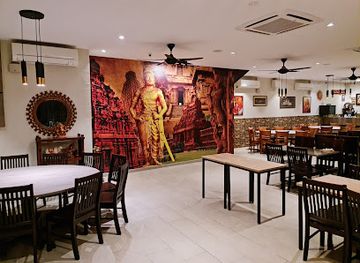
Chola Kitchen Restaurant
Experience the flavors of India at Chola Kitchen Restaurant, where tradition meets modernity in every delicious dish.
-
Asian
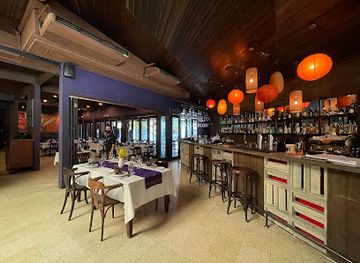
Bijan Bar & Restaurant
Experience the rich flavors of authentic Malaysian cuisine at Bijan Bar & Restaurant in Kuala Lumpur's Bukit Ceylon area.
-
Italian
Marini’s on 57
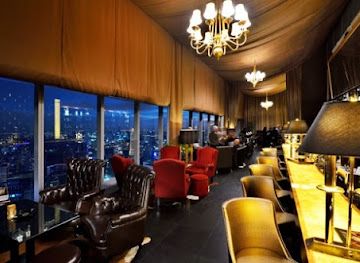
Experience fine Italian dining with stunning views at Marini's on 57 in Kuala Lumpur's iconic Petronas Towers.
-
Cafe
Strangers at 47
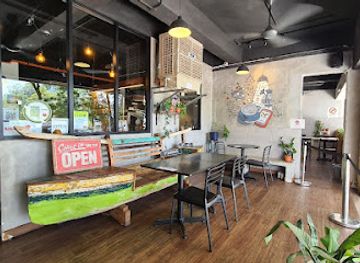
Discover Strangers at 47: A charming café in Petaling Jaya offering delectable dishes and artisanal coffee in a cozy atmosphere.
Best bars in Klang Valley
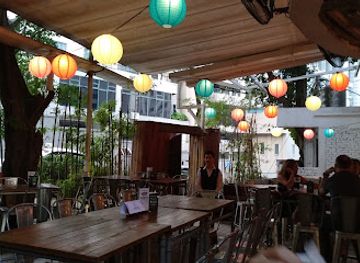
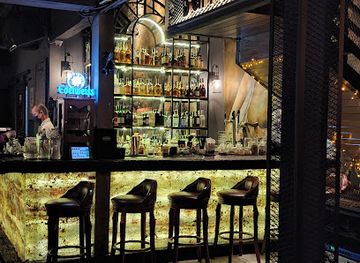
Klang Valley has Malaysia’s broadest range of evening entertainment, though its nightlife is concentrated in particular districts rather than spread evenly across the whole region. Central Kuala Lumpur, especially Bukit Bintang and the streets around Changkat, has cocktail bars, hotel lounges, live music and late-night venues, while Bangsar and Taman Tun Dr Ismail are known for neighbourhood restaurants, bars and cafés. Petaling Jaya and Subang Jaya add independent venues, music spaces and student-oriented evenings. Traditional coffee shops, mamak restaurants and food courts remain important after dark, offering social spaces without a club atmosphere. Putrajaya and many outer suburbs are considerably quieter, with evenings focused on restaurants, waterfront walks or family activities. Venue status and opening arrangements change frequently, so visitors should check current information rather than rely on old nightlife listings.
-
Bar
Suzie Wong - Dinner and Show
Discover the ultimate dining and entertainment experience at Suzie Wong - Dinner and Show in Kuala Lumpur, where exquisite cuisine meets spectacular performances.
-
Bar
SkyBar
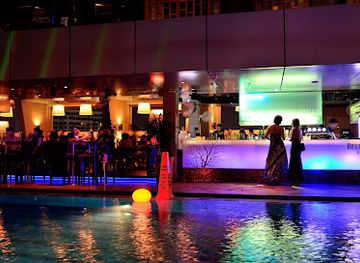
Experience breathtaking views and vibrant nightlife at SkyBar, Kuala Lumpur's premier rooftop bar with stunning cityscapes.
-
Bar
The Rabbit Hole
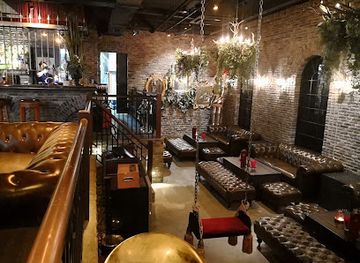
Experience the whimsical charm and creative cocktails of The Rabbit Hole in Kuala Lumpur's vibrant Bukit Bintang district.
-
Restaurant
The Locker & Loft
Experience the perfect blend of innovative cocktails and delightful cuisine at The Locker & Loft in Damansara Kim, a must-visit for food lovers.
Best nightclubs in Klang Valley
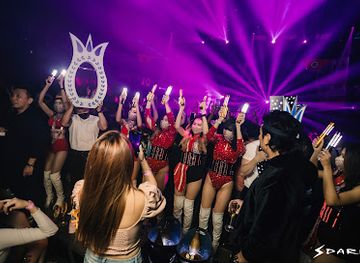
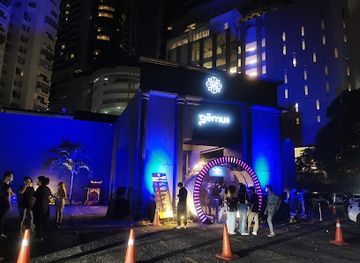
Klang Valley has Malaysia’s broadest range of evening entertainment, though its nightlife is concentrated in particular districts rather than spread evenly across the whole region. Central Kuala Lumpur, especially Bukit Bintang and the streets around Changkat, has cocktail bars, hotel lounges, live music and late-night venues, while Bangsar and Taman Tun Dr Ismail are known for neighbourhood restaurants, bars and cafés. Petaling Jaya and Subang Jaya add independent venues, music spaces and student-oriented evenings. Traditional coffee shops, mamak restaurants and food courts remain important after dark, offering social spaces without a club atmosphere. Putrajaya and many outer suburbs are considerably quieter, with evenings focused on restaurants, waterfront walks or family activities. Venue status and opening arrangements change frequently, so visitors should check current information rather than rely on old nightlife listings.
-
Night club
TREC Kuala Lumpur
Discover the ultimate nightlife experience at TREC Kuala Lumpur, where clubs, bars, and fine dining await in a vibrant atmosphere.
-
Night club
kyō kuala lumpur
Immerse yourself in Kuala Lumpur's vibrant nightlife at Kyo, a premier night club offering electrifying music and an unforgettable atmosphere.
-
Dance club
Spark Club KL
Spark Club KL: Dive into Kuala Lumpur's vibrant nightlife with pulsating beats, stylish ambiance, and unforgettable dance experiences.
-
Night club
Gemu Club KL
Dive into the vibrant nightlife at Gemu Club KL, where the beats never stop and unforgettable memories await in Kuala Lumpur's premier dance club.


Best shops in Klang Valley
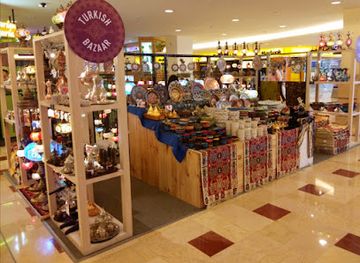
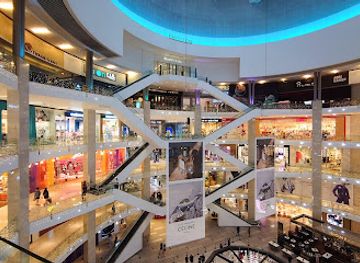
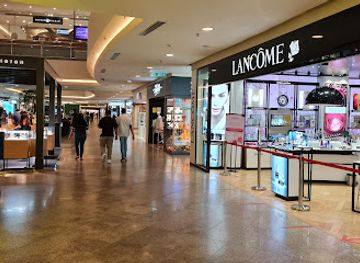
Shopping in Klang Valley ranges from major Kuala Lumpur malls and designer boutiques to market streets, independent shops and neighbourhood food retailers. Bukit Bintang and the KLCC area contain the region’s most concentrated modern retail, while Central Market is a long-established place to browse Malaysian crafts, artwork, textiles and souvenirs, subject to the changing mix of individual traders. Petaling Street remains associated with market-style shopping and street food, and Brickfields, Little India and Kampung Baru offer distinctive opportunities to buy clothing, spices, snacks and religious goods. Petaling Jaya and Subang Jaya have extensive suburban malls alongside specialist cafés, bookstores and independent retailers. Visitors seeking regional products can look for Malaysian coffee, tea, biscuits, sauces, locally made textiles, batik-inspired goods and small craft items. Bargaining is more appropriate in some market settings than in department stores or fixed-price shops, so observe local practice before negotiating.
-
Shopping mall
Suria KLCC
Experience the ultimate shopping and dining destination at Suria KLCC, located beneath the iconic Petronas Twin Towers in Kuala Lumpur.
-
Shopping mall
Pavilion Kuala Lumpur
Explore Pavilion Kuala Lumpur, the ultimate shopping haven with luxury brands, diverse dining options, and vibrant entertainment in the heart of the city.
-
Shopping mall
Central Market
Explore Central Market: A Cultural Hub in Kuala Lumpur for Shopping, Art, and Authentic Malaysian Cuisine.
-
Shopping mall
Mid Valley Megamall
Discover the ultimate shopping experience at Mid Valley Megamall, where retail therapy meets culinary delights in Kuala Lumpur.

Get your free copy of our complete guide to Klang Valley, delivered straight to you.
Everything on this page, from attractions and restaurants to essentials and local phrases, in one PDF you can read offline, print or share.
Already have an account? Sign in
Your Klang Valley guide is ready.
We'll send it to · Not you? Sign out

Getting your guide ready…
We are putting together a fresh copy of the Klang Valley guide. This can take up to a minute.
This can take a few moments. If your browser asks, choose Allow so the download can start. You'll find the guide in your Downloads folder.
Nothing happened? Download it again
Sorry, the guide is taking longer than usual. Please try again in a minute, or get it by email instead.
Klang Valley essentials
Currency and Payment
Safety
Emergency Situations
Do's and Don'ts
Local Tips
From Eve
Local phrases worth knowing
You don't need to get them perfect. A few words go a long way, and locals appreciate the effort.
Basics
| English | Local | Say it |
|---|---|---|
| Hello | Hallo | [hahl-loh] |
| Goodbye | Selamat tinggal | [suh-lah-maht teen-gahl] |
| Yes | Ya | [yah] |
| No | Tidak | [tee-dahk] |
| Please/You're welcome | Sila/Sama-sama | [see-lah/sah-mah sah-mah] |
| Thank you | Terima kasih | [tuh-ree-mah kah-see] |
| Excuse me/Sorry | Maaf | [mah-ahf] |
| How are you? | Apa khabar? | [ah-pah kah-bar] |
| Fine. And you? | Baik. Dan kamu? | [bye-k. dahn kah-moo] |
| Do you speak English? | Adakah anda bercakap dalam bahasa Inggeris? | [ah-dah-kah ahn-dah ber-chah-kap dah-lahm bah-hah-sah ing-ge-ris] |
| I don't understand | Saya tidak faham | [sah-yah tee-dahk fah-hahm] |
Eating & Drinking
| English | Local | Say it |
|---|---|---|
| I'd like to see the menu, please | Saya ingin lihat menu, sila | [sah-yah een-gin lee-haht meh-noo, see-lah] |
| I don't eat meat | Saya tidak makan daging | [sah-yah tee-dahk mah-kahn dah-ging] |
| Cheers! | Selamat menikmati! | [suh-lah-maht neek-mah-tee] |
| I would like to pay, please | Saya ingin bayar, sila | [sah-yah een-gin bye-yahr, see-lah] |
Emergencies
| English | Local | Say it |
|---|---|---|
| Help! | Tolong! | [toh-long] |
| Go away! | Pergi jauh! | [per-gee jah-oo] |
| Call the Police! | Panggil polis! | [pahn-gil poh-lis] |
| Call a doctor! | Panggil doktor! | [pahn-gil dok-tor] |
| I'm lost | Saya sesat | [sah-yah seh-saht] |
| I'm ill | Saya sakit | [sah-yah sah-kit] |
Shopping
| English | Local | Say it |
|---|---|---|
| I'd like to buy... | Saya ingin beli... | [sah-yah een-gin beh-lee] |
| I'm just looking | Saya hanya melihat | [sah-yah han-yah meh-lee-haht] |
| How much is it? | Berapa harganya? | [beh-rah-pah hahr-gah-nya] |
| That's too expensive | Itu terlalu mahal | [ee-too ter-lah-loo mah-hahl] |
| Can you lower the price? | Bolehkah anda turunkan harga? | [boh-leh-kah ahn-dah too-roonkahn hahr-gah] |
Time & Numbers
| English | Local | Say it |
|---|---|---|
| What time is it? | Pukul berapa? | [poo-kool beh-rah-pah] |
| It's one o'clock | Sekarang pukul satu | [suh-kah-rahng poo-kool sah-too] |
| Half past (10) | Setengah (10) | [seh-teng-ah (sepuluh)] |
| Morning | Pagi | [pah-gee] |
| Afternoon | Petang | [peh-tahng] |
| Evening | Malam | [mah-lahm] |
| Yesterday | Semalam | [seh-mah-lahm] |
| Today | Hari ini | [hah-ree ee-nee] |
| Tomorrow | Esok | [eh-sohk] |
| 1 | Satu | [sah-too] |
| 2 | Dua | [doo-ah] |
| 3 | Tiga | [tee-gah] |
| 4 | Empat | [em-paht] |
| 5 | Lima | [lee-mah] |
| 6 | Enam | [eh-nahm] |
| 7 | Tujuh | [too-joo] |
| 8 | Lapan | [lah-pahn] |
| 9 | Sembilan | [sehm-bee-lahn] |
| 10 | Sepuluh | [seh-poo-looh] |
Transport & Directions
| English | Local | Say it |
|---|---|---|
| Where's a/the...? | Di mana ...? | [dee mah-nah] |
| What's the address? | Apa alamatnya? | [ah-pah ah-lah-maht-nya] |
| Can you show me (on the map)? | Boleh tunjukkan saya (di peta)? | [boh-leh toon-jook-kahn sah-yah (dee peh-tah)] |
| When's the next (bus)? | Bila bas seterusnya? | [bee-lah bahs seh-teh-roos-nya] |
| A ticket (to ....) | Satu tiket (ke ....) | [sah-too tee-ket (keh)] |
History of Klang Valley
Early settlement and the Batu Caves landscape
The limestone hills around Batu Caves have long provided shelter, ecological resources and a prominent natural landmark on the northern edge of the Klang Valley. Archaeological evidence indicates human use of caves in the wider area over a long period, although the present religious complex is much more recent. The caves became an important Hindu site in the late nineteenth century after Indian migrants and community leaders established worship dedicated principally to Lord Murugan. Their continuing religious importance shows how the valley’s natural geography and migrant history became intertwined.
Klang, river trade and the rise of tin
Klang was an established river port and a centre of Selangor’s political and commercial life before Kuala Lumpur became dominant. During the nineteenth century, rising demand for tin drew Chinese miners into the interior, particularly around the confluence of the Klang and Gombak rivers. Kuala Lumpur began as a mining settlement associated with these tin fields and the movement of goods along the river systems. The port at Klang connected the inland mines and agricultural districts with regional maritime trade, helping shape the economic geography still visible across the valley.
The Klang War and Kuala Lumpur’s consolidation, 1867–1874
Conflict over control of Selangor’s tin revenue and political authority, commonly known as the Klang War, disrupted the region during the late 1860s and early 1870s. Rival Malay factions and Chinese mining groups were involved in a struggle whose consequences extended from the Klang district to Kuala Lumpur. The conflict damaged settlements and trade but was followed by a political reorganisation that strengthened British influence in Selangor. Kuala Lumpur subsequently consolidated its position as the territory’s administrative and commercial centre.
British administration, railways and municipal development
British intervention in Selangor during the late nineteenth century brought new administrative institutions, roads, sanitation measures and transport links. Kuala Lumpur became the capital of the Federated Malay States in 1896, and railway construction connected the mining interior with Port Klang and other parts of the peninsula. Civic buildings, railway architecture and planned public spaces introduced a distinctive colonial urban layer, while Chinese, Indian and Malay communities continued to shape commerce, neighbourhoods and places of worship. The transport network laid foundations for the metropolitan expansion that followed independence.
Japanese occupation and the road to independence
The Japanese occupation of Malaya from 1941 to 1945 brought military rule, shortages, coercion and social disruption to the Klang Valley. Kuala Lumpur remained an administrative and transport centre, while the wider region experienced the pressures affecting communities throughout the peninsula. After the war, constitutional negotiations and nationalist politics accelerated. The Federation of Malaya achieved independence in 1957, with Kuala Lumpur as its capital. Merdeka Square and the surrounding civic district remain closely associated with the declaration and the formation of the modern state.
New towns, industry and metropolitan expansion
Rapid post-war population growth transformed the valley from a mining and administrative corridor into Malaysia’s principal metropolitan region. Petaling Jaya was developed from the 1950s as a planned satellite town, followed by expanding suburbs, industrial estates, universities and commercial centres across Selangor. Kuala Lumpur became a federal territory in 1974, separating the capital administratively from Selangor while its urban economy remained deeply connected to the surrounding state. The growth of motorways, commuter rail and mass transit reflects the valley’s continuing evolution as Malaysia’s main business and population centre.
Putrajaya and the twenty-first-century capital region
Putrajaya was developed from the 1990s as Malaysia’s planned federal administrative centre, south of Kuala Lumpur in the wider metropolitan area. Its broad boulevards, government precincts, geometric gardens, monumental bridges and purpose-built lake distinguish it from the older, denser urban fabric of Kuala Lumpur and Selangor. The relocation of many federal ministries changed the functional geography of the capital region without displacing Kuala Lumpur’s role as the country’s commercial and cultural centre. Together, the two cities illustrate Malaysia’s transition from colonial administrative town to expansive modern conurbation.
Klang Valley in Photos
Browse through our photo collection highlighting the charm and character of the destination.
Neighbouring regions of Klang Valley
The closest regions to Klang Valley, if you have time for more than one.
-

-

-

-

-


Swipe for more regions
Explore more
Explore more of Malaysia
Discover Malaysia: A stunning blend of modernity and nature, where diverse cultures meet, and adventure awaits. From vibrant cities to serene beaches, Malaysia has it all.
Explore Malaysia